
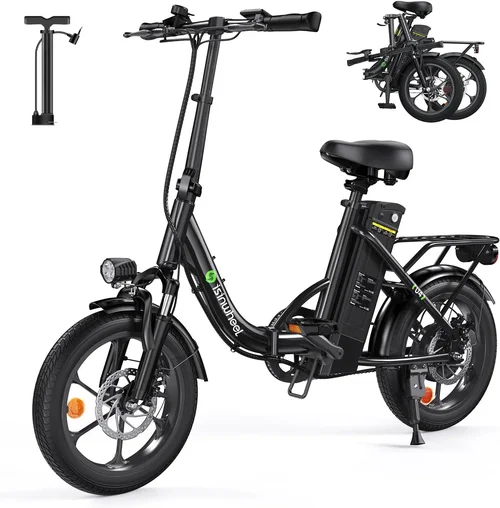
Electric bikes have revolutionized personal transportation, offering a perfect blend of convenience, sustainability, and fun. Whether you’re commuting to work, exploring scenic trails, or simply looking for an eco-friendly way to get around town, e-bikes provide a practical solution that fits into modern lifestyles. As we move through 2026, the market has matured significantly—offering more choices than ever before, with improved technology, better battery life, and smarter designs at increasingly accessible price points. But with so many options flooding the market, it’s easy to feel overwhelmed. That’s exactly why this comprehensive buying guide exists: to cut through the noise, help you understand what truly matters, and guide you toward the best e-bike for your needs and budget.
In this guide, you’ll learn how to evaluate e-bikes like a seasoned rider—not just based on flashy specs or brand names, but on real-world performance, durability, value, and usability. We’ll break down the most important factors to consider, from motor power and battery range to build quality and after-sales support. You’ll also discover common pitfalls that even experienced buyers fall into, learn how to stretch your budget without sacrificing quality, and get expert-backed tips for scoring the best deals. By the end, you’ll have a clear roadmap to choose an e-bike that doesn’t just meet your expectations—but exceeds them.
The e-bike market in 2026 is more competitive and innovative than ever. Major brands like Rad Power Bikes, Trek, Specialized, and Aventon continue to push boundaries, while newer entrants like Lectric, Himiway, and Engwe are shaking up the space with aggressive pricing and feature-rich models. Meanwhile, urban commuters, weekend adventurers, and retirees alike are discovering the joy of assisted riding. With federal and local incentives still available in many regions, and charging infrastructure improving rapidly, there’s never been a better time to make the switch. This guide is designed to help you navigate that shift with confidence.
What to Look for When Buying an E-Bike
1. Budget & Price Range
Your budget is the foundation of your e-bike decision—it determines not only what you can afford upfront but also what kind of performance, durability, and features you’ll realistically get. E-bikes range from under $800 for basic commuter models to over $8,000 for high-end cargo or performance machines. The key is understanding what you’re paying for: a $1,200 e-bike won’t deliver the same ride quality or longevity as a $3,500 model, but it might be perfectly adequate for short, flat commutes.
When setting your budget, consider total cost of ownership—not just the sticker price. Factor in potential maintenance, replacement batteries (which typically last 2–4 years), accessories like lights or racks, and even insurance if you live in a high-theft area. A slightly higher initial investment often pays off in reduced repair frequency and longer lifespan. Avoid the temptation to go ultra-cheap; sub-$600 e-bikes often use low-quality motors, weak batteries, and flimsy frames that degrade quickly.
2. Motor Type & Power
The motor is the heart of your e-bike, and its type and power output directly affect acceleration, hill-climbing ability, and overall ride feel. Most e-bikes use either hub motors (located in the front or rear wheel) or mid-drive motors (mounted near the pedals). Hub motors are simpler, quieter, and generally more affordable—ideal for casual riders and flat terrain. Mid-drive motors, found on premium models, offer better weight distribution, more natural pedal assistance, and superior efficiency on hills and varied terrain.
Motor power is measured in watts (W), with common ratings ranging from 250W (common in Europe due to regulations) to 750W or even 1,000W in the U.S. For city commuting, a 500W–750W motor is usually sufficient. If you plan to tackle steep hills or carry heavy loads (like groceries or kids), aim for at least 750W. Remember: higher wattage doesn’t always mean faster top speed—that’s often limited by law to 20 mph (Class 2/3) in most areas—but it does mean quicker acceleration and better performance under load.
3. Battery Capacity & Range
Battery capacity, measured in watt-hours (Wh), determines how far you can ride on a single charge. A higher Wh rating means longer range, but real-world distance depends on terrain, rider weight, assist level, wind, and temperature. For example, a 48V 14Ah battery equals 672Wh—enough for 30–50 miles on moderate assist in ideal conditions. Cold weather can reduce range by 20–30%, so factor that in if you ride year-round.
Look for lithium-ion batteries from reputable manufacturers (like Samsung, LG, or Panasonic cells). Avoid no-name or “generic” batteries—they degrade faster and pose safety risks. Removable batteries are a major plus, allowing you to charge indoors and swap in a spare for extended trips. Charging time typically ranges from 3–6 hours; some fast-charging models can reach 80% in under 2 hours. Always check if the charger is included—some budget brands sell it separately.
4. Build Quality & Frame Material
A well-built frame ensures safety, comfort, and longevity. Most e-bikes use aluminum alloys (like 6061 or 7005), which offer a great balance of strength, lightness, and corrosion resistance. Steel frames are heavier but more durable and absorb vibrations better—ideal for rough roads or cargo bikes. Carbon fiber is rare and expensive but appears on high-end performance models for its stiffness and weight savings.
Inspect welds, joints, and cable routing. Sloppy welding or exposed wires suggest poor manufacturing. Test the suspension (if equipped)—front forks should compress smoothly without creaking. For step-through frames (great for accessibility), ensure the downtube is reinforced. Weight matters too: lighter bikes (under 50 lbs) are easier to maneuver and lift, but ultra-light models may sacrifice durability. Aim for a frame that feels solid when you shake it—no rattling or flexing.
5. Features & Functionality
Modern e-bikes come packed with features that enhance usability and safety. Essential ones include integrated LED lights (front and rear), fenders, rear racks, and puncture-resistant tires. These add convenience and reduce the need for aftermarket upgrades. Display quality varies widely—basic LCDs show speed and battery level, while color TFT screens offer GPS navigation, ride stats, and Bluetooth connectivity.
Consider pedal-assist levels (usually 3–5 modes) and throttle type (thumb, twist, or button). Class 2 bikes have throttles that work without pedaling; Class 3 bikes reach 28 mph but require pedaling. Some models include USB ports for charging devices, smartphone mounts, or app integration for tracking rides and locking the bike remotely. While flashy extras are nice, prioritize features that match your use case—e.g., a cargo rack matters more for parents than trail riders.
6. Brand Reputation & Reliability
Not all e-bike brands are created equal. Established names like Trek, Giant, and Specialized have decades of cycling expertise and rigorous testing standards. Direct-to-consumer brands like Rad Power Bikes and Lectric offer excellent value by cutting out retail markups, but their customer service can be hit-or-miss. Research how long the company has been around, read independent reviews, and check if they have physical service centers near you.
Reliability isn’t just about the bike—it’s about post-purchase support. A brand with a strong reputation will honor warranties promptly, stock replacement parts, and provide clear troubleshooting guides. Avoid brands with vague warranty terms or those that disappear after a year or two. Community forums like Reddit’s r/ebikes or Electric Bike Review are goldmines for real-user experiences.
7. Warranty & Customer Support
A solid warranty protects your investment and reflects the manufacturer’s confidence in their product. Look for at least a 1-year comprehensive warranty covering the frame, motor, and battery. Premium brands often offer 2–3 years. Battery warranties are especially important—many cover 500–1,000 charge cycles or 2 years, whichever comes first. Some brands (like Rad Power) even offer extended battery warranties for an extra fee.
Customer support should be responsive and knowledgeable. Test their responsiveness before buying: send an email or call their support line with a technical question. If they take days to reply or give vague answers, consider it a red flag. Also, check return policies—most reputable sellers offer 14–30 day trial periods, though you may pay return shipping. Local bike shops that sell e-bikes often provide better in-person support than online-only brands.
8. Size, Fit & Portability
An ill-fitting e-bike leads to discomfort, reduced control, and even injury. Most brands offer multiple frame sizes (S, M, L) or adjustable stems and seat posts. Test ride if possible—your knees shouldn’t fully extend at the bottom of the pedal stroke, and you should be able to touch the ground comfortably when stopped. Step-through frames are ideal for shorter riders or those with mobility issues.
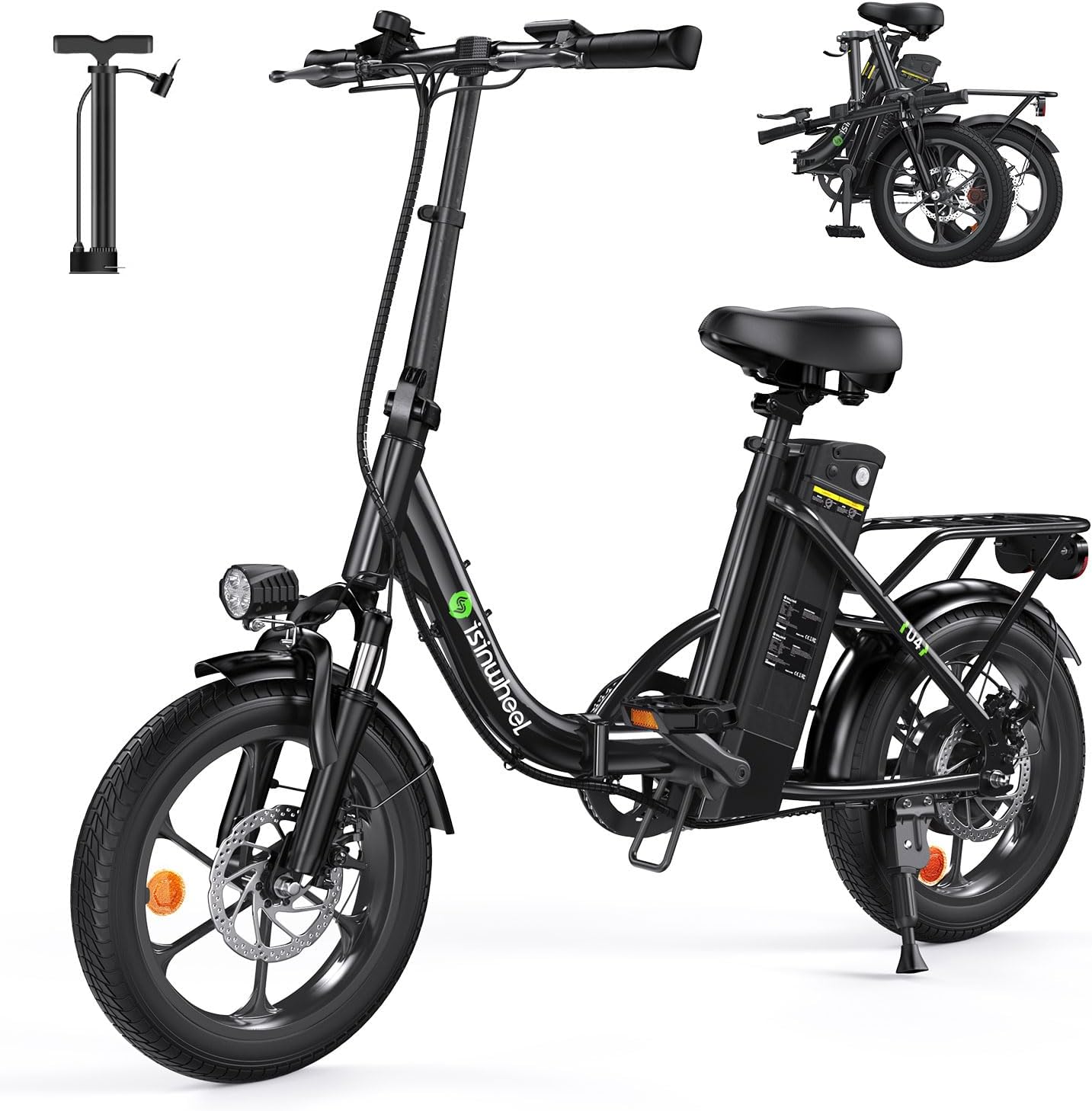
Portability matters if you need to carry the bike upstairs, store it in a small apartment, or transport it in a car. Folding e-bikes (like the Lectric XP or Brompton Electric) are compact but often heavier due to reinforced hinges. Weight distribution affects handling—a rear-hub motor can make the bike feel tail-heavy. If portability is key, look for bikes under 45 lbs with ergonomic grips and optional carrying bags.
Different Types of E-Bikes

Common Buying Mistakes to Avoid
❌ Mistake: Prioritizing Price Over Quality
Why it’s bad: Ultra-cheap e-bikes often use subpar components that fail within months—think weak motors, low-cycle batteries, and frames that crack under stress. You’ll end up spending more on repairs or replacements than if you’d bought a reliable mid-range model initially.
What to do instead: Set a realistic budget based on your usage. If you ride daily, invest in a $1,500+ bike with a reputable brand and solid warranty. Think of it as a long-term investment in mobility and health.
❌ Mistake: Ignoring Real-World Range Claims
Why it’s bad: Manufacturers often quote “up to” range figures based on ideal conditions (flat terrain, light rider, eco mode). In reality, most riders get 30–60% less, especially in hilly areas or cold weather.
What to do instead: Divide the advertised range by 1.5 to estimate real-world performance. If you need 25 miles, buy a bike rated for at least 40 miles. Carry a spare battery or plan charging stops for longer trips.
❌ Mistake: Overlooking Local Laws and Regulations
Why it’s bad: E-bike laws vary by state and country. Some areas restrict motor power, speed, or where you can ride (e.g., bike lanes vs. sidewalks). Riding an illegal e-bike could result in fines or confiscation.
What to do instead: Check your local Department of Transportation website before buying. Most U.S. states follow the three-class system (Class 1: pedal-assist only, 20 mph; Class 2: throttle, 20 mph; Class 3: pedal-assist, 28 mph). Ensure your bike complies.
❌ Mistake: Skipping the Test Ride
Why it’s bad: An e-bike that looks great online might feel uncomfortable, unbalanced, or too heavy in person. Fit issues can cause back pain, numb hands, or loss of control.
What to do instead: Visit local dealers or attend e-bike demo events. If buying online, choose retailers with generous return policies (like Rad Power’s 30-day test ride). Pay attention to handlebar height, seat comfort, and how the bike handles at low speeds.
❌ Mistake: Neglecting Maintenance Needs
Why it’s bad: E-bikes require regular upkeep—brake adjustments, tire checks, chain lubrication, and battery care. Ignoring maintenance leads to premature wear, safety hazards, and costly repairs.
What to do instead: Learn basic maintenance or find a local shop that services e-bikes. Budget $100–$200 annually for tune-ups. Keep tires properly inflated and store the battery at 30–60% charge if not used for weeks.
❌ Mistake: Buying Based Solely on Specs
Why it’s bad: A spec sheet can be misleading. A 1,000W motor sounds powerful, but if it’s poorly tuned or paired with a weak battery, performance suffers. Likewise, “50-mile range” means little without context.
What to do instead: Read detailed reviews from trusted sources (like Electric Bike Review or DC Rainmaker). Look for real-user feedback on forums. Specs matter, but real-world performance matters more.
Budget Guidelines: How Much Should You Spend?
Entry-Level ($800–$1,200): These bikes suit occasional riders or those on tight budgets. Expect basic hub motors (500W), modest batteries (400–500Wh), and minimal features. Brands like Ancheer or ECOTRIC offer decent value here, but build quality varies. Ideal for flat commutes under 10 miles.
Mid-Range ($1,200–$2,500): This is the sweet spot for most buyers. You’ll find reliable motors (750W), better batteries (600–750Wh), and useful features like integrated lights, racks, and puncture-resistant tires. Models from Rad Power, Lectric, and Aventon dominate this tier with excellent value and strong communities.
Premium ($2,500–$4,500): For enthusiasts and daily commuters who demand performance and durability. Mid-drive motors, high-capacity batteries (800Wh+), advanced displays, and premium components (Shimano drivetrains, hydraulic brakes) are standard. Trek, Specialized, and Riese & Müller offer standout options here.
Luxury ($4,500+): Top-tier e-bikes combine cutting-edge tech with artisanal craftsmanship. Think carbon frames, Bosch or Shimano STEPS motors, GPS tracking, and bespoke designs. These are for serious riders, cargo haulers, or those who want the absolute best—no compromises.
Expert Tips for Getting the Best Deal
- Buy during off-season sales: Late fall and winter (October–February) are prime times for discounts as retailers clear inventory. Black Friday and end-of-year sales often feature 15–30% off popular models.
- Consider certified pre-owned: Reputable dealers like Rad Power and Trek Certified Refurbished sell inspected, warrantied used e-bikes at 20–40% off retail. Great way to get premium features on a budget.
- Bundle accessories: Some retailers offer free helmets, locks, or lights with purchase. Others let you add items at cost—saving you markup from third-party sellers.
- Negotiate with local shops: Independent bike shops may price-match online retailers or throw in free tune-ups. Building a relationship can pay off long-term.
- Watch for direct-to-consumer brands: Companies like Lectric and Himiway cut out middlemen, passing savings to you. Just ensure they have good support and return policies.
- Read the fine print on warranties: Some cover “wear and tear,” others don’t. Know what’s included before you need it.
- Use credit card rewards: Many cards offer extended warranties or purchase protection—another layer of security for your investment.

Frequently Asked Questions
Q: How far can I really ride on one charge?
A: Real-world range depends on terrain, rider weight, assist level, and weather. As a rule of thumb, divide the advertised range by 1.5. A bike claiming 50 miles might give you 30–35 miles in hilly areas with a 180-lb rider using medium assist.
Q: Do I need a license or insurance for an e-bike?
A: In most U.S. states, no license or insurance is required for Class 1–3 e-bikes. However, some cities have additional rules—check local regulations. Insurance is optional but recommended for high-value bikes.
Q: Can I ride an e-bike in the rain?
A: Yes, most e-bikes are water-resistant (IPX4 or higher), meaning they can handle light rain and splashes. Avoid submerging the battery or motor, and dry the bike after wet rides to prevent corrosion.
Q: How often should I charge the battery?
A: Charge when the battery drops to 20–30%. Avoid draining it completely. For long-term storage, keep it at 50% charge and recharge every 3 months.
Q: Are e-bikes good for exercise?
A: Absolutely! Even with pedal assist, you’re still pedaling and burning calories. Lower assist levels provide a solid workout, while higher levels help you cover more distance with less fatigue.
Q: What’s the difference between Class 1, 2, and 3 e-bikes?
A: Class 1: pedal-assist only, up to 20 mph. Class 2: includes throttle, up to 20 mph. Class 3: pedal-assist only, up to 28 mph. Class 3 bikes may have restricted access in some areas.
Q: How long do e-bike batteries last?
A: Most lithium-ion batteries last 500–1,000 full charge cycles, equating to 2–4 years of daily use. Proper care (avoiding extreme temps, not overcharging) extends lifespan.
Q: Can I upgrade my e-bike later?
A: Some components like tires, seats, and lights are easily upgraded. Motors and batteries are harder—and often not worth the cost. Buy the best bike you can afford upfront.
Q: Are folding e-bikes as durable as regular ones?
A: Modern folding e-bikes are surprisingly robust, but hinges and joints are potential weak points. Choose models with reinforced frames and positive-lock mechanisms.
Our Final Recommendations
Best for Budget-Conscious Buyers: Lectric XP 3.0 ($999) – Offers incredible value with a 750W motor, 45-mile range, folding design, and integrated lights. Perfect for urban commuters who want reliability without breaking the bank.
Best Overall Value: Rad Power RadCity 5 Plus ($1,799) – Combines a powerful 750W motor, 617Wh battery, hydraulic brakes, and a comfortable step-through frame. Excellent customer support and a massive user community make this a top pick.
Best Premium Option: Specialized Turbo Vado SL 5.0 ($4,200) – Lightweight, sleek, and packed with tech. Features a custom SL 1.1 motor, 80-mile range, and a gorgeous display. Ideal for discerning riders who want performance and style.
Best for Beginners: Aventon Level.2 ($1,699) – User-friendly interface, smooth ride, and great build quality. Comes with a comprehensive app and strong warranty. Easy to assemble and ride right out of the box.
Best for Advanced Users: Trek Allant+ 9.9S ($5,999) – Bosch Performance Line CX motor, 725Wh battery, and top-tier components. Built for long-distance touring, steep climbs, and all-weather reliability. A true workhorse.
Conclusion: Making the Right Choice
Choosing the right e-bike isn’t just about finding the cheapest or most powerful option—it’s about matching the bike to your lifestyle, terrain, and long-term goals. By focusing on key factors like motor type, battery capacity, build quality, and after-sales support, you’ll avoid common pitfalls and invest in a machine that serves you well for years. Remember, the best e-bike for the money is the one that fits your needs, feels great to ride, and comes from a brand you can trust.
Don’t rush the decision. Take advantage of test rides, read real user reviews, and consider your total cost of ownership. With the right approach, your e-bike will become more than just a mode of transport—it’ll be a source of joy, freedom, and sustainable living. Whether you’re commuting, exploring, or simply rediscovering the joy of cycling, there’s an e-bike out there that’s perfect for you. Start your journey today.