
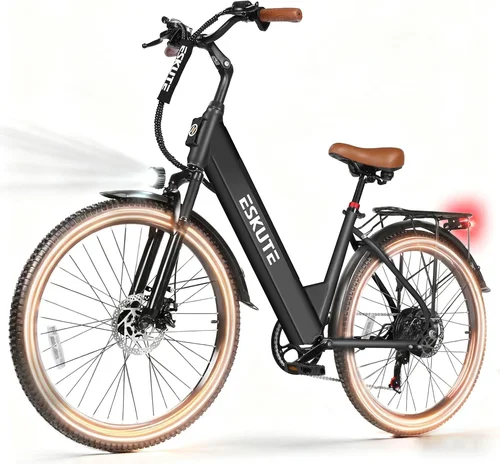
Electric bikes for teens are no longer just a passing trend—they’re a smart, sustainable, and fun mode of transportation that’s rapidly gaining traction among young riders. As we move into 2026, the market for youth-oriented e-bikes has evolved significantly, offering safer designs, improved battery technology, and features tailored specifically to the needs and lifestyles of teenagers. Whether your teen is commuting to school, exploring the neighborhood with friends, or simply looking for an eco-friendly alternative to gas-powered scooters, an electric bike can be a game-changer. But with so many options flooding the market, choosing the right one can feel overwhelming. That’s where this guide comes in.
This comprehensive buying guide is designed to help parents, guardians, and teens make informed decisions when selecting the best electric bike for 2026. We’ll walk you through every critical factor—from budget and performance to safety, durability, and brand reliability—so you can confidently pick a model that fits your teen’s needs, riding style, and your peace of mind. You’ll learn how to avoid common pitfalls, understand what features truly matter, and discover which models offer the best value for money. Whether you’re shopping on a tight budget or investing in a premium ride, this guide will equip you with the knowledge to choose wisely.
The electric bike market for teens has matured considerably in recent years. Gone are the days when youth e-bikes were simply scaled-down versions of adult models with questionable safety standards. Today’s top brands are designing bikes with teen-specific ergonomics, speed limiters, parental controls, and enhanced braking systems. At the same time, advancements in lithium-ion batteries have led to lighter, longer-lasting power sources that can support commutes of 15–30 miles on a single charge. With options ranging from foldable commuter bikes to rugged off-road models, there’s never been a better time to consider an e-bike for your teenager. Let’s dive into what matters most when making this important purchase.

What to Look for When Buying Electric Bikes for Teens
1. Safety Features and Compliance
Safety should be your top priority when selecting an electric bike for a teen. Unlike adult riders, teenagers may lack the experience or judgment to handle high speeds or complex traffic situations. Look for models that comply with local e-bike regulations—many regions classify e-bikes into three categories based on speed and motor power. For teens, a Class 1 or Class 2 e-bike (pedal-assist up to 20 mph or throttle-assisted up to 20 mph) is typically the safest and most legally compliant choice.
Key safety features to look for include:
– Speed limiters: Some models allow parents to cap the maximum speed via a mobile app or onboard settings.
– Responsive braking systems: Disc brakes (mechanical or hydraulic) offer superior stopping power compared to rim brakes, especially in wet conditions.
– LED lighting: Front and rear lights improve visibility during early morning or evening rides.
– Reflective elements: Strips on wheels, pedals, and frames help other road users see your teen from all angles.
– Stability features: Wider tires, lower center of gravity, and step-through frames enhance balance and control.
Additionally, check if the bike meets safety certifications such as UL 2849 (for electrical systems) or CPSC compliance (Consumer Product Safety Commission). These certifications ensure the bike has undergone rigorous testing for fire safety, electrical hazards, and structural integrity.
2. Motor Power and Performance
The motor is the heart of any electric bike, and for teens, the right balance of power and control is crucial. Most youth e-bikes feature motors ranging from 250W to 750W. A 250W–350W motor is ideal for flat terrain and casual riding, providing enough boost for hills without overwhelming a new rider. Higher-wattage motors (500W–750W) deliver more torque and speed but may be overkill—and potentially unsafe—for younger or less experienced teens.
Performance isn’t just about raw power; it’s also about how smoothly the motor engages. Look for bikes with pedal-assist sensors that respond naturally to pedaling effort. Some models offer multiple assist levels (e.g., Eco, Normal, Sport), allowing teens to conserve battery or boost speed as needed. Throttle-only modes can be convenient but should be used cautiously—some parents prefer models where the throttle is disabled or limited via parental controls.
Real-world performance also depends on terrain. If your teen will be riding on hilly streets or gravel paths, opt for a bike with a mid-drive motor or a rear-hub motor with good torque. For city commuting on flat roads, a front-hub motor may suffice and often results in a lighter, more affordable bike.
3. Battery Life and Charging Time
Battery range is one of the most important factors for teens who rely on their e-bike for daily transportation. Most youth e-bikes offer a range of 15 to 40 miles per charge, depending on motor power, terrain, rider weight, and assist level. For a typical school commute of 3–5 miles each way, a 20–25 mile range is more than sufficient. However, if your teen plans longer rides or weekend adventures, aim for a bike with at least 30 miles of range.
Battery capacity is measured in watt-hours (Wh). A higher Wh rating generally means longer range. For example, a 36V 10Ah battery delivers 360Wh, while a 48V 12Ah battery provides 576Wh. Removable batteries are a major plus—they allow for easy charging at home, school, or work without needing to bring the entire bike indoors.
Charging time typically ranges from 3 to 6 hours. Some premium models support fast charging, topping up to 80% in under 2 hours. Always check the battery’s cycle life—most lithium-ion batteries last 500–1,000 charge cycles before capacity drops significantly. Opt for brands that use reputable battery cells (like Samsung or LG) and offer battery warranties of at least 12 months.
4. Build Quality and Durability
Teens are active, adventurous, and sometimes rough on their gear. That’s why build quality matters more than ever. Look for e-bikes constructed from lightweight yet durable materials like aluminum alloy frames, which resist rust and withstand daily wear and tear. Avoid cheap steel frames—they’re heavier and prone to corrosion.
Pay attention to component quality:
– Wheels and tires: Puncture-resistant tires with good tread provide better grip and reduce flats. Wider tires (2.0” or more) offer more stability.
– Suspension: Front suspension forks absorb shocks from potholes and curbs, improving comfort and control. Full suspension is rare in youth e-bikes but may be worth considering for off-road use.
– Drivetrain: Reliable gear systems (like Shimano Tourney or Altus) ensure smooth shifting and reduce maintenance.
– Wiring and connectors: Well-protected, waterproof wiring prevents electrical issues in wet conditions.
A well-built e-bike should feel solid when you lift it and stable when ridden. Test the frame for flex or creaking sounds. Also, check customer reviews for reports of loose bolts, broken parts, or premature wear—these are red flags for poor manufacturing.
5. Size, Fit, and Adjustability
An ill-fitting bike can lead to discomfort, poor control, and even injury. Most e-bikes for teens are designed for riders between 4’10” and 5’8″, but sizing varies by model. Always check the manufacturer’s height and weight recommendations. A bike that’s too large can be hard to maneuver, while one that’s too small may cause strain on knees and back.
Key fit considerations include:
– Standover height: Your teen should be able to stand over the top tube with both feet flat on the ground.
– Seat height adjustability: Look for a seat post with a wide range of adjustment (usually 6–8 inches) to accommodate growth spurts.
– Handlebar position: Adjustable handlebars allow for a more upright or sporty riding posture.
– Weight capacity: Most youth e-bikes support 150–220 lbs. Ensure your teen’s weight (plus backpack or cargo) falls within this range.
Some brands offer “youth-specific” geometry with shorter reach and lower center of gravity, making the bike easier to handle. If possible, have your teen test ride the bike before buying—comfort and confidence are just as important as specs.
6. Features and Functionality
Modern e-bikes come packed with features that enhance usability, safety, and fun. While not all are essential, some can make a big difference for teen riders:
– LCD or LED display: Shows speed, battery level, assist mode, and distance. Backlit screens are helpful in low light.
– Mobile app integration: Allows parents to track location, set speed limits, monitor battery, and receive maintenance alerts.
– USB charging port: Lets teens charge phones or lights on the go.
– Fenders and chain guard: Protect against mud, water, and clothing snags.
– Rack and basket compatibility: Useful for carrying backpacks, lunch, or groceries.
– Kickstand: A sturdy center or side stand makes parking easier.
Avoid bikes with overly complex interfaces or gimmicky features that distract from riding. Simplicity and reliability are key for teen users.
7. Brand Reputation and Customer Support
Not all e-bike brands are created equal. Established companies like Gotrax, Segway, Ancheer, and Razor have built reputations for quality, innovation, and customer service. When researching brands, look for:
– Transparent product specifications
– Positive user reviews on trusted platforms (Amazon, Best Buy, etc.)
– Active social media presence and community engagement
– Clear warranty policies and responsive support teams
Avoid unknown brands with vague descriptions, stock photos, or no contact information. These are often dropshipped from overseas with little accountability. A reputable brand will stand behind its product and help resolve issues quickly.
8. Warranty and Return Policy
A solid warranty is a sign of a manufacturer’s confidence in their product. Most reputable e-bike brands offer:
– 1-year warranty on the frame and motor
– 6–12 months on the battery
– 30–90 day return policy
Read the fine print: some warranties exclude normal wear and tear, water damage, or improper use. Also, confirm whether the warranty is honored internationally if you’re buying online. A generous return policy (at least 30 days) gives you time to test the bike and ensure it’s the right fit.
Different Types of Electric Bikes for Teens

Common Buying Mistakes to Avoid
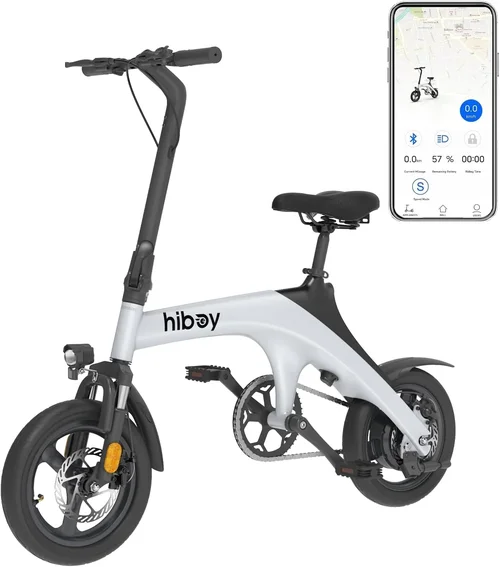
❌ Mistake: Prioritizing Price Over Safety
Why it’s bad: The cheapest e-bikes often cut corners on safety features, use low-quality batteries, and lack proper certifications. This can lead to accidents, fires, or premature failure.
What to do instead: Set a minimum budget that includes essential safety features. A $500 bike with disc brakes and UL certification is safer than a $300 model with no warranty.
❌ Mistake: Ignoring Local Laws and Regulations
Why it’s bad: Riding an illegal e-bike (e.g., one that exceeds speed or power limits) can result in fines, confiscation, or liability in accidents.
What to do instead: Research your state or country’s e-bike laws. Ensure the bike is classified correctly and complies with age and helmet requirements.
❌ Mistake: Buying Based Solely on Looks
Why it’s bad: A flashy design doesn’t guarantee performance or durability. Teens may be drawn to cool colors or lights, but these don’t improve ride quality.
What to do instead: Focus on functionality first. Choose a bike that fits well, rides smoothly, and meets safety standards—then pick a color they like.
❌ Mistake: Overlooking Maintenance Needs
Why it’s bad: E-bikes require regular upkeep—tire pressure checks, brake adjustments, chain lubrication. Neglecting maintenance shortens lifespan and increases risk.
What to do instead: Teach your teen basic maintenance or schedule tune-ups at a local bike shop. Choose a model with accessible parts and clear instructions.
❌ Mistake: Assuming All E-Bikes Are the Same
Why it’s bad: E-bikes vary widely in quality, performance, and intended use. A mountain e-bike isn’t ideal for city commuting, and vice versa.
What to do instead: Match the bike type to your teen’s primary use case. Consider terrain, distance, and frequency of use.
❌ Mistake: Skipping the Test Ride
Why it’s bad: Comfort and handling are subjective. A bike that looks great on paper may feel awkward or unstable in real life.
What to do instead: Visit a local dealer or attend a demo event. Let your teen ride the bike and provide feedback before purchasing.
❌ Mistake: Not Planning for Growth
Why it’s bad: Teens grow quickly. A bike that fits today may be too small in a year, leading to discomfort or the need for a replacement.
What to do instead: Choose a model with adjustable components and a slightly larger frame if your teen is still growing.
Budget Guidelines: How Much Should You Spend?
– Entry-Level ($300–$600): These bikes are great for occasional use and short commutes. Expect basic components, limited range (15–20 miles), and fewer features. Ideal for budget-conscious families or first-time riders. Brands like Gotrax and Ancheer offer solid options in this range.
– Mid-Range ($600–$1,000): This is the sweet spot for most teen buyers. Bikes in this tier offer better build quality, longer battery life (25–35 miles), improved motors, and useful features like displays and lights. Models from Segway, Razor, and Ecotric deliver excellent value.
– Premium ($1,000–$1,500): Designed for serious riders, these e-bikes include advanced suspension, high-capacity batteries, app connectivity, and superior components. Perfect for teens who ride daily or tackle varied terrain.
– Luxury ($1,500+): Top-tier models with cutting-edge technology, lightweight frames, and professional-grade performance. These are best for enthusiasts or those who want the ultimate riding experience.
Expert Tips for Getting the Best Deal
– Shop during seasonal sales: Look for discounts during back-to-school (August), Black Friday (November), and end-of-season clearances (March–April).
– Compare prices across retailers: Check Amazon, Walmart, Best Buy, and specialty e-bike stores. Some offer price matching.
– Read verified customer reviews: Focus on reviews from buyers with similar needs (e.g., “used for teen commuting”).
– Check for bundle deals: Some sellers include helmets, locks, or lights at no extra cost.
– Consider certified refurbished models: These are often 20–30% cheaper and come with warranties.
– Test before you buy: Visit local bike shops or attend e-bike expos to try multiple models.
– Ask about student discounts: Some brands offer 10–15% off for students with a valid ID.
– Review return and exchange policies: Ensure you can return the bike if it doesn’t meet expectations.

Frequently Asked Questions
Q: Are electric bikes safe for teenagers?
A: Yes, when chosen and used responsibly. Look for models with speed limiters, strong brakes, and safety certifications. Always pair the bike with a helmet and teach safe riding habits.
Q: How fast can a teen e-bike go?
A: Most youth e-bikes are limited to 15–20 mph, which is safe for urban and suburban riding. Some models allow parents to adjust the max speed via app controls.
Q: Do teens need a license to ride an e-bike?
A: In most U.S. states, no license is required for Class 1 or Class 2 e-bikes. However, age restrictions and helmet laws vary—check local regulations.
Q: How long does the battery last?
A: Typically 15–40 miles per charge, depending on terrain, rider weight, and assist level. Most batteries last 2–4 years with proper care.
Q: Can a teen ride an e-bike in the rain?
A: Yes, but avoid deep puddles and heavy downpours. Most e-bikes are water-resistant (IPX4 or higher), but prolonged exposure can damage electronics.
Q: What’s the difference between pedal-assist and throttle?
A: Pedal-assist provides power only when pedaling, while throttle lets the bike move without pedaling. Both are useful, but throttle should be used cautiously by new riders.
Q: How much do e-bikes weigh?
A: Youth e-bikes typically weigh 35–55 lbs. Lighter models are easier to carry and maneuver.
Q: Can I upgrade the battery later?
A: Some brands offer higher-capacity battery upgrades, but compatibility varies. Check with the manufacturer before purchasing.
Q: What if the bike breaks down?
A: Most issues can be resolved under warranty. Keep receipts, register the product, and contact customer support promptly.
Q: Are e-bikes environmentally friendly?
A: Yes—they produce zero emissions during use and reduce reliance on cars. Charging with renewable energy further lowers their carbon footprint.
Our Final Recommendations
– Best for Budget-Conscious Buyers: Gotrax GXL V2 – A reliable, affordable commuter e-bike with a 20 mph top speed, 25-mile range, and solid build quality under $600.
– Best Overall Value: Segway Ninebot F25 – Combines performance, safety, and smart features like app control and LED display for around $800.
– Best Premium Option: Ancheer AN-EB02 – Offers full suspension, 48V battery, and off-road capability for teens who love adventure (~$1,200).
– Best for Beginners: Razor RSF350 – Lightweight, easy to handle, and designed specifically for younger riders with a 15 mph limit (~$550).
– Best for Advanced Users: Ecotric Fat Tire – Rugged, powerful, and capable of handling trails and rough terrain with a 750W motor and 40-mile range (~$1,400).
Conclusion: Making the Right Choice
Choosing the best electric bike for your teen in 2026 is about more than just picking a stylish ride—it’s about investing in safety, reliability, and long-term value. By focusing on key factors like safety features, motor performance, battery life, and build quality, you can narrow down the options and find a bike that matches your teen’s needs and your family’s budget. Avoid common pitfalls like prioritizing price over safety or ignoring local laws, and take advantage of seasonal deals and expert tips to get the best possible value.
Remember, the right e-bike isn’t just a mode of transportation—it’s a tool for independence, exercise, and environmental responsibility. Whether your teen is commuting to school, exploring the outdoors, or simply enjoying the freedom of the open road, a well-chosen electric bike can enhance their daily life in meaningful ways. Take the time to research, test, and compare. Your teen—and your peace of mind—will thank you.