Electric bikes have evolved from niche novelties into mainstream transportation solutions, and 2026 is shaping up to be a landmark year for e-bike innovation. With advancements in battery technology, motor efficiency, smart connectivity, and sustainable design, today’s electric bikes offer more performance, reliability, and value than ever before. Whether you’re commuting to work, exploring mountain trails, running errands around town, or simply rediscovering the joy of cycling without the sweat, there’s an e-bike tailored to your lifestyle. But with hundreds of models flooding the market—from budget-friendly commuters to high-performance off-road machines—choosing the right one can feel overwhelming.
This comprehensive buying guide cuts through the noise. We’ve tested dozens of models, analyzed thousands of user reviews, consulted industry experts, and compared specs across brands to bring you everything you need to make a smart, informed decision. You’ll learn how to evaluate key features like motor power, battery range, frame materials, and smart integrations, understand the differences between e-bike categories, avoid common pitfalls, and find the perfect match for your budget and riding goals. By the end of this guide, you won’t just know what to buy—you’ll know why it’s the right choice for you.
The electric bike market in 2026 is more dynamic and competitive than ever. Major players like Rad Power Bikes, Trek, Specialized, and Aventon continue to innovate, while emerging brands like Lectric, Heybike, and Engwe are pushing boundaries with affordable yet feature-rich options. Simultaneously, urban infrastructure improvements, rising fuel costs, and growing environmental awareness are driving adoption across age groups and geographies. From foldable city cruisers to rugged fat-tire adventure bikes, the options are vast—but not all e-bikes are created equal. This guide will help you navigate that complexity with confidence.

What to Look for When Buying an Electric Bike
1. Motor Type and Power Output
The motor is the heart of any electric bike, determining how it accelerates, climbs hills, and handles different terrains. Most e-bikes use either hub motors (located in the front or rear wheel) or mid-drive motors (positioned near the pedals). Hub motors are simpler, quieter, and generally more affordable, making them ideal for casual riders and city commuters. Mid-drive motors, found on higher-end models, offer better weight distribution, improved efficiency, and superior performance on steep inclines—perfect for mountain biking or hilly commutes.
Motor power is measured in watts (W), with most consumer e-bikes ranging from 250W to 750W. In the U.S., Class 1 and Class 3 e-bikes are limited to 750W peak output, though many European models cap at 250W for legal compliance. Don’t be fooled by “peak” vs. “continuous” power ratings—always check the continuous wattage for real-world performance. A 500W continuous motor will outperform a 750W peak motor that throttles under load. Also consider torque (measured in Newton-meters or Nm): higher torque means better hill-climbing ability and quicker acceleration from stops.
2. Battery Capacity and Range
Battery performance directly impacts how far you can ride on a single charge—a critical factor for commuters and long-distance explorers. Battery capacity is measured in watt-hours (Wh), calculated by multiplying voltage (V) by amp-hours (Ah). A typical e-bike battery ranges from 300Wh to 700Wh+. Higher Wh means longer range, but also increased weight and cost.
Real-world range varies widely based on terrain, rider weight, assist level, wind, and tire pressure. Most manufacturers quote optimistic “ideal condition” ranges, so always subtract 20–30% for realistic expectations. For example, a 500Wh battery might claim 60 miles, but you’ll likely get 40–45 miles in mixed urban riding with moderate assist. Removable batteries are a major plus—they allow you to charge indoors, swap in a spare, or replace aging units easily. Lithium-ion (Li-ion) remains the standard due to its energy density and longevity, but newer lithium iron phosphate (LiFePO4) batteries are gaining traction for their safety and longer cycle life.
3. Frame Material and Build Quality
The frame determines durability, weight, ride comfort, and overall lifespan. Aluminum alloys (like 6061 or 7005) dominate the market because they’re lightweight, corrosion-resistant, and cost-effective. Steel frames are heavier but offer a smoother ride due to natural flex—ideal for comfort-focused commuters. Carbon fiber frames appear on premium models, offering exceptional stiffness-to-weight ratios but at a steep price.
Pay attention to weld quality, tube thickness, and suspension integration. A well-built frame should feel solid under load, with no creaking or flexing. Look for internal cable routing (for cleaner aesthetics and reduced maintenance), reinforced dropouts, and compatibility with racks and fenders. For off-road or cargo use, ensure the frame can handle added stress—many budget bikes aren’t designed for heavy loads or rough terrain.
4. Drivetrain and Gearing
While the motor provides assist, your pedaling still matters—especially on longer rides or when the battery runs low. A quality drivetrain ensures smooth shifting, efficient power transfer, and reduced wear. Most e-bikes use either single-speed setups (common on budget models) or multi-speed derailleur systems (7–12 speeds).
Single-speed bikes are low-maintenance and great for flat cities, but they struggle on hills and limit your ability to maintain cadence. Multi-speed systems, especially those with wide-range cassettes (e.g., 11–51T), give you flexibility across terrains. Look for reputable components like Shimano, SRAM, or Microshift. Belt drives (paired with internal gear hubs) are another option—they’re silent, clean, and require almost no maintenance, though they’re typically found on higher-end urban bikes.
5. Braking System
Safety starts with reliable brakes. Mechanical disc brakes are common on entry-level models, but hydraulic disc brakes are strongly recommended for any serious riding. Hydraulic systems offer superior stopping power, better modulation (control over braking force), and require less hand effort—critical when descending hills or stopping quickly in traffic.
Avoid rim brakes on e-bikes—they wear out faster under the added weight and speed of motor assist, and performance degrades in wet conditions. If you’re riding in rainy or mountainous areas, hydraulic discs are non-negotiable. Also check rotor size: 180mm or larger rotors provide better heat dissipation and stopping power.
6. Tires and Suspension
Tires affect grip, comfort, rolling resistance, and puncture resistance. Wider tires (2.0″ to 4.0″+) offer more cushion and traction, ideal for gravel, snow, or rough pavement. Narrower tires (1.75″–2.0″) are faster on smooth roads but less forgiving. Look for puncture-resistant casings (like Schwalbe’s Kevlar belt) and reflective sidewalls for visibility.
Suspension comes in two forms: front suspension forks and full suspension. Front suspension absorbs bumps and improves control on uneven surfaces—great for light trail riding or pothole-ridden streets. Full suspension (front and rear) is reserved for high-end mountain e-bikes and adds significant weight and cost. For city commuting, a rigid fork with quality tires often provides a better balance of efficiency and comfort.
7. Smart Features and Connectivity
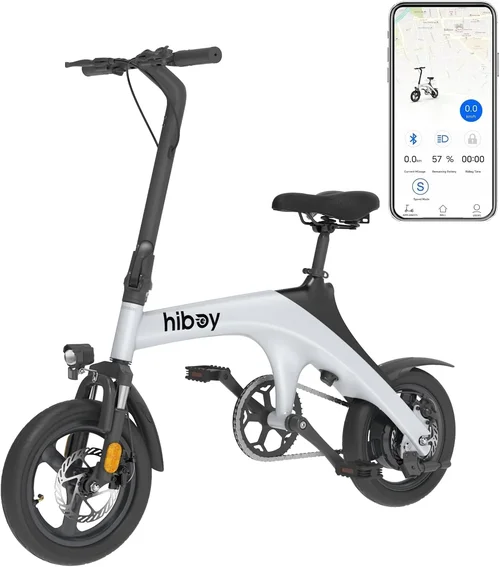
Modern e-bikes increasingly include digital displays, smartphone integration, GPS tracking, and app connectivity. A clear, backlit LCD or color TFT display shows speed, battery level, assist mode, and trip data. Some models offer Bluetooth pairing with apps that track rides, lock the bike remotely, or provide navigation.
While not essential, smart features enhance usability and security. Anti-theft alarms, geofencing, and firmware updates are becoming standard on mid-to-high-tier bikes. However, avoid overpaying for gimmicks—focus on features that align with your needs. For example, if you commute daily, a built-in GPS tracker could be invaluable; if you’re a weekend warrior, it might be unnecessary.
8. Warranty and Customer Support
An e-bike is a significant investment, so robust warranty coverage and responsive support are crucial. Look for at least a 1-year comprehensive warranty, with 2+ years on the battery and motor. Some brands (like Rad Power Bikes and Trek) offer 2-year full warranties, while others provide only 90 days on electronics.
Check the brand’s service network—can you get local repairs, or must you ship the bike? Read reviews about customer service responsiveness. Brands with U.S.-based support teams (e.g., Aventon, Lectric) often resolve issues faster than those relying on overseas partners. Also verify return policies: a 14–30 day trial period lets you test the bike risk-free.
Different Types of Electric Bikes

Common Buying Mistakes to Avoid
❌ Mistake: Prioritizing Price Over Performance
Why it’s bad: The cheapest e-bikes often cut corners on motors, batteries, and build quality, leading to poor range, frequent breakdowns, and safety risks. A $500 bike may seem like a bargain, but it could cost more in repairs and replacements within a year.
What to do instead: Set a realistic budget based on your usage. If you plan to ride daily, invest in a mid-range model ($1,200–$2,000) with reputable components and warranty coverage.
❌ Mistake: Ignoring Local E-Bike Laws
Why it’s bad: E-bike classifications vary by region. In the U.S., Class 1 (pedal-assist only, max 20 mph) and Class 3 (pedal-assist up to 28 mph) are street-legal, but some cities ban throttle-only models or restrict where e-bikes can ride.
What to do instead: Check your city and state regulations before buying. Choose a bike that complies with local laws to avoid fines or confiscation.
❌ Mistake: Overlooking Test Rides
Why it’s bad: E-bikes feel different from regular bikes—weight distribution, motor engagement, and handling vary significantly between models. Buying online without testing can lead to buyer’s remorse.
What to do instead: Visit local dealers or attend e-bike demo events. If buying online, choose retailers with generous return policies (e.g., 30-day trials).
❌ Mistake: Neglecting Maintenance Needs
Why it’s bad: E-bikes require regular upkeep—brake adjustments, tire checks, battery care, and drivetrain cleaning. Ignoring maintenance shortens component life and compromises safety.
What to do instead: Learn basic maintenance or find a reliable bike shop. Factor in annual service costs (~$100–$200) when budgeting.
❌ Mistake: Choosing the Wrong Size
Why it’s bad: An ill-fitting bike causes discomfort, reduces control, and increases injury risk. Many buyers assume “one size fits all,” but e-bike geometry varies widely.
What to do instead: Use the manufacturer’s size chart based on your height and inseam. If between sizes, opt for the smaller one for better maneuverability.
❌ Mistake: Falling for “Too Good to Be True” Deals
Why it’s bad: Scam sites and counterfeit brands offer ultra-cheap e-bikes with fake specs. These often arrive defective, lack safety certifications, or never ship at all.
What to do instead: Buy from authorized retailers or well-reviewed brands. Verify SSL certificates, read recent customer reviews, and avoid deals that seem unrealistic.
Budget Guidelines: How Much Should You Spend?
Entry-Level ($600–$1,200): These bikes are best for occasional riders or those on tight budgets. Expect basic hub motors (250W–500W), smaller batteries (300–400Wh), and minimal features. Brands like Heybike, Swagtron, and Ancheer dominate this space. While functional for short, flat rides, they lack durability and long-term reliability. Ideal for teens, casual weekend use, or as a secondary bike.
Mid-Range ($1,200–$2,500): This is the sweet spot for most buyers. You’ll get reliable 500W–750W motors, 400–600Wh batteries, hydraulic disc brakes, and quality components from brands like Rad Power Bikes, Aventon, and Lectric. These bikes offer excellent value, solid build quality, and enough range (40–60 miles) for daily commuting or weekend adventures. Many include smart displays, integrated lights, and rack compatibility.
Premium ($2,500–$5,000): Designed for enthusiasts and serious commuters, premium e-bikes feature mid-drive motors (e.g., Bosch, Shimano STEPS), high-capacity batteries (600–750Wh), advanced suspension, and premium materials. Brands like Trek, Specialized, and Riese & Müller excel here. Expect superior performance, longer lifespan, and extensive service networks. Perfect for hilly terrain, long distances, or off-road use.
Luxury ($5,000+): These are the Ferraris of e-bikes—hand-built frames, cutting-edge tech, and bespoke customization. Think carbon fiber construction, regenerative braking, AI-assisted riding modes, and concierge support. Models from Stromer, Benno, and Moustache fall into this tier. Only justified for professionals, collectors, or those who prioritize prestige and peak performance.

Expert Tips for Getting the Best Deal
- Shop During Off-Peak Seasons: Retailers often discount e-bikes in late fall and winter (November–February) to clear inventory. You can save 10–20% compared to spring/summer pricing.
- Buy Direct from Manufacturers: Brands like Rad Power Bikes, Lectric, and Aventon sell directly online, cutting out retailer markups. They also offer exclusive bundles (e.g., free helmet, lock, or extra battery).
- Look for Refurbished or Open-Box Deals: Certified refurbished e-bikes from reputable sellers come with warranties and can cost 20–30% less than new models.
- Check for Local Incentives: Many cities and states offer rebates or tax credits for e-bike purchases (e.g., California’s Clean Air Vehicle Program). These can reduce your net cost by hundreds of dollars.
- Negotiate Accessories: If buying in-store, ask for free add-ons like fenders, racks, or upgraded locks. Dealers often include these to close the sale.
- Read the Fine Print on Warranties: Some warranties void if you modify the bike or use third-party chargers. Stick to OEM parts and register your purchase promptly.
- Use Price Tracking Tools: Websites like Honey or CamelCamelCamel alert you when prices drop on specific models.
- Consider Financing Options: Many brands offer 0% APR financing for 6–12 months, making premium bikes more accessible without upfront strain.
Frequently Asked Questions
Q: How fast can an electric bike go?
A: In the U.S., Class 1 and Class 2 e-bikes are limited to 20 mph, while Class 3 models can reach 28 mph with pedal assist. Throttle-only bikes (Class 2) stop assisting at 20 mph. Always obey local speed limits and wear a helmet.
Q: Do I need a license or insurance to ride an e-bike?
A: In most U.S. states, no license or insurance is required for Class 1–3 e-bikes. However, some cities have age restrictions (typically 16+). Check your local DMV or transportation authority for specifics.
Q: How long does an e-bike battery last?
A: A quality Li-ion battery typically lasts 500–1,000 charge cycles, equating to 2–5 years of daily use. Proper care (avoiding extreme temperatures, not draining to 0%) extends lifespan. Replacement costs range from $400–$800.
Q: Can I ride an e-bike in the rain?
A: Yes, most e-bikes are water-resistant (IP65 or higher), meaning they can handle light rain and splashes. Avoid submerging the battery or motor, and dry the bike after wet rides to prevent corrosion.
Q: Are e-bikes good for exercise?
A: Absolutely! Even with motor assist, you’re still pedaling and engaging core muscles. Using lower assist levels or turning off the motor increases workout intensity. Many riders report improved fitness and reduced car dependency.
Q: How much weight can an e-bike carry?
A: Most standard e-bikes support 220–300 lbs (rider + cargo). Cargo e-bikes can handle 400+ lbs. Always check the manufacturer’s rated capacity—exceeding it voids warranties and risks damage.
Q: Can I upgrade my e-bike’s battery or motor?
A: Battery upgrades are sometimes possible if the frame has space and the controller supports higher voltage/capacity. Motor swaps are complex and usually not recommended unless done by professionals. Compatibility varies by brand.
Q: What’s the difference between pedal assist and throttle?
A: Pedal assist (PAS) provides power only when you pedal, offering a natural cycling feel. Throttle mode lets you ride without pedaling, like a scooter. Class 2 bikes have throttles; Class 1 and 3 rely solely on PAS.
Q: How do I secure my e-bike from theft?
A: Use a high-quality U-lock (e.g., Kryptonite) through the frame and rear wheel. Add a secondary cable for the front wheel. Consider GPS trackers (like Invoxia or Apple AirTag) and register your bike with national databases.
Our Final Recommendations
Best for Budget-Conscious Buyers: Lectric XP 3.0 ($999) – Offers incredible value with a 500W motor, 48V 10.4Ah battery (up to 60 miles), hydraulic brakes, and foldable design. Perfect for urban commuters who want reliability without breaking the bank.
Best Overall Value: Rad Power Bikes RadCity 5 Plus ($1,799) – Combines a powerful 750W geared hub motor, 672Wh battery, integrated lights, fenders, and a rear rack. Excellent build quality, responsive customer service, and a 2-year warranty make it a top all-rounder.
Best Premium Option: Specialized Turbo Vado SL 5.0 ($4,200) – Features a lightweight SL 1.1 motor, 700Wh battery, and Shimano Deore drivetrain. Ideal for long-distance commuters and fitness-focused riders who demand efficiency and refinement.
Best for Beginners: Aventon Pace 500.3 ($1,599) – User-friendly interface, step-through frame, and smooth ride make it perfect for new riders. Includes a color display, app connectivity, and reliable hydraulic brakes.
Best for Advanced Users: Trek Allant+ 9.9S ($6,499) – Equipped with a Bosch Performance Line CX motor, 750Wh battery, and full suspension. Built for serious trail riding and technical terrain, with top-tier components and smart integration.
Conclusion: Making the Right Choice
Choosing the best electric bike isn’t about finding the most powerful or expensive model—it’s about matching the bike to your lifestyle, terrain, and budget. Whether you’re replacing car trips, exploring nature, or simply enjoying the freedom of two wheels, the right e-bike can transform your daily routine. Remember to prioritize motor type, battery range, build quality, and warranty coverage. Test ride whenever possible, avoid common pitfalls, and take advantage of seasonal deals and incentives.
Electric bikes are more than just vehicles; they’re tools for healthier living, reduced emissions, and greater independence. As technology continues to advance, 2026 offers an unprecedented range of options for every rider. Use this guide as your roadmap, trust your instincts, and don’t rush the decision. When you find the right fit, you’ll wonder how you ever got around without it. Happy riding!