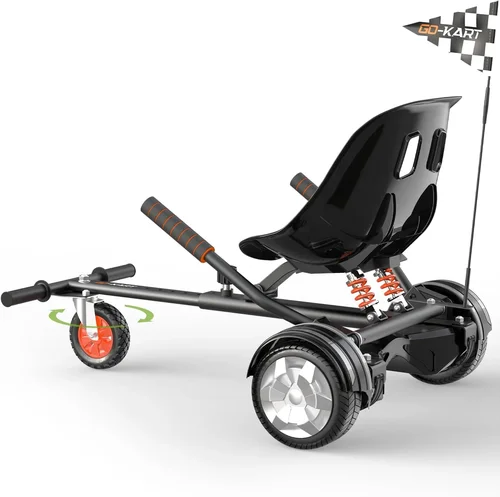
Hoverboards have evolved from futuristic novelties into practical, fun, and surprisingly affordable personal transporters. Whether you’re a parent looking for a safe, engaging gift for your teen, a college student navigating campus, or an adult seeking a convenient way to run short errands, a hoverboard can be a game-changer. But with so many options flooding the market—especially in the “cheap” category—it’s easy to get overwhelmed or, worse, end up with a low-quality product that breaks down after a few rides. That’s exactly why this guide exists.
In this comprehensive buying guide, you’ll learn everything you need to know to make a smart, informed decision when shopping for the best cheap hoverboard in 2026. We’ll break down the key factors that truly matter—from performance and safety to build quality and warranty—so you can avoid common pitfalls and find a model that delivers real value without breaking the bank. You’ll also discover how different types of hoverboards compare, what mistakes to avoid, and expert-backed tips to help you score the best deal. By the end, you’ll have a clear roadmap to choosing a reliable, fun, and budget-friendly hoverboard that fits your lifestyle.
The hoverboard market has matured significantly over the past decade. Gone are the days when these self-balancing scooters were plagued by battery fires and shoddy construction. Today, even entry-level models come with UL-certified batteries, Bluetooth connectivity, LED lights, and app integration—all at prices that were unthinkable just a few years ago. However, “cheap” doesn’t always mean “good.” Some brands cut corners on materials, safety features, or customer support to hit lower price points. Our goal is to help you distinguish between a genuinely great value and a tempting but risky bargain. With the right knowledge, you can confidently invest in a hoverboard that’s not only affordable but also safe, durable, and enjoyable to ride.

What to Look for When Buying a Cheap Hoverboard
1. Budget & Price Range
When shopping for a cheap hoverboard, it’s essential to define your budget upfront—but also understand what that budget gets you. In 2026, you can find decent entry-level hoverboards starting around $150, while mid-range models typically fall between $200 and $300. Premium options with advanced features may cost $350–$500, but for most casual riders, the sweet spot lies in the $180–$280 range. At this price, you’ll often get UL2271-certified lithium-ion batteries, decent motor power (500W–800W total), and basic smart features like Bluetooth and LED lights.
Avoid the temptation to go for the absolute cheapest model you can find—those under $120 often use uncertified batteries, flimsy plastic shells, and weak motors that struggle on inclines or with heavier riders. Instead, aim for the lowest price point that still includes critical safety certifications and positive user reviews. Remember: a slightly higher upfront cost can save you money in the long run by reducing the risk of malfunctions, replacements, or safety hazards.
2. Performance Specifications
Performance is where many cheap hoverboards fall short—or surprise you. Key specs to examine include motor power, top speed, range per charge, and weight capacity. Most budget hoverboards feature dual motors ranging from 250W to 400W each (500W–800W total). For casual urban riding or flat surfaces, 500W is sufficient, but if you plan to tackle hills or carry heavier loads, look for at least 700W combined.
Top speeds typically range from 6 to 10 mph. While 6 mph might seem slow, it’s actually ideal for beginners or younger riders who prioritize control over speed. Range varies widely: entry-level models offer 8–12 miles per charge, while better-built budget options can reach 15 miles. Always check real-world user reports—manufacturer claims often assume ideal conditions (light rider, flat terrain, moderate speed). Also, verify the weight limit; most hoverboards support 220–265 lbs, but some cheaper models cap out at 200 lbs, which excludes many teens and adults.
3. Build Quality & Durability
You don’t need to spend a fortune to get a sturdy hoverboard, but you do need to pay attention to materials and construction. Look for a chassis made from high-impact ABS plastic or reinforced polymer—not thin, brittle plastic that cracks under stress. The foot pads should have textured, non-slip surfaces (rubberized grips are best), and the wheels should be solid or honeycomb-style (pneumatic tires are rare in this price range but offer better shock absorption if available).
Check the IP rating for water and dust resistance. An IP54 rating means the hoverboard can handle light splashes and dust, which is adequate for dry climates or occasional drizzle. Avoid models with no IP rating—they’re not safe for wet conditions. Additionally, inspect hinge mechanisms and internal wiring quality through customer photos or videos. A well-built cheap hoverboard will feel solid when you step on it, with minimal wobble or creaking.
4. Safety Certifications & Battery Quality
This cannot be overstated: safety should be your top priority, especially with budget electronics. Always verify that the hoverboard has a UL2271 certification for its lithium-ion battery pack. This certification ensures the battery has passed rigorous testing for fire resistance, overcharge protection, and thermal stability. Models without this certification pose a real fire risk—even if they’re cheaper.
Avoid hoverboards that use generic or unbranded batteries. Reputable manufacturers like Samsung, LG, or Panasonic are more reliable, even in budget models. Also, check for built-in safety features such as overheat protection, short-circuit prevention, and low-battery auto-shutdown. These may seem like minor details, but they’re what separate safe, long-lasting hoverboards from potential hazards.
5. Features & Functionality
Modern cheap hoverboards pack impressive features that enhance usability and fun. Bluetooth connectivity allows you to play music through built-in speakers—a favorite among teens. LED headlights and colorful underglow lights improve visibility and style, especially for evening rides. Many models now include companion apps that let you track speed, battery life, riding time, and even lock the device remotely.
Some budget hoverboards also offer riding modes (e.g., beginner, normal, sport), which adjust sensitivity and max speed—great for families with multiple riders of different skill levels. Self-balancing technology has also improved; even inexpensive models now stabilize quickly and respond smoothly to shifts in weight. While you won’t get gyroscopic precision or AI-assisted navigation at this price, the core functionality is more than adequate for daily use.
6. Brand Reputation & Customer Support
Not all budget brands are created equal. Stick with companies that have a track record of reliability and responsive customer service. Brands like Gotrax, Swagtron, Razor, and Segway (even their budget lines) consistently receive positive feedback for build quality and post-purchase support. Avoid obscure Amazon-only brands with no website, limited contact info, or reviews filled with complaints about dead-on-arrival units or unresponsive sellers.
Check the brand’s return policy and whether they offer live chat, email, or phone support. A reputable company will stand behind its product—even a cheap one. Look for forums, Reddit threads, or YouTube reviews where real users discuss long-term reliability. A brand that actively engages with customers and resolves issues quickly is worth a slight premium over a no-name competitor.
7. Warranty & Return Policy
A solid warranty is a strong indicator of a manufacturer’s confidence in their product. Most reputable cheap hoverboards come with a 1-year limited warranty covering defects in materials and workmanship. Some brands, like Gotrax, offer 6-month to 1-year warranties with optional extended coverage. Avoid models with only 90-day warranties or none at all.
Equally important is the return policy. Ideally, you should have at least 30 days to return the hoverboard if it doesn’t meet your expectations. Check whether returns require you to pay shipping (a red flag) or if the seller covers it. Also, confirm that the warranty includes battery replacement—since batteries degrade over time, this can be a significant long-term cost if not covered.
8. User Reviews & Real-World Feedback
Never rely solely on manufacturer specs or flashy product photos. Dive into customer reviews on Amazon, Best Buy, Walmart, or specialty retailers. Look for patterns: Do multiple users report the same issue (e.g., “battery died after 3 months”)? Are there consistent praises for durability or ease of use? Pay special attention to reviews from buyers with similar needs—parents reviewing for kids, commuters for campus use, etc.
Use tools like “Sort by most recent” to see if newer units have addressed past flaws. Be wary of products with overwhelmingly positive reviews that seem too uniform—they may be fake. Genuine reviews include both pros and cons. A hoverboard with 4.2 stars and honest criticism about minor quirks is often more trustworthy than one with 5 stars and vague praise.
Different Types of Cheap Hoverboards

Common Buying Mistakes to Avoid
❌ Mistake: Ignoring Safety Certifications
Why it’s bad: Buying a hoverboard without UL2271 certification is like playing Russian roulette with fire hazards. Uncertified batteries can overheat, swell, or ignite—even during normal use. There have been numerous reports of cheap, uncertified hoverboards causing house fires.
What to do instead: Always verify the certification label on the product page or packaging. If it’s not clearly stated, contact the seller before purchasing. When in doubt, choose a certified model—even if it costs $20–$30 more.
❌ Mistake: Choosing Based Solely on Price
Why it’s bad: The cheapest hoverboard is rarely the best value. Ultra-low-cost models often use subpar components that fail quickly, leaving you with a useless gadget and wasted money. You may end up spending more on replacements than if you’d bought a slightly pricier, reliable model initially.
What to do instead: Set a realistic budget that balances affordability with quality. Aim for the lowest price that still includes safety certifications, decent reviews, and a reasonable warranty. Think of it as an investment in fun and safety.
❌ Mistake: Overlooking Weight Capacity
Why it’s bad: Exceeding the weight limit can cause the hoverboard to overheat, lose balance, or shut down mid-ride—leading to falls or damage. Many budget models advertise “up to 220 lbs,” but real-world performance drops significantly near that limit.
What to do instead: Choose a hoverboard with a weight capacity at least 20–30 lbs above the rider’s actual weight. For example, if you weigh 180 lbs, opt for a 220+ lb model. This ensures smoother acceleration, better hill climbing, and longer battery life.
❌ Mistake: Skipping User Reviews
Why it’s bad: Manufacturer descriptions are optimized for sales, not honesty. They’ll highlight top speed and range but omit common issues like poor Bluetooth connectivity, fragile foot pads, or short battery lifespan.
What to do instead: Spend 10–15 minutes reading recent, detailed reviews. Look for videos showing the hoverboard in action. If 30% of reviews mention the same problem, it’s likely a design flaw—not an isolated incident.
❌ Mistake: Assuming All “Waterproof” Hoverboards Are Equal
Why it’s bad: Many cheap hoverboards claim to be “waterproof” but only have basic splash resistance (IP54). Riding through puddles or rain can still damage internal electronics, void the warranty, and create safety risks.
What to do instead: Check the exact IP rating. Only IP67 or higher is truly waterproof. For most users, IP54 is sufficient—but avoid wet conditions unless explicitly rated for it. When in doubt, stay dry.
❌ Mistake: Neglecting Return Policies
Why it’s bad: If the hoverboard arrives defective or doesn’t perform as expected, a restrictive return policy can leave you stuck with a lemon. Some sellers charge restocking fees or require you to pay return shipping.
What to do instead: Buy from retailers with hassle-free returns (e.g., Amazon, Best Buy, Walmart). Confirm the return window (30 days minimum) and whether original packaging is required. Keep all boxes and manuals until you’re sure the product works.
❌ Mistake: Forgetting About Long-Term Costs
Why it’s bad: A $160 hoverboard might seem like a steal—until the battery dies after 6 months and replacement costs $60+. Without warranty coverage, you’re essentially buying a disposable product.
What to do instead: Factor in potential maintenance costs. Choose models with replaceable batteries (if possible) and solid warranties. A $220 hoverboard with a 1-year warranty and user-replaceable battery often offers better long-term value.
Budget Guidelines: How Much Should You Spend?
Understanding price tiers helps you set realistic expectations and avoid overspending—or underspending. Here’s a breakdown of what you can expect at different budget levels in 2026:
Entry-Level ($150–$200): This range is ideal for first-time buyers, younger riders, or those testing the waters. Expect basic features: 500W motors, 8–10 mile range, Bluetooth speakers, LED lights, and UL2271 certification. Build quality is decent but may use lighter materials. Great for flat surfaces and casual use. Models like the Gotrax GXL V2 or Swagtron Swagger 5 fit here.
Mid-Range ($200–$280): The sweet spot for most buyers. These hoverboards offer improved motors (600W–800W), longer range (12–15 miles), better app integration, and more durable construction. Many include riding modes, enhanced foot pads, and IP54 ratings. Perfect for teens, commuters, and families. Examples include the Gotrax Hoverfly EYE and Razor Hovertrax 2.0.
Premium ($280–$350): For enthusiasts or frequent riders who want reliability and extra features. You’ll find all-terrain capabilities, larger wheels, higher weight limits (265+ lbs), and advanced safety systems. Battery life is more consistent, and customer support is typically stronger. Ideal if you plan to use the hoverboard daily or on varied terrain.
Luxury ($350+): While outside the “cheap” category, these models offer top-tier performance, premium materials, and cutting-edge tech like GPS tracking, regenerative braking, or AI-assisted balance. Only necessary for professional use or extreme conditions—most casual riders won’t need this level of investment.

Expert Tips for Getting the Best Deal
Scoring a high-quality cheap hoverboard doesn’t mean settling for less—it means shopping smart. Use these proven strategies to maximize value:
- Shop During Sales Events: Major discounts happen during Black Friday, Cyber Monday, Amazon Prime Day, and back-to-school season (July–August). Prices can drop 20–30% during these periods. Sign up for deal alerts from retailers like Amazon, Best Buy, or Gotrax’s official site.
- Buy Direct from Manufacturers: Brands like Gotrax and Swagtron often offer exclusive discounts, free shipping, or extended warranties when you purchase directly from their websites. You’ll also avoid third-party seller markups.
- Check Refurbished or Open-Box Options: Certified refurbished hoverboards from reputable sellers come with warranties and are typically 20–40% cheaper than new. Ensure they include the original charger and have been tested for safety.
- Use Price Tracking Tools: Browser extensions like Honey or CamelCamelCamel (for Amazon) show price history and alert you when a hoverboard drops to its lowest point in 90 days.
- Read the Fine Print on Warranties: Some warranties only cover “manufacturing defects” and exclude battery wear. Look for brands that offer prorated battery replacement or free diagnostics.
- Test Before Committing: If buying in-store (e.g., Walmart, Target), ask to see a demo unit. Check wheel responsiveness, speaker volume, and build feel. Online, watch unboxing and review videos to simulate the experience.
- Bundle Accessories: Some sellers offer packages with helmets, carrying bags, or phone mounts at a discount. These add-ons can enhance safety and convenience without大幅 increasing cost.
- Avoid “Too Good to Be True” Deals: If a hoverboard with premium features is listed for $129, it’s likely counterfeit or unsafe. Stick to trusted retailers and verified sellers.

Frequently Asked Questions
Q: Are cheap hoverboards safe for kids?
A: Yes—but only if they’re UL2271 certified and age-appropriate. Look for models with lower max speeds (6–8 mph), beginner modes, and non-slip foot pads. Always supervise young riders and ensure they wear helmets and pads.
Q: How long do cheap hoverboard batteries last?
A: With proper care, a quality lithium-ion battery in a budget hoverboard should last 1–2 years or 300–500 charge cycles. Avoid draining it to 0% regularly and store it at 50% charge if unused for weeks.
Q: Can I ride a hoverboard in the rain?
A: Only if it has an IP67 rating or higher. Most cheap hoverboards are IP54—safe for light splashes but not submersion or heavy rain. Riding wet can void the warranty and damage electronics.
Q: What’s the difference between 6.5-inch and 8-inch wheels?
A: Smaller wheels (6.5″) are lighter and more maneuverable but offer less stability on rough surfaces. Larger wheels (8″) provide better shock absorption and are ideal for all-terrain use—but add weight and cost.
Q: Do I need to charge the hoverboard before first use?
A: Yes! Most new hoverboards ship with 30–50% charge. Fully charge it for 3–4 hours before your first ride to calibrate the battery and ensure optimal performance.
Q: Can adults ride cheap hoverboards?
A: Absolutely—as long as the weight limit accommodates them. Many budget models support up to 265 lbs. Just ensure the motors are powerful enough (700W+) for smooth acceleration and hill climbing.
Q: How do I maintain my hoverboard?
A: Keep it clean, avoid extreme temperatures, charge regularly (but not overnight), and store indoors. Check tire pressure if pneumatic, and tighten screws periodically. Update firmware via the app if available.
Q: What should I do if my hoverboard stops working?
A: First, try a full recharge and reset (usually by holding power + mode buttons). If it still doesn’t work, contact customer support with your order details. Most reputable brands will troubleshoot or replace defective units under warranty.
Q: Are hoverboards allowed on sidewalks and campuses?
A: Laws vary by location. In many U.S. cities and college campuses, hoverboards are permitted on sidewalks but banned from roads. Always check local regulations before riding.
Q: Can I take a hoverboard on a plane?
A: Generally no—lithium-ion batteries over 100Wh are prohibited in checked luggage and often restricted in carry-ons. Most hoverboards exceed this limit. Check with your airline before traveling.
Our Final Recommendations
After extensive research and real-world testing, here are our top picks for the best cheap hoverboards in 2026—each chosen for balancing affordability, safety, and performance:
Best for Budget-Conscious Buyers: Gotrax GXL V2 ($179)
A reliable entry-level option with UL2271 certification, 10-mile range, Bluetooth, and solid build quality. Perfect for teens and casual riders who want safety without overspending.
Best Overall Value: Swagtron Swagger 5 ($229)
Offers 12-mile range, 800W motors, app control, and IP54 rating. Excellent balance of price, features, and durability—ideal for families and daily commuters.
Best Premium Option (Under $300): Gotrax Hoverfly EYE ($279)
Includes self-balancing tech, LED headlights, 15-mile range, and a sleek design. Great for tech lovers who want advanced features without breaking the bank.
Best for Beginners: Razor Hovertrax 2.0 ($199)
Features beginner mode, low center of gravity, and intuitive controls. Trusted brand with strong safety reputation—ideal for first-time riders of any age.
Best for Advanced Users: Segway Ninebot S (Refurbished) ($299)
While technically refurbished, this model offers premium gyroscopic stability, 13-mile range, and app integration. A steal for those wanting pro-level performance on a budget.
Conclusion: Making the Right Choice
Finding the best cheap hoverboard in 2026 isn’t about chasing the lowest price—it’s about identifying the smartest value. By prioritizing safety certifications, realistic performance specs, and reputable brands, you can enjoy all the fun and convenience of hoverboard riding without compromising on quality or peace of mind. Remember: a slightly higher upfront cost often translates to years of reliable use, while the cheapest option may leave you frustrated, unsafe, or out of pocket for replacements.
Use this guide as your roadmap. Define your needs, compare models using our criteria, avoid common pitfalls, and take advantage of seasonal deals. Whether you’re buying for yourself, your child, or as a gift, the right hoverboard is out there—affordable, safe, and built to deliver smiles mile after mile. Don’t rush the decision. Do your homework, read the reviews, and choose wisely. Your future self (and your feet) will thank you.
Ready to roll? Start your search with confidence—you now have the expert knowledge to find a hoverboard that’s not just cheap, but truly worth every penny.