
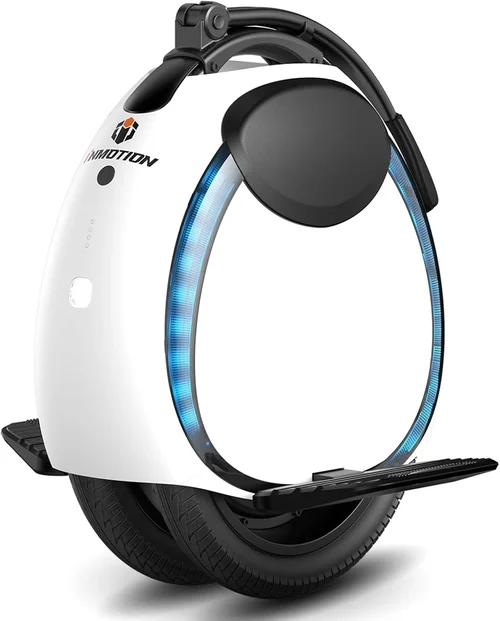
Hoverboards have evolved from a futuristic novelty into a mainstream mode of personal transportation—especially popular among teenagers. Whether it’s cruising around the neighborhood, commuting to school, or just having fun with friends, a hoverboard offers a unique blend of convenience, style, and excitement. But with so many models flooding the market in 2026, choosing the right one can feel overwhelming. That’s where this comprehensive buyer’s guide comes in.
This guide is designed specifically for parents, guardians, and teens who want to make an informed decision when purchasing a hoverboard. We’ll walk you through everything you need to know—from safety certifications and performance specs to budget considerations and top-rated brands. Our goal isn’t just to list products; it’s to empower you with the knowledge to pick a hoverboard that’s safe, reliable, fun, and built to last. Whether you’re shopping for a first-time rider or upgrading from an older model, we’ve got you covered.
The hoverboard market has matured significantly since its early days. Today’s models feature improved battery technology, better build quality, enhanced safety features, and even smart connectivity options like Bluetooth speakers and mobile app integration. However, not all hoverboards are created equal. Some prioritize speed and range, while others focus on durability or portability. In this guide, we’ll break down the key factors that matter most, compare different types of hoverboards, highlight common pitfalls to avoid, and provide expert-backed recommendations tailored to real-world teen use cases.

What to Look for When Buying a Hoverboard
1. Safety Certifications & UL Compliance
Safety should always be your top priority—especially when buying a hoverboard for a teenager. In recent years, poorly manufactured hoverboards have been linked to battery fires and electrical malfunctions. To avoid these risks, always look for units that are certified by Underwriters Laboratories (UL). A UL 2272 certification means the hoverboard has passed rigorous testing for electrical and fire safety, including overcharge protection, short-circuit prevention, and thermal stability.
Beyond UL certification, check if the product complies with local regulations. For example, many U.S. states and European countries require hoverboards to meet specific electromagnetic compatibility (EMC) and mechanical safety standards. Avoid no-name brands sold on obscure websites—these often cut corners on safety to save costs. Stick to reputable retailers and verified sellers who provide clear documentation of certifications.
2. Battery Life & Range
Battery performance directly impacts how long your teen can ride before needing a recharge. Most modern hoverboards use lithium-ion batteries, which offer a good balance of energy density and lifespan. However, capacity varies widely—from as little as 2 miles to over 12 miles per charge.
For typical teen use—like short commutes, park rides, or backyard fun—a range of 6–10 miles is ideal. This gives enough flexibility without requiring constant recharging. Pay attention to the battery’s ampere-hour (Ah) rating: higher Ah generally means longer runtime. Also, consider charging time. Many models take 2–4 hours to fully charge, but some premium units now feature fast-charging tech that cuts this down to under 90 minutes.
Beware of exaggerated claims. Some brands advertise “up to 15 miles,” but that’s often under perfect conditions (flat ground, light rider, no inclines). Real-world range is usually 20–30% less. Always check independent reviews for verified range tests.
3. Motor Power & Speed
Hoverboard motors are rated in watts (W), typically ranging from 250W to 800W total (dual motors). For teenagers, a dual-motor setup with at least 500W combined power is recommended. This provides smooth acceleration, better hill-climbing ability (up to 15° inclines), and stable handling at higher speeds.
Top speed matters too. Most consumer hoverboards max out between 6–10 mph. While 10 mph might seem slow compared to e-scooters or bikes, it’s plenty fast for casual riding and safe for beginners. Avoid models that promise extreme speeds (15+ mph) unless your teen is an experienced rider—and even then, ensure the board has robust braking and stability features.
Motor quality also affects noise levels. Cheaper models often produce a noticeable whine or grind, especially on rough surfaces. Look for brushless motors, which are quieter, more efficient, and longer-lasting.
4. Build Quality & Durability
Teenagers aren’t known for gentle handling—so your hoverboard needs to withstand bumps, drops, and daily wear. Start with the frame: aluminum alloy or reinforced ABS plastic is ideal. Avoid flimsy plastic shells that crack easily.
Tires are another critical component. There are two main types: solid rubber and pneumatic (air-filled). Solid tires are puncture-proof and low-maintenance but offer a rougher ride on uneven pavement. Pneumatic tires provide better shock absorption and grip, making them ideal for outdoor use—but they require occasional inflation and can go flat. For most teens, hybrid or semi-pneumatic tires strike a good balance.
Check the weight capacity too. Most hoverboards support 220–265 lbs, which covers the majority of teens. If your child is on the heavier side, opt for a model rated for 300+ lbs to ensure optimal performance and longevity.
5. Features & Functionality
Modern hoverboards come packed with features that enhance both fun and functionality. Bluetooth connectivity is now standard on mid-to-high-end models, allowing riders to stream music through built-in speakers. While not essential, it’s a nice perk for teens who love listening to tunes while riding.
LED lights are another common feature—front and rear lights improve visibility at night, while colorful underglow LEDs add a stylish touch. Some models even include customizable light patterns via a mobile app.
Smart features like app integration are becoming more prevalent. Apps can track speed, battery level, riding history, and even enable anti-theft modes (like remote locking). Self-balancing technology has also improved, making it easier for beginners to learn. Look for boards with gyroscopic sensors that offer smooth, responsive control.
Other conveniences include carrying handles, phone mounts, and waterproof ratings (IP54 or higher for light rain resistance).
6. Brand Reputation & Customer Support
Not all hoverboard brands are equal. Established names like Gotrax, Segway-Ninebot, Razor, and Swagtron have built reputations for quality, reliability, and customer service. These companies invest in R&D, rigorous testing, and responsive support teams.
Research brand history. Have they had recalls? Do they honor warranties promptly? Read customer service reviews on platforms like Trustpilot or the Better Business Bureau. A brand that offers live chat, email support, and clear troubleshooting guides is far preferable to one with no contact options.
Also, consider where the product is manufactured. While “Made in China” isn’t inherently bad, brands that disclose their factories and quality control processes tend to be more trustworthy. Transparency matters.
7. Warranty & Return Policy
A solid warranty is a strong indicator of a manufacturer’s confidence in their product. Most reputable hoverboard brands offer at least a 6-month to 1-year limited warranty covering defects in materials and workmanship. Some premium models come with 18–24 month coverage.
Read the fine print: Does the warranty cover batteries? What about accidental damage? Many exclude water damage or user misuse. If your teen is prone to rough handling, consider purchasing an extended warranty or protection plan.
Return policies are equally important. Look for retailers that offer at least a 30-day return window with free return shipping. This gives you time to test the hoverboard and ensure it meets expectations. Amazon, Best Buy, and Walmart typically have generous return policies, while third-party sellers on eBay or AliExpress may not.
8. Size, Weight & Portability
Hoverboards range from compact 6.5-inch wheel models to larger 10-inch versions. Smaller wheels are lighter and more maneuverable but struggle on rough terrain. Larger wheels handle bumps and cracks better but add weight.
Weight matters for portability. Most hoverboards weigh between 20–30 lbs. If your teen needs to carry it up stairs or onto public transit, aim for something under 25 lbs. Some models include ergonomic handles or foldable designs for easier transport.
Consider storage too. Can it fit in a backpack? Under a bed? A sleek, low-profile design is ideal for dorm rooms or small apartments.
Different Types of Hoverboards

Common Buying Mistakes to Avoid
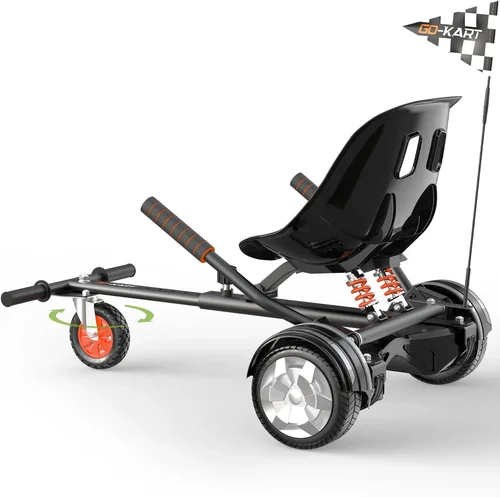
❌ Mistake: Ignoring Safety Certifications
Why it’s bad: Buying a hoverboard without UL 2272 certification dramatically increases the risk of fire, explosion, or electrical shock. These incidents can cause serious injury or property damage.
What to do instead: Always verify UL certification before purchasing. Check the product listing, packaging, and manufacturer’s website. If in doubt, contact customer service for proof.
❌ Mistake: Prioritizing Price Over Quality
Why it’s bad: Extremely cheap hoverboards (under $120) often use low-grade batteries, weak motors, and flimsy materials. They break quickly, perform poorly, and pose safety hazards.
What to do instead: Set a realistic budget of at least $200–$250 for a safe, reliable model. Remember: you’re not just buying a toy—you’re investing in your teen’s safety.
❌ Mistake: Overlooking Weight Capacity
Why it’s bad: Exceeding the hoverboard’s weight limit can cause motor strain, reduced range, instability, and premature failure. It’s also a safety risk during sudden stops or turns.
What to do instead: Check your teen’s weight and choose a model with a capacity at least 20–30 lbs above that. For growing teens, opt for a higher-rated board to future-proof your purchase.
❌ Mistake: Assuming All Hoverboards Are Waterproof
Why it’s bad: Most hoverboards are only water-resistant (IP54), meaning they can handle light splashes but not rain, puddles, or submersion. Riding in wet conditions can fry the electronics.
What to do instead: Avoid riding in rain or wet conditions unless the model explicitly states IP67 or higher waterproofing. If your teen lives in a rainy area, consider an all-terrain model with better sealing.
❌ Mistake: Skipping the Test Ride
Why it’s bad: Hoverboards vary in responsiveness, balance, and comfort. A model that looks great online might feel awkward or unstable in real life.
What to do instead: If buying in-store, insist on a test ride. If purchasing online, choose a retailer with a generous return policy so you can try it risk-free.
❌ Mistake: Neglecting Warranty Details
Why it’s bad: A vague or nonexistent warranty leaves you unprotected if the hoverboard malfunctions. Some brands deny claims for “user error” even when the product is defective.
What to do instead: Read the warranty terms carefully. Prefer brands that cover batteries and offer hassle-free replacements. Register your product immediately after purchase.
❌ Mistake: Buying Based Solely on Looks
Why it’s bad: Flashy colors, RGB lights, and trendy designs don’t guarantee performance or safety. Some of the most stylish models are also the least reliable.
What to do instead: Balance aesthetics with functionality. Choose a design your teen loves, but ensure it meets all safety and performance criteria first.
Budget Guidelines: How Much Should You Spend?
Hoverboards span a wide price spectrum, and understanding what you get at each tier helps you make a smarter investment.
Entry-Level ($150–$250): These are ideal for beginners or younger teens who will use the hoverboard occasionally, mostly indoors or on smooth pavement. Expect basic features: 6.5-inch solid tires, 250–350W motors, 4–6 mile range, and minimal extras like simple LED lights. Brands like Gotrax and Swagtron offer solid options in this range. While not built for heavy use, they’re safe, affordable, and perfect for learning.
Mid-Range ($250–$400): This is the sweet spot for most teen buyers. You’ll get dual 250W motors (500W total), 8–10 mile range, Bluetooth speakers, app connectivity, and better build quality. Many models feature 8.5-inch tires for improved ride comfort and IP54 water resistance. This tier offers the best balance of price, performance, and features—great for daily use, school commutes, and outdoor fun.
Premium ($400–$600): Designed for serious riders, these hoverboards boast 600–800W motors, 10–15 mile ranges, fast charging, all-terrain capabilities, and advanced safety systems. Expect premium materials like aircraft-grade aluminum, self-healing tires, and robust app ecosystems. Ideal for teens who ride frequently, tackle hills, or want the latest tech.
Luxury ($600+): At this level, you’re paying for cutting-edge innovation and brand prestige. Think Segway-Ninebot’s flagship models with AI-assisted balance, GPS tracking, regenerative braking, and modular designs. These are overkill for most teens but appeal to tech enthusiasts or those seeking maximum performance and status.
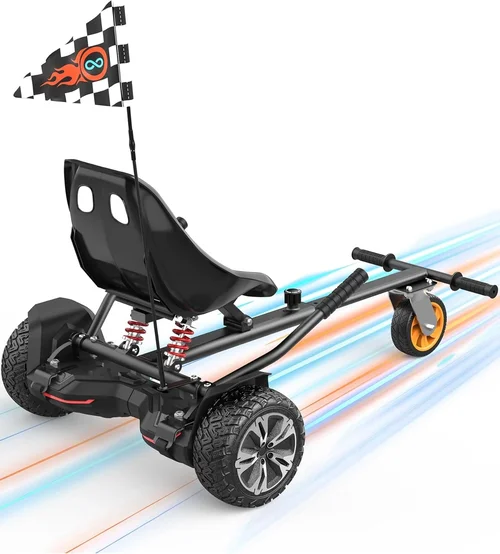
Expert Tips for Getting the Best Deal
- Shop During Seasonal Sales: Major discounts happen during Black Friday, Cyber Monday, back-to-school season (July–August), and post-holiday clearance events (January). Sign up for newsletters from Gotrax, Razor, and Amazon to get early alerts.
- Compare Retailers: Prices vary significantly between Amazon, Walmart, Best Buy, and manufacturer websites. Sometimes the brand’s official store offers exclusive bundles (e.g., free helmet or carrying case).
- Check for Refurbished Options: Certified refurbished hoverboards from reputable sellers can save you 20–40% off retail. These units are tested, cleaned, and often come with the same warranty as new ones.
- Read Recent Reviews: Hoverboard models get updated frequently. A review from 2023 might not reflect the 2026 version. Focus on feedback from the last 6 months.
- Test Before Committing: If possible, visit a physical store to try different models. Pay attention to how it feels when turning, stopping, and balancing.
- Bundle Accessories: Some retailers offer packages with helmets, knee pads, or phone mounts. These can be cheaper than buying separately.
- Use Price Tracking Tools: Browser extensions like Honey or CamelCamelCamel (for Amazon) alert you when prices drop.
- Consider Long-Term Value: A slightly more expensive hoverboard with a better warranty and replaceable parts may cost less over time than a cheap one that breaks in months.

Frequently Asked Questions
Q: Are hoverboards safe for teenagers?
A: Yes—when they’re UL 2272 certified and used responsibly. Modern hoverboards are far safer than early models, with improved batteries, better balance systems, and robust safety protocols. Always supervise first-time riders and encourage wearing protective gear.
Q: How long does a hoverboard battery last?
A: Most lithium-ion hoverboard batteries last 2–4 years or 300–500 charge cycles before capacity drops significantly. Proper care—like avoiding full discharges and extreme temperatures—can extend lifespan.
Q: Can hoverboards go uphill?
A: Yes, but performance depends on motor power and incline. A 500W+ hoverboard can typically handle slopes up to 10–15°. Steeper hills may cause slowdown or overheating.
Q: Do I need to wear a helmet?
A: While not legally required everywhere, helmets are strongly recommended—especially for beginners. Wrist guards and knee pads add extra protection.
Q: How do I maintain my hoverboard?
A: Keep it clean, store it in a dry place, avoid overcharging, and check tire pressure (if pneumatic). Update firmware via the app if available. Never disassemble the battery.
Q: Can hoverboards be ridden in the rain?
A: Only if rated IP67 or higher. Most consumer models (IP54) are not safe for wet conditions. Water damage usually voids the warranty.
Q: What’s the learning curve like?
A: Most teens pick it up in 10–30 minutes. Start on flat, open ground. Lean gently to steer—don’t jerk your body. Practice stopping and turning before increasing speed.
Q: Are hoverboards allowed on sidewalks or roads?
A: Laws vary by location. In many U.S. cities, hoverboards are permitted on sidewalks but prohibited on roads or highways. Check local regulations before riding.
Q: Can adults ride teen hoverboards?
A: Yes, as long as the rider is within the weight limit (usually 220–265 lbs). However, adults may prefer larger wheels and more power for comfort.
Q: What should I do if my hoverboard stops working?
A: First, check the battery and charging cable. Reset the board by turning it off for 10 minutes. If problems persist, contact customer support. Most issues are covered under warranty.
Our Final Recommendations
Best for Budget-Conscious Buyers: Gotrax Hoverfly E9 – At under $220, this model offers UL 2272 certification, 6.5-inch solid tires, 6-mile range, and reliable performance. Perfect for first-time riders who want safety without overspending.
Best Overall Value: Swagtron T6 – Priced around $350, the T6 features 8.5-inch pneumatic tires, 12-mile range, Bluetooth speakers, and app control. It’s durable, fun, and handles light off-road use—making it ideal for active teens.
Best Premium Option: Segway-Ninebot S Max – With 15-mile range, 10.5-inch all-terrain tires, fast charging, and advanced app features, this $550 hoverboard is built for serious riders who demand top-tier performance and reliability.
Best for Beginners: Razor Hovertrax 2.0 – Simple controls, stable ride, and a low center of gravity make this $200 model perfect for teens just starting out. It’s lightweight, easy to learn, and backed by Razor’s trusted reputation.
Best for Advanced Users: Gotrax G6 All-Terrain – Boasting 800W motors, 12-mile range, and rugged 10-inch tires, this $450 hoverboard handles hills, gravel, and rough pavement with ease. Ideal for teens who want adventure beyond the sidewalk.
Conclusion: Making the Right Choice
Choosing the best hoverboard for your teenager doesn’t have to be stressful—it just requires a bit of research and prioritization. Focus first on safety (UL certification), then match the board’s specs to your teen’s lifestyle, skill level, and intended use. Whether they’re a casual rider, a daily commuter, or an outdoor explorer, there’s a perfect hoverboard out there.
Remember: the cheapest option isn’t always the best value, and the flashiest model isn’t necessarily the safest. By considering factors like battery life, motor power, build quality, and warranty, you’ll find a hoverboard that’s not only fun but also built to last. Use the tips, comparisons, and recommendations in this guide to shop confidently—and give your teen the gift of freedom, fun, and safe personal mobility.
Ready to roll? Start your search with trusted retailers, read recent reviews, and don’t forget to check those safety certifications. Your teen’s next adventure is just a hoverboard away.