
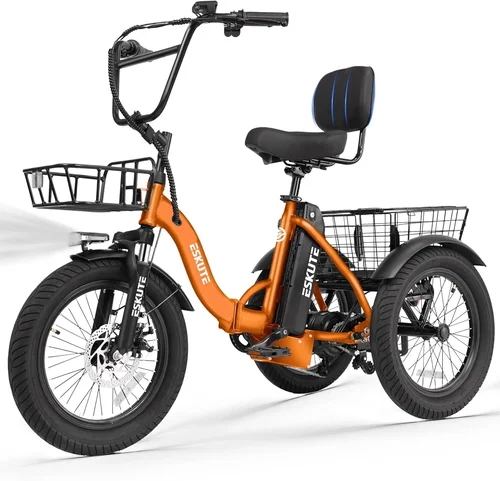
Electric bicycles have evolved from niche urban curiosities to mainstream transportation solutions, and 2026 is shaping up to be a pivotal year for e-bike innovation, affordability, and adoption. Whether you’re commuting to work, exploring scenic trails, or simply looking for a fun, eco-friendly way to get around, the right electric bicycle can transform your daily routine. But with hundreds of models flooding the market—from sleek city commuters to rugged off-road machines—it’s easy to feel overwhelmed. That’s where this comprehensive buying guide comes in. We’ve done the research, tested the trends, and analyzed real-world performance data to help you cut through the noise and find the perfect e-bike for your lifestyle.
In this guide, you’ll learn how to evaluate electric bicycles like a pro. We’ll walk you through the most important factors to consider—from motor power and battery life to frame materials and warranty coverage. You’ll discover the different types of e-bikes available, understand common pitfalls to avoid, and get expert-backed tips for scoring the best deal. Whether you’re a first-time buyer or upgrading from an older model, our goal is to empower you with the knowledge and confidence to make a smart, informed purchase. The e-bike market in 2026 is more competitive than ever, with advancements in battery technology, smart connectivity, and sustainable design pushing the boundaries of what’s possible. Let’s dive in and find your ideal ride.

What to Look for When Buying an Electric Bicycle
1. Motor Power and Performance
The motor is the heart of any electric bicycle, and its power directly impacts how your bike performs on hills, during acceleration, and over long distances. Most e-bikes in 2026 feature motors ranging from 250W to 750W, with some high-performance models exceeding 1000W. In the U.S., federal law limits e-bike motors to 750W (1 horsepower) for Class 1 and Class 3 bikes, which is sufficient for most riders. However, if you plan to tackle steep inclines or carry heavy loads, a 500W or 750W motor will provide noticeably better torque and responsiveness.
Motor placement also matters. Hub motors, located in the front or rear wheel, are common in budget and mid-range models. They’re simple, reliable, and cost-effective but can feel unbalanced on rough terrain. Mid-drive motors, positioned near the bike’s bottom bracket, offer superior weight distribution and leverage the bike’s gears for efficient power delivery. These are typically found on premium models and are ideal for hilly terrain or off-road use. When evaluating motor performance, don’t just look at wattage—consider torque (measured in Newton-meters), which determines how quickly the bike can accelerate and climb. A motor with 40–80 Nm of torque is excellent for most urban and recreational riding.
2. Battery Capacity and Range
Battery life is arguably the most critical factor for e-bike buyers. A high-capacity battery ensures you won’t be stranded mid-commute or cut a scenic ride short. In 2026, most e-bikes use lithium-ion batteries with capacities ranging from 300Wh to 700Wh. The higher the watt-hour (Wh) rating, the longer the range—but real-world performance depends on several variables, including rider weight, terrain, assist level, and weather conditions.
For example, a 500Wh battery might deliver 40–60 miles on a flat city route with moderate pedal assist, but only 20–30 miles on hilly trails with maximum assist. Look for batteries with smart management systems that optimize power usage and protect against overcharging. Removable batteries are a major plus, allowing you to charge indoors or swap in a spare for extended trips. Fast-charging capability (0–80% in under 3 hours) is becoming standard on mid-to-high-end models. Always check the battery’s cycle life—most quality batteries last 500–1,000 charge cycles before capacity drops below 80%.
3. Frame Material and Build Quality
The frame is the foundation of your e-bike, and its material affects weight, durability, and ride comfort. Aluminum alloy is the most common choice due to its strength-to-weight ratio, corrosion resistance, and affordability. High-end models may use carbon fiber for reduced weight and enhanced vibration damping, though this comes at a significant cost premium. Steel frames are rare in modern e-bikes but offer excellent durability and a smooth ride—ideal for cargo or touring bikes.
Pay attention to frame geometry and construction quality. Look for seamless welds, reinforced joints, and internal cable routing, which not only improve aesthetics but also protect components from dirt and moisture. A well-designed frame should accommodate your body size and riding style—upright for comfort, aggressive for speed. Test ride different models if possible; a poorly fitting frame can lead to discomfort or injury over time. Also, consider the bike’s weight. Most e-bikes weigh between 40 and 70 pounds, which can make lifting or storing them a challenge. Folding e-bikes are lighter but often sacrifice stability and range.
4. Pedal Assist and Throttle Options
Electric bicycles offer different levels of assistance, and understanding these can help you choose the right model for your needs. Pedal assist (PAS) systems detect your pedaling effort and provide proportional motor support. Most bikes offer 3–5 levels of assist, from eco (minimal help) to turbo (maximum power). Higher assist levels drain the battery faster but make riding easier, especially for beginners or those with physical limitations.
Throttle-based e-bikes allow you to ride without pedaling, similar to a scooter or moped. These are convenient for quick starts, climbing hills, or giving your legs a break. However, throttle use consumes more battery and may not be legal in all regions—some areas restrict throttle-only operation above certain speeds. Class 2 e-bikes (throttle-assisted up to 20 mph) are widely available, while Class 1 (pedal-assist only) and Class 3 (pedal-assist up to 28 mph) are better for fitness-focused or high-speed commuting. Choose based on your riding habits and local regulations.
5. Braking System and Safety Features
Safety should never be an afterthought when buying an e-bike. Disc brakes—either mechanical or hydraulic—are now standard on most models and offer superior stopping power compared to traditional rim brakes, especially in wet or muddy conditions. Hydraulic disc brakes provide smoother, more consistent performance with less hand effort, making them ideal for heavier bikes or frequent use.
Look for additional safety features such as integrated LED lights (front and rear), reflective elements, and audible horns or bells. Some premium models include turn signals, brake light activation, and even collision detection systems. Tires also play a role in safety—wider tires (2.0” or more) offer better grip and stability, while puncture-resistant casings reduce the risk of flats. Always test the brakes during a demo ride; they should engage smoothly without excessive lever travel.
6. Display and Smart Features
The display is your interface with the bike’s systems, and modern e-bikes come with increasingly sophisticated options. Basic LCD screens show speed, battery level, and assist mode, while advanced color displays offer GPS navigation, ride tracking, Bluetooth connectivity, and smartphone integration. Some models sync with apps to log mileage, monitor battery health, or even unlock the bike remotely.
Smart features like anti-theft alarms, geofencing, and firmware updates are becoming more common, especially in urban commuter models. While these add convenience, they can also increase cost and complexity. Consider whether you’ll actually use these features or if a simpler, more reliable system would suit you better. Also, ensure the display is readable in sunlight and protected from water damage—IP65 or higher ratings are ideal.
7. Suspension and Ride Comfort
Ride comfort is heavily influenced by suspension. Front suspension forks absorb shocks from bumps and potholes, making them essential for off-road or rough city riding. Full suspension (front and rear) offers the smoothest experience but adds weight and cost, typically reserved for mountain e-bikes. Many commuter and hybrid e-bikes forgo suspension in favor of wider, air-filled tires that provide natural cushioning.
If you plan to ride on smooth pavement, a rigid fork may be sufficient. But for gravel paths, trails, or uneven sidewalks, even a basic suspension fork can make a big difference. Adjustable suspension with lockout features lets you stiffen the fork for efficient pedaling on flat roads. Pair suspension with an ergonomic saddle, ergonomic grips, and a comfortable riding position for all-day comfort.
8. Brand Reputation and Customer Support
Not all e-bike brands are created equal. Established manufacturers like Rad Power Bikes, Trek, Specialized, and Aventon have built strong reputations for quality, innovation, and customer service. They often offer better warranties, more reliable components, and accessible support networks. Lesser-known or budget brands may cut corners on materials, assembly, or after-sales service.
Research brand reviews, check warranty terms, and look for local dealers or service centers. A good warranty typically covers the frame (5–10 years), motor and battery (2–3 years), and electrical components (1–2 years). Avoid brands with vague or overly restrictive warranty policies. Also, consider the availability of replacement parts—some brands use proprietary components that are hard to source or repair independently.
Different Types of Electric Bicycles

Common Buying Mistakes to Avoid
❌ Mistake: Prioritizing Price Over Quality
Why it’s bad: The cheapest e-bikes often use low-grade components, weak motors, and poor-quality batteries that degrade quickly. You may save $300 upfront but end up replacing the bike in 1–2 years, costing more in the long run.
What to do instead: Set a realistic budget and focus on value, not just price. Look for models with reputable motors (e.g., Bafang, Bosch), reliable batteries (Samsung, LG cells), and solid warranties. A $1,200 e-bike from a trusted brand often outperforms a $700 no-name model.
❌ Mistake: Ignoring Local Laws and Regulations
Why it’s bad: E-bike laws vary by state and country. In some areas, throttle-only bikes are restricted, speed limits apply, or helmets are mandatory. Riding an illegal e-bike can result in fines or confiscation.
What to do instead: Research your local regulations before buying. Stick to Class 1, 2, or 3 e-bikes as defined by U.S. law (or equivalent in your region). Ensure your bike complies with speed, motor power, and equipment requirements.
❌ Mistake: Overlooking Fit and Ergonomics
Why it’s bad: An ill-fitting e-bike can cause back pain, numb hands, or knee strain, especially on longer rides. Many buyers choose based on looks or specs without considering frame size or riding position.
What to do instead: Test ride multiple models. Check standover height, reach to the handlebars, and saddle adjustability. If buying online, use the manufacturer’s size guide and consider models with adjustable stems or seat posts.
❌ Mistake: Neglecting Maintenance and Upkeep
Why it’s bad: E-bikes require regular maintenance—brake adjustments, tire checks, chain lubrication, and battery care. Neglecting these can lead to breakdowns, reduced performance, or safety hazards.
What to do instead: Learn basic maintenance or find a local e-bike shop. Keep a maintenance schedule and invest in quality tools. Some brands offer service plans or free tune-ups with purchase.
❌ Mistake: Buying Without Researching the Brand
Why it’s bad: Some brands disappear after a few years, leaving customers without support, parts, or warranty service. Others use misleading marketing or exaggerate specs.
What to do instead: Read independent reviews, check BBB ratings, and look for brands with active customer communities. Avoid “too good to be true” deals from unknown sellers.
❌ Mistake: Assuming All E-Bikes Are the Same
Why it’s bad: E-bikes vary widely in design, performance, and intended use. A city commuter won’t handle mountain trails, and a folding bike may lack range for long commutes.
What to do instead: Match the bike type to your primary use case. Consider terrain, distance, cargo needs, and storage space. Don’t compromise core functionality for aesthetics.
❌ Mistake: Skipping the Test Ride
Why it’s bad: Specs don’t tell the whole story. How a bike feels—acceleration, handling, comfort—can only be assessed in person.
What to do instead: Visit local dealers or attend e-bike demo events. If buying online, choose retailers with generous return policies (30 days or more).
Budget Guidelines: How Much Should You Spend?
Entry-Level ($600 – $1,200): These e-bikes are ideal for casual riders, students, or those on a tight budget. Expect basic components, hub motors, and limited range (20–35 miles). Brands like Ancheer, Swagtron, and Ecotric offer decent value, but build quality and longevity may be compromised. Best for flat terrain and short trips.
Mid-Range ($1,200 – $2,500): This is the sweet spot for most buyers. You’ll find better motors (500W+), higher-capacity batteries (500–600Wh), and improved components like hydraulic disc brakes and suspension. Models from Rad Power Bikes, Aventon, and Lectric XP deliver excellent performance, reliability, and features. Ideal for commuting, recreation, and light cargo.
Premium ($2,500 – $4,500): Designed for enthusiasts and serious commuters, these e-bikes offer mid-drive motors, advanced displays, smart connectivity, and premium materials. Brands like Trek, Specialized, and Riese & Müller dominate this tier. Expect longer range (60+ miles), superior ride quality, and robust warranties. Great for hilly areas, long distances, or off-road use.
Luxury ($4,500+): Top-tier e-bikes combine cutting-edge technology with luxury finishes. Think carbon frames, integrated GPS, regenerative braking, and custom builds. These are for collectors, tech lovers, or those who want the absolute best. While impressive, the marginal gains over premium models may not justify the cost for average riders.
Expert Tips for Getting the Best Deal
1. Shop During Seasonal Sales: The best time to buy an e-bike is during end-of-season clearances (late summer to early fall) or holiday sales (Black Friday, Memorial Day). Many retailers discount older models to make room for new inventory.
2. Buy Direct from Manufacturers: Brands like Rad Power Bikes and Lectric sell directly to consumers, cutting out the middleman and offering lower prices. They often include free shipping, extended warranties, and exclusive deals.
3. Consider Refurbished or Open-Box Models: Certified refurbished e-bikes from reputable sellers can save you 20–40% off retail. These are typically inspected, tested, and come with warranties.
4. Check for Local Incentives: Some cities and states offer rebates or tax credits for e-bike purchases to promote green transportation. California’s Clean Bike Rebate Program, for example, offers up to $1,000 off.
5. Read the Fine Print on Warranties: A long warranty is meaningless if it’s full of exclusions. Look for comprehensive coverage that includes labor, parts, and battery degradation. Avoid brands that void warranties for “normal wear.”
6. Test Before You Buy: Even if you plan to order online, visit a local shop to test ride similar models. Take notes on comfort, handling, and features.
7. Negotiate Accessories: Many dealers will throw in free accessories (helmets, locks, lights) if you ask. It never hurts to negotiate, especially on higher-priced models.
8. Monitor Price Tracking Tools: Use tools like Honey, CamelCamelCamel, or Google Shopping to track price history and get alerts when prices drop.

Frequently Asked Questions
Q: How fast can an electric bicycle go?
A: In the U.S., Class 1 and Class 2 e-bikes are limited to 20 mph, while Class 3 models can reach 28 mph with pedal assist. Throttle-only speed is capped at 20 mph. Actual speed depends on motor power, terrain, and rider input.
Q: Do I need a license or insurance to ride an e-bike?
A: In most U.S. states, no license or insurance is required for Class 1–3 e-bikes. However, some cities or trails may have specific rules. Always check local regulations.
Q: How long do e-bike batteries last?
A: Most lithium-ion batteries last 500–1,000 charge cycles, equating to 3–5 years of regular use. Proper care—avoiding extreme temperatures and deep discharges—can extend lifespan.
Q: Can I ride an e-bike in the rain?
A: Yes, most e-bikes are water-resistant (IP54 or higher), but avoid submerging them or high-pressure washing. Dry the bike after wet rides and check electrical connections.
Q: Are e-bikes good for exercise?
A: Absolutely. Even with pedal assist, you’re still pedaling and burning calories. Lower assist levels provide a great workout, and e-bikes make it easier to ride longer and more frequently.
Q: Can I convert a regular bike to electric?
A: Yes, conversion kits are available ($300–$800), but they may not match the performance or reliability of a purpose-built e-bike. Consider weight, battery placement, and warranty implications.
Q: How do I charge my e-bike battery?
A: Use the manufacturer-provided charger and plug into a standard outlet. Charge indoors at room temperature. Avoid overcharging—most batteries stop drawing power when full.
Q: What’s the difference between hub and mid-drive motors?
A: Hub motors are in the wheel and simpler/cheaper. Mid-drive motors are near the pedals, use the bike’s gears, and offer better efficiency and balance—ideal for hills and performance riding.
Q: Can I take my e-bike on public transportation?
A: Many transit systems allow folded or non-folding e-bikes, but rules vary. Check with your local agency. Folding models are often preferred due to space constraints.
Q: How much weight can an e-bike carry?
A: Most e-bikes support 220–300 lbs (rider + cargo). Cargo and fat tire models may handle up to 400 lbs. Always check the manufacturer’s weight limit.
Our Final Recommendations
Best for Budget-Conscious Buyers: Lectric XP 3.0 – At under $1,000, this folding e-bike delivers 500W motor power, 45+ mile range, and solid build quality. Perfect for city dwellers and commuters.
Best Overall Value: Rad Power Bikes RadCity 5 Plus – A versatile commuter with a 750W motor, 61-mile range, hydraulic brakes, and integrated lights. Priced around $1,800, it’s a workhorse with excellent support.
Best Premium Option: Specialized Turbo Vado SL 5.0 – Lightweight, sleek, and packed with smart features. The mid-drive motor and 10-speed drivetrain make it ideal for long, hilly commutes. Expect to pay $4,000+.
Best for Beginners: Aventon Pace 500.3 – User-friendly with a step-through frame, intuitive display, and reliable performance. Great for new riders wanting comfort and confidence.
Best for Advanced Users: Trek Allant+ 9.9S – A high-performance eMTB with Bosch CX motor, full suspension, and advanced connectivity. Built for serious trail riders and tech enthusiasts.
Conclusion: Making the Right Choice
Choosing the right electric bicycle in 2026 doesn’t have to be overwhelming. By focusing on your needs—whether it’s commuting, recreation, cargo hauling, or off-road adventure—you can narrow down the options and find a bike that fits your lifestyle, budget, and values. Remember to prioritize key factors like motor performance, battery life, build quality, and safety features. Avoid common pitfalls like buying on price alone or skipping the test ride.
The e-bike market continues to evolve rapidly, with innovations in sustainability, connectivity, and user experience making these bikes more accessible and enjoyable than ever. Whether you’re reducing your carbon footprint, improving your fitness, or simply having more fun on two wheels, the right e-bike can be a life-changing investment. Take your time, do your research, and don’t hesitate to ask questions. Your perfect ride is out there—ready to take you farther, faster, and with greater joy.