
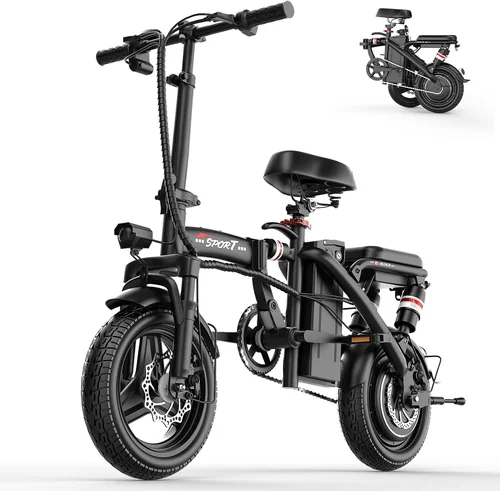
Electric bikes have evolved far beyond bulky, heavy machines meant only for long commutes or off-road adventures. In 2026, the rise of the mini e-bike for adults represents a major shift in urban mobility—compact, stylish, and surprisingly powerful. These pint-sized powerhouses are redefining how we think about personal transportation, offering an eco-friendly alternative to cars, scooters, and even traditional bicycles. Whether you’re navigating tight city streets, dodging traffic on your daily commute, or simply looking for a fun way to get around without breaking a sweat, a mini e-bike could be your perfect match.
This comprehensive buying guide is designed to cut through the noise and help you make an informed decision. With dozens of models flooding the market—from budget-friendly foldables to high-performance urban cruisers—it’s easy to feel overwhelmed. That’s why we’ve done the research, testing, and analysis so you don’t have to. In this guide, you’ll learn exactly what to look for in a mini e-bike, how different models compare across key categories, and which common pitfalls to avoid. We’ll break down everything from motor power and battery life to portability, safety features, and long-term value. By the end, you’ll have the confidence to choose a mini e-bike that fits your lifestyle, budget, and riding needs.
The mini e-bike market has exploded in recent years, driven by advances in battery technology, lightweight materials, and smart design. Today’s models are lighter, more efficient, and packed with features that rival full-sized e-bikes. From sleek commuter models with integrated lights and digital displays to rugged foldables built for weekend adventures, there’s a mini e-bike for nearly every use case. But with innovation comes complexity—and not all mini e-bikes are created equal. Some prioritize speed, others focus on range or portability, and a few manage to balance all three. This guide will help you navigate that complexity and find the right balance for your needs.

What to Look for When Buying a Mini E-Bike
1. Budget & Price Range
Your budget is the foundation of your buying decision. Mini e-bikes can range from under $500 to over $3,000, and while it’s tempting to go for the cheapest option, doing so can lead to disappointment down the road. A low-cost model might save you money upfront, but if it breaks down frequently or lacks essential features, you’ll end up spending more on repairs or replacements. On the other hand, splurging on a premium model may give you more than you actually need.
To make the best choice, start by setting a realistic budget based on how often you plan to ride and what you’ll use the bike for. If you’re commuting daily in a city, investing in a reliable mid-range model ($800–$1,500) is often worth it. For occasional use or weekend joyrides, an entry-level bike might suffice. Always factor in additional costs like helmets, locks, and maintenance. Remember: a good mini e-bike is an investment in convenience, health, and sustainability.
2. Performance Specifications
Performance is where many buyers get tripped up. It’s not just about how fast the bike goes—it’s about how it performs under real-world conditions. Key specs to evaluate include motor power (measured in watts), top speed, range per charge, and hill-climbing ability. Most mini e-bikes feature motors between 250W and 750W. A 250W motor is fine for flat terrain and light loads, but if you live in a hilly area or plan to carry groceries or a backpack, a 500W or higher motor will provide better torque and acceleration.
Range is equally important. Manufacturers often advertise “up to” a certain number of miles, but real-world range depends on factors like rider weight, terrain, assist level, and weather. A typical mini e-bike offers 20–40 miles per charge. If you need more, look for models with removable batteries or dual-battery options. Also, check the battery type—lithium-ion (Li-ion) is standard and offers the best balance of weight, lifespan, and performance.
3. Build Quality & Durability
A mini e-bike may be small, but it still needs to withstand daily wear and tear. Look for frames made from high-quality aluminum or steel—aluminum is lighter and rust-resistant, while steel offers greater strength and shock absorption. Pay attention to welds, joints, and folding mechanisms (if applicable). A poorly constructed fold can become loose over time, creating safety hazards.
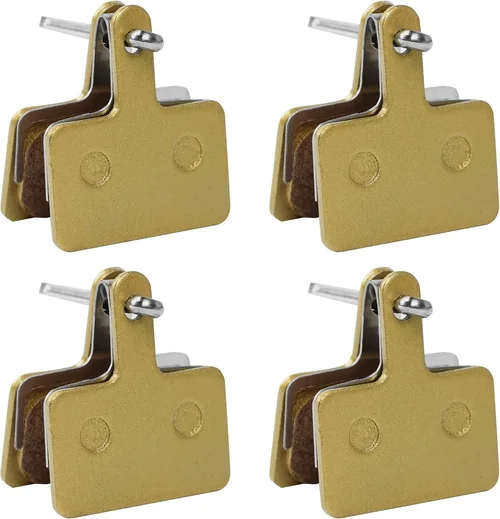
Components matter too. Check the quality of the brakes (disc brakes are superior to rim brakes), tires (puncture-resistant tires are ideal for city riding), and drivetrain. Even small details like cable routing and handlebar grips can affect long-term comfort and reliability. If possible, read user reviews that mention durability over time—brands that stand behind their products often have fewer complaints about frame cracks or motor failures after a year of use.
4. Features & Functionality
Modern mini e-bikes come loaded with features that enhance safety, convenience, and ride quality. Essential features include LED headlights and taillights (especially important for night riding), a digital display showing speed, battery level, and assist mode, and multiple pedal-assist levels. Some models even include regenerative braking, which helps recharge the battery slightly during downhill rides.
Smart features are becoming more common. Bluetooth connectivity allows you to sync your bike with a smartphone app for ride tracking, anti-theft alerts, and firmware updates. Integrated GPS can help you navigate or recover your bike if stolen. Other nice-to-haves include USB charging ports, phone mounts, and suspension systems (front or full) for smoother rides on rough pavement.
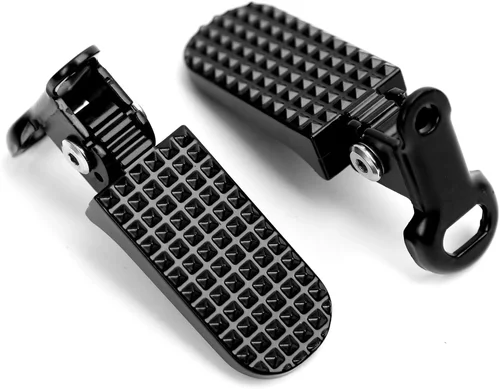
Don’t overlook practicality. Does the bike have a rear rack or basket for carrying items? Are the pedals foldable to save space? Can the seat be adjusted easily? These small details can make a big difference in daily usability.
5. Brand Reputation
With so many new brands entering the e-bike space, it’s crucial to choose one with a solid reputation. Established brands like Rad Power Bikes, Aventon, and Lectric have built trust through consistent quality, customer support, and transparent warranties. They also tend to have better access to replacement parts and service networks.
That said, some newer brands offer excellent value and innovation. Just be sure to research thoroughly. Check third-party review sites, Reddit forums, and YouTube channels dedicated to e-bike testing. Look for patterns in user feedback—consistent praise for reliability or recurring complaints about customer service can be red flags. A brand that actively engages with customers and updates its products based on feedback is usually a safer bet.
6. Warranty & Support
A strong warranty is a sign that a manufacturer believes in its product. Most reputable brands offer at least a 1-year warranty on the frame and motor, with 6–12 months on the battery. Some go further—Rad Power Bikes, for example, offers a 2-year comprehensive warranty. Pay attention to what’s covered: does it include labor? Are batteries covered for capacity loss over time?
Customer support is just as important. Can you easily reach a human being if something goes wrong? Do they offer live chat, phone support, or local service centers? Brands with U.S.-based support teams typically resolve issues faster than those relying solely on email or overseas partners. Before buying, test their responsiveness by sending a pre-purchase question.
7. Size & Portability
One of the biggest appeals of mini e-bikes is their compact size. But “mini” can mean different things. Some are truly foldable, shrinking down to fit in a car trunk or under a desk. Others are just smaller in wheel size (16″ or 20″ instead of 26″) but don’t fold. Consider your storage space and transportation needs.
If you plan to take your bike on public transit, into an office, or store it in a small apartment, a foldable model is ideal. However, folding mechanisms can add weight and complexity. Non-folding mini e-bikes often offer better ride stability and fewer moving parts to maintain. Weight also matters—most mini e-bikes weigh between 30 and 50 pounds. Anything over 45 pounds can be difficult to carry upstairs or lift into a vehicle.
8. User Reviews & Ratings
Never rely solely on manufacturer claims. Real-world user experiences provide invaluable insights into how a bike performs over time. Look for detailed reviews that cover not just performance, but also comfort, ease of assembly, and customer service interactions. Pay special attention to reviews from riders with similar needs—commuters, students, or casual riders.
Be cautious of overly positive or generic reviews, which may be fake. Authentic reviews often mention both pros and cons. For example, a reviewer might praise a bike’s speed but note that the seat is uncomfortable for long rides. That kind of honesty helps you set realistic expectations. Aggregate ratings on sites like Amazon, Best Reviews, or E-Bike Review can also help you compare models at a glance.
Different Types of Mini E-Bikes

Common Buying Mistakes to Avoid
❌ Mistake: Ignoring Local E-Bike Laws
Why it’s bad: E-bike regulations vary by state, city, and even neighborhood. Some areas restrict motor power (e.g., max 750W), top speed (often 20 mph on pedal assist), or require helmets and registration. Riding an illegal e-bike can result in fines or confiscation.
What to do instead: Check your local Department of Motor Vehicles or transportation authority website before buying. Choose a Class 1 or Class 3 e-bike (pedal-assist only, no throttle) if you’re unsure—they’re widely permitted.
❌ Mistake: Overlooking Battery Replacement Costs
Why it’s bad: E-bike batteries degrade over time, typically lasting 500–1,000 charge cycles. Replacing a battery can cost $400–$800—sometimes more than half the bike’s original price.
What to do instead: Choose a model with a removable, standardized battery from a reputable supplier. Avoid proprietary batteries that are hard to replace. Also, practice good charging habits: don’t let the battery drain to 0% regularly, and store it at 50–70% charge if not using for weeks.
❌ Mistake: Buying Based on Looks Alone
Why it’s bad: A sleek design doesn’t guarantee performance or reliability. Some stylish bikes cut corners on components to reduce costs, leading to frequent breakdowns.
What to do instead: Prioritize function over form. Look for bikes with quality brakes, reliable motors, and solid frames—even if they’re less flashy. You can always customize with accessories later.
❌ Mistake: Skipping the Test Ride
Why it’s bad: E-bikes feel different from regular bikes. Weight distribution, pedal assist responsiveness, and handlebar ergonomics can vary widely. What looks good on paper might feel awkward in practice.
What to do instead: Visit a local e-bike shop or attend a demo event. If buying online, choose retailers with generous return policies (30 days or more). Some brands even offer at-home test rides.
❌ Mistake: Neglecting Maintenance Needs
Why it’s bad: E-bikes require regular upkeep—tire pressure checks, brake adjustments, chain lubrication, and software updates. Ignoring maintenance shortens the bike’s lifespan and can lead to safety issues.
What to do instead: Learn basic maintenance or find a local shop that services e-bikes. Budget $100–$200 annually for tune-ups and parts. Keep a maintenance log to track service dates.
❌ Mistake: Assuming All Mini E-Bikes Are Easy to Carry
Why it’s bad: Even “lightweight” e-bikes can be heavy due to the motor and battery. A 40-pound bike might seem manageable, but carrying it up three flights of stairs daily gets old fast.
What to do instead: Consider your physical ability and route. If you need to carry it often, look for models under 35 pounds or with ergonomic handles. Some bikes include rear racks that double as lifting aids.
❌ Mistake: Falling for “Too Good to Be True” Deals
Why it’s bad: Extremely low prices often indicate counterfeit parts, poor quality control, or hidden fees. These bikes may lack safety certifications (like UL 2849) and pose fire or electrical risks.
What to do instead: Stick to reputable retailers and brands. Verify safety certifications on the product page. If a deal seems suspicious, it probably is.
Budget Guidelines: How Much Should You Spend?
Choosing the right price tier depends on your usage, expectations, and long-term goals. Here’s a breakdown of what you can expect at different budget levels:
Entry-Level ($400–$800): These bikes are ideal for casual riders or those on a tight budget. Expect basic components, limited range (15–25 miles), and minimal features. Motors are usually 250W–350W, and batteries may not be removable. While they get the job done for short trips, they may lack durability and customer support. Best for occasional use on flat terrain.
Mid-Range ($800–$1,500): This is the sweet spot for most buyers. You’ll find reliable motors (500W), better batteries (36V–48V), and improved build quality. Many models include disc brakes, LED lights, and smartphone connectivity. Range typically hits 30–40 miles, and warranties are more comprehensive. Perfect for daily commuting and weekend rides.
Premium ($1,500–$2,500): Designed for enthusiasts and frequent riders, these bikes offer high-performance motors (750W+), long-range batteries (up to 60 miles), and advanced features like suspension, GPS, and app integration. Build quality is top-notch, with aluminum frames and premium components. Ideal for hilly cities, long commutes, or those who want a future-proof ride.
Luxury ($2,500+): These are the Ferraris of mini e-bikes—packed with cutting-edge tech, ultra-light materials, and bespoke designs. Think carbon fiber frames, regenerative braking, AI-assisted riding modes, and custom paint jobs. While impressive, they’re often overkill for average users. Best suited for collectors, tech lovers, or those who prioritize status and innovation.
Expert Tips for Getting the Best Deal
- Time your purchase: Major sales happen in spring (March–April) and fall (October–November). Brands often discount older models to make room for new releases.
- Buy directly from manufacturers: Many brands offer exclusive online deals, free shipping, and extended warranties when you buy from their website.
- Check for rebates and incentives: Some cities and employers offer e-bike purchase rebates or tax credits. California, for example, has a Clean Air Vehicle rebate program.
- Read the fine print on warranties: Understand what’s covered and for how long. Some brands require registration within 30 days to activate coverage.
- Use price tracking tools: Set alerts on Google Shopping or CamelCamelCamel (for Amazon) to monitor price drops.
- Consider refurbished models: Certified pre-owned e-bikes from reputable sellers can save you 20–40% off retail and often come with warranties.
- Negotiate with local dealers: Independent bike shops may offer discounts, free accessories, or service packages if you ask.
- Join e-bike communities: Forums and Facebook groups often share exclusive promo codes and early access to sales.

Frequently Asked Questions
Q: Are mini e-bikes safe for adults?
A: Yes, when used responsibly and equipped with proper safety features. Look for models with UL certification, functional brakes, lights, and reflectors. Always wear a helmet and follow traffic laws.
Q: Can I ride a mini e-bike in the rain?
A: Most modern e-bikes are water-resistant (rated IPX4 or higher), meaning they can handle light rain. However, avoid submerging the battery or riding through deep puddles. Dry the bike after wet rides to prevent corrosion.
Q: How fast do mini e-bikes go?
A: Most are limited to 20 mph on pedal assist (Class 1 and 2) or 28 mph (Class 3). Speed depends on motor power, terrain, and rider input. Throttle-enabled models may reach 20 mph without pedaling.
Q: Do I need a license to ride a mini e-bike?
A: In most U.S. states, no license is required for Class 1 and 2 e-bikes. Class 3 may require a helmet and have age restrictions. Always check local laws.
Q: How long does it take to charge a mini e-bike battery?
A: Typically 3–6 hours, depending on battery capacity and charger output. Fast chargers can reduce this to 2–3 hours but may reduce battery lifespan if used excessively.
Q: Can I upgrade my mini e-bike’s battery?
A: Some models allow battery upgrades, but compatibility varies. Check with the manufacturer before purchasing a higher-capacity battery. Unauthorized modifications may void the warranty.
Q: Are mini e-bikes good for exercise?
A: Absolutely. Even with pedal assist, you’re still pedaling and engaging your muscles. Lower assist levels provide a solid workout, while higher levels help with hills or fatigue.
Q: What’s the average lifespan of a mini e-bike?
A: With proper care, a quality mini e-bike can last 5–10 years. The battery may need replacement after 3–5 years, but the frame and motor often outlast it.
Q: Can I take my mini e-bike on a plane?
A: Generally no—lithium-ion batteries are restricted on commercial flights. Some airlines allow them in checked baggage if under 100Wh, but most e-bike batteries exceed this. Check airline policies before traveling.
Q: Do mini e-bikes have suspension?
A: Some do, especially premium models. Front suspension is common; full suspension is rarer due to space constraints. Suspension improves comfort on rough roads but adds weight and cost.
Our Final Recommendations
Best for Budget-Conscious Buyers: Lectric XP Lite – At under $700, this foldable mini e-bike offers surprising value with a 300W motor, 20″ wheels, and 25+ mile range. It’s lightweight, easy to store, and backed by strong customer support.
Best Overall Value: Rad Power Bikes RadMini 4 – Priced around $1,400, this versatile foldable combines a 750W motor, 45-mile range, and rugged build. Ideal for commuters who need reliability and performance.
Best Premium Option: Aventon Aventure.2 Mini – With a sleek design, 750W motor, integrated lights, and app connectivity, this $2,200 model delivers top-tier performance and style for urban adventurers.
Best for Beginners: Swagtron EB5 Pro – Simple, affordable ($500), and easy to ride, this 250W foldable is perfect for first-time e-bike users. It’s lightweight and great for short trips.
Best for Advanced Users: Juiced CrossCurrent X Mini – A high-performance beast with a 1,000W motor, 70-mile range, and dual suspension. At $2,800, it’s built for speed, hills, and long-distance riding.
Conclusion: Making the Right Choice
Choosing the best mini e-bike for adults isn’t just about picking the shiniest model or the lowest price. It’s about finding a balance between performance, portability, durability, and value—one that aligns with your lifestyle, budget, and riding goals. Whether you’re dodging traffic in downtown Chicago, cruising along a beach path in San Diego, or simply looking for a greener way to get to work, the right mini e-bike can transform your daily routine.
As you weigh your options, remember to prioritize your must-have features. Do you need to fold it? Ride in the rain? Carry groceries? Climb steep hills? Answering these questions will narrow your choices and help you avoid buyer’s remorse. And don’t forget to factor in long-term costs—warranty, maintenance, and battery life matter just as much as the initial price tag.
Ultimately, the best mini e-bike is the one you’ll actually use. So take your time, do your research, and when you find the right fit, ride with confidence. The future of urban mobility is small, smart, and electric—and it’s waiting for you.