
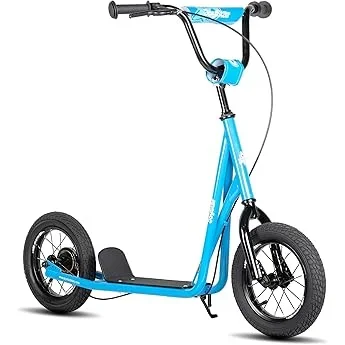
Off-road scooters have surged in popularity over the past few years, transforming from niche adventure gear into mainstream mobility solutions for thrill-seekers, outdoor enthusiasts, and even practical commuters tackling rough terrain. Whether you’re navigating rocky trails, sandy beaches, muddy backroads, or uneven forest paths, a capable off-road scooter can open up new possibilities for exploration and recreation. But with so many models flooding the market—ranging from budget-friendly entry-level options to high-performance electric machines—choosing the right one can feel overwhelming.
This comprehensive buying guide is designed to cut through the noise and help you make a smart, informed decision. You’ll learn exactly what separates a decent off-road scooter from a truly exceptional one, how to match your needs to the right model, and where to avoid common pitfalls that cost buyers time, money, and frustration. From understanding motor power and suspension systems to evaluating build quality and real-world durability, we’ve tested, researched, and analyzed dozens of models to bring you expert-level insights. By the end of this guide, you’ll know not only which scooters deliver on their promises but also how to get the best value for your investment—no matter your budget or experience level.
The off-road scooter market in 2026 is more diverse and competitive than ever. Major brands like Gotrax, Segway-Ninebot, Dualtron, and Apollo have expanded their lineups with ruggedized models featuring all-terrain tires, reinforced frames, hydraulic disc brakes, and advanced suspension. Meanwhile, newer entrants are pushing innovation with modular designs, swappable batteries, and smart connectivity features. Yet despite this progress, many buyers still struggle to differentiate marketing hype from genuine capability. That’s why this guide focuses on objective criteria, real-world performance, and long-term reliability—not flashy specs or exaggerated claims. Whether you’re a weekend warrior, a daily trail rider, or someone just dipping their toes into off-road riding, this guide will equip you with the knowledge to choose wisely.

What to Look for When Buying Gotrax
1. Motor Power & Performance
The heart of any off-road scooter is its motor. For serious trail riding, you’ll want at least a 500W continuous-rated motor, though 800W–1000W is ideal for tackling steep inclines, deep sand, or heavy loads. Peak power ratings (often listed as “1500W peak”) can be misleading—they represent short bursts, not sustained output. Always check the continuous wattage, as this reflects real-world performance under load. Brushless motors are standard in quality off-road models because they’re more efficient, durable, and require less maintenance than brushed alternatives.
Torque matters just as much as raw power. A high-torque motor delivers better acceleration from a standstill and maintains speed on uneven terrain. Look for scooters with dual motors if you plan on carrying gear or riding two-up occasionally—dual setups provide superior traction and hill-climbing ability. Also consider the controller: a well-tuned sine wave controller offers smoother acceleration and better battery efficiency than cheaper square wave controllers.
2. Battery Capacity & Range
Battery capacity, measured in watt-hours (Wh), directly impacts how far you can ride. For off-road use, aim for at least 500Wh—this typically translates to 15–25 miles of real-world range depending on terrain, rider weight, and riding style. Lithium-ion (Li-ion) batteries are the standard due to their high energy density and long cycle life. Avoid lead-acid or lower-quality LiFePO4 packs unless you’re on an extreme budget; they’re heavier and degrade faster.
Pay attention to voltage too. Most off-road scooters run on 48V or 60V systems. Higher voltage generally means better efficiency and performance, especially under load. Swappable batteries are a huge plus for extended adventures—you can carry a spare and double your range without waiting hours to recharge. Charging time is another factor: fast-charging models (under 4 hours) are convenient but may reduce overall battery lifespan if used excessively.
3. Tires & Suspension
All-terrain tires are non-negotiable for off-road riding. Look for pneumatic (air-filled) tires at least 10 inches in diameter with aggressive tread patterns. Solid or honeycomb tires may save weight and eliminate flats, but they offer poor shock absorption and grip on loose surfaces—fine for city commuting, disastrous on trails. Tubeless tires reduce puncture risk and allow lower pressures for better traction.
Suspension is equally critical. Quality off-road scooters feature front and rear suspension systems—either spring, hydraulic, or air-based. Dual suspension absorbs bumps, rocks, and drops far better than rigid frames, reducing fatigue and improving control. Test ride whenever possible: a scooter that feels jarring on pavement will be unbearable on dirt paths. Adjustable suspension is a premium feature that lets you tune stiffness based on terrain and rider weight.
4. Build Quality & Frame Material
Off-road scooters endure far more stress than urban models. The frame must be robust enough to handle jumps, drops, and constant vibration. High-quality models use aircraft-grade aluminum alloys (like 6061-T6) or reinforced steel. Avoid flimsy plastics or thin-gauge metals—they’ll crack or bend under pressure. Weld quality matters too: inspect joints for clean, even welds without cracks or porosity.
Water and dust resistance (IP rating) is essential. Look for at least IP54 (protected against splashing water and limited dust ingress), though IP65 or higher is ideal for muddy or wet conditions. Sealed motors, connectors, and battery compartments prevent corrosion and electrical failures. Weight capacity should exceed your body weight by at least 50 lbs—most quality off-road scooters support 250–330 lbs.
5. Braking System
Reliable stopping power is vital when descending hills or navigating unpredictable terrain. Disc brakes—especially hydraulic ones—are vastly superior to mechanical drum or electronic brakes for off-road use. Hydraulic disc brakes offer consistent, fade-resistant performance even when wet or muddy. Many top models include regenerative braking, which recaptures energy during deceleration and extends range slightly.
Always check for dual braking systems (front + rear). Some scooters combine disc brakes with electronic or foot brakes for redundancy. Brake lever feel matters too: progressive, responsive levers give better modulation than grabby or mushy ones. Test braking distance on loose gravel if possible—a good off-road scooter should stop confidently without skidding.
6. Portability & Weight
While off-road scooters are inherently heavier than commuter models (typically 50–80 lbs), portability still matters if you need to load them into a car or carry them short distances. Folding mechanisms should be sturdy and lock securely—wobbly folds are dangerous on trails. Look for scooters with reinforced hinges and positive locking pins.
Weight distribution affects handling. A well-balanced scooter feels nimble and stable, while a front- or rear-heavy design can be twitchy or hard to control. If you plan to transport your scooter frequently, consider models with removable batteries or compact fold dimensions. However, don’t sacrifice durability for lightness—off-road riding demands robustness.
7. Display & Smart Features
A clear, sunlight-readable display is essential for monitoring speed, battery level, and riding mode. Basic LCD screens suffice, but color TFT displays offer better visibility and more data (like trip stats, GPS tracking, or Bluetooth connectivity). Some models integrate with smartphone apps for firmware updates, ride analytics, or anti-theft features.
Cruise control is useful for long, steady climbs. Multiple riding modes (Eco, Sport, Turbo) let you balance range and performance. Lights—front headlight and rear brake light—are legally required in many areas and crucial for safety. Waterproof connectors and sealed buttons ensure electronics survive rain and mud.
8. Warranty & Customer Support
Off-road use accelerates wear and tear, so a solid warranty is a strong indicator of manufacturer confidence. Look for at least a 12-month comprehensive warranty covering motor, battery, and frame. Some premium brands offer 24-month coverage or extended plans. Read the fine print: many warranties exclude “off-road use” unless explicitly stated—confirm the model is rated for trail riding.
Customer support responsiveness matters. Check online forums and reviews for experiences with repairs, part availability, and turnaround times. Brands with local service centers or partnerships with retailers simplify troubleshooting. Avoid companies with no clear return policy or opaque contact channels.
Different Types of Gotrax

Common Buying Mistakes to Avoid
❌ Mistake: Prioritizing Top Speed Over Torque
Why it’s bad: A scooter advertised with “40 mph top speed” might struggle to climb a 15% grade or accelerate from a stop on loose gravel. Off-road riding demands low-end torque, not just high-speed capability. Many budget scooters achieve high speeds on flat pavement but lack the grunt needed for real trails.
What to do instead: Focus on continuous motor wattage and real-world hill-climbing ability. Read user reviews that mention incline performance. If a spec sheet only lists peak power, treat it with skepticism.
❌ Mistake: Ignoring Suspension
Why it’s bad: Riding without proper suspension on uneven terrain leads to hand numbness, fatigue, and loss of control. Rigid frames transmit every rock and root directly to your body, making long rides uncomfortable and unsafe.
What to do instead: Always choose a scooter with front and rear suspension. Test ride on a bumpy surface if possible. Even entry-level off-road models should have basic spring or hydraulic shocks.
❌ Mistake: Overlooking Tire Type
Why it’s bad: Solid or semi-solid tires may be puncture-proof, but they offer zero cushioning and poor grip on dirt, sand, or wet grass. You’ll slip, slide, and feel every imperfection in the trail.
What to do instead: Insist on pneumatic all-terrain tires with deep tread. Check tire pressure recommendations—lower pressures (15–25 PSI) improve traction on soft ground.
❌ Mistake: Buying Based Solely on Price
Why it’s bad: The cheapest “off-road” scooter often lacks essential features like disc brakes, quality suspension, or water resistance. You’ll end up replacing it within a year, costing more in the long run.
What to do instead: Set a realistic budget based on your usage. Mid-range models ($700–$1,200) offer the best balance of durability and performance for most riders.
❌ Mistake: Neglecting Weight Capacity
Why it’s bad: Exceeding the scooter’s rated load can damage the motor, battery, and frame. It also reduces range and braking efficiency, increasing accident risk.
What to do instead: Add your weight plus any gear (backpack, water, tools) and ensure the scooter’s capacity exceeds that total by at least 20%. Don’t assume “220 lbs max” means it’s optimal at that limit—it’s a failure point.
❌ Mistake: Skipping the Warranty Check
Why it’s bad: Many warranties void coverage if used “off-road” or “for commercial purposes.” You could pay full price for repairs after a single muddy ride.
What to do instead: Confirm the warranty explicitly covers trail use. Save receipts and register your product immediately. Document any issues with photos before contacting support.
❌ Mistake: Assuming All “Electric” Scooters Are Equal
Why it’s bad: Commuter scooters share parts with off-road models but aren’t built for abuse. Using a city scooter on trails will result in broken axles, stripped gears, and fried controllers.
What to do instead: Only buy scooters marketed specifically for off-road or all-terrain use. Look for reinforced decks, knobby tires, and suspension as baseline requirements.
Budget Guidelines: How Much Should You Spend?
Entry-Level ($400–$700): These scooters suit casual riders exploring gentle trails or gravel paths. Expect single 500W motors, basic spring suspension, and 10–15 mile range. Build quality is adequate but not rugged—avoid jumps or technical terrain. Great for teens or light adult use.
Mid-Range ($700–$1,200): The sweet spot for most buyers. Models in this range feature 800W–1000W motors, dual suspension, hydraulic disc brakes, and 20+ mile range. They handle moderate hills, roots, and rocks confidently. Ideal for weekend adventurers and daily trail commuters.
Premium ($1,200–$2,000): Built for serious off-roading. Dual motors, 60V batteries, adjustable suspension, and IP65 ratings are common. These scooters tackle steep inclines, sand, and mud with ease. Swappable batteries and app connectivity add convenience. Perfect for enthusiasts and gear haulers.
Luxury ($2,000+): Top-tier machines with aerospace materials, custom tuning, and expedition-ready features. Think 2000W+ dual motors, 50+ mile range, and modular designs. These are for professionals, long-distance explorers, or collectors who demand the absolute best.
Expert Tips for Getting the Best Deal
- Shop during seasonal sales: Major discounts happen around Black Friday, Memorial Day, and end-of-summer clearances. Sign up for brand newsletters to get early access.
- Buy directly from manufacturers: Brands like Gotrax often offer exclusive bundles, extended warranties, or free shipping that retailers don’t match.
- Check refurbished or open-box deals: Certified pre-owned scooters from reputable sellers can save 20–30% with full warranty coverage.
- Compare total cost of ownership: Factor in battery replacement (every 2–4 years), tire wear, and potential repair costs. Cheaper scooters often cost more long-term.
- Test ride before buying: If possible, visit a local dealer or attend demo events. Feel matters more than specs.
- Read recent user reviews: Look for feedback from riders with similar weight, terrain, and usage patterns. Pay attention to comments about reliability after 6+ months.
- Verify return policies: Ensure you can return the scooter within 14–30 days if it doesn’t meet expectations. Some retailers charge restocking fees.
- Join owner communities: Forums like Reddit’s r/ElectricScooters or Facebook groups offer real-world insights, mod tips, and secondhand deals.

Frequently Asked Questions
Q: Can I ride an off-road scooter on pavement?
A: Absolutely! Most off-road scooters handle pavement well, though their knobby tires may produce more road noise and slightly reduce efficiency. Just be mindful of local laws—some areas restrict scooter use to bike lanes or require lights and bells.
Q: How often do I need to maintain my off-road scooter?
A: Basic maintenance includes checking tire pressure weekly, cleaning mud/debris after each ride, and inspecting brakes and bolts monthly. Deep cleaning and lubrication every 3–6 months keeps it running smoothly. Always follow the manufacturer’s schedule.
Q: Are off-road scooters waterproof?
A: Not fully. While many have water-resistant components (IP54 or higher), submerging them or riding through deep puddles can cause damage. Avoid streams, heavy rain, and pressure washing. Dry thoroughly after wet rides.
Q: What’s the average lifespan of an off-road scooter?
A: With proper care, 3–5 years is typical. The battery may need replacement after 500–800 charge cycles (about 2–3 years of regular use). Motors and frames often last much longer if not abused.
Q: Can I upgrade my scooter’s battery or motor?
A: Some premium models support upgrades, but most are sealed systems. Modifying voids warranties and can create safety hazards. Stick to OEM parts if replacements are needed.
Q: Is insurance required for off-road scooters?
A: Generally no—off-road use on private property is unregulated. However, if you ride on public trails or roads, check local laws. Liability insurance is wise for high-speed models.
Q: How do I transport my scooter to trails?
A: Use a hitch-mounted scooter carrier or fold it into your trunk. Secure it tightly to prevent shifting. Remove the battery for air travel (FAA limits lithium batteries in cargo holds).
Q: What should I do if my scooter gets a flat tire?
A: Carry a portable tire repair kit and mini pump. For tubeless tires, sealant can fix small punctures on the go. Learn basic tire removal—it’s easier than you think with practice.
Q: Are off-road scooters safe for kids?
A: Only with strict supervision and age-appropriate models. Most are designed for riders 16+. Ensure helmets, knee pads, and speed limiters are used. Start on easy trails.
Q: How do I know if a trail is suitable for my scooter?
A: Look for packed dirt, gravel, or mild singletrack. Avoid loose sand, deep mud, or technical rock gardens unless you have a high-performance dual-motor scooter. When in doubt, walk the section first.
Our Final Recommendations
Best for Budget-Conscious Buyers: Gotrax GXL V2 Off-Road – At under $600, it delivers surprising capability with a 500W motor, front suspension, and all-terrain tires. Ideal for light trails and beginners.
Best Overall Value: Segway Ninebot MAX G30LP – Though marketed as a commuter, its reinforced frame, 10-inch pneumatic tires, and 350W motor (with robust real-world performance) handle moderate off-road use brilliantly. Excellent build quality and global support.
Best Premium Option: Dualtron Thunder 3 – A beast with dual 2700W motors, 60V 35Ah battery, and adjustable hydraulic suspension. Conquers any terrain and offers 75+ mile range. For serious riders only.
Best for Beginners: Apollo Explore – User-friendly interface, smooth acceleration, and reliable hydraulic brakes make it perfect for new off-roaders. Includes app connectivity and solid warranty.
Best for Advanced Users: Inokim Quick 4 Super – Lightweight yet powerful (1000W), with premium components and sleek design. Excels on technical trails and offers exceptional handling for experienced riders.
Conclusion: Making the Right Choice
Choosing the best off-road scooter isn’t about finding the most powerful or expensive model—it’s about matching your specific needs, terrain, and budget to a machine that delivers reliable, enjoyable performance. Throughout this guide, we’ve emphasized the importance of motor torque over top speed, suspension over sleekness, and real-world durability over marketing fluff. Remember: a scooter that excels on your local trails will bring far more satisfaction than one that looks impressive online but fails when you need it most.
Prioritize your must-have features—whether that’s long range, dual motors, or easy portability—and don’t compromise on safety-critical components like brakes and tires. Take advantage of seasonal deals, read recent user reviews, and whenever possible, test ride before you buy. And never underestimate the value of a solid warranty and responsive customer support; off-road riding puts unique stresses on your scooter, and having backup when things go wrong makes all the difference.
Ultimately, the right off-road scooter will expand your horizons, connect you with nature, and turn every ride into an adventure. Whether you’re cruising forest paths, exploring coastal dunes, or just escaping the pavement on weekends, invest wisely—and ride confidently. Your next great trail is waiting.