
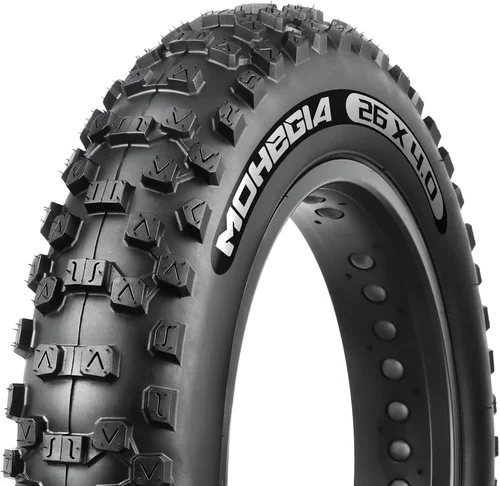
Fat tire bikes have surged in popularity over the past decade, transforming from niche winter machines into versatile all-terrain vehicles capable of conquering sand, snow, mud, gravel, and even city streets. Whether you’re an adventure seeker looking to explore remote trails, a commuter navigating snowy urban landscapes, or simply someone who values stability and comfort on uneven terrain, a fat tire bike could be your ultimate ride. With advancements in frame materials, drivetrains, suspension systems, and tire technology, today’s fat bikes are more capable—and more accessible—than ever before.
This comprehensive buyer’s guide is designed to cut through the noise and help you make a confident, informed decision when purchasing your next fat tire bike. We’ll walk you through every critical factor—from budget and build quality to performance specs and real-world usability—so you can find the perfect match for your riding style, terrain, and goals. Whether you’re a first-time buyer or upgrading from an older model, this guide covers everything you need to know, including common pitfalls to avoid, expert shopping tips, and detailed recommendations across multiple price tiers. By the end, you’ll not only understand what makes a great fat tire bike but also how to get the best value for your investment in 2026.
The fat tire bike market has evolved dramatically since its humble beginnings in Alaska and the snowy backcountry of the American West. What started as a solution for riding over deep snow and loose sand has now expanded into a full-fledged category with options for nearly every rider profile. Modern fat bikes come in hardtail and full-suspension configurations, rigid steel frames for durability, lightweight aluminum builds for speed, and even high-end carbon fiber models for performance enthusiasts. Electric fat bikes (e-bikes) have also exploded in popularity, offering pedal-assist power that extends range and makes steep climbs manageable. With major brands like Trek, Specialized, Salsa, Rad Power Bikes, and Mongoose competing alongside innovative newcomers, the choices can feel overwhelming. But with the right knowledge, you can navigate this diverse landscape and find a bike that delivers fun, reliability, and long-term value.
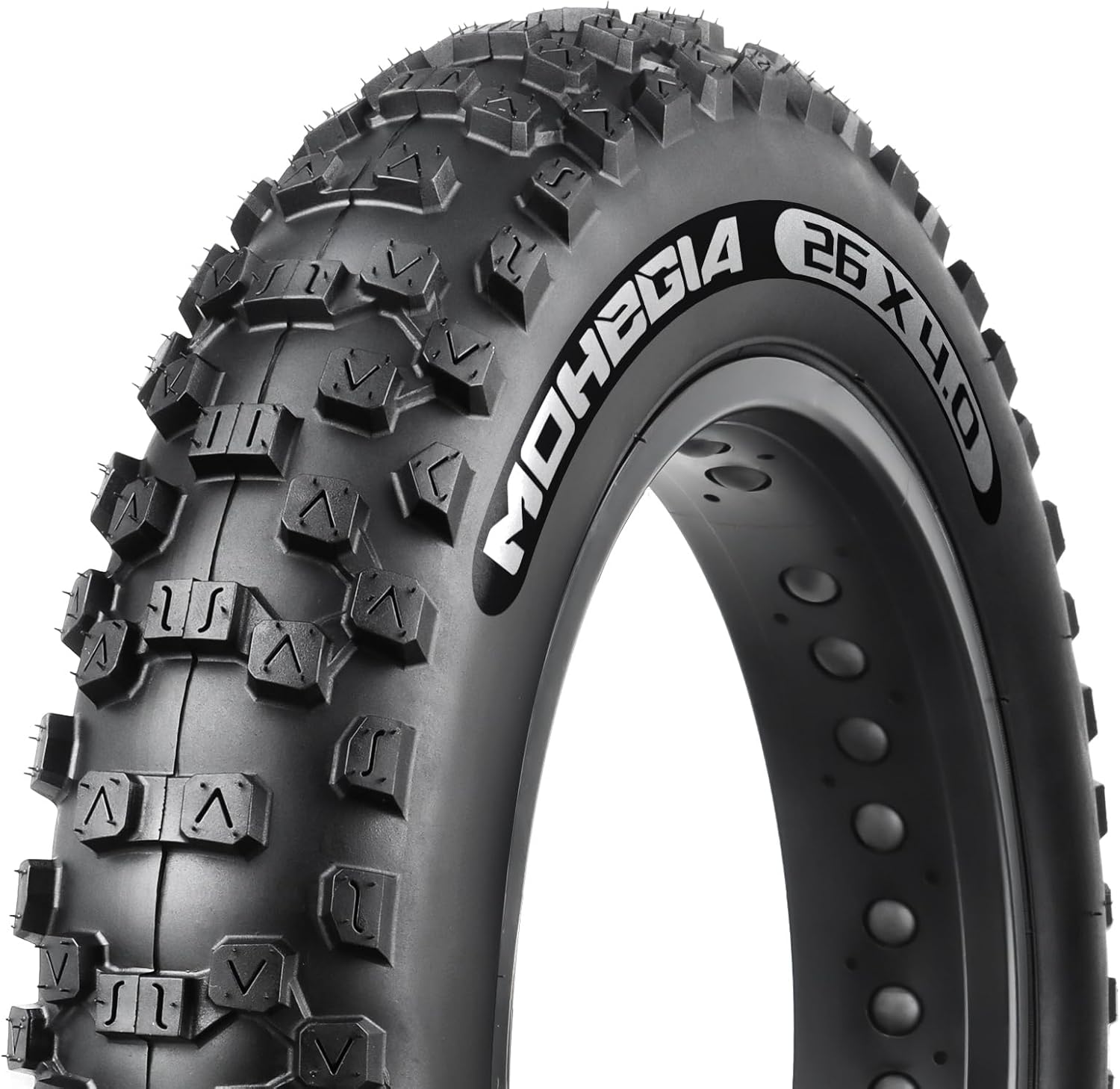
What to Look for When Buying a Fat Tire Bike
1. Budget & Price Range
Your budget is the single most important starting point when shopping for a fat tire bike. Prices can range from under $500 for entry-level models to over $5,000 for premium full-suspension or carbon-framed e-fat bikes. Setting a realistic budget helps narrow your options and prevents overspending on features you don’t need. Entry-level bikes typically use heavier steel or basic aluminum frames, single-speed or 7-speed drivetrains, and mechanical disc brakes. Mid-range models ($800–$1,500) often include better components like hydraulic disc brakes, wider-range gearing, and improved suspension forks. Premium bikes ($1,500+) may feature lightweight frames, advanced drivetrains (like Shimano Deore or SRAM NX), tubeless-ready wheels, and enhanced ergonomics. E-fat bikes usually start around $1,200 and can exceed $4,000 depending on motor power, battery capacity, and integration quality.
2. Performance Specifications
Performance specs determine how your fat bike handles different terrains and riding conditions. Key metrics include tire width (typically 3.8” to 5”), wheel size (26” is standard, though 24” and 27.5” options exist), gear range, brake type, and suspension travel (if applicable). Wider tires provide more floatation on soft surfaces but can feel sluggish on pavement. A wide gear range (e.g., 1×11 or 1×12 drivetrains) helps maintain momentum on climbs and descents. Hydraulic disc brakes offer superior stopping power in wet or muddy conditions compared to mechanical systems. If you plan to ride technical trails, consider a bike with at least 100mm of front suspension travel. For electric models, check motor wattage (500W–750W is common), torque (measured in Newton-meters), and battery range (20–80+ miles depending on assist level and terrain).
3. Build Quality & Durability
Fat tire bikes endure harsh conditions—salt, moisture, mud, and constant vibration—so build quality is non-negotiable. Look for frames made from high-grade aluminum (like 6061 or 7005) or chromoly steel, which resist corrosion and fatigue better than cheaper alloys. Weld quality matters: smooth, even welds indicate careful manufacturing. Check for reinforced dropouts, sturdy bottom brackets, and sealed bearings in hubs and cranks. Components should be from reputable brands like Shimano, SRAM, Tektro, or Zoom. Avoid bikes with flimsy-looking handlebars, weak rims, or poorly aligned drivetrains—these are red flags for poor assembly or low-cost sourcing. A well-built fat bike should last years with proper care, even in extreme environments.
4. Features & Functionality
Modern fat bikes come packed with features that enhance comfort, control, and convenience. Look for thru-axles (15mm or 20mm front, 12mm rear) for better wheel alignment and stiffness. Internal cable routing keeps lines clean and protected from debris. Dropper seatposts are increasingly common on trail-oriented models, allowing quick saddle height adjustment on the fly. Many bikes now include rack and fender mounts for bikepacking or commuting. E-fat bikes often feature integrated lights, USB charging ports, smartphone connectivity, and LCD displays with ride stats. Tubeless-ready wheels let you run lower tire pressures for better traction without pinch flats. Consider whether you need these extras based on your intended use—commuters may prioritize mounts and lights, while trail riders might value dropper posts and suspension.
5. Brand Reputation & Reliability
Not all fat bike brands are created equal. Established names like Trek (Farley), Specialized (Fatboy), Salsa (Mukluk), and Surly (Ice Cream Truck) have decades of experience building durable, trail-proven bikes. They invest in R&D, offer strong customer support, and maintain extensive dealer networks for service. Newer or lesser-known brands may offer attractive prices but can lack consistency in quality control or long-term support. Research brand history, read user forums, and check if they provide detailed technical documentation. Reliable brands also tend to use standardized parts, making future upgrades and repairs easier. While it’s tempting to go for the cheapest option, investing in a reputable brand often pays off in reliability, resale value, and peace of mind.
6. Warranty & Support
A solid warranty reflects a manufacturer’s confidence in their product. Most reputable brands offer at least a 1-year warranty on components and a 2–5 year warranty on frames. Some, like Trek and Specialized, provide lifetime frame warranties for the original owner. Pay attention to what’s covered: does the warranty include crash damage, corrosion, or wear items like tires and chains? Is it transferable if you resell the bike? Also consider post-purchase support—can you easily find replacement parts? Are there local dealers or service centers? E-bike warranties often cover the motor and battery separately (typically 1–2 years), so read the fine print. A strong support network ensures you won’t be stranded if something goes wrong.
7. Size & Fit
Fat tire bikes come in various frame sizes, but their wide tires and slack geometry can affect fit differently than traditional mountain bikes. Always refer to the manufacturer’s size chart based on your height and inseam. Test riding is ideal—if possible, visit a local shop to try different models. Pay attention to standover height (you should have 1–3 inches of clearance), reach (should feel comfortable without straining), and saddle position. Some brands offer gender-specific geometries or extended size ranges. For e-fat bikes, ensure the battery placement doesn’t interfere with your leg movement. A proper fit reduces fatigue, improves control, and prevents injury—especially important on long rides or rough terrain.
8. User Reviews & Real-World Feedback
Spec sheets tell part of the story, but real riders reveal the rest. Scour reviews on sites like REI, Amazon, BikeRideReports, and YouTube for honest feedback on reliability, comfort, and performance. Look for patterns: if multiple users report the same issue (e.g., brake fade, chain skipping, or battery degradation), it’s likely a design flaw. Pay attention to how bikes perform in conditions similar to yours—snow, sand, or rocky trails. Long-term reviews (6+ months) are especially valuable for assessing durability. Don’t ignore negative reviews—they often highlight critical weaknesses that specs alone won’t show. Combine professional reviews with user experiences to get a complete picture.
Different Types of Fat Tire Bikes

Common Buying Mistakes to Avoid
❌ Mistake: Prioritizing Price Over Quality
Why it’s bad: Cheap fat bikes often use low-grade materials, poorly calibrated components, and weak frames that can fail under stress—especially in wet or salty conditions. You may end up replacing the bike within a year.
What to do instead: Set a realistic budget that allows for mid-range components. A $1,000 bike with hydraulic brakes and a reliable drivetrain will outperform and outlast a $600 model with mechanical discs and a single-speed setup.
❌ Mistake: Ignoring Fit and Geometry
Why it’s bad: A poorly fitted bike causes discomfort, reduces control, and increases injury risk—especially on long rides or technical terrain. Fat bikes have unique geometries due to wide tires.
What to do instead: Use manufacturer size charts, measure your inseam, and test ride if possible. Consider reach, stack height, and standover clearance. Don’t assume “medium” fits everyone.
❌ Mistake: Overlooking Tire Pressure Needs
Why it’s bad: Fat tires require precise pressure based on terrain—too high reduces traction; too low risks rim damage or pinch flats. Many new riders don’t realize this adjustability.
What to do instead: Invest in a quality floor pump with a pressure gauge. Learn optimal PSI ranges: 5–8 psi for snow/sand, 10–15 psi for trails, 15–20 psi for pavement.
❌ Mistake: Buying an E-Fat Bike Without Considering Battery Life
Why it’s bad: E-bike range varies drastically with assist level, terrain, and rider weight. A 40-mile claim may drop to 15 miles in hilly conditions with high assist.
What to do instead: Check real-world range tests, battery capacity (measured in watt-hours, Wh), and whether the battery is removable for charging. Plan routes with charging options if needed.
❌ Mistake: Skipping the Test Ride
Why it’s bad: Specs don’t reveal how a bike feels—its balance, steering response, or comfort over bumps. What looks good on paper may feel awkward in practice.
What to do instead: Visit local bike shops, attend demo days, or look for retailers with generous return policies. If buying online, choose brands with trial periods (e.g., 30-day returns).
❌ Mistake: Neglecting Maintenance Requirements
Why it’s bad: Fat bikes endure more abuse than standard bikes. Salt, mud, and moisture accelerate wear on chains, bearings, and brakes. Neglect leads to premature failure.
What to do instead: Learn basic maintenance: clean and lube the chain regularly, inspect brake pads, and check tire wear. Budget for annual tune-ups at a shop.
❌ Mistake: Assuming All Fat Bikes Are Slow
Why it’s bad: While fat tires create more rolling resistance, modern designs with lightweight frames and efficient drivetrains can be surprisingly fast—especially on soft terrain where others struggle.
What to do instead: Don’t dismiss fat bikes for fitness or speed. Test ride one on mixed terrain—you may be surprised by its versatility and fun factor.
Budget Guidelines: How Much Should You Spend?
Entry-Level ($500–$800): These bikes are ideal for casual riders, beach cruisers, or those trying fat biking for the first time. Expect steel or basic aluminum frames, mechanical disc brakes, 7–8 speed drivetrains, and heavier overall weight. Brands like Mongoose, Schwinn, and Kent offer decent options in this range. While not built for aggressive trails, they handle light snow, sand, and paved paths well. Ideal for weekend adventures or short commutes.
Mid-Range ($800–$1,500): This is the sweet spot for most buyers. Bikes here feature upgraded aluminum frames, hydraulic disc brakes, wider-range 9–11 speed drivetrains, and better suspension forks (if applicable). Models like the Trek Farley 5, Salsa Mukluk Deore, and RadRover 6 Plus fall here. They offer excellent value, balancing performance, durability, and price. Great for trail riding, bikepacking, and daily use in varied conditions.
Premium ($1,500–$3,000): Designed for serious riders and enthusiasts. Expect high-end components (Shimano SLX/XT, SRAM GX), lightweight frames, tubeless-ready wheels, dropper posts, and refined geometry. Full-suspension options appear in this tier. These bikes excel on technical terrain and offer long-term reliability. Brands like Specialized, Yeti, and Pivot compete here. Ideal for those who ride frequently and demand top-tier performance.
Luxury ($3,000+): The pinnacle of fat bike engineering. Carbon fiber frames, wireless shifting, advanced suspension systems, and integrated e-bike tech define this category. Bikes like the Specialized Fatboy SL Expert or Trek Farley EX 9.8 offer race-level performance, minimal weight, and cutting-edge features. Built for professionals, competitive riders, or those who want the absolute best—no compromises.

Expert Tips for Getting the Best Deal
– Shop During Off-Season: Late fall and winter (after ski season) often bring discounts as retailers clear inventory. January and February are prime months for deals on non-electric models.
– Consider Last Year’s Models: New model years typically launch in late summer. Buying previous-year bikes can save 15–25% with nearly identical specs.
– Check Direct-to-Consumer Brands: Companies like Rad Power Bikes, Aventon, and QuietKat sell online-only, cutting dealer markups. They often include free shipping and extended warranties.
– Look for Bundle Deals: Some retailers offer packages with helmets, locks, lights, or racks—adding value beyond the bike itself.
– Negotiate Accessories: Even at full price, ask for free or discounted accessories. Many shops will throw in a pump, bottle cage, or basic toolkit to close the sale.
– Verify Return and Trial Policies: Ensure you can return or exchange the bike within 30 days if it doesn’t fit or perform as expected. Some brands offer “ride it or return it” guarantees.
– Join Loyalty Programs: Retailers like REI and Performance Bike offer member discounts, annual dividends, and exclusive sales.
– Inspect Before You Ride: Upon delivery, check for shipping damage, loose bolts, and proper assembly. Most reputable sellers pre-assemble and test bikes, but it’s wise to double-check.

Frequently Asked Questions
Q: Can fat tire bikes be ridden on pavement?
A: Yes, but with caveats. Fat tires create more rolling resistance than standard tires, making them slower on smooth surfaces. However, many riders use them for urban commuting, especially in snowy or poorly maintained areas. Running slightly higher tire pressure (15–20 psi) improves pavement efficiency.
Q: Are fat tire bikes good for beginners?
A: Absolutely. Their wide tires provide exceptional stability and forgiveness on uneven terrain, making them ideal for new riders. The upright riding position and low center of gravity boost confidence. Start with a hardtail model to keep things simple.
Q: Do I need a full-suspension fat bike?
A: Only if you plan to ride technical, rocky, or root-filled trails regularly. For most casual riders, commuting, or light off-roading, a hardtail is lighter, more efficient, and easier to maintain. Full-suspension adds cost, weight, and complexity.
Q: How do I maintain fat bike tires in winter?
A: Use studded tires for icy conditions, clean salt and grime after each ride, and store the bike indoors to prevent rubber cracking. Check pressure frequently—cold air reduces PSI. Consider fenders to protect the drivetrain from slush.
Q: Can I convert a regular mountain bike to a fat tire bike?
A: Generally no. Fat bikes require specific frames with extra-wide fork crowns, rear stays, and bottom bracket shells to accommodate 3.8”+ tires. Wheel hubs must also be wider (135mm rear, 150mm front). Conversion is rarely feasible or safe.
Q: What’s the difference between a fat bike and a plus bike?
A: Plus bikes use 2.8”–3.2” tires on 27.5” wheels—wider than standard but narrower than fat tires. They offer improved traction without the weight and drag of true fat bikes. Fat bikes (3.8”+) excel in snow, sand, and mud where floatation is key.
Q: Are electric fat bikes street legal?
A: In most U.S. states, Class 1 and Class 2 e-bikes (pedal-assist up to 20 mph) are legal on bike paths and roads. Class 3 (28 mph) may have restrictions. Check local laws—some areas prohibit e-bikes on trails or require helmets and registration.
Q: How long do e-fat bike batteries last?
A: Most lithium-ion batteries retain 80% capacity after 500–1,000 charge cycles (roughly 2–4 years of regular use). Proper care—avoiding extreme temps, not draining to 0%, and storing at 50% charge—extends lifespan.
Q: Can I use a fat bike for bikepacking?
A: Yes! Many fat bikes include multiple mounting points for racks, water bottles, and frame bags. Steel-frame models like the Surly Ice Cream Truck are popular among bikepackers for their durability and load capacity.
Q: Do fat bikes require special tools for maintenance?
A: Mostly standard tools, but you may need a wider chain whip for cassette removal, a torque wrench for carbon parts, and a floor pump with a large gauge for low-pressure tires. Most repairs can be done with basic bike tools.
Our Final Recommendations
Best for Budget-Conscious Buyers: Mongoose Dolomite – At under $600, this hardtail offers surprising value with mechanical disc brakes, 7-speed Shimano drivetrain, and 4” tires. Great for beach rides, light trails, and winter commuting. Just expect some weight and basic components.
Best Overall Value: Trek Farley 5 – Priced around $1,400, this aluminum hardtail features a reliable Shimano Deore 1×10 drivetrain, hydraulic brakes, and a geometry optimized for stability. Perfect for trail riding, snow, and sand—without breaking the bank.
Best Premium Option: Specialized Fatboy SL Expert – At $3,200, this carbon-framed beauty blends lightweight efficiency with fat tire capability. Includes SRAM GX Eagle 1×12, tubeless-ready wheels, and a dropper post. Ideal for performance-minded riders who want speed and versatility.
Best for Beginners: Rad Power Bikes RadRover 6 Plus – This e-fat bike ($1,999) offers pedal-assist power, a comfortable upright position, and user-friendly controls. With a 45+ mile range and integrated lights, it’s perfect for new riders exploring varied terrain.
Best for Advanced Users: Salsa Mukluk Carbon X01 – Built for serious adventurers, this $4,500 full-suspension rig handles technical trails with ease. Features a carbon frame, SRAM X01 drivetrain, and aggressive geometry. A true all-terrain weapon for experienced riders.
Conclusion: Making the Right Choice
Choosing the right fat tire bike isn’t just about picking the flashiest model or the lowest price—it’s about aligning your purchase with your riding goals, terrain, and lifestyle. Whether you’re gliding over snow-covered trails, cruising sandy beaches, or commuting through urban winters, the right fat bike can transform your experience. We’ve covered the essentials: from understanding key specs and avoiding common pitfalls to navigating budget tiers and leveraging expert shopping strategies.
Remember, the best bike is the one you’ll actually ride. Prioritize fit, reliability, and features that match your needs. Don’t be swayed by marketing hype—focus on real-world performance and long-term value. And if you’re unsure, start with a mid-range hardtail or a reputable e-fat bike; both offer excellent entry points with room to grow.
As fat tire technology continues to evolve in 2026, riders benefit from lighter frames, smarter e-systems, and more refined geometries. But the core appeal remains unchanged: unmatched traction, comfort, and adventure potential. So take your time, do your research, and when you find that perfect match, get out there and ride. The trail—and the snow, and the sand—is waiting.