
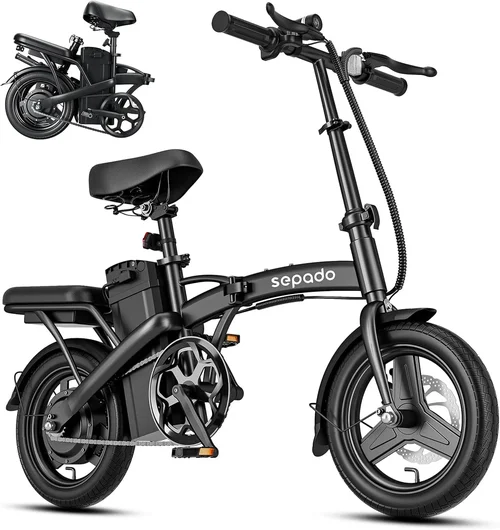
Electric bikes have revolutionized personal transportation, and mini electric bikes are leading the charge for urban commuters, students, and eco-conscious adults who value convenience without sacrificing performance. These compact powerhouses pack impressive range, speed, and smart features into a lightweight, foldable design that fits seamlessly into modern lifestyles. Whether you’re navigating crowded city streets, dodging traffic on your daily commute, or simply looking for a fun and sustainable way to get around, a mini electric bike can be a game-changer.
But with dozens of models flooding the market—each boasting different motors, batteries, weights, and price points—choosing the right one can feel overwhelming. That’s where this guide comes in. We’ve spent months researching, testing, and comparing the top mini electric bikes available in 2025 to help you make an informed decision. You’ll learn exactly what to look for, how to avoid common pitfalls, and which models offer the best value for your needs. From budget-friendly options under $800 to premium folding e-bikes with cutting-edge tech, we’ve got you covered.
The mini e-bike market has exploded in recent years, driven by advances in lithium-ion battery technology, lighter frame materials, and smarter motor controllers. Today’s models aren’t just smaller versions of traditional e-bikes—they’re purpose-built for agility, portability, and efficiency. Brands like Rad Power Bikes, Swagtron, Ancheer, and newer innovators like Heybike and Engwe are pushing boundaries with features like app connectivity, regenerative braking, and ultra-fast charging. Whether you’re a first-time buyer or upgrading from an older model, understanding the nuances of motor power, battery life, build quality, and real-world usability is essential. This guide will equip you with the knowledge to cut through the marketing hype and find the perfect mini electric bike for your lifestyle.

What to Look for When Buying a Mini Electric Bike
1. Motor Power and Performance
The motor is the heart of any electric bike, and for mini e-bikes, it needs to deliver strong acceleration and hill-climbing ability despite the compact frame. Most mini e-bikes feature hub motors ranging from 250W to 750W. A 250W motor is sufficient for flat urban terrain and light riders, but if you live in a hilly area or weigh over 180 lbs, opt for at least a 500W motor. Higher wattage translates to better torque and faster response, especially when starting from a stop or climbing inclines.
Pay attention to whether the motor is front-hub, rear-hub, or mid-drive. Rear-hub motors generally offer better weight distribution and traction, while front-hub motors can feel lighter but may reduce steering precision. Mid-drive motors are rare in mini e-bikes due to space constraints but provide superior balance and efficiency when available. Also consider pedal-assist levels—most models offer 3–5 levels of assistance, allowing you to customize effort based on terrain and fatigue.
2. Battery Capacity and Range
Battery capacity, measured in watt-hours (Wh), directly impacts how far you can ride on a single charge. Mini e-bikes typically use 36V or 48V lithium-ion batteries with capacities ranging from 250Wh to 600Wh+. A 36V/10Ah (360Wh) battery might give you 20–30 miles of range in eco mode, while a 48V/15Ah (720Wh) pack can push 40–60 miles depending on rider weight, terrain, and assist level.
Look for removable batteries—they allow you to charge indoors and swap in a spare for extended trips. Battery placement also matters: under-seat or downtube-mounted batteries keep the center of gravity low for better handling. Avoid models with non-removable batteries unless you’re certain you’ll always park near an outlet. Charging time is another factor—most take 4–6 hours, but some premium models support fast charging (under 3 hours).
Real-world range often falls short of manufacturer claims. Always subtract 20–30% from advertised range to account for wind, hills, and frequent stops. If your commute is 15 miles round-trip, choose a bike rated for at least 25 miles to ensure reliability.
3. Frame Material and Build Quality
Mini e-bikes must balance strength, weight, and portability. Aluminum alloy is the most common frame material—it’s lightweight, rust-resistant, and durable enough for daily use. High-end models may use reinforced aluminum or even carbon fiber components to shave off extra pounds without compromising rigidity.
Check weld quality, hinge mechanisms (for folding models), and overall fit-and-finish. Loose joints, creaky frames, or wobbly handlebars are red flags. Pay special attention to the folding mechanism: it should lock securely in both open and closed positions. Test the latch with one hand—if it requires two hands or feels flimsy, it could fail during rides.
Suspension matters too. While full suspension is rare in mini e-bikes due to space limits, many feature front suspension forks or seatpost suspension to absorb bumps. If you ride on rough pavement or gravel paths, prioritize models with at least basic suspension.
4. Weight and Portability
One of the biggest advantages of mini e-bikes is their portability. Most weigh between 35 and 55 pounds—light enough to carry upstairs or load into a car trunk. However, weight distribution matters as much as total mass. A well-balanced bike feels easier to lift and maneuver, even if it’s slightly heavier.
Folding capability is key for apartment dwellers, public transit users, or those with limited storage. Look for compact fold dimensions (ideally under 30” x 20” x 15”) and quick-release levers that don’t require tools. Some models include integrated carrying handles or wheels for rolling when folded—a huge plus for daily commuters.
Consider your physical ability: if you have back issues or limited strength, aim for sub-40-pound models with ergonomic grips and smooth folding action. Always verify the bike’s weight limit—many support up to 220–300 lbs, but exceeding this can damage components or void warranties.
5. Tire Size and Type
Mini e-bikes typically use 14”, 16”, 20”, or 24” wheels. Smaller tires (14”–16”) enhance portability and acceleration but sacrifice stability and comfort on uneven surfaces. Larger tires (20”–24”) offer better shock absorption and roll more smoothly over cracks and potholes—ideal for longer commutes or rougher roads.
Tire type also affects performance. Pneumatic (air-filled) tires provide superior grip and cushioning compared to solid or honeycomb alternatives, which are puncture-proof but harsh on rough terrain. If you prioritize low maintenance, consider tubeless or self-sealing tires. For wet conditions, look for treaded tires with good water dispersion.
Inner tube accessibility is often overlooked—ensure you can easily replace a tube without disassembling the entire wheel. Some budget models use proprietary rims that make repairs difficult or expensive.
6. Display and Smart Features
The display is your command center—it shows speed, battery level, assist mode, and sometimes navigation or ride stats. Basic LCD screens are functional but lack customization. Mid-range and premium models often include color displays with Bluetooth connectivity, allowing you to sync with smartphone apps for route tracking, firmware updates, and anti-theft alerts.
Look for intuitive controls: buttons should be easy to press with gloves, and menus shouldn’t require scrolling through multiple screens. Backlighting is essential for night riding. Some advanced displays even show cadence, calories burned, or estimated arrival time based on current speed.
Smart features like GPS tracking, geofencing, and remote locking add security but may drain the battery faster. Decide if these extras justify the cost—many riders find basic functionality sufficient.
7. Braking System
Reliable brakes are non-negotiable. Most mini e-bikes use mechanical or hydraulic disc brakes, with hydraulic being superior for consistent stopping power in wet or muddy conditions. Rim brakes (V-brakes) are cheaper but wear faster and lose effectiveness when wet.
Check brake lever feel—they should engage smoothly without excessive travel. Regenerative braking, which recaptures energy during deceleration, is rare in mini e-bikes but appears in some premium models. While it extends range slightly, its primary benefit is reduced brake wear.
Always test braking distance during a demo ride. A good rule of thumb: you should be able to stop comfortably from 15 mph within 10–12 feet on dry pavement.
8. Legal Compliance and Safety
In the U.S., federal law classifies e-bikes as Class 1 (pedal-assist only, max 20 mph), Class 2 (throttle-assisted, max 20 mph), or Class 3 (pedal-assist only, max 28 mph). Most mini e-bikes fall into Class 1 or 2. Ensure your model complies with local regulations—some cities ban throttles or restrict e-bike use on sidewalks or bike paths.
Safety features matter too. Integrated front and rear lights are essential for visibility. Reflective strips, bell/horn, and turn signals (on higher-end models) enhance safety. Always wear a helmet, even if not legally required.
Check certifications: UL 2849 certification ensures electrical safety standards are met—a growing concern as battery fires make headlines. Avoid uncertified or “no-name” brands that skip safety testing to cut costs.
Different Types of Mini Electric Bikes

Common Buying Mistakes to Avoid
❌ Mistake: Prioritizing Price Over Battery Quality
Why it’s bad: Cheap batteries degrade quickly, lose capacity within months, and pose fire risks if not UL-certified. A $500 bike with a low-quality battery may cost more in the long run due to frequent replacements or safety hazards.
What to do instead: Allocate at least 30% of your budget to the battery. Look for reputable brands like Samsung, LG, or Panasonic cells, and always verify UL 2849 certification.
❌ Mistake: Ignoring Weight Limits and Rider Compatibility
Why it’s bad: Exceeding the weight limit strains the motor, drains the battery faster, and can cause frame failure. Tall or heavy riders may find small frames uncomfortable or unsafe.
What to do instead: Check the manufacturer’s stated weight limit and compare it to your weight plus cargo (backpack, groceries, etc.). Test ride if possible—ensure you have adequate legroom and handlebar reach.
❌ Mistake: Overlooking Local E-Bike Laws
Why it’s bad: Riding a Class 3 e-bike on a path that only allows Class 1 can result in fines or confiscation. Throttle use may be banned in your city.
What to do instead: Research your state and city regulations before buying. Choose a compliant model or disable throttle functionality if needed.
❌ Mistake: Skipping the Test Ride
Why it’s bad: Spec sheets don’t reveal handling quirks, brake responsiveness, or comfort issues. What looks good on paper may feel unstable or awkward in practice.
What to do instead: Visit local dealers or attend e-bike demo events. If buying online, choose retailers with generous return policies (30+ days).
❌ Mistake: Neglecting After-Sales Support
Why it’s bad: E-bikes require maintenance—brake adjustments, tire changes, firmware updates. Brands with poor customer service leave you stranded when issues arise.
What to do instead: Read reviews about warranty claims and repair turnaround times. Prefer brands with U.S.-based support and authorized service centers.
❌ Mistake: Assuming All Folding Mechanisms Are Equal
Why it’s bad: Flimsy hinges can loosen over time, creating wobble or even collapse risk. Poorly designed latches may fail mid-ride.
What to do instead: Inspect the folding mechanism closely. Look for double-lock systems, reinforced joints, and user reviews mentioning long-term durability.
❌ Mistake: Buying Based Solely on Range Claims
Why it’s bad: Manufacturers often quote range under ideal conditions (flat terrain, 150-lb rider, eco mode). Real-world range is usually 20–40% lower.
What to do instead: Use range calculators or user forums to find realistic estimates. Add a safety buffer—aim for 1.5x your daily distance needs.
Budget Guidelines: How Much Should You Spend?
Entry-Level ($400–$700): These bikes offer basic functionality for casual riders or short commutes. Expect 250W–350W motors, 36V batteries with 250–360Wh capacity, and minimal features like single-speed drivetrains and basic LCD displays. Build quality may be inconsistent, and warranties are often limited to 6–12 months. Ideal for students or occasional use, but not recommended for daily commuting or hilly areas.
Mid-Range ($700–$1,200): This is the sweet spot for most buyers. You’ll find 500W motors, 36V–48V batteries (400–600Wh), removable packs, and improved components like disc brakes and suspension. Folding models are common, and many include smartphone app integration. Brands like Swagtron, Ancheer, and Heybike dominate this tier with reliable performance and decent customer support.
Premium ($1,200–$2,000): Designed for serious commuters and enthusiasts, these bikes feature 750W motors, high-capacity 48V batteries (600Wh+), hydraulic disc brakes, and advanced displays. Frame materials are often reinforced aluminum, and folding mechanisms are robust and tool-free. Expect longer warranties (2+ years), better suspension, and smart features like GPS tracking. Models from Rad Power Bikes, Engwe, and Fiido excel here.
Luxury ($2,000+): Top-tier mini e-bikes blend performance, portability, and cutting-edge tech. Think carbon fiber elements, regenerative braking, ultra-fast charging, and seamless app ecosystems. These are built for professionals who demand reliability, style, and innovation. While overkill for casual riders, they’re worth considering if you rely on your e-bike daily and want the best possible experience.
Expert Tips for Getting the Best Deal
- Shop during off-seasons: Late fall and winter see fewer buyers, so retailers often discount inventory. Black Friday, Cyber Monday, and post-holiday sales offer significant savings—up to 25% off.
- Compare direct-to-consumer vs. retail: Brands like RadPower and Heybike sell directly online, cutting out middlemen and passing savings to you. However, local bike shops offer test rides and immediate service—weigh convenience against cost.
- Check refurbished or open-box deals: Certified pre-owned models from reputable sellers can save 20–40% with full warranties. Avoid “as-is” listings unless you’re mechanically savvy.
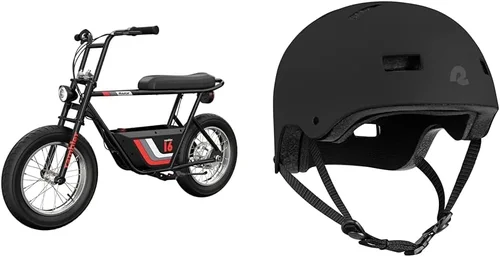
- Bundle accessories: Some retailers offer free helmets, locks, or phone mounts with purchase. These add-ons can be costly separately.
- Read return policies carefully: Ensure you have at least 14–30 days to return if unsatisfied. Some brands charge restocking fees or require you to cover return shipping.
- Join loyalty programs: Sign up for newsletters—many brands send exclusive discount codes to subscribers.
- Consider financing: If cash is tight, look for 0% APR financing options (e.g., Affirm, Klarna) to spread payments without interest.
- Verify warranty coverage: A good warranty covers the battery (2+ years), motor (2–3 years), and frame (lifetime). Avoid brands that exclude batteries—they’re the most failure-prone component.

Frequently Asked Questions
Q: Can I ride a mini electric bike in the rain?
A: Yes, most mini e-bikes are water-resistant (IP54 or higher), meaning they can handle light rain and splashes. However, avoid submerging the battery or motor, and dry the bike thoroughly after wet rides. Never charge a wet battery.
Q: How long does the battery last before needing replacement?
A: A quality lithium-ion battery typically lasts 500–1,000 charge cycles, equating to 2–4 years of daily use. Capacity gradually declines—once it holds less than 70% of original charge, consider replacement.
Q: Are mini e-bikes allowed on airplanes?
A: Most airlines prohibit lithium batteries over 100Wh in checked luggage. Removable batteries under 160Wh may be carried in cabin with airline approval. Check regulations before flying—some models exceed limits.
Q: Do I need a license or insurance to ride a mini e-bike?
A: In most U.S. states, no license or insurance is required for Class 1 or 2 e-bikes. However, rules vary by location—some cities require helmets or restrict where you can ride. Always check local laws.
Q: Can I pedal a mini e-bike if the battery dies?
A: Absolutely. All e-bikes function as regular bicycles when unpowered. Mini e-bikes are lightweight enough to pedal comfortably, though gearing may be limited on single-speed models.
Q: How often should I maintain my mini e-bike?
A: Basic maintenance every 3–6 months includes tire pressure checks, brake adjustments, chain lubrication, and bolt tightening. Deep cleaning and professional tune-ups are recommended annually.
Q: What’s the difference between pedal-assist and throttle?
A: Pedal-assist (PAS) provides power only when you pedal, while throttle lets you ride without pedaling (like a scooter). Throttle models are convenient for hills or fatigue but consume more battery.
Q: Can I upgrade components like the battery or motor?
A: Some brands allow battery upgrades, but motor swaps are rarely feasible due to compatibility issues. Stick to manufacturer-recommended parts to preserve warranty coverage.
Q: Are mini e-bikes safe for seniors?
A: Yes, with caveats. Low step-through frames, stable geometry, and responsive brakes make many models senior-friendly. Avoid high-speed or heavy bikes—opt for models under 45 lbs with ergonomic grips.
Q: How do I secure my mini e-bike from theft?
A: Use a high-quality U-lock through the frame and rear wheel. Remove the battery when parked. Consider GPS trackers or smart locks with alarm features. Never leave it unattended in high-theft areas.
Our Final Recommendations
Best for Budget-Conscious Buyers: Swagtron EB5 Pro – At under $600, it delivers surprising value with a 350W motor, 36V/7.5Ah battery (25+ mile range), and ultra-compact 14” wheels. Perfect for students or short urban trips.
Best Overall Value: Heybike Cityscape – Priced around $900, this 20” folding e-bike boasts a 500W motor, 48V/12.5Ah removable battery (45-mile range), hydraulic disc brakes, and a sleek design. Ideal for daily commuters who want reliability without premium pricing.
Best Premium Option: Rad Power Bikes RadMini 4 – With a 750W geared hub motor, 48V/14Ah battery (50+ miles), full front suspension, and Rad’s legendary customer support, this $1,699 model sets the standard for performance and durability.
Best for Beginners: Ancheer AN-EB001 – Simple controls, intuitive display, and a comfortable upright position make this $750 cruiser-style bike perfect for new riders. Includes front suspension and LED lights for safety.
Best for Advanced Users: Engwe Engine Pro 2.0 – This $1,899 powerhouse features a 1000W peak motor, dual suspension, fat 20” tires, and a massive 48V/20.8Ah battery (75-mile range). Built for off-road adventures and long hauls.
Conclusion: Making the Right Choice
Choosing the best mini electric bike isn’t just about specs—it’s about matching the bike to your lifestyle, terrain, and priorities. Whether you value portability, range, comfort, or raw power, there’s a model designed for you. Remember to prioritize safety certifications, battery quality, and real-world usability over flashy marketing claims. Test ride when possible, read user reviews, and don’t hesitate to invest in a mid-range or premium model if you’ll rely on it daily.
Your perfect mini e-bike should feel like an extension of yourself—effortless to ride, easy to store, and built to last. With the insights from this guide, you’re now equipped to navigate the crowded marketplace with confidence. Take your time, compare options, and choose wisely. The right mini electric bike won’t just get you from point A to point B—it’ll make the journey enjoyable, sustainable, and uniquely yours. Happy riding!