
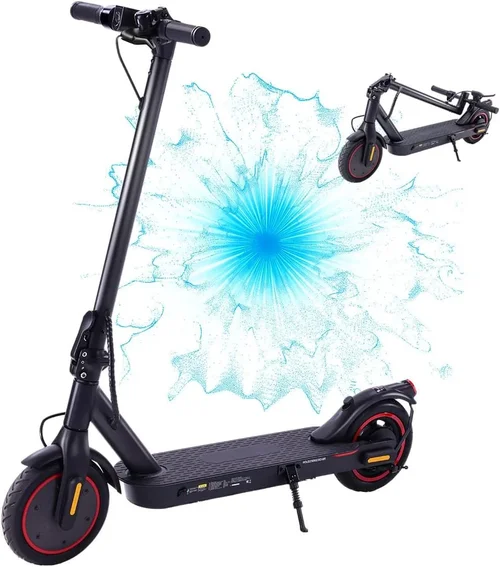
Electric scooters have evolved from quirky urban novelties into serious, practical transportation solutions for adults. Whether you’re commuting to work, running errands around town, or simply exploring your city on two wheels, the right electric scooter can save you time, money, and stress—all while reducing your carbon footprint. But with hundreds of models flooding the market in 2026, choosing the best one has become more confusing than ever. That’s exactly why this guide exists: to cut through the noise, eliminate guesswork, and help you make a smart, informed decision.
In this comprehensive buying guide, you’ll learn everything you need to know before investing in an electric scooter. We’ll walk you through the most critical factors—from performance specs and build quality to portability and warranty coverage—so you can match your needs with the perfect model. You’ll also discover common pitfalls to avoid, expert tips for scoring the best deal, and clear recommendations across different budget tiers. Whether you’re a first-time buyer or upgrading from an older model, this guide is designed to empower you with knowledge, not overwhelm you with marketing fluff.
The electric scooter market in 2026 is more diverse and competitive than ever. Brands like Gotrax, Segway-Ninebot, Xiaomi, and Unagi continue to innovate, offering everything from ultra-lightweight commuter scooters to rugged off-road beasts capable of tackling steep hills and rough terrain. Prices range from under $300 to well over $2,000, with features like app connectivity, regenerative braking, and swappable batteries becoming increasingly common. With so many options, it’s easy to overspend—or worse, end up with a scooter that doesn’t meet your real-world needs. Our goal is to help you navigate this landscape with confidence, so you get the best value for your money without compromising on safety, reliability, or performance.

What to Look for When Buying Gotrax
1. Budget & Price Range
Your budget is the foundation of your buying decision. Electric scooters vary dramatically in price, and while it’s tempting to go for the cheapest option, doing so often leads to disappointment. A scooter under $300 might seem like a steal, but it likely uses lower-quality motors, weaker batteries, and flimsy frames that wear out quickly. On the other hand, spending $1,500+ doesn’t guarantee the best experience—especially if you only need basic commuting functionality.
Set a realistic budget based on how often you’ll use the scooter and what you expect from it. For casual riders or occasional use, $400–$700 gets you a reliable, well-built model with decent range and speed. If you plan to ride daily, commute long distances, or carry heavier loads, consider investing $800–$1,200 for better durability and performance. Remember: a slightly higher upfront cost often translates to lower long-term maintenance and replacement expenses.
2. Performance Specifications
Performance is where many buyers go wrong by focusing solely on top speed. While speed matters, it’s only one piece of the puzzle. You should evaluate three core performance metrics: motor power (measured in watts), battery capacity (watt-hours or Wh), and real-world range.
Motor power determines how well your scooter handles hills, acceleration, and rider weight. A 250W motor is fine for flat city streets and light riders, but if you live in a hilly area or weigh over 180 lbs, aim for at least 500W—ideally dual motors for serious inclines. Battery capacity directly affects range. A 250Wh battery might give you 10–12 miles, while a 500Wh+ battery can deliver 20–30 miles on a single charge. Always check real-user reviews for actual range, as manufacturers often quote ideal conditions that don’t reflect everyday riding.
Also consider torque and acceleration. Scooters with high torque feel more responsive when starting from a stop or climbing hills. This is especially important in traffic-heavy areas where quick bursts of speed keep you safe.
3. Build Quality & Durability
An electric scooter is only as good as its weakest component. Look for a sturdy frame made from aircraft-grade aluminum or reinforced steel—avoid plastic-heavy designs that crack under stress. Check the weight capacity: most adult scooters support 220–300 lbs, but if you’re near or above that limit, verify the scooter is rated for your weight.
Pay attention to细节 like welded joints, cable routing, and folding mechanisms. A poorly designed hinge can fail after just a few months of use. Water resistance matters too—even if you don’t ride in the rain, morning dew or puddles can damage electronics. Look for at least an IP54 rating (splash-resistant); IP65 or higher is ideal for all-weather riders.
Tires are another durability factor. Solid rubber tires are puncture-proof but offer a rougher ride. Pneumatic (air-filled) tires provide better shock absorption and grip but require occasional maintenance. Some premium models now feature tubeless or self-healing tires—a worthwhile upgrade if you ride on uneven pavement.
4. Features & Functionality
Modern electric scooters come packed with features, but not all are essential. Focus on what enhances your riding experience without complicating it. Essential features include a bright LED headlight and taillight for visibility, a clear digital display showing speed, battery level, and riding mode, and reliable braking (disc brakes or regenerative + electronic brakes are best).
Convenience features like cruise control, Bluetooth app connectivity, and customizable riding modes (eco, sport, etc.) add value for frequent riders. However, avoid “gimmick” features like built-in speakers or excessive RGB lighting unless they genuinely improve your use case.
Portability features matter if you’ll be carrying the scooter upstairs or storing it in tight spaces. Look for a lightweight design (under 35 lbs is ideal), a secure folding mechanism, and ergonomic handles. Some scooters even include carrying straps or wheels for easier transport when folded.
5. Brand Reputation
Not all brands are created equal. Established names like Gotrax, Segway-Ninebot, and Xiaomi have proven track records for quality, customer service, and parts availability. They invest in R&D, rigorous testing, and global support networks. Lesser-known brands may offer tempting prices, but they often cut corners on safety certifications, use generic components, or disappear after a few years—leaving you stranded without warranty support.
Research brand history: How long have they been in business? Do they have a physical presence in your country? Are replacement parts readily available? Brands with strong reputations also tend to update firmware regularly, fix bugs, and respond to user feedback—something critical for app-connected scooters.
Gotrax, for example, has built a solid reputation for affordable, reliable scooters aimed at everyday commuters. While not as premium as Unagi or Apollo, they offer excellent value in the mid-range segment and back their products with responsive U.S.-based support.
6. Warranty & Support
A good warranty is your safety net. Most reputable brands offer at least a 12-month limited warranty covering defects in materials and workmanship. Premium brands may extend this to 18–24 months. Pay close attention to what’s included: does it cover the battery, motor, and controller? Or only the frame?
Battery warranties are especially important—lithium-ion batteries degrade over time, and replacing one can cost $150–$300. Some brands offer prorated battery coverage or free replacements within the first year. Also check return policies: can you return the scooter within 30 days if it doesn’t meet expectations? Is there a restocking fee?
Customer support quality varies widely. Look for brands with live chat, phone support, detailed FAQs, and active community forums. Gotrax, for instance, provides email and phone support with relatively quick response times, which is a big plus for troubleshooting issues.
7. Size & Portability
If you’ll be taking your scooter on public transit, storing it under a desk, or carrying it up stairs, size and weight are crucial. Measure your storage space and consider how often you’ll need to lift the scooter. Most commuter scooters weigh between 25–40 lbs—anything over 40 lbs becomes cumbersome for daily carry.
Folding time matters too. A good scooter should fold in under 10 seconds with minimal effort. Test the latch mechanism: it should feel secure when locked and easy to release. Some models include secondary locks to prevent accidental unfolding during transport.
Wheel size affects both portability and ride comfort. Smaller wheels (6–8 inches) make the scooter more compact but less stable on bumps. Larger wheels (10+ inches) handle rough terrain better but add bulk. For city commuting, 8–10 inch wheels strike a good balance.
8. User Reviews & Ratings
Never rely solely on manufacturer specs or flashy ads. Real-world user reviews reveal truths that spec sheets hide—like how a scooter performs after six months of daily use, how customer service handles complaints, or whether the advertised range holds up in cold weather.
Read reviews across multiple platforms: Amazon, Reddit (r/ElectricScooters), YouTube unboxings, and specialized forums. Look for patterns—if multiple users report the same issue (e.g., “brakes squeak after rain” or “app disconnects frequently”), it’s likely a design flaw, not an isolated incident.
Pay special attention to long-term reviews (6+ months). These often highlight durability issues, battery degradation, or hidden maintenance needs. Gotrax scooters, for example, generally receive positive feedback for reliability in the $400–$600 range, though some users note that higher-end features like app integration can be inconsistent.
Different Types of Gotrax

Common Buying Mistakes to Avoid
❌ Mistake: Choosing Based Solely on Top Speed
Why it’s bad: High top speed means little if the scooter can’t maintain it under load, has poor braking, or drains the battery in 10 minutes. Many budget scooters advertise 20+ mph but only reach that in short bursts on flat ground with a light rider.
What to do instead: Prioritize consistent performance over peak numbers. Look for scooters with strong torque, reliable braking, and realistic range estimates. A scooter that does 15 mph steadily for 15 miles is often more useful than one that hits 25 mph but dies after 8 miles.
❌ Mistake: Ignoring Weight Capacity
Why it’s bad: Exceeding the weight limit strains the motor, drains the battery faster, and can cause structural failure. Many riders assume “adult-sized” means it supports all adults—but some scooters max out at 220 lbs.
What to do instead: Always check the official weight rating and subtract 20–30 lbs for safety margin. If you’re close to the limit, choose a scooter rated for 260+ lbs, even if it costs more.
❌ Mistake: Overlooking Battery Type and Lifespan
Why it’s bad: Cheap lithium batteries degrade quickly, losing 20–30% capacity within a year. Some brands use lower-grade cells that overheat or fail prematurely.
What to do instead: Opt for scooters with high-quality lithium-ion (Li-ion) or lithium polymer (LiPo) batteries from reputable suppliers. Check if the battery is removable—this makes replacement easier and extends the scooter’s usable life.
❌ Mistake: Skipping the Test Ride
Why it’s bad: Comfort is subjective. A scooter that looks great online might have a stiff deck, wobbly handlebars, or uncomfortable ride quality that only becomes apparent when you ride it.
What to do instead: If possible, test ride before buying. Many cities have scooter rental stations or stores that demo models. If buying online, choose retailers with generous return policies (30 days or more).
❌ Mistake: Forgetting About Maintenance
Why it’s bad: Electric scooters aren’t maintenance-free. Tires wear out, brakes need adjustment, and firmware may require updates. Ignoring this leads to breakdowns and safety risks.
What to do instead: Learn basic maintenance: how to check tire pressure, clean the deck, and update firmware. Choose brands with accessible spare parts and clear service guides.
❌ Mistake: Buying Without Checking Local Laws
Why it’s bad: Scooter regulations vary by city and state. Some areas ban scooters on sidewalks, limit speed to 15 mph, or require helmets and lights. Riding illegally can result in fines or confiscation.
What to do instead: Research your local laws before purchasing. Ensure your scooter complies with speed limits, lighting requirements, and where you’re allowed to ride.
Budget Guidelines: How Much Should You Spend?
Entry-Level ($250–$400): These scooters are best for occasional use, light riders, and flat terrain. Expect modest range (8–12 miles), basic features, and limited durability. Ideal for students or casual riders who prioritize affordability over performance. Gotrax GXL V2 and Xiaomi Mi Essential fall into this category—reliable for short trips but not built for daily abuse.
Mid-Range ($400–$800): This is the sweet spot for most adult buyers. You get solid build quality, 15–25 mile range, decent speed (15–20 mph), and useful features like app connectivity and good lighting. Models like the Gotrax G4, Segway Ninebot ES2, and Apollo Air offer excellent value here. Perfect for daily commuters who want reliability without breaking the bank.
Premium ($800–$1,500): Designed for serious riders, these scooters deliver high performance, long range (25–40 miles), and advanced features like dual motors, suspension, and premium materials. Great for hilly cities, heavier riders, or those who ride daily. The Gotrax GMAX Ultra, Unagi Model One, and Apollo City are standout options in this tier.
Luxury ($1,500+): For enthusiasts and professionals who demand the best. Expect top-tier components, cutting-edge tech (like regenerative braking and AI-assisted riding), and exceptional build quality. These scooters often double as status symbols—think Dualtron Thunder or Kaabo Wolf Warrior. Only worth it if you ride frequently or need maximum performance.
Expert Tips for Getting the Best Deal
- Shop during seasonal sales: Black Friday, Cyber Monday, and back-to-school periods offer the biggest discounts. Many brands also run end-of-year clearance sales in December.
- Buy directly from the manufacturer when possible: Brands like Gotrax often offer exclusive deals, extended warranties, or free accessories (helmets, locks) on their websites that aren’t available on Amazon or Walmart.
- Check refurbished or open-box options: Certified refurbished scooters from reputable sellers can save you 20–30% and often come with the same warranty as new units.
- Read the fine print on warranties: Some brands require registration within 7–14 days of purchase to activate coverage. Missing this window voids your warranty.
- Use price tracking tools: Sites like Honey, CamelCamelCamel, or Keepa alert you when prices drop on specific models.
- Consider bundle deals: Some retailers offer scooter + helmet + lock packages at a discount. Even if you don’t need everything, the total cost may still be lower than buying separately.
- Join brand newsletters: Gotrax and others frequently send exclusive promo codes to subscribers—sometimes 10–15% off your first order.
- Test before you commit: If you’re unsure between two models, rent them through services like Lime or Bird for a day. Real-world experience beats spec comparisons every time.

Frequently Asked Questions
Q: How far can an electric scooter really go on one charge?
A: Real-world range depends on rider weight, terrain, speed, and weather. Most scooters deliver 60–80% of their advertised range under normal conditions. For example, a scooter claiming 25 miles might give you 15–20 miles with a 180-lb rider on hilly streets. Always check user reviews for realistic estimates.
Q: Are electric scooters safe for adults?
A: Yes, when used responsibly. Wear a helmet, follow traffic laws, and avoid riding at night without proper lighting. Choose scooters with reliable brakes and stable decks. Avoid cheap, unbranded models that lack safety certifications (look for UL 2271 certification for the battery).
Q: Can I ride my scooter in the rain?
A: Only if it has at least an IP54 rating. IP54 means splash-resistant—fine for light drizzle but not heavy rain or puddles. Never submerge the scooter or charge it wet. If you live in a rainy climate, consider a model with IP65 or higher.
Q: How long do electric scooter batteries last?
A: Most lithium batteries last 300–500 charge cycles before capacity drops below 80%. With daily use, that’s roughly 1–2 years. Proper care (avoiding full discharges, storing at 50% charge in winter) can extend lifespan.
Q: Do I need insurance for my electric scooter?
A: In most U.S. states, no—but check local laws. Some cities require liability insurance for high-speed scooters. Even if not mandatory, consider adding coverage to your homeowner’s or renter’s insurance policy.
Q: Can I take my scooter on a plane?
A: Most airlines allow scooters with batteries under 160Wh in carry-on luggage. Gotrax models typically fall within this limit. Always check airline policies before traveling, as rules vary.
Q: What’s the difference between hub motors and belt-driven motors?
A: Hub motors are built into the wheel—simple, quiet, and low-maintenance. Belt-driven motors use a belt to transfer power—often more powerful and efficient but require occasional belt replacement. For most commuters, hub motors are sufficient.
Q: How do I maintain my electric scooter?
A: Regularly check tire pressure (if pneumatic), clean the deck and wheels, tighten bolts, and update firmware. Store in a dry place and avoid extreme temperatures. Replace worn brake pads and inspect cables for fraying.
Q: Are Gotrax scooters worth it?
A: Absolutely—for the right buyer. Gotrax offers some of the best value in the mid-range segment, with reliable performance, good customer support, and competitive pricing. They’re not the most premium, but they’re hard to beat for everyday commuting under $800.
Our Final Recommendations
Best for Budget-Conscious Buyers: Gotrax GXL V2 – At around $350, it delivers solid 15-mile range, 15 mph top speed, and a lightweight frame. Perfect for students or casual riders who want reliability without overspending.
Best Overall Value: Gotrax G4 – Priced around $600, it offers 20+ mile range, 20 mph speed, app connectivity, and a robust build. Ideal for daily commuters who want modern features at a fair price.
Best Premium Option: Gotrax GMAX Ultra – For $1,200, you get dual motors, 40-mile range, suspension, and a 300-lb capacity. Excellent for hilly areas or riders who demand top-tier performance.
Best for Beginners: Xiaomi Mi Essential – Simple controls, intuitive design, and a smooth ride make this a great first scooter. Affordable at $300 and backed by Xiaomi’s global reputation.
Best for Advanced Users: Apollo City 2026 – With dual motors, 30 mph top speed, and a sleek design, this scooter is built for enthusiasts who want speed, range, and style. Priced around $1,400, it’s a worthy investment for serious riders.
Conclusion: Making the Right Choice
Choosing the right electric scooter isn’t about finding the fastest or most expensive model—it’s about matching your lifestyle, needs, and budget with a scooter that delivers consistent performance, safety, and reliability. We’ve covered everything from critical buying factors and common mistakes to budget guidelines and expert tips, so you’re equipped to make a confident decision.
Remember: prioritize what matters most to you. If you’re commuting daily, focus on range, durability, and comfort. If you’re a weekend explorer, portability and off-road capability might be key. And always buy from a reputable brand with strong customer support—your future self will thank you when something goes wrong.
Don’t rush. Take your time, read reviews, test ride if possible, and use the insights in this guide to narrow down your options. The perfect electric scooter is out there—it just needs to align with your real-world use, not marketing hype. Happy riding!