
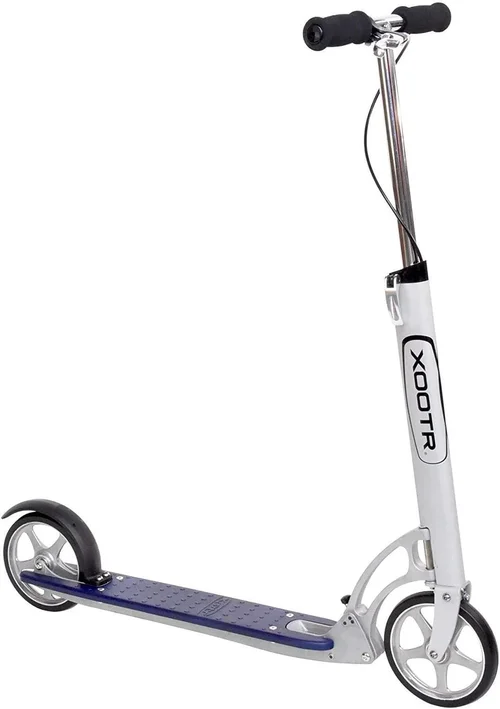
Whether you’re commuting to work, running errands across town, or simply exploring your city on two wheels, a kick scooter can be a game-changer. In recent years, adult kick scooters have evolved far beyond their childhood counterparts—now offering robust frames, high-performance wheels, advanced braking systems, and sleek designs built for real-world use. With so many options flooding the market in 2026, choosing the right one can feel overwhelming. That’s where this guide comes in.
This comprehensive buying guide is designed to cut through the noise and help you make an informed decision based on your lifestyle, budget, and needs. We’ll walk you through every critical factor—from build quality and performance specs to portability and warranty coverage—so you can confidently select a scooter that delivers reliability, comfort, and value. Whether you’re a daily commuter, weekend explorer, or occasional rider, we’ve got you covered.
The adult kick scooter market has matured significantly, with brands like Gotrax, Xiaomi, Segway-Ninebot, and Unagi leading the charge in innovation and affordability. From ultra-lightweight folding models perfect for subway commutes to rugged all-terrain scooters capable of handling gravel paths and steep hills, there’s never been a better time to invest in a personal mobility solution. This guide will equip you with everything you need to navigate that choice wisely.

What to Look for When Buying Gotrax
1. Budget & Price Range
Your budget is the foundation of your scooter purchase. Kick scooters for adults range from under $200 to well over $1,000, and while it’s tempting to go for the cheapest option, skimping too much can lead to disappointment in durability, safety, and ride quality. A good rule of thumb: if you plan to use your scooter regularly—especially for commuting—invest at least $300–$500. This mid-tier range typically offers solid construction, reliable brakes, decent suspension, and better wheels than entry-level models.
Consider not just the upfront cost but also long-term value. A $400 scooter that lasts three years with minimal maintenance offers better value than a $250 model that breaks down after six months. Also, factor in potential add-ons like lights, phone mounts, or replacement tires, which can add $50–$100 over time.
2. Performance Specifications
Performance matters—especially if you’re covering longer distances or navigating hilly terrain. Key specs to evaluate include:
– Max Speed: Most adult kick scooters top out between 15–20 mph. If you need speed for efficiency (e.g., beating traffic or catching a train), aim for 18+ mph.
– Range: Electric kick scooters advertise range per charge, but real-world results vary based on rider weight, terrain, and speed. For non-electric models, “range” refers to comfort over distance—larger wheels and suspension help here.
– Motor Power (for e-scooters): Measured in watts (W). A 250W motor suits flat urban areas; 500W+ handles hills and heavier riders.
– Hill Climbing Ability: Look for scooters rated for 10–15% inclines if you live in a hilly area.
For manual kick scooters, performance hinges more on wheel size, bearing quality, and deck stability. Larger wheels (8–10 inches) roll smoother over cracks and potholes, while ABEC-7 or higher bearings ensure a faster, quieter glide.
3. Build Quality & Durability
A scooter is only as good as its weakest component. Pay close attention to materials and construction:
– Frame: Aircraft-grade aluminum is lightweight yet strong—ideal for daily use. Avoid flimsy steel or thin aluminum that bends under stress.
– Deck: Should be wide enough for stable footing (at least 6–7 inches) and made from grippy, non-slip material. Some premium models feature reinforced decks with anti-slip coatings.
– Folding Mechanism: Test how smoothly it folds and locks. A wobbly hinge or loose latch can be dangerous at speed.
– Weight Capacity: Most adult scooters support 220–300 lbs. Always check the max load—especially if you’re near the upper end.
Durability also means weather resistance. While few scooters are fully waterproof, look for models with sealed bearings and rust-resistant hardware if you ride in rain or humid climates.
4. Features & Functionality
Modern kick scooters come packed with features that enhance safety, convenience, and ride experience:
– Braking System: Rear fender brakes are common and effective, but disc brakes (on higher-end models) offer superior stopping power, especially in wet conditions.
– Suspension: Front or dual suspension absorbs shocks from uneven pavement, reducing fatigue on longer rides.
– Lighting: Integrated front and rear LED lights improve visibility during dawn, dusk, or night rides. Some models even include brake-activated taillights.
– Display & Connectivity: Electric scooters often feature LCD screens showing speed, battery level, and mode. Bluetooth connectivity allows app control for locking, tracking, or customizing ride modes.
– Portability Features: Telescopic handlebars, one-step folding, and carry straps make transport easier.
Don’t overlook ergonomics: adjustable handlebar height ensures comfort for riders of different statures, while a low center of gravity improves balance.
5. Brand Reputation
Not all scooter brands are created equal. Established names like Gotrax, Xiaomi, and Segway-Ninebot have proven track records for reliability, customer service, and parts availability. Gotrax, in particular, has gained popularity for offering feature-rich electric scooters at competitive prices—often under $500.
Research brand history: How long have they been in the market? Do they specialize in personal mobility? Are their products certified (e.g., UL 2271 for battery safety)? Avoid obscure brands with no online presence or customer reviews—they may disappear overnight, leaving you without support.
6. Warranty & Support
A strong warranty is a sign of confidence in product quality. Most reputable brands offer:
– 6–12 months for mechanical components
– 6 months for batteries (on e-scooters)
– Lifetime frame warranties (on select premium models)
Check what’s covered: Does the warranty include labor? Are batteries replaceable? Can you get local service, or must you ship the scooter back? Gotrax, for example, provides U.S.-based customer support and often ships replacement parts quickly.
Also, read the fine print. Some warranties void if you modify the scooter or use it commercially (e.g., food delivery).
7. Size & Portability
If you’ll be taking your scooter on public transit, storing it under a desk, or carrying it upstairs, portability is crucial. Consider:
– Weight: Under 25 lbs is ideal for frequent carrying. Electric models tend to be heavier (30–40 lbs).
– Folded Dimensions: Should fit in car trunks, overhead bins, or small apartments.
– Handlebar Design: Some scooters allow the handlebars to fold down or detach for even more compact storage.
Test the folding mechanism yourself if possible—some “quick-fold” systems are trickier than advertised.
8. User Reviews & Ratings
Never rely solely on manufacturer specs. Real-world feedback reveals hidden flaws or strengths. Look for patterns in reviews:
– Consistent complaints about brake failure or wobbly steering? Red flag.
– Praise for smooth ride quality or excellent customer service? Green light.
Focus on verified purchases and detailed reviews (not just “Great scooter!”). Sites like Amazon, Reddit (r/scooters), and specialized forums offer honest insights. Pay extra attention to reviews from riders with similar weight, usage patterns, and terrain as you.
Different Types of Gotrax

Common Buying Mistakes to Avoid

❌ Mistake: Choosing Based Solely on Price
Why it’s bad: The cheapest scooter often cuts corners on safety, materials, and engineering. You might end up with weak brakes, a fragile frame, or poor wheel bearings that wear out quickly—leading to higher long-term costs and potential injury risks.
What to do instead: Set a realistic budget based on your usage frequency and needs. If you’ll ride daily, spend enough to get a reliable mid-range model. Think of it as an investment in your time, safety, and convenience.
❌ Mistake: Ignoring Weight Capacity
Why it’s bad: Overloading a scooter strains the motor (on e-scooters), warps the deck, and compromises braking efficiency. Even if it seems to work initially, premature wear can lead to sudden failure.
What to do instead: Always check the manufacturer’s stated max load—and subtract 10–20 lbs for safety margin. If you’re 180 lbs, don’t buy a scooter rated for exactly 200 lbs.
❌ Mistake: Overlooking Terrain Compatibility
Why it’s bad: A scooter designed for smooth pavement will struggle—and possibly break—on gravel, grass, or steep hills. Small solid tires can’t absorb bumps, leading to a jarring, unsafe ride.
What to do instead: Match your scooter to your typical route. City commuters can stick with 8-inch solid tires; trail riders need 10+ inch pneumatic tires and suspension.
❌ Mistake: Skipping the Test Ride
Why it’s bad: Specs don’t tell the whole story. A scooter might look great on paper but feel unstable, too stiff, or uncomfortable in real life.
What to do instead: If possible, test ride before buying. Many bike shops, scooter retailers, or even friends may let you try theirs. Pay attention to balance, braking responsiveness, and overall feel.
❌ Mistake: Neglecting Maintenance Requirements
Why it’s bad: Even the best scooters need occasional upkeep—tightening bolts, inflating tires, cleaning bearings. Assuming it’s “maintenance-free” leads to degraded performance and shortened lifespan.
What to do instead: Choose a model with accessible parts and clear maintenance instructions. Electric scooters with sealed motors require less care, but manual models benefit from regular lubrication and inspection.
❌ Mistake: Buying Without Checking Local Laws
Why it’s bad: In many cities, electric scooters are restricted by speed, age, helmet requirements, or banned from sidewalks. Riding illegally can result in fines or confiscation.
What to do instead: Research your local regulations before purchasing. Some areas require lights, bells, or registration—especially for e-scooters over 20 mph.
❌ Mistake: Falling for “Too Good to Be True” Deals
Why it’s bad: Scooters advertised at half the normal price often use counterfeit parts, lack certifications, or have hidden defects. They may also ship from overseas with no return policy.
What to do instead: Stick to reputable retailers and known brands. If a deal seems suspiciously cheap, read the reviews carefully and verify seller legitimacy.
Budget Guidelines: How Much Should You Spend?
– Entry-Level ($150–$300): Ideal for occasional riders, students, or those testing the waters. Expect basic frames, smaller wheels (6–8 inches), minimal features, and lower weight limits. Great for short, flat rides but not built for daily abuse. Models like the Gotrax GXL V2 fall here—offering solid value for casual use.
– Mid-Range ($300–$600): The sweet spot for most adult riders. These scooters balance price, performance, and durability. You’ll find better brakes, larger wheels, improved suspension, and reliable folding mechanisms. Electric options in this range (e.g., Gotrax G4) offer 15–20 mph speeds and 15–25 mile ranges—perfect for commuting.
– Premium ($600–$1,000): For enthusiasts, daily commuters, and those prioritizing comfort and longevity. Expect high-quality materials, advanced braking (disc or regenerative), app connectivity, and superior ride quality. Brands like Unagi and Apollo offer sleek designs with dual motors and premium finishes.
– Luxury ($1,000+): Top-tier performance for serious riders or professionals. These include high-wattage motors (800W+), long-range batteries (30+ miles), full suspension, and rugged builds for mixed terrain. While overkill for most, they’re worth it if you demand maximum reliability and capability.

Expert Tips for Getting the Best Deal
1. Buy During Off-Peak Seasons: Scooter sales peak in spring and summer. Shop in late fall or winter (November–February) for discounts as retailers clear inventory.
2. Check Retailer Return Policies: Ensure you can return or exchange within 30 days if the scooter doesn’t meet expectations. Some stores offer free returns; others charge restocking fees.
3. Look for Bundle Deals: Some retailers include helmets, locks, or phone mounts at no extra cost during promotions—especially around holidays like Black Friday or Prime Day.
4. Consider Refurbished or Open-Box: Certified refurbished models from Gotrax or Amazon Renewed often come with warranties and save you 20–30% off retail.
5. Join Brand Newsletters: Gotrax and other manufacturers frequently offer exclusive subscriber discounts (10–15% off) for first-time buyers.
6. Test Before You Buy In-Store: If shopping locally, ask to test ride. Feel the steering, braking, and overall stability. A 2-minute ride can reveal a lot.
7. Read the Warranty Fine Print: Know what’s covered and for how long. Some brands prorate warranties or exclude batteries—critical for e-scooters.
8. Compare Total Cost of Ownership: Factor in potential repairs, battery replacements (every 2–3 years for e-scooters), and accessory costs. A slightly pricier scooter with lower maintenance needs may save money long-term.

Frequently Asked Questions
Q: Are kick scooters safe for adults?
A: Yes—when used responsibly. Wear a helmet, follow traffic laws, avoid busy roads if inexperienced, and maintain your scooter regularly. Modern adult scooters are engineered for stability and safety, with features like responsive brakes and wide decks.
Q: Can I ride a kick scooter in the rain?
A: Most scooters aren’t fully waterproof. Light rain is usually fine, but avoid deep puddles or heavy downpours. Electric models risk water damage to motors and batteries. If you ride often in wet climates, look for IPX4 or higher water resistance ratings.
Q: How fast do adult kick scooters go?
A: Manual scooters typically reach 10–15 mph with vigorous kicking. Electric models range from 15 mph (entry-level) to 25+ mph (high-performance). Always check local speed limits—many cities cap e-scooter speeds at 15–20 mph.
Q: Do I need a license or insurance?
A: In most U.S. states, no license or insurance is required for electric scooters under 20 mph. However, rules vary by city and country. Always verify local regulations before riding.
Q: How long do electric scooter batteries last?
A: Most lithium-ion batteries last 500–1,000 charge cycles, equating to 2–4 years of regular use. Battery life degrades over time, so expect reduced range as it ages.
Q: Can I take my scooter on public transit?
A: Most buses, trains, and subways allow folded kick scooters—but policies vary. Check with your local transit authority. Compact, sub-30 lb models are easiest to manage.
Q: What’s the difference between solid and pneumatic tires?
A: Solid tires never go flat but offer a rougher ride. Pneumatic (air-filled) tires provide better shock absorption and grip but require occasional inflation and are prone to punctures. Hybrid options (airless foam) are emerging as a middle ground.
Q: How do I maintain my scooter?
A: Regularly check tire pressure (if pneumatic), tighten bolts, clean the deck and wheels, and lubricate moving parts. For e-scooters, avoid overcharging and store in moderate temperatures.
Q: Are kick scooters eco-friendly?
A: Yes—especially compared to cars. Manual scooters have zero emissions; electric models produce far less CO₂ per mile than vehicles. They’re a sustainable choice for short-distance travel.
Q: Can I modify my scooter for better performance?
A: Modifications (e.g., swapping motors or batteries) often void warranties and can compromise safety. Unless you’re experienced, stick to manufacturer-approved upgrades.
Our Final Recommendations
– Best for Budget-Conscious Buyers: Gotrax GXL V2 – At around $250, it offers surprising durability, 15.5 mph top speed, and a 12-mile range. Perfect for students or casual riders who want reliability without breaking the bank.
– Best Overall Value: Gotrax G4 – Priced under $500, this electric scooter delivers 20 mph speed, 25-mile range, dual braking, and a sleek design. It’s the ideal balance of performance, portability, and price for daily commuters.
– Best Premium Option: Unagi Model One – With dual motors, carbon fiber deck, and ultra-smooth ride, this $950 scooter is built for those who refuse to compromise on quality and aesthetics.
– Best for Beginners: Xiaomi Mi Essential – Simple controls, stable ride, and excellent build quality make this a fantastic first scooter. At ~$350, it’s user-friendly and highly rated.
– Best for Advanced Users: Apollo Explore – A powerful 1,000W motor, 31-mile range, and full suspension make this $1,200 scooter ideal for long commutes, hills, and mixed terrain. Built to last.
Conclusion: Making the Right Choice
Choosing the best kick scooter for adults isn’t just about picking the shiniest model or the lowest price—it’s about aligning your purchase with your lifestyle, environment, and expectations. Whether you’re zipping through downtown on a Gotrax G4, exploring park trails on an all-terrain beast, or simply needing a lightweight companion for weekend errands, the right scooter can transform how you move through the world.
Remember to prioritize safety, durability, and real-world performance over flashy specs or gimmicks. Read reviews, test when possible, and don’t hesitate to invest a little more for peace of mind and longevity. And always ride responsibly—wear a helmet, obey traffic rules, and respect pedestrians.
With the insights from this guide, you’re now equipped to make a confident, informed decision. Your perfect scooter is out there—go find it, and enjoy the freedom, fun, and efficiency that comes with every ride.