
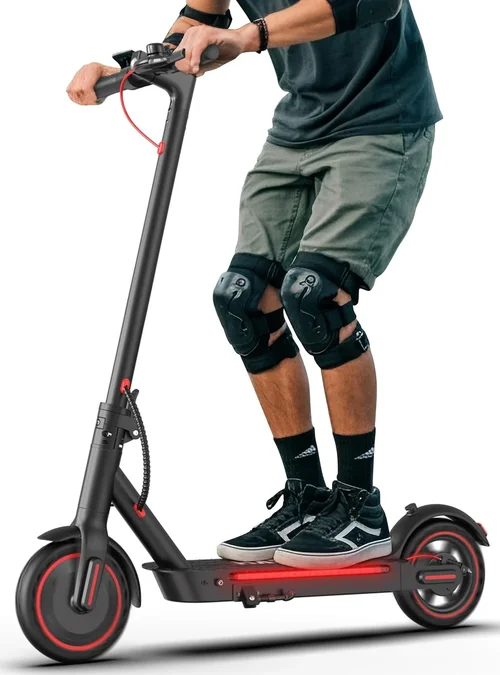
Electric scooters have evolved from niche urban curiosities into serious transportation solutions for adults. Whether you’re commuting to work, running errands around town, or simply enjoying a weekend joyride, the right electric scooter can transform how you move through your daily life. With advancements in battery technology, motor efficiency, and smart features, today’s models offer impressive range, speed, and reliability—all while remaining eco-friendly and cost-effective compared to cars or public transit.
This guide is designed to cut through the noise and help you make an informed decision. We’ll walk you through every critical factor—from budget and performance to safety and portability—so you can find the perfect scooter that matches your lifestyle, needs, and expectations. Whether you’re a first-time buyer or upgrading from an older model, this comprehensive resource will equip you with expert insights, real-world advice, and actionable tips to ensure you get the best value for your investment.
The electric scooter market in 2026 is more competitive than ever. Major brands like Gotrax, Xiaomi, Segway-Ninebot, and Unagi are pushing the boundaries with longer ranges, faster charging, improved suspension, and integrated smart apps. At the same time, budget-friendly options have become surprisingly capable, making e-scooters accessible to a wider audience. With so many choices, it’s easy to feel overwhelmed—but by focusing on your priorities and understanding what truly matters, you can confidently choose a scooter that delivers both performance and peace of mind.
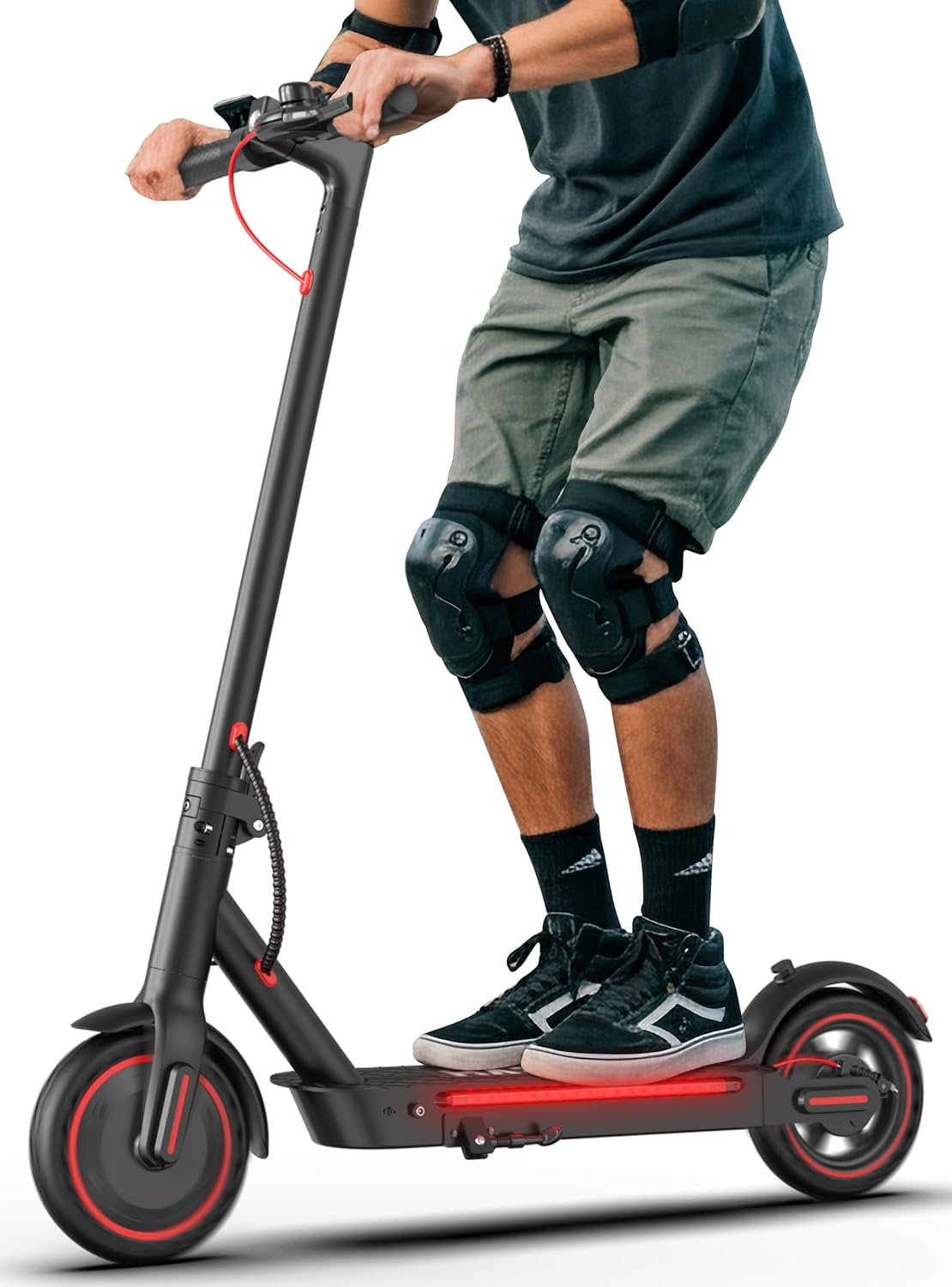
What to Look for When Buying Gotrax
1. Budget & Price Range
Your budget is the foundation of your buying decision. Electric scooters for adults span a wide price spectrum, from under $300 to over $2,000. While it’s tempting to go for the cheapest option, remember that price often reflects build quality, safety features, and longevity. A scooter priced under $400 may get you from point A to B, but it might lack essential features like reliable brakes, solid tires, or adequate suspension—especially if you plan to ride on uneven terrain or longer distances.
Set a realistic budget based on how often you’ll use the scooter and what you expect from it. Commuters who ride daily should consider investing more upfront to avoid frequent repairs or replacements. Conversely, occasional riders might find excellent value in mid-tier models that balance cost and capability. Always factor in potential long-term savings: a higher-quality scooter may cost more initially but could save you hundreds in maintenance and replacement costs over time.
2. Performance Specifications
Performance is where many buyers focus their attention—and for good reason. Key specs include motor power (measured in watts), top speed, range per charge, and hill-climbing ability. For most adult riders, a motor between 250W and 500W is sufficient for city commuting, while 600W to 1000W motors are ideal for heavier riders, steep hills, or off-road use.
Top speed typically ranges from 15 mph to 25+ mph. While faster sounds better, consider your local regulations—many cities cap e-scooter speeds at 15–20 mph for safety. Range is equally important: a scooter advertised with a 20-mile range might only achieve 12–15 miles under real-world conditions (hills, wind, rider weight). Always look for “real-world range” estimates in reviews rather than relying solely on manufacturer claims.
Hill-climbing ability is often overlooked but crucial if you live in a hilly area. A scooter with at least 15% gradeability can handle moderate inclines without straining the motor. Check torque ratings and user feedback to gauge real performance, especially if you weigh over 180 lbs.
3. Build Quality & Durability
A scooter is only as good as its construction. Look for frames made from aircraft-grade aluminum or reinforced steel—these materials offer strength without excessive weight. Pay attention to welds, joints, and folding mechanisms; poorly constructed hinges or weak folding locks can lead to dangerous failures mid-ride.
Tires matter too. Pneumatic (air-filled) tires provide better shock absorption and grip but require maintenance and can puncture. Solid or honeycomb tires are puncture-proof and low-maintenance but offer a rougher ride. For urban commuting, hybrid options with semi-pneumatic tires are becoming popular for balancing comfort and reliability.
Water resistance is another durability factor. While no scooter is fully waterproof, an IP54 or higher rating means it can handle light rain and splashes. Avoid riding in heavy downpours unless your model is specifically rated for wet conditions (IP65+).
4. Features & Functionality
Modern electric scooters come packed with features that enhance usability and safety. Essential features include:
– LED headlights and taillights for visibility
– Bright, readable digital displays showing speed, battery, and mode
– Multiple riding modes (eco, normal, sport)
– Regenerative braking to extend battery life
– App connectivity for firmware updates, ride tracking, and anti-theft alerts
Advanced models may include turn signals, cruise control, Bluetooth speakers, or even GPS tracking. While these aren’t necessities, they can significantly improve your riding experience. For example, cruise control reduces hand fatigue on long rides, while app integration lets you monitor battery health and locate your scooter if stolen.
Avoid scooters with overly complex interfaces or gimmicky features that add cost without real benefit. Focus on functionality that aligns with your usage patterns—commuters might prioritize app integration and lighting, while recreational riders may value comfort features like suspension.
5. Brand Reputation
Not all brands are created equal. Established companies like Gotrax, Xiaomi, and Segway-Ninebot have proven track records for quality, customer service, and innovation. They invest in R&D, offer better warranties, and maintain robust supply chains for parts and repairs.
Research brand reputation by reading long-term user reviews, checking forums like Reddit’s r/ElectricScooters, and looking for third-party certifications (e.g., UL 2271 for battery safety). Avoid unknown brands with no customer support presence or vague return policies—these often disappear after a few months, leaving you stranded with a broken scooter and no recourse.
Gotrax, for instance, has built a solid reputation for affordable, reliable scooters with decent customer service and readily available replacement parts. Their models are widely tested and reviewed, making them a safe bet for first-time buyers.
6. Warranty & Support
A strong warranty is a sign of a manufacturer’s confidence in their product. Most reputable brands offer at least a 12-month limited warranty covering defects in materials and workmanship. Some premium models come with 18–24 months of coverage.
Read the fine print: many warranties exclude wear-and-tear items like tires, brakes, and batteries. Also, check what’s included—does it cover labor? Are you responsible for shipping costs? Is there a service center near you?
Customer support responsiveness is equally important. Can you reach a real person quickly? Do they offer live chat, email, or phone support? Brands with dedicated support teams (like Gotrax’s US-based service) tend to resolve issues faster than those relying on overseas agents.
7. Size & Portability
If you plan to carry your scooter on public transit, store it under a desk, or take it on trips, portability is key. Consider weight, folded dimensions, and ease of folding/unfolding. Most adult scooters weigh between 25 and 40 pounds—anything over 35 lbs becomes difficult to carry for extended periods.
Look for scooters with one-step folding mechanisms and secure locking systems. Some models feature telescopic stems or removable batteries to reduce size further. Wheel size also affects portability: smaller wheels (6–8 inches) make the scooter more compact but less stable on rough surfaces, while larger wheels (10+ inches) improve ride quality at the cost of bulk.
Measure your storage space and test how the scooter fits in your car trunk or apartment hallway. A few inches can make a big difference in daily convenience.
8. User Reviews & Ratings
Never buy a scooter based solely on specs or marketing claims. Real-world user reviews reveal hidden flaws, quirks, and long-term reliability issues that specs sheets won’t show. Look for patterns in feedback: if multiple users report the same problem (e.g., battery degradation after 6 months), it’s likely a design flaw.
Check multiple sources—Amazon, Best Buy, specialized review sites, and YouTube unboxings. Pay attention to reviews from riders similar to you in weight, usage, and terrain. A scooter praised by a 120-lb commuter in flat Florida might not suit a 200-lb rider in hilly Seattle.
Also, note how the company responds to negative reviews. Brands that actively address concerns and offer solutions demonstrate better customer commitment.
Different Types of Gotrax

Common Buying Mistakes to Avoid
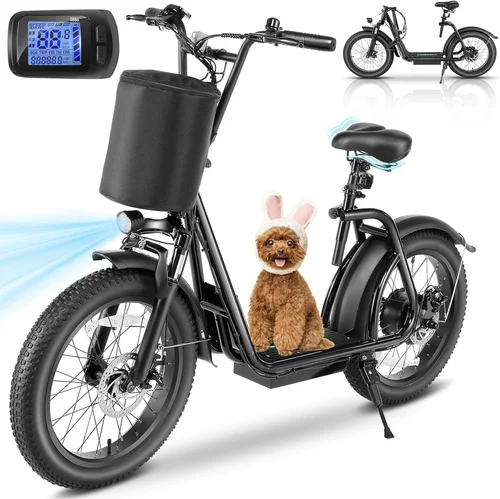
❌ Mistake: Prioritizing Top Speed Over Real-World Usability
Why it’s bad: A scooter that hits 25 mph sounds impressive, but if it can’t maintain that speed under load or has poor braking, it becomes unsafe. High speed without control increases accident risk, especially for inexperienced riders.
What to do instead: Focus on balanced performance—adequate speed for your needs (15–20 mph is sufficient for most cities), strong brakes (disc or regenerative), and stable handling. Test ride if possible, or watch video reviews showing real-world speed tests.
❌ Mistake: Ignoring Rider Weight Limits
Why it’s bad: Exceeding the weight limit strains the motor, drains the battery faster, and can damage the frame or suspension. Many budget scooters have limits as low as 220 lbs, which excludes larger adults.
What to do instead: Always check the manufacturer’s maximum load capacity and choose a scooter rated for at least 20–30 lbs above your weight. Heavier riders should look for reinforced decks and dual motors.
❌ Mistake: Overlooking Tire Type for Your Terrain
Why it’s bad: Solid tires on bumpy roads lead to a jarring ride and reduced control. Pneumatic tires in rough conditions increase puncture risk. Mismatched tires reduce comfort and safety.
What to do instead: Match tire type to your environment: pneumatic for smooth city streets, solid or honeycomb for gravel or potholes, and tubeless pneumatic for mixed terrain. Consider upgrade kits if needed.
❌ Mistake: Buying Based Solely on Range Claims
Why it’s bad: Manufacturers often quote range under ideal conditions (flat ground, light rider, eco mode). Real-world range is typically 30–50% lower.
What to do instead: Divide advertised range by 1.5 to estimate realistic mileage. Read independent reviews that test range with actual riders. Carry a portable charger if you regularly exceed 70% of your scooter’s range.
❌ Mistake: Skipping Safety Features
Why it’s bad: Poor lighting, weak brakes, or no reflectors make night riding dangerous. Many accidents occur due to inadequate visibility or stopping power.
What to do instead: Ensure your scooter has bright front and rear lights, responsive brakes (preferably disc), and reflective elements. Always wear a helmet and consider adding auxiliary lights or a horn.
❌ Mistake: Neglecting Local Laws and Regulations
Why it’s bad: Riding illegally can result in fines, confiscation, or accidents. Rules vary widely by city—some ban e-scooters on sidewalks, limit speeds, or require licenses.
What to do instead: Research your local e-scooter laws before buying. Check if registration, helmets, or specific equipment (like turn signals) are required. Choose a scooter that complies with regional standards.
❌ Mistake: Not Testing Before Buying
Why it’s bad: Comfort and handling are subjective. A scooter that looks great online might feel unstable, too stiff, or uncomfortable in person.
What to do instead: Visit local retailers that offer test rides. If buying online, choose retailers with generous return policies (30 days or more). Rent a similar model first if possible.
Budget Guidelines: How Much Should You Spend?
Entry-Level ($250–$400): Ideal for occasional use, short commutes, or students. Expect basic features: 250W motor, 15 mph top speed, 10–15 mile range, and minimal suspension. Build quality is adequate but may lack durability for daily heavy use. Brands like Gotrax GXL and Xiaomi Mi Essential fit here. Great for trying out e-scooters without major investment.
Mid-Range ($400–$700): The sweet spot for most adult riders. These scooters offer 300–500W motors, 18–20 mph speeds, 15–25 mile ranges, and better brakes and tires. Models like the Gotrax G4 or Segway Ninebot ES4 include app connectivity, improved lighting, and more robust frames. Perfect for daily commuting with a balance of performance, comfort, and value.
Premium ($700–$1,200): Designed for serious commuters and enthusiasts. Features include 600W+ motors, 20–25 mph speeds, 25–40 mile ranges, full suspension, and advanced safety systems. Expect high-quality materials, waterproofing (IP65), and smart features like GPS tracking. Great for hilly areas, long distances, or riders over 200 lbs.
Luxury ($1,200+): For those who want the best. These scooters boast dual motors, ultra-long ranges (40+ miles), carbon fiber components, premium suspension, and cutting-edge tech (e.g., Unagi Model One Dual Motor). Often used by tech professionals, urban explorers, or as status symbols. While overkill for basic needs, they deliver unmatched performance and refinement.
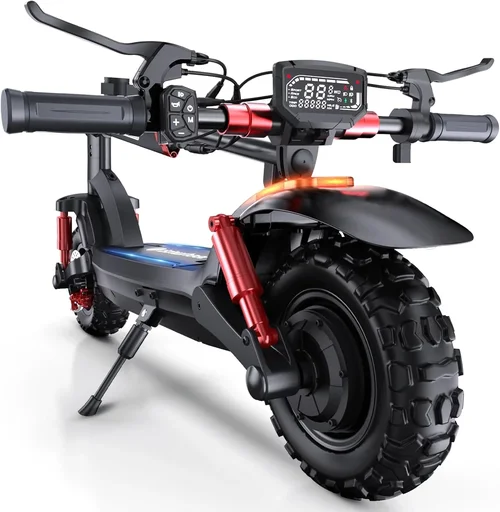
Expert Tips for Getting the Best Deal
– Buy During Off-Peak Seasons: Scooter sales dip in winter (November–February). Retailers often discount older models to clear inventory. Black Friday, Cyber Monday, and post-holiday sales offer significant savings—sometimes 20–30% off.
– Shop from Authorized Retailers: Buying directly from Gotrax.com or authorized dealers (Best Buy, Amazon, Walmart) ensures warranty validity, genuine parts, and reliable support. Avoid third-party sellers with no return policy.
– Sign Up for Newsletters: Brands often send exclusive promo codes to subscribers. Gotrax, for example, offers 10% off first orders and early access to sales.
– Check for Refurbished or Open-Box Deals: Certified refurbished scooters from reputable sellers come with warranties and can save you 15–25%. They’re thoroughly tested and often indistinguishable from new.
– Bundle Accessories: Some retailers offer free helmets, locks, or phone mounts with purchase. These bundles add value and save you from buying separately.
– Read Return Policies Carefully: Ensure you have at least 14–30 days to return if unsatisfied. Some brands charge restocking fees or require original packaging.
– Test Ride When Possible: Visit local scooter shops or events. Feeling the ride, weight, and controls firsthand prevents buyer’s remorse.
– Monitor Price Tracking Tools: Use tools like Honey, CamelCamelCamel, or Keepa to track price history and get alerts when your desired model drops.

Frequently Asked Questions
Q: How long do electric scooter batteries last?
A: Most lithium-ion batteries last 300–500 charge cycles before capacity drops to 80%. With daily use, that’s roughly 1.5–3 years. Proper care—avoiding full discharges, storing at 50% charge in cool temps—can extend lifespan. Replacement batteries cost $100–$300 depending on the model.
Q: Can I ride my scooter in the rain?
A: Only if it has an IP54 rating or higher. IP54 resists splashes; IP65 handles light rain. Never submerge or ride in heavy downpours. Wet conditions increase braking distance and risk of slipping.
Q: Are electric scooters legal in my city?
A: Laws vary by location. Many cities allow e-scooters on bike lanes and roads but ban them on sidewalks. Speed limits (usually 15–20 mph), helmet requirements, and age restrictions apply. Check your local transportation authority’s website.
Q: How fast do Gotrax scooters go?
A: Gotrax models range from 15 mph (GXL V2) to 20 mph (G4). The G4 and GMax offer dual motors for faster acceleration and hill climbing. Always ride within safe limits for your skill level.
Q: Can I take my scooter on a plane?
A: Most airlines prohibit lithium batteries over 100Wh in checked luggage. Gotrax batteries are typically under this limit, but you must carry the scooter in cabin baggage. Check airline policies in advance—some require battery removal.
Q: What’s the best way to maintain my scooter?
A: Regularly clean the deck and wheels, check tire pressure (if pneumatic), tighten bolts, and update firmware via the app. Store indoors, avoid extreme temperatures, and charge before long storage.
Q: Do I need insurance for my electric scooter?
A: Not usually required, but recommended. Some homeowners or renters insurance policies cover e-scooter accidents. Specialized e-scooter insurance (e.g., from Velosurance) covers theft, damage, and liability.
Q: How do I charge my scooter safely?
A: Use only the manufacturer-provided charger. Charge on non-flammable surfaces, avoid overcharging, and unplug once full. Never leave charging unattended overnight.
Q: Can I upgrade my scooter’s battery or motor?
A: Generally not recommended. Modifications void warranties, risk fire, and may overload the controller. If you need more range or power, buy a higher-spec model instead.
Q: What should I do if my scooter breaks down?
A: First, check the manual for troubleshooting. Contact customer support with your model number and issue description. Most brands offer repair guides or mail-in service. Keep receipts and warranty info handy.
Our Final Recommendations
Best for Budget-Conscious Buyers: Gotrax GXL V2 – At under $400, it delivers reliable 15 mph performance, 12-mile range, and solid build quality. Perfect for students or short urban trips. Lacks advanced features but excels in value.
Best Overall Value: Gotrax G4 – Priced around $600, it offers 20 mph speed, 25-mile range, dual motors, and app connectivity. Ideal for daily commuters who want performance without luxury pricing.
Best Premium Option: Unagi Model One Dual Motor – At $1,290, it’s a premium ride with dual motors, carbon fiber deck, 20 mph speed, and sleek design. Best for tech lovers and urban professionals.
Best for Beginners: Xiaomi Mi Electric Scooter Essential – Simple controls, lightweight (26 lbs), and intuitive design make it ideal for first-timers. Reliable and affordable at $350.
Best for Advanced Users: Segway Ninebot Max G30LP – With a 40-mile range, 20 mph speed, IPX5 rating, and robust suspension, it’s built for long, demanding rides. Great for enthusiasts and heavy-duty commuters.
Conclusion: Making the Right Choice
Choosing the right electric scooter isn’t just about specs or price—it’s about finding a match for your lifestyle, terrain, and expectations. By focusing on key factors like performance, build quality, safety, and real-world usability, you can avoid common pitfalls and invest in a scooter that serves you well for years.
Remember: the best scooter is the one you’ll actually use. Don’t overspend on features you won’t need, but don’t compromise on safety or reliability to save a few dollars. Take advantage of test rides, read honest reviews, and prioritize brands with strong support.
Whether you’re zipping to work, exploring your city, or reducing your carbon footprint, your electric scooter can be a game-changer. With the insights from this guide, you’re now equipped to make a confident, informed decision. Happy riding!