
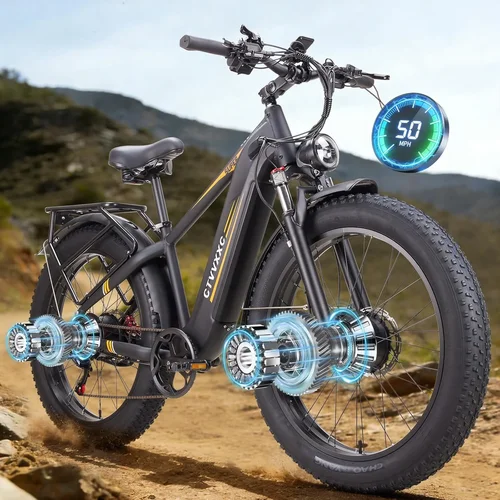
Electric bikes have revolutionized urban mobility, and folding e-bikes take convenience to the next level. Whether you’re navigating crowded city streets, commuting on public transit, or simply need a compact solution for storage in small apartments, folding electric bikes offer unmatched flexibility. As we move through 2026, the market has matured significantly—offering more reliable motors, longer-lasting batteries, smarter integration with apps, and improved portability features than ever before. With so many options flooding the market, choosing the right folding e-bike can feel overwhelming. That’s why this comprehensive buying guide exists: to cut through the noise, clarify your priorities, and help you make a confident, informed decision.
In this guide, you’ll learn exactly what to look for when shopping for a folding electric bike—from performance specs and build quality to real-world usability and long-term value. We’ll break down key decision factors, compare different categories of folding e-bikes, highlight common pitfalls to avoid, and provide expert-backed recommendations tailored to various needs and budgets. Whether you’re a first-time buyer or upgrading from an older model, our goal is to equip you with the knowledge to find a bike that fits your lifestyle, not just your garage space. The folding e-bike market in 2026 is diverse, innovative, and competitive—and with the right guidance, you can ride away with a machine that delivers years of reliable, eco-friendly transportation.

What to Look for When Buying a Folding Electric Bike
1. Budget & Price Range
Your budget is the foundation of your purchase decision. Folding electric bikes span a wide spectrum—from under $500 entry-level models to luxury machines exceeding $3,000. While it’s tempting to go for the cheapest option, remember that e-bikes are complex systems involving motors, batteries, frames, and electronics. A very low price often signals compromises in safety, durability, or performance. Conversely, the most expensive model isn’t always the best fit for your needs. Set a realistic budget based on how often you’ll ride, your typical terrain, and whether you need premium features like torque sensors or regenerative braking. For most urban commuters, a mid-range bike between $800 and $1,500 offers the best balance of quality, features, and value.
2. Performance Specifications
Performance boils down to three core components: motor power, battery capacity, and range. Most folding e-bikes use hub motors rated between 250W and 750W. A 250W motor is sufficient for flat city riding, but if you face hills or carry heavy loads, consider 500W or higher. Battery capacity is measured in watt-hours (Wh)—the higher the number, the longer the ride. A 360Wh battery typically delivers 20–30 miles of range, while 500Wh+ models can exceed 50 miles. Pay attention to whether the battery is removable (essential for charging indoors) and how long it takes to recharge (most take 4–6 hours). Also check the pedal-assist levels and throttle type—some bikes offer only pedal assist, while others include a twist or thumb throttle for instant power.
3. Build Quality & Durability
A folding bike endures more stress than a standard e-bike due to its hinges, latches, and compact frame. Look for frames made from lightweight but strong materials like aluminum alloy (6061 or 7005 grade). Avoid steel frames unless you prioritize durability over weight—they’re heavier and prone to rust. Inspect the folding mechanism: it should be secure, easy to operate with one hand, and lock firmly in both open and closed positions. Check welds for smoothness and consistency, and ensure all bolts and fasteners are high-grade stainless steel. Water resistance matters too—IPX4 rating or higher protects against splashes, which is crucial for rainy commutes.
4. Features & Functionality
Modern folding e-bikes come packed with smart features. Integrated LED lights (front and rear) improve visibility and safety. Digital displays show speed, battery level, assist mode, and sometimes GPS or trip data. Some models sync with smartphone apps for route tracking, anti-theft alerts, or firmware updates. Suspension systems—even basic front forks or seatpost shocks—greatly enhance comfort on bumpy roads. Fenders and rear racks add practicality for carrying bags or groceries. Consider whether you need a step-through frame for easy mounting or a belt drive instead of a chain for low maintenance. Don’t overlook tire size: 20-inch wheels are standard for folding bikes, but wider tires (2.1” or more) offer better grip and cushioning.
5. Brand Reputation
Not all e-bike brands are created equal. Established names like Rad Power Bikes, Aventon, and Tern have proven track records for reliability and customer service. Newer or lesser-known brands may offer tempting prices, but they often lack consistent quality control or accessible support. Research brands by reading professional reviews, checking BBB ratings, and joining online forums like Reddit’s r/ebikes. A reputable brand typically invests in rigorous testing, uses certified components (like Bosch or Bafang motors), and stands behind its products. Be wary of “Amazon-only” brands with no physical presence—they may disappear overnight, leaving you without warranty support.
6. Warranty & Support
A solid warranty is a strong indicator of a manufacturer’s confidence in their product. Look for at least a 1-year comprehensive warranty covering the frame, motor, and battery. Premium brands often offer 2–3 years. Pay special attention to battery warranties—lithium-ion cells degrade over time, and some companies cover capacity loss below 70% within a certain period. Customer support should be responsive via phone, email, or chat. Check if the brand has local service centers or partners with bike shops for repairs. Avoid brands that only offer email support with slow response times. A good warranty isn’t just about coverage—it’s about peace of mind.
7. Size & Portability
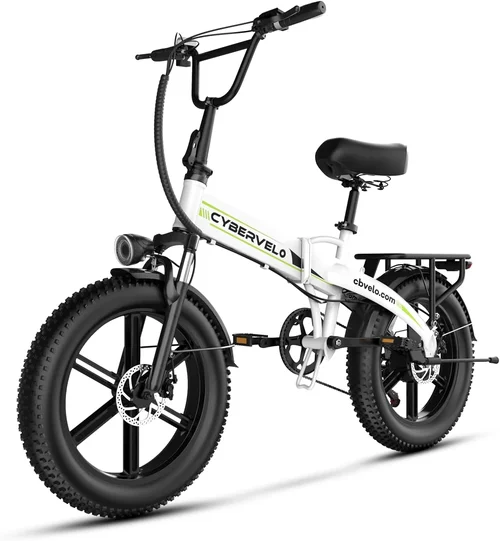
The whole point of a folding e-bike is convenience, so portability is non-negotiable. Measure the folded dimensions—most are around 30” x 18” x 24”, but some are more compact. Weight matters too: under 40 lbs is ideal for carrying upstairs or onto trains; over 50 lbs becomes cumbersome. Look for features like foldable pedals, telescoping handlebars, and built-in carrying handles. Some bikes include a shoulder strap or wheels for rolling when folded. Test how easy it is to fold and unfold—ideally under 30 seconds. If you plan to store it under a desk or in a closet, ensure the folded shape is stable and doesn’t tip over.
8. User Reviews & Ratings
Never rely solely on manufacturer specs. Real-world user reviews reveal hidden flaws and strengths. Focus on verified purchase reviews on platforms like Amazon, REI, or specialized e-bike retailers. Look for patterns: if multiple users report the same issue (e.g., loose hinges or poor battery life), it’s likely a design flaw. Pay attention to long-term reviews (6+ months) to assess durability. Video reviews on YouTube can show folding mechanisms, ride quality, and noise levels better than text. Be skeptical of overly positive reviews with generic language—they may be fake. Balance professional critiques with everyday rider experiences to get a full picture.
Different Types of Folding Electric Bikes

Common Buying Mistakes to Avoid
❌ Mistake: Prioritizing Price Over Quality
Why it’s bad: Cheap folding e-bikes often use subpar motors, weak batteries, and flimsy frames that fail within months. You’ll spend more on repairs or replacements than if you’d bought a reliable mid-range model upfront.
What to do instead: Allocate at least $800 for a dependable bike. Treat it as a long-term investment in your mobility and health.
❌ Mistake: Ignoring Weight and Folded Dimensions
Why it’s bad: A bike that’s too heavy or bulky defeats the purpose of folding. You won’t want to carry it upstairs or stow it under a desk if it’s unwieldy.
What to do instead: Check specs carefully and, if possible, test-fold a demo unit. Aim for under 45 lbs and compact folded size.
❌ Mistake: Overlooking Battery Removability
Why it’s bad: Non-removable batteries force you to bring the entire bike inside to charge—a hassle in apartments or offices.
What to do instead: Always choose a model with a removable battery. It also makes theft less damaging and simplifies maintenance.
❌ Mistake: Skipping the Test Ride
Why it’s bad: Folding bikes have unique handling due to smaller wheels and shorter wheelbases. What looks good on paper might feel unstable or uncomfortable in real life.
What to do instead: Visit local dealers or attend e-bike expos. If buying online, choose retailers with generous return policies (30 days or more).
❌ Mistake: Neglecting Local Laws and Regulations
Why it’s bad: Some cities restrict e-bike speed, motor power, or throttle use. Riding an illegal bike could result in fines or confiscation.
What to do instead: Verify your area’s Class 1/2/3 e-bike rules. Most folding e-bikes comply with Class 1 or 2 standards, but double-check.
❌ Mistake: Assuming All “Folding” Bikes Are Equal
Why it’s bad: Some bikes fold only partially (e.g., handlebar or pedals), while others collapse fully. Partial folding doesn’t save much space.
What to do instead: Look for full-frame folding with secure locking mechanisms. Read detailed descriptions and watch folding demos.
❌ Mistake: Forgetting About Maintenance Needs
Why it’s bad: E-bikes require regular upkeep—tire pressure, brake adjustments, chain lubrication (if applicable). Neglect leads to poor performance and safety risks.
What to do instead: Choose a bike with accessible components and consider a maintenance plan. Belt drives and hydraulic disc brakes reduce upkeep.
Budget Guidelines: How Much Should You Spend?
Entry-Level ($400–$700): These bikes suit occasional riders or students on tight budgets. Expect basic 250W motors, 36V/7Ah batteries (around 20-mile range), and minimal features. Build quality may be inconsistent, and warranties are often limited. Ideal for short, flat commutes under 5 miles. Examples include the Ancheer Folding E-Bike or Swagtron EB5 Pro.
Mid-Range ($800–$1,500): This is the sweet spot for most buyers. You’ll get reliable 350W–500W motors, 36V/10–12Ah batteries (30–40 mile range), aluminum frames, and useful features like LED lights, displays, and fenders. Brands like Aventon, Lectric, and Fiido dominate this tier with strong warranties and good support. Perfect for daily commuting, errands, and mixed terrain.
Premium ($1,600–$2,500): Designed for enthusiasts and frequent riders, these bikes offer 500W–750W motors, high-capacity batteries (500Wh+), advanced suspension, torque sensors, and app connectivity. Expect superior components from brands like Tern, Brompton (with electric conversion kits), and Rad Power Bikes. Great for hilly areas, longer distances, and riders who value comfort and performance.
Luxury ($2,600+): At this level, you’re paying for cutting-edge technology, bespoke design, and exceptional craftsmanship. Think integrated GPS, regenerative braking, carbon fiber elements, and ultra-lightweight builds. Models like the GoCycle GX or Stromer ST5 fold seamlessly and deliver car-like refinement. Best for tech-savvy commuters or those who view their e-bike as a lifestyle statement.
Expert Tips for Getting the Best Deal
– Buy during off-season sales: Late fall and winter (October–February) offer the deepest discounts as retailers clear inventory for new models. Black Friday and Cyber Monday are prime times, but January clearance events can yield even better deals.
– Shop from authorized retailers: Avoid third-party sellers on large marketplaces. Authorized dealers provide valid warranties, firmware updates, and reliable customer service. Check the brand’s website for a list of approved partners.
– Look for bundle deals: Many brands offer free accessories (lights, locks, racks) during promotions. These can save you $100+ compared to buying separately.
– Consider refurbished or open-box models: Certified pre-owned bikes from reputable sellers often come with warranties and cost 20–30% less. Ideal for budget-conscious buyers who want higher-tier specs.
– Read the fine print on returns: Ensure the return window is at least 14–30 days and covers shipping costs. Some retailers charge restocking fees or exclude e-bikes from returns—avoid these.
– Test before you buy: If possible, visit a local bike shop or attend an e-bike demo day. Feel the ride quality, test the folding mechanism, and assess comfort. Your body will thank you later.
– Check for local incentives: Some cities and employers offer rebates or tax credits for e-bike purchases. A $500 incentive can significantly lower your effective price.
– Negotiate gently: Especially at local shops, polite negotiation can land you a free tune-up, accessory discount, or extended warranty. It never hurts to ask!

Frequently Asked Questions
Q: How far can a folding electric bike go on a single charge?
A: Range varies widely based on battery capacity, rider weight, terrain, and assist level. Most mid-range folding e-bikes deliver 25–40 miles. High-capacity models (500Wh+) can exceed 50 miles. Always check real-world user reports, as manufacturer claims are often optimistic.
Q: Are folding e-bikes safe to ride?
A: Yes, when built to proper standards. Look for bikes with certified components, secure folding locks, and quality brakes (preferably hydraulic disc). Smaller wheels can feel less stable at high speeds, so practice in low-traffic areas first.
Q: Can I take a folding e-bike on public transportation?
A: Most transit systems allow folded e-bikes, but rules vary. Amtrak, many subway systems, and buses permit them if folded and not obstructing aisles. Always check local policies—some require bikes to be in a bag or during off-peak hours.
Q: Do folding e-bikes require special maintenance?
A: Not necessarily, but hinges and latches need occasional inspection and lubrication. Keep the battery charged between 20–80% for longevity, and store in a dry, temperate place. Regular tire pressure checks and brake adjustments are essential, just like any bike.
Q: What’s the difference between pedal assist and throttle?
A: Pedal assist (PAS) provides power only when you pedal, with multiple levels of support. Throttle lets you ride without pedaling, like a scooter. Class 2 e-bikes have throttles; Class 1 do not. Throttle is great for hills or fatigue but reduces range.
Q: Can I upgrade the battery on my folding e-bike?
A: Some brands offer higher-capacity replacement batteries, but compatibility varies. Never use a non-OEM battery—it can damage the motor or pose a fire risk. Check with the manufacturer before attempting upgrades.
Q: Are folding e-bikes good for hills?
A: It depends on motor power and gearing. A 500W+ motor with a wide-range drivetrain handles moderate hills well. For steep inclines, look for torque sensors (not just cadence sensors) and consider a mid-drive motor if available in folding form.
Q: How long do folding e-bike batteries last?
A: Lithium-ion batteries typically last 500–1,000 charge cycles, equating to 2–4 years of daily use. Capacity gradually declines—most warranties cover replacement if it drops below 70% within 1–2 years.
Q: Can I ride a folding e-bike in the rain?
A: Yes, if it has an IPX4 rating or higher. Avoid submerging the battery or motor. Dry the bike after wet rides and lubricate moving parts to prevent corrosion.
Q: Is a folding e-bike worth it compared to a regular e-bike?
A: Absolutely—if portability is a priority. For apartment dwellers, multi-modal commuters, or travelers, the convenience outweighs minor trade-offs in ride feel or weight. If you have ample storage and don’t need to carry it often, a full-size e-bike may offer better performance.
Our Final Recommendations
Best for Budget-Conscious Buyers: Lectric XP 3.0 – At around $999, it packs a 500W motor, 45-mile range, and solid build quality. Removable battery, hydraulic brakes, and a generous warranty make it a standout in its class.
Best Overall Value: Aventon Sinch.2 – Priced at $1,299, this bike offers a balanced mix of power (750W peak), comfort (front suspension), and smart features (app connectivity, integrated lights). Ideal for urban and suburban riders.
Best Premium Option: Tern Vektron S10 – At $2,799, it’s built for serious commuters. Features a Bosch Active Line motor, Gates carbon belt drive, and ultra-compact folding. Exceptional durability and ride quality justify the price.
Best for Beginners: Fiido D11 – With a step-through frame, intuitive controls, and a 40-mile range, it’s user-friendly and reliable. Priced under $1,000, it’s perfect for new riders easing into e-biking.
Best for Advanced Users: GoCycle GXi – This $3,490 marvel folds in seconds, weighs just 37 lbs, and includes Bluetooth connectivity, LED displays in the handlebars, and a sleek magnesium frame. For tech lovers who demand innovation.
Conclusion: Making the Right Choice
Choosing the best folding electric bike isn’t just about specs—it’s about aligning your purchase with your lifestyle, terrain, and long-term goals. We’ve covered everything from budget considerations and performance metrics to common pitfalls and expert strategies for securing the best deal. Remember, the “best” bike is the one that you’ll actually ride regularly, store easily, and feel confident using day after day. Don’t let flashy features distract you from core needs like reliability, portability, and comfort. Take your time, read real reviews, test when possible, and prioritize brands that stand behind their products. In 2026, folding e-bikes are more capable and accessible than ever—your perfect ride is out there. Now go find it, fold it, and ride into the future.