
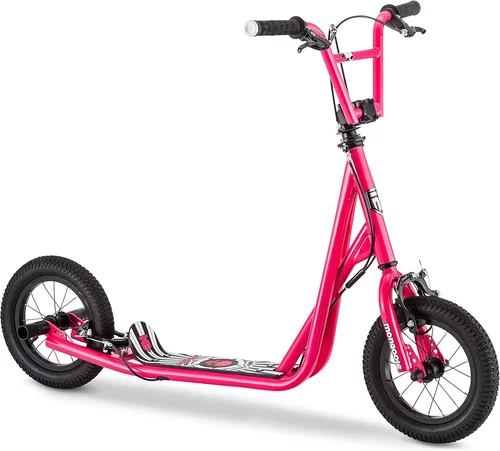
Electric scooters have surged in popularity over the past few years, transforming from niche urban gadgets into mainstream transportation solutions. Whether you’re commuting to work, running errands around town, or simply enjoying a weekend ride through the park, an electric scooter offers a convenient, eco-friendly, and often surprisingly affordable way to get around. As cities become more congested and fuel prices continue to fluctuate, many people are turning to e-scooters as a practical alternative to cars, buses, or even bicycles. With advancements in battery technology, motor efficiency, and smart features, today’s electric scooters are more capable and reliable than ever before.
This comprehensive buying guide is designed to help you navigate the crowded market and make a smart, informed decision—especially when it comes to finding the best deals. We’ll walk you through everything you need to know, from understanding key performance specs to identifying hidden costs and avoiding common pitfalls. Whether you’re a first-time buyer or looking to upgrade your current ride, this guide will equip you with the knowledge to choose a scooter that fits your lifestyle, budget, and needs. Our goal isn’t just to help you save money—it’s to ensure you get the best possible value for your investment.
The electric scooter market in 2026 is more diverse and competitive than ever. Brands like Gotrax, Xiaomi, Segway-Ninebot, and Razor dominate the space, each offering models tailored to different use cases—from lightweight commuter scooters to high-performance off-road machines. Prices range from under $300 for basic entry-level models to well over $2,000 for premium, feature-rich scooters. With so many options, it’s easy to feel overwhelmed. But by focusing on the right criteria and knowing where to look for deals, you can find a scooter that delivers excellent performance, durability, and safety without breaking the bank. Let’s dive into what matters most when shopping for your next electric scooter.

What to Look for When Buying Gotrax
1. Budget & Price Range
Your budget is the foundation of your buying decision. Electric scooters vary widely in price, and while it’s tempting to go for the cheapest option, doing so can lead to disappointment in terms of performance, build quality, and longevity. A realistic budget helps narrow down your choices and ensures you’re comparing apples to apples. For most casual riders, spending between $400 and $800 will get you a reliable, well-built scooter with solid performance. However, if you’re using the scooter for daily commuting or longer distances, investing in a mid-range or premium model may save you money in the long run by reducing repair costs and increasing lifespan.
When setting your budget, consider not just the upfront cost but also potential add-ons like helmets, locks, phone mounts, and extended warranties. Some retailers bundle these accessories at a discount, which can be a great way to save. Also, keep an eye out for seasonal sales—Black Friday, Cyber Monday, and back-to-school promotions often feature significant markdowns on popular models. Gotrax, in particular, frequently offers bundle deals and limited-time discounts, especially during holiday seasons.
2. Performance Specifications
Performance specs are arguably the most important factor when choosing an electric scooter. These include motor power, top speed, range, and hill-climbing ability. The motor, measured in watts (W), determines how fast and how efficiently your scooter can move. Entry-level models typically have motors between 250W and 350W, suitable for flat terrain and light loads. Mid-range scooters often feature 500W to 800W motors, providing better acceleration and the ability to handle moderate inclines. High-performance models can have dual motors totaling 1,000W or more, ideal for steep hills and heavier riders.
Top speed is another critical metric. Most commuter scooters max out between 15 and 20 mph, which is sufficient for city riding and bike lanes. However, if you plan to ride on open roads or want a more thrilling experience, look for models that can reach 25 mph or higher. Just remember that higher speeds often come with reduced range and increased wear on components. Range, or how far the scooter can travel on a single charge, is influenced by battery capacity (measured in watt-hours or Wh), rider weight, terrain, and riding style. A 36V 7.5Ah battery, for example, might offer around 15–20 miles of range under ideal conditions, while a 48V 15Ah battery could double that.
Hill-climbing ability is often overlooked but essential if you live in a hilly area. A scooter with at least 500W of power and a torque-rich motor should handle inclines of 10–15 degrees comfortably. Always check the manufacturer’s stated gradeability—this tells you the maximum slope the scooter can climb without stalling. Gotrax models like the GXL V2 and G4 are known for their balanced performance, offering around 18–20 mph top speeds and 15–20 mile ranges, making them excellent all-around choices for urban commuters.
3. Build Quality & Durability
A scooter is only as good as its construction. Build quality affects everything from ride comfort to long-term reliability. Look for scooters made with high-grade aluminum alloys, which offer a good balance of strength and weight. Avoid models with excessive plastic components, especially in the frame or folding mechanism, as these are prone to cracking under stress. The deck should be wide and textured to provide secure footing, and the handlebars should feel sturdy without wobbling.
Suspension systems also play a major role in durability and ride quality. While many budget scooters skip suspension entirely, mid-range and premium models often include front or rear suspension (or both) to absorb shocks from potholes and uneven pavement. Gotrax’s G4 and G6 models feature front suspension, which significantly improves comfort on rough roads. Additionally, check the IP rating—this indicates water and dust resistance. An IP54 rating means the scooter can handle light rain and splashes, while IPX4 offers similar protection but may not be as dust-resistant. For daily commuters, an IP54 or higher is recommended to ensure longevity in various weather conditions.
Tire type is another durability factor. Pneumatic (air-filled) tires offer better shock absorption and grip but require occasional maintenance and are susceptible to punctures. Solid or honeycomb tires are maintenance-free and puncture-proof but provide a harsher ride. Many modern scooters, including several Gotrax models, use hybrid tires—solid cores with rubber treads—that aim to balance comfort and reliability.
4. Features & Functionality
Modern electric scooters come packed with features that enhance safety, convenience, and user experience. A bright LED headlight is essential for night riding, and many models now include taillights and brake lights that activate when you slow down. Some scooters even have turn signals and ambient lighting for added visibility. A clear, backlit LCD display is also important—it should show speed, battery level, riding mode, and sometimes even GPS or Bluetooth connectivity.
Smart features are becoming increasingly common. Bluetooth connectivity allows you to pair your scooter with a smartphone app, where you can track rides, adjust settings, lock the scooter remotely, or even receive firmware updates. Gotrax’s app, for example, lets users customize speed limits, monitor battery health, and view ride statistics. Other useful features include cruise control (which maintains a steady speed without holding the throttle), regenerative braking (which recaptures energy during deceleration), and multiple riding modes (Eco, Normal, Sport).
Portability features matter too, especially if you plan to carry the scooter on public transit or store it in a small apartment. Look for a scooter with a reliable folding mechanism that locks securely when deployed and folds compactly when not in use. Weight is also a consideration—most commuter scooters weigh between 25 and 35 pounds. Anything over 40 pounds becomes difficult to carry for extended periods. Gotrax scooters are generally lightweight and fold easily, making them ideal for urban dwellers.
5. Brand Reputation
Brand reputation matters because it reflects consistency in quality, customer service, and product innovation. Gotrax, a subsidiary of Razor, has built a strong reputation for producing affordable, reliable electric scooters that appeal to both beginners and experienced riders. Known for their sleek designs, user-friendly interfaces, and solid performance, Gotrax models are often recommended in online communities and review platforms. The brand also benefits from Razor’s decades of experience in the ride-on industry, which translates into better engineering and safety standards.
When evaluating any brand, check customer reviews on trusted platforms like Amazon, Best Buy, or specialized scooter forums. Look for patterns—consistent complaints about battery life, motor failure, or poor customer support are red flags. Conversely, brands with high ratings and responsive support teams are more likely to stand behind their products. Gotrax, for instance, offers a 1-year limited warranty on most models and has a dedicated support team that responds promptly to inquiries. This level of support can make a big difference if you encounter issues down the line.
Another aspect of brand reputation is availability of spare parts and accessories. A well-established brand like Gotrax ensures that replacement batteries, chargers, tires, and brake pads are readily available, either directly from the manufacturer or through authorized retailers. This is crucial for long-term ownership, as scooters do require maintenance and occasional part replacements.
6. Warranty & Support
A solid warranty is a strong indicator of a manufacturer’s confidence in their product. Most reputable electric scooter brands offer at least a 1-year limited warranty, covering defects in materials and workmanship. Gotrax provides a 1-year warranty on its scooters, which includes coverage for the motor, battery, and electronic components. However, it’s important to read the fine print—warranties often exclude damage from accidents, water exposure, or improper use.
Customer support is just as important as the warranty itself. A brand may offer a great warranty, but if their support team is unresponsive or unhelpful, you could be left stranded with a broken scooter. Look for companies that provide multiple support channels—phone, email, live chat, and even social media. Gotrax has a dedicated support portal with FAQs, troubleshooting guides, and a ticket system for technical issues. They also offer video tutorials for common repairs, which can save you time and money.
Extended warranties are another option to consider. Some retailers offer 2- or 3-year protection plans for an additional fee. While these can provide peace of mind, they’re not always worth the cost—especially if the scooter already has a strong track record of reliability. Evaluate the price of the extended warranty against the likelihood of needing repairs. For high-use commuters, it might be a worthwhile investment.
7. Size & Portability
Portability is a major advantage of electric scooters, but not all models are created equal. If you plan to take your scooter on the subway, bus, or train, or store it in a small space, size and weight become critical factors. Most commuter scooters fold down to a compact size, but the folded dimensions and overall weight can vary significantly. Gotrax models typically fold to around 42 x 17 x 18 inches and weigh between 26 and 32 pounds, making them easy to carry and store.
Consider how you’ll transport the scooter when it’s folded. Some models include a carrying handle or strap, while others rely on the natural grip of the handlebars. A well-designed folding mechanism should be intuitive and secure—look for scooters that lock firmly in both the open and closed positions. Gotrax uses a simple latch system that’s easy to operate with one hand, which is a big plus for commuters.
For apartment dwellers or those with limited storage space, a scooter that can stand upright when folded is ideal. This allows you to tuck it into a corner or behind a door without taking up much floor space. Some models even include a kickstand, though this adds a bit of weight. If you’re tight on space, prioritize scooters with a small footprint and minimal bulk when folded.
8. User Reviews & Ratings
User reviews are one of the most valuable resources when shopping for an electric scooter. They provide real-world insights that specs and marketing materials can’t match. Look for reviews on trusted platforms like Amazon, Best Buy, or specialized scooter review sites. Pay attention to both positive and negative feedback—consistent praise for battery life or build quality is a good sign, while recurring complaints about motor failure or poor customer service should raise concerns.
When reading reviews, consider the reviewer’s use case. A scooter that works well for a 120-pound rider commuting 3 miles on flat ground may not perform as well for a 200-pound rider tackling hills daily. Look for reviews from users with similar needs and body types. Gotrax scooters, for example, are often praised for their smooth ride and reliable performance in urban environments, but some users note that the range can drop significantly in cold weather or with heavier loads.
Video reviews are especially helpful—they allow you to see the scooter in action, hear the motor sound, and observe the folding mechanism. Many YouTube reviewers conduct range tests, speed tests, and durability checks, giving you a comprehensive view of the scooter’s capabilities. Take the time to watch a few videos before making your decision—it could save you from a costly mistake.
Different Types of Gotrax

Common Buying Mistakes to Avoid
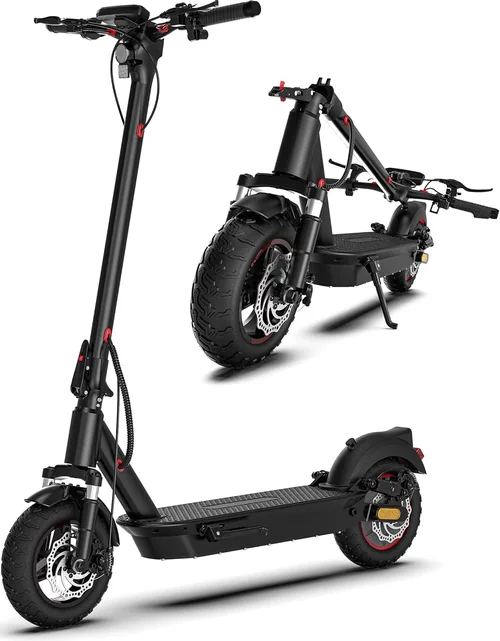
❌ Mistake: Focusing Only on Price
Why it’s bad: Choosing the cheapest scooter available often leads to poor performance, frequent breakdowns, and a frustrating user experience. Budget models may cut corners on battery quality, motor power, and build materials, resulting in a scooter that doesn’t last more than a few months.
What to do instead: Set a realistic budget based on your needs and prioritize value over the lowest price. Look for scooters that offer the best balance of features, performance, and durability within your price range. Gotrax’s GXL V2, for example, offers excellent value at around $400, delivering reliable performance without breaking the bank.
❌ Mistake: Ignoring Weight and Portability
Why it’s bad: A scooter that’s too heavy or bulky can be a nightmare to carry, especially if you need to take it on public transit or upstairs. Many buyers underestimate how often they’ll need to lift or transport their scooter.
What to do instead: Check the scooter’s weight and folded dimensions before buying. Aim for models under 35 pounds if portability is a priority. Test the folding mechanism to ensure it’s easy to use and locks securely.
❌ Mistake: Overlooking Battery Life and Range
Why it’s bad: Manufacturers often advertise maximum range under ideal conditions, but real-world performance can be 20–30% lower. Relying on a scooter with insufficient range can leave you stranded.
What to do instead: Calculate your daily travel distance and choose a scooter with at least 50% more range than you need. For example, if your commute is 10 miles round trip, opt for a scooter with a 15–20 mile range. Consider battery capacity (Wh) and user reviews for real-world range insights.
❌ Mistake: Skipping Safety Features
Why it’s bad: Riding without proper lighting, brakes, or reflectors increases the risk of accidents, especially at night or in traffic. Many budget scooters lack essential safety components.
What to do instead: Ensure the scooter has a bright headlight, taillight, and reliable braking system (preferably disc or regenerative brakes). Wear a helmet and consider adding reflective gear or turn signals for added safety.
❌ Mistake: Not Researching Warranty and Support
Why it’s bad: A scooter with a weak warranty or poor customer support can become a liability if something goes wrong. You may end up paying for repairs out of pocket or struggling to get help.
What to do instead: Choose brands with at least a 1-year warranty and responsive customer service. Read warranty terms carefully and check user experiences with support. Gotrax, for instance, offers solid warranty coverage and helpful support resources.
❌ Mistake: Buying Without Testing
Why it’s bad: Scooters feel different in real life than they do in photos or videos. A model that looks great online might have uncomfortable handlebars, a shaky frame, or poor suspension.
What to do instead: If possible, test ride the scooter before buying. Visit a local retailer or attend a scooter demo event. If buying online, choose retailers with generous return policies so you can return the scooter if it doesn’t meet your expectations.
❌ Mistake: Ignoring Local Laws and Regulations
Why it’s bad: Electric scooter laws vary by city and state. Riding an illegal scooter can result in fines, confiscation, or accidents due to unsafe conditions.
What to do instead: Research local regulations regarding speed limits, where you can ride (bike lanes, sidewalks, roads), and whether helmets are required. Some areas restrict scooters over certain speeds or weights.
Budget Guidelines: How Much Should You Spend?
Entry-Level ($250 – $400): This tier is ideal for casual riders, students, or those looking for a secondary mode of transport. Scooters in this range, like the Gotrax GXL V2, offer basic features, moderate speed (15–18 mph), and decent range (12–18 miles). Build quality is acceptable but may lack suspension or advanced features. Great for short commutes and light use.
Mid-Range ($400 – $700): This is the sweet spot for most buyers. Models like the Gotrax G4 and G6 offer improved motors (500W–800W), better batteries, front suspension, and smart features like app connectivity. Ranges typically fall between 20–25 miles, and build quality is significantly better. These scooters are suitable for daily commuting and longer rides.
Premium ($700 – $1,000): For enthusiasts and serious commuters, premium scooters deliver high performance, durability, and advanced features. The Gotrax XR Elite and G Max fall into this category, with powerful motors, long ranges (25–30 miles), and robust frames. These models often include dual suspension, high-capacity batteries, and enhanced safety features.
Luxury ($1,000+): Top-tier scooters are built for performance, comfort, and longevity. They feature dual motors, premium materials, advanced suspension systems, and cutting-edge tech. While Gotrax doesn’t currently offer models in this tier, brands like Dualtron and Kaabo do. These are best for riders who demand the absolute best and are willing to pay a premium.
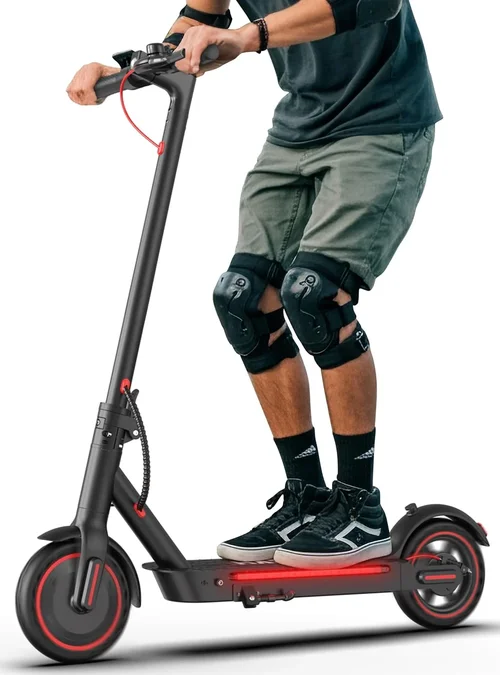
Expert Tips for Getting the Best Deal
1. Time Your Purchase Around Sales Events: The best deals on electric scooters typically occur during Black Friday, Cyber Monday, Prime Day, and back-to-school seasons. Gotrax often runs promotions during these periods, offering discounts of 15–25% or bundled accessories. Sign up for newsletters to get early access to sales.
2. Buy Directly from the Manufacturer or Authorized Retailers: Purchasing from Gotrax’s official website or authorized dealers like Amazon, Best Buy, or Walmart ensures you get a genuine product with full warranty coverage. Avoid third-party sellers with unclear return policies.
3. Look for Bundle Deals: Many retailers offer scooter bundles that include helmets, locks, phone mounts, or extended warranties at a discounted price. These can save you $50–$100 compared to buying items separately.
4. Check for Open-Box or Refurbished Models: Open-box or refurbished scooters are often in like-new condition and come with warranties. Retailers like Best Buy and Amazon Renewed offer these at significant discounts. Just ensure they’re certified and include a return policy.
5. Use Price Tracking Tools: Tools like Honey, CamelCamelCamel, or Keepa can alert you when a scooter’s price drops. Set up alerts for your desired model and wait for the best deal.
6. Read the Return Policy Carefully: Even the best deals aren’t worth it if you can’t return the scooter. Look for retailers with at least a 30-day return window and free return shipping. Gotrax’s website offers a 30-day return policy, which is generous for the industry.
7. Test Before You Buy (If Possible): Visit a local scooter shop or attend a demo event to test ride models. This helps you assess comfort, handling, and build quality firsthand.
8. Consider Long-Term Costs: Factor in maintenance, battery replacement, and potential repairs. A slightly more expensive scooter with better build quality may cost less over time than a cheap one that breaks frequently.
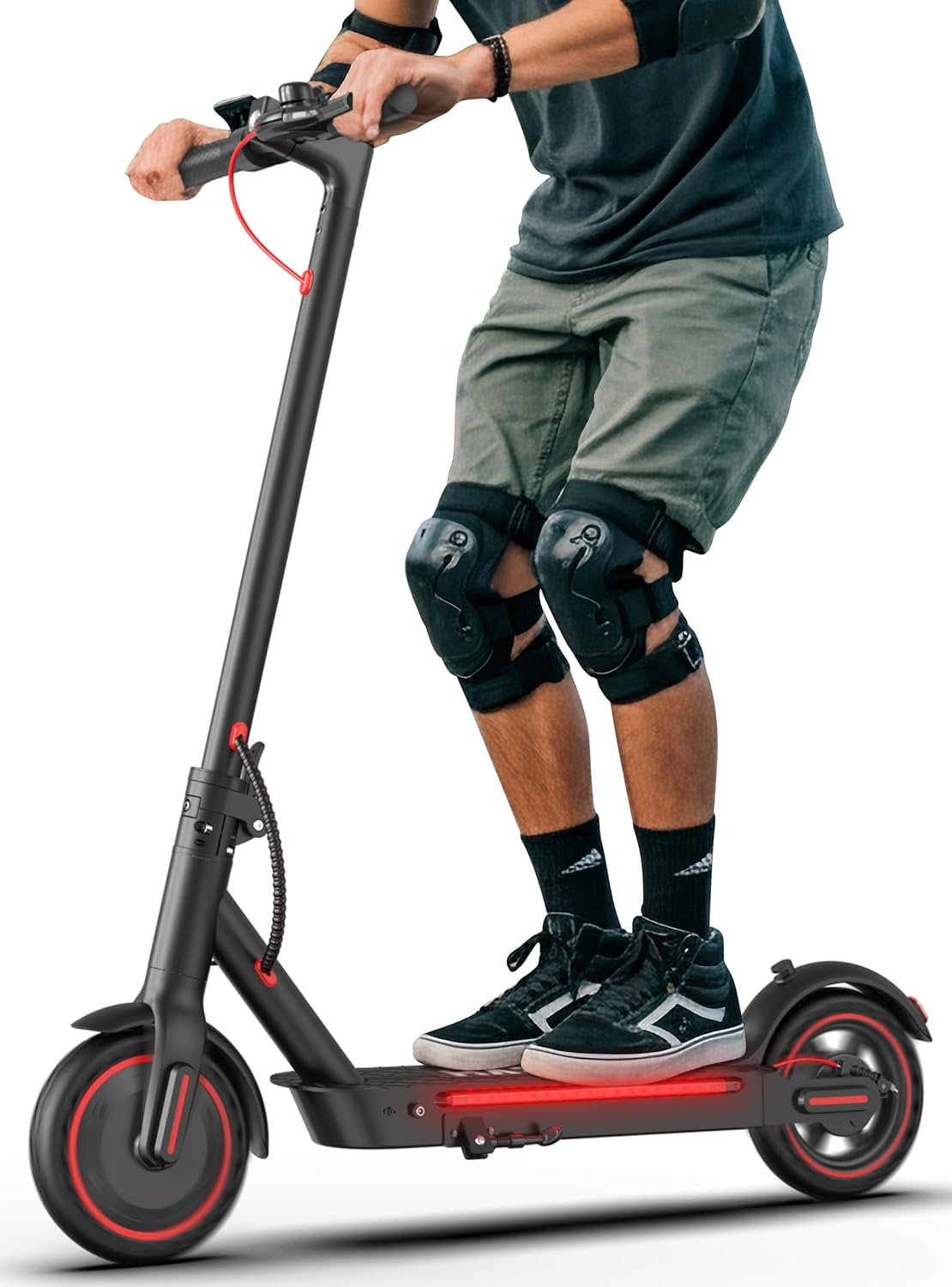
Frequently Asked Questions
Q: How long do electric scooter batteries last?
A: Most lithium-ion batteries last between 300 and 500 charge cycles, which translates to 1–3 years of daily use. Battery life depends on usage, charging habits, and environmental conditions. Avoid draining the battery completely and store the scooter in a cool, dry place to extend its lifespan.
Q: Can I ride my scooter in the rain?
A: It depends on the scooter’s IP rating. Models with IP54 or higher can handle light rain, but avoid submerging them or riding through deep puddles. Always dry the scooter thoroughly after wet rides to prevent corrosion.
Q: How fast do Gotrax scooters go?
A: Gotrax scooters range from 15 mph (GXL V2) to 30 mph (G Max). Most commuter models top out at 18–25 mph, which is suitable for city riding. Always wear a helmet and follow local speed limits.
Q: Do I need a license to ride an electric scooter?
A: In most U.S. states, no license is required for scooters under 20 mph. However, some cities have specific rules—check your local regulations. Helmets are recommended and sometimes required for riders under 18.
Q: How far can a Gotrax scooter go on a single charge?
A: Range varies by model. The GXL V2 offers 12–18 miles, the G4 up to 20 miles, and the G6 up to 25 miles. Real-world range depends on rider weight, terrain, and speed.
Q: Can I upgrade my scooter’s battery?
A: Some models allow battery upgrades, but it’s not recommended unless you’re experienced. Modifying the battery can void the warranty and pose safety risks. Contact Gotrax support for guidance.
Q: What’s the weight limit for Gotrax scooters?
A: Most Gotrax models support riders up to 220–260 pounds. The G Max can handle up to 300 pounds. Always check the specifications for your specific model.
Q: How do I maintain my electric scooter?
A: Regular maintenance includes checking tire pressure (if pneumatic), tightening bolts, cleaning the deck, and inspecting brakes. Charge the battery regularly and avoid extreme temperatures.
Q: Can I take my scooter on a plane?
A: Most airlines prohibit lithium-ion batteries over 100Wh in checked luggage. Gotrax batteries are typically under this limit, but check with your airline before traveling.
Q: What should I do if my scooter stops working?
A: First, check the battery, connections, and fuse. Use the Gotrax app or manual for troubleshooting. If the issue persists, contact customer support or visit an authorized service center.
Our Final Recommendations
Best for Budget-Conscious Buyers: Gotrax GXL V2 – At around $400, this scooter offers excellent value with a 250W motor, 18 mph top speed, and 15-mile range. It’s lightweight, reliable, and perfect for short commutes.
Best Overall Value: Gotrax G4 – With front suspension, app connectivity, and a 20-mile range, the G4 strikes the perfect balance between performance and price at $549.
Best Premium Option: Gotrax G6 – Ideal for long-distance commuters, the G6 features a high-capacity battery, dual suspension, and a 25+ mile range. Priced at $749, it’s a top-tier choice for serious riders.
Best for Beginners: Gotrax GXL V2 – Easy to use, affordable, and packed with essential features, this scooter is perfect for first-time buyers.
Best for Advanced Users: Gotrax G Max – With a 1000W motor, 30 mph speed, and reinforced frame, the G Max is built for performance and durability. It’s the ultimate choice for heavy riders and hilly terrain.
Conclusion: Making the Right Choice
Choosing the right electric scooter doesn’t have to be overwhelming. By focusing on your specific needs—whether it’s budget, range, portability, or performance—you can find a model that fits your lifestyle and delivers lasting value. Gotrax offers a wide range of reliable, well-designed scooters that cater to different riders, from students to daily commuters to performance enthusiasts.
Remember to prioritize safety, read user reviews, and take advantage of seasonal deals to get the best price. Don’t rush the decision—take your time to compare models, test ride when possible, and consider long-term costs. With the right scooter, you’ll enjoy a smoother, greener, and more convenient way to get around.
Now that you’re equipped with expert knowledge and practical tips, it’s time to make your move. Whether you’re commuting to work, exploring your city, or just having fun, the perfect electric scooter is out there waiting for you. Happy riding!