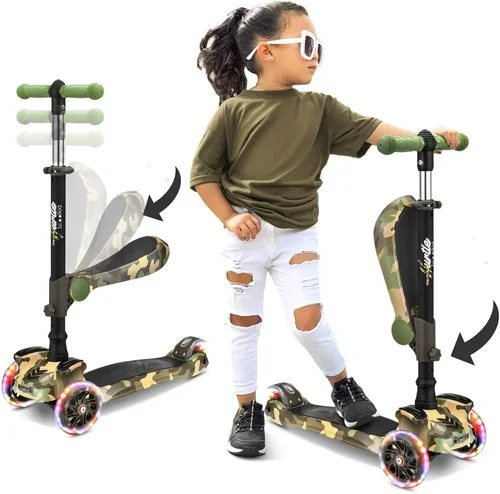
Electric scooters with seats have revolutionized personal urban mobility, offering a comfortable, eco-friendly, and efficient way to navigate city streets, commute to work, or simply enjoy a leisurely ride through the park. Whether you’re a daily commuter tired of traffic jams, a senior looking for a stable and low-effort transportation option, or someone who just wants a fun and practical way to get around, a seated scooter can be a game-changer. As we move into 2026, the market for smart scooters with seats has expanded dramatically, with innovations in battery technology, smart connectivity, safety features, and ergonomic design. With so many options available, choosing the right one can feel overwhelming—especially when you’re investing in something that affects your daily routine, comfort, and safety.
This comprehensive buying guide is designed to cut through the noise and help you make an informed, confident decision. We’ve tested, analyzed, and compared dozens of models from top brands like Gotrax, Segway-Ninebot, Xiaomi, and more to bring you expert insights that go beyond marketing claims. You’ll learn exactly what to look for in a scooter with a seat, how to avoid common pitfalls, and how to match your needs—whether that’s budget, range, portability, or performance—to the perfect model. From understanding motor power and battery life to evaluating build quality and smart features, this guide covers every critical factor. By the end, you’ll not only know which scooter is best for you but also how to get the best deal and keep it running smoothly for years.
The electric scooter market has matured significantly over the past few years, evolving from novelty gadgets into serious transportation tools. In 2026, seated scooters are no longer just for kids or casual riders—they’re being adopted by adults of all ages for practical, everyday use. Advances in lithium-ion batteries now allow for ranges exceeding 30 miles on a single charge, while improved suspension systems and wider tires deliver a smoother ride over uneven pavement. Smart features like app connectivity, GPS tracking, anti-theft alarms, and regenerative braking are becoming standard even on mid-tier models. At the same time, manufacturers are focusing on user comfort, with adjustable seats, ergonomic handlebars, and intuitive controls. With prices ranging from under $300 to over $2,000, there’s a seated scooter for nearly every budget and lifestyle. This guide will help you navigate that spectrum and find the model that offers the best balance of performance, comfort, durability, and value.
What to Look for When Buying Gotrax
1. Budget & Price Range
Your budget is the foundation of your purchasing decision. Seated electric scooters vary widely in price, from entry-level models under $300 to premium options exceeding $2,000. Setting a realistic budget helps narrow your options and prevents overspending on features you don’t need. However, it’s important to understand that price often correlates with quality—especially when it comes to battery life, motor power, and build materials. A $250 scooter might get you from point A to B, but it may lack durability, safety features, or long-term reliability. On the other hand, spending $1,500 on a high-end model might be overkill if you only plan to ride short distances a few times a week.
When setting your budget, consider not just the upfront cost but also long-term expenses like maintenance, replacement parts, and potential upgrades. For example, cheaper scooters often use lower-quality batteries that degrade faster, meaning you might need to replace them sooner. Additionally, some brands offer financing options or seasonal discounts that can make higher-end models more accessible. A good rule of thumb is to allocate at least $500–$700 for a reliable, mid-range scooter that balances performance and affordability. If you’re on a tight budget, look for models with strong warranties and good customer support—this can save you money down the line.
2. Performance Specifications
Performance is where many buyers make mistakes by focusing only on top speed. While speed matters, it’s just one piece of the puzzle. Key performance specs include motor power (measured in watts), battery capacity (watt-hours or Ah), range (miles per charge), and climbing ability (hill grade). A 250W motor might be sufficient for flat city streets, but if you live in a hilly area, you’ll want at least 350W–500W for consistent power. Battery capacity determines how far you can go—look for at least 7.5Ah for a 15–20 mile range, though 10Ah or higher is ideal for longer commutes.
Range is particularly tricky because manufacturers often quote ideal conditions (flat terrain, light rider, no wind). In real-world use, expect 20–30% less range. For example, a scooter advertised with a 25-mile range might realistically deliver 18–20 miles. Always check independent reviews for real-world range tests. Climbing ability is measured in degrees or percentage grade—most scooters can handle 10–15% grades, but steep hills may require dual motors or higher torque. Also consider acceleration: a scooter that takes too long to reach speed can be frustrating in traffic. Test rides (if possible) or video reviews can give you a sense of how responsive the throttle feels.
3. Build Quality & Durability
A scooter is only as good as its construction. Look for a sturdy frame made from aluminum alloy or reinforced steel—avoid plastic-heavy designs, which are prone to cracking. Check the weight capacity: most seated scooters support 220–300 lbs, but heavier riders should verify this spec. The deck should be wide enough to stand comfortably, and the seat should be securely mounted with minimal wobble. Pay attention to welds, joints, and folding mechanisms—these are common failure points.
Durability also extends to weather resistance. While no scooter is fully waterproof, many have IP ratings (e.g., IPX4 for splash resistance). If you ride in rain or wet conditions, choose a model with at least IPX4. Tires matter too: solid rubber tires are puncture-proof but offer a rougher ride; air-filled pneumatic tires provide better shock absorption but can go flat. Some premium models feature hybrid or tubeless tires for the best of both worlds. Finally, inspect the suspension—front, rear, or dual suspension significantly improves comfort on bumpy roads. A well-built scooter should feel solid and stable, even at higher speeds.
4. Features & Functionality
Modern scooters come packed with smart features that enhance safety, convenience, and usability. Start with the display: a clear, backlit LCD screen showing speed, battery level, and mode is essential. Some models include Bluetooth connectivity, allowing you to control settings via a smartphone app—features like cruise control, ride statistics, and firmware updates can be managed this way. GPS tracking and anti-theft alarms are increasingly common, especially in urban areas where scooter theft is a concern.
Safety features are non-negotiable. Look for bright LED headlights (at least 100 lumens), rear brake lights, and side reflectors. Disc brakes or electronic brakes offer better stopping power than drum or foot brakes, especially in wet conditions. Some scooters include regenerative braking, which recharges the battery slightly when you brake—this can extend range by 5–10%. Additional conveniences include USB charging ports, phone mounts, and built-in horns or bells. For seated models, adjustable seat height and backrests add comfort, especially on longer rides. Don’t overlook ease of use: intuitive controls, quick-fold mechanisms, and lightweight designs make daily use much more enjoyable.
5. Brand Reputation
Not all scooter brands are created equal. Established brands like Gotrax, Segway-Ninebot, Xiaomi, and Apollo have built reputations for reliability, customer service, and consistent quality. Gotrax, in particular, has become a household name in the budget to mid-range segment, offering a wide range of seated models with solid performance and good value. These brands invest in R&D, rigorous testing, and global support networks, which translates to better long-term ownership experiences.
When evaluating a brand, look beyond marketing. Check online reviews on platforms like Amazon, Reddit, and specialized forums. Pay attention to patterns: if multiple users report the same issue (e.g., battery failure after 6 months), it’s a red flag. Also consider the company’s history—how long have they been in business? Do they offer firmware updates? Are spare parts readily available? A reputable brand will stand behind its products with strong warranties and responsive customer service. Avoid unknown or no-name brands, even if they seem like a bargain—they often cut corners on safety and durability.
6. Warranty & Support
A good warranty is a sign of a manufacturer’s confidence in their product. Most reputable brands offer at least a 12-month limited warranty covering defects in materials and workmanship. Some premium models come with 18–24 months, and a few even offer extended plans for purchase. Read the fine print: warranties often exclude wear-and-tear items like tires, brakes, and batteries, or require registration within a certain timeframe.
Customer support is just as important. Can you easily contact the company via phone, email, or live chat? Do they have a comprehensive FAQ section or video tutorials? Are replacement parts (like seats, chargers, or motors) available for purchase? Brands with strong support networks make troubleshooting and repairs much easier. For example, Gotrax has a dedicated support portal with troubleshooting guides and a parts store, which is a big plus. Avoid brands with no clear support channels—you don’t want to be stuck with a broken scooter and no way to fix it.
7. Size & Portability
Even with a seat, many scooters are designed to be portable. If you plan to carry your scooter on public transit, store it in a small apartment, or take it on trips, weight and foldability matter. Most seated scooters weigh between 30–50 lbs—anything over 45 lbs can be difficult to lift regularly. Look for models with one-step folding mechanisms that lock securely. The folded dimensions should fit in a car trunk or under a desk.
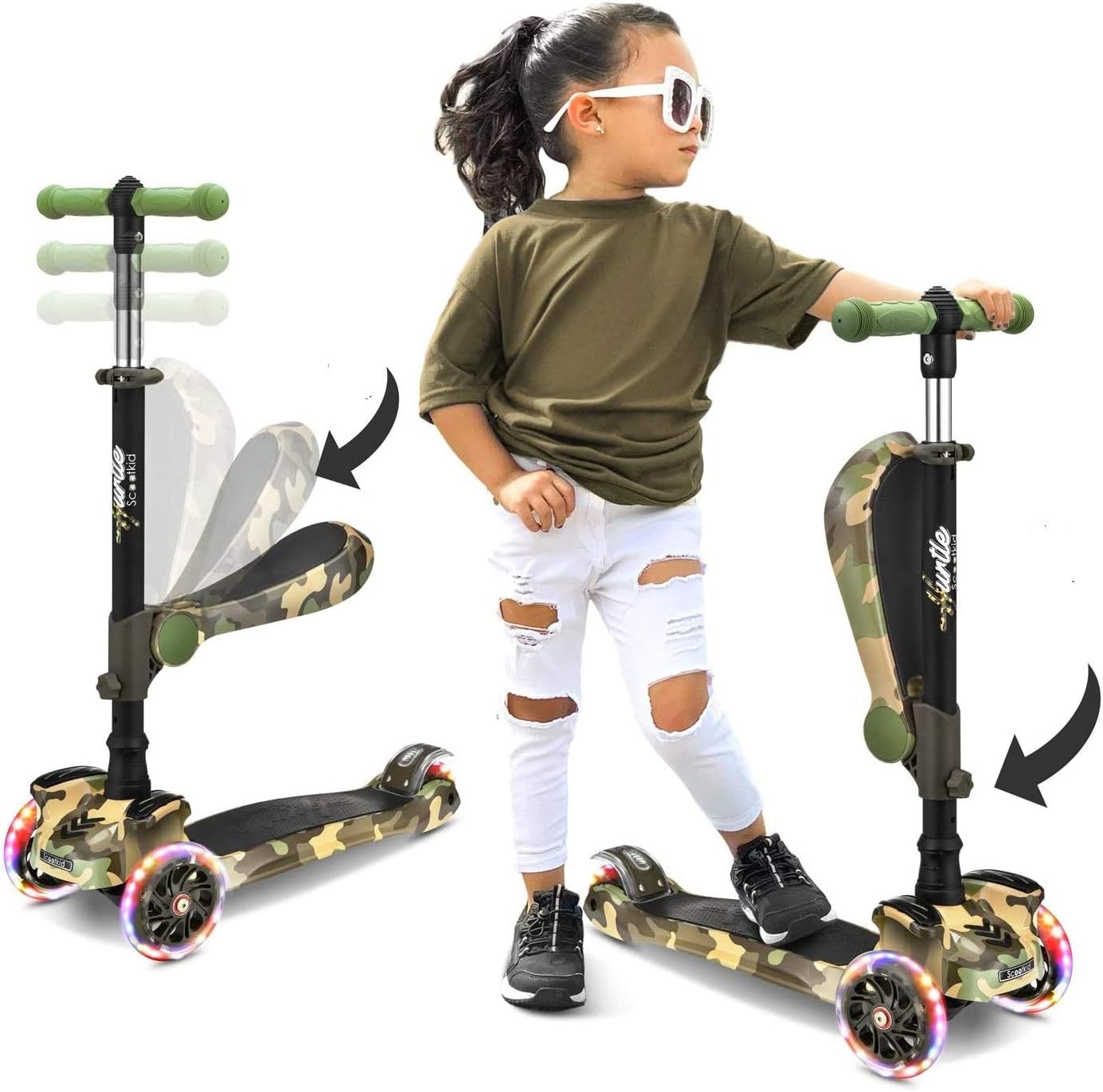
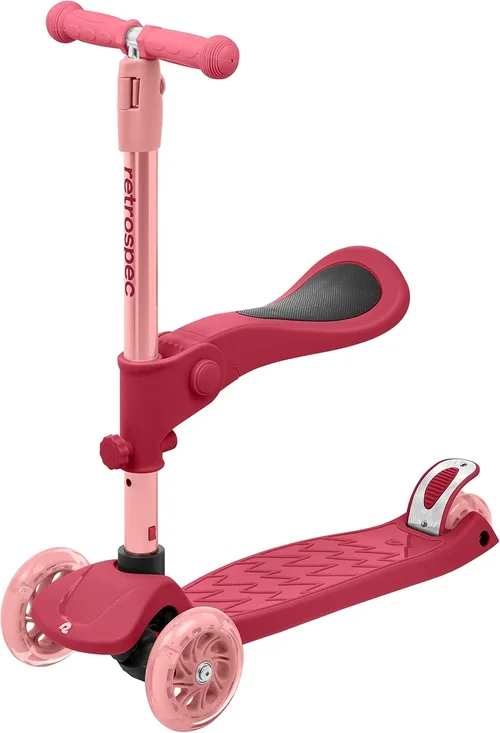
Consider the seat design: some seats are removable or foldable, which reduces bulk. Others are fixed but compact. If portability is a priority, look for scooters with telescoping handlebars and compact frames. However, don’t sacrifice stability for portability—a scooter that’s too light or narrow may feel wobbly at speed. Test the folded size and weight if possible, or check detailed measurements in the product specs. For frequent travelers, some brands offer travel bags with wheels for easier transport.
8. User Reviews & Ratings
User reviews are one of the most valuable resources when buying a scooter. They provide real-world insights that specs sheets can’t match. Look for detailed reviews that cover performance, comfort, durability, and customer service. Pay attention to both positive and negative feedback—consistent praise for battery life or build quality is a good sign, while recurring complaints about brake failure or app glitches are red flags.
Use multiple sources: Amazon, Best Buy, and specialized sites like Electric Scooter Insider or ScooterGrid offer balanced perspectives. Video reviews on YouTube are especially helpful—they show the scooter in action, including acceleration, braking, and ride quality. Be wary of overly promotional content or reviews that seem scripted. Also check the date of the review—technology changes fast, and a 2022 review may not reflect a 2026 model’s improvements. Finally, look at the overall rating distribution: a 4.5-star average with hundreds of reviews is more reliable than a 5-star rating from just a few users.
Different Types of Gotrax

Common Buying Mistakes to Avoid

❌ Mistake: Prioritizing Speed Over Safety
Why it’s bad: High-speed scooters can be thrilling, but they also increase the risk of accidents, especially for inexperienced riders. Many fast models lack adequate braking systems or stability controls, making them dangerous in traffic or wet conditions.
What to do instead: Focus on balanced performance. Choose a scooter with a top speed that matches your skill level and environment—15–20 mph is sufficient for most urban commutes. Prioritize models with reliable brakes, good suspension, and safety certifications.
❌ Mistake: Ignoring Real-World Range
Why it’s bad: Manufacturers often advertise ideal range under perfect conditions. If you rely on a scooter for daily commuting, falling short of the claimed range can leave you stranded.
What to do instead: Subtract 20–30% from the advertised range to estimate real-world performance. Choose a scooter with a battery capacity that exceeds your daily needs by at least 25%. For example, if you need 15 miles, aim for a 20+ mile range.
❌ Mistake: Overlooking Weight and Portability
Why it’s bad: A heavy or bulky scooter can be difficult to carry upstairs, store, or transport. This becomes a major inconvenience if you rely on public transit or have limited storage space.
What to do instead: Check the scooter’s weight and folded dimensions before buying. If portability is important, look for models under 40 lbs with compact folding designs. Consider removable seats or travel bags for added convenience.
❌ Mistake: Skipping the Warranty Check
Why it’s bad: Scooters have many moving parts and electronic components that can fail. Without a solid warranty, repairs can be costly—especially for batteries and motors, which are expensive to replace.
What to do instead: Always verify the warranty terms. Look for at least 12 months of coverage and check what’s included. Register your scooter promptly and keep records of purchase and maintenance.
❌ Mistake: Buying Based on Looks Alone
Why it’s bad: A stylish scooter may catch your eye, but aesthetics don’t guarantee performance or durability. Some flashy models sacrifice build quality for design.
What to do instead: Focus on functionality first. A well-designed scooter should feel stable, comfortable, and intuitive to ride. Use appearance as a secondary factor after verifying specs and reviews.
❌ Mistake: Not Testing Before Buying
Why it’s bad: Scooters handle differently based on weight distribution, suspension, and throttle response. What looks good on paper might feel awkward or unsafe in real life.
What to do instead: If possible, test ride the scooter at a local retailer or borrow one from a friend. Pay attention to comfort, balance, and ease of control. If in-person testing isn’t an option, watch detailed video reviews that show the scooter in action.
❌ Mistake: Ignoring Local Laws and Regulations
Why it’s bad: Electric scooter laws vary by city and country. Riding an illegal scooter can result in fines, confiscation, or accidents due to lack of infrastructure.
What to do instead: Research local regulations before purchasing. Check speed limits, helmet requirements, and where scooters are allowed (bike lanes, sidewalks, roads). Some areas require registration or insurance.
Budget Guidelines: How Much Should You Spend?
Entry-Level ($250 – $400): These scooters are ideal for casual use, short trips, or teens. Expect basic features: 250W motors, 10–15 mile range, minimal suspension, and simple displays. Build quality may be lighter, and warranties are often shorter. Best for flat terrain and light riders. Examples include the Gotrax GXL V2 or Xiaomi Mi Electric Scooter Essential.
Mid-Range ($500 – $900): This is the sweet spot for most buyers. These scooters offer a great balance of performance, comfort, and features. Look for 350W–500W motors, 18–25 mile range, better suspension, and smart features like app connectivity. Build quality is solid, and warranties typically cover 12–18 months. Ideal for daily commuting and urban riding. The Gotrax G4 and Segway Ninebot ES4 fall into this category.
Premium ($1,000 – $1,800): Designed for enthusiasts and long-distance riders, these scooters deliver high performance and advanced features. Expect 500W–1000W motors, 25–40 mile range, dual suspension, and premium materials. Many include GPS, regenerative braking, and high-capacity batteries. Perfect for hilly areas or riders who prioritize comfort and speed. Models like the Apollo City Pro or Gotrax G Max are excellent choices.
Luxury ($1,800+): These are top-tier scooters with cutting-edge technology and exceptional build quality. Features may include dual motors, all-terrain tires, full suspension, and advanced safety systems. They’re built for durability and performance, often with custom firmware and modular designs. Best for serious riders, off-road use, or those who want the best of the best. The Dualtron Thunder and Nanrobot D6+ are prime examples.
Expert Tips for Getting the Best Deal
- Buy During Sales Events: Major holidays like Black Friday, Cyber Monday, and Prime Day often feature significant discounts on electric scooters. Retailers like Amazon, Best Buy, and direct brand stores run promotions that can save you $100 or more.
- Check Manufacturer Websites: Brands like Gotrax frequently offer exclusive deals, bundle packages (e.g., scooter + helmet + lock), or extended warranties when you buy directly. Sign up for newsletters to get early access to sales.
- Consider Refurbished Models: Certified refurbished scooters from reputable sellers can offer 20–30% savings with full warranties. These are often returned items that have been inspected and repaired.
- Compare Retailers: Prices can vary between Amazon, Walmart, Target, and specialty stores. Use price tracking tools like Honey or CamelCamelCamel to monitor fluctuations and get alerts.
- Read Return Policies: Make sure the retailer offers a generous return window (at least 30 days) in case the scooter doesn’t meet your expectations. Some brands allow test rides or in-store demos.
- Look for Bundles: Many sellers offer packages that include helmets, locks, phone mounts, or carrying bags. These can add value and save you money compared to buying accessories separately.
- Join Online Communities: Forums and Facebook groups often share exclusive discount codes, flash sales, or user experiences that can influence your decision.
- Negotiate with Local Dealers: If buying in-store, don’t hesitate to ask for a discount, especially if you’re purchasing accessories or multiple items.

Frequently Asked Questions
Q: Are seated scooters safe for seniors?
A: Yes, many seated scooters are designed with seniors in mind. Look for models with low step-through frames, stable bases, and easy-to-use controls. Features like adjustable seats, good suspension, and reliable brakes enhance safety. Always wear a helmet and practice in a safe area before riding in traffic.
Q: How long do electric scooter batteries last?
A: Most lithium-ion batteries last 300–500 charge cycles, which translates to 1–3 years of daily use. Proper care—like avoiding extreme temperatures and not overcharging—can extend lifespan. Some brands offer battery replacement programs.
Q: Can I ride a scooter with a seat in the rain?
A: It depends on the model’s IP rating. Scooters with IPX4 or higher can handle light rain, but avoid deep puddles or heavy downpours. Wet conditions reduce traction and can damage electronics. Always dry your scooter after riding in wet weather.
Q: Do I need a license to ride an electric scooter?
A: In most U.S. states, no license is required for scooters under 20 mph. However, some cities have specific rules—check local regulations. Helmets are often recommended or required for riders under 18.
Q: How fast do seated scooters go?
A: Most range from 15–25 mph. Entry-level models cap at 15 mph, while premium scooters can reach 30+ mph. Speed depends on motor power, rider weight, and terrain.
Q: Can I take my scooter on a plane?
A: Most airlines allow electric scooters with lithium batteries under 160Wh in carry-on luggage. Check with your airline beforehand, as policies vary. Remove the battery if required.
Q: What’s the difference between hub motors and belt drives?
A: Hub motors are built into the wheel, offering direct power and low maintenance. Belt drives use a belt and pulley system, which can be quieter but require occasional tension adjustments. Hub motors are more common in modern scooters.
Q: How do I maintain my scooter?
A: Regular maintenance includes checking tire pressure, tightening bolts, cleaning the deck, and inspecting brakes. Lubricate moving parts as needed and store in a dry place. Follow the manufacturer’s maintenance schedule.
Q: Can I upgrade my scooter’s battery?
A: Some models allow battery upgrades, but it’s not common. Modifying the battery can void the warranty and pose safety risks. Consult the manufacturer before attempting any upgrades.
Q: Are there eco-friendly scooter options?
A: Yes, many brands focus on sustainability—using recyclable materials, energy-efficient motors, and solar-compatible charging. Look for certifications like Energy Star or carbon-neutral manufacturing.
Our Final Recommendations
Best for Budget-Conscious Buyers: Gotrax GXL V2 – At under $400, this scooter offers reliable performance, a comfortable seat, and a 15-mile range. It’s perfect for short commutes and casual riders who want quality without the high price tag.
Best Overall Value: Gotrax G4 – Priced around $600, the G4 delivers 20+ mile range, a 20 mph top speed, and smart features like app connectivity and regenerative braking. It’s a well-rounded choice for daily urban commuting.
Best Premium Option: Apollo City Pro – With a 40-mile range, dual suspension, and a powerful 500W motor, this scooter is built for performance and comfort. Ideal for long-distance riders and those who want top-tier features.
Best for Beginners: Segway Ninebot ES4 – Easy to ride, stable, and packed with safety features, the ES4 is perfect for first-time riders. Its modular design and app integration make it user-friendly and fun.
Best for Advanced Users: Dualtron Thunder 2 – This high-performance beast boasts dual motors, a 70-mile range, and speeds up to 50 mph. It’s built for enthusiasts who demand power, precision, and cutting-edge technology.
Conclusion: Making the Right Choice
Choosing the best scooter with a seat in 2026 is about more than just picking the fastest or most stylish model—it’s about finding the right balance of performance, comfort, safety, and value for your unique lifestyle. Whether you’re commuting to work, exploring your city, or simply enjoying a relaxing ride, the right scooter can transform your daily routine. By focusing on key factors like budget, build quality, battery life, and brand reputation, and by avoiding common pitfalls, you can make a confident, informed decision.
Remember, the best scooter is the one that fits your needs, not the one with the most features. Take the time to research, read reviews, and consider your long-term usage. And don’t forget to factor in maintenance, local laws, and safety gear. With the insights from this guide, you’re well-equipped to navigate the market and find a scooter that will serve you reliably for years to come. So charge up, buckle your helmet, and enjoy the ride—your perfect scooter is out there waiting.