
Electric dirt bikes have revolutionized off-road riding, offering silent power, instant torque, and zero emissions—without sacrificing performance. As we move into 2026, the market for full-size electric dirt bikes has matured dramatically. What once seemed like a niche alternative to gas-powered machines is now a legitimate contender for serious riders, weekend warriors, and even competitive motocross enthusiasts. With advancements in battery technology, motor efficiency, and frame design, today’s electric dirt bikes deliver thrilling acceleration, impressive range, and rugged durability. Whether you’re tearing up trails, practicing jumps at the local track, or simply exploring backcountry terrain, there’s never been a better time to go electric.
This comprehensive buying guide is designed to cut through the noise and help you make an informed decision. We’ve tested, analyzed, and compared the top models on the market to bring you expert insights that go beyond marketing claims. You’ll learn what truly matters when choosing a full-size electric dirt bike—from motor power and battery life to suspension quality and after-sales support. Our goal isn’t just to list products; it’s to equip you with the knowledge to match your riding style, budget, and long-term goals with the right machine. By the end of this guide, you’ll know exactly what to look for, what to avoid, and how to get the best value for your investment.
The full-size electric dirt bike market in 2026 is more diverse than ever. Major brands like Zero Motorcycles, KTM, Husqvarna, and emerging innovators like Cake and Sur Ron are pushing boundaries with cutting-edge tech and race-ready builds. Meanwhile, budget-friendly options from companies like Segway-Ninebot and Gotrax are making electric off-roading accessible to beginners and casual riders. With price points ranging from under $2,000 to well over $15,000, there’s a bike for nearly every rider profile. But with great variety comes complexity—and that’s where this guide steps in.

What to Look for When Buying a Full-Size Electric Dirt Bike
1. Motor Power and Torque Output
The heart of any electric dirt bike is its motor. Unlike gasoline engines that build power gradually, electric motors deliver maximum torque instantly—from zero RPM. This makes acceleration explosive and responsive, ideal for technical trails, hill climbs, and quick bursts out of corners. When evaluating motor specs, look beyond just peak horsepower (HP) or kilowatts (kW). Focus on continuous power rating and torque (measured in Newton-meters or lb-ft), as these reflect real-world performance better than peak numbers that may only last seconds.
For full-size bikes, a motor outputting 15–30 kW (20–40 HP) is typical for trail and enduro use, while high-performance motocross models can exceed 40 kW. Torque values above 150 Nm (110 lb-ft) provide strong low-end pull, crucial for navigating rocky terrain or steep inclines. Also consider motor type: mid-drive motors offer better weight distribution and chain efficiency, while hub motors are simpler but can add unsprung weight. Always check if the motor is liquid-cooled—air-cooled units may overheat during extended aggressive riding.
2. Battery Capacity and Range
Battery technology has improved significantly, but range anxiety remains a key concern for off-road riders. Battery capacity is measured in watt-hours (Wh)—the higher the number, the longer the ride. A typical full-size electric dirt bike carries a 3–7 kWh battery. For context, a 5 kWh pack might deliver 40–60 miles of mixed trail riding, though aggressive riding, hills, and cold weather can cut that by 30–50%.
Look for lithium-ion (Li-ion) or lithium-nickel-manganese-cobalt (NMC) chemistries, which offer high energy density and long cycle life. Avoid older lithium-iron-phosphate (LFP) packs unless they’re specifically optimized for performance—they’re heavier and less efficient at high discharge rates. Swappable batteries are a game-changer for serious riders: brands like Zero and Cake offer quick-swap systems that let you carry spare packs for all-day adventures. Charging time matters too—fast chargers (2–4 hours for 80%) are worth the extra cost if you plan frequent rides.
3. Suspension and Frame Geometry
Off-road riding demands a bike that can absorb impacts, maintain traction, and handle jumps with confidence. Full-size electric dirt bikes must have robust suspension systems—both front forks and rear shocks—with ample travel (typically 10–12 inches for motocross, 8–10 inches for enduro). Adjustable compression, rebound, and preload settings allow fine-tuning for rider weight and terrain.
Frame material is equally important. High-tensile steel offers durability and shock absorption but adds weight. Aluminum frames are lighter and stiffer, improving handling but potentially transmitting more vibration. Some premium models use chromoly steel for the best balance of strength, weight, and flex characteristics. Geometry affects stability and maneuverability: longer wheelbases enhance high-speed control, while shorter setups improve agility in tight trails. Always test ride if possible—or read detailed reviews that describe how the bike feels over whoops, ruts, and landings.
4. Weight and Weight Distribution
Electric dirt bikes tend to be heavier than their gas counterparts due to battery mass. A typical full-size model weighs 220–280 lbs, compared to 190–230 lbs for a comparable gas bike. While modern designs minimize this gap, excess weight impacts handling, especially in technical sections or when lifting the bike after a fall.
More critical than total weight is how that weight is distributed. Ideally, the battery should be mounted low and centrally to lower the center of gravity, improving cornering and reducing tip-over risk. Check the bike’s center of mass in specs or reviews—some manufacturers publish this data. Removable batteries also help: swapping in a lighter pack for trail riding or a high-capacity one for endurance can optimize performance for different conditions.
5. Build Quality and Durability
Off-road environments are brutal on machinery. Mud, water, rocks, and repeated impacts demand components built to last. Inspect welds on the frame—clean, consistent beads indicate quality fabrication. Look for sealed bearings, waterproof connectors, and corrosion-resistant hardware. Radiator guards (even on electric bikes, for motor/battery cooling), skid plates, and reinforced swingarms are signs of thoughtful design.
Brand reputation plays a role here. Established players like KTM and Husqvarna have decades of off-road engineering experience, while newer brands may cut corners to hit price targets. Read long-term user reviews to see how bikes hold up after 6–12 months of regular use. Pay attention to reports of motor failures, battery degradation, or frame cracks—these red flags can save you from costly repairs down the line.
6. Features and Functionality
Modern electric dirt bikes come packed with tech that enhances safety, performance, and convenience. Regenerative braking recovers energy during deceleration, extending range—especially useful on long descents. Multiple ride modes (Eco, Trail, Sport, Race) let you tailor power delivery to conditions. Some models include Bluetooth connectivity for app-based diagnostics, ride tracking, and firmware updates.
Other useful features include LED lighting for night riding, USB charging ports for devices, and smartphone mounts. Digital dashboards with real-time data (speed, battery %, range estimate) are standard on mid-to-high-end models. While not essential, these extras can significantly improve the riding experience. Just beware of “feature bloat”—some budget bikes advertise advanced tech but implement it poorly. Test functionality in person or watch detailed video reviews.
7. Brand Reputation and Dealer Network
Buying an electric dirt bike is a long-term commitment. You’ll need parts, service, and possibly software updates years down the road. Choose brands with strong reputations for reliability and customer support. Zero Motorcycles, for example, has a nationwide dealer network and excellent service records. KTM and Husqvarna offer global support and extensive spare parts availability.
Emerging brands may offer innovative designs but limited service infrastructure. If you live in a rural area, check whether local dealers carry the brand or if you’ll need to ship the bike for repairs. Online-only retailers might have lower prices, but they often lack hands-on support. Community forums and rider groups can provide real-world insights into brand reliability—don’t underestimate peer feedback.
8. Warranty and After-Sales Support
A comprehensive warranty protects your investment. Look for at least a 2-year coverage on the frame and motor, and 1–2 years on the battery (with clear terms on degradation limits—e.g., “70% capacity after 2 years”). Some premium brands offer extended warranties or battery replacement programs.
Support matters beyond the warranty period. Can you easily order replacement tires, brake pads, or controllers? Is there a responsive customer service team? Brands with dedicated electric vehicle support lines (not just general motorcycle客服) tend to resolve issues faster. Also consider software updates—some bikes receive performance tweaks or bug fixes via over-the-air updates, keeping your bike current without a shop visit.
Different Types of Full-Size Electric Dirt Bikes
Common Buying Mistakes to Avoid
❌ Mistake: Prioritizing Price Over Performance Needs
Why it’s bad: Buying the cheapest bike available often leads to frustration. A $2,000 model might lack sufficient power for hills or have a battery that dies after 20 minutes of aggressive riding. You’ll end up upgrading sooner than expected, costing more in the long run.
What to do instead: Match your budget to your riding intensity. Beginners can start modestly, but serious riders should invest in a bike that won’t hold them back. Consider total cost of ownership—including potential upgrades.
❌ Mistake: Ignoring Battery Degradation
Why it’s bad: Lithium batteries lose capacity over time. A bike advertised with “60-mile range” may only deliver 40 miles after two years. Without warranty protection, replacing a battery can cost $1,500–$3,000—half the bike’s value.
What to do instead: Check the battery warranty terms. Look for brands that guarantee a minimum capacity (e.g., 70% after 2 years) and offer affordable replacement programs.
❌ Mistake: Overlooking Service and Parts Availability
Why it’s bad: If your local dealer doesn’t stock parts or trained technicians, a simple repair could take weeks. Some online-only brands have no service network at all.
What to do instead: Choose a brand with a strong dealer presence in your region. Call local shops to confirm they service the brand before buying.
❌ Mistake: Assuming All “Full-Size” Bikes Are Equal
Why it’s bad: “Full-size” is loosely defined. Some bikes labeled as such are actually scaled-up youth models with weaker motors and shorter suspension travel.
What to do instead: Verify seat height (typically 34–37 inches for adults), wheelbase, and component specs. Compare against known benchmarks like the KTM Freeride E-XC.
❌ Mistake: Skipping the Test Ride
Why it’s bad: Electric bikes feel different—instant throttle response, no clutch, different weight balance. What looks good on paper might feel awkward or unstable in practice.
What to do instead: Attend demo days, rent before buying, or buy from retailers with generous return policies. Your comfort and confidence matter more than specs alone.
❌ Mistake: Neglecting Safety Gear Compatibility
Why it’s bad: Some electric bikes have unique geometries that don’t accommodate standard gear. Wide handlebars or tall seats may require custom helmets or body armor.
What to do instead: Ensure your current gear fits properly. If not, factor in the cost of new equipment when budgeting.
❌ Mistake: Falling for “Unlimited Range” Claims
Why it’s bad: Marketing materials sometimes suggest you can ride indefinitely by swapping batteries—but spare packs cost $1,000+ each and add significant weight.
What to do instead: Calculate realistic range needs. For most riders, one high-capacity battery suffices. Reserve swappable systems for expedition-style trips.
Budget Guidelines: How Much Should You Spend?
Entry-Level ($1,500 – $3,500): These bikes are ideal for beginners, kids transitioning to adult size, or casual weekend riders. Expect modest power (10–15 kW), shorter range (20–35 miles), and basic suspension. Brands like Gotrax, Segway, and some Sur Ron variants fall here. Build quality is adequate but may require more frequent maintenance. Great for learning basics without a huge investment.
Mid-Range ($3,500 – $8,000): This is the sweet spot for most riders. Bikes in this tier offer 15–25 kW motors, 3–5 kWh batteries, and capable suspension. Models like the Zero FX, Cake Kalk&, and Husqvarna EE 5 (scaled for adults) deliver excellent value. You’ll get reliable performance, decent range (40–70 miles), and better durability. Many include ride modes, regenerative braking, and app connectivity.
Premium ($8,000 – $15,000): Designed for enthusiasts and semi-pro riders. Expect 25–40+ kW motors, advanced battery management, race-grade suspension, and lightweight frames. Zero SR/F, KTM Freeride E-XC, and Cake Makka dominate here. These bikes handle aggressive riding, long trail days, and even amateur competition. Swappable batteries, fast charging, and comprehensive warranties are common.
Luxury ($15,000+): Top-tier machines built for professionals, collectors, or those who want the absolute best. Features include carbon fiber components, AI-assisted traction control, telemetry systems, and bespoke tuning. Range exceeds 80 miles, and build quality is flawless. Only a handful of riders truly need this level—but if budget isn’t a constraint, these bikes deliver unmatched performance and prestige.
Expert Tips for Getting the Best Deal
1. Buy During Off-Season (Late Fall to Early Spring): Dealers and manufacturers often discount current-year models to clear inventory for new releases. You can save 10–20% by shopping between November and March.
2. Consider Certified Pre-Owned (CPO) Models: Many brands now offer CPO electric dirt bikes with warranties. These have been inspected, refurbished, and often come with updated software. You get near-new performance at 20–40% off retail.
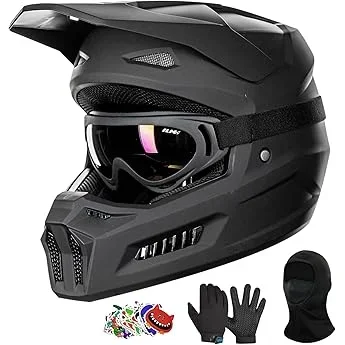
3. Negotiate Bundles: Ask for free gear (helmet, gloves), extended warranties, or spare batteries. Dealers are more likely to add value than slash prices outright.
4. Check Manufacturer Rebates and Incentives: Some states offer tax credits or rebates for electric vehicle purchases. Zero Motorcycles, for example, has partnered with utility companies for charging incentives.
5. Read the Fine Print on Returns: Ensure the retailer allows returns within 14–30 days, especially if buying online. Test the bike thoroughly during this window.
6. Join Rider Communities: Forums like Electric Motorcycle Forum or Facebook groups often share exclusive promo codes, group buys, or dealer incentives.
7. Compare Total Cost of Ownership: Factor in electricity costs (minimal—about $0.50 per charge), maintenance (lower than gas bikes), and potential resale value. Electric bikes depreciate slower due to fewer moving parts.
8. Verify Software Update Policies: Some brands charge for performance upgrades or new features. Choose companies that provide free updates—this keeps your bike current and can even improve range or power over time.

Frequently Asked Questions
Q: How far can a full-size electric dirt bike really go on one charge?
A: Real-world range varies widely based on terrain, rider weight, and riding style. On average, expect 30–60 miles for trail riding and 20–40 miles for aggressive motocross use. Eco mode can extend range by 20–30%, while constant wheelies and hill climbs will drain the battery quickly. Always carry a charger or plan routes near power sources for longer adventures.
Q: Are electric dirt bikes reliable compared to gas bikes?
A: Yes—often more so. Electric motors have far fewer moving parts, eliminating issues like carburetor problems, oil changes, or valve adjustments. However, batteries and electronics can fail if poorly designed. Stick with reputable brands and follow charging best practices (avoid deep discharges, store at 50% charge in winter).
Q: Can I ride an electric dirt bike in the rain or through water?
A: Most modern electric dirt bikes are water-resistant (IP67 rating or similar), meaning they can handle splashes, puddles, and light rain. However, submerging the bike or riding in heavy downpours can damage electronics. Avoid deep water crossings unless the manufacturer explicitly states it’s safe.
Q: Do I need a license to ride an electric dirt bike off-road?
A: On private property or designated off-road areas, no license is typically required. However, if the bike is street-legal (DOT-compliant), you’ll need a motorcycle endorsement and registration. Always check local laws—some states classify high-power e-bikes as motorcycles regardless of use.
Q: How long does it take to charge an electric dirt bike?
A: With a standard Level 1 charger (110V), expect 6–10 hours for a full charge. Level 2 chargers (240V) reduce this to 2–4 hours. Fast chargers (DC) can reach 80% in under 2 hours but may degrade batteries faster if used excessively. Invest in a quality charger compatible with your bike’s BMS (Battery Management System).
Q: Can I upgrade the battery later for more range?
A: Some brands offer higher-capacity battery options as upgrades (e.g., Zero’s 7.2 kWh → 14.4 kWh). Others use proprietary packs that aren’t user-replaceable. Check compatibility before buying—and note that upgrading may void warranties or require dealer installation.
Q: Are electric dirt bikes quieter than gas bikes?
A: Absolutely. Electric bikes produce a high-pitched whine instead of engine roar, reducing noise pollution by 90% or more. This allows riding in noise-sensitive areas and enhances focus on terrain sounds—a safety advantage.
Q: What happens if the battery dies mid-ride?
A: Unlike gas bikes, you can’t “coast” far on an electric bike. Most models have a reserve mode that provides 5–10 minutes of low-power riding to reach a safe spot. Carry a portable charger or plan routes with bailout options. Swappable batteries eliminate this worry entirely.
Q: Can kids or teens ride full-size electric dirt bikes?
A: Only if they’re physically capable and properly trained. Full-size bikes are heavy and powerful—unsuitable for most under-16 riders. Consider youth-specific models or adjustable suspension bikes that grow with the rider.
Q: How do I maintain an electric dirt bike?
A: Maintenance is simpler than gas bikes: no oil changes, air filters, or spark plugs. Focus on chain lubrication, brake pad inspection, tire pressure, and keeping connectors clean and dry. Check battery terminals periodically and store the bike in a dry, temperate environment.
Our Final Recommendations
Best for Budget-Conscious Buyers: Gotrax GX1 Electric Dirt Bike – At under $2,500, the GX1 offers surprising value with a 15 kW motor, 40-mile range, and decent suspension. Ideal for beginners and light trail use. Just don’t expect race-day performance.
Best Overall Value: Zero FX – Priced around $11,000, the FX balances power (27 kW), range (up to 135 miles city), and build quality. Swappable batteries, robust frame, and excellent dealer support make it a versatile choice for trail, enduro, and even light dual-sport use.
Best Premium Option: KTM Freeride E-XC – A true performance machine with 44 kW peak power, WP suspension, and a lightweight chromoly frame. Built for serious off-roaders who demand precision and durability. Expect to pay $14,000+, but it’s worth every penny for advanced riders.
Best for Beginners: Segway Xyber – With adjustable power modes, low seat height, and intuitive controls, the Xyber ($3,200) is perfect for new riders. It’s forgiving yet capable enough to grow with your skills.
Best for Advanced Users: Cake Kalk OR – Minimalist design meets extreme performance. The Kalk OR delivers instant torque, race-ready handling, and a focus on pure off-road capability. At $13,500, it’s for riders who prioritize function over frills.
Conclusion: Making the Right Choice
Choosing the best full-size electric dirt bike in 2026 isn’t just about picking the fastest or most expensive model—it’s about finding the right match for your riding style, terrain, and long-term goals. We’ve covered everything from motor specs and battery life to budget tiers and common pitfalls. Remember: a bike that excels on motocross tracks may struggle on remote trails, and a budget model might frustrate an experienced rider.
Prioritize your needs. If you’re new to off-roading, start with a reliable mid-range bike and upgrade as your skills improve. If you’re a seasoned rider, invest in performance and durability. And always factor in support, warranty, and real-world range—not just flashy specs.
Electric dirt bikes represent the future of off-road riding: cleaner, quieter, and more accessible than ever. With the right choice, you’ll enjoy years of thrilling adventures with minimal environmental impact. So gear up, charge up, and hit the trails—your perfect electric ride is out there waiting.