
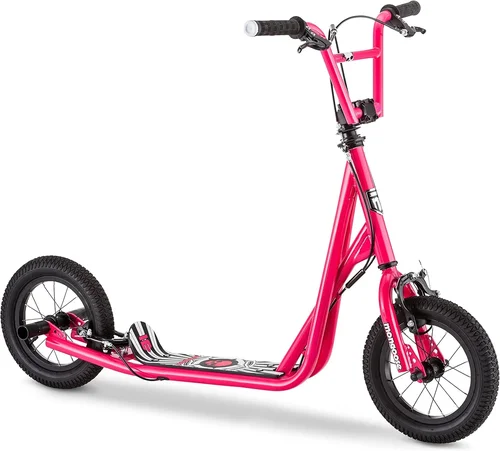
Electric scooters have evolved from novelty toys into serious transportation solutions, and the 20 mph segment sits right at the sweet spot between speed, safety, and practicality. Whether you’re commuting across town, running errands, or just exploring your neighborhood, a scooter that hits 20 mph offers enough velocity to keep up with urban traffic without crossing into high-speed territory that demands advanced riding skills or specialized gear. In 2026, this category is more competitive than ever—brands like Gotrax, Segway-Ninebot, Xiaomi, and emerging players are pushing the boundaries of performance, battery life, and smart features.
This guide exists because choosing the right electric scooter isn’t as simple as picking the fastest or cheapest model. With so many options flooding the market, it’s easy to get overwhelmed by specs, marketing claims, and conflicting user reviews. Our goal is to cut through the noise and give you a clear, expert-backed roadmap to finding the best 20 mph electric scooter for your specific needs. You’ll learn how to evaluate key factors like build quality, range, portability, and after-sales support—not just what the box says, but what real-world riders experience day after day.
The 20 mph electric scooter market in 2026 is mature, diverse, and packed with innovation. From ultra-portable commuter models under 25 pounds to rugged all-terrain beasts with dual suspension, there’s a scooter for nearly every lifestyle and budget. However, not all 20 mph scooters are created equal. Some achieve that top speed only briefly under ideal conditions, while others maintain it consistently thanks to robust motors and well-engineered drivetrains. This guide will help you distinguish between flashy specs and meaningful performance, so you invest in a scooter that delivers reliability, comfort, and value over the long haul.

What to Look for When Buying a 20 mph Electric Scooter
1. Motor Power & Real-World Performance
Motor power is often listed in watts (W), but don’t let raw numbers fool you. A 350W motor might claim a 20 mph top speed, but if it’s underpowered for the scooter’s weight or lacks torque, you’ll struggle on inclines or with a full load. Look for continuous power ratings rather than peak or “burst” power. For consistent 20 mph performance—especially on hills or with a rider over 160 lbs—aim for at least a 350W continuous motor, with 500W+ being ideal for mixed terrain.
Also consider motor type: hub motors (integrated into the wheel) are common and efficient, while geared hub motors offer better torque at lower speeds. Mid-drive motors are rare in this class but provide superior balance and control. Test rides (if possible) reveal more than spec sheets—feel how the scooter accelerates from a stop and handles gentle slopes.
2. Battery Capacity & Real Range
Battery capacity is measured in watt-hours (Wh), and it directly impacts how far you can go on a single charge. A scooter rated for 20 mph with a 250Wh battery may only deliver 8–10 miles in real-world conditions—especially if you’re riding aggressively, carrying cargo, or facing headwinds. For reliable daily commuting, aim for at least 360Wh, which typically translates to 15–20 miles of range.
Pay attention to battery chemistry too: lithium-ion (Li-ion) is standard and offers good energy density and longevity. Avoid older lead-acid or low-quality LiFePO4 packs unless they’re from reputable brands. Also check charging time—most 20 mph scooters take 4–6 hours to recharge fully. Fast-charging models (under 3 hours) are becoming more common and worth the premium if you need quick turnarounds.
3. Build Quality & Frame Materials
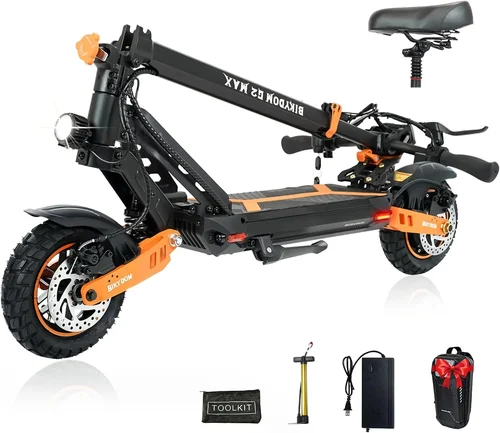
A scooter that hits 20 mph generates significant vibration and stress on its frame, especially over uneven pavement. Cheap aluminum alloys or thin-gauge steel can flex, crack, or fatigue over time. Look for scooters with reinforced joints, double-wishbone forks, and aircraft-grade aluminum (like 6061-T6) in the deck and stem.
Weld quality matters too—inspect photos or reviews for clean, consistent welds without cracks or gaps. Folding mechanisms should feel solid when locked, with minimal wobble. A well-built scooter will feel stable at speed and inspire confidence during sudden stops or sharp turns. Don’t underestimate the importance of a sturdy kickstand and non-slip deck texture—these small details prevent accidents and extend usability.
4. Braking System & Safety Features
At 20 mph, stopping power is non-negotiable. Single mechanical disc brakes may suffice for light riders on flat terrain, but dual braking systems (disc + electronic or regenerative) are strongly recommended. Regenerative braking not only improves safety but also recaptures energy to extend range slightly.
Look for scooters with responsive brake levers and minimal lag. Some models include ABS-like modulation to prevent wheel lockup—a critical feature for wet or slippery surfaces. Additional safety perks include bright LED headlights (at least 100 lumens), rear brake lights, reflectors, and audible horns or bells. In 2026, many premium models now feature automatic brake lights that activate when you slow down, enhancing visibility to drivers.
5. Tires & Suspension
Tire type dramatically affects ride comfort and traction. Solid rubber tires are puncture-proof and low-maintenance but offer a harsh ride on rough roads. Pneumatic (air-filled) tires provide superior cushioning and grip, making them ideal for city commuting with potholes and curbs. Hybrid tires (semi-pneumatic) are a middle ground—they resist flats better than full air tires while still absorbing shocks.
Suspension is another key factor. Entry-level scooters often skip it entirely, leading to jarring rides. Front suspension (spring or hydraulic) is common and effective; dual suspension (front and rear) is best for longer rides or rougher terrain. If you plan to ride daily over varied surfaces, prioritize scooters with at least front suspension and 8.5-inch or larger tires for better stability.
6. Weight & Portability
Even if you don’t plan to carry your scooter often, weight impacts maneuverability and ease of storage. Most 20 mph scooters weigh between 25 and 35 pounds. Anything over 30 lbs becomes cumbersome for frequent lifting—especially up stairs or onto public transit.
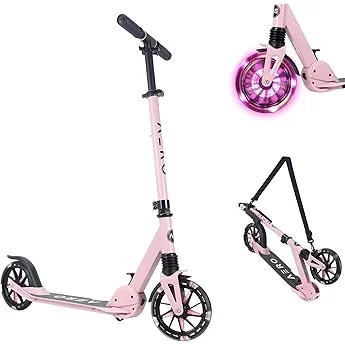
Folding design is essential for portability. Check how compact the scooter folds and whether it includes a carrying handle or strap. Some models feature telescoping stems or removable batteries for even easier transport. If you’re tall, ensure the handlebar height is adjustable—many budget scooters have fixed stems that force an uncomfortable riding posture.
7. Smart Features & Connectivity
In 2026, smart features are no longer just gimmicks—they enhance usability and security. Bluetooth connectivity via companion apps lets you monitor battery health, adjust speed modes, track rides, and even lock the scooter remotely. GPS tracking (via app or built-in module) helps recover stolen units, a growing concern in urban areas.
Other useful tech includes customizable LED displays, cruise control (for hands-free steady speeds), and anti-theft alarms. While these features add cost, they significantly improve the ownership experience. Just ensure the app is well-maintained—abandoned apps can render smart functions useless after a year or two.
8. Warranty & Customer Support
A scooter is a mechanical device—things will break. A strong warranty (at least 12 months, preferably 18–24) signals manufacturer confidence. Look for coverage that includes the motor, battery, and frame—not just cosmetic parts. Battery warranties are especially important; many brands offer 6–12 months, but some premium models now include 2-year battery coverage.
Customer support matters just as much. Check if the brand offers phone, email, or live chat support, and read user forums to see how quickly issues are resolved. Brands with local service centers or authorized repair networks (like Gotrax’s partnership with select retailers) make maintenance far easier than mailing units overseas.
Different Types of 20 mph Electric Scooters

Common Buying Mistakes to Avoid
❌ Mistake: Chasing the Highest Top Speed Claim
Why it’s bad: Many scooters advertise “up to 20 mph,” but this is often achieved only under perfect conditions—light rider, flat ground, full battery. In reality, you may rarely hit that speed, especially with cargo or on hills.
What to do instead: Focus on consistent performance. Read detailed reviews that test speed across multiple scenarios. Look for scooters with strong torque and responsive acceleration, not just peak speed numbers.
❌ Mistake: Ignoring Real-World Range
Why it’s bad: Manufacturers often cite range based on ideal conditions (slow speed, no wind, lightweight rider). If you need 15 miles to get to work, a scooter rated for “up to 20 miles” might leave you stranded.
What to do instead: Assume real-world range is 20–30% lower than advertised. Choose a scooter with a battery capacity that gives you a comfortable buffer—ideally 25% more range than your daily needs.
❌ Mistake: Overlooking Tire Type
Why it’s bad: Solid tires save you from flats but deliver a bone-jarring ride on city streets. Pneumatic tires offer comfort but require occasional inflation and are prone to punctures if not maintained.
What to do instead: Match tire type to your terrain. For urban commuting with potholes, go pneumatic. For campus or smooth paths, solids may suffice. Consider hybrid tires if you want a balance.
❌ Mistake: Skipping the Test Ride
Why it’s bad: Specs don’t tell you how a scooter feels. A poorly balanced scooter can wobble at speed, while a stiff deck causes foot fatigue on long rides.
What to do instead: Whenever possible, test ride before buying. Many retailers and scooter shops offer demo units. If buying online, check return policies—some brands allow 14–30 day trials.
❌ Mistake: Neglecting After-Sales Support
Why it’s bad: A broken throttle or dead battery can render your scooter useless. Without reliable support, repairs take weeks or cost more than the scooter is worth.
What to do instead: Research the brand’s reputation for customer service. Look for active community forums, responsive support teams, and accessible spare parts.
❌ Mistake: Buying Based Solely on Price
Why it’s bad: The cheapest scooter often cuts corners on safety, durability, and components. You may end up replacing it within a year, costing more long-term.
What to do instead: View your scooter as an investment. Spend a little more for proven reliability—especially on critical parts like brakes, battery, and frame.
❌ Mistake: Forgetting About Local Laws
Why it’s bad: Some cities restrict e-scooter speeds, require helmets, or ban riding on sidewalks. A 20 mph scooter might be illegal in your area without registration.
What to do instead: Check local regulations before purchasing. Some scooters offer speed limiters or geo-fencing to comply with municipal rules.
Budget Guidelines: How Much Should You Spend?
Entry-Level ($250–$400): These scooters are great for casual riders or teens. Expect basic 250–350W motors, 8–12 mile range, solid tires, and minimal features. Build quality can vary—look for reputable brands like Gotrax or Razor. Ideal for short, flat commutes under 5 miles.
Mid-Range ($400–$700): This is the sweet spot for most buyers. Scooters here offer 350–500W motors, 15–20 mile range, pneumatic or hybrid tires, and better suspension. Brands like Segway-Ninebot and Xiaomi dominate this tier with reliable performance and decent smart features. Perfect for daily commuting up to 10 miles.
Premium ($700–$1,000): Designed for enthusiasts and serious commuters. Expect 500W+ motors, dual suspension, advanced braking, and high-capacity batteries (400Wh+). Many include app connectivity, GPS tracking, and premium materials. These scooters handle hills, longer distances, and varied terrain with ease.
Luxury ($1,000+): Top-tier models with cutting-edge tech, aerospace-grade frames, and exceptional build quality. Features may include regenerative braking, full-color displays, integrated lighting systems, and extended warranties. Best for riders who demand the ultimate in performance, comfort, and durability.
Expert Tips for Getting the Best Deal
1. Buy During Off-Peak Seasons: Scooter sales dip in winter (November–February). Retailers often offer discounts to clear inventory before spring launches. Black Friday and Cyber Monday are prime times for deals.
2. Shop Direct from Manufacturers: Brands like Gotrax and Segway frequently run exclusive promotions on their websites—free shipping, extended warranties, or bundled accessories. You’ll also get the most accurate product info and direct support.
3. Compare Total Cost of Ownership: A cheaper scooter may cost more long-term due to frequent repairs or short battery life. Factor in expected maintenance, replacement parts, and battery degradation over 2–3 years.
4. Read Long-Term User Reviews: Amazon and Reddit reviews from owners with 6+ months of experience reveal durability issues that initial reviews miss. Look for patterns—repeated complaints about throttles or brakes are red flags.
5. Check Return & Trial Policies: Some retailers (like Best Buy or REI) offer 30-day returns. Others, like Amazon, allow returns within 30 days even if opened. Avoid sellers with strict “no returns” policies unless the brand has stellar reliability.
6. Consider Refurbished or Open-Box Models: Certified refurbished scooters from reputable sellers often come with full warranties at 20–30% off retail. These are thoroughly tested and ideal for budget-conscious buyers.
7. Join Scooter Communities: Online forums like r/ElectricScooters on Reddit or Facebook groups share deal alerts, repair tips, and brand updates. Members often post exclusive discount codes.
8. Negotiate with Local Dealers: Independent scooter shops may price-match online retailers or throw in free accessories (helmet, lock, phone mount) to win your business.

Frequently Asked Questions
Q: Can I ride a 20 mph electric scooter on sidewalks?
A: It depends on local laws. Many cities prohibit e-scooters on sidewalks, especially at higher speeds. Always check municipal regulations—some require riding only in bike lanes or roads with speed limits under 35 mph.
Q: How long does the battery last before needing replacement?
A: Most lithium-ion batteries retain 80% capacity after 500–800 charge cycles, which translates to 1.5–3 years of daily use. Proper care (avoiding full discharges, storing at 50% charge in winter) extends lifespan.
Q: Are 20 mph scooters safe for beginners?
A: Yes, with proper training. Start in low-speed mode, wear a helmet, and practice in empty parking lots. Avoid busy streets until you’re comfortable with braking and balance at higher speeds.
Q: Do I need insurance for my electric scooter?
A: In most U.S. states, no—but some cities require liability coverage for shared scooters. If you cause an accident, personal injury protection through homeowner’s or renter’s insurance may apply. Check local requirements.
Q: Can I take my scooter on public transit?
A: Most buses and trains allow folded scooters, but policies vary. Amtrak, for example, permits scooters under 30 lbs. Call ahead or check transit authority websites for rules.
Q: What’s the difference between regenerative and electronic braking?
A: Electronic braking uses the motor to slow the scooter (no physical contact), while regenerative braking converts kinetic energy back into battery charge. Regen is more efficient but less powerful than disc brakes—best used in combination.
Q: How do I maintain my scooter’s battery?
A: Avoid draining it to 0% regularly. Charge when it drops to 20–30%. Store in a cool, dry place (not in a hot car). Use the manufacturer’s charger—third-party chargers can damage cells.
Q: Are there weight limits I should worry about?
A: Yes. Most 20 mph scooters support 220–260 lbs. Exceeding this can strain the motor, reduce range, and compromise braking. Heavier riders should look for reinforced frames and higher-wattage motors.
Q: Can I upgrade my scooter’s battery for more range?
A: Generally no—batteries are integrated and matched to the motor and controller. Aftermarket upgrades are rare and often void warranties. Instead, choose a model with sufficient range upfront.
Q: What should I do if my scooter gets wet?
A: Most scooters are water-resistant (IP54), not waterproof. Wipe down after rain, dry the charging port, and avoid submerging. If water enters the battery compartment, stop use immediately and contact support.
Our Final Recommendations
Best for Budget-Conscious Buyers: Gotrax GXL V2 – At around $350, it delivers reliable 19 mph top speed, 12-mile range, and solid build quality. Great for students or short commutes. Lacks suspension but offers excellent value.
Best Overall Value: Segway Ninebot ES4 – Priced near $600, it combines a 19 mph speed, 28-mile range (with extender battery), dual suspension, and robust app features. Ideal for daily commuters who want comfort and tech.
Best Premium Option: Apollo City 2026 – At $999, it boasts a 20 mph speed, 30-mile range, dual hydraulic brakes, and premium materials. Perfect for riders who refuse to compromise on performance or build quality.
Best for Beginners: Xiaomi Mi Electric Scooter 4 Lite – Lightweight (26 lbs), intuitive controls, and smooth ride make it ideal for new riders. Hits 18.6 mph (close to 20) and includes helpful safety features like automatic headlights.
Best for Advanced Users: Dualtron Mini 2026 – A performance powerhouse with 20 mph top speed, 30-mile range, and customizable ride modes. Features a high-resolution display, app tuning, and exceptional hill-climbing ability. Best for tech-savvy riders who love tinkering.
Conclusion: Making the Right Choice
Choosing the best 20 mph electric scooter in 2026 comes down to aligning your needs with the right balance of performance, portability, and price. Don’t let flashy specs or aggressive marketing sway you—focus on real-world reliability, safety, and long-term value. Whether you’re a student zipping across campus, a professional navigating city streets, or an adventurer exploring trails, there’s a scooter built for your lifestyle.
Remember: the cheapest option isn’t always the most economical, and the fastest scooter isn’t always the safest. Prioritize build quality, braking performance, and customer support. Take advantage of test rides, read long-term reviews, and invest in protective gear. Your scooter should enhance your daily routine, not become a source of frustration or expense.
With the insights from this guide, you’re equipped to make a confident, informed decision. So go ahead—hit the road, enjoy the ride, and embrace the freedom that comes with efficient, eco-friendly mobility. Your perfect 20 mph electric scooter is out there. Now go find it.