
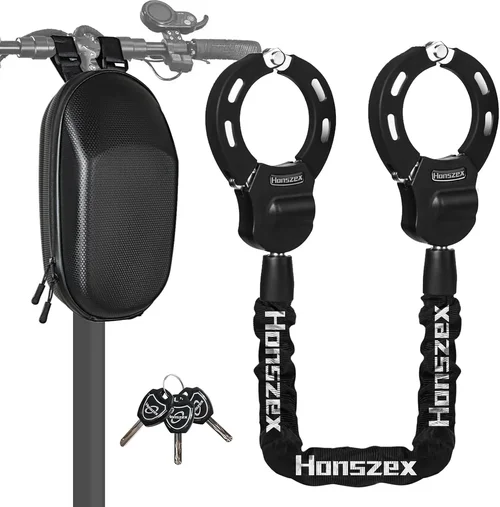
Electric scooters have revolutionized urban mobility, offering a fast, eco-friendly, and affordable way to navigate city streets. But with rising popularity comes increased risk—e-scooter theft is on the rise in major cities worldwide. Whether you’re commuting daily, running errands, or just enjoying a weekend ride, leaving your e-scooter unattended without proper protection is like inviting trouble. That’s where a high-quality lock becomes not just an accessory, but a necessity.
This comprehensive buying guide is designed to help you make an informed decision when choosing the best lock for your e-scooter in 2026. We’ll walk you through every critical factor—from security ratings and build materials to smart features and budget considerations—so you can protect your investment with confidence. Whether you’re a casual rider or a daily commuter, understanding what makes a lock truly effective will save you time, money, and stress down the road. The market is flooded with options, from basic cable locks to advanced GPS-enabled smart locks, and knowing which one fits your lifestyle is key.
In this guide, we’ll break down the essential features to look for, compare different types of locks, highlight common mistakes to avoid, and provide expert-backed recommendations tailored to various needs and budgets. By the end, you’ll have a clear roadmap to selecting a lock that offers maximum security, durability, and convenience—without overspending or compromising on safety.

What to Look for When Buying Gotrax
1. Security Rating & Anti-Theft Features
When it comes to protecting your e-scooter, the most important factor is the lock’s ability to resist tampering and forced entry. Look for locks that carry independent security certifications such as Sold Secure ratings (Bronze, Silver, Gold, or Diamond), which are awarded by a UK-based testing organization. These ratings are based on rigorous tests simulating real-world attack methods like bolt cutters, angle grinders, and lock-picking tools. A Gold or Diamond-rated lock offers significantly higher resistance than uncertified models.
Beyond certification, examine the lock’s design. Disc detainer locks, for example, are harder to pick than traditional pin tumbler systems. Some high-end models feature anti-drill plates and hardened steel shackles that resist cutting. Smart locks may include tamper alerts that send notifications to your phone if someone tries to break the lock. Always prioritize locks with multiple layers of defense—physical strength combined with electronic safeguards gives you the best protection.
2. Build Quality & Durability
A lock is only as strong as its weakest component. High-quality materials like hardened boron steel or manganese alloy are essential for resisting cutting and prying. Avoid locks made from soft metals or flimsy plastics—they can be compromised with basic tools in under a minute. The shackle (the U-shaped part of the lock) should be thick—ideally 12mm or more—and fully enclosed to prevent leverage attacks.
Weather resistance is another critical aspect. Since e-scooters are often parked outdoors, your lock must withstand rain, snow, and temperature fluctuations. Look for locks with corrosion-resistant coatings and sealed mechanisms to prevent rust and internal damage. Some premium models even feature rubberized exteriors that protect both the lock and your scooter’s paint from scratches.
3. Lock Type & Mechanism
The type of lock you choose directly impacts both security and convenience. The most common options include U-locks (also called D-locks), chain locks, cable locks, folding locks, and smart electronic locks. U-locks are compact and highly resistant to cutting, making them ideal for quick stops. Chain locks offer flexibility and can secure larger frames or multiple bikes, but they’re heavier. Cable locks are lightweight and portable but offer minimal security—best used only as a secondary deterrent.
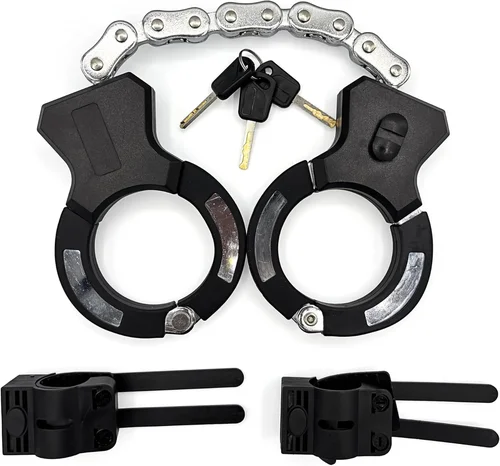
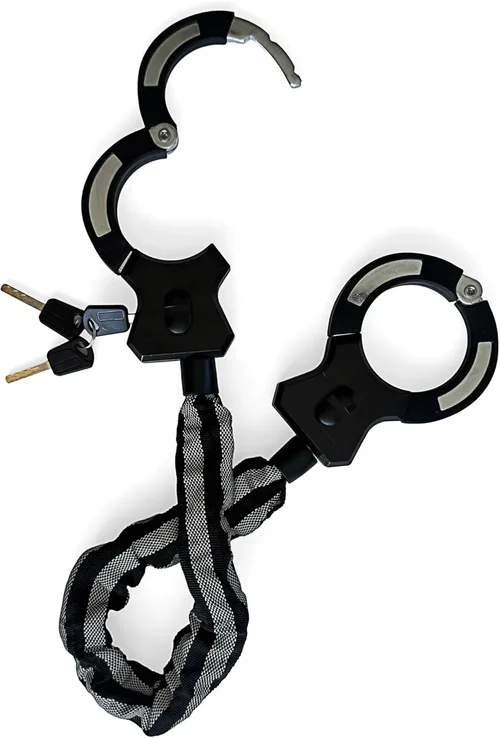
Folding locks strike a balance between portability and strength, with interlocking steel segments that resist cutting. Smart locks, on the other hand, use Bluetooth or cellular connectivity to allow keyless entry, remote locking, and real-time alerts. Some even integrate GPS tracking so you can locate your scooter if it’s stolen. Choose a mechanism that aligns with your usage pattern: frequent short stops favor U-locks, while longer parking durations may benefit from smart or chain locks.
4. Portability & Weight
One of the biggest challenges with e-scooter locks is balancing security with portability. A heavy-duty chain lock might be nearly impossible to cut, but carrying it around all day defeats the purpose of owning a lightweight scooter. Consider how often you’ll be transporting the lock and where you’ll store it—many riders attach locks to their scooter’s frame using mounting brackets.
Weight matters, especially for commuters who ride long distances. Look for locks under 2.5 pounds if you prioritize ease of carrying. U-locks and folding locks tend to be the lightest, while chain locks can weigh 4–6 pounds. Some smart locks are designed with integrated mounts that allow them to double as a carrying handle, improving convenience without sacrificing security.
5. Ease of Use & Convenience Features
A lock that’s difficult to use won’t get used at all. Look for models with smooth locking mechanisms, intuitive key or app controls, and quick-release features. Keyed locks should have ergonomic keys that don’t jam, while combination locks should have clearly marked dials. Smart locks often allow you to unlock via smartphone app, fingerprint, or NFC tag—ideal for riders who hate fumbling with keys.
Additional convenience features include auto-locking (the lock engages when you walk away), LED indicators for battery status, and compatibility with bike racks or scooter-specific mounting systems. Some locks even come with built-in alarms that sound when tampered with, adding another layer of deterrence.
6. Compatibility with Your E-Scooter
Not all locks fit all scooters. Measure the diameter of your scooter’s frame, handlebars, and wheels to ensure the lock can secure it properly. A U-lock with a narrow opening might not fit around thicker frames or wheel hubs. Chain and cable locks offer more flexibility but require careful routing to avoid leaving gaps a thief could exploit.
Also consider where you’ll anchor the lock. Most riders secure their scooter to fixed objects like bike racks, lampposts, or railings. Make sure your lock is long enough to loop through both the scooter and the anchor point. Some smart locks come with adjustable lengths or modular designs to accommodate different setups.
7. Brand Reputation & Customer Support
Stick with brands known for reliability and innovation in security products. Established names like Kryptonite, Abus, and Master Lock have decades of experience and strong track records. Emerging brands like Litelok and Skunk Lock are gaining traction with innovative designs and smart integrations.
Check customer reviews on platforms like Amazon, Reddit, and specialized forums. Look for feedback on real-world performance, durability, and customer service. A brand that offers responsive support and clear warranty terms is more likely to stand behind its product if something goes wrong.
8. Warranty & Return Policy
A solid warranty is a sign of confidence in a product’s quality. Many premium locks come with theft replacement guarantees—if your scooter is stolen while properly locked, the company will reimburse you up to a certain amount (often $1,000–$3,000). This can be a lifesaver and adds significant value.
Read the fine print: some warranties require registration, proof of purchase, and specific locking methods. Also check return policies—some retailers allow 30-day returns, while others are final sale. Buying from a retailer with a generous return window gives you time to test the lock in real conditions.
Different Types of Gotrax

Common Buying Mistakes to Avoid
❌ Mistake: Choosing a Lock Based Solely on Price
Why it’s bad: A cheap lock might save you $20 upfront, but it could cost you hundreds if your scooter gets stolen. Many budget locks use weak materials and poor mechanisms that can be defeated in seconds.
What to do instead: Invest in a lock that matches your scooter’s value and your risk level. If you own a $1,500 e-scooter, spend at least $60–$100 on a quality lock. Think of it as insurance.
❌ Mistake: Using Only a Cable Lock
Why it’s bad: Cable locks are lightweight and convenient, but they offer minimal protection. Most can be cut with basic bolt cutters in under 10 seconds.
What to do instead: Use a cable lock only as a secondary measure—for example, to secure your wheels or as a backup. Always pair it with a U-lock or chain for primary security.
❌ Mistake: Locking Only the Wheel
Why it’s bad: Thieves can simply lift your scooter and carry it away if only the wheel is secured. This is especially easy with lightweight e-scooters.
What to do instead: Always lock the frame to a fixed object. If possible, secure both the frame and a wheel to make removal more difficult.
❌ Mistake: Ignoring the Anchor Point
Why it’s bad: A strong lock is useless if the object you’re locking to is weak. Thieves can cut through flimsy bike racks or remove loose poles.
What to do instead: Choose solid, immovable anchors like thick lampposts, reinforced bike racks, or ground-mounted bollards. Avoid temporary or decorative fixtures.
❌ Mistake: Not Registering the Lock or Scooter
Why it’s bad: Without registration, it’s nearly impossible to prove ownership if your scooter is stolen. Many smart locks and scooters offer free registration services.
What to do instead: Register your scooter with the manufacturer and local authorities. Take photos, note the serial number, and store it securely. Some locks also allow you to register for theft reimbursement programs.
❌ Mistake: Overlooking Battery Life in Smart Locks
Why it’s bad: A dead smart lock leaves you stranded. Many models require weekly charging, and forgetting can leave you unable to unlock your scooter.
What to do instead: Choose a smart lock with long battery life (6+ months) and low-battery alerts. Always carry a backup key or use a model with a physical override.
❌ Mistake: Buying Without Testing Fit
Why it’s bad: A lock that doesn’t fit your scooter’s frame or handlebars is useless. Online photos can be misleading.
What to do instead: Measure your scooter’s critical dimensions before buying. If possible, test the lock in-store or choose a retailer with a good return policy.
Budget Guidelines: How Much Should You Spend?
Entry-Level ($15–$40): This range includes basic cable locks and low-end U-locks. While affordable, these offer minimal security and are best suited for low-risk areas or as secondary locks. Expect thinner shackles, weaker materials, and no certifications. Ideal for short stops in safe neighborhoods.
Mid-Range ($40–$80): The sweet spot for most riders. These locks often feature hardened steel, Sold Secure Bronze or Silver ratings, and better build quality. U-locks and folding locks in this range provide strong protection without excessive weight. Great for daily commuters in moderate-risk areas.
Premium ($80–$150): Designed for high-theft environments and valuable scooters. Look for Gold-rated locks, thick shackles (14mm+), and advanced mechanisms. Chain locks and high-end folding locks dominate this tier. Many include theft replacement guarantees and weatherproofing.
Luxury ($150+): Top-tier smart locks with GPS tracking, cellular connectivity, and app-based controls. These offer maximum convenience and security, with features like geofencing, remote locking, and real-time alerts. Best for tech enthusiasts, frequent travelers, or owners of premium e-scooters.
Expert Tips for Getting the Best Deal
- Buy During Off-Peak Seasons: Retailers often discount locks in late winter or early spring when demand is low. Black Friday and Cyber Monday also offer significant savings.
- Check Manufacturer Websites: Brands like Kryptonite and Abus frequently run direct promotions, including bundle deals with mounting brackets or insurance.
- Look for Certified Refurbished Models: These are often 20–30% cheaper and come with full warranties. Perfect for budget-conscious buyers who don’t want to compromise on quality.
- Use Price Tracking Tools: Apps like Honey or CamelCamelCamel can alert you when a lock drops in price on Amazon or other retailers.
- Consider Bundles: Some scooter manufacturers sell locks as part of a package deal. These can offer better value than buying separately.
- Read the Warranty Fine Print: Ensure the theft replacement guarantee covers e-scooters—some only apply to bicycles.
- Test Before Committing: If buying in-store, ask to try the lock on a display model. Check for smooth operation, key feel, and mounting options.
- Join Rider Communities: Forums like Reddit’s r/ElectricScooters often share exclusive discount codes and firsthand reviews.

Frequently Asked Questions
Q: Can I use a bike lock for my e-scooter?
A: Yes, most bike locks work perfectly for e-scooters. U-locks, chain locks, and folding locks designed for bicycles are equally effective for scooters. Just ensure the lock fits your scooter’s frame and wheels.
Q: How long should my lock be?
A: It depends on what you’re locking to. For a standard bike rack, a 12–14 inch U-lock is usually sufficient. For larger objects or securing multiple items, consider a 3–4 foot chain or cable.
Q: Do smart locks really prevent theft?
A: Smart locks don’t stop physical attacks, but they deter opportunistic thieves with alarms and alerts. GPS tracking can help recover your scooter if stolen, making them a strong choice for high-risk areas.
Q: What’s the best way to lock my e-scooter?
A: Secure the frame and one wheel to a fixed object. Use a U-lock for the frame and a cable for the other wheel. Always lock in well-lit, high-traffic areas.
Q: Are folding locks as secure as U-locks?
A: High-quality folding locks can be just as secure, especially if they’re Sold Secure rated. They offer more flexibility in tight spaces but may be slightly heavier.
Q: How often should I replace my lock?
A: Replace your lock if it shows signs of wear, rust, or tampering. Most quality locks last 3–5 years with regular use. Smart locks may need battery replacements or software updates.
Q: Can I insure my e-scooter against theft?
A: Yes, many homeowners or renters insurance policies cover e-scooter theft. Specialized insurers like Velosurance also offer standalone coverage. A good lock may lower your premium.
Q: What if I lose my smart lock key?
A: Most smart locks allow you to reset access via app or backup code. Always store recovery instructions securely. Some models include physical keys as a failsafe.
Q: Are there locks made specifically for e-scooters?
A: While most locks are universal, some brands like Skunk Lock and Litelok design models with scooter riders in mind—lighter, more compact, and often with integrated mounts.
Q: Should I lock my scooter overnight?
A: Never leave your e-scooter unattended overnight in public. If you must, use multiple locks, park in a secure garage, and consider a GPS tracker for added peace of mind.
Our Final Recommendations
Best for Budget-Conscious Buyers: Kryptonite Keeper 785 – A reliable U-lock with a 13mm hardened steel shackle, Sold Secure Bronze rating, and a price under $50. Great for short stops in low-risk areas.
Best Overall Value: Abus Bordo Granit XPlus 6500 – A folding lock with 5.5mm steel rods, Sold Secure Gold rating, and compact design. Offers excellent security and portability for daily commuters.
Best Premium Option: Litelok Core+ – Lightweight yet incredibly strong, with a unique layered design that resists angle grinders. Sold Secure Diamond-rated and ideal for high-theft cities.
Best for Beginners: Master Lock 8170D – Affordable U-lock with a 14mm shackle and simple key mechanism. Easy to use and widely available at retail stores.
Best for Advanced Users: Skunk Lock S1 – A smart lock with GPS tracking, cellular connectivity, and a built-in alarm. Allows remote locking and real-time alerts via app—perfect for tech-savvy riders.
Conclusion: Making the Right Choice
Choosing the right lock for your e-scooter isn’t just about preventing theft—it’s about protecting your freedom, your investment, and your peace of mind. With so many options on the market in 2026, it’s easy to feel overwhelmed, but by focusing on security ratings, build quality, and real-world usability, you can narrow down your choices effectively.
Remember, no lock is 100% theft-proof, but a high-quality lock significantly reduces your risk and deters opportunistic criminals. Pair your lock with smart parking habits—like avoiding dark alleys and registering your scooter—and you’ll be far ahead of the curve.
Ultimately, the best lock is the one you’ll actually use. Don’t sacrifice convenience for security, or vice versa. Find a balance that fits your lifestyle, budget, and risk level. Whether you’re riding a $300 entry-level scooter or a $2,000 premium model, investing in a reliable lock is one of the smartest decisions you can make as an e-scooter owner.
Take the time to evaluate your needs, read reviews, and test your options. Your scooter deserves the best protection—and so do you. Ride safe, ride smart, and never leave home without your lock.