
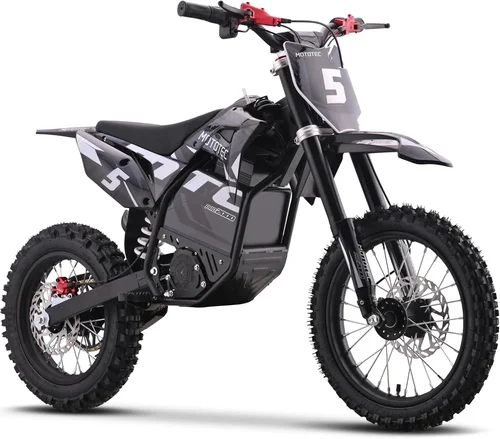
Offroad e-bikes have surged in popularity over the past few years, transforming from niche adventure machines into mainstream tools for outdoor enthusiasts, commuters seeking rugged alternatives, and even weekend warriors looking to explore trails without the physical strain of traditional mountain biking. As battery technology, motor efficiency, and frame engineering continue to evolve, today’s offroad e-bikes offer unprecedented power, range, and durability—making them viable options for everything from daily gravel commutes to multi-day backcountry expeditions.
This comprehensive buying guide is designed to cut through the noise and help you make an informed decision when investing in your next offroad e-bike. Whether you’re a first-time buyer curious about electric mountain bikes or a seasoned rider upgrading from a previous model, you’ll find detailed insights on performance specs, build quality, budget considerations, and real-world usability. We’ve analyzed dozens of models across price ranges and use cases to deliver practical advice grounded in expert testing and user feedback. By the end of this guide, you’ll know exactly what to prioritize based on your riding style, terrain, and financial goals.
The offroad e-bike market has matured rapidly, with established brands like Specialized, Trek, and Haibike now competing alongside innovative newcomers such as Rad Power Bikes, Aventon, and Himiway. Simultaneously, advancements in mid-drive motors, torque sensors, and lithium-ion battery tech have pushed the boundaries of what’s possible—both in terms of hill-climbing ability and all-day trail endurance. With so many options flooding the market, it’s more important than ever to understand not just the flashy specs, but how those features translate into real-world performance on dirt, rocks, mud, and steep inclines.
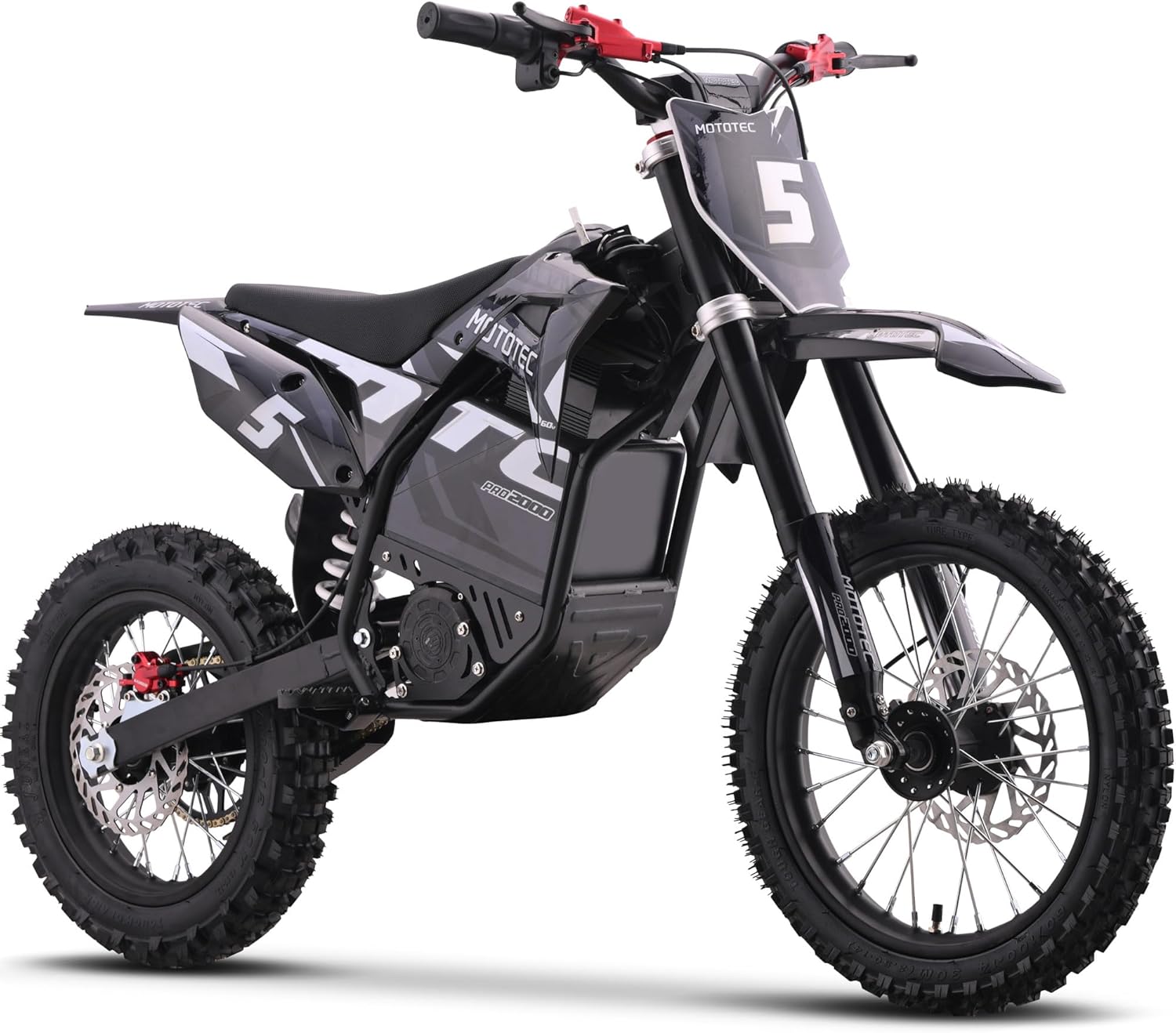
What to Look for When Buying Offroad E-Bikes
1. Motor Type and Power Output
The heart of any offroad e-bike is its motor. There are two primary types: hub motors (located in the front or rear wheel) and mid-drive motors (mounted at the crankset). For serious offroad use, mid-drive motors are almost always superior because they leverage the bike’s gears, deliver power more efficiently, and maintain better weight balance—critical when navigating technical terrain or steep climbs.
Power is measured in watts (W), with most offroad e-bikes ranging from 250W to 750W. In the U.S., Class 1 and Class 3 e-bikes are limited to 750W peak output, though some states allow higher outputs for off-highway use. Look for motors with high torque ratings (measured in Newton-meters or Nm)—ideally 80Nm or more—for responsive acceleration and hill-climbing prowess. Brands like Bosch, Shimano STEPS, and Bafang offer reliable mid-drive systems with excellent torque delivery and smooth power assist.
2. Battery Capacity and Range
Battery capacity is measured in watt-hours (Wh), which directly impacts how far you can ride on a single charge. Offroad riding consumes more energy due to constant acceleration, climbing, and uneven terrain, so aim for a battery with at least 500Wh—preferably 600Wh or higher for longer adventures. Removable batteries are a major plus, allowing you to swap in a fresh pack mid-ride or charge separately from the bike.
Real-world range varies widely based on assist level, rider weight, terrain, and tire pressure. A 625Wh battery might deliver 30–50 miles on moderate trails, but that could drop to 15–25 miles on aggressive singletrack with frequent climbs. Always check if the manufacturer provides “real-world” range estimates rather than idealized lab numbers. Also consider battery chemistry: lithium-ion (Li-ion) remains the standard, but newer models may feature upgraded cells (like Samsung or LG) for better longevity and discharge rates.
3. Frame Material and Suspension
The frame is your bike’s skeleton—and for offroad use, it needs to be tough. Aluminum alloy is the most common material due to its strength-to-weight ratio and corrosion resistance. High-end models may use carbon fiber for reduced weight and improved vibration damping, but these come at a premium price. Avoid steel frames unless you’re prioritizing ultra-durability over weight, as they can be significantly heavier.
Suspension is equally critical. Full-suspension (front and rear) e-bikes absorb impacts better on rough trails, improving control and reducing fatigue. However, they’re heavier and more complex. Hardtail models (front suspension only) are lighter, more efficient, and easier to maintain—ideal for smoother fire roads or less technical terrain. Look for suspension travel between 120mm and 160mm; anything less may struggle on rocky descents, while more than 160mm is overkill unless you’re doing downhill racing.
4. Tire Size and Tread
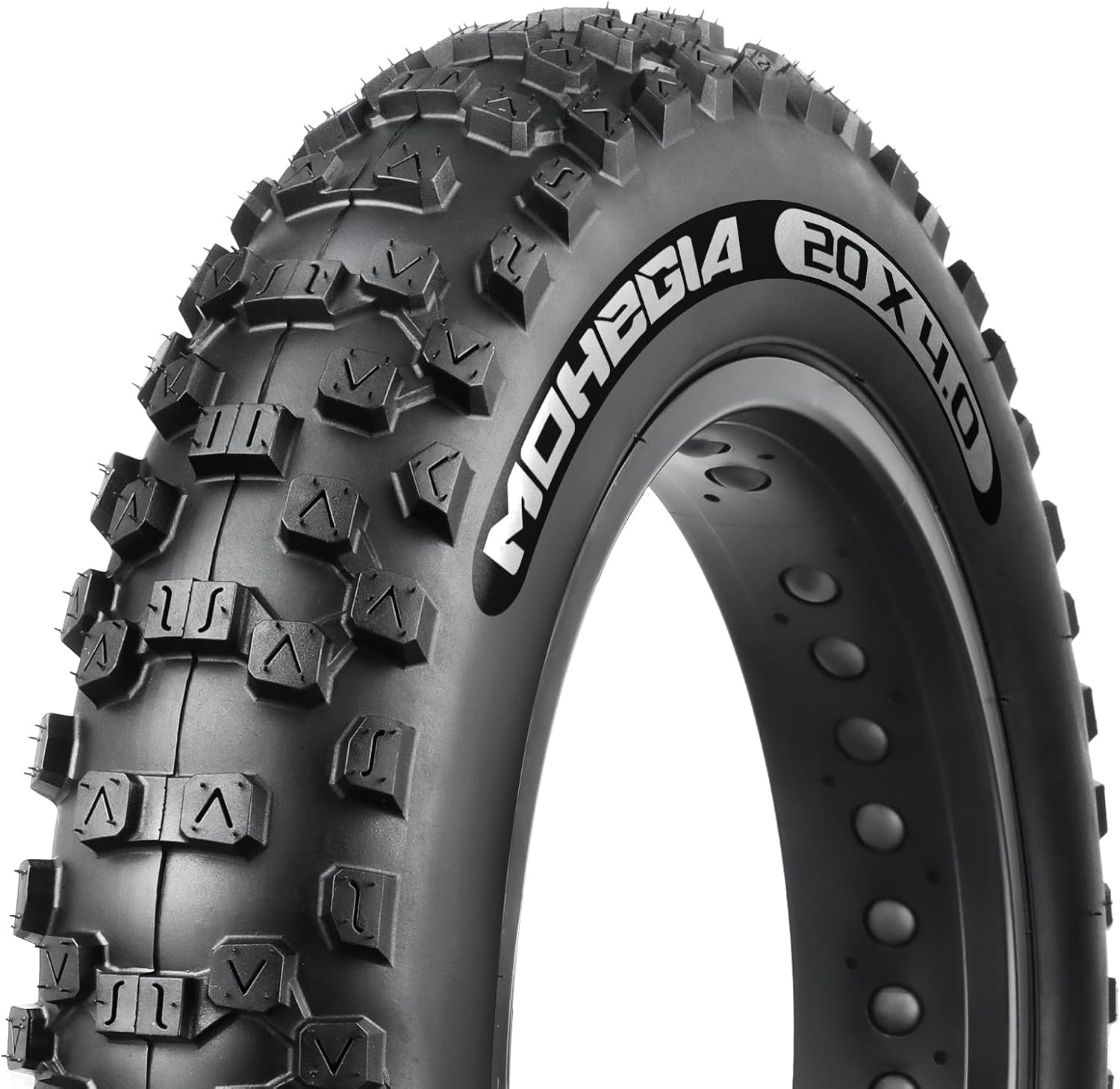
Tires are your only contact point with the ground—and on offroad terrain, that makes them mission-critical. Wider tires (2.4″ to 2.8″) provide better traction, cushioning, and stability on loose or uneven surfaces. Look for aggressive tread patterns with pronounced knobs for grip in mud, sand, or loose gravel. Tubeless-ready wheels are highly recommended, as they allow lower tire pressures without pinch flats and reduce overall weight.
Consider the wheel size too: 27.5″ wheels offer agility and quicker acceleration, while 29″ wheels roll over obstacles more easily and maintain momentum better. Some bikes offer “mullet” setups (29″ front, 27.5″ rear) to blend the best of both worlds. Avoid skinny or slick tires—they belong on pavement, not trails.
5. Drivetrain and Gearing
A robust drivetrain ensures smooth shifting under load—something essential when climbing steep hills or navigating technical sections. Most quality offroad e-bikes use 1x (single chainring) drivetrains with wide-range cassettes (e.g., 10–51T), simplifying maintenance and reducing weight. Brands like SRAM (GX, NX, or SX Eagle) and Shimano (Deore, SLX, or XT) dominate this space.
Pay attention to the gear range: a wider spread (like 500%+) gives you both low gears for climbing and high gears for cruising. Avoid cheap, low-range drivetrains—they’ll leave you struggling on inclines. Also ensure the derailleur has a clutch mechanism to prevent chain slap on bumpy terrain.
6. Braking System
Stopping power is non-negotiable offroad, where speeds can be high and surfaces unpredictable. Hydraulic disc brakes are the gold standard—they offer consistent modulation, strong stopping force, and perform well in wet or muddy conditions. Mechanical discs are cheaper but require more hand effort and frequent adjustment.
Look for brake rotor sizes of at least 180mm front and rear; 203mm rotors are even better for heavy bikes or steep descents. Brands like Shimano, SRAM, and Magura offer reliable hydraulic systems. Never compromise on brakes—poor stopping ability can turn a fun ride into a dangerous situation quickly.
7. Weight and Portability
Offroad e-bikes are inherently heavy due to motors, batteries, and reinforced frames—typically weighing 45–65 lbs. While you won’t be carrying it far, weight affects handling, especially on tight switchbacks or when lifting over obstacles. Lighter models (under 50 lbs) are easier to maneuver but may sacrifice battery capacity or durability.
If you plan to transport your bike frequently (e.g., on a car rack), consider foldable or step-through designs—though these are rare in true offroad models. Always check the bike’s center of gravity; a well-balanced e-bike feels more natural on technical trails.
8. Connectivity and Smart Features
Modern offroad e-bikes often include integrated displays, Bluetooth connectivity, GPS tracking, and app integration. These features let you monitor speed, battery level, ride stats, and even customize assist modes. Some systems (like Bosch’s Kiox or Shimano’s E-Tube) offer theft protection, route planning, and firmware updates.
While not essential, smart features enhance usability and safety. Just ensure the display is readable in sunlight and the app is intuitive. Avoid bikes with overly complex interfaces that distract from riding.
Different Types of Offroad E-Bikes
Common Buying Mistakes to Avoid
❌ Mistake: Prioritizing Price Over Build Quality
Why it’s bad: Cheap offroad e-bikes often cut corners on motors, batteries, and frames—leading to premature failures, safety risks, and poor performance on trails. A $1,200 e-bike might look tempting, but it likely won’t survive more than a season of regular offroad use.
What to do instead: Invest in a reputable brand with proven components. Even entry-level models from trusted manufacturers (like Trek or Rad Power Bikes) offer better long-term value than no-name imports.
❌ Mistake: Ignoring Local E-Bike Laws
Why it’s bad: Regulations vary by state and country. Some trails prohibit e-bikes entirely, while others restrict motor power or speed. Riding illegally can result in fines or trail bans.
What to do instead: Check your local regulations before buying. In the U.S., Class 1 (pedal-assist up to 20 mph) and Class 3 (up to 28 mph) are widely accepted on multi-use trails, but always verify with land managers.
❌ Mistake: Overlooking Test Rides
Why it’s bad: E-bikes handle differently than regular bikes—especially offroad. What looks good on paper might feel unstable, sluggish, or uncomfortable in real-world conditions.
What to do instead: Always test ride before purchasing. Many retailers offer demo days or rental programs. Pay attention to how the bike feels on climbs, descents, and tight turns.
❌ Mistake: Neglecting Maintenance Needs
Why it’s bad: Offroad e-bikes endure harsh conditions that accelerate wear on drivetrains, brakes, and suspension. Without regular maintenance, performance degrades rapidly.
What to do instead: Learn basic upkeep (chain cleaning, brake checks, tire pressure) or budget for professional servicing. Choose bikes with accessible components and good service networks.
❌ Mistake: Choosing the Wrong Bike for Your Terrain
Why it’s bad: A fat-tire e-bike is overkill for smooth gravel roads, while a lightweight hardtail will struggle in deep mud or rocky descents.
What to do instead: Match your bike to your most common riding environment. If you’re unsure, opt for a versatile gravel or hardtail model that balances efficiency and capability.
❌ Mistake: Forgetting About Charging Logistics
Why it’s bad: Running out of battery mid-ride leaves you stranded—or facing a long, exhausting pedal home.
What to do instead: Plan routes with charging options or carry a spare battery. Consider solar chargers for multi-day trips. Always start with a full charge.
Budget Guidelines: How Much Should You Spend?
Entry-Level ($1,500–$2,500): These bikes offer basic offroad capability with hub motors or entry-level mid-drives, smaller batteries (400–500Wh), and minimal suspension. Ideal for casual trail riders or commuters who occasionally venture off pavement. Expect shorter range and less refined components, but they’re a solid starting point for beginners.
Mid-Range ($2,500–$4,500): This is the sweet spot for most buyers. You’ll find quality mid-drive motors (Shimano or Bafang), 500–750Wh batteries, hydraulic disc brakes, and reliable drivetrains. Hardtail and full-suspension options abound, with good geometry for technical riding. These bikes balance performance, durability, and value.
Premium ($4,500–$8,000): Designed for serious enthusiasts and frequent riders. Expect top-tier motors (Bosch Performance Line CX), high-capacity batteries (750Wh+), advanced suspension (140–160mm travel), and lightweight aluminum or carbon frames. Features like integrated lighting, smart displays, and tubeless-ready wheels are common.
Luxury ($8,000+): For professionals, competitive riders, or those who demand the absolute best. These bikes feature cutting-edge tech, ultra-light materials, custom tuning, and race-ready specs. Think Specialized Turbo Levo SL Comp or Trek Rail 9. While impressive, they’re overkill for casual use.
Expert Tips for Getting the Best Deal
- Shop during off-season sales: Late fall and winter are prime times for discounts as retailers clear inventory for new models. Black Friday and end-of-year sales often feature 15–30% off.
- Consider last year’s model: New e-bike releases typically happen in spring. Buying a previous-year model can save hundreds without sacrificing much performance.
- Buy from authorized dealers: This ensures warranty coverage, access to service, and expert advice. Avoid gray-market imports that may lack support.
- Check return policies: Some retailers offer 30-day test periods. Use this time to evaluate real-world performance.
- Bundle accessories: Many shops offer free helmets, locks, or lights with purchase—ask about package deals.
- Negotiate: Especially at local bike shops, there’s often room for negotiation on price or added value.
- Read user reviews: Look beyond star ratings. Detailed reviews on sites like Electric Bike Review or MTBR reveal long-term reliability issues.
- Factor in total cost of ownership: Include maintenance, battery replacement (every 3–5 years), and potential upgrades in your budget.

Frequently Asked Questions
Q: Can I ride an offroad e-bike on regular bike trails?
A: It depends on local regulations. Many multi-use trails allow Class 1 e-bikes, but some prohibit all motorized vehicles. Always check with trail authorities before riding.
Q: How often should I charge my e-bike battery?
A: Lithium-ion batteries prefer partial charges. Avoid draining to 0% regularly. Charge when the battery hits 20–30% for optimal lifespan.
Q: Are offroad e-bikes good for beginners?
A: Yes—especially hardtail models with moderate power. The electric assist reduces physical strain, making steep climbs and long rides more accessible. Start with easier trails and build confidence.
Q: Do I need special insurance for an e-bike?
A: In most states, no. However, if your bike exceeds local power or speed limits, it may be classified as a motor vehicle requiring registration and insurance.
Q: How long do e-bike motors last?
A: Quality mid-drive motors can last 10,000+ miles with proper maintenance. Hub motors may wear faster under heavy offroad use.
Q: Can I upgrade components later?
A: Some parts (tires, saddles, grips) are easily upgraded. Major components like motors and batteries are usually not user-replaceable—check compatibility before buying.
Q: What’s the difference between Class 1, 2, and 3 e-bikes?
A: Class 1: pedal-assist only, up to 20 mph. Class 2: throttle-assisted, up to 20 mph. Class 3: pedal-assist only, up to 28 mph. Offroad use typically favors Class 1 or 3.
Q: Are fat-tire e-bikes worth it?
A: Only if you ride in sand, snow, or extremely soft terrain. On hard-packed trails, they’re slower and less efficient than standard tires.
Q: How do I store my e-bike in winter?
A: Store indoors in a dry place. Remove the battery and keep it at 40–60% charge. Avoid extreme cold, which can damage cells.
Q: Can I ride in the rain?
A: Most e-bikes are water-resistant (IP65 or higher), but avoid submerging them or high-pressure washing. Dry thoroughly after wet rides.
Our Final Recommendations
Best for Budget-Conscious Buyers: Rad Power Bikes RadRover 6 Plus – At around $1,999, this fat-tire hardtail offers surprising capability with a 750W hub motor, 672Wh battery, and reliable components. Great for light trails and mixed-surface commuting.
Best Overall Value: Trek Powerfly 4 – Priced around $3,799, this full-suspension e-MTB features a Shimano EP8 motor, 625Wh battery, and excellent trail geometry. It’s versatile enough for weekend adventures and daily rides.
Best Premium Option: Specialized Turbo Levo Comp – At $6,500, it delivers Bosch’s latest Performance Line CX motor, 700Wh battery, and 150mm of travel. Ideal for serious trail riders who want top-tier performance and smart integration.
Best for Beginners: Aventon Aventure.2 – A well-rounded hardtail fat e-bike ($2,199) with a 750W motor, 720Wh battery, and user-friendly display. Easy to ride and maintain, perfect for new offroaders.
Best for Advanced Users: Haibike XDURO Nduro 10.0 – A downhill-capable beast ($9,500) with 180mm suspension, Bosch CX motor, and race-ready build. Built for aggressive riders who tackle the toughest terrain.
Conclusion: Making the Right Choice
Choosing the right offroad e-bike isn’t just about picking the most powerful or expensive model—it’s about matching the bike to your riding style, terrain, and long-term goals. By focusing on key factors like motor type, battery capacity, suspension, and build quality, you’ll avoid common pitfalls and invest in a machine that delivers years of reliable adventure.
Remember: the best e-bike is the one you’ll actually ride. Don’t get swayed by marketing hype or flashy specs that don’t align with your needs. Take advantage of test rides, read real user reviews, and consider your total cost of ownership. Whether you’re exploring local fire roads or planning a backcountry expedition, the right offroad e-bike can transform your outdoor experience—giving you the freedom to go farther, climb higher, and discover more than ever before.
Now that you’re equipped with expert knowledge, it’s time to hit the trails. Happy riding!