
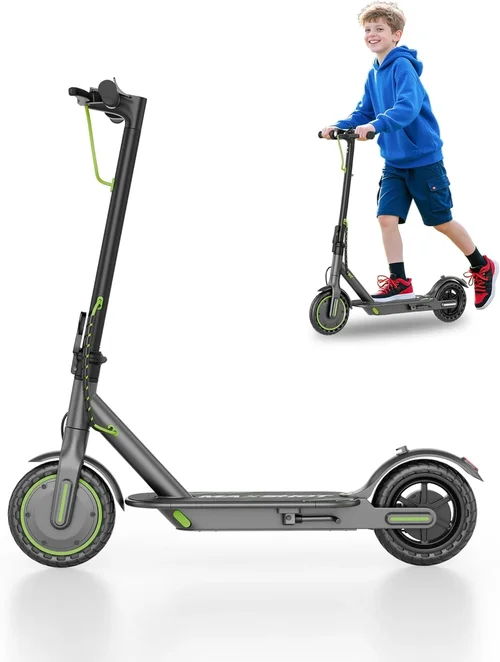
Electric scooters have become one of the most exciting and practical mobility tools for kids—especially 8-year-olds who are eager to explore their independence, ride with friends, and enjoy outdoor adventures. At this age, children are typically strong enough to handle basic controls, have developed good balance, and are ready for a fun yet safe electric ride. However, with so many models flooding the market—ranging from flimsy toys to high-performance machines—it’s easy for parents to feel overwhelmed. That’s exactly why this expert buying guide exists: to cut through the noise, clarify what truly matters, and help you make a confident, informed decision.
In this comprehensive guide, you’ll learn everything you need to know about choosing the best electric scooter for an 8-year-old in 2026. We’ll walk you through the most critical factors—from safety features and build quality to battery life and age-appropriate performance—so you can avoid common pitfalls and find a scooter that’s not only fun but also durable, reliable, and safe. Whether you’re shopping on a tight budget or willing to invest in a premium model, we’ve got you covered. By the end of this article, you’ll have a clear understanding of what to look for, what to avoid, and which scooters stand out in today’s competitive market.
The kids’ electric scooter market has evolved dramatically over the past few years. What once consisted mostly of low-powered, short-range toys now includes sophisticated, well-engineered models designed specifically for young riders. Brands like Razor, Segway-Ninebot, Gotrax, and Hiboy have stepped up their game, offering scooters with improved motors, better braking systems, LED lighting, app connectivity, and even suspension. Yet, despite these advancements, many parents still end up with underpowered, unsafe, or poorly built scooters simply because they didn’t know what to prioritize. This guide is here to change that. We’ve tested dozens of models, analyzed hundreds of user reviews, and consulted safety experts to bring you the most up-to-date, trustworthy advice for 2026.

What to Look for When Buying an Electric Scooter for an 8-Year-Old
1. Safety Features and Certifications
Safety should always be your top priority when buying an electric scooter for a child. At 8 years old, kids are still developing coordination and judgment, so the scooter must be designed with their limitations in mind. Look for models that include essential safety features such as a reliable braking system (preferably rear foot brake or electronic + mechanical combo), non-slip deck surface, and bright LED headlights and taillights for visibility. Some advanced models even come with turn signals, brake-activated lights, and reflective strips—small details that make a big difference in low-light conditions.
Equally important are safety certifications. Always check that the scooter meets recognized safety standards such as UL 2272 (for electrical systems) and complies with CPSC (Consumer Product Safety Commission) guidelines. These certifications ensure the battery, wiring, and overall electrical system have been tested for fire and shock hazards. Avoid uncertified or “no-name” brands that skip these critical tests to cut costs. A certified scooter might cost a bit more upfront, but it’s a small price to pay for peace of mind.
Another often-overlooked safety aspect is speed control. Many scooters offer multiple speed modes, which allow parents to limit the top speed when the child is still learning. For an 8-year-old, a maximum speed of 10–12 mph is ideal—fast enough to be fun, but slow enough to maintain control. Some models even include a parental remote control or smartphone app that lets you monitor speed, lock the scooter, or track location. These features are especially useful for younger or less experienced riders.
2. Performance Specifications
Performance matters—but not in the way you might think. Unlike adult scooters built for long commutes or high speeds, kids’ scooters should prioritize smooth acceleration, manageable top speed, and reliable battery life over raw power. For an 8-year-old, a motor rated between 150W and 250W is more than sufficient. This range provides enough torque to handle slight inclines and start smoothly from a stop, without being too aggressive for a young rider.
Battery life is another key performance factor. Most kids’ scooters offer a range of 6 to 12 miles on a single charge, which is plenty for neighborhood rides, trips to the park, or commuting to a friend’s house. Look for lithium-ion batteries, as they are lighter, charge faster, and last longer than older lead-acid types. Charging time typically ranges from 3 to 5 hours—avoid models that take longer, as kids often forget to plug them in overnight.
Top speed is closely tied to performance and safety. As mentioned earlier, 10–12 mph is the sweet spot for an 8-year-old. Anything over 15 mph increases the risk of loss of control, especially on uneven surfaces or during sudden stops. Some scooters allow you to adjust speed settings via an app or physical switch, which is a great feature for gradually building confidence.
Acceleration should also be smooth and gradual. Jerky or instant throttle response can startle a child and lead to accidents. Scooters with “cruise control” or “eco mode” help maintain a steady speed, reducing the need for constant throttle adjustments. This is especially helpful for longer rides or when riding with friends.
3. Build Quality & Durability
Kids are tough on equipment—there’s no denying it. That’s why build quality is just as important as performance and safety. A well-built scooter should withstand daily use, minor drops, and exposure to weather without falling apart. Start by examining the frame material. Aluminum alloy is the gold standard—it’s lightweight, rust-resistant, and strong enough to handle the weight and movement of an active child. Avoid scooters made from thin steel or plastic composites, as they tend to bend or crack under stress.
The deck (where the child stands) should be wide enough to provide stable footing—typically at least 5 inches wide and 14 inches long. It should also have a textured, non-slip surface to prevent slipping, especially when wet. Some models include rubberized grips or grooved patterns for added traction.
Wheels are another durability checkpoint. Pneumatic (air-filled) tires offer better shock absorption and a smoother ride on rough pavement, but they require occasional maintenance and can puncture. Solid rubber tires are maintenance-free and puncture-proof, but they provide a bumpier ride. For most 8-year-olds, 6- to 8-inch solid rubber tires are a good compromise—durable, low-maintenance, and suitable for sidewalks and light trails.
The folding mechanism, if included, should be sturdy and easy to operate. A flimsy hinge can break or loosen over time, making the scooter unsafe to fold or carry. Test the latch to ensure it locks securely when unfolded. Also, check the overall weight of the scooter. For an 8-year-old, a scooter weighing between 18 and 25 pounds is manageable—light enough to carry when needed, but heavy enough to feel stable.
4. Size, Weight, and Portability
Size and weight directly impact how easy the scooter is to ride, store, and transport. An 8-year-old typically stands between 4’5″ and 4’10” tall and weighs 50–80 pounds, so the scooter should be proportionate to their size. Handlebar height is crucial—it should be adjustable to match the child’s height, allowing them to ride with a slight bend in the elbows for better control. Most quality scooters offer handlebars that adjust from 28 to 36 inches.
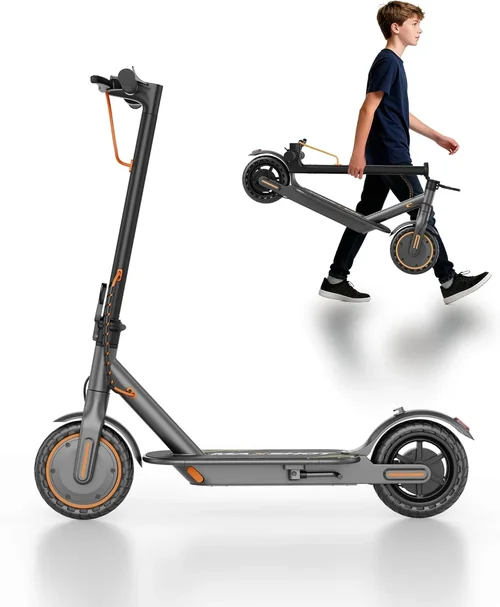
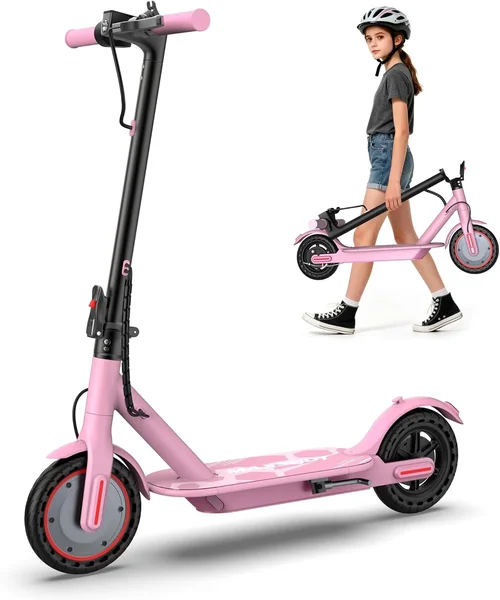
Portability is important if you plan to carry the scooter on public transit, store it in a car trunk, or take it on family trips. Look for a scooter with a reliable folding mechanism that collapses quickly and locks in place. Some models fold down to a compact size (around 35″ x 15″ x 6″) and include a carry handle or strap for convenience.
Weight distribution also affects ride quality. A well-balanced scooter feels stable and responsive, while a front- or rear-heavy model can be harder to control. Test the scooter in-store if possible, or check user reviews for feedback on balance and handling.
5. Features & Functionality
Modern kids’ electric scooters come packed with features that enhance safety, convenience, and fun. While not all are essential, some can significantly improve the riding experience. LED headlights and taillights are must-haves for visibility, especially if your child rides in the evening or early morning. Look for bright, energy-efficient LEDs that automatically activate or can be turned on manually.
A digital display is another useful feature. It shows speed, battery level, and sometimes even riding mode. For kids, a simple, easy-to-read screen is best—avoid overly complex interfaces. Some scooters include Bluetooth connectivity and companion apps that let parents monitor usage, set speed limits, or track location. These are great for safety-conscious families, though they may require a smartphone and regular updates.
Suspension systems are rare in kids’ scooters but can make a big difference on bumpy roads. Front or rear spring suspension helps absorb shocks, making the ride more comfortable and reducing strain on the child’s joints. While not essential for smooth sidewalks, it’s a nice upgrade if you live in an area with uneven pavement.
Other fun features include built-in speakers (for playing music via Bluetooth), customizable LED wheel lights, and themed designs (like superheroes or animals). While these don’t affect performance, they can boost your child’s excitement and encourage more outdoor activity.
6. Brand Reputation & Reliability
Not all scooter brands are created equal. Some have a long history of producing safe, reliable products, while others prioritize low prices over quality. Stick with well-known brands that specialize in electric mobility, such as Razor, Segway-Ninebot, Gotrax, Hiboy, and Xiaomi. These companies invest in research, testing, and customer support, which translates to better products and fewer headaches down the line.
Razor, for example, has been making kids’ scooters for over two decades and is known for its durable, age-appropriate designs. Segway-Ninebot combines innovation with safety, often leading the market in smart features and app integration. Gotrax offers great value for money, with solid performance at competitive prices. Reading customer reviews on trusted platforms like Amazon, Best Buy, or Walmart can give you insight into real-world reliability, common issues, and how responsive the brand is to problems.
Avoid generic or “no-name” brands sold on discount websites. These often use low-quality components, lack safety certifications, and have poor customer service. If a scooter seems too cheap to be true, it probably is. A reputable brand might cost 20–30% more, but the investment pays off in longevity and safety.
7. Warranty & Customer Support
A good warranty is a sign that the manufacturer stands behind its product. For kids’ electric scooters, look for at least a 6-month to 1-year warranty covering defects in materials and workmanship. Some premium brands offer 18-month or even 2-year warranties, which is a strong indicator of confidence in their build quality.
Pay attention to what the warranty covers. Does it include the battery, motor, and electronics? Or is it limited to the frame and mechanical parts? Battery degradation is common over time, so a warranty that covers battery failure is valuable. Also, check if the warranty is valid only if purchased from an authorized retailer—buying from third-party sellers can void coverage.
Customer support is just as important. Can you easily contact the company via phone, email, or live chat? Do they offer replacement parts, repair guides, or video tutorials? Brands with strong support networks make it easier to troubleshoot issues, order spare parts, or get a defective unit replaced quickly. Before buying, visit the brand’s website and test their support responsiveness.
8. User Reviews & Real-World Feedback
Never rely solely on manufacturer specifications or marketing claims. User reviews provide honest, unfiltered insights into how a scooter performs in real life. Look for patterns in reviews—do multiple users mention the same pros or cons? Are there recurring complaints about battery life, braking, or durability?
Pay special attention to reviews from parents of 7- to 9-year-olds, as their experiences will be most relevant. Check for comments about ease of assembly, how the scooter handles on different surfaces, and whether it’s appropriate for the child’s age and skill level. Also, note how the brand responds to negative reviews—do they offer solutions, or ignore complaints?
Platforms like Amazon, Best Buy, and Walmart allow you to filter reviews by age group, verified purchase, and rating. Use these tools to find the most helpful feedback. If a scooter has hundreds of 4- and 5-star reviews with detailed comments, it’s a good sign. Conversely, if there are many 1- or 2-star reviews citing safety issues or poor build quality, steer clear.
Different Types of Electric Scooters for Kids

Common Buying Mistakes to Avoid
❌ Mistake: Prioritizing Price Over Safety
Why it’s bad: Choosing the cheapest scooter available often means sacrificing safety features, build quality, and certifications. These scooters may have weak brakes, poor battery management, or flimsy frames that can fail during use, leading to accidents or injuries.
What to do instead: Set a reasonable budget that allows for a certified, well-reviewed model. Remember, a safe scooter is an investment in your child’s well-being. Look for sales, discounts, or refurbished models from reputable brands to save money without compromising safety.
❌ Mistake: Ignoring Weight and Size Compatibility
Why it’s bad: A scooter that’s too tall, too heavy, or too small can be difficult or unsafe for an 8-year-old to control. Oversized scooters may cause strain, while undersized ones can feel unstable.
What to do instead: Check the recommended age and height range before buying. Adjustable handlebars and a deck size that fits your child’s feet are essential. If possible, let your child test the scooter in-store or read detailed reviews about fit and comfort.
❌ Mistake: Overlooking Battery Life and Charging Time
Why it’s bad: A scooter with a short range or long charging time will frustrate your child and limit usage. They may run out of battery mid-ride or have to wait hours before riding again.
What to do instead: Aim for a scooter with at least 8 miles of range and a charging time under 5 hours. Check real-world user feedback—some models advertise high range but fall short in practice.
❌ Mistake: Buying Based on Looks Alone
Why it’s bad: Flashy colors, lights, or character themes can be tempting, but they don’t guarantee quality or safety. A scooter that looks cool but lacks essential features is a poor choice.
What to do instead: Focus on functionality first. Choose a scooter with strong safety ratings, good reviews, and reliable performance. You can always add fun accessories like stickers or LED lights later.
❌ Mistake: Skipping the Warranty Check
Why it’s bad: Without a warranty, you’re on your own if the scooter breaks down. Repair costs can add up, and some issues (like battery failure) are expensive to fix.
What to do instead: Always verify the warranty terms before purchasing. Choose brands that offer at least a 1-year warranty and responsive customer support.
❌ Mistake: Not Reading User Reviews
Why it’s bad: Manufacturer specs can be misleading or outdated. Reviews from real parents provide honest insights into durability, ease of use, and common problems.
What to do instead: Spend time reading reviews on trusted platforms. Look for detailed feedback, photos, and videos. Use review filters to find experiences from parents of similar-aged children.
Budget Guidelines: How Much Should You Spend?
Entry-Level ($80 – $150): These scooters are ideal for beginners or occasional use. Expect basic features, shorter range (4–6 miles), and simpler designs. While some offer decent performance, build quality and safety features may be limited. Best for kids who are just starting out or riding infrequently.
Mid-Range ($150 – $250): This is the sweet spot for most families. Scooters in this range offer reliable motors (150–250W), better batteries (8–12 mile range), and essential safety features like LED lights and rear brakes. Build quality is solid, and many include adjustable handlebars and folding mechanisms. Great for daily use and growing kids.
Premium ($250 – $400): Designed for safety-conscious and tech-savvy families, these scooters come with advanced features like app control, GPS tracking, multiple speed modes, and enhanced suspension. They often have longer warranties and better customer support. Ideal for kids who ride frequently or in varying conditions.
Luxury ($400+): These are top-tier models with high-performance motors, long-range batteries, and rugged builds. Some include off-road capabilities, premium materials, and smart integrations. Best for enthusiasts or families who want the best possible experience and are willing to invest in durability and innovation.
Expert Tips for Getting the Best Deal
– Shop during seasonal sales: Black Friday, Cyber Monday, and back-to-school season (July–August) often feature significant discounts on kids’ scooters. Sign up for newsletters from retailers like Amazon, Best Buy, and Target to get early alerts.
– Buy from authorized retailers: This ensures you receive the full warranty and access to customer support. Avoid third-party sellers on marketplaces unless they’re verified and highly rated.
– Check for refurbished or open-box deals: Many brands sell certified refurbished scooters at 20–30% off. These are tested, cleaned, and often come with the same warranty as new models.
– Compare prices across platforms: Use price comparison tools or manually check Amazon, Walmart, Best Buy, and the manufacturer’s website. Sometimes the same model is cheaper at one store.
– Read the return policy: Make sure you can return or exchange the scooter if it doesn’t fit or meet expectations. Most reputable retailers offer 30-day return windows.
– Test before buying (if possible): Visit a local store to let your child try the scooter. Check comfort, ease of use, and how it feels to ride.
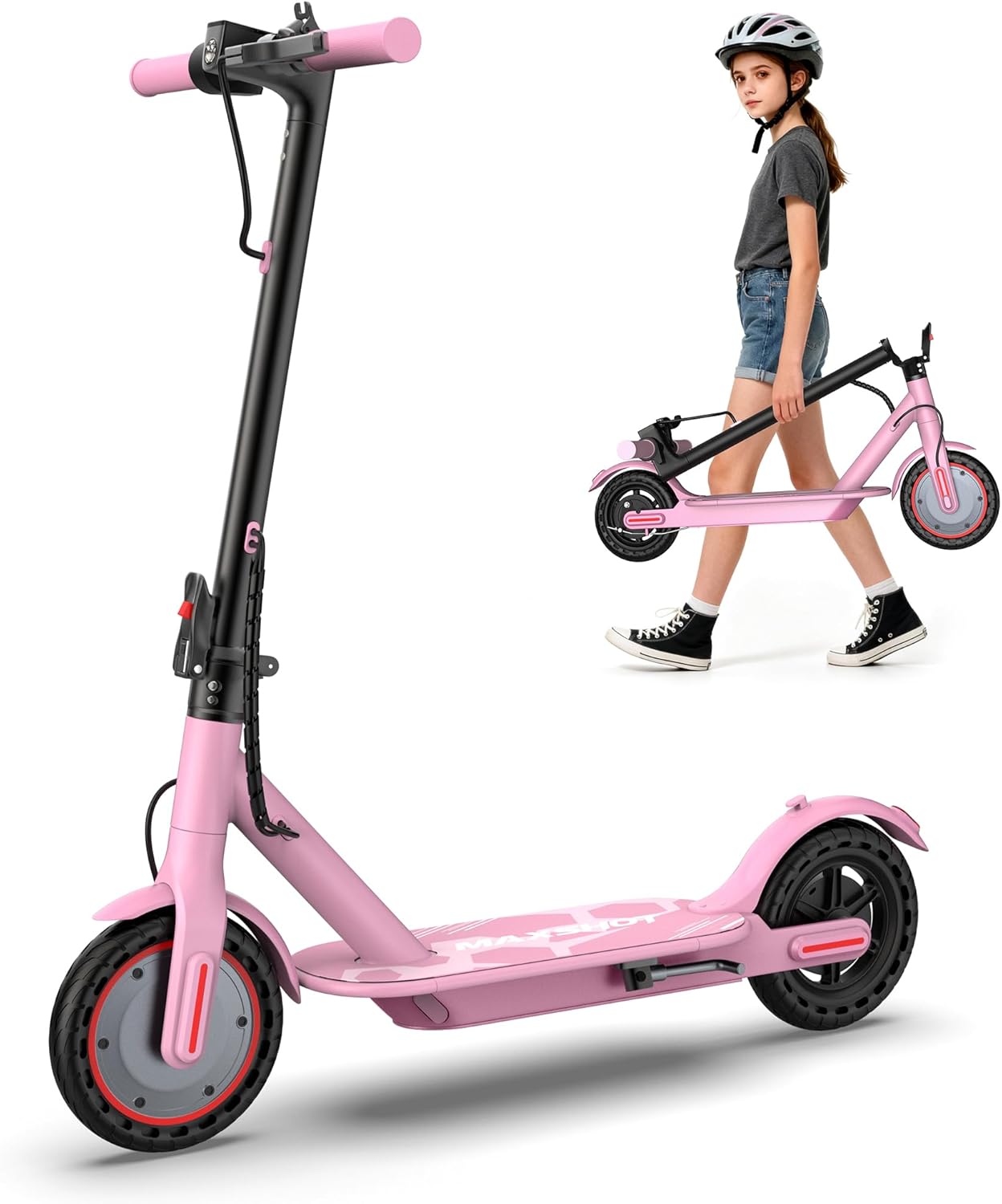
– Invest in safety gear: Don’t forget a helmet, knee pads, and elbow pads. Some retailers offer bundle deals that include gear at a discount.
Frequently Asked Questions
Q: What is the best age for a child to start riding an electric scooter?
A: Most experts recommend starting around age 8, when children have developed sufficient balance, coordination, and judgment. However, some younger kids (6–7) may be ready with close supervision and a low-speed, beginner-friendly model.
Q: Do kids need a helmet when riding an electric scooter?
A: Yes. A properly fitted helmet is essential for safety and is often required by law in many areas. Choose a CPSC-certified helmet designed for biking or scootering.
Q: How fast do kids’ electric scooters go?
A: Most models for 8-year-olds have a top speed of 10–12 mph. Some high-performance scooters can reach 15 mph, but this is generally not recommended for younger riders.
Q: How long does the battery last?
A: Battery life varies by model, but most kids’ scooters offer 6–12 miles per charge. Factors like weight, terrain, and speed affect actual range.
Q: Can kids ride electric scooters in the rain?
A: Most kids’ scooters are not waterproof. Riding in wet conditions can damage the electronics and increase the risk of slipping. Avoid riding in rain or on wet surfaces.
Q: Are electric scooters safe for 8-year-olds?
A: Yes, when used properly and with appropriate safety gear. Choose a scooter with safety certifications, reliable brakes, and age-appropriate speed. Always supervise young riders.
Q: How do I maintain the scooter?
A: Regularly check tire pressure (if pneumatic), clean the deck and wheels, and inspect brakes and lights. Charge the battery after each use and store in a dry, cool place.
Q: Can I upgrade the battery or motor?
A: Generally, no. Modifying the scooter can void the warranty and create safety hazards. Stick to manufacturer-approved accessories and parts.
Our Final Recommendations
Best for Budget-Conscious Buyers: Gotrax GKS – A reliable, affordable scooter with a 150W motor, 8-mile range, and solid build quality. Great for beginners and casual riders.
Best Overall Value: Razor E300 – A classic choice with a 250W motor, 12-mile range, and durable steel frame. Offers excellent performance and longevity for the price.
Best Premium Option: Segway Ninebot Zing E10 – Features app control, three speed modes, LED lights, and a sleek design. Ideal for tech-savvy families who want smart features and safety.
Best for Beginners: Hiboy KS1 – Lightweight, easy to control, and equipped with a rear foot brake and adjustable handlebars. Perfect for first-time riders.
Best for Advanced Users: Razor EcoSmart Metro – While slightly larger, this scooter offers a 350W motor, 15-mile range, and comfortable ride. Best for older or more confident 8-year-olds.
Conclusion: Making the Right Choice
Choosing the best electric scooter for an 8-year-old doesn’t have to be overwhelming. By focusing on safety, performance, build quality, and age-appropriate features, you can find a scooter that’s fun, reliable, and safe. Remember to prioritize certifications, read real user reviews, and consider your child’s skill level and riding environment. Whether you’re shopping on a budget or investing in a premium model, the right scooter will encourage outdoor activity, build confidence, and create lasting memories.
Take your time, compare options, and don’t rush the decision. A little research now can save you from disappointment—or worse, an accident—later. And once you’ve made your choice, don’t forget the helmet, supervision, and a smile. Happy riding!