
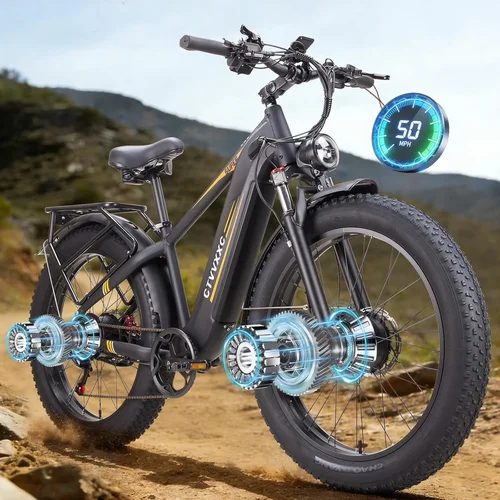
Electric bikes have revolutionized personal transportation, and among the most exciting innovations in the e-bike world are fat tire ebikes. These rugged, all-terrain machines combine the power of electric motors with oversized tires designed to conquer sand, snow, mud, gravel, and even city streets with unmatched stability and comfort. As we move into 2026, the fat tire ebike market has matured significantly—offering better performance, longer battery life, smarter technology, and more accessible pricing than ever before.
Whether you’re an outdoor adventurer looking to explore remote trails, a commuter seeking a reliable ride through unpredictable weather, or someone who simply wants a fun and versatile way to get around, a fat tire ebike could be the perfect fit. But with so many models flooding the market—from budget-friendly options under $1,000 to high-end machines exceeding $5,000—it’s easy to feel overwhelmed. That’s why this comprehensive buying guide exists: to cut through the noise, highlight what truly matters, and help you make a confident, informed decision.
In this guide, you’ll learn everything you need to know about choosing the best fat tire ebike for your lifestyle. We’ll break down the key factors that impact performance and value, compare different categories of fat tire ebikes, reveal common pitfalls to avoid, and offer expert-backed tips to get the most bang for your buck. By the end, you’ll not only understand what separates a great fat tire ebike from a mediocre one—you’ll also know exactly which model aligns with your needs, budget, and riding goals.
The fat tire ebike market in 2026 is more competitive and innovative than ever. Major brands like Rad Power Bikes, Aventon, Himiway, and Lectric have expanded their lineups, while newcomers are pushing boundaries with lightweight frames, integrated smart displays, and advanced suspension systems. At the same time, Chinese manufacturers continue to deliver impressive specs at lower price points, making high-performance fat tire ebikes accessible to a wider audience. With advancements in battery chemistry (like lithium iron phosphate or LFP cells), motor efficiency, and regenerative braking, today’s fat tire ebikes are smarter, safer, and more capable than their predecessors. This guide will help you navigate this dynamic landscape with confidence.

What to Look for When Buying a Fat Tire Ebike
1. Motor Power and Type
The motor is the heart of any ebike, and for fat tire models—which often tackle challenging terrain—it’s especially critical. Most fat tire ebikes come with either hub motors (located in the wheel) or mid-drive motors (mounted near the pedals). Hub motors are more common in budget and mid-range models because they’re simpler and cheaper to produce. They provide direct power to the rear or front wheel and are generally reliable for casual riding. However, mid-drive motors offer superior weight distribution, better hill-climbing ability, and more natural pedal assistance, making them ideal for serious off-road use.
When evaluating motor power, look for wattage ratings between 500W and 1,000W. In the U.S., Class 3 ebikes (which can reach speeds up to 28 mph) typically use motors rated at 750W or higher. While higher wattage doesn’t always mean better performance—efficiency and torque matter just as much—a 750W motor is generally considered the sweet spot for most riders. It provides enough oomph for steep inclines and heavy loads without draining the battery too quickly. Some premium models now feature geared hub motors that deliver high torque at low speeds, perfect for crawling up sandy dunes or snowy hills.
2. Battery Capacity and Range
Battery life is arguably the most important factor for long-distance or off-grid riders. Fat tire ebikes typically use lithium-ion batteries ranging from 48V/10Ah (480Wh) to 48V/20Ah (960Wh) or higher. The higher the watt-hour (Wh) rating, the longer the bike can run on a single charge. However, real-world range depends on multiple variables: rider weight, terrain, assist level, tire pressure, and even temperature.
For example, a 720Wh battery might give you 40–60 miles on flat pavement with minimal pedal assist, but only 20–30 miles when climbing hills or riding through deep sand on full throttle. Always check if the manufacturer provides “realistic” range estimates based on mixed riding conditions—not just ideal lab scenarios. Removable batteries are a huge plus, allowing you to charge indoors or swap in a spare for extended adventures. Also, consider battery chemistry: newer LFP (lithium iron phosphate) batteries last longer (2,000+ cycles vs. 500–800 for standard Li-ion), charge faster, and are safer, though they’re heavier and pricier.
3. Frame Material and Build Quality
A fat tire ebike’s frame must handle extra stress due to the weight of the motor, battery, and rider—plus the impact of rough terrain. Most models use aluminum alloy frames because they’re lightweight, corrosion-resistant, and cost-effective. High-end bikes may use hydroformed aluminum or even carbon fiber for reduced weight and increased stiffness. Avoid steel frames unless you’re on a tight budget—they’re durable but significantly heavier, which reduces efficiency and handling.
Pay attention to weld quality, tube thickness, and reinforcement points around the motor mount and dropouts. A well-built frame should feel solid when you lift it and shouldn’t creak or flex during aggressive riding. Look for features like internal cable routing (which protects wires from dirt and damage), reinforced head tubes, and thru-axles (instead of quick-release skewers) for better wheel stability. If you plan to carry cargo or ride aggressively, ensure the frame has mounting points for racks, fenders, and water bottles.
4. Tire Size and Tread Pattern
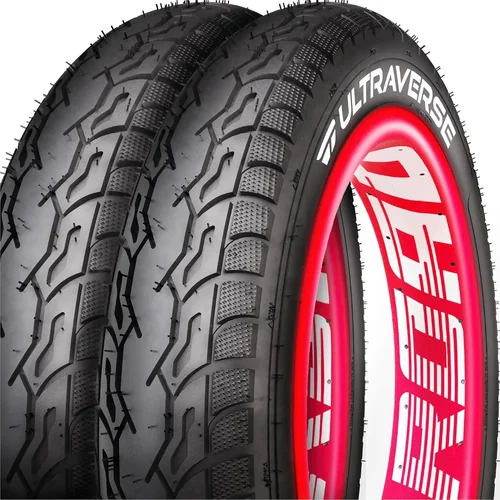
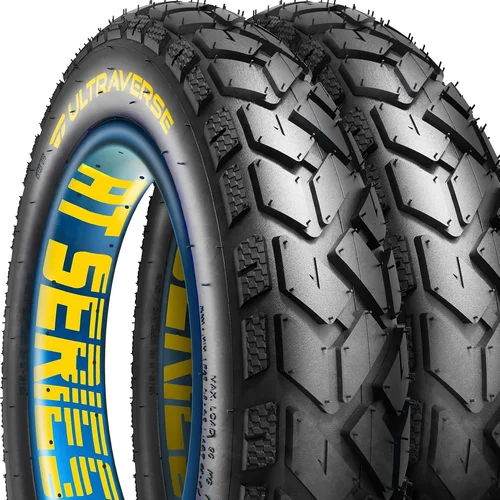
Fat tires aren’t just about width—they’re about traction, comfort, and adaptability. Standard fat tire widths range from 3.8 inches to 5 inches, with 4″ being the most common. Wider tires (4.5″+) excel in snow and sand but can feel sluggish on pavement and reduce range due to increased rolling resistance. Narrower fat tires (3.8″–4″) offer a better balance for mixed-use riding.
Tread pattern matters just as much. Knobby, aggressive treads (like those on the Maxxis Minion or Vee Tire Co. Snowshoe) are ideal for loose terrain but noisy and inefficient on roads. Semi-slick or hybrid treads provide quieter, smoother pavement performance while still offering grip off-road. Some brands now offer interchangeable tires or dual-compound designs that adapt to different surfaces. Always check tire pressure recommendations—lower PSI (5–15 psi) maximizes flotation on soft ground, while higher PSI (20–30 psi) improves efficiency on hard surfaces.
5. Suspension System
Full suspension isn’t mandatory for fat tire ebikes, but it dramatically improves comfort and control on rough trails. Most models come with front suspension forks (typically 100–150mm travel), which absorb bumps and improve steering precision. High-end bikes may include rear suspension or even full-suspension setups with lockout features for climbing efficiency.
If you’re sticking to city streets or light trails, a rigid fork or basic suspension may suffice. But for mountain biking, beach cruising, or winter riding, invest in a quality air-sprung fork with adjustable rebound and compression damping. Coil springs are cheaper but heavier and less tunable. Also, ensure the fork is compatible with fat tires—some standard forks won’t accommodate wide rims or tires.
6. Braking Performance
With added weight and speed, fat tire ebikes demand reliable brakes. Mechanical disc brakes are common on entry-level models but require frequent adjustment and struggle in wet or muddy conditions. Hydraulic disc brakes are the gold standard—they offer consistent, powerful stopping with minimal hand effort and self-adjust as pads wear down.
Look for 180mm or larger rotors for better heat dissipation, especially if you’ll be descending hills frequently. Some premium models now feature regenerative braking, which recovers a small amount of energy during deceleration to extend range. Always test brake feel before buying: squeeze the levers—they should engage smoothly without excessive travel or sponginess.
7. Display and Smart Features
Modern fat tire ebikes come with LCD or color TFT displays that show speed, battery level, assist mode, trip distance, and sometimes GPS or Bluetooth connectivity. Basic displays are functional but limited; advanced ones integrate with smartphone apps for route planning, ride tracking, firmware updates, and anti-theft alerts.
Consider whether you want pedal-assist levels (usually 3–5), throttle-only mode (essential for starting on hills), and cruise control. Some bikes offer customizable ride modes (Eco, Tour, Sport, Turbo) that adjust power delivery and range. If you’re tech-savvy, look for models with USB charging ports, turn signals, integrated lights, and smartphone mounts. However, remember that more features can mean more points of failure—simplicity often wins for reliability.
8. Weight and Portability
Fat tire ebikes are inherently heavy—most weigh between 60 and 85 pounds due to the motor, battery, and robust frame. This affects portability, especially if you need to lift it onto a car rack or carry it upstairs. Some brands now offer step-through frames or folding designs to improve accessibility, though true folding fat tire ebikes remain rare and often compromise on stability.
If you plan to transport your bike frequently, check the weight distribution and whether it includes a rear rack or trailer hitch. Removable batteries help reduce lifting weight by 10–15 lbs. Also, consider wheel size: 20″ wheels are more compact and maneuverable than 26″, making them better for urban storage or tight trails.
Different Types of Fat Tire Ebikes

Common Buying Mistakes to Avoid
❌ Mistake: Prioritizing Price Over Battery Quality
Why it’s bad: A cheap battery may save you $200 upfront but could fail within a year, leaving you stranded or facing costly replacements. Low-quality cells degrade faster, offer inconsistent range, and pose safety risks.
What to do instead: Invest in a bike with a reputable battery brand (like Samsung, LG, or Panasonic cells) and at least a 2-year warranty on the battery. Look for UL certification and thermal protection features.
❌ Mistake: Ignoring Local E-Bike Laws
Why it’s bad: Riding a 1,000W bike in an area that limits motors to 750W can result in fines, confiscation, or legal trouble. Some states ban throttles or restrict where Class 3 bikes can ride.
What to do instead: Check your state and local regulations before buying. Choose a bike that complies with Class 1, 2, or 3 standards as defined by your jurisdiction.
❌ Mistake: Overlooking After-Sales Support
Why it’s bad: Many budget brands offer minimal customer service, long repair times, or no local dealers. If something breaks, you might wait weeks for parts or pay shipping fees.
What to do instead: Buy from brands with U.S.-based support, authorized service centers, and clear warranty policies. Read real user reviews about repair experiences.
❌ Mistake: Choosing Based Solely on Specs
Why it’s bad: A bike with “1,000W motor and 100-mile range” might perform poorly in real life due to inefficient design, poor weight distribution, or misleading marketing.
What to do instead: Read hands-on reviews from trusted sources, watch video tests, and prioritize real-world performance over spec sheets.
❌ Mistake: Skipping the Test Ride
Why it’s bad: Comfort is subjective—what looks good on paper might feel awkward, unbalanced, or too heavy when you ride it.
What to do instead: Visit local dealers or attend demo events. If buying online, choose retailers with generous return policies (30+ days) and free shipping both ways.
❌ Mistake: Forgetting About Maintenance
Why it’s bad: Fat tire ebikes require more upkeep than regular bikes—wider tires wear faster, motors need occasional servicing, and electronics can be sensitive to moisture.
What to do instead: Factor in annual maintenance costs ($100–$300) and learn basic care like cleaning the drivetrain, checking tire pressure, and storing the battery properly.
Budget Guidelines: How Much Should You Spend?
Entry-Level ($800 – $1,500): These bikes are great for casual riders or those new to ebikes. Expect basic components: mechanical disc brakes, non-removable batteries, simple LCD displays, and hub motors around 500–750W. Range is typically 20–35 miles. Brands like Ancheer, ECOTRIC, and Swagtron dominate this space. Ideal for paved paths, light trails, or short commutes—but avoid heavy off-roading.
Mid-Range ($1,500 – $3,000): This is the sweet spot for most buyers. You’ll get hydraulic disc brakes, removable batteries (often 720Wh+), better suspension forks, and more reliable motors. Models from Rad Power Bikes, Aventon, and Himiway shine here. Range improves to 40–70 miles, and build quality is noticeably better. Perfect for mixed terrain, daily commuting, and weekend adventures.
Premium ($3,000 – $5,000): Designed for enthusiasts and serious riders. Features include mid-drive motors, full suspension, high-capacity LFP batteries, advanced displays with app integration, and premium drivetrains (like Shimano Deore or SRAM). Brands like Benno, Riese & Müller, and specialized fat tire models from Trek fall here. Expect 60–100+ mile range and exceptional durability.
Luxury ($5,000+): These are the Ferraris of fat tire ebikes—hand-built frames, carbon components, regenerative braking, GPS tracking, and bespoke customization. They’re built for long-distance touring, extreme conditions, or collectors who want the best. Only necessary if you demand top-tier performance, aesthetics, or brand prestige.
Expert Tips for Getting the Best Deal
– Buy during off-season sales: Late fall and winter (October–February) are prime times for discounts as retailers clear inventory for new models. Black Friday and Cyber Monday often feature bundle deals (free racks, lights, or helmets).
– Consider refurbished or open-box models: Many reputable brands sell certified pre-owned bikes at 15–30% off with full warranties. These are thoroughly inspected and often indistinguishable from new.
– Check manufacturer direct vs. third-party retailers: Buying directly from brands like Rad Power Bikes or Lectric often includes better customer service, exclusive colors, and direct access to parts. However, Amazon or REI may offer faster shipping or easier returns.
– Negotiate add-ons: Some dealers will throw in free accessories (phone mounts, locks, pumps) if you ask—especially during slow sales periods.
– Read the fine print on warranties: A “2-year warranty” might only cover the frame, not the motor or battery. Look for comprehensive coverage and clarify what’s included.
– Use price-tracking tools: Websites like CamelCamelCamel (for Amazon) or Honey can alert you when prices drop on specific models.
– Join owner communities: Facebook groups or Reddit forums (like r/ebikes) often share exclusive promo codes, flash sales, or insider tips.
– Test ride multiple bikes: Even within the same price range, handling and comfort vary widely. Don’t settle for the first one that looks good online.

Frequently Asked Questions
Q: Can fat tire ebikes be ridden in the snow?
A: Absolutely! Fat tires are ideal for snowy conditions because their wide surface area distributes weight, preventing sinking. Lower tire pressure (5–10 psi) increases flotation. Just ensure your bike has good tread, hydraulic brakes, and a reliable motor—and consider studded tires for icy patches.
Q: Are fat tire ebikes allowed on bike paths?
A: It depends on local laws. Most Class 1 and Class 2 ebikes (pedal-assist only or throttle up to 20 mph) are permitted on multi-use paths. Class 3 bikes (28 mph) may be restricted. Always check municipal regulations before riding.
Q: How do I maintain my fat tire ebike’s battery?
A: Store the battery at 30–60% charge if not using for weeks. Avoid extreme temperatures (below 32°F or above 104°F). Charge regularly—don’t let it drop below 20% frequently. Use the manufacturer’s charger only.
Q: Can I convert a regular bike to a fat tire ebike?
A: Yes, but it’s complex and often less reliable than a purpose-built model. Conversion kits exist, but they may not handle the stress of fat tires, and warranties are voided. For most riders, buying a dedicated fat tire ebike is safer and more efficient.
Q: Do fat tire ebikes require special maintenance?
A: Slightly more than standard ebikes. Wider tires collect more debris, so clean them often. The drivetrain works harder, so lubricate the chain regularly. Check spoke tension frequently—fat wheels endure more lateral force.
Q: How fast can a fat tire ebike go?
A: Most are limited to 20 mph (Class 2) or 28 mph (Class 3) by law in the U.S. Unlocked or modified bikes can exceed this, but it’s illegal on public roads and voids insurance.
Q: Are fat tire ebikes good for beginners?
A: Yes—especially step-through models with stable geometry. The wide tires offer excellent balance, and pedal assist makes starting easy. Just start in low assist modes and practice braking.
Q: What’s the average lifespan of a fat tire ebike?
A: With proper care, 5–10 years. The battery may need replacement after 3–5 years (or 500–1,000 cycles), but the frame and motor can last much longer.
Q: Can I ride a fat tire ebike in the rain?
A: Most are water-resistant (IP65 rating or higher), but avoid submerging the motor or battery. Dry the bike after wet rides and check connectors for corrosion.
Our Final Recommendations
Best for Budget-Conscious Buyers: Lectric XP Fat Tire – At under $1,000, it delivers 750W power, 4″ tires, hydraulic brakes, and a removable 672Wh battery. Perfect for casual riders who want fat tire capability without breaking the bank.
Best Overall Value: Rad Power Bikes RadRover 6 Plus – A proven favorite with a 750W geared hub motor, 672Wh battery, full front suspension, and excellent customer support. Handles everything from city streets to gravel trails.
Best Premium Option: Benno Boost E+ 10D – Features a Bosch Performance Line CX mid-drive motor, 625Wh battery, and sleek aluminum frame. Ideal for commuters and adventurers who want German engineering and smart integration.
Best for Beginners: Aventon Aventure.2 – Step-through design, intuitive display, 750W motor, and reliable hydraulic brakes make it easy and safe for new riders. Great balance of comfort and capability.
Best for Advanced Users: Himiway Zebra – Packs a 750W rear hub motor, massive 960Wh battery, full suspension, and rugged build. Built for long-range off-road expeditions and heavy loads.
Conclusion: Making the Right Choice
Choosing the best fat tire ebike in 2026 isn’t just about picking the shiniest specs or the lowest price—it’s about aligning your purchase with your real-world needs, riding style, and long-term goals. Whether you’re navigating snowy sidewalks, exploring coastal dunes, or simply upgrading your daily commute, the right fat tire ebike can transform how you experience the world on two wheels.
Remember: prioritize battery quality over flashy features, test ride whenever possible, and don’t underestimate the value of good customer support. The market offers something for every budget and ambition, so take your time, do your research, and invest in a bike that will grow with you.
Your perfect fat tire ebike is out there—ready to carry you farther, faster, and more comfortably than ever before. Ride smart, ride safe, and enjoy the journey.