
Electric bikes with fat tires are no longer a niche curiosity—they’re a full-blown revolution in personal mobility. Whether you’re navigating snow-covered trails, sandy beaches, muddy backroads, or just want a smoother ride over city potholes, fat tire e-bikes deliver unmatched stability, traction, and comfort. As we move into 2026, the market has matured significantly, offering more powerful motors, longer-lasting batteries, smarter tech integration, and better build quality than ever before. But with so many options flooding the market—from budget-friendly imports to high-end performance machines—it’s easy to feel overwhelmed.
This comprehensive buying guide is designed to cut through the noise and help you make an informed decision. Whether you’re a weekend adventurer, a daily commuter looking for all-terrain capability, or someone who simply values a plush, confidence-inspiring ride, we’ll walk you through everything you need to know. You’ll learn how to evaluate key specs like motor power, battery range, frame materials, and tire performance. We’ll break down different categories of fat tire e-bikes, highlight common pitfalls to avoid, and give you expert-backed tips to get the best value for your money. By the end, you’ll have a clear roadmap to choosing the perfect electric bike that matches your lifestyle, terrain, and budget.
The fat tire e-bike market in 2026 is more diverse and competitive than ever. Major brands like Rad Power Bikes, Aventon, Lectric, and Juiced Bikes continue to innovate, while newcomers from China and Europe are pushing boundaries with modular designs, integrated smart features, and aggressive pricing. At the same time, regulations around speed, motor wattage, and battery safety are evolving, especially in the U.S. and EU. This means buyers today have access to safer, more reliable, and more capable machines—but also face more complex choices. From hub motors vs. mid-drives to removable vs. integrated batteries, understanding these nuances is critical. This guide will equip you with the knowledge to navigate this dynamic landscape with confidence.

What to Look for When Buying Electric Bike Fat Tires
1. Motor Type and Power Output
The motor is the heart of any electric bike, and on a fat tire model, it needs to be robust enough to handle extra weight and challenging terrain. Most fat tire e-bikes use either a hub motor (located in the front or rear wheel) or a mid-drive motor (mounted near the pedals). Hub motors are more common on budget and mid-range models because they’re simpler and cheaper to produce. Rear hub motors generally offer better traction and a more natural riding feel, while front hubs can feel twitchy under power. Mid-drive motors, found on higher-end models, deliver power through the bike’s drivetrain, offering superior efficiency, better weight distribution, and smoother torque delivery—especially on hills.
Motor power is measured in watts (W), and in the U.S., Class 1 and Class 3 e-bikes are limited to 750W peak output. However, many fat tire e-bikes advertise “peak” or “burst” power ratings well above this (e.g., 1000W or even 1500W), which can be misleading. What matters more is continuous power and torque (measured in Newton-meters, or Nm). A 750W motor with 80+ Nm of torque will outperform a 1000W motor with only 50 Nm on steep inclines or soft surfaces. For casual riders on flat terrain, a 500W–750W hub motor is sufficient. But if you plan to ride in snow, sand, or hilly areas, aim for at least 750W continuous with high torque.
2. Battery Capacity and Range
Battery performance directly impacts how far you can ride and how often you’ll need to recharge. Fat tire e-bikes typically use lithium-ion batteries, with capacity measured in watt-hours (Wh). A higher Wh rating means more energy storage and longer range. For example, a 48V 14Ah battery equals 672Wh (48 × 14), while a 52V 17.5Ah pack delivers 910Wh—a significant difference.
Range depends on multiple factors: rider weight, terrain, assist level, tire pressure, and wind conditions. Most manufacturers quote “up to” ranges under ideal conditions (e.g., 60+ miles), but real-world usage often cuts that in half. A good rule of thumb: divide the battery’s Wh by 20 to estimate conservative range in miles (e.g., 672Wh ÷ 20 = ~34 miles). If you need to commute 20 miles round-trip daily, choose a bike with at least a 700Wh battery to ensure you don’t run out of juice.
Removable batteries are highly recommended—they allow you to charge indoors, swap in a spare, or secure the bike without dragging a heavy charger. Look for batteries with reputable cells (Samsung, LG, or Panasonic) and waterproof ratings (IP65 or higher). Also consider charging time: fast chargers can top up a 700Wh battery in 3–4 hours, while standard chargers may take 6–8.
3. Tire Size and Tread Pattern
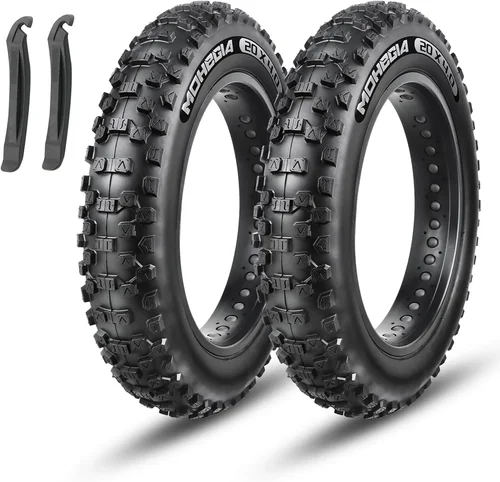
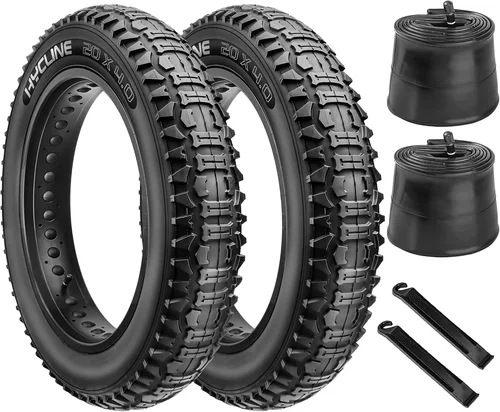
Fat tires aren’t just about width—they’re about function. Standard fat tires range from 4.0 to 5.0 inches wide, with 4.5″ being the sweet spot for most riders. Wider tires (4.8″–5.0″) offer maximum flotation on sand or snow but add rolling resistance and weight. Narrower 4.0″ tires are better for mixed pavement and trail use.
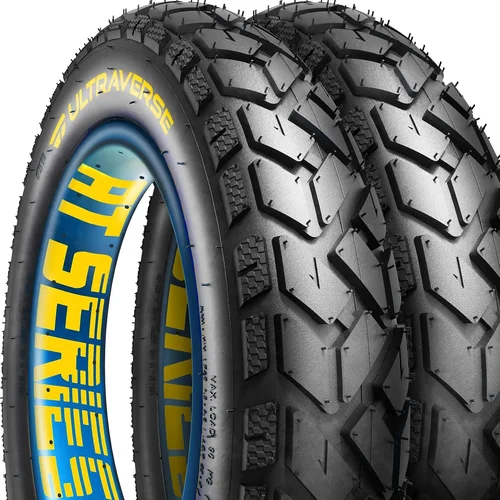
Tread pattern is equally important. Knobby, aggressive treads (like those on the Maxxis Minion or Vee Tire Co. Snowshoe) excel in loose or slippery conditions but can be noisy and slow on pavement. Semi-slick or hybrid treads (e.g., Schwalbe Super Moto-X) provide a balance of grip and efficiency for urban and light trail riding. Some bikes come with studded tires for icy conditions—ideal for winter commuters in colder climates.
Tire pressure also plays a role. Lower pressure (5–15 PSI) increases traction and comfort but risks pinch flats. Higher pressure (15–25 PSI) reduces rolling resistance but sacrifices grip. Many modern fat tire e-bikes include tubeless-ready rims, which allow you to run lower pressures without flats and improve ride quality.
4. Frame Material and Build Quality
The frame bears the brunt of the bike’s weight, rider load, and terrain stress. Most fat tire e-bikes use aluminum alloy frames due to their strength-to-weight ratio and corrosion resistance. Look for 6061 or 7005 aluminum—these are durable and widely used in quality bikes. Steel frames are heavier but offer a smoother ride and are easier to repair; they’re common on vintage-style or cargo fat tire e-bikes.
Pay attention to weld quality, cable routing, and component integration. Sloppy welds or exposed cables can indicate poor manufacturing. High-end models often feature hydroformed tubing (shaped under pressure for optimal strength) and internal cable routing for a cleaner look and better protection.
Suspension is another key factor. Full-suspension fat tire e-bikes (with front and rear shocks) are ideal for rough trails but add cost and weight. Hardtail models (front suspension only) are lighter and more efficient for mixed use. Rigid frames (no suspension) are rare on fat tire e-bikes due to the harsh ride, but some minimalist designs exist for urban use.
5. Braking System
With added weight and speed, reliable brakes are non-negotiable. Mechanical disc brakes are common on entry-level models but require more hand force and wear faster. Hydraulic disc brakes, found on mid- to high-end bikes, offer superior stopping power, modulation, and consistency—especially in wet or muddy conditions.
Look for 180mm or 203mm rotors for better heat dissipation. Some premium models include regenerative braking (which recaptures energy during deceleration), though this feature is still rare on fat tire e-bikes. Avoid rim brakes entirely—they’re unsafe on heavy, high-torque e-bikes and perform poorly in wet conditions.
6. Weight and Portability
Fat tire e-bikes are inherently heavy—most weigh between 60 and 85 pounds due to the motor, battery, and oversized components. This affects handling, storage, and transport. If you need to carry the bike upstairs or load it into a car, consider a model with a step-through frame or foldable design (like the Lectric XP Fat Tire).
Weight distribution matters too. A well-balanced bike with the battery low and centered will feel more stable than one with a top-heavy load. Some manufacturers use lightweight alloys or carbon fiber components to reduce overall mass, but these come at a premium.
Portability features like integrated racks, kickstands, and fender mounts add convenience but also weight. Decide what’s essential for your use case—commuting, camping, or casual riding.
7. Display and Smart Features
The display is your interface with the bike’s systems. Basic LCD screens show speed, battery level, and assist mode. Mid-range models add trip data, odometer, and backlighting. Premium bikes feature full-color TFT displays with GPS navigation, Bluetooth connectivity, ride tracking, and smartphone integration (via apps like RideRad or Aventon’s app).
Smart features can enhance safety and usability. Turn signals, automatic headlights, and anti-theft alarms are becoming more common. Some bikes even offer over-the-air firmware updates to improve performance or add features post-purchase.
However, more tech means more potential points of failure. If you prefer simplicity, a basic display with reliable core functions may be preferable. Always check if the display is waterproof and readable in direct sunlight.
8. Warranty and Customer Support
A fat tire e-bike is a significant investment, so protect it with a solid warranty. Most reputable brands offer at least a 1-year comprehensive warranty, with 2–3 years on the frame and battery. Pay attention to what’s covered: motor, battery, electronics, and labor. Some companies (like Rad Power Bikes) provide excellent U.S.-based support with local service centers, while others rely on third-party repair shops or mail-in service.
Read the fine print. Many warranties are voided by modifications, improper charging, or use in extreme conditions (e.g., submersion in water). Check if the company offers extended warranties or battery replacement programs—batteries degrade over time and typically last 500–1000 charge cycles.
User forums and Reddit communities can reveal real-world support experiences. A brand with responsive customer service and readily available replacement parts is worth paying a little extra for.
Different Types of Electric Bike Fat Tires

Common Buying Mistakes to Avoid
❌ Mistake: Focusing Only on Motor Wattage
Why it’s bad: A high wattage number doesn’t guarantee performance. Many budget bikes advertise “1000W” motors that are actually limited to 750W by law or controller settings. Without sufficient torque and battery support, the bike will struggle on hills or soft terrain.
What to do instead: Prioritize torque (aim for 70+ Nm) and real-world hill-climbing ability. Read independent reviews and test rides to assess actual performance.
❌ Mistake: Ignoring Battery Real-World Range
Why it’s bad: Manufacturers often quote maximum range under ideal conditions (light rider, flat terrain, low assist). In reality, wind, hills, and cold weather can cut range by 30–50%.
What to do instead: Calculate your needed range and add a 30% buffer. Choose a battery with at least 700Wh for daily commuting or long rides.
❌ Mistake: Overlooking Brake Quality
Why it’s bad: Cheap mechanical disc brakes can fail under the stress of a 70+ lb e-bike, especially when descending hills or riding in rain.
What to do instead: Insist on hydraulic disc brakes with 180mm+ rotors. Test braking performance before purchasing.
❌ Mistake: Buying Based on Looks Alone
Why it’s bad: A stylish bike with poor components will disappoint quickly. Flashy designs often hide weak motors, low-quality batteries, or flimsy frames.
What to do instead: Focus on specs, brand reputation, and user reviews. A less flashy bike with solid engineering will serve you better long-term.
❌ Mistake: Skipping the Test Ride
Why it’s bad: Fat tire e-bikes handle differently than standard bikes. Weight distribution, steering feel, and pedal assist response vary widely between models.
What to do instead: Always test ride if possible. Pay attention to comfort, stability, and how the bike responds to throttle and brakes.
❌ Mistake: Neglecting Warranty and Support
Why it’s bad: E-bikes require maintenance and occasional repairs. Without reliable support, you could be stuck with a broken bike and no help.
What to do instead: Choose brands with strong warranties, local service options, and positive customer service reviews.
❌ Mistake: Assuming All Fat Tires Are Equal
Why it’s bad: Tire width, tread, and pressure dramatically affect performance. A 5.0″ knobby tire is overkill for city riding and will slow you down.
What to do instead: Match tire type to your terrain. Use hybrid treads for mixed use, aggressive knobs for off-road, and studded tires for ice.
Budget Guidelines: How Much Should You Spend?
Entry-Level ($600 – $1,200): These bikes are great for casual riders or those new to e-bikes. Expect basic hub motors (500W–750W), smaller batteries (400–600Wh), and mechanical disc brakes. Brands like Ancheer, ECOTRIC, and Swagtron offer decent value here, but build quality and support may be limited. Ideal for flat terrain and short rides.
Mid-Range ($1,200 – $2,500): This is the sweet spot for most buyers. You’ll find hydraulic disc brakes, removable 700–900Wh batteries, better displays, and improved frames. Models like the RadRover 6 Plus, Aventon Aventure.2, and Lectric XP 3.0 Fat Tire deliver excellent performance, reliability, and features for the price. Perfect for commuting, light trails, and daily use.
Premium ($2,500 – $4,500): Designed for enthusiasts and serious adventurers. These bikes often feature mid-drive motors, full suspension, high-capacity batteries (900Wh+), and advanced electronics. Brands like Trek, Specialized, and Riese & Müller dominate this space. Expect superior components, longer warranties, and top-tier support. Ideal for mountain trails, long-distance touring, or harsh conditions.
Luxury ($4,500+): Top-tier machines with cutting-edge tech, custom builds, and premium materials. Think carbon fiber frames, regenerative braking, integrated GPS, and AI-assisted ride modes. These are for collectors, professionals, or those who want the absolute best. Examples include the Riese & Müller Superdelite GT Touring and the Specialized Kenevo SL.
Expert Tips for Getting the Best Deal
1. Buy During Off-Season Sales: Fat tire e-bikes are most in demand in spring and summer. Shop in late fall or winter (November–February) for discounts of 15–30%. Many brands clear inventory before new models launch.
2. Consider Refurbished or Open-Box Models: Reputable retailers like Rad Power Bikes and Aventon sell certified refurbished units with full warranties at 20–40% off retail. These are often as good as new.
3. Compare Total Cost of Ownership: Factor in battery replacement (every 3–5 years), tire wear, and maintenance. A cheaper bike with poor components may cost more long-term.
4. Check for Local Incentives: Some cities and states offer rebates or tax credits for e-bike purchases. California’s Clean Vehicle Rebate Project and Colorado’s e-bike incentive program can save you hundreds.
5. Buy from Authorized Retailers: Avoid gray-market imports. Authorized dealers provide warranty support, firmware updates, and access to genuine parts.
6. Read User Reviews on Multiple Platforms: Look beyond the manufacturer’s site. Check Reddit (r/ebikes), YouTube reviews, and forums like Electric Bike Report for unbiased feedback.
7. Test Ride Before Buying: If possible, visit a local dealer or attend an e-bike demo event. Feel the bike’s weight, handling, and comfort firsthand.
8. Negotiate Accessories: Many retailers will throw in free fenders, racks, or lights if you ask. These can add $100+ in value.

Frequently Asked Questions
Q: Are fat tire e-bikes good for commuting?
A: Yes—especially in cities with poor road conditions, snow, or rain. The wide tires absorb bumps and provide excellent grip, making your ride smoother and safer. Just ensure the bike has fenders, lights, and a rack if you’re carrying gear.
Q: Can I ride a fat tire e-bike in the snow?
A: Absolutely. Fat tires are ideal for snow when properly inflated (5–10 PSI). For icy conditions, consider studded tires or add-on tire chains. Mid-drive motors offer better traction on slippery surfaces.
Q: How fast do fat tire e-bikes go?
A: Most are Class 2 (throttle-assisted up to 20 mph) or Class 3 (pedal-assist up to 28 mph). Speed depends on motor power, battery, and local laws. Always check regulations in your area.
Q: Do fat tire e-bikes require more maintenance?
A: Slightly. The larger tires and heavier frame mean more stress on components. Regularly check tire pressure, brake pads, and chain wear. Suspension forks (if equipped) need periodic servicing.
Q: Can I convert a regular e-bike to fat tires?
A: Generally no. Fat tires require specific forks, frames, and wheels. The added width and weight can damage standard components. It’s better to buy a dedicated fat tire model.
Q: How long do fat tire e-bike batteries last?
A: Typically 500–1000 charge cycles, or 3–5 years with regular use. Capacity degrades over time—expect 20–30% loss after 3 years. Store batteries at 50% charge if not used for long periods.
Q: Are fat tire e-bikes legal everywhere?
A: In the U.S., Class 1 and Class 3 e-bikes are legal on most roads and bike paths. However, some trails prohibit e-bikes, and fat tires may be restricted in certain parks. Always check local rules.
Q: Can I ride a fat tire e-bike on the beach?
A: Yes, but only on packed sand. Soft, dry sand requires very low tire pressure (3–5 PSI) and strong motor power. Avoid saltwater exposure to prevent corrosion.
Q: Do I need a license or insurance?
A: In most U.S. states, no—Class 1–3 e-bikes are treated like regular bicycles. However, some cities require registration or helmets. Check your local DMV guidelines.
Q: What’s the weight limit for fat tire e-bikes?
A: Most support 250–300 lbs. Cargo models can handle 350–400 lbs. Always check the manufacturer’s rated capacity before purchasing.
Our Final Recommendations
Best for Budget-Conscious Buyers: Lectric XP 3.0 Fat Tire – At under $1,000, it offers hydraulic brakes, a 750W motor, 4.0″ tires, and a removable 672Wh battery. Great for city and light trail use.
Best Overall Value: Rad Power Bikes RadRover 6 Plus – Priced around $1,999, it delivers a powerful 750W rear hub motor, 672Wh battery, hydraulic brakes, and a robust aluminum frame. Excellent for commuting and adventure.
Best Premium Option: Specialized Kenevo SL Comp – A mid-drive fat tire beast with 90Nm torque, 700Wh battery, and full suspension. Ideal for serious off-road riders willing to invest $4,500.
Best for Beginners: Aventon Aventure.2 – User-friendly, stylish, and reliable. Features a 750W motor, 80Nm torque, and a bright color display. Great entry point at $2,199.
Best for Advanced Users: Riese & Müller Superdelite GT Touring – A luxury full-suspension fat tire e-bike with dual batteries (1,200Wh total), Bosch Performance Line motor, and integrated smart features. Priced at $8,000+, it’s for those who demand the best.
Conclusion: Making the Right Choice
Choosing the best electric bike with fat tires isn’t just about picking the shiniest model or the highest wattage motor. It’s about aligning your purchase with your real-world needs—whether that’s conquering snowy streets, exploring remote trails, or simply enjoying a smoother daily commute. By focusing on key factors like motor torque, battery capacity, brake quality, and build durability, you’ll avoid common pitfalls and invest in a bike that delivers lasting value.
Remember, the most expensive bike isn’t always the best fit. A mid-range model with thoughtful engineering and strong support can outperform a luxury bike that doesn’t match your riding style. Take the time to test ride, read reviews, and consider total cost of ownership. And don’t forget to factor in accessories, maintenance, and local regulations.
As fat tire e-bikes continue to evolve in 2026, the line between utility and adventure is blurring. With the right choice, you’re not just buying a bike—you’re unlocking a new way to move through the world. So gear up, charge up, and ride with confidence. Your perfect fat tire e-bike is out there—now you know how to find it.