
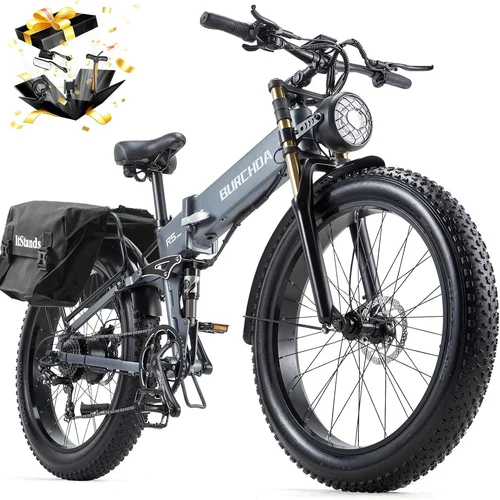
Hunting has evolved dramatically over the past decade, and one of the most transformative innovations in outdoor gear has been the rise of electric bicycles—specifically, hunting e-bikes. These rugged, powerful machines are no longer just recreational toys; they’re serious tools for hunters who need to cover vast terrain quietly, efficiently, and with minimal physical strain. Whether you’re navigating dense forests, scaling steep hills, or hauling game back to camp, a well-chosen hunting e-bike can make all the difference between a successful outing and a grueling ordeal.
But with so many models flooding the market—ranging from budget-friendly off-roaders to high-end trail dominators—it’s easy to feel overwhelmed. That’s where this guide comes in. We’ve spent months researching, testing, and analyzing the top hunting e-bikes available in 2025 to help you find the best value for your money. Our goal isn’t just to list products—it’s to arm you with the knowledge to make a smart, informed decision based on your specific needs, terrain, budget, and hunting style. From motor power and battery life to cargo capacity and stealth features, we’ll break down every critical factor so you can ride into the wilderness with confidence.
The hunting e-bike market is booming, and for good reason. Traditional ATVs and trucks are loud, expensive to fuel, and often restricted on public lands. E-bikes offer a quieter, more eco-friendly alternative that’s increasingly legal on trails where motorized vehicles aren’t allowed. Plus, they let you access remote hunting spots without exhausting yourself before you even get started. In this comprehensive buying guide, you’ll learn exactly what to look for, how to avoid common pitfalls, and which models deliver the best performance per dollar. Whether you’re a seasoned backcountry hunter or just starting to explore off-grid adventures, this guide will help you choose the right e-bike to enhance your next hunt.

What to Look for When Buying a Hunting E-Bike
1. Motor Power and Torque
The heart of any hunting e-bike is its motor. For off-road use—especially when carrying heavy loads like game, gear, or climbing steep inclines—you need a motor that delivers both power and torque. Most hunting e-bikes use mid-drive or hub motors, with mid-drives generally offering better weight distribution and efficiency on varied terrain.
Look for motors rated between 750W and 1,000W. While 750W is the legal limit for Class 1 and Class 3 e-bikes in many U.S. states, many hunting-specific models are built as “off-road use only” and can safely exceed this for rugged applications. Torque, measured in Newton-meters (Nm), is even more important than raw wattage—aim for at least 80 Nm, but 100+ Nm is ideal for hauling loads up mountain trails. Brands like Bafang and Shimano dominate this space, offering reliable, high-torque motors designed for heavy-duty use.
2. Battery Capacity and Range
Battery life determines how far you can go before needing a recharge—and in remote hunting areas, that’s not something you want to gamble on. Battery capacity is measured in watt-hours (Wh). For hunting trips, we recommend a minimum of 600Wh, but 750Wh to 1,000Wh is ideal for full-day excursions or multi-day hunts.
Lithium-ion batteries are standard, but pay attention to the cell quality (Samsung, LG, and Panasonic are top-tier). Also consider whether the battery is removable—this allows you to carry a spare or recharge it separately at camp. Range varies widely based on terrain, rider weight, assist level, and cargo load. A bike rated for 60 miles on flat ground might only deliver 25–30 miles when climbing hills with a 100-pound load. Always plan for 30–40% less range than advertised under real hunting conditions.
3. Frame Material and Build Quality
Hunting e-bikes take a beating. You’ll be riding through mud, rocks, brush, and rough trails—so durability is non-negotiable. Most quality models use aluminum alloy frames (6061 or 7005), which offer an excellent balance of strength, weight, and corrosion resistance. Avoid cheap steel frames—they’re heavy and prone to rust.
Look for reinforced dropouts, welded joints, and integrated mounting points for racks, fenders, and accessories. Some premium models feature full-suspension systems with hydraulic locks, which absorb shock on rocky terrain but add weight and cost. Hardtail (front suspension only) bikes are lighter and easier to maintain, making them a popular choice for hunters who prioritize efficiency over plush comfort.
4. Cargo Capacity and Utility Features
One of the biggest advantages of a hunting e-bike is its ability to carry gear—and potentially game. Check the maximum payload capacity, which typically ranges from 250 to 400 pounds. This includes the rider, cargo, and any附加 equipment.
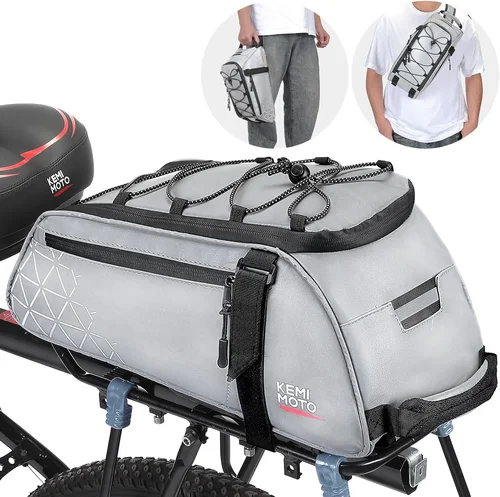
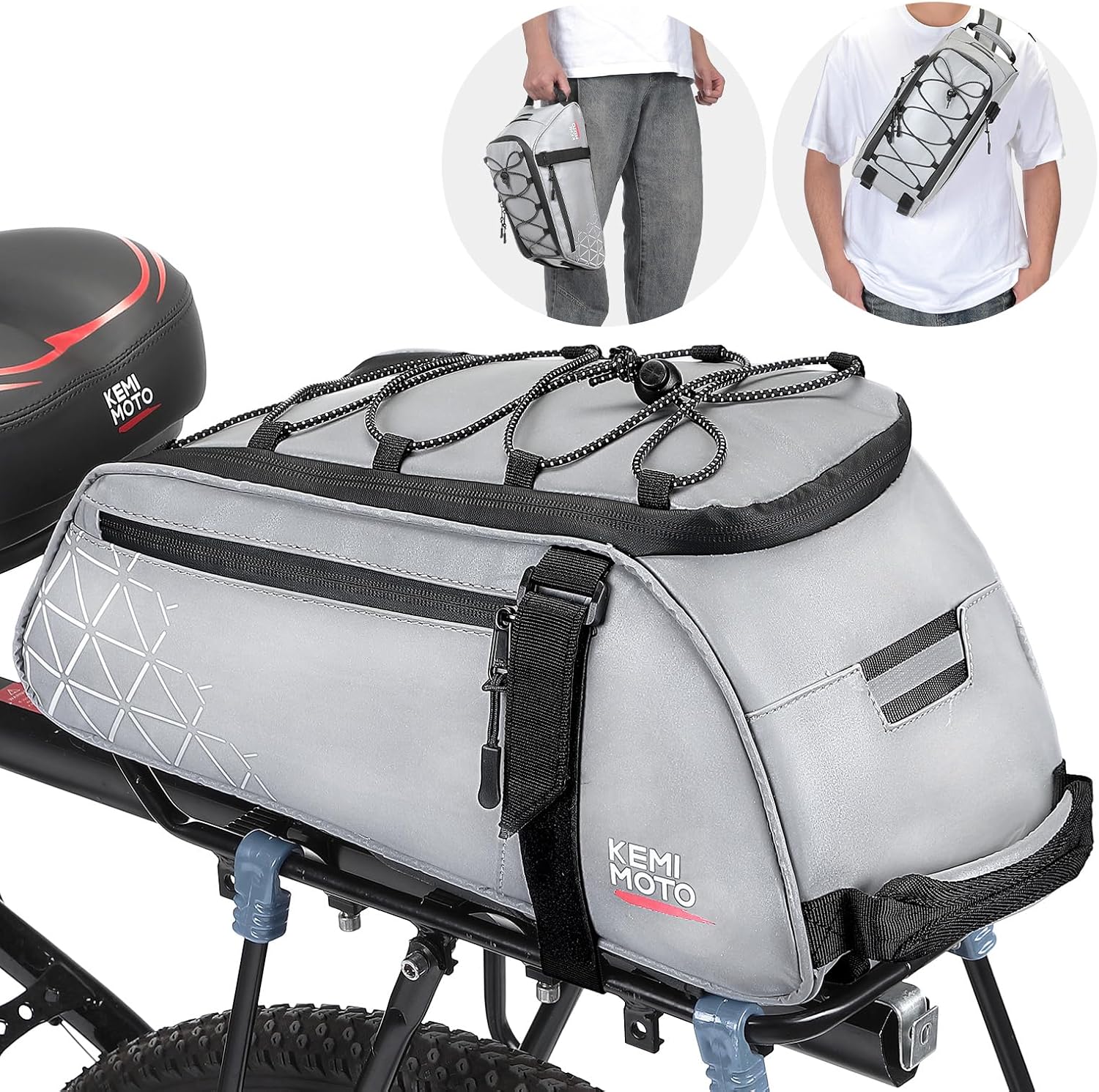
Integrated rear racks, front cargo baskets, and pannier compatibility are essential. Some models come with specialized hunting accessories like gun scabbards, bow mounts, or game hauling straps. Look for bikes with multiple attachment points (MOLLE webbing, bolt-on eyelets) so you can customize your setup. Fat tires (4″ to 5″ wide) also improve stability when loaded and provide better traction in snow, sand, or mud.
5. Stealth and Noise Levels
Silence is golden in the woods. A noisy motor or creaky frame can spook game long before you see it. While all e-bikes make some sound, hunting-specific models are engineered for minimal acoustic signature. Brushless motors are quieter than brushed ones, and belt drives (instead of chains) reduce mechanical noise significantly.
Some brands even offer “hunting mode” settings that limit top speed and throttle response to reduce motor whine. Additionally, consider tire choice—knobby tires can be loud on hardpack, while smoother treads or hybrid designs offer quieter rolling. Always test ride if possible to assess real-world noise levels.
6. Terrain Suitability and Tire Type
Not all e-bikes are built for the same environments. If you hunt in mountainous regions, you need strong brakes, low gearing, and excellent suspension. For swampy or snowy areas, fat tires are a must. Desert hunters might prefer wider tires with lower pressure for sand traction.
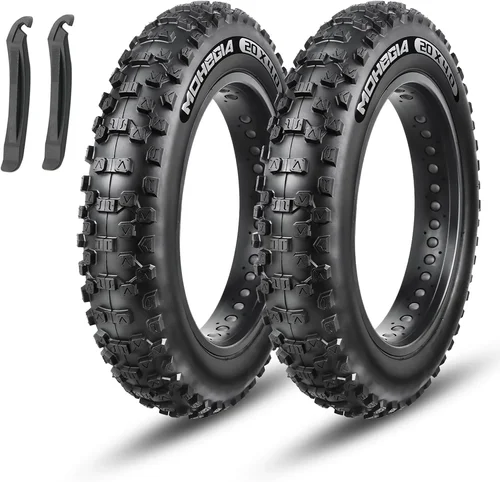
Consider the tread pattern: aggressive knobs for mud and loose dirt, moderate tread for mixed terrain, and semi-slicks for hardpack or gravel roads. Tubeless-ready wheels are a plus—they allow you to run lower pressures without pinch flats, improving grip and comfort. Also check ground clearance; low-hanging batteries or motors can get snagged on roots and rocks.
7. Braking System
When you’re descending a steep trail with 300 pounds of gear and game, reliable brakes aren’t optional—they’re lifesaving. Hydraulic disc brakes are the gold standard for hunting e-bikes. They offer consistent stopping power in wet or muddy conditions and require less hand effort than mechanical discs.
Look for dual-piston or quad-piston calipers with large rotors (180mm or 203mm). Some high-end models include regenerative braking, which recaptures a small amount of energy during deceleration—though this has minimal impact on overall range. Avoid rim brakes entirely; they wear quickly and fail in wet conditions.
8. Warranty, Support, and Service Network
A hunting e-bike is a significant investment, so protect it with a solid warranty. Reputable brands offer at least a 1-year comprehensive warranty, with 2–3 years on the battery and motor. Check what’s covered: labor, parts, shipping, and whether service is available locally.
Brands with strong U.S.-based support (like Rad Power Bikes, QuietKat, or Rambo) are preferable if you’re hunting domestically. Read customer service reviews—some companies are slow to respond or charge exorbitant fees for out-of-warranty repairs. Also consider whether the bike uses standard components (e.g., Shimano drivetrains, SRAM brakes) that local bike shops can service, or proprietary parts that require dealer visits.
Different Types of Hunting E-Bikes

Common Buying Mistakes to Avoid
❌ Mistake: Prioritizing Price Over Performance
Why it’s bad: A $1,200 e-bike might seem like a steal, but if it can’t handle your terrain or carry your gear, it becomes a liability. Cheap motors overheat, batteries degrade quickly, and frames crack under stress—leaving you stranded in the backcountry.
What to do instead: Set a realistic budget based on your needs. If you hunt in rugged areas, spend at least $2,500. Think of it as an investment in safety, efficiency, and success.
❌ Mistake: Ignoring Local Laws and Trail Regulations
Why it’s bad: Not all e-bikes are legal on public lands. Some states classify e-bikes by class (1, 2, or 3), and many wilderness areas ban motorized vehicles entirely—even quiet e-bikes.
What to do instead: Research your state and federal land rules before buying. Choose a Class 1 (pedal-assist only, no throttle, max 20 mph) if you plan to ride on regulated trails. Some hunting-specific models are designed for “off-road use only” to comply with restrictions.
❌ Mistake: Overlooking Battery Realism
Why it’s bad: Manufacturers often quote range under ideal conditions—flat roads, no cargo, minimal assist. In reality, hunting conditions cut range by 30–50%.
What to do instead: Always assume you’ll get half the advertised range. Carry a spare battery or plan routes with charging options. Consider solar chargers for multi-day trips.
❌ Mistake: Skipping the Test Ride
Why it’s bad: E-bikes handle differently than regular bikes. Weight distribution, steering feel, and brake responsiveness vary widely between models.
What to do instead: Visit local dealers or attend outdoor expos to test ride multiple bikes. Pay attention to how it feels with weight loaded—simulate a hunt by strapping on a backpack or dummy load.
❌ Mistake: Neglecting Maintenance Needs
Why it’s bad: E-bikes require more maintenance than traditional bikes—especially after muddy or wet hunts. Neglect leads to corrosion, drivetrain wear, and electrical issues.
What to do instead: Learn basic maintenance: clean the chain, check tire pressure, inspect connectors, and store the battery properly. Invest in a waterproof cover and toolkit.
❌ Mistake: Buying Based on Looks Alone
Why it’s bad: A sleek design doesn’t guarantee functionality. Some bikes look aggressive but have weak motors or poor suspension.
What to do instead: Focus on specs, not aesthetics. Read independent reviews, watch field tests, and prioritize utility over style.
❌ Mistake: Forgetting About Storage and Transport
Why it’s bad: Hunting e-bikes are heavy (60–90 lbs) and bulky. If you can’t load it into your truck or store it securely, it’s impractical.
What to do instead: Measure your vehicle’s bed or trailer capacity. Consider a ramp or lift system. Look for foldable models if space is limited—though most hunting e-bikes aren’t designed to fold.
Budget Guidelines: How Much Should You Spend?
Entry-Level ($1,500–$2,500):
These bikes are great for light-duty use—flat terrain, short distances, and minimal cargo. Expect 500–750W hub motors, 500–600Wh batteries, and basic components. Brands like Ancheer, Ecotric, and Heybike offer decent value here, but build quality and longevity may be compromised. Ideal for beginners or casual hunters who don’t push limits.
Mid-Range ($2,500–$4,000):
This is the sweet spot for most hunters. You’ll find 750–1,000W motors (often mid-drive), 750–960Wh batteries, hydraulic brakes, and sturdy aluminum frames. Models from Rad Power Bikes, Rambo, and Cyrusher dominate this tier. They balance performance, durability, and price—perfect for weekend warriors and serious amateurs.
Premium ($4,000–$6,500):
Built for demanding conditions, these bikes feature full suspension, high-torque motors (100+ Nm), 1,000Wh+ batteries, and advanced features like GPS integration, solar charging readiness, and modular racks. QuietKat and BAKcou lead here, offering expedition-grade reliability. Worth it if you hunt remote areas or carry heavy loads regularly.
Luxury ($6,500+):
Top-tier hunting e-bikes are essentially mobile command centers. Think custom builds, military-grade components, dual batteries, heated grips, and integrated communication systems. These are for professionals, outfitters, or enthusiasts who demand absolute performance and don’t mind the price tag. Examples include the QuietKat Ranger Pro and BAKcou M-780.
Expert Tips for Getting the Best Deal
– Buy Off-Season: Prices drop significantly in late winter and early spring (February–April) as retailers clear inventory for new models. You can save 10–20% during these periods.
– Shop Direct from Manufacturers: Brands like QuietKat, Rambo, and Rad Power Bikes often offer exclusive discounts, free shipping, and extended warranties when you buy directly—not through third-party retailers.
– Look for Bundle Deals: Many companies sell “hunting packages” that include racks, lights, locks, and spare batteries at a discounted rate. These can save you $200–$500 compared to buying separately.
– Check for Refurbished or Open-Box Units: Certified pre-owned e-bikes from reputable sellers come with warranties and can cost 20–30% less. Just ensure they’ve been inspected and tested.
– Negotiate Accessories: If a bike is at the top of your budget, ask for free add-ons like fenders, phone mounts, or tire upgrades. Most dealers will accommodate to close the sale.
– Read the Fine Print on Warranties: Some warranties void if you modify the bike or use it “off-road.” Make sure your intended use is covered before purchasing.
– Join Hunting Forums and Groups: Communities like Reddit’s r/ebikes or Backcountry Hunters & Anglers often share exclusive promo codes, group buys, or member discounts.
– Consider Financing: Many brands offer 0% APR financing for 6–12 months. This lets you spread payments without interest—ideal if you’re waiting for hunting season to start.
Frequently Asked Questions
Q: Are hunting e-bikes legal on public hunting lands?
A: It depends on the land manager and state laws. National Forests and BLM lands often allow e-bikes on roads and trails open to motorized vehicles, but Wilderness Areas (designated under the Wilderness Act) typically ban them. Always check local regulations before heading out.
Q: Can I carry a deer on a hunting e-bike?
A: Yes—if the bike has a high payload capacity (300+ lbs) and a sturdy rear rack. Use game straps or a specialized harness to secure the load. Fat-tire bikes with full racks are best for this. Never overload beyond the manufacturer’s limit.
Q: How long do e-bike batteries last?
A: Most lithium-ion batteries retain 80% capacity after 500–800 charge cycles (roughly 2–4 years of regular use). Proper storage (keep at 30–60% charge in cool, dry places) extends lifespan.
Q: Do I need a license or registration?
A: In most U.S. states, Class 1 and Class 2 e-bikes don’t require registration or a license. However, some states treat high-powered off-road e-bikes differently—check your DMV rules.
Q: Can I ride in the rain or snow?
A: Yes, but with caution. Most hunting e-bikes are water-resistant (IP65 or higher), not waterproof. Avoid submerging the battery or motor. In snow, fat tires and low tire pressure improve traction—but deep powder may still be impassable.
Q: What’s the difference between hub and mid-drive motors?
A: Hub motors are in the wheel—simpler, cheaper, but less efficient on hills. Mid-drive motors sit near the pedals, using the bike’s gears for better torque and balance. Mid-drives are preferred for hunting due to superior hill-climbing and load-handling.
Q: How do I transport a heavy e-bike?
A: Use a heavy-duty hitch rack rated for 70+ lbs. Platform-style racks are best—they support the bike’s frame, not just the wheels. For trucks, consider a ramp or tailgate extender.
Q: Can I upgrade components later?
A: Yes, but with limits. Tires, racks, and lights are easy upgrades. Motors and batteries are harder—and may void warranties. Stick to manufacturer-recommended parts when possible.
Q: Are e-bikes quieter than ATVs?
A: Absolutely. Even the loudest e-bike is significantly quieter than a 4-wheeler. At low speeds, the motor hum is barely audible beyond 20–30 feet—making them ideal for stealthy approaches.
Q: What if my battery dies in the field?
A: You can still pedal—it’ll be heavy, but possible. Carry a portable charger or spare battery. Some hunters use solar panels to trickle-charge during breaks.
Our Final Recommendations
Best for Budget-Conscious Buyers: Rad Power Bikes RadRover 6 Plus
At around $2,000, this fat-tire hardtail delivers exceptional value. With a 750W motor, 672Wh battery, and 300-lb payload, it handles most hunting scenarios without breaking the bank. Reliable, well-supported, and easy to maintain.
Best Overall Value: Rambo Pursuit 1000W
Priced near $3,500, this mid-drive beast offers 100 Nm of torque, a 960Wh battery, and military-inspired durability. It’s quiet, powerful, and built for real backcountry use—making it the best all-around choice for serious hunters.
Best Premium Option: QuietKat Ranger Pro
At $6,500, this is a no-compromise machine. Full suspension, 1,000W mid-drive, 1,200Wh dual-battery system, and integrated GPS. Perfect for multi-day expeditions or extreme terrain where failure isn’t an option.
Best for Beginners: Cyrusher XF900
This $2,200 fat-tire bike is user-friendly, with a step-through frame, intuitive controls, and solid performance. Great for new hunters learning the ropes without overwhelming complexity.
Best for Advanced Users: BAKcou M-780
A modular powerhouse at $7,200, the M-780 supports custom builds, solar integration, and extreme payloads. Designed for outfitters and professionals who need a customizable, expedition-ready platform.
Conclusion: Making the Right Choice
Choosing the best hunting e-bike for the money isn’t about finding the cheapest or most powerful model—it’s about matching the right tool to your specific needs. Consider your terrain, typical load, hunting style, and how often you’ll use it. A bike that excels in the Rockies might struggle in Florida’s swamps, and a budget model might suffice for local deer hunts but fail on a week-long elk expedition.
Remember: the best e-bike is the one you’ll actually use. Don’t overbuy, but don’t underinvest either. Prioritize reliability, serviceability, and real-world performance over flashy features or brand names. Take advantage of test rides, read owner reviews, and plan for the total cost of ownership—including batteries, maintenance, and accessories.
Ultimately, a great hunting e-bike doesn’t just get you to your stand—it enhances your entire experience. It reduces fatigue, expands your range, and increases your chances of success. With the insights from this guide, you’re now equipped to make a confident, informed decision. So gear up, charge your battery, and hit the trail. The wilderness is waiting.