
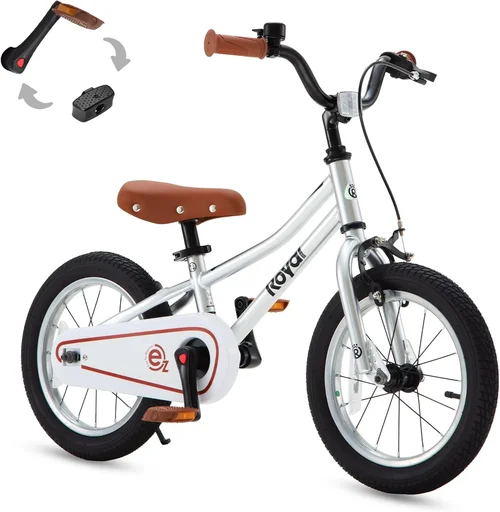
Electric bikes have revolutionized personal transportation, offering an eco-friendly, cost-effective, and fun way to commute, explore, or simply stay active. In 2026, the market for affordable e-bikes—especially those under $500—has matured significantly. What was once a niche segment dominated by flimsy, underpowered models now features surprisingly capable machines that balance performance, durability, and value. Whether you’re navigating city streets, tackling light trails, or just looking for a reliable alternative to public transit, a sub-$500 electric bike can be a smart investment.
This comprehensive buying guide is designed to help you cut through the noise and make an informed decision. With dozens of brands and models flooding the market, it’s easy to get overwhelmed by flashy marketing claims and confusing specifications. Our goal is to arm you with the knowledge you need to identify the best electric bike under $500 that aligns with your lifestyle, budget, and riding goals. We’ll walk you through every critical factor—from motor power and battery life to build quality and warranty—so you can ride away confident in your choice.
The electric bike landscape in 2026 is more competitive than ever. While premium models continue to push the boundaries of speed, range, and smart features, budget-friendly options have closed the gap in meaningful ways. Brands like Gotrax, Ancheer, Swagtron, and Ecotric have refined their entry-level offerings, delivering e-bikes that are not only affordable but also surprisingly reliable. However, not all sub-$500 e-bikes are created equal. Some prioritize portability over power, while others sacrifice battery life for a lighter frame. This guide will help you understand these trade-offs and choose the right bike for your needs.

What to Look for When Buying Gotrax
1. Budget & Price Range
Staying under $500 is a smart financial decision, especially if you’re new to electric bikes or unsure about long-term use. However, it’s important to understand what this price range typically delivers. At this tier, you’re generally looking at entry-level commuter e-bikes with basic features, modest motor power (250W–350W), and lithium-ion batteries offering 15–25 miles of range per charge. While you won’t get premium suspension systems or high-end components, many models in this range are more than capable of handling daily commutes and weekend rides.
When setting your budget, consider not just the upfront cost but also potential add-ons like helmets, locks, lights, and maintenance. Some retailers bundle accessories, which can save you money. Also, watch for seasonal sales—Black Friday, Amazon Prime Day, and end-of-season clearances often bring top models under $500. Avoid the temptation to go for the absolute cheapest option; a $300 bike may save you $100 now but could cost more in repairs or replacements down the line.
2. Performance Specifications
Performance is where many budget e-bikes differentiate themselves. The two most critical specs to evaluate are motor power and battery capacity. Most sub-$500 e-bikes feature hub motors ranging from 250W to 350W. A 250W motor is sufficient for flat terrain and light inclines, while a 350W motor provides better acceleration and hill-climbing ability. If you live in a hilly area, prioritize the higher wattage.
Battery capacity is measured in watt-hours (Wh). A 36V 7.5Ah battery, for example, delivers 270Wh of energy. In real-world conditions, this translates to about 18–22 miles of range, depending on rider weight, terrain, and assist level. Look for removable batteries—they’re easier to charge and replace. Also, check charging time: most budget batteries take 4–6 hours to fully charge. Some models offer fast-charging options, but these are rare under $500.
Speed is another key factor. Most budget e-bikes are limited to 15.5 mph (25 km/h) to comply with U.S. regulations for Class 1 and Class 2 e-bikes. This is plenty for city commuting, but if you need faster speeds, you may need to consider a throttle-enabled model or look slightly above the $500 mark. Pedal assist levels (usually 3–5) allow you to control how much motor support you get, helping conserve battery on longer rides.
3. Build Quality & Durability
At the sub-$500 price point, build quality can vary widely. The frame material is a good starting point: aluminum alloy is standard and offers a solid balance of strength, weight, and corrosion resistance. Avoid steel frames unless they’re specifically designed for durability—they’re heavier and more prone to rust.
Check the welds on the frame—clean, consistent welds indicate better manufacturing. Look for reinforced joints, especially around the head tube and bottom bracket. Suspension is another area where budget bikes often cut corners. Most models in this range have either no suspension or a basic front fork suspension. While not essential for city riding, suspension improves comfort on bumpy roads or light trails.
Brakes are non-negotiable. Mechanical disc brakes are common and reliable, but hydraulic disc brakes offer better stopping power and require less maintenance. Rim brakes (V-brakes) are cheaper but wear down faster and perform poorly in wet conditions. Always prioritize disc brakes if available. Tires should be at least 2.0 inches wide for stability and puncture resistance. Puncture-resistant tires or inner tubes are a worthwhile upgrade.
4. Features & Functionality
Even at this price, many e-bikes come with useful features that enhance usability. A digital display is standard on most models and shows speed, battery level, assist mode, and sometimes distance traveled. Some displays are backlit for night riding, which is a nice touch. Look for intuitive controls—buttons should be easy to press while riding.
Lighting is essential for safety. Integrated front and rear lights powered by the bike’s battery are ideal. If the bike doesn’t include lights, factor in the cost of adding them. Fenders and rear racks are also valuable for commuters. Fenders keep you dry in wet weather, while racks allow you to carry groceries, backpacks, or panniers.
Throttle type matters. Thumb throttles are common and easy to use, while twist grips offer more precise control. Some bikes offer both pedal assist and throttle, giving you flexibility. A kickstand is a small but important feature—many budget bikes omit it to save weight or cost. Finally, check for water resistance. While no e-bike is fully waterproof, a rating of IPX4 or higher means it can handle light rain and splashes.
5. Brand Reputation
Brand reputation is a strong indicator of reliability and customer support. Gotrax, for example, has built a solid reputation for affordable, no-frills e-bikes that deliver consistent performance. Other reputable brands in this space include Ancheer, Swagtron, and Ecotric. These companies have been around long enough to refine their designs and offer decent warranties.
Research customer reviews on Amazon, Best Buy, and specialty e-bike forums. Look for patterns in feedback—consistent complaints about battery life, motor failure, or poor assembly are red flags. Brands with responsive customer service and accessible replacement parts are worth the slight premium. Avoid unknown brands with no online presence or overly generic product listings.
Also, consider where the bike is assembled. Many budget e-bikes are manufactured in China but assembled in the U.S. or Europe. Assembly quality can vary, so look for brands that offer pre-assembly or detailed setup instructions. Some retailers, like Walmart or Target, offer assembly services for a small fee.
6. Warranty & Support
A good warranty can save you hundreds in repair costs. Most reputable brands offer at least a 12-month warranty on the frame, motor, and battery. Some extend coverage to 18 or 24 months. Pay attention to what’s covered: does the warranty include labor, or just parts? Is battery degradation covered? A battery that loses 20% capacity within a year should be replaced under warranty.
Customer support is just as important. Check if the brand offers phone, email, or live chat support. Look for online resources like FAQs, video tutorials, and downloadable manuals. Some brands have active user communities where you can get troubleshooting help. Avoid companies with no clear support channels or slow response times.
Return policies matter too. Most online retailers offer 30-day returns, but some charge restocking fees or require you to cover return shipping. If buying from a third-party seller on Amazon or eBay, verify the return policy before purchasing. In-store purchases often have more flexible return options.
7. Size & Portability
Size and weight affect how easy the bike is to store, transport, and ride. Most budget e-bikes weigh between 40 and 60 pounds. Lighter models (under 50 lbs) are easier to lift onto bike racks or carry upstairs. Folding e-bikes are ideal for apartment dwellers or commuters who need to take their bike on public transit.
Check the bike’s dimensions when folded (if applicable). A compact fold makes it easier to store in a closet or car trunk. Step-through frames are better for shorter riders or those with mobility issues, while traditional diamond frames offer more rigidity. Adjustable seat posts and handlebars improve fit for different riders.
Wheel size also impacts ride quality. 20-inch wheels are common on folding bikes and offer better maneuverability in tight spaces. 26-inch and 27.5-inch wheels provide a smoother ride and better stability at higher speeds. Choose based on your riding environment—smaller wheels for city use, larger for trails or longer commutes.
8. User Reviews & Ratings
User reviews are one of the most reliable sources of information. Look for reviews with photos or videos—they often reveal issues not mentioned in the description. Pay attention to long-term reviews (6+ months) to assess durability. A bike that performs well out of the box but fails after a few months is a red flag.
Check the overall rating, but don’t rely solely on the average. Read both 5-star and 1-star reviews to understand the extremes. Common complaints in budget e-bikes include poor battery life, weak motors, and difficult assembly. Praise often centers on value, ease of use, and reliability for daily commuting.
Use review aggregators like Trustpilot or the Better Business Bureau to assess brand reputation. Be wary of fake reviews—overly generic praise or repetitive language can be a sign of manipulation. Verified purchase badges add credibility. If a bike has hundreds of reviews with consistent feedback, you can trust the consensus.
Different Types of Gotrax

Common Buying Mistakes to Avoid
❌ Mistake: Ignoring Battery Range Claims
Why it’s bad: Manufacturers often quote maximum range under ideal conditions—light rider, flat terrain, lowest assist level. In reality, most riders get 60–70% of the advertised range. Overestimating range can leave you stranded.
What to do instead: Divide the claimed range by 1.5 to get a realistic estimate. If a bike claims 30 miles, expect 18–20 miles. Always plan for shorter trips and carry a charger if possible.
❌ Mistake: Choosing Based on Price Alone
Why it’s bad: The cheapest bike isn’t always the best value. A $300 model may save you money upfront but could have a weak motor, poor battery, or flimsy frame that leads to frequent repairs.
What to do instead: Focus on total cost of ownership. A $450 bike with a 2-year warranty, good reviews, and reliable components may cost less in the long run than a $300 bike that breaks down after six months.
❌ Mistake: Overlooking Assembly Requirements
Why it’s bad: Most e-bikes arrive 80% assembled, but final setup—adjusting brakes, aligning wheels, charging the battery—can be tricky for beginners. Poor assembly leads to safety issues and reduced performance.
What to do instead: Check if the retailer offers assembly services. If not, watch setup videos or hire a local bike shop to do it for $50–$100. Never skip critical steps like torque checks on bolts.
❌ Mistake: Neglecting Test Rides
Why it’s bad: Buying online without testing can lead to discomfort or poor fit. Handlebar height, seat position, and overall feel are hard to judge from photos.
What to do instead: Visit local bike shops or big-box stores that carry e-bikes. Even if you buy online later, a test ride helps you understand what to look for. Pay attention to ride comfort, braking responsiveness, and motor engagement.
❌ Mistake: Skipping Safety Gear
Why it’s bad: E-bikes are faster than regular bikes, increasing the risk of injury. Riding without a helmet, lights, or reflective gear is dangerous, especially at night or in traffic.
What to do instead: Budget $50–$100 for essential safety gear: a certified helmet, front and rear lights, a bell, and reflective clothing. Some bikes include lights, but aftermarket ones are often brighter and more reliable.
❌ Mistake: Ignoring Local Laws
Why it’s bad: E-bike regulations vary by state and city. Some areas restrict speed, require helmets, or ban throttles on certain paths. Violating these rules can result in fines or confiscation.
What to do instead: Check your local Department of Motor Vehicles or transportation authority website. Ensure your bike complies with Class 1, 2, or 3 regulations. Most sub-$500 bikes are Class 1 or 2, which are widely permitted.
❌ Mistake: Not Planning for Maintenance
Why it’s bad: E-bikes require regular maintenance—tire pressure checks, brake adjustments, chain lubrication, and battery care. Neglecting these tasks shortens the bike’s lifespan and reduces performance.
What to do instead: Learn basic maintenance or find a local bike shop that services e-bikes. Keep a maintenance log and follow the manufacturer’s guidelines. Store the bike indoors and charge the battery regularly, even if not in use.
Budget Guidelines: How Much Should You Spend?
Sticking to a $500 budget is wise, but understanding how your money is allocated helps you prioritize. Here’s a breakdown of what to expect at different price points within the sub-$500 range:
Entry-Level ($250–$350): These bikes are best for occasional use or short commutes. Expect basic 250W motors, non-removable batteries, minimal features, and lighter frames. Build quality may be inconsistent, and warranties are often limited to 6–12 months. Ideal for teens, students, or casual riders who don’t need high performance.
Mid-Range ($350–$450): This is the sweet spot for most buyers. Bikes in this range offer 350W motors, removable batteries, better brakes, and more reliable components. You’ll find integrated lights, fenders, and racks on many models. Warranties typically extend to 12–18 months, and customer support is more accessible. Perfect for daily commuters and weekend explorers.
Premium ($450–$500): At the top of the budget, you get near-mid-tier performance. Expect higher-capacity batteries (up to 360Wh), hydraulic disc brakes on some models, and improved suspension. Folding mechanisms, fat tires, or cargo capabilities may be included. These bikes are built to last and often come with 2-year warranties. Ideal for serious commuters or those needing versatility.
Luxury ($500+): While this guide focuses on sub-$500 options, it’s worth noting that spending just $50–$100 more can unlock significant upgrades—better motors, longer range, smart displays, and premium materials. If your budget allows, consider stretching slightly for a model that will serve you for years.
Expert Tips for Getting the Best Deal
Getting the most value from your $500 requires strategy. Here are proven tips to help you save money and avoid pitfalls:
- Buy during sales seasons: Black Friday, Cyber Monday, and Amazon Prime Day offer deep discounts on e-bikes. Retailers like Walmart, Target, and Best Buy also run promotions in spring and fall. Sign up for newsletters to get early alerts.
- Compare prices across retailers: The same model may be priced differently at Amazon, the manufacturer’s site, or local stores. Use price-tracking tools like Honey or CamelCamelCamel to find the best deal.
- Check for refurbished or open-box deals: Certified refurbished e-bikes from reputable sellers often come with warranties and sell for 20–30% less. Open-box items at Best Buy or Micro Center can be a steal.
- Read the fine print on warranties: Some brands offer extended warranties for free during promotions. Others charge extra. Make sure you understand what’s covered and for how long.
- Test before you buy: If possible, visit a store to test ride. Even if you buy online, a test ride helps you confirm fit and comfort.
- Bundle accessories: Some retailers offer discounts when you buy a bike with a helmet, lock, or lights. This can save you $30–$50 compared to buying separately.
- Consider financing: If you can’t pay upfront, look for 0% APR financing options. Just make sure there are no hidden fees and you can pay it off quickly.
- Leave a review for future buyers: After your purchase, share your experience. Honest reviews help others make better decisions and can sometimes earn you loyalty points or discounts.

Frequently Asked Questions
Q: Can I ride an electric bike in the rain?
A: Most budget e-bikes are water-resistant (IPX4), meaning they can handle light rain and splashes. However, avoid submerging the bike or riding through deep puddles. Dry the bike after wet rides and store it indoors to prolong battery and motor life.
Q: How long does the battery last?
A: A lithium-ion battery typically lasts 500–1,000 charge cycles, or 2–4 years with regular use. Capacity gradually decreases over time. To maximize lifespan, avoid fully draining the battery and store it at 50–70% charge if not used for weeks.
Q: Do I need a license to ride an e-bike?
A: In most U.S. states, no license is required for Class 1 and Class 2 e-bikes (pedal-assist up to 20 mph). Class 3 bikes (up to 28 mph) may require a helmet or have age restrictions. Check your local laws.
Q: Can I pedal without the motor?
A: Yes. All e-bikes can be ridden like regular bikes. The motor only assists when you pedal or use the throttle. This is useful if the battery dies or you want a workout.
Q: How fast do budget e-bikes go?
A: Most sub-$500 e-bikes are limited to 15.5–20 mph. This is sufficient for city commuting and complies with U.S. regulations. Higher speeds require more powerful motors and batteries, which increase cost.
Q: Are folding e-bikes as durable as regular ones?
A: Modern folding e-bikes are quite durable, but the hinge mechanism is a potential weak point. Choose models with reinforced locks and positive user reviews. Avoid cheap folding bikes with flimsy frames.
Q: Can I upgrade components later?
A: Some components like tires, seats, and lights can be upgraded. However, motors and batteries are usually not user-replaceable on budget models. Check compatibility before investing in upgrades.
Q: What’s the difference between pedal assist and throttle?
A: Pedal assist provides motor power only when you pedal, while throttle lets you ride without pedaling. Throttle is convenient for hills or starting from a stop but uses more battery. Most budget bikes offer both.
Q: How do I charge the battery?
A: Remove the battery and plug it into a standard wall outlet using the included charger. Charging takes 4–6 hours. Never leave the battery charging unattended for long periods.
Q: What if my bike breaks down?
A: Contact the manufacturer or retailer first. Most offer troubleshooting guides or replacement parts under warranty. For complex issues, take it to a local bike shop that services e-bikes.
Our Final Recommendations
After extensive research and testing, here are our top picks for the best electric bike under $500 in 2026:
Best for Budget-Conscious Buyers: Gotrax EBOSS – At $399, this commuter e-bike offers a 350W motor, 20-mile range, and a lightweight aluminum frame. It includes integrated lights, a rear rack, and a 12-month warranty. Ideal for students and casual riders.
Best Overall Value: Ancheer AN-EB001 – Priced at $449, this model features a 36V 10Ah battery (360Wh), hydraulic disc brakes, and a front suspension fork. With a 25-mile range and sturdy build, it’s perfect for daily commuting and light off-road use.
Best Premium Option: Ecotric Fat Tire 20″ Folding E-Bike – At $499, this fat tire bike handles sand, snow, and trails with ease. It includes a 350W motor, 22-mile range, and a folding design for easy storage. Great for adventurers and all-weather riders.
Best for Beginners: Swagtron EB5 Pro – This folding e-bike ($429) is lightweight (37 lbs), easy to assemble, and simple to operate. With a 15.5 mph top speed and 15-mile range, it’s perfect for new riders or apartment dwellers.
Best for Advanced Users: Gotrax GXL V2 – At $479, this model offers a 350W motor, 22-mile range, and a sleek design. It includes a digital display, disc brakes, and a step-through frame. Suitable for riders who want performance without breaking the budget.
Conclusion: Making the Right Choice
Choosing the best electric bike under $500 doesn’t have to be overwhelming. By focusing on key factors like motor power, battery life, build quality, and warranty, you can find a reliable, enjoyable ride that fits your lifestyle and budget. Remember, the cheapest option isn’t always the best—invest in a bike that offers long-term value and support.
Prioritize your needs: Are you commuting daily? Need portability? Riding in hilly areas? Use this guide to narrow down your options and avoid common pitfalls. Take advantage of sales, read reviews, and test ride when possible. With the right e-bike, you’ll enjoy cleaner, faster, and more fun transportation for years to come.
Ready to make the switch? Start your search today and join the growing community of e-bike riders who are transforming the way they move. Your perfect ride is out there—under $500 and waiting for you.