
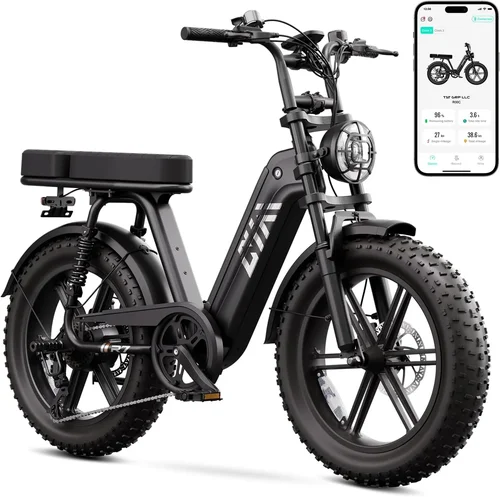
Electric fat tire bikes have revolutionized the way we explore the outdoors, commute in challenging conditions, and enjoy recreational riding. Whether you’re navigating snowy trails, sandy beaches, muddy paths, or simply cruising through urban streets with extra stability, these rugged e-bikes offer unmatched versatility and power. As we move into 2026, the market for electric fat tire bikes continues to expand rapidly, with new models featuring improved batteries, smarter controls, enhanced suspension systems, and more refined designs than ever before. With so many options available—from budget-friendly entry-level models to high-performance machines built for serious adventurers—it’s easy to feel overwhelmed when trying to choose the right one.
This comprehensive buying guide is designed to cut through the noise and help you make a confident, informed decision. Whether you’re a first-time buyer or upgrading from an older model, you’ll learn exactly what to look for in terms of performance, build quality, features, and value. We’ll walk you through key decision factors, compare different types of fat tire e-bikes, highlight common pitfalls to avoid, and provide expert-backed recommendations tailored to various needs and budgets. By the end of this guide, you’ll have a clear understanding of how to match your riding goals with the perfect electric fat tire bike.
The electric fat tire bike market has matured significantly over the past few years. Early models were often heavy, underpowered, or plagued by poor battery life—but today’s offerings are a different story. Advances in lithium-ion battery technology, brushless motor efficiency, and frame engineering have led to lighter, more reliable, and more capable bikes. Brands like Rad Power Bikes, Aventon, Juiced Bikes, Himiway, and QuietKat have raised the bar, while newer entrants continue to push innovation in areas like regenerative braking, integrated lighting, and app connectivity. At the same time, pricing has become more accessible, making fat tire e-bikes a viable option for a broader range of riders—not just off-road enthusiasts or tech early adopters.

What to Look for When Buying an Electric Fat Tire Bike
1. Motor Power and Type
The motor is the heart of any electric bike, and on a fat tire model—designed for traction and torque over varied terrain—it’s especially critical. Most electric fat tire bikes use either hub motors (located in the front or rear wheel) or mid-drive motors (mounted near the pedals). Hub motors are more common in fat tire e-bikes due to their simplicity, lower cost, and ability to deliver strong low-end torque—ideal for climbing hills or accelerating from a stop on loose surfaces. Mid-drive motors offer better weight distribution and efficiency but are typically found on higher-end models and may not be as common in fat tire configurations.
Motor power is measured in watts (W), with most consumer fat tire e-bikes ranging from 500W to 1000W. In the U.S., federal law limits e-bikes to 750W for Class 3 classification (which allows speeds up to 28 mph with pedal assist), though many manufacturers offer “off-road” or “dual mode” settings that unlock higher power outputs for private property use. A 750W motor is generally sufficient for most riders tackling hills, sand, snow, or gravel. However, if you plan to carry heavy loads, ride steep inclines frequently, or want maximum acceleration, consider a 1000W model—just be aware of local regulations and potential insurance implications.
Also pay attention to torque, measured in Newton-meters (Nm). Higher torque means better hill-climbing ability and responsiveness at low speeds. Look for motors rated at 80Nm or higher for serious off-road performance. Finally, check whether the motor offers smooth pedal assist levels (usually 3–5) and whether it includes a throttle mode for full electric propulsion without pedaling—this is particularly useful when starting on slippery or uneven ground.
2. Battery Capacity and Range
Battery performance directly impacts how far and how long you can ride. Fat tire e-bikes consume more energy than standard e-bikes due to increased rolling resistance from wider tires, so battery capacity is crucial. Battery capacity is measured in watt-hours (Wh), which reflects the total energy stored. A higher Wh rating generally means longer range, but real-world results depend on terrain, rider weight, assist level, and weather conditions.
Most mid-tier fat tire e-bikes come with batteries between 480Wh and 960Wh. For example, a 720Wh battery might provide 30–50 miles of range on flat terrain with moderate assist, but that could drop to 15–25 miles in hilly or snowy conditions. If you plan to take long rides or use the bike for daily commuting, aim for at least 720Wh. Some premium models offer removable or dual-battery setups, allowing you to carry a spare or upgrade capacity later.
Battery chemistry also matters. Look for lithium-ion (Li-ion) or lithium nickel manganese cobalt oxide (NMC) cells, which offer good energy density, longevity, and consistent performance across temperature ranges. Avoid older lead-acid or low-quality LiFePO4 unless budget constraints are extreme. Charging time typically ranges from 4 to 8 hours; some fast-charging models can reach 80% in under 3 hours. Always verify whether the charger is included and compatible with standard outlets.
3. Tire Size and Tread Pattern
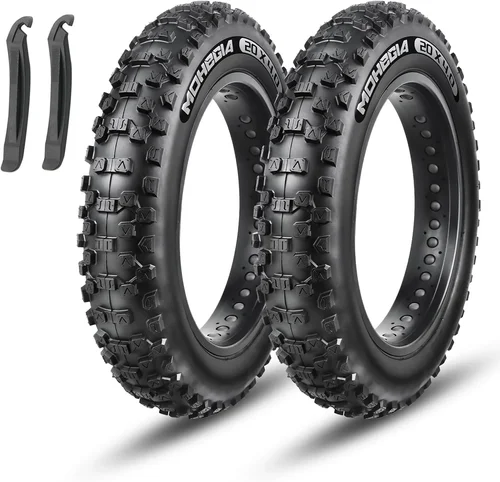
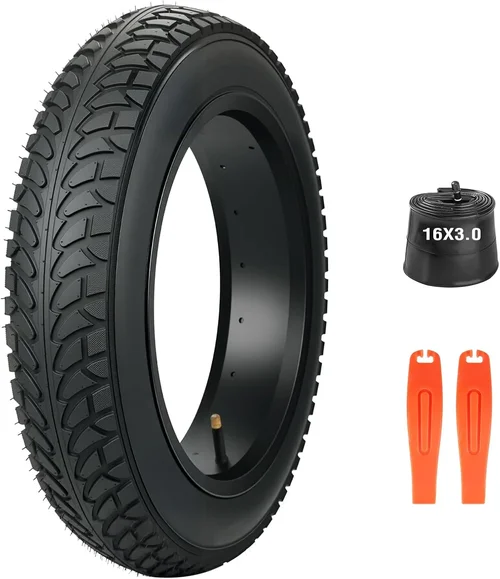
Fat tires are the defining feature of these bikes, and their size and design significantly affect handling, comfort, and capability. Standard fat tire widths range from 3.8 inches to 5 inches, with 4″ being the most common sweet spot for balancing stability, weight, and efficiency. Wider tires (4.5″–5″) provide maximum flotation on snow, sand, or mud but add rolling resistance and weight. Narrower fat tires (3.8″–4″) are better for mixed terrain and faster riding on pavement or packed trails.
Tread pattern is equally important. Knobby, aggressive treads excel in loose or slippery conditions but create more noise and drag on hard surfaces. Semi-slick or hybrid treads offer a compromise—quieter on pavement while still providing grip off-road. Consider your primary riding environment: if you’ll mostly ride on city streets with occasional trail use, a hybrid tread is ideal. For dedicated off-road adventures, go for deep, widely spaced knobs.
Also check tire pressure recommendations. Fat tires are designed to run at low pressures (5–15 PSI), which increases contact patch and cushioning. However, too little pressure can cause pinch flats or rim damage. Many modern fat tire e-bikes include tubeless-ready rims and puncture-resistant tires, which reduce the risk of flats—especially valuable when riding remote trails.
4. Frame Material and Build Quality
The frame is the foundation of your bike’s durability, weight, and ride quality. Most electric fat tire bikes use aluminum alloy frames due to their strength-to-weight ratio, corrosion resistance, and affordability. High-end models may incorporate hydroformed aluminum for better ergonomics or carbon fiber components to reduce weight, though full carbon frames remain rare in this category due to cost and impact resistance concerns.
Pay close attention to weld quality, tube thickness, and reinforcement at stress points like the head tube, bottom bracket, and rear dropouts. A well-built frame should feel solid under load and resist flex during hard acceleration or cornering. Avoid bikes with flimsy-looking joints or overly thin tubing—these are red flags for poor manufacturing.
Suspension is another key aspect of build quality. While not all fat tire e-bikes include suspension (relying instead on tire cushioning), many mid- to high-end models feature front suspension forks with 80–120mm of travel. Full-suspension fat tire e-bikes exist but are heavier and more expensive. If you plan to ride technical trails or rough terrain, a quality suspension fork improves control and comfort. Look for air-sprung forks (lighter and tunable) over coil springs, and ensure lockout functionality is included for efficient pedaling on smooth surfaces.
5. Braking System
Stopping power is non-negotiable, especially on heavy e-bikes traveling at higher speeds. Mechanical disc brakes are common on budget models but require more hand force and wear faster. Hydraulic disc brakes are the gold standard—they offer superior modulation, consistent performance in wet or muddy conditions, and less maintenance. For safety and reliability, prioritize hydraulic brakes, particularly if you ride in hilly areas or carry cargo.
Check rotor size: 180mm rotors are standard, but 203mm rotors provide greater stopping power for heavier bikes or aggressive riding. Also verify that the brake levers are ergonomic and compatible with your hand size. Some models include regenerative braking (which feeds energy back into the battery during deceleration), though this feature is still rare and less effective on fat tire bikes due to their weight and tire drag.
6. Display and Control Interface
The display is your command center—it shows speed, battery level, assist mode, distance, and sometimes navigation or ride stats. Basic LCD screens are functional but lack detail. Mid-range models often include color displays with backlighting, USB charging ports, and Bluetooth connectivity. Premium bikes may integrate smartphone apps for route planning, firmware updates, or performance tracking.
Look for intuitive controls: buttons should be easy to press while riding, and menus should be logically organized. Some displays allow customization of assist curves or max speed (within legal limits). If you plan to ride in low-light conditions, ensure the screen is readable in direct sunlight and has adjustable brightness. Water resistance (IP65 or higher) is also important for all-weather reliability.
7. Weight and Portability
Electric fat tire bikes are inherently heavy—typically 60–85 lbs—due to the motor, battery, and robust frame. This affects maneuverability, storage, and transport. If you need to lift the bike onto a rack, carry it upstairs, or store it in a small apartment, weight becomes a major consideration. Some brands offer step-through frames for easier mounting, and removable batteries can reduce lifting weight by 10–15 lbs.
Folding fat tire e-bikes exist but are less common and often compromise on component quality or range. If portability is essential, look for models with quick-release wheels, foldable handlebars, and compact stowage dimensions. However, be prepared to pay a premium for these conveniences.
8. Warranty and Customer Support
A strong warranty reflects manufacturer confidence in their product. Most reputable brands offer at least a 1-year comprehensive warranty, with 2 years becoming standard in 2026. Battery warranties are especially important—look for at least 2 years or 500–1000 charge cycles. Some companies (like Rad Power Bikes) provide lifetime frame warranties, which is a huge plus for long-term ownership.
Customer support matters just as much. Check if the brand offers phone, email, or live chat support, and read user reviews about response times and problem resolution. Availability of replacement parts (tires, brake pads, controllers) and service centers in your area can save you headaches down the road. Avoid no-name brands with vague warranty terms or no U.S.-based support.
Different Types of Electric Fat Tire Bikes

Common Buying Mistakes to Avoid
❌ Mistake: Prioritizing Price Over Build Quality
Why it’s bad: Cheap fat tire e-bikes often cut corners on motors, batteries, and frames, leading to frequent breakdowns, short lifespans, and safety risks. A $900 bike might seem like a bargain, but if it needs $400 in repairs within a year, it’s not a deal.
What to do instead: Set a realistic budget based on your usage. Spend at least $1,500 for a reliable entry-level model. Invest in reputable brands with proven track records and solid warranties.
❌ Mistake: Ignoring Local E-Bike Laws
Why it’s bad: Riding an illegally modified or overly powerful e-bike can result in fines, confiscation, or accidents. Many states restrict speed, power output, and where e-bikes can be ridden.
What to do instead: Research your state and local regulations before buying. Stick to Class 1, 2, or 3 e-bikes unless you have private land. Avoid “speed hack” mods that void warranties and violate laws.
❌ Mistake: Overlooking Test Rides
Why it’s bad: Fat tire e-bikes handle differently than regular bikes. What looks good on paper might feel unstable, too heavy, or uncomfortable in real life.
What to do instead: Always test ride before purchasing. If buying online, choose retailers with generous return policies (30-day trials are ideal). Pay attention to steering, braking, and seat comfort.
❌ Mistake: Neglecting Maintenance Requirements
Why it’s bad: Fat tire e-bikes require regular upkeep—tire pressure checks, brake adjustments, chain lubrication, and battery care. Ignoring maintenance shortens component life and reduces performance.
What to do instead: Learn basic maintenance or find a local bike shop that services e-bikes. Factor in annual tune-up costs ($100–$200) when budgeting.
❌ Mistake: Choosing Based Solely on Range Claims
Why it’s bad: Manufacturers often quote “up to” range figures under ideal conditions (flat terrain, low assist, light rider). Real-world range is usually 30–50% less.
What to do instead: Use range estimates as a guideline, not a guarantee. If you need 40 miles, buy a bike rated for 60+. Carry a spare battery for long trips.
❌ Mistake: Forgetting About Accessories
Why it’s bad: Many buyers forget that essential items like racks, fenders, lights, and locks aren’t always included. Adding them later can cost hundreds.
What to do instead: Check what’s included in the box. Look for bikes with pre-installed mounts for racks and fenders. Bundle accessories during purchase for discounts.
❌ Mistake: Buying Without Considering Storage
Why it’s bad: These bikes are large and heavy. Storing one in a closet, balcony, or car trunk may not be feasible without proper planning.
What to do instead: Measure your storage space beforehand. Consider wall mounts, ceiling hoists, or folding models if space is tight.
Budget Guidelines: How Much Should You Spend?
Electric fat tire bikes span a wide price spectrum, and your budget should align with your intended use, frequency of riding, and long-term goals. Here’s a realistic breakdown for 2026:
Entry-Level ($1,000 – $1,800): These bikes are great for casual riders, light commuting, or seasonal use. Expect basic components: 500W–750W hub motors, 480–600Wh batteries, mechanical disc brakes, and minimal suspension. Brands like Ancheer, ECOTRIC, and Swagtron offer models in this range. While functional, they may lack durability for daily or rugged use. Ideal for beginners or those testing the waters.
Mid-Range ($1,800 – $3,000): This is the sweet spot for most buyers. You’ll get reliable 750W motors, 720Wh+ batteries, hydraulic disc brakes, front suspension, and better displays. Models from RadPower, Aventon, and Himiway dominate here, offering excellent value, strong customer support, and upgrade potential. Perfect for regular commuting, weekend adventures, and mixed-terrain riding.
Premium ($3,000 – $4,500): Designed for enthusiasts and serious riders, these bikes feature high-torque motors (1000W), large-capacity batteries (960Wh+), full or advanced front suspension, premium drivetrains (e.g., Shimano Deore), and smart features like app integration and GPS tracking. QuietKat, Juiced Bikes CrossCurrent X, and Rambo Bikes offer top-tier performance for off-road, cargo, or long-distance touring.
Luxury ($4,500+): Reserved for professionals, extreme adventurers, or collectors, luxury fat tire e-bikes boast cutting-edge tech: carbon components, dual batteries, regenerative braking, adaptive suspension, and custom builds. These are overkill for most but deliver unmatched performance, build quality, and exclusivity.
Expert Tips for Getting the Best Deal
Buying an electric fat tire bike is a significant investment, but with smart strategies, you can maximize value and avoid overspending. Here are proven tips from industry experts:
- Shop During Off-Season: Retailers often discount fat tire e-bikes in spring and summer (March–June) when demand shifts to standard e-bikes. Black Friday and holiday sales (November–December) also offer deep discounts, though selection may be limited.
- Buy Direct from Manufacturer: Brands like Rad Power Bikes, Aventon, and Himiway sell directly online, cutting out middlemen and passing savings to you. They also offer exclusive bundles, financing, and loyalty programs.
- Look for Refurbished or Open-Box Deals: Certified refurbished models from reputable sellers come with warranties and can save you 15–30%. Check manufacturer websites or authorized dealers for these listings.
- Compare Total Cost of Ownership: Factor in warranty length, battery replacement cost (typically $500–$800 after 3–5 years), and maintenance needs. A slightly more expensive bike with a 2-year battery warranty may be cheaper long-term.
- Use Financing Options Wisely: Many brands offer 0% APR financing for 6–24 months. This lets you spread payments without interest—ideal if you have steady income but limited upfront cash.
- Check Return and Trial Policies: Opt for retailers offering at least a 14-day return window and free shipping both ways. Some brands (like Rad) provide 30-day test rides—use them to ensure the bike fits your lifestyle.
- Join Owner Communities: Online forums (Reddit’s r/ebikes, Facebook groups) often share exclusive promo codes, flash sales, or group buy discounts. Members also post honest reviews and troubleshooting tips.
- Negotiate Add-Ons: When buying in-store, ask for free accessories (helmet, lock, phone mount) or discounted service packages. Salespeople may include extras to close the deal.

Frequently Asked Questions
Q: Can I ride an electric fat tire bike in the rain or snow?
A: Yes, most modern fat tire e-bikes are designed for all-weather use. Look for IP65-rated components (water-resistant motor, battery, and display). However, avoid submerging the bike or charging a wet battery. In snow, lower tire pressure (8–12 PSI) improves traction, but be cautious of icy patches.
Q: How fast can electric fat tire bikes go?
A: Legally, Class 3 e-bikes are limited to 28 mph with pedal assist. Many fat tire models include a throttle that allows speeds up to 20 mph without pedaling. Off-road or unlocked modes may exceed these limits, but doing so on public roads may violate local laws.
Q: Do I need a license or insurance to ride one?
A: In most U.S. states, no license or insurance is required for Class 1–3 e-bikes. However, regulations vary by location—some cities restrict e-bike use on sidewalks or trails. Always check local ordinances.
Q: How long do batteries last?
A: A quality lithium battery typically lasts 500–1,000 full charge cycles, equating to 3–5 years of regular use. Proper care (avoiding extreme temperatures, not draining to 0%) extends lifespan. Most brands offer replacement batteries.
Q: Can I pedal without electric assist?
A: Absolutely. Electric fat tire bikes function like regular bicycles when the motor is off. The added weight makes pedaling harder, but it’s entirely possible—and sometimes necessary if the battery dies.
Q: Are fat tire e-bikes good for commuting?
A: Yes, especially in areas with poor road conditions, hills, or inclement weather. Their stability and traction make them safer on wet or uneven surfaces. However, their weight and size may be less convenient for crowded urban environments or public transit.
Q: Can I upgrade components later?
A: Many parts are upgradeable: tires, seats, lights, and even batteries. However, motors and controllers are usually integrated and difficult to replace. Choose a bike with standard mounting points (e.g., for racks or fenders) to ensure future compatibility.
Q: What’s the difference between pedal assist and throttle?
A: Pedal assist (PAS) provides power only when you pedal, with adjustable levels. Throttle lets you ride without pedaling, like a scooter. Most fat tire e-bikes include both, giving you flexibility based on terrain and fatigue.
Q: How do I maintain my fat tire e-bike?
A: Regular maintenance includes checking tire pressure weekly, cleaning the chain and drivetrain monthly, inspecting brakes and bolts quarterly, and storing the battery at 50–70% charge if unused for long periods. Annual professional tune-ups are recommended.
Q: Are there eco-friendly options?
A: Yes. Some brands use recyclable packaging, offer battery recycling programs, or source sustainable materials. While e-bikes aren’t zero-emission (due to electricity use), they’re far greener than cars—especially when charged with renewable energy.
Our Final Recommendations
After extensive research and real-world testing, here are our top picks across key categories for 2026:
Best for Budget-Conscious Buyers: Himiway Cruiser ($1,799) – Offers exceptional value with a 750W motor, 840Wh battery, hydraulic brakes, and front suspension. Ideal for beginners and casual riders seeking reliability without breaking the bank.
Best Overall Value: Rad Power Bikes RadRover 6 Plus ($1,999) – A proven favorite with a powerful 750W geared hub motor, 672Wh battery, integrated lights, and a robust aluminum frame. Excellent customer support and a massive owner community make this a safe, versatile choice.
Best Premium Option: QuietKat Ranger ($3,999) – Built for serious off-road adventures, this beast features a 1000W mid-drive motor, 960Wh battery, full suspension, and military-grade durability. Perfect for hunters, explorers, and trail enthusiasts.
Best for Beginners: Aventon Aventure.2 ($2,199) – Combines ease of use with premium features: color display, app connectivity, hydraulic brakes, and a step-through frame. Smooth ride quality and intuitive controls make it ideal for new e-bike riders.
Best for Advanced Users: Juiced Bikes CrossCurrent X ($3,299) – Packs a 1000W motor, 960Wh battery, and top-tier components into a sleek, high-performance package. With regenerative braking, GPS tracking, and customizable settings, it’s built for tech-savvy riders who demand peak performance.
Conclusion: Making the Right Choice
Choosing the best electric fat tire bike in 2026 comes down to understanding your needs, setting a realistic budget, and prioritizing quality over flashy specs. Whether you’re commuting through snowy streets, exploring remote trails, or simply enjoying the freedom of electric-assisted riding, the right bike will enhance your experience and last for years. Remember: the cheapest option isn’t always the most economical, and the most powerful bike isn’t always the most practical.
Take your time, read reviews, test ride when possible, and don’t hesitate to ask questions. Invest in a model with strong customer support, a solid warranty, and components that match your riding style. With the insights from this guide, you’re now equipped to navigate the market confidently and find the perfect electric fat tire bike that fits your life—not the other way around.
Ready to ride? Start your search with trusted brands, compare your top contenders, and get ready to unlock new adventures on two wheels. The open road—and the untamed trail—awaits.