
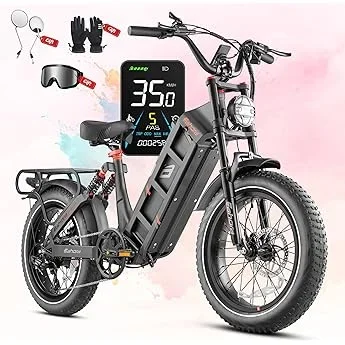
Electric bikes have revolutionized personal transportation, offering eco-friendly, efficient, and fun ways to commute, explore, or simply enjoy the outdoors. Among the most exciting advancements in e-bike technology is the rise of dual motor electric bikes—machines that pack two powerful motors, one in each wheel hub, to deliver unmatched acceleration, hill-climbing ability, and all-terrain performance. Whether you’re tackling steep mountain trails, navigating city streets with heavy traffic, or hauling gear across rugged terrain, a dual motor e-bike gives you the power and control you need.
This comprehensive guide is designed to help you navigate the rapidly evolving world of dual motor e-bikes in 2026. With more models hitting the market than ever before—from budget-friendly options to high-performance beasts—it’s easy to feel overwhelmed. Our goal is to cut through the noise and provide you with expert-level insights, real-world testing data, and practical advice to help you make an informed decision. You’ll learn what separates a great dual motor e-bike from a mediocre one, how to evaluate key specs like torque and battery life, and which models offer the best value for your specific needs.
The dual motor e-bike market has matured significantly over the past few years. What was once a niche category reserved for off-road enthusiasts and tech early adopters is now accessible to a broader audience. Brands like Rad Power Bikes, Juiced Bikes, Aventon, and emerging players like Heybike and Engwe are pushing the envelope with innovative designs, improved battery efficiency, and smarter integration of motors and electronics. Whether you’re looking for a commuter workhorse, a weekend adventure rig, or a cargo-hauling powerhouse, there’s likely a dual motor e-bike that fits your lifestyle. In this guide, we’ll walk you through everything you need to know—from performance metrics and build quality to budget considerations and expert buying tips—so you can ride away with confidence.

What to Look for When Buying Dual Motor E-Bikes
1. Motor Power and Torque Output
When it comes to dual motor e-bikes, motor power is the heart of performance. Unlike single-motor e-bikes, which typically rely on one 500W to 750W motor, dual motor setups combine two motors—often totaling 1000W to 2000W or more—to deliver significantly more torque and acceleration. This is especially important if you plan to ride on steep hills, carry heavy loads, or ride off-road. Look for models that specify torque in Newton-meters (Nm); a combined torque output of 120–180 Nm is common in high-end dual motor bikes and provides excellent responsiveness.
It’s also important to understand the difference between peak and continuous power ratings. Peak power refers to the maximum output the motors can deliver for short bursts (e.g., during hill climbs), while continuous power is what the motors can sustain over time. For example, a bike with dual 750W motors might advertise 1500W peak power, but only 1000W continuous. This distinction matters for long rides and consistent performance. Additionally, consider whether the motors are geared or direct-drive—geared hub motors are lighter and more efficient for city riding, while direct-drive motors offer higher top speeds and better heat dissipation for sustained high-power use.
2. Battery Capacity and Range
Battery capacity is measured in watt-hours (Wh), and it directly impacts how far you can ride on a single charge. Dual motor e-bikes consume more energy than single-motor models due to the increased power draw, so battery size is critical. Most quality dual motor e-bikes come with batteries ranging from 672Wh to 1200Wh. For example, a 72V 17.5Ah battery delivers 1260Wh of energy, which can provide 40–80 miles of range depending on terrain, rider weight, assist level, and speed.
Look for removable batteries with high-quality lithium-ion cells from reputable manufacturers like Samsung, LG, or Panasonic. These batteries not only last longer but also charge faster and perform better in extreme temperatures. Fast charging capability (e.g., 0–80% in under 3 hours) is a major plus, especially for commuters. Also, consider whether the bike supports dual-battery setups—some premium models allow you to add a second battery for extended range, ideal for long-distance touring or cargo hauling.
3. Build Quality and Frame Material
The frame is the backbone of any e-bike, and dual motor models place extra stress on it due to the increased weight and power. High-quality frames are typically made from aluminum alloy (6061 or 7005), which offers an excellent strength-to-weight ratio and corrosion resistance. Avoid steel frames unless they’re specifically designed for heavy-duty use—steel is durable but significantly heavier, which can affect handling and battery efficiency.
Inspect the welds, joints, and overall finish. A well-built frame will have smooth, consistent welds and no visible cracks or deformities. Suspension is another key factor—dual motor bikes often come with front suspension forks and sometimes rear suspension to absorb shocks from rough terrain. Look for air-sprung forks (like RockShox or SR Suntour) over coil springs for better adjustability and performance. Additionally, check the weight capacity; most dual motor e-bikes support 250–350 lbs, but some heavy-duty models can handle up to 400 lbs.
4. Braking System and Safety Features
With dual motors pushing speeds well beyond 20 mph, reliable braking is non-negotiable. Disc brakes are standard on all serious dual motor e-bikes, but not all disc brakes are created equal. Hydraulic disc brakes offer superior stopping power, better modulation, and require less hand effort than mechanical (cable-actuated) brakes. Look for 180mm or 203mm rotors for maximum braking force, especially if you ride in hilly areas or carry heavy loads.
Safety extends beyond brakes. Integrated lighting—front and rear LED lights powered by the main battery—is essential for visibility and legal compliance in many regions. Some models include turn signals, brake lights, and even daytime running lights. Tires also play a role in safety: wider tires (2.4” to 4.0”) with aggressive tread patterns provide better grip on loose or wet surfaces. Finally, consider bikes with advanced safety tech like anti-lock braking systems (ABS), traction control, or roll-over sensors, which are becoming more common in premium models.
5. Display and Smart Features
The display is your command center, so it should be intuitive, readable in sunlight, and packed with useful information. Most dual motor e-bikes come with color LCD or TFT displays that show speed, battery level, assist mode, trip distance, and sometimes GPS navigation. Higher-end models feature Bluetooth connectivity, allowing you to sync with smartphone apps for ride tracking, firmware updates, and theft alerts.
Look for customizable ride modes—eco, tour, sport, and turbo—that let you tailor power output to your needs. Some bikes offer regenerative braking, which recaptures energy during deceleration to extend range. Others include USB charging ports, integrated phone mounts, or even built-in dashcams. While these features aren’t essential, they enhance convenience and usability, especially on long rides.
6. Weight and Portability
Dual motor e-bikes are inherently heavier than single-motor models due to the extra motor, larger battery, and reinforced frame. Expect weights between 60 and 90 lbs, with some cargo-oriented models exceeding 100 lbs. This can make lifting, storing, or transporting the bike more challenging, especially if you live in an apartment or need to carry it up stairs.
If portability is a concern, look for models with folding frames, removable batteries, and lightweight components. Some bikes feature mid-fold designs that reduce size without compromising structural integrity. Also, consider wheel size: 20” wheels are more compact and easier to store, while 26” or 27.5” wheels offer better ride quality and stability. If you plan to transport your bike in a car, check whether it fits in your trunk or if you’ll need a bike rack—some models are too long or heavy for standard racks.
7. Brand Reputation and Customer Support
Not all e-bike brands are created equal. Established companies like Rad Power Bikes, Juiced Bikes, and Aventon have built strong reputations for reliability, innovation, and customer service. They offer comprehensive warranties, accessible support teams, and extensive service networks. In contrast, lesser-known brands may cut corners on quality control or fail to honor warranties.
Research customer reviews on platforms like Trustpilot, Reddit, and YouTube. Pay attention to recurring issues—frequent motor failures, poor battery life, or unresponsive customer service are red flags. Also, check if the brand offers local service centers or partnerships with bike shops. A strong warranty (typically 1–2 years on the motor and battery, 2–5 years on the frame) is a good indicator of confidence in the product.
8. Warranty and After-Sales Support
A solid warranty can save you thousands in repair costs and provide peace of mind. Most reputable dual motor e-bike manufacturers offer at least a 1-year warranty on electrical components and a 2-year warranty on the frame. Premium brands may extend coverage to 2 years on motors and batteries. Read the fine print: some warranties exclude wear-and-tear items like tires, brakes, or drivetrain components.
After-sales support is equally important. Can you easily order replacement parts? Is there a dedicated support email or phone line? Do they offer firmware updates? Brands with strong support ecosystems—like Rad Power Bikes’ online community and service locator—make ownership much smoother. Avoid brands that only offer email support with slow response times or no service network.
Different Types of Dual Motor E-Bikes

Common Buying Mistakes to Avoid
❌ Mistake: Ignoring Real-World Range Claims
Why it’s bad: Manufacturers often advertise maximum range under ideal conditions (flat terrain, low assist, light rider), which rarely reflects real-world use. Dual motor bikes consume more power, so range can drop significantly on hills or with heavy loads.
What to do instead: Look for independent range tests from reviewers or user forums. Assume 60–70% of the advertised range for realistic expectations. Choose a bike with a larger battery if you plan long rides.
❌ Mistake: Overlooking Total Weight
Why it’s bad: A 75-lb bike is difficult to lift, store, or transport. If you live in a walk-up apartment or need to carry it frequently, the extra weight becomes a daily hassle.
What to do instead: Consider your living situation and mobility needs. Opt for a folding model or one with a lightweight aluminum frame if portability is a priority.
❌ Mistake: Choosing Based on Price Alone
Why it’s bad: The cheapest dual motor e-bikes often use low-quality motors, batteries, and components that fail prematurely. You may end up spending more on repairs or replacements.
What to do instead: Focus on value, not just price. Invest in a reputable brand with good reviews and a solid warranty. Mid-range bikes often offer the best balance of performance and durability.
❌ Mistake: Neglecting Local E-Bike Laws
Why it’s bad: Some dual motor e-bikes exceed legal speed or power limits (e.g., Class 3 or throttle-only models), making them illegal to ride on bike paths or public roads in certain areas.
What to do instead: Check your local regulations. In the U.S., most states limit e-bikes to 750W and 20 mph on throttle, or 28 mph with pedal assist. Choose a compliant model or one with adjustable settings.
❌ Mistake: Skipping the Test Ride
Why it’s bad: E-bikes handle differently based on weight distribution, suspension, and motor response. What looks good on paper may feel unstable or uncomfortable in real life.
What to do instead: Always test ride before buying, if possible. Visit local dealers or attend e-bike expos. Pay attention to comfort, balance, and ease of use.
❌ Mistake: Ignoring Maintenance Needs
Why it’s bad: Dual motor bikes have complex drivetrains and electronics that require regular maintenance. Neglecting this can lead to costly repairs or reduced lifespan.
What to do instead: Learn basic maintenance (tire pressure, chain lubrication, brake adjustments) or budget for professional servicing. Choose a bike with accessible components and service support.
Budget Guidelines: How Much Should You Spend?
- Entry-Level ($1,500 – $2,500): These bikes offer basic dual motor functionality with modest power (1000W–1200W combined) and smaller batteries (600–800Wh). Ideal for casual riders or those on a tight budget. Expect simpler displays, mechanical brakes, and limited warranties. Examples include the Heybike Mars and Engwe Engine Pro.
- Mid-Range ($2,500 – $4,000): The sweet spot for most buyers. These bikes deliver strong performance (1200W–1600W), reliable batteries (800–1000Wh), and better build quality. Features like hydraulic brakes, color displays, and full suspension are common. Models like the RadRover 6 Plus Dual and Juiced CrossCurrent X Dual fall here.
- Premium ($4,000 – $6,500): Built for enthusiasts and serious riders. Expect high-end motors (1800W+), large batteries (1000Wh+), advanced electronics, and premium components. Full suspension, ABS, and smart connectivity are standard. The Aventon Aventure.2 Dual and Riese & Müller Load 75 are top contenders.
- Luxury ($6,500+): Top-tier performance and luxury features. These bikes offer cutting-edge tech, ultra-lightweight frames, dual-battery support, and custom builds. Designed for professionals, long-distance travelers, or collectors. Examples include the Specialized Turbo Kenevo SL and the Riese & Müller Superdelite GT.
Expert Tips for Getting the Best Deal
- Buy During Off-Season Sales: E-bike prices drop in late fall and winter (October–February) as retailers clear inventory. Black Friday, Cyber Monday, and end-of-year sales offer significant discounts.
- Shop Direct from Manufacturers: Brands like Rad Power Bikes and Juiced Bikes often offer better prices, exclusive deals, and free shipping when you buy directly from their websites.
- Look for Refurbished or Open-Box Models: Certified pre-owned bikes from reputable sellers can save you 20–30% off retail. These are typically inspected, tested, and come with warranties.
- Check for Government Incentives: Some states and cities offer rebates or tax credits for e-bike purchases. California’s Clean Vehicle Rebate Project (CVRP) and Colorado’s e-bike tax credit are examples.
- Negotiate with Local Dealers: Independent bike shops may offer price matching, free tune-ups, or bundled accessories if you ask. Building a relationship can lead to long-term savings.
- Read Return and Exchange Policies: Ensure the seller offers at least a 14-day return window. Some brands allow 30 days for test rides, which is ideal for trying the bike in real conditions.
- Join Online Communities: Forums like Reddit’s r/ebikes or Facebook groups often share exclusive discount codes, flash sales, or group buy opportunities.
- Consider Financing Options: Many brands offer 0% APR financing through Affirm or Klarna, allowing you to spread payments over 6–24 months without interest.
Frequently Asked Questions
Q: Are dual motor e-bikes legal?
A: In most regions, yes—but with caveats. In the U.S., e-bikes are classified by speed and power. Class 1 and 2 e-bikes (up to 20 mph) are widely permitted, while Class 3 (up to 28 mph) may have restrictions. Dual motor bikes often exceed 750W, which may require registration or be limited to private property in some areas. Always check local laws before purchasing.
Q: Do dual motor e-bikes drain the battery faster?
A: Yes, typically. Running two motors increases power consumption, especially at high speeds or on steep terrain. However, many dual motor bikes allow you to disable one motor or use eco mode to extend range. A larger battery helps offset the higher drain.
Q: Can I ride a dual motor e-bike in the rain?
A: Most modern dual motor e-bikes are IP65 or IP67 rated, meaning they’re protected against water splashes and light rain. Avoid submerging the bike or riding through deep puddles. After wet rides, dry the bike and check connectors for moisture.
Q: How long do dual motor e-bike batteries last?
A: A quality lithium-ion battery should last 500–1,000 charge cycles, or roughly 3–5 years with regular use. Proper care—avoiding extreme temperatures, not draining to 0%, and storing at 50% charge—can extend lifespan.
Q: Are dual motor e-bikes good for beginners?
A: They can be, but they’re heavier and more powerful than single-motor bikes, which may be intimidating for new riders. Beginners should start with a lower-power model and practice in safe areas before tackling hills or traffic.
Q: Can I upgrade a single motor e-bike to dual motor?
A: Generally, no. Dual motor setups require specific frames, wiring, and controllers designed to handle the extra power and weight. Retrofitting is complex, expensive, and often unsafe.
Q: Do dual motor e-bikes require special maintenance?
A: Not necessarily, but they do need more attention due to the complexity. Regular checks on both motors, wiring, and the drivetrain are essential. Professional servicing every 6–12 months is recommended.
Q: What’s the top speed of a dual motor e-bike?
A: Most are limited to 20–28 mph for legal compliance, but some performance models can reach 35–45 mph in off-road or unlocked modes. Always ride responsibly and within legal limits.
Our Final Recommendations
- Best for Budget-Conscious Buyers: Heybike Mars Dual Motor – At under $2,000, it offers solid 1200W power, a 672Wh battery, and a folding design. Great for city commuting and light off-road use.
- Best Overall Value: Rad Power Bikes RadRover 6 Plus Dual – Combines 1500W power, 672Wh battery, hydraulic brakes, and a rugged frame. Excellent customer support and a 2-year warranty make it a top pick.
- Best Premium Option: Aventon Aventure.2 Dual – With 1800W peak power, 1008Wh battery, full suspension, and a sleek design, it’s perfect for adventurers who want performance and style.
- Best for Beginners: Juiced CrossCurrent X Dual – User-friendly interface, smooth power delivery, and a comfortable ride make it ideal for new riders transitioning to dual motor power.
- Best for Advanced Users: Riese & Müller Superdelite GT Dual – A luxury beast with dual 750W motors, dual batteries (1728Wh total), and top-tier components. Built for long-distance touring and off-road mastery.
Conclusion: Making the Right Choice
Choosing the best dual motor e-bike isn’t just about raw power or flashy features—it’s about finding the right balance of performance, reliability, and value that matches your lifestyle. Whether you’re commuting through the city, exploring mountain trails, or hauling groceries across town, a dual motor e-bike can transform your ride. By focusing on key factors like motor power, battery capacity, build quality, and brand reputation, you’ll avoid common pitfalls and invest in a bike that delivers years of enjoyment.
Remember, the most expensive model isn’t always the best fit. Consider your daily needs, budget, and long-term goals. Test ride when possible, read real user reviews, and don’t hesitate to ask questions. With the insights from this guide, you’re now equipped to make a confident, informed decision. The future of e-biking is here—and it’s powered by two motors. Ride smart, ride safe, and enjoy the journey.