
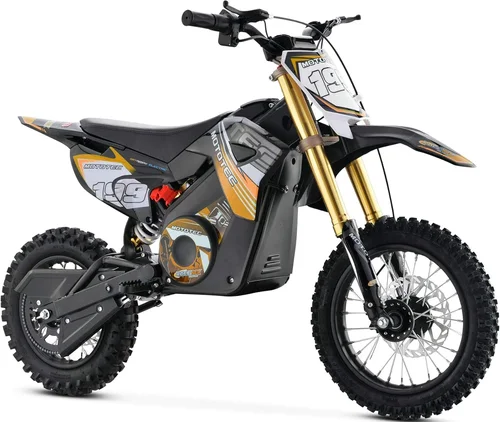
Electric dirt bikes have exploded in popularity over the past few years, and for good reason. They’re quiet, eco-friendly, low-maintenance, and—most importantly—a blast to ride. Whether you’re a weekend trail warrior, a parent looking for a safe off-road toy for your kid, or an urban adventurer craving dirt-track thrills without the noise and fumes of gas-powered engines, electric dirt bikes offer a compelling alternative. And the best part? You don’t need to break the bank to get a high-quality ride. With a budget under $1,000, you can find capable, reliable, and fun electric dirt bikes that deliver impressive performance for casual riders, beginners, and even intermediate off-road enthusiasts.
This comprehensive buying guide is designed to cut through the noise and help you make a smart, informed decision. We’ll walk you through everything you need to know—from understanding key performance specs like motor power and battery life, to evaluating build quality, safety features, and brand reliability. You’ll learn how to compare different models, avoid common pitfalls, and identify the best value for your money. Whether you’re shopping for your first electric dirt bike or upgrading from an older model, this guide will equip you with the knowledge to choose a bike that matches your riding style, terrain, and budget.
The market for electric dirt bikes under $1,000 has matured significantly. Brands like Gotrax, Razor, Segway, and MotoTec now offer well-engineered models that balance affordability with performance. These bikes aren’t just scaled-down toys—they’re real off-road machines capable of tackling trails, jumps, and rough terrain. However, not all sub-$1,000 bikes are created equal. Some prioritize speed and power, while others focus on durability, safety, or portability. By the end of this guide, you’ll know exactly what to look for and how to spot a great deal. Let’s dive in.

What to Look for When Buying Electric Dirt Bikes Under $1000
1. Budget & Price Range
Sticking to a $1,000 budget doesn’t mean you have to compromise on quality—but it does mean you need to be strategic. Most capable electric dirt bikes in this range fall between $400 and $900, with a few outliers on either end. At the lower end ($300–$500), you’ll find entry-level models ideal for kids or light recreational use. These bikes typically have smaller motors (250W–500W), shorter battery life (30–60 minutes), and lighter frames. They’re great for beginners or casual riders but may struggle on steep hills or rough terrain.
In the mid-range ($500–$750), you’ll find the sweet spot for most buyers. These bikes often feature 500W to 1000W motors, better suspension, larger batteries (offering 60–90 minutes of ride time), and more durable construction. They’re suitable for teens and adults, capable of handling moderate trails, and often include safety features like adjustable speed limits and better braking systems.
At the higher end of the budget ($750–$1,000), you’ll start seeing premium features like hydraulic disc brakes, upgraded suspension, larger wheels (14″ to 16″), and higher-capacity lithium-ion batteries. These bikes are built for more aggressive riding and can handle rougher terrain, longer rides, and heavier riders (up to 220–250 lbs). While they may not match the performance of $2,000+ models, they offer exceptional value and are often the best choice for serious hobbyists on a budget.
2. Performance Specifications
Performance is where many buyers get overwhelmed—but it doesn’t have to be. Focus on three core specs: motor power, top speed, and range (battery life). Motor power is measured in watts (W). For under $1,000, expect motors ranging from 250W to 1000W. A 250W–500W motor is fine for flat terrain and light riders, but if you plan to climb hills or ride aggressively, aim for at least 750W–1000W. These higher-wattage motors provide better torque and acceleration, which are crucial for off-road riding.
Top speed varies widely. Entry-level bikes max out around 10–15 mph, which is safe for kids and beginners. Mid-range models often reach 15–20 mph, while premium sub-$1,000 bikes can hit 20–25 mph. Keep in mind that higher speeds require better brakes and suspension—so don’t chase speed alone. A bike that hits 25 mph but has weak brakes is a safety risk.
Battery life, or range, is measured in miles or minutes of ride time. Most bikes under $1,000 use lithium-ion batteries, which are lightweight and long-lasting. Expect 30–90 minutes of continuous use, depending on terrain, rider weight, and speed. For example, a 36V 10Ah battery might give you 10–15 miles on flat ground, but only 6–8 miles on hilly trails. Always check the battery voltage (V) and amp-hour (Ah) rating—higher numbers mean longer range.
Also consider charging time. Most batteries take 4–8 hours to fully charge. Some brands offer fast-charging options or removable batteries, which let you swap in a fresh one instead of waiting. This is a huge convenience if you plan to ride frequently or for long sessions.
3. Build Quality & Durability
An electric dirt bike is an investment, and you want it to last. Build quality starts with the frame. Look for high-tensile steel or aluminum frames—steel is stronger and more durable, while aluminum is lighter but can be prone to cracking under extreme stress. Check for welded joints, reinforced stress points, and overall rigidity. A wobbly or flexing frame is a red flag.
Suspension is another critical factor. Entry-level bikes often have basic spring suspension or no suspension at all, which leads to a rough ride on uneven terrain. Mid to high-end models under $1,000 typically include front suspension forks and sometimes rear shocks. Look for adjustable preload or damping if you plan to ride aggressively. Good suspension absorbs impacts, improves control, and reduces rider fatigue.
Tires matter too. Knobby, off-road tires with deep treads provide better grip on dirt, mud, and gravel. Avoid slick or street-style tires—they’re not designed for dirt. Also check tire size: 12″ to 14″ wheels are common for smaller bikes, while 16″ wheels offer better stability and roll-over capability on rough trails.
Brakes are non-negotiable. Mechanical disc brakes are standard on most sub-$1,000 bikes and offer reliable stopping power. Hydraulic disc brakes are better—they’re more responsive, require less hand force, and perform well in wet conditions—but they’re rarer in this price range. Avoid bikes with only rim brakes or coaster brakes; they’re outdated and unsafe for off-road use.
Finally, check the IP rating (Ingress Protection) if you plan to ride in wet or muddy conditions. An IPX4 rating means the bike is splash-resistant, while IPX6 offers protection against powerful water jets. While no electric bike is fully waterproof, a higher IP rating adds peace of mind.
4. Features & Functionality
Modern electric dirt bikes come with a range of features that enhance safety, convenience, and performance. One of the most important is adjustable speed control. Many bikes offer multiple speed modes (e.g., low, medium, high), which let you limit top speed for beginners or unlock full power for experienced riders. This is especially useful if you’re buying for a teen or sharing the bike with family members.
LED headlights and taillights are common on newer models and improve visibility during early morning or evening rides. While not essential for daytime trail riding, they’re a nice safety bonus. Some bikes also include brake lights that activate when you squeeze the brake lever—another smart safety feature.
Digital displays are becoming standard. Look for LCD screens that show speed, battery level, ride time, and sometimes distance traveled. A clear, backlit display is easier to read in sunlight or low light. Some models even include Bluetooth connectivity or app integration, allowing you to track performance, lock the bike remotely, or update firmware.
Kickstands, fenders, and chain guards are practical additions. A kickstand makes parking easy, fenders help keep mud off you and the bike, and chain guards protect the drivetrain from debris. Removable batteries are a huge plus—they let you charge indoors and swap batteries for extended rides.
Weight capacity is another functional consideration. Most sub-$1,000 bikes support riders up to 150–220 lbs. If you’re heavier or plan to carry gear, check the manufacturer’s weight limit. Exceeding it can damage the motor, battery, or frame.
5. Brand Reputation
Not all brands are created equal. Some companies specialize in electric vehicles and have a track record of quality and innovation, while others are generic manufacturers churning out low-cost imitations. Stick with reputable brands like Gotrax, Razor, Segway-Ninebot, MotoTec, and Super73 (for hybrid styles). These companies invest in R&D, offer better customer support, and stand behind their products.
Gotrax, for example, is known for reliable, affordable electric bikes and scooters. Their dirt bikes often feature solid build quality, good customer service, and clear warranty policies. Razor is another trusted name, especially for youth models—they’ve been making electric ride-ons for over two decades and prioritize safety.
Avoid no-name brands sold exclusively on Amazon or eBay with vague descriptions and no customer support. These bikes may look similar to name-brand models but often use inferior components, lack safety certifications, and come with no warranty. If something goes wrong, you’re on your own.
Check for certifications like UL 2271 (for battery safety) or CE marking (European conformity). These indicate the bike meets basic safety and environmental standards. While not a guarantee of quality, they’re a good sign the manufacturer took compliance seriously.
6. Warranty & Support
A good warranty can save you hundreds in repair costs. Most reputable brands offer at least a 90-day to 1-year warranty on electric dirt bikes. Gotrax, for instance, provides a 1-year limited warranty covering defects in materials and workmanship. Razor offers a 90-day warranty, while some premium models come with 18–24 months of coverage.
Read the fine print. Warranties typically cover the motor, battery, and electrical components but exclude wear-and-tear items like tires, brakes, and chains. Accidental damage, water damage, and modifications usually void the warranty. Some brands require you to register the product online to activate coverage.
Customer support matters too. Can you reach a real person by phone or email? Are replacement parts readily available? Brands with U.S.-based support centers (like Gotrax and Razor) tend to respond faster than overseas manufacturers. Check online reviews for complaints about slow repairs or unresponsive service.
If a brand offers extended warranties or protection plans, consider them—especially if you plan to ride frequently or in harsh conditions. A $50–$100 extended warranty could be worth it if it covers battery replacement, which can cost $200–$400 out of pocket.
7. Size & Portability
Electric dirt bikes vary in size, weight, and portability. If you plan to transport the bike in a car, trailer, or storage shed, consider its dimensions and weight. Most sub-$1,000 models weigh between 50 and 90 lbs. Lighter bikes (under 60 lbs) are easier to lift and maneuver, especially for younger riders or those with limited strength.
Foldable designs are rare in dirt bikes but do exist on hybrid or commuter-style models. If portability is a priority, look for bikes with removable batteries, foldable handlebars, or compact frames. However, true off-road dirt bikes are generally not foldable due to structural requirements.
Wheel size affects both performance and portability. Smaller wheels (12″–14″) are lighter and easier to store but don’t handle rough terrain as well. Larger wheels (16″) offer better stability and roll-over capability but add weight and bulk. Consider where you’ll ride most—smooth trails, rocky paths, or urban dirt tracks—and choose accordingly.
Storage space is another factor. If you live in an apartment or have limited garage space, a compact bike is easier to store. Some models come with built-in storage compartments or mounts for accessories like water bottles or tool kits.
8. User Reviews & Ratings
Never buy an electric dirt bike without reading user reviews. Real-world feedback reveals issues that specs sheets don’t mention—like battery degradation after a few months, weak welds, or poor customer service. Look for reviews on Amazon, Walmart, Best Buy, and specialty forums like Electric Bike Report or Reddit’s r/ElectricBikes.
Pay attention to patterns. If multiple reviewers mention the same problem—like the battery dying quickly or the chain slipping—it’s likely a design flaw. Conversely, consistent praise for durability, ease of assembly, or fun factor is a good sign.
Check the average star rating, but don’t rely on it alone. A 4.5-star bike with 1,000 reviews is more trustworthy than a 5-star bike with only 10 reviews. Also, watch for fake reviews—overly generic praise or repetitive language can be a red flag.
Video reviews on YouTube are especially helpful. They show the bike in action, demonstrate speed and handling, and often include unboxing and assembly footage. Look for creators who test the bike on real terrain, not just flat pavement.
Different Types of Electric Dirt Bikes Under $1000

Common Buying Mistakes to Avoid
❌ Mistake: Ignoring Weight Limits
Why it’s bad: Overloading a bike can damage the motor, drain the battery faster, and compromise safety. Many sub-$1,000 bikes have weight limits of 150–220 lbs. Exceeding this can cause frame stress, brake failure, or loss of control.
What to do instead: Check the manufacturer’s weight rating and stay 10–20 lbs under the limit for safety. If you’re close to the max, consider a higher-end model with a stronger frame.
❌ Mistake: Choosing Based on Speed Alone
Why it’s bad: A bike that hits 25 mph but has weak brakes, poor suspension, or a flimsy frame is dangerous. Speed without control leads to accidents.
What to do instead: Prioritize balanced performance—look for good brakes, suspension, and build quality alongside speed. Test ride if possible.
❌ Mistake: Overlooking Battery Life
Why it’s bad: A bike with a 30-minute battery might leave you stranded on a long trail. Range varies with terrain and rider weight.
What to do instead: Choose a bike with at least 60 minutes of ride time for moderate use. Consider removable batteries for extended adventures.
❌ Mistake: Buying Without Reading Reviews
Why it’s bad: Specs can be misleading. Real users reveal hidden flaws like poor assembly, weak welds, or bad customer service.
What to do instead: Read at least 10–20 verified reviews. Watch video demos. Check forums for long-term feedback.
❌ Mistake: Skipping the Warranty Check
Why it’s bad: Without a warranty, a $200 battery replacement or motor repair can cost more than the bike itself.
What to do instead: Choose brands with at least a 90-day to 1-year warranty. Register your bike and keep receipts.
❌ Mistake: Ignoring Terrain Needs
Why it’s bad: A bike built for flat trails won’t handle rocky, hilly, or muddy terrain. You’ll get stuck or damage the bike.
What to do instead: Match the bike to your typical riding conditions. Look for knobby tires, good suspension, and torque for hills.
❌ Mistake: Buying the Cheapest Option
Why it’s bad: The lowest-priced bikes often use cheap components, lack safety features, and break quickly.
What to do instead: Invest in the best bike within your budget. A $700 bike that lasts 3 years is better value than a $400 bike that fails in 6 months.
Budget Guidelines: How Much Should You Spend?
- Entry-Level ($300–$500): Ideal for kids, beginners, or light recreational use. Expect 250W–500W motors, 10–15 mph top speed, 30–60 minute battery life, and basic suspension. Great for smooth trails and backyard riding. Brands: Razor, entry-level Gotrax.
- Mid-Range ($500–$750): The sweet spot for most buyers. Features 500W–1000W motors, 15–20 mph speed, 60–90 minute range, better suspension, and disc brakes. Suitable for teens and adults on moderate trails. Brands: Gotrax, MotoTec, Segway.
- Premium ($750–$1,000): For enthusiasts and serious riders. Includes 1000W motors, 20–25 mph speed, hydraulic brakes, upgraded suspension, and larger batteries. Can handle aggressive riding and rough terrain. Best value for performance.
- Luxury ($1,000+): While outside this guide’s scope, bikes over $1,000 offer top-tier components, longer warranties, and professional-grade performance. Consider upgrading if you ride frequently or competitively.
Expert Tips for Getting the Best Deal
- Buy during seasonal sales: Look for discounts during Black Friday, Cyber Monday, or end-of-season clearances (August–September). Many retailers drop prices by 15–30%.
- Shop at authorized retailers: Buy from Gotrax.com, Razor.com, Amazon (sold by the brand), or Best Buy. Avoid third-party sellers with no return policy.
- Check for bundle deals: Some brands offer free helmets, gloves, or extra batteries with purchase. These can save $50–$100.
- Consider refurbished models: Certified refurbished bikes from reputable sellers often come with warranties and cost 20–40% less.
- Test before you buy: If possible, visit a local dealer or rental shop to test ride. Feel the suspension, brakes, and handling.
- Read return policies: Choose retailers with at least 30-day returns. Some charge restocking fees—avoid these if possible.
- Register your bike: Activate the warranty and join the brand’s community for updates, tips, and exclusive offers.
- Maintain your bike: Regular cleaning, chain lubrication, and tire checks extend lifespan and performance.

Frequently Asked Questions
Q: Are electric dirt bikes safe for kids?
A: Yes, with proper supervision and safety gear. Choose models with speed limiters, lower top speeds (10–15 mph), and sturdy frames. Always wear helmets, knee pads, and ride in safe areas.
Q: How long do batteries last?
A: Most lithium-ion batteries last 300–500 charge cycles, or 2–4 years with regular use. Avoid draining to 0% frequently and store at 50% charge if not used for long periods.
Q: Can I ride in the rain?
A: Most electric dirt bikes are splash-resistant (IPX4), but not waterproof. Avoid deep puddles, heavy rain, or submersion. Dry the bike thoroughly after wet rides.
Q: Do I need a license?
A: In most U.S. states, electric dirt bikes under 20 mph don’t require a license if used off-road. Check local laws—some areas classify them as motor vehicles.
Q: How fast do they go?
A: Speeds range from 10 mph (youth models) to 25 mph (premium models). Higher speeds require better brakes and rider skill.
Q: Can adults ride them?
A: Absolutely. Many sub-$1,000 models support riders up to 220–250 lbs and are designed for teens and adults.
Q: Are they loud?
A: No. Electric motors are nearly silent compared to gas engines. You’ll hear tire noise and wind, but no engine roar.
Q: How do I charge the battery?
A: Plug the charger into a standard outlet. Most take 4–8 hours. Use only the manufacturer’s charger to avoid damage.
Q: What’s the best brand under $1,000?
A: Gotrax, Razor, and MotoTec offer the best balance of quality, performance, and support in this price range.
Q: Can I upgrade parts later?
A: Some components like tires, seats, or batteries can be upgraded. However, motor and controller upgrades are complex and may void the warranty.
Our Final Recommendations
- Best for Budget-Conscious Buyers: Gotrax DT1 – At around $599, it offers 500W motor, 15 mph speed, 40-minute range, and solid build quality. Great for teens and light trail use.
- Best Overall Value: MotoTec MT-X4 – Priced at $899, it features a 1000W motor, 20 mph top speed, hydraulic disc brakes, and 60-minute battery life. Ideal for serious riders.
- Best Premium Option: Segway X160 – At $999, it’s a hybrid dirt bike with 750W motor, 20 mph speed, app connectivity, and excellent suspension. Perfect for urban and trail adventures.
- Best for Beginners: Razor MX350 – At $399, it’s lightweight, safe, and easy to ride. Perfect for kids and first-time riders.
- Best for Advanced Users: Gotrax GX2 – At $849, it offers 1000W power, 25 mph speed, and rugged construction. Built for aggressive trail riding.
Conclusion: Making the Right Choice
Choosing the right electric dirt bike under $1,000 doesn’t have to be overwhelming. By focusing on your needs—whether that’s safety for a young rider, performance for trail adventures, or value for weekend fun—you can find a bike that delivers excitement without breaking the bank. Remember to prioritize build quality, battery life, and brand reputation over flashy specs or low prices. Read reviews, compare features, and don’t skip the warranty.
Electric dirt bikes are more than just toys—they’re gateways to outdoor adventure, fitness, and family fun. With the right model, you’ll enjoy years of quiet, clean, and thrilling rides. So gear up, charge up, and hit the dirt with confidence. Your perfect ride is out there—and it’s waiting for you under $1,000.