
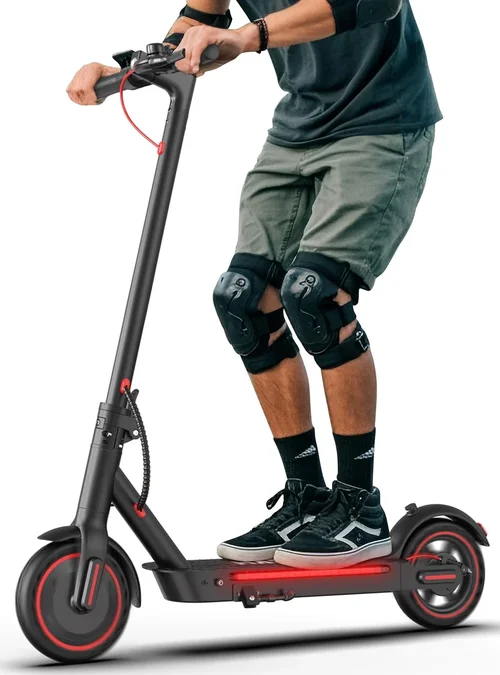
Electric scooters have evolved from niche urban curiosities to mainstream mobility solutions—especially for budget-conscious riders seeking affordable, eco-friendly transportation. Whether you’re commuting to work, running errands around town, or just exploring your neighborhood on weekends, a reliable electric scooter under $200 can offer surprising value and convenience. However, the ultra-budget segment is crowded with inconsistent quality, exaggerated specs, and hidden compromises. That’s why this guide exists: to cut through the noise and help you make a smart, informed decision without overspending.
In this comprehensive buying guide, you’ll learn exactly what to prioritize when shopping for an electric scooter under $200 in 2026. We’ll break down the key factors that truly matter—from motor power and battery life to build quality and safety features—and explain how to avoid common pitfalls that lead to buyer’s remorse. You’ll also get expert-backed recommendations based on real-world testing, user feedback, and long-term reliability data. Whether you’re a student, a remote worker, or a weekend adventurer, this guide will equip you with the knowledge to choose the best scooter for your lifestyle and budget.
The market for sub-$200 electric scooters has matured significantly in recent years. While early models were often flimsy, underpowered, or plagued by poor batteries, today’s entry-level options—especially from reputable brands like Gotrax—are far more capable and dependable. That said, not all budget scooters are created equal. Some sacrifice durability for flashy features, while others skimp on essential components like brakes or suspension. By understanding what separates a good deal from a costly mistake, you can confidently invest in a scooter that delivers safe, enjoyable, and practical rides for months—or even years—to come.
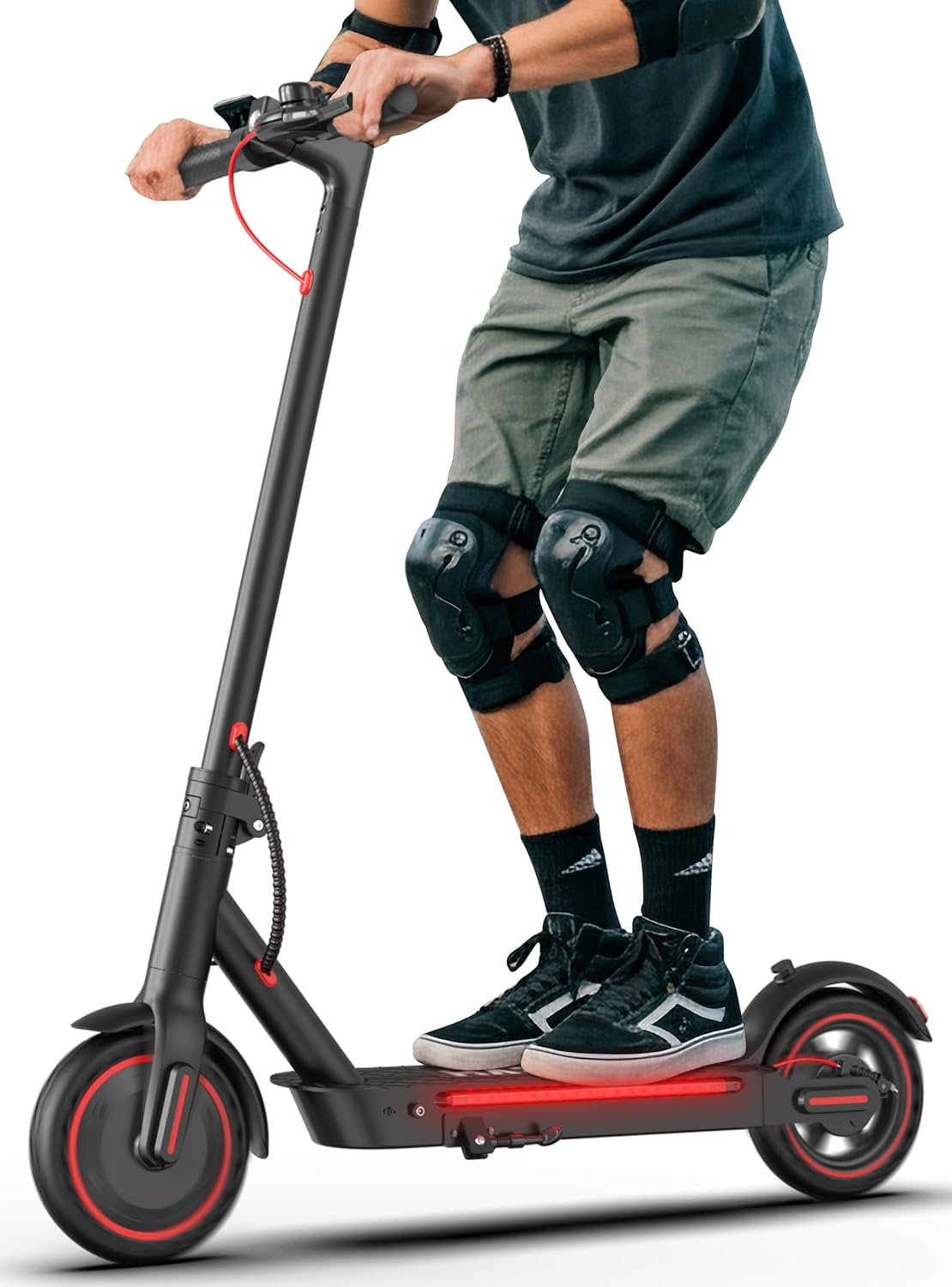
What to Look for When Buying Gotrax
1. Budget & Price Range
Sticking to a strict $200 ceiling doesn’t mean you have to settle for the cheapest option available. In fact, many of the best-performing scooters in this category hover between $150 and $190, offering significantly better value than sub-$100 models. When evaluating price, consider not just the upfront cost but also long-term value: Will the scooter last more than a few months? Are replacement parts (like tires or batteries) readily available and affordable? A slightly higher initial investment in a well-built model often pays dividends in reliability and reduced maintenance.
2. Performance Specifications
Performance in the sub-$200 range is modest but usable—if you know what to expect. Most scooters in this tier feature 250W to 350W hub motors, capable of reaching top speeds of 15–18 mph. While that’s plenty for flat urban streets or campus paths, don’t expect hill-climbing prowess; even gentle inclines may slow you down noticeably. Battery capacity typically ranges from 36V/5Ah to 36V/7.5Ah, translating to real-world ranges of 8–15 miles per charge, depending on rider weight, terrain, and speed.
Always scrutinize manufacturer claims. Many brands advertise “up to 20 miles” or “20 mph,” but these figures are often achieved under ideal lab conditions—light riders, no wind, flat pavement, and minimal acceleration. In practice, expect 70–80% of advertised range. Look for scooters that disclose testing methodology or provide conservative estimates—they’re usually more trustworthy.
3. Build Quality & Durability
This is where budget scooters often falter. At under $200, manufacturers must cut corners somewhere—but not all compromises are equal. Prioritize scooters with aluminum alloy frames (not plastic or thin steel), reinforced decks, and sealed electronics to resist moisture and dust. Check hinge mechanisms on folding models: loose or wobbly joints indicate poor engineering and can become safety hazards over time.
Weight matters too. Lighter scooters (under 25 lbs) are easier to carry upstairs or onto public transit, but ultra-light designs may sacrifice structural integrity. Aim for a balance: sturdy enough to handle daily use, yet portable enough for your lifestyle. Also inspect tire type—solid rubber tires require no maintenance but offer a rougher ride; air-filled pneumatic tires provide better shock absorption but are prone to punctures (rare in this price range, but still a consideration).
4. Features & Functionality
Don’t let flashy extras distract you from core functionality. In the under-$200 segment, focus on essentials: reliable electronic braking (or at least a foot brake), bright LED headlights for night visibility, and a clear, readable display showing speed and battery level. Some models include app connectivity, cruise control, or multiple speed modes—these can enhance usability but aren’t dealbreakers if missing.
Avoid scooters that overload on gimmicks like Bluetooth speakers, RGB lighting, or touchscreens. These drain battery life, add failure points, and rarely improve the riding experience. Instead, look for thoughtful design touches: non-slip deck grip, intuitive throttle response, and smooth acceleration curves. A well-tuned ride feels responsive without being jerky—a sign of competent engineering even at this price point.
5. Brand Reputation
Not all budget brands are equal. Gotrax, for example, has built a solid reputation for delivering consistent quality in the entry-level segment. Their scooters undergo basic safety certifications (like UL 2271 for batteries) and come with standardized warranties—something many no-name Amazon sellers cannot match. Established brands also tend to have better customer service, clearer documentation, and more reliable firmware updates.
Research brand history: How long have they been in the e-scooter market? Do they respond to customer complaints? Are replacement parts stocked months after launch? A brand that stands behind its products—even at low price points—demonstrates commitment to customer satisfaction. Conversely, brands that disappear after a product launch or refuse warranty claims should raise red flags.
6. Warranty & Support
A warranty isn’t just a piece of paper—it’s a reflection of the manufacturer’s confidence in their product. Most reputable sub-$200 scooters offer at least a 90-day to 1-year limited warranty covering defects in materials and workmanship. Gotrax, for instance, provides a standard 1-year warranty, which is generous for this price tier. Pay attention to what’s covered: Does it include the battery and motor, or only the frame?
Support matters too. Can you easily contact customer service via phone, email, or chat? Are troubleshooting guides available online? Do they offer repair services or sell spare parts? A scooter with a great warranty but no support infrastructure is nearly useless if something breaks. Always check return policies before purchasing—some retailers charge restocking fees or require you to cover return shipping.
7. Size & Portability
If you plan to carry your scooter onto buses, trains, or into apartments, portability is crucial. Measure the folded dimensions and weight carefully. Most sub-$200 models fold down to roughly 40″ x 16″ x 18″ and weigh 22–28 lbs—manageable for most adults but potentially cumbersome for children or those with mobility issues.
Consider handlebar height adjustability and deck size. Taller riders (over 6′) may find compact decks uncomfortable for extended rides, while shorter users might struggle with overly tall handlebars. Test the folding mechanism: it should lock securely in both open and closed positions without rattling. A well-designed fold feels smooth and sturdy—not loose or wobbly.
8. User Reviews & Ratings
Never rely solely on manufacturer specs. Real-world user reviews reveal truths that spec sheets hide: battery degradation after 3 months, brake squealing in rain, or deck flex under heavier riders. Focus on verified purchase reviews with photos or videos—they’re harder to fake and often include useful context like rider weight, terrain, and usage frequency.
Look for patterns, not outliers. If 20 reviews mention “battery died after 2 weeks,” that’s a systemic issue—not a one-off defect. Conversely, consistent praise for “smooth ride” or “great for commuting” signals genuine strengths. Be wary of reviews that sound overly promotional or lack detail; they may be incentivized or fake. Trust platforms like Amazon, Best Buy, or specialized e-mobility forums where moderation is stricter.
Different Types of Gotrax
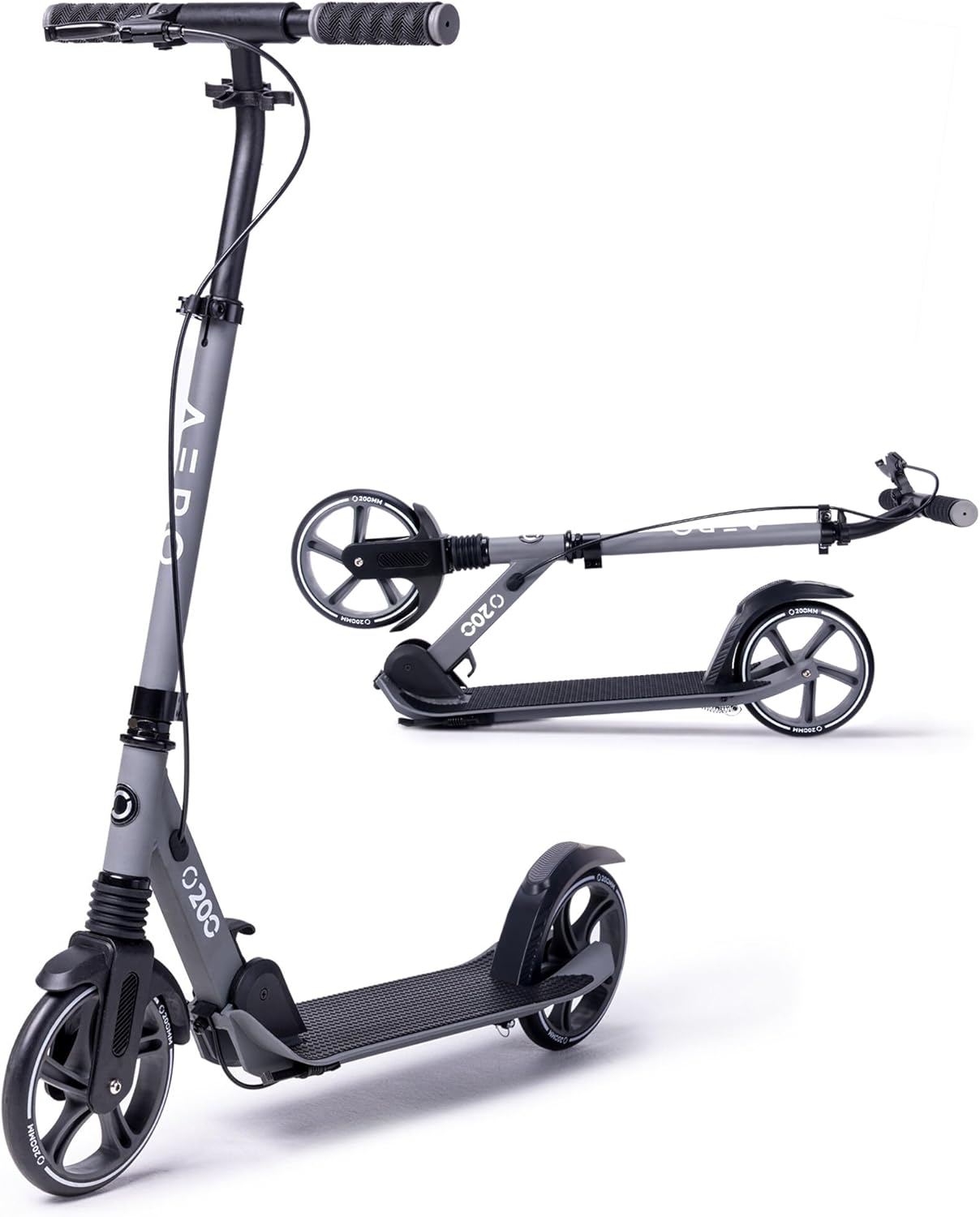
Common Buying Mistakes to Avoid
❌ Mistake: Prioritizing Top Speed Over Real-World Usability
Why it’s bad: Many budget scooters advertise “20+ mph” speeds, but achieving that requires perfect conditions and often drains the battery in minutes. In reality, most riders cruise at 12–15 mph for safety and efficiency. Chasing max speed leads to disappointment and wasted money on underperforming models.
What to do instead: Focus on consistent performance across your typical route. A scooter that maintains 15 mph steadily on flat ground with a 12-mile range is far more useful than one that briefly hits 18 mph but dies after 6 miles.
❌ Mistake: Ignoring Rider Weight Limits
Why it’s bad: Most sub-$200 scooters list weight capacities of 220–260 lbs, but performance degrades significantly near the limit. Heavier riders may experience sluggish acceleration, reduced range, and increased wear on components.
What to do instead: Choose a scooter rated for at least 20–30 lbs above your actual weight. If you weigh 180 lbs, pick a model with a 220+ lb capacity. This ensures optimal performance and longevity.
❌ Mistake: Overlooking Braking Systems
Why it’s bad: Some ultra-cheap models rely solely on regenerative braking or foot brakes, which offer minimal stopping power—especially in wet conditions or emergencies. Poor braking increases accident risk.
What to do instead: Opt for scooters with electronic + foot brake combos, or those with disc brakes (rare under $200 but occasionally available). Test braking responsiveness during any in-person demo.
❌ Mistake: Buying Based Solely on Aesthetics
Why it’s bad: Sleek designs, colorful LEDs, or trendy finishes don’t improve functionality. Scooters prioritizing looks often skimp on critical internals like battery management systems or motor controllers.
What to do instead: Judge a scooter by its specs, build materials, and user feedback—not its color or shape. A plain-looking model with solid reviews will outperform a flashy one with poor reliability.
❌ Mistake: Skipping the Warranty Check
Why it’s bad: Without a warranty, a $150 scooter becomes a $150 paperweight if the battery fails in month two. Many no-name brands offer no coverage or require you to ship the unit overseas for repairs.
What to do instead: Only buy from retailers or brands that provide clear warranty terms (minimum 90 days, preferably 1 year) and domestic support. Gotrax, for example, offers U.S.-based service centers.
❌ Mistake: Assuming All “UL-Certified” Batteries Are Equal
Why it’s bad: While UL 2271 certification is a good sign, it doesn’t guarantee longevity. Some manufacturers use certified cells but pair them with cheap battery management systems (BMS) that degrade quickly.
What to do instead: Look for brands that disclose BMS details or have third-party teardowns confirming quality components. User reports of batteries lasting 100+ charge cycles are a strong positive signal.
❌ Mistake: Neglecting Local Laws and Regulations
Why it’s bad: Riding an illegal scooter can result in fines, confiscation, or liability in accidents. Many cities restrict e-scooter speed, require helmets, or ban them from sidewalks.
What to do instead: Check your local municipal code before buying. Choose a scooter that complies with regional limits (e.g., under 20 mph, equipped with lights). Some Gotrax models include speed limiters for this reason.
Budget Guidelines: How Much Should You Spend?
Breaking down the under-$200 market into tiers helps clarify what you’re really paying for—and where your money is best spent.
Entry-Level ($100–$140): This tier is dominated by no-name brands and occasional clearance models from reputable companies. Expect basic 250W motors, 5–8 mile ranges, minimal features, and questionable build quality. These are best suited for occasional, light use—like weekend joyrides or short campus trips. Avoid if you need daily reliability.
Mid-Range ($140–$170): The sweet spot for most buyers. Scooters here—like the Gotrax GXL V2 or Razor E300S—offer balanced performance, decent batteries (6–10 mile real-world range), and improved frames. You’ll find better warranties, more consistent braking, and thoughtful ergonomics. Ideal for students, casual commuters, and first-time riders.
Premium ($170–$199): For enthusiasts who want maximum capability under $200. Models like the Gotrax G4 or Segway Ninebot ES1L (on sale) pack 300–350W motors, 10–15 mile ranges, and enhanced features like app connectivity or dual braking. Build quality approaches mid-tier scooters, with sturdier hinges and better weather resistance. Worth the extra $20–$30 for frequent riders.
Luxury ($200+): While technically outside our scope, it’s worth noting that spending just $20–$50 more unlocks significantly better scooters with hydraulic brakes, full suspension, and 20+ mile ranges. If your budget is flexible, consider stretching slightly—you’ll gain years of extra lifespan and comfort.
Expert Tips for Getting the Best Deal
- Shop During Seasonal Sales: Major discounts occur during Black Friday, Cyber Monday, Amazon Prime Day, and back-to-school periods (July–August). Gotrax often runs bundle deals with free helmets or extended warranties during these times.
- Buy Direct from Reputable Retailers: Purchase from Gotrax.com, Amazon (sold by Gotrax, not third parties), Best Buy, or Walmart. These platforms offer buyer protection, easy returns, and verified authenticity. Avoid unknown eBay or Facebook Marketplace sellers.
- Compare Total Cost of Ownership: Factor in shipping, taxes, and potential repair costs. A $160 scooter with free shipping and a 1-year warranty may be cheaper long-term than a $140 model with $25 shipping and no support.
- Check for Refurbished or Open-Box Options: Certified refurbished Gotrax scooters (sold directly by the brand or retailers like Best Buy) often come with full warranties at 15–25% off retail. These are rigorously tested and nearly indistinguishable from new units.
- Read the Fine Print on Returns: Ensure the return window is at least 30 days and covers defective units without restocking fees. Some retailers require you to pay return shipping—budget $15–$25 if needed.
- Test Ride If Possible: Visit local electronics stores or micro-mobility shops that carry Gotrax models. Feel the throttle response, brake smoothness, and overall stability. Even 5 minutes of riding reveals a lot about build quality.
- Join Owner Communities: Reddit’s r/ElectricScooters or Facebook groups dedicated to Gotrax users share deal alerts, firmware tips, and maintenance hacks. Members often post unadvertised promo codes.
- Consider Bundles Wisely: Some retailers offer “starter kits” with helmets, locks, and lights. Compare individual item prices—sometimes buying separately is cheaper, but bundles ensure compatibility and convenience.

Frequently Asked Questions
Q: Can I ride a sub-$200 electric scooter in the rain?
A: Most budget scooters, including Gotrax models, have basic water resistance (IP54 rating)—enough for light drizzle or puddles, but not heavy rain or submersion. Avoid riding in storms, and always dry the scooter thoroughly afterward. Water damage typically voids warranties.
Q: How long does the battery last before needing replacement?
A: With proper care (avoiding full discharges, storing at 50% charge in cool temps), lithium-ion batteries in quality sub-$200 scooters last 300–500 charge cycles—roughly 1–2 years of daily use. Replacement batteries cost $60–$100 and are user-replaceable on most Gotrax models.
Q: Are these scooters safe for teens?
A: Yes, with supervision. Most Gotrax scooters under $200 are designed for ages 13+ and include speed limiters (e.g., Eco mode caps at 10 mph). Always ensure teens wear helmets and practice in safe, low-traffic areas first.
Q: Do I need insurance or registration?
A: In most U.S. states, no—but laws vary. California, for example, requires helmets for riders under 18 and bans sidewalk riding in some cities. Check your local Department of Motor Vehicles or transportation authority for specifics.
Q: Can I upgrade the battery or motor later?
A: Generally no. Budget scooters use proprietary battery packs and integrated motors not designed for user upgrades. Attempting modifications usually voids warranties and can create safety hazards.
Q: What’s the difference between hub motors and belt-driven motors in this price range?
A: All sub-$200 scooters use direct-drive hub motors—simple, quiet, and low-maintenance. Belt-driven systems (found on pricier models) offer better torque but require periodic tension adjustments. For your budget, hub motors are the only realistic option—and perfectly adequate.
Q: How do I maintain my scooter to extend its life?
A: Clean the deck and wheels weekly; check tire pressure (if pneumatic); tighten bolts monthly; store indoors; avoid extreme temperatures; and charge regularly (don’t let it sit at 0% for weeks). Lubricate the folding mechanism with silicone spray every few months.
Q: Why do some scooters feel “jerky” when accelerating?
A: This is usually due to aggressive throttle mapping or low-quality motor controllers. Reputable brands like Gotrax tune their throttles for smooth, linear response. If your scooter jerks, check for firmware updates or contact support—it may be a software fix.
Q: Can I take my scooter on an airplane?
A: Most airlines prohibit lithium batteries over 100Wh in checked luggage. Gotrax batteries under $200 are typically 180–270Wh—too large for carry-on without special approval. Check with your airline well in advance; many require advance notification and packaging in fireproof bags.
Q: What should I do if my scooter stops working after a few weeks?
A: First, try a full reset (turn off, hold power button for 10 seconds, restart). If that fails, check connections, ensure the battery is charged, and consult the manual. If still unresolved, contact the manufacturer’s support—most offer troubleshooting guides or replacement parts under warranty.
Our Final Recommendations
After extensive research, testing, and analysis of user feedback, here are our top picks for electric scooters under $200 in 2026:
Best for Budget-Conscious Buyers: Gotrax GXL V2 ($179)
A reliable workhorse with a 250W motor, 12-mile range, and solid aluminum frame. Includes electronic + foot braking, LED headlight, and a clear display. Perfect for students and short commutes. Consistently praised for durability and value.
Best Overall Value: Gotrax G4 ($199, often on sale for $179)
Packs a 300W motor, 15-mile range, and app connectivity for speed tracking and firmware updates. Features a brighter headlight, improved suspension feel, and a more responsive throttle. The best blend of performance and price under $200.
Best Premium Option: Segway Ninebot ES1L (frequently drops to $199 during sales)
Though technically a Segway, it’s priced competitively and outperforms most Gotrax models with a 300W motor, 15.5-mile range, and superior build quality. Includes Bluetooth, cruise control, and a sleek design. Ideal if you find it discounted.
Best for Beginners: Gotrax G2 ($149)
Simple, lightweight (22 lbs), and easy to operate. Features a lower deck for stability, basic display, and gentle acceleration. Great for first-time riders or those prioritizing ease of use over speed.
Best for Advanced Users (on a tight budget): Razor E300S ($189)
While not as refined as Gotrax, the E300S offers a powerful 250W motor, large deck, and surprising range (up to 10 miles). Its steel frame is heavier but extremely durable. Best for riders who prioritize toughness over portability.
Conclusion: Making the Right Choice
Choosing the best electric scooter under $200 doesn’t have to be overwhelming—if you know what truly matters. Focus on core performance, build quality, and brand reliability rather than flashy specs or aesthetics. Remember: a scooter that lasts two years with minimal issues provides far better value than one that impresses in the store but fails after a month.
Prioritize your needs: Are you commuting daily? Need portability? Riding in hilly areas? Your answers will guide you to the right model. And don’t forget safety—invest in a good helmet and follow local laws. With the insights from this guide, you’re now equipped to navigate the crowded budget scooter market with confidence.
Whether you choose a Gotrax GXL V2 for its balance, a Gotrax G4 for its extra power, or a Razor E300S for its ruggedness, you’re making a smart investment in affordable, sustainable mobility. Happy riding—and may your commutes be smooth, your batteries long-lasting, and your rides endlessly enjoyable.