
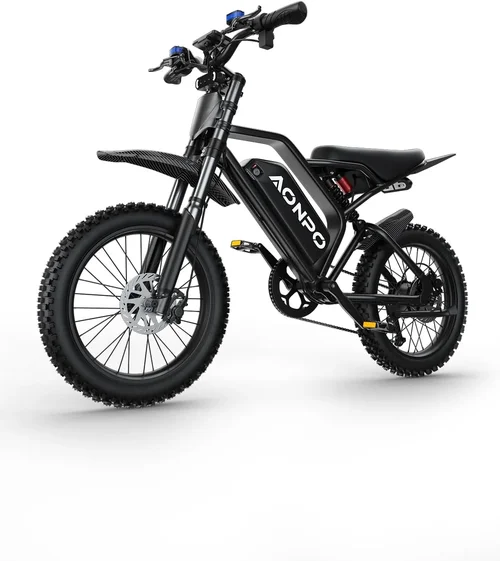
Electric bikes have revolutionized outdoor adventure, and nowhere is that more evident than in the world of offroad e-bikes. Whether you’re tackling rocky mountain trails, muddy forest paths, or steep desert inclines, a capable offroad e-bike can transform your riding experience—giving you the power to go farther, climb higher, and explore terrain that would otherwise be out of reach. As we move into 2026, the market for rugged, high-performance electric mountain bikes (eMTBs) has never been more competitive or advanced. From full-suspension beasts with 1,000W motors to lightweight trail slayers designed for agility and endurance, today’s offroad e-bikes blend cutting-edge technology with real-world durability.
This comprehensive buying guide is designed to cut through the noise and help you make a smart, informed decision. Whether you’re a seasoned mountain biker looking to upgrade to an electric model or a weekend warrior seeking your first offroad e-bike, this guide will walk you through every critical factor—from motor power and battery life to frame materials and suspension systems. You’ll learn how to match your riding style and terrain needs with the right bike, avoid common pitfalls, and get the best value for your investment. By the end, you’ll have a clear roadmap to choosing the perfect offroad e-bike that fits your budget, skill level, and adventure goals.
The offroad e-bike market in 2026 is diverse and rapidly evolving. Major brands like Specialized, Trek, Rad Power Bikes, and Canyon continue to push the envelope with innovative designs, while newer entrants like Heybike, Aventon, and Lectric are making high-performance models more accessible than ever. At the same time, advancements in battery efficiency, motor torque, and smart connectivity features mean today’s eMTBs are smarter, stronger, and more reliable than their predecessors. With prices ranging from under $1,500 to well over $10,000, there’s an offroad e-bike for nearly every rider—but knowing which one is right for you requires careful consideration. This guide will equip you with the knowledge to navigate that decision with confidence.
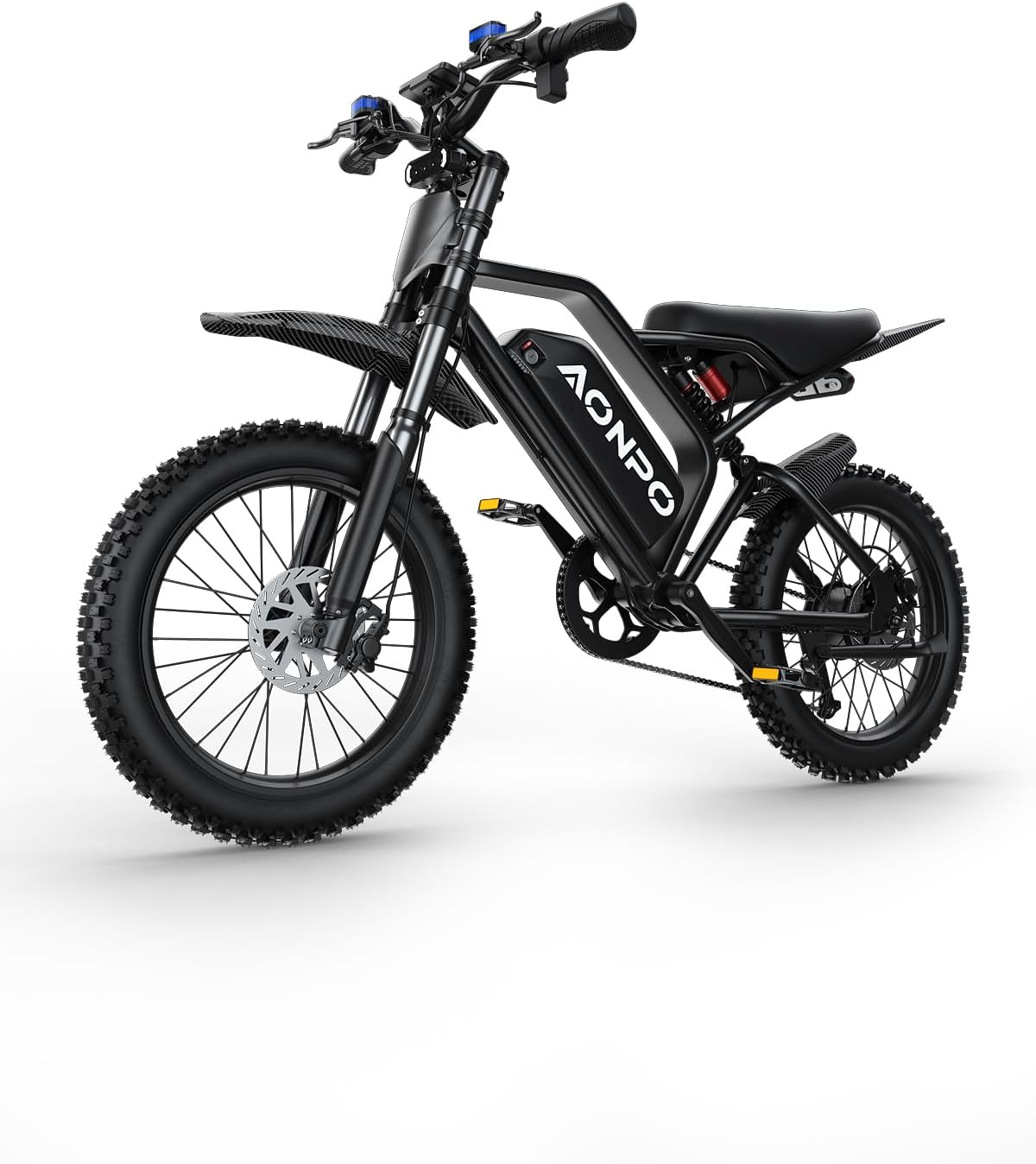
What to Look for When Buying an Offroad E-Bike
1. Motor Power and Type
The motor is the heart of any e-bike, especially when you’re heading off the beaten path. For offroad riding, you need a motor that delivers consistent torque, especially on steep climbs and uneven terrain. Most offroad e-bikes use mid-drive motors or high-torque hub motors. Mid-drive motors, like those from Bosch, Shimano, or Brose, are mounted near the bottom bracket and power the crankset directly. This design offers better weight distribution, improved handling, and more natural pedaling feel—ideal for technical trails. Hub motors, typically found in the rear or front wheel, are simpler and often more affordable, but can feel less balanced on rough terrain.
When evaluating motor power, look at both wattage and torque. While many e-bikes are legally limited to 750W in the U.S. (and 250W in the EU), offroad models often push the upper limits of these regulations. A 750W motor with 80–100 Nm of torque is considered strong for trail riding, while motors exceeding 1,000W (often classified as “offroad” or “dual-use” models) are better suited for aggressive downhill or heavy-duty exploration. Keep in mind that higher wattage doesn’t always mean better performance—efficiency, responsiveness, and integration with the drivetrain matter just as much. For example, a 750W mid-drive motor from Bosch may outperform a 1,000W hub motor in real-world trail conditions due to superior power delivery and control.
2. Battery Capacity and Range
Battery life is arguably the most critical factor for offroad e-biking, where recharging stations are nonexistent and terrain demands extra power. Battery capacity is measured in watt-hours (Wh), which reflects how much energy the battery can store. A higher Wh rating generally means longer range, but real-world performance depends on several variables: terrain, rider weight, assist level, tire pressure, and even temperature.
For offroad use, aim for a battery with at least 500Wh, though 600–750Wh is ideal for longer rides or hilly trails. Some premium models offer dual-battery setups or removable batteries for extended range. For example, the Specialized Turbo Levo SL features a 320Wh internal battery with an optional 160Wh range extender, giving you flexibility for day-long adventures. Range estimates vary widely—most manufacturers claim 30–80 miles, but aggressive riding on steep trails can cut that in half. Always check independent reviews for real-world range tests.
Battery placement also matters. Integrated batteries (built into the downtube) improve aesthetics and lower the center of gravity, enhancing stability. External or rear rack batteries are easier to remove for charging but can affect handling. Additionally, consider charging time: fast-charging batteries (0–80% in under 2 hours) are a major convenience, especially on multi-day trips.
3. Suspension System
Offroad riding means encountering roots, rocks, drops, and jumps—so a quality suspension system is non-negotiable. Most capable offroad e-bikes feature either front suspension (hardtail) or full suspension (front and rear). Hardtail e-bikes are lighter, more efficient, and often more affordable, making them great for cross-country trails and less technical terrain. However, they lack rear suspension, which can make long descents uncomfortable and reduce traction on rough ground.
Full-suspension e-bikes, on the other hand, absorb impacts from both wheels, offering superior control, comfort, and traction. These are essential for aggressive trail riding, downhill, or enduro-style riding. Look for suspension travel between 120mm and 170mm—120–140mm is ideal for trail riding, while 150mm+ is better for downhill or all-mountain use. Brands like RockShox, Fox, and Marzocchi dominate the high-end market, offering adjustable damping, lockout features, and progressive spring rates.
Don’t overlook suspension tuning. A well-tuned suspension system matches your weight and riding style. Many e-bikes allow you to adjust sag (how much the suspension compresses under your weight), rebound, and compression. If you’re serious about offroad performance, consider models with serviceable shocks and forks, so you can maintain or upgrade them over time.
4. Frame Material and Geometry
The frame is the foundation of your e-bike’s performance, durability, and ride quality. Most offroad e-bikes use aluminum or carbon fiber frames. Aluminum is the most common—it’s strong, affordable, and easily repairable. High-end aluminum frames use hydroformed tubing for better strength-to-weight ratios and improved ride feel. Carbon fiber frames are lighter and absorb vibrations better, offering a smoother ride, but they’re significantly more expensive and can be harder to repair if damaged.
Frame geometry plays a crucial role in handling. Modern offroad e-bikes feature slack head tube angles (64–66 degrees), long wheelbases, and low bottom brackets—all designed to improve stability at speed and on steep descents. Reach (the horizontal distance from the bottom bracket to the head tube) affects how stretched out you feel; longer reach improves control on descents, while shorter reach is better for climbing and maneuverability.
Also consider frame protection. Offroad riding exposes your bike to rocks, mud, and debris. Look for models with downtube guards, chainstay protectors, and internal cable routing to reduce wear and tear. Some brands, like Trek and Santa Cruz, offer lifetime frame warranties, which speaks to their confidence in build quality.
5. Tires and Wheel Size
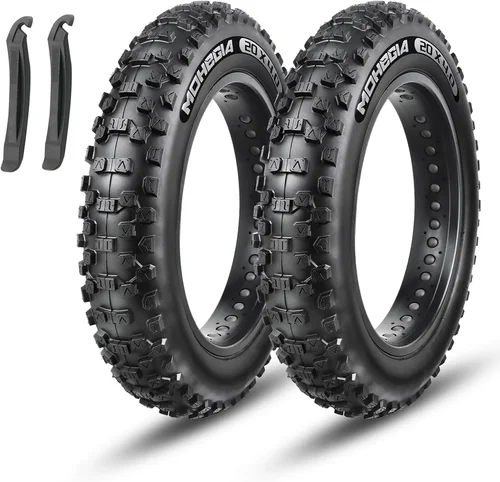
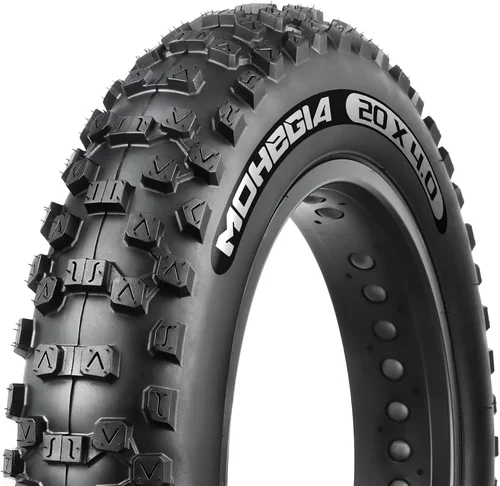
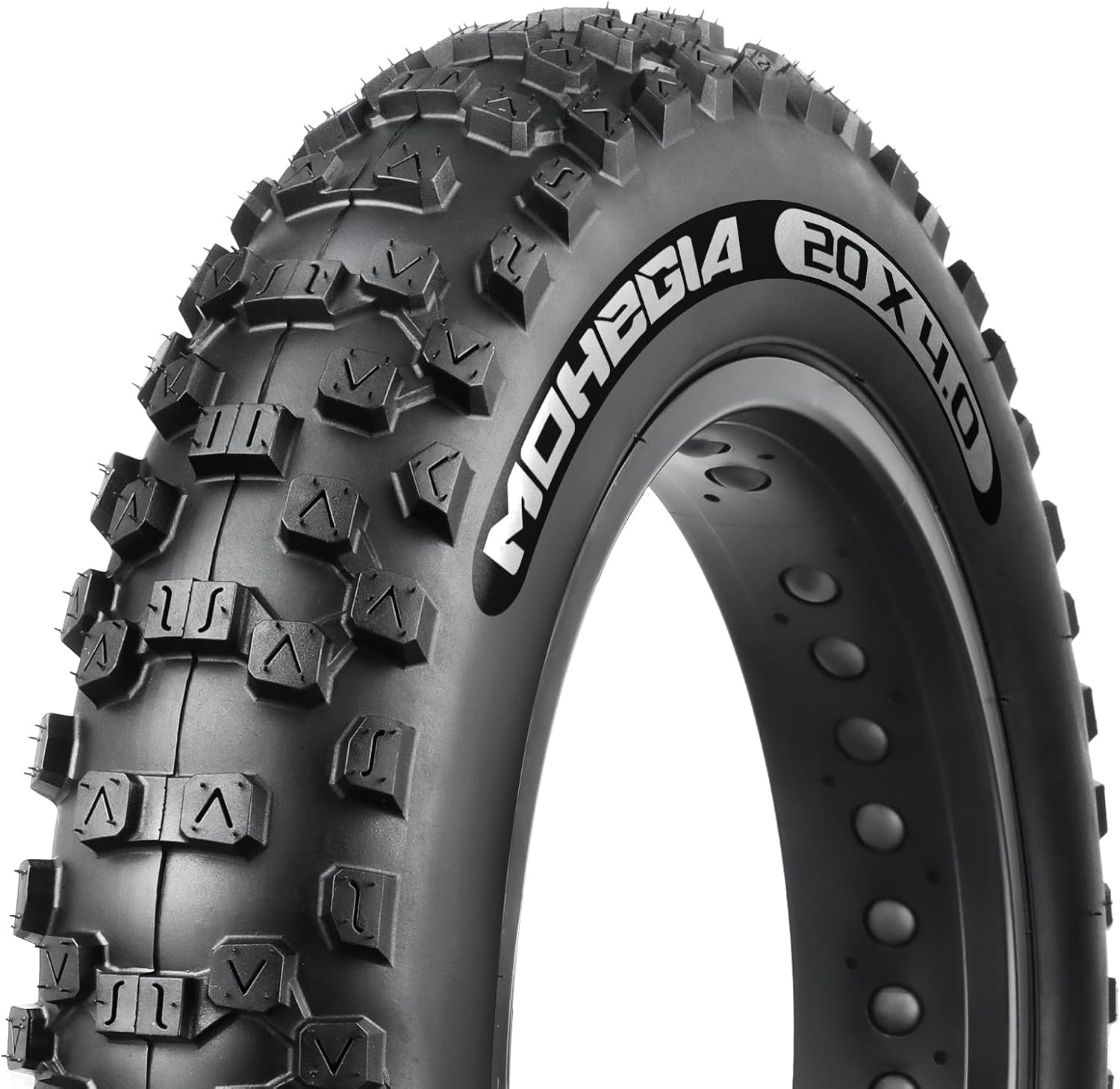
Tires are your only point of contact with the trail, so choosing the right ones is vital. Offroad e-bikes typically use wide, knobby tires for maximum grip and puncture resistance. Common widths range from 2.3″ to 2.8″, with wider tires offering better floatation on loose terrain and improved shock absorption.
Wheel size also affects performance. 29″ wheels (also called “29ers”) roll over obstacles more easily and maintain momentum better, making them ideal for cross-country and trail riding. 27.5″ wheels are more agile and accelerate faster, preferred by riders who prioritize maneuverability and playful handling. Some bikes offer mixed wheel setups (“mullet” setup): 29″ front and 27.5″ rear, combining the best of both worlds.
Tire compound and tread pattern matter too. Softer compounds (like dual or triple rubber) provide better grip but wear faster. Aggressive tread patterns with tall, widely spaced knobs are great for mud and loose dirt, while lower-profile treads are better for hardpack and speed. Tubeless-ready wheels are a must for offroad use—they allow lower tire pressures for better traction and reduce the risk of pinch flats.
6. Braking System
When you’re flying down a rocky trail at 25 mph, reliable brakes aren’t just important—they’re essential. Offroad e-bikes require powerful, heat-resistant braking systems to handle the extra weight and speed. Hydraulic disc brakes are the standard for serious offroad riding. They offer superior modulation (control over braking force), consistent performance in wet or muddy conditions, and require less hand effort than mechanical brakes.
Look for brakes with large rotor sizes—180mm to 203mm front and rear. Larger rotors dissipate heat better and provide more stopping power, crucial for long descents. Brands like Shimano, SRAM, and Magura offer excellent options across price ranges. Some high-end models even feature four-piston calipers for maximum braking force.
Don’t forget brake maintenance. Offroad riding accelerates pad and rotor wear. Choose bikes with easy-access brake levers and tool-free pad adjustment. Also, consider brake compatibility with dropper posts and suspension lockouts—integrated systems offer cleaner cable routing and better ergonomics.
7. Drivetrain and Gearing
While the motor does much of the work, a quality drivetrain ensures smooth shifting, efficient power transfer, and durability. Most offroad e-bikes use 1x (single chainring) drivetrains, which simplify shifting and reduce the risk of chain drops. Look for wide-range cassettes (e.g., 10–51T or 11–52T) to handle steep climbs and fast descents.
Shimano and SRAM dominate the drivetrain market. Shimano’s Deore and SLX groupsets offer excellent value for mid-range bikes, while SRAM’s GX and X01 are popular in higher-end models. Electronic shifting (like Shimano Di2 or SRAM AXS) is becoming more common in premium e-bikes, offering precise, instant shifts with minimal effort—ideal for technical terrain where manual shifting can be distracting.
Chain retention is another consideration. Offroad riding puts extra stress on the chain, increasing the risk of drops. Look for bikes with clutch-equipped rear derailleurs and narrow-wide chainrings, which help keep the chain in place. Some models also include chain guides or bash guards for added protection.
8. Weight and Portability
Offroad e-bikes are inherently heavy due to motors, batteries, and reinforced frames. Most full-suspension models weigh between 45 and 60 pounds, which can make lifting, transporting, and maneuvering challenging. While weight is less critical on flat trails, it becomes a factor when you need to carry the bike over obstacles, load it onto a rack, or hike with it.
Consider how you’ll transport your bike. If you plan to drive to trailheads, look for models compatible with standard hitch racks or those with removable batteries (making them lighter to lift). Some brands offer optional travel cases or folding designs, though true offroad e-bikes rarely fold due to structural requirements.
That said, don’t sacrifice performance for weight savings. A slightly heavier bike with better suspension and motor power will outperform a lighter, underbuilt model on technical trails. Focus on balance—aim for a bike that’s as light as possible without compromising durability or capability.
Different Types of Offroad E-Bikes

Common Buying Mistakes to Avoid
❌ Mistake: Prioritizing Price Over Performance
Why it’s bad: Choosing the cheapest e-bike available often means compromising on motor quality, battery life, suspension, and build materials. A $1,200 e-bike might look like a deal, but if it has a weak motor, poor brakes, and a flimsy frame, it won’t handle real offroad conditions and may need frequent repairs or early replacement.
What to do instead: Set a realistic budget based on your riding goals. If you plan to ride technical trails regularly, invest in a mid-range or premium model with proven components. Think of it as a long-term investment in safety, performance, and enjoyment.
❌ Mistake: Ignoring Fit and Sizing
Why it’s bad: An ill-fitting e-bike leads to discomfort, reduced control, and increased risk of injury. Offroad riding demands precise handling, and a bike that’s too big or too small can throw off your balance, especially on descents or tight switchbacks.
What to do instead: Use the manufacturer’s size chart and, if possible, test ride multiple sizes. Pay attention to reach, stack height, and standover clearance. Some brands offer adjustable stems or seatposts to fine-tune fit.
❌ Mistake: Overlooking Maintenance Requirements
Why it’s bad: Offroad e-bikes endure harsh conditions that accelerate wear on components like chains, brakes, and suspension. Neglecting maintenance can lead to costly repairs, reduced performance, and safety hazards.
What to do instead: Learn basic maintenance tasks—cleaning the drivetrain, checking tire pressure, inspecting brake pads—and schedule professional tune-ups annually. Choose bikes with serviceable parts and good dealer support.
❌ Mistake: Buying Based on Looks Alone
Why it’s bad: A sleek design or flashy color doesn’t guarantee performance. Some brands prioritize aesthetics over engineering, resulting in bikes that look great but underperform on trails.
What to do instead: Focus on specs, component quality, and real-world reviews. A matte black bike with a Bosch motor and Fox suspension will outperform a shiny model with generic parts every time.
❌ Mistake: Not Considering Terrain and Use Case
Why it’s bad: A downhill e-bike is overkill for flat forest trails, while a hardtail might struggle on rocky descents. Mismatched bikes lead to frustration and underutilization.
What to do instead: Define your primary riding environment—cross-country, technical singletrack, downhill parks, or mixed terrain—and choose a bike designed for that use.
❌ Mistake: Skipping the Test Ride
Why it’s bad: Specs on paper don’t tell the whole story. How a bike feels under power, how it handles corners, and how the suspension responds can only be judged by riding it.
What to do instead: Visit local dealers or attend demo days. If buying online, choose retailers with generous return policies (30 days or more) so you can test the bike in real conditions.
❌ Mistake: Ignoring Warranty and Support
Why it’s bad: E-bikes are complex machines. Without solid warranty coverage, a single motor or battery failure could cost hundreds to repair.
What to do instead: Choose brands with at least a 2-year comprehensive warranty and accessible customer support. Check if local shops service the brand, and read warranty terms carefully—some exclude batteries or motors.
Budget Guidelines: How Much Should You Spend?
Entry-Level ($1,200 – $2,500): These bikes are ideal for beginners or casual riders exploring light trails. Expect hub motors, basic suspension (if any), and lower-capacity batteries (400–500Wh). Brands like Heybike, Aventon, and Rad Power Bikes offer solid value here. While they may lack the refinement of higher-end models, they’re a great way to get started without breaking the bank.
Mid-Range ($2,500 – $5,000): This is the sweet spot for most offroad enthusiasts. You’ll find mid-drive motors, full suspension, better drivetrains, and 600–750Wh batteries. Models from Trek (Powerfly), Specialized (Turbo Levo), and Giant (Trance X E+) dominate this tier, offering excellent performance, durability, and brand support.
Premium ($5,000 – $8,000): For serious riders who demand top-tier performance, premium e-bikes deliver cutting-edge technology, lightweight frames, and advanced suspension systems. Expect features like Bluetooth connectivity, app integration, and customizable ride modes. Brands like Santa Cruz, Yeti, and Pivot offer exceptional craftsmanship and innovation.
Luxury ($8,000+): These are the Ferraris of the e-bike world—engineered for maximum performance, minimal weight, and uncompromising quality. Think carbon frames, electronic shifting, dual batteries, and race-ready components. Ideal for competitive riders, guides, or those who want the absolute best.
Expert Tips for Getting the Best Deal
– Buy during off-season sales: Late fall and winter are prime times for discounts as retailers clear inventory for new models. Look for holiday sales (Black Friday, Cyber Monday) and end-of-year promotions.
– Shop at local bike shops: While online deals can be tempting, local shops often offer free tune-ups, fitting services, and expert advice. Many also price-match online retailers.
– Consider demo programs: Many brands offer demo days or rental programs. Test riding multiple models helps you find the right fit and feel.
– Check for rebates and incentives: Some states and cities offer e-bike purchase rebates or tax credits. Research local programs to save hundreds.
– Negotiate accessories: When buying from a dealer, ask for free or discounted helmets, lights, locks, or pedals. These add-ons can add up quickly.
– Read return policies carefully: Ensure you can return or exchange the bike within 30 days if it doesn’t meet your expectations. Some online retailers charge restocking fees.
– Join owner forums: Communities like Reddit’s r/ebikes or MTBR.com offer real-world insights, troubleshooting tips, and deal alerts.
– Inspect before you buy: If purchasing used, check for frame damage, battery health, and motor performance. Ask for service records and test ride thoroughly.
Frequently Asked Questions
Q: Can offroad e-bikes handle steep climbs?
A: Yes, especially models with mid-drive motors and high torque. With proper gearing and battery capacity, many e-bikes can climb grades over 20%. However, technique matters—shift to lower gears early and maintain steady pedal pressure.
Q: How long do e-bike batteries last?
A: Most lithium-ion batteries last 500–1,000 charge cycles, equating to 3–5 years of regular use. Battery life depends on care, temperature, and usage patterns. Avoid fully draining the battery and store it at 50–70% charge if not used for long periods.
Q: Are offroad e-bikes allowed on all trails?
A: Not always. Many public trails restrict e-bike use to Class 1 (pedal-assist only, no throttle) and limit access to certain paths. Check local regulations before riding. Some parks require permits or restrict e-bikes to designated routes.
Q: Do I need special insurance for an e-bike?
A: In most states, no—e-bikes are treated like regular bicycles. However, if your bike exceeds 750W or 20 mph, it may be classified as a motor vehicle, requiring registration and insurance. Check your local DMV.
Q: Can I ride an offroad e-bike in the rain?
A: Yes, most e-bikes are water-resistant (IP65 or higher), but avoid submerging them or high-pressure washing. Dry the bike after wet rides and lubricate the chain to prevent corrosion.
Q: How often should I service my e-bike?
A: Basic maintenance (cleaning, tire checks, brake inspection) should be done after every ride. A full professional service is recommended every 6–12 months, depending on usage.
Q: Are offroad e-bikes worth the cost?
A: Absolutely—if you value adventure, fitness, and exploration. They extend your range, reduce fatigue, and open up new terrain. For many riders, the joy and freedom they provide far outweigh the initial investment.
Q: Can I upgrade components later?
A: Yes, many components like tires, brakes, and drivetrains can be upgraded. However, motors and batteries are often proprietary, so check compatibility before buying.
Our Final Recommendations
Best for Budget-Conscious Buyers: Rad Power Bikes RadRover 6 Plus – A versatile fat-tire e-bike with a 750W motor, 45+ mile range, and full suspension option. Great for beginners and light trail use at under $2,000.
Best Overall Value: Trek Powerfly 4 – A mid-range full-suspension eMTB with a Bosch Performance Line motor, 625Wh battery, and excellent trail geometry. Priced around $4,500, it balances performance, reliability, and brand support.
Best Premium Option: Specialized Turbo Levo SL Comp – Lightweight, agile, and packed with tech, this bike uses a custom SL 1.1 motor and offers up to 120mm of suspension travel. Ideal for cross-country and trail riders who want speed and efficiency.
Best for Beginners: Giant Trance X E+ 3 – User-friendly, well-equipped, and backed by Giant’s extensive dealer network. Features a SyncDrive Pro motor and Maestro suspension for smooth, confidence-inspiring rides.
Best for Advanced Users: Santa Cruz Heckler CC XO1 RSV – A high-end enduro e-bike with a carbon frame, 150mm travel, and Shimano EP8 motor. Built for aggressive riding and built to last.
Conclusion: Making the Right Choice
Choosing the best offroad e-bike in 2026 is about more than just specs and price—it’s about aligning your bike with your riding style, terrain, and long-term goals. Whether you’re seeking weekend adventure, fitness, or competitive performance, the right e-bike can transform your experience of the outdoors. By focusing on motor quality, battery life, suspension, and fit, and by avoiding common pitfalls, you’ll be well-equipped to make a smart, satisfying purchase.
Remember, the best bike is the one you’ll actually ride. Don’t get caught up in chasing the latest tech or the highest price tag. Instead, prioritize reliability, comfort, and capability. Test ride when you can, read real user reviews, and choose a brand with strong support. With the insights from this guide, you’re ready to hit the trails with confidence—powered by electricity, but driven by passion.