
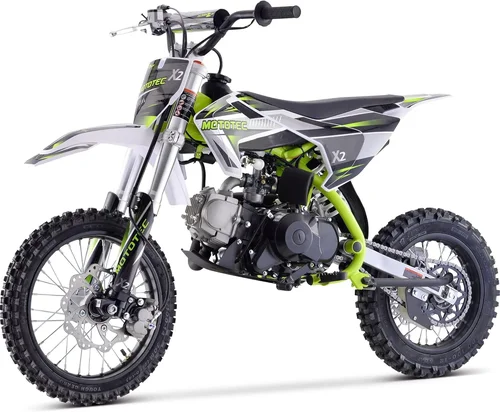
Pit bikes have come a long way since their humble beginnings as miniature motorcycles used primarily by motocross riders to navigate around race tracks. Today, they’ve evolved into serious machines capable of delivering thrilling performance, rugged durability, and surprising versatility—especially for adult riders. Whether you’re looking to tear up off-road trails, cruise around your property, or simply enjoy the raw fun of riding a lightweight, nimble bike, modern pit bikes are no longer just “kids’ toys.” In fact, many models now feature adult-sized frames, powerful engines, and suspension systems designed to handle real-world terrain and rider weight.
This comprehensive buying guide is designed specifically for adults who are serious about getting the most out of their pit bike experience. We’ll cut through the marketing hype and help you understand what truly matters when choosing a machine that fits your needs, budget, and skill level. From engine displacement and frame geometry to build quality and after-sales support, we’ll cover every critical factor so you can make a confident, informed decision. Whether you’re a weekend warrior, a seasoned off-road enthusiast, or someone just discovering the joy of two-wheeled adventure, this guide will equip you with the knowledge to pick the best pit bike for your lifestyle.
The market for adult-oriented pit bikes has exploded in recent years, with manufacturers responding to growing demand for higher-performance, more reliable, and better-equipped mini motorcycles. Brands like Honda, Kawasaki, Yamaha, and KTM have long dominated the full-size motocross world, but now even niche players like Thumpstar, Pitster Pro, and Apollo are producing models that rival—and sometimes surpass—their larger counterparts in terms of value and innovation. With options ranging from budget-friendly 125cc machines under $1,000 to high-end 250cc four-strokes pushing $4,000+, there’s never been a better time to buy. But with so many choices, it’s easy to get overwhelmed. That’s why this guide exists: to simplify your search and ensure you invest in a pit bike that delivers excitement, reliability, and long-term satisfaction.

What to Look for When Buying a Pit Bike
1. Engine Size & Power Output
Engine size is arguably the most important factor when selecting a pit bike for adult use. Unlike smaller youth models (typically 50cc–110cc), adult pit bikes usually start at 125cc and go up to 250cc or more. A larger engine doesn’t just mean more speed—it translates into better torque, improved hill-climbing ability, and the capacity to carry heavier riders without strain. For most adults, a 140cc to 160cc four-stroke engine offers an excellent balance of power, fuel efficiency, and reliability. If you plan on aggressive trail riding, jumping, or carrying gear, consider stepping up to a 200cc or 250cc model.
Two-stroke engines deliver explosive power and lighter weight but require more maintenance and premixed fuel. Four-strokes, on the other hand, are smoother, more fuel-efficient, and easier to maintain—making them ideal for beginners and daily riders. Always check horsepower (HP) and torque ratings; a 150cc four-stroke producing 12–15 HP is plenty for recreational use, while performance-focused riders may seek 20+ HP from a tuned 250cc engine.
2. Frame & Suspension Quality
A pit bike’s frame and suspension determine how well it handles rough terrain, absorbs impacts, and supports your weight. Look for a steel or chromoly steel frame—these materials offer strength and durability without excessive weight. Avoid flimsy aluminum frames on ultra-budget models, as they can crack under stress.
Suspension is equally critical. Quality front forks (preferably inverted USD forks) and a rear mono-shock or twin-shock setup with adjustable preload allow you to fine-tune ride comfort based on your weight and riding style. Travel distance matters too: aim for at least 6–8 inches of front and rear suspension travel for off-road use. Cheap bikes often come with short-travel, non-adjustable suspensions that bottom out easily, leading to a harsh ride and reduced control.
3. Weight Capacity & Rider Ergonomics
Many pit bikes are still marketed toward younger riders, which means their weight limits and seat heights aren’t optimized for adults. Always check the manufacturer’s stated weight capacity—most decent adult pit bikes support 200–300 lbs. Exceeding this limit can damage the frame, suspension, and drivetrain.
Ergonomics matter just as much. Measure your inseam and compare it to the bike’s seat height (typically 28–32 inches for adult models). You should be able to plant both feet flat on the ground when seated. Handlebar width, footpeg position, and overall stance should feel natural—not cramped or stretched. Test rides are ideal, but if unavailable, look for detailed dimensions in product specs or user reviews.
4. Braking System
Stopping power is non-negotiable, especially when riding at higher speeds or on technical terrain. Disc brakes (front and rear) are standard on quality adult pit bikes—avoid drum brakes, which fade quickly and lack modulation. Hydraulic disc brakes offer superior feel and stopping force compared to mechanical (cable-actuated) systems.
Look for brake rotor size (180mm–220mm is common) and piston count in the calipers. Dual-piston calipers provide better bite than single-piston designs. Also, ensure the brake levers are adjustable for reach—this is crucial for riders with smaller or larger hands.
5. Build Quality & Brand Reputation
Not all pit bikes are created equal. While Chinese-made brands like Apollo and Coolster offer tempting low prices, their build quality can be inconsistent—think misaligned frames, weak welds, and subpar electrical systems. That said, some budget brands have improved significantly in recent years.
Established names like Honda (with their CRF150F-inspired designs), Kawasaki (KLX125), and KTM (though rare in pit form) bring decades of engineering expertise. Meanwhile, specialty brands like Thumpstar and Pitster Pro focus exclusively on mini motorcycles and often deliver better attention to detail, stronger components, and better customer support. Research brand forums, YouTube reviews, and long-term owner feedback to gauge reliability.
6. Transmission & Clutch Type
Most adult pit bikes come with a 4-speed or 5-speed manual transmission, which gives you full control over power delivery—ideal for technical riding. Automatic or semi-automatic transmissions (like centrifugal clutches) are simpler but limit performance and tuning options.
Wet multi-plate clutches are standard on higher-end models and handle heat better during aggressive riding. Dry clutches are lighter but wear faster. If you’re new to manual shifting, practice in a safe area—but don’t shy away from manuals; they’re part of the authentic pit bike experience.
7. Tires & Wheels
Tire choice dramatically affects traction, handling, and ride comfort. Knobby off-road tires are essential for dirt, mud, and loose terrain, while dual-sport or street-legal tires (if available) allow pavement use. Look for tires with aggressive tread patterns and reinforced sidewalls.
Wheel size also matters. Most adult pit bikes use 14-inch front and 12-inch rear wheels, but some performance models feature 17-inch wheels for better ground clearance and stability. Ensure the wheels are spoked (not mag wheels), as spoked rims absorb impacts better and are easier to repair.
8. Warranty & After-Sales Support
A pit bike is an investment—and like any mechanical product, things can go wrong. A solid warranty (at least 6–12 months) shows the manufacturer stands behind their product. Check what’s covered: engine, frame, electrical, suspension? Some brands offer limited warranties that exclude “wear items” like tires and brake pads—read the fine print.
Customer service responsiveness is equally important. Can you easily order replacement parts? Is there a local dealer or service center? Brands with U.S.-based support (like Thumpstar and Pitster Pro) often resolve issues faster than overseas-only sellers.
Different Types of Pit Bikes for Adults

Common Buying Mistakes to Avoid
❌ Mistake: Prioritizing Price Over Quality
Why it’s bad: Ultra-cheap pit bikes (under $600) often use weak frames, undersized engines, and poor-quality electrical systems. They may look cool online but frequently break down within weeks—costing more in repairs than the initial savings.
What to do instead: Set a realistic budget ($1,000+) and focus on value, not just low cost. A $1,200 bike from a reputable brand will last years longer than a $500 import.
❌ Mistake: Ignoring Weight Limits
Why it’s bad: Riding a bike rated for 150 lbs when you weigh 220 lbs stresses the suspension, engine, and frame. This leads to premature wear, unsafe handling, and potential failure mid-ride.
What to do instead: Always verify the manufacturer’s max load rating and add 20–30 lbs for safety margin. If in doubt, choose a model known for heavy-duty construction.
❌ Mistake: Overlooking Maintenance Requirements
Why it’s bad: Some buyers assume pit bikes are “set it and forget it” machines. In reality, they need regular oil changes, chain adjustments, air filter cleaning, and valve checks—especially two-strokes.
What to do instead: Factor in ongoing maintenance costs and time. Four-strokes are generally lower maintenance. Read the manual before buying and ensure parts are readily available.
❌ Mistake: Buying Without Researching Local Laws
Why it’s bad: Many states and municipalities prohibit pit bikes on public roads or require registration, helmets, and insurance. Riding illegally can result in fines or confiscation.
What to do instead: Check your local DMV or transportation authority rules. If you plan to ride on streets, look for DOT-compliant models with headlights, turn signals, and VIN plates.
❌ Mistake: Skipping the Test Ride (or Virtual Inspection)
Why it’s bad: Photos can be misleading. A bike might look spacious but feel cramped due to poor ergonomics or stiff suspension.
What to do instead: If possible, visit a dealer for a test ride. If buying online, watch detailed walkaround videos, read owner forums, and compare dimensions to your height and inseam.
❌ Mistake: Assuming All “Adult-Sized” Bikes Are Equal
Why it’s bad: Some manufacturers label bikes as “adult” simply because they have 125cc engines—but retain youth-sized frames and suspensions.
What to do instead: Look for specific mentions of “extended wheelbase,” “reinforced frame,” or “adult ergonomics” in product descriptions. Real adult bikes have longer wheelbases (50+ inches) and higher ground clearance.
❌ Mistake: Neglecting Safety Gear
Why it’s bad: Pit bikes can reach 50+ mph and are often ridden off-road. Without proper gear, even minor falls can cause serious injury.
What to do instead: Budget for a DOT-approved helmet, goggles, gloves, boots, and chest protector. Safety gear is not optional—it’s essential.
Budget Guidelines: How Much Should You Spend?
Entry-Level ($800–$1,500): This tier includes basic 125cc–140cc four-stroke models from brands like Apollo, Coolster, or generic imports. Expect simple suspension, mechanical disc brakes, and minimal features. Great for beginners or casual use, but may lack durability for frequent or aggressive riding. Ideal if you’re testing the waters or have a tight budget.
Mid-Range ($1,500–$2,800): The sweet spot for most adult riders. Models like the Thumpstar TSB 140, Pitster Pro XJR 140, or Kawasaki KLX125 offer upgraded suspension, hydraulic brakes, better engines, and improved build quality. These bikes handle real trails, support heavier riders, and come with decent warranties. Perfect for weekend warriors and intermediate riders.
Premium ($2,800–$4,000): Designed for enthusiasts and performance-minded riders. Think 190cc–250cc engines, race-inspired frames, adjustable suspension, and high-flow exhausts. Brands like KTM (via licensed replicas), Yamaha-inspired customs, or custom-built pit bikes fall here. These machines rival full-size dirt bikes in capability and are ideal for jumping, racing, or serious trail work.
Luxury ($4,000+): Custom-built or limited-edition pit bikes with hand-tuned engines, carbon fiber parts, and professional-level components. Often used in mini-moto competitions or by collectors. Only recommended for experienced riders with deep pockets and specific performance goals.
Expert Tips for Getting the Best Deal
1. Buy During Off-Season (Late Fall to Early Spring): Most dealers discount pit bikes in winter when demand is low. You can save 10–20% compared to summer pricing.
2. Shop Reputable Retailers with Return Policies: Avoid eBay or Craigslist unless you’re experienced. Buy from authorized dealers (like Rocky Mountain ATV/MC, MotoSport, or brand websites) that offer 30-day return windows and customer support.
3. Look for Package Deals: Some sellers bundle helmets, gloves, or maintenance kits. These can add real value—just ensure the gear is quality, not junk.
4. Consider Used—But Inspect Thoroughly: A well-maintained used pit bike can be a steal. Check for frame cracks, engine smoke, suspension leaks, and tire wear. Ask for service records.
5. Negotiate Accessories or Upgrades: Dealers often have wiggle room on add-ons. Ask for free skid plates, upgraded sprockets, or brake pads instead of a price reduction.
6. Join Owner Forums for Insider Deals: Communities like ThumpstarTalk.com or PitBikeForum.net often share exclusive discount codes or flash sales.
7. Verify Shipping Costs and Assembly: Many online bikes arrive 90% assembled but charge $150–$300 for shipping. Factor this into your total cost. Some retailers offer free assembly—take advantage!
8. Read the Fine Print on “Lifetime” Warranties: Some budget brands advertise “lifetime” coverage but exclude everything except the frame. Always read the warranty terms carefully.
Frequently Asked Questions
Q: Can adults really ride pit bikes comfortably?
A: Absolutely—if you choose the right model. Modern adult pit bikes feature extended frames, higher seat heights (28–32 inches), and reinforced components designed for riders up to 250+ lbs. They’re not just scaled-up kids’ bikes; they’re purpose-built mini motorcycles.
Q: Are pit bikes street legal?
A: Generally, no—unless specifically modified and registered. Most pit bikes lack headlights, turn signals, mirrors, and VIN plates required for road use. However, some dual-sport models (like the Kawasaki KLX125SM) are street-legal in certain states. Always check local laws.
Q: How fast do adult pit bikes go?
A: Speed varies by engine and tuning. A stock 125cc pit bike reaches 45–55 mph, while a tuned 250cc model can hit 70+ mph. Two-strokes are typically faster than four-strokes of the same displacement.
Q: Do I need a motorcycle license to ride a pit bike?
A: It depends on where and how you ride. On private property, no license is usually required. On public land or trails, some states require an off-road permit. For street use, a standard motorcycle license and registration are mandatory.
Q: How often should I change the oil?
A: For four-stroke engines, change oil every 10–20 hours of riding or every 3 months (whichever comes first). Two-strokes don’t have separate oil reservoirs but require fresh premix fuel each time. Always follow the manufacturer’s schedule.
Q: Can I upgrade my pit bike?
A: Yes! Common upgrades include performance exhausts, high-compression pistons, revalved suspension, larger carburetors, and lightweight wheels. The aftermarket for pit bikes is robust—especially for popular models like the TSB 140.
Q: Are electric pit bikes worth it?
A: Electric pit bikes (like those from Sur Ron or CSC Motorcycles) offer instant torque, silent operation, and zero emissions. They’re great for neighborhoods and eco-conscious riders but have limited range (20–40 miles) and longer recharge times. Ideal for casual or urban use.
Q: What’s the difference between a pit bike and a mini moto?
A: The terms are often used interchangeably, but “mini moto” typically refers to race-focused, high-performance mini bikes (often two-stroke), while “pit bike” is a broader category that includes recreational and trail-oriented models.
Q: How long do pit bikes last?
A: With proper maintenance, a quality pit bike can last 5–10 years or more. Engines may need top-end rebuilds every 50–100 hours for two-strokes or 100–200 hours for four-strokes. Frame and suspension can last decades if not abused.
Q: Where can I ride my pit bike legally?
A: Options include private property (with owner permission), designated off-road parks, BLM land (in many states), and motocross tracks. Avoid public roads unless your bike is street-legal and registered.
Our Final Recommendations
Best for Budget-Conscious Buyers: Thumpstar TSB 125 – At around $1,200, this bike punches above its weight with a reliable 125cc four-stroke engine, hydraulic disc brakes, and a sturdy frame. It’s a favorite among beginners and offers excellent parts availability.
Best Overall Value: Pitster Pro XJR 140 – Priced near $1,800, the XJR 140 delivers race-inspired performance with a 140cc engine, inverted forks, and a lightweight chromoly frame. It’s upgrade-friendly and handles like a dream on trails and tracks.
Best Premium Option: Kawasaki KLX230R (Mini Conversion) – While not a traditional pit bike, the KLX230R’s mini-wheel conversion kits create a high-performance, adult-sized machine with Kawasaki reliability, electric start, and exceptional suspension travel.
Best for Beginners: Apollo DB-X18 125cc – Affordable (~$900), easy to ride, and surprisingly durable for the price. Great for learning the basics before upgrading. Just be prepared for minor tweaks out of the box.
Best for Advanced Users: Custom 250cc Pit Bike (e.g., based on Honda CRF250R) – For serious riders, a custom-built pit bike using a full-size dirt bike engine offers unmatched power and handling. Expect to spend $3,500+, but the performance is race-ready.
Conclusion: Making the Right Choice
Choosing the best pit bike for adults isn’t just about picking the fastest or flashiest model—it’s about finding a machine that matches your skill level, riding goals, budget, and physical needs. Whether you’re tearing through mud, exploring backwoods trails, or just enjoying the thrill of a nimble mini bike in your backyard, the right pit bike can deliver years of excitement and adventure.
Remember: prioritize build quality over gimmicks, verify weight and ergonomic specs, and never compromise on safety. Take advantage of seasonal deals, read real owner reviews, and consider both new and used options. And most importantly, invest in quality protective gear—because the best ride is a safe one.
Pit bikes have evolved into legitimate, high-performance machines capable of satisfying even seasoned riders. With the insights from this guide, you’re now equipped to navigate the market with confidence. So rev up your research, set your budget, and get ready to experience the pure, unfiltered joy of riding a pit bike built for adults. Your next great adventure is just a throttle twist away.