
Electric bikes have revolutionized personal transportation, offering a blend of eco-friendliness, convenience, and sheer fun. Among the many styles available, fat tire electric bikes stand out for their rugged capability and versatility. Whether you’re navigating snowy trails, sandy beaches, or urban potholes, these beefy e-bikes deliver unmatched stability and traction. But with so many models flooding the market in 2025—from budget-friendly options to high-performance machines—it’s easy to feel overwhelmed. That’s where this comprehensive buying guide comes in.
This guide is designed to cut through the noise and help you make an informed decision. Whether you’re a weekend adventurer, a daily commuter, or someone looking for a reliable off-road companion, we’ll walk you through every critical factor that matters when choosing a fat tire electric bike. You’ll learn how to evaluate performance specs, understand build quality, compare price tiers, avoid common pitfalls, and ultimately find the perfect e-bike that matches your lifestyle and budget. By the end, you won’t just know what to buy—you’ll know why it’s the right choice for you.
The fat tire e-bike market has exploded in recent years, driven by advances in battery technology, motor efficiency, and frame design. Brands like Rad Power Bikes, Aventon, Himiway, and QuietKat have raised the bar, while new entrants continue to push innovation. Prices now range from under $1,000 to well over $5,000, catering to everyone from casual riders to serious off-grid explorers. With such variety, it’s more important than ever to understand what separates a good fat tire e-bike from a great one. Let’s dive into the key factors you need to consider before making your purchase.

What to Look for When Buying a Fat Tire Electric Bike
1. Budget & Price Range
Your budget is the foundation of your buying decision. Fat tire electric bikes vary dramatically in price, and understanding what you’re getting at each tier is crucial. Entry-level models typically start around $800–$1,200, while premium bikes can exceed $5,000. However, price doesn’t always correlate directly with value—some mid-range bikes offer exceptional performance for the cost.
When setting your budget, consider not just the upfront cost but also long-term expenses like maintenance, battery replacement (usually every 3–5 years), and potential upgrades. A cheaper bike might save you money initially but could cost more over time if it requires frequent repairs or lacks durability. Conversely, splurging on a high-end model may be overkill if you only plan to ride occasionally on paved paths.
Ask yourself: How often will I ride? What terrain will I tackle? Do I need premium components or just reliable basics? Answering these questions will help you allocate your budget wisely. Remember, investing in a slightly higher-priced bike with better build quality often pays off in longevity and ride satisfaction.
2. Motor Power & Type
The motor is the heart of any electric bike, and fat tire models are no exception. Most fat tire e-bikes use either hub motors (located in the wheel) or mid-drive motors (mounted near the pedals). Hub motors are more common in fat tire bikes due to their simplicity and affordability, while mid-drives offer better weight distribution and hill-climbing efficiency—but at a higher price point.
Motor power is measured in watts (W), with most fat tire e-bikes ranging from 500W to 1,000W. A 500W motor is sufficient for flat terrain and light off-roading, but if you plan to tackle steep hills, carry heavy loads, or ride in deep sand or snow, opt for 750W or higher. Some states and countries regulate e-bike motor power—typically capping it at 750W for legal classification as a Class 1, 2, or 3 e-bike—so check local laws before buying.
Also consider torque, measured in Newton-meters (Nm). Higher torque means better acceleration and climbing ability. For example, a bike with 80+ Nm of torque will feel noticeably more responsive on inclines than one with 50 Nm. If you’re riding in challenging conditions, prioritize torque alongside wattage.
3. Battery Capacity & Range
Battery capacity determines how far you can ride on a single charge—a critical factor for commuters and adventurers alike. Measured in watt-hours (Wh), battery capacity typically ranges from 400Wh to 900Wh+ on fat tire e-bikes. A higher Wh rating generally means longer range, but real-world performance depends on terrain, rider weight, assist level, and tire pressure.
Most manufacturers provide estimated ranges (e.g., “up to 60 miles”), but these are often optimistic. In practice, expect 20–40 miles on a full charge for a 600Wh battery, especially if using high assist levels or riding off-road. Fat tires increase rolling resistance, which drains the battery faster than standard tires. To maximize range, keep tires properly inflated, use lower assist modes when possible, and avoid constant full-throttle usage.
Look for removable batteries—they allow you to charge indoors and swap in a spare for extended trips. Also check charging time: most batteries take 4–6 hours to recharge fully. Some premium models now feature fast-charging tech that cuts this to under 3 hours. Finally, verify the battery brand; reputable names like Samsung, LG, or Panasonic indicate higher quality and reliability.
4. Frame Material & Build Quality
The frame is the skeleton of your e-bike, and its material directly impacts weight, durability, and ride feel. Most fat tire e-bikes use aluminum alloy frames due to their strength-to-weight ratio and corrosion resistance. High-end models may use hydroformed aluminum for better ergonomics and aesthetics, while budget bikes might use heavier, lower-grade alloys.
Avoid steel frames unless you specifically need extreme durability—they’re heavy and can rust over time. Carbon fiber is rare in fat tire e-bikes due to cost and the need for impact resistance, but some premium brands are experimenting with it for specific components.
Beyond material, inspect weld quality, tube thickness, and overall fit and finish. A well-built frame should feel solid when you lift it, with no creaks or flex. Check for reinforced joints, especially around the motor mount and rear dropout—areas that endure significant stress. Also look for internal cable routing, which protects wires and gives a cleaner look.
Weight matters too. Fat tire e-bikes are inherently heavy (often 60–80 lbs), but a lighter frame can make handling easier, especially when lifting or storing the bike. However, don’t sacrifice strength for weight savings—durability is paramount for off-road use.
5. Tire Size & Tread Pattern
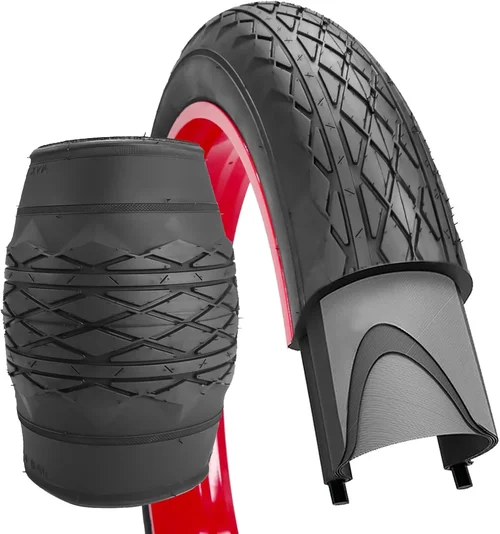
Fat tires are defined by their width—typically 3.8 inches or wider—and low pressure capability, which provides exceptional grip and shock absorption. Common sizes include 20”, 24”, 26”, and 27.5” diameters, with 26” being the most popular for adult riders.
Tire width affects ride comfort and terrain suitability. Wider tires (4.5”–5”) excel in snow, sand, and mud but add rolling resistance and weight. Narrower fat tires (3.8”–4”) offer a balance of traction and efficiency, making them better for mixed terrain or urban riding. Consider your primary use: if you’re mostly on pavement, a 4” tire may suffice; for serious off-roading, go wider.
Tread pattern is equally important. Knobby, aggressive treads provide maximum grip on loose surfaces but can be noisy and slow on pavement. Semi-slick or hybrid treads offer a compromise, with center ribs for smooth rolling and side knobs for cornering traction. Some brands offer puncture-resistant casings or tubeless-ready setups—worth considering if you ride in rocky or thorny areas.
Don’t forget tire pressure. Fat tires run at much lower PSI (5–15 psi) than standard bike tires, allowing them to conform to uneven terrain. Use a quality floor pump with a pressure gauge to maintain optimal inflation—too high reduces traction; too low increases pinch-flat risk.
6. Suspension System
Fat tires naturally absorb bumps better than skinny tires, but adding suspension enhances comfort and control, especially on rough trails. Most fat tire e-bikes feature front suspension forks, while some include rear suspension or full-suspension setups.
Front suspension forks typically offer 80–120mm of travel. More travel isn’t always better—excessive sag can reduce pedaling efficiency. Look for adjustable preload, rebound damping, and lockout features, which let you tailor the fork to your weight and riding style. Air-sprung forks are lighter and more tunable than coil springs but cost more.
Full-suspension fat tire e-bikes are rare and expensive but ideal for technical mountain biking. They add complexity and weight, so only consider them if you’re serious about off-road performance. For casual trail riding or commuting, a quality front fork paired with fat tires is usually sufficient.
If your bike lacks suspension, ensure the frame has some flex or consider adding a suspension seatpost. These affordable upgrades can significantly improve ride comfort on bumpy roads.
7. Braking System
Stopping power is non-negotiable, especially on heavy e-bikes traveling at higher speeds. Disc brakes are standard on all modern fat tire e-bikes, but there are two types: mechanical (cable-actuated) and hydraulic.
Hydraulic disc brakes offer superior modulation, power, and consistency, with less hand fatigue during long descents. They’re self-adjusting and perform better in wet or muddy conditions. Mechanical discs are cheaper and easier to maintain but require more lever effort and frequent adjustments.
Look for rotor size as well: 180mm rotors are common, but 203mm rotors provide extra stopping power for heavier riders or steep terrain. Some bikes include brake sensors that cut motor power when you squeeze the levers—a safety feature that prevents accidental acceleration.
Test the brakes before buying if possible. Squeeze the levers: they should engage smoothly without excessive travel. Listen for squealing or grinding, which may indicate poor alignment or worn pads.
8. Display & Control Interface
The display is your command center, showing speed, battery level, assist mode, and sometimes navigation or ride stats. Most fat tire e-bikes use LCD or LED displays mounted on the handlebar. Higher-end models feature color screens with Bluetooth connectivity, GPS tracking, and app integration.
Essential features include clear visibility in sunlight, intuitive button layout, and real-time data like range estimation. Some displays allow customization of assist levels, pedal sensitivity, and max speed—useful for fine-tuning performance.
Consider waterproofing: if you ride in rain or snow, ensure the display is IP65 or higher rated. Also check if the display is removable—some thieves target expensive screens, so being able to take it with you adds security.
Finally, evaluate the user experience. Can you easily switch between modes while riding? Is the screen readable at a glance? A poorly designed interface can be frustrating, especially on long rides.
9. Weight Capacity & Rider Fit
Fat tire e-bikes are built to handle more weight than standard e-bikes, but capacities vary. Most support 250–350 lbs, with some heavy-duty models rated for 400+ lbs. Always check the manufacturer’s stated limit—exceeding it can damage the frame, motor, or battery.
Rider fit is equally important. Ensure the bike’s geometry suits your height and riding style. Step-through frames are easier to mount for shorter riders or those with limited mobility, while traditional diamond frames offer more rigidity. Test ride if possible: your feet should touch the ground when seated, and you should have a slight bend in your elbows when gripping the handlebars.
Adjustable components like seat posts and handlebars help fine-tune fit. Some bikes offer multiple frame sizes—choose the one that matches your inseam and torso length. A proper fit reduces fatigue and improves control, especially on long or technical rides.
10. Warranty & Customer Support
A strong warranty reflects a manufacturer’s confidence in their product. Most reputable brands offer 1–2 years of coverage on the frame and motor, with shorter periods for batteries (often 6–12 months). Premium brands may extend coverage to 3+ years or offer lifetime frame warranties.
Read the fine print: some warranties exclude wear items like tires, brakes, or batteries, or require registration within a certain timeframe. Also check if the warranty is transferable—important if you plan to resell the bike.
Customer support matters too. Can you easily reach a human via phone or chat? Are replacement parts readily available? Brands with U.S.-based service centers (like Rad Power Bikes or Aventon) often provide faster repairs than those relying on overseas support.
Look for brands with active online communities or forums—they’re a goldmine for troubleshooting tips and user reviews. Avoid companies with a history of delayed responses or denied claims.
Different Types of Fat Tire Electric Bikes

Common Buying Mistakes to Avoid
❌ Mistake: Ignoring Local E-Bike Laws
Why it’s bad: Riding an illegal e-bike can result in fines, confiscation, or being banned from bike paths. Many regions restrict motor power (usually to 750W), top speed (20–28 mph), and require helmets or licenses.
What to do instead: Research your local regulations before buying. Check if your bike needs to be registered or if certain trails prohibit e-bikes. Choose a model that complies with Class 1, 2, or 3 standards if required.
❌ Mistake: Overlooking Test Rides
Why it’s bad: Fat tire e-bikes handle differently than regular bikes—they’re heavier, slower to turn, and have unique pedal feel. Buying without testing can lead to buyer’s remorse.
What to do instead: Visit local dealers or attend e-bike expos. If buying online, choose retailers with generous return policies (30+ days). Some brands offer virtual fitting tools or demo programs.
❌ Mistake: Prioritizing Price Over Quality
Why it’s bad: Ultra-cheap fat tire e-bikes often use low-grade motors, weak frames, and unreliable batteries. They may break down quickly or lack safety features.
What to do instead: Set a realistic budget and prioritize reputable brands. A $1,500 bike from a known manufacturer is usually safer and more durable than a $900 no-name model.
❌ Mistake: Neglecting Maintenance Needs
Why it’s bad: Fat tire e-bikes require regular upkeep—tire pressure checks, brake adjustments, chain lubrication, and battery care. Ignoring maintenance shortens lifespan and risks safety.
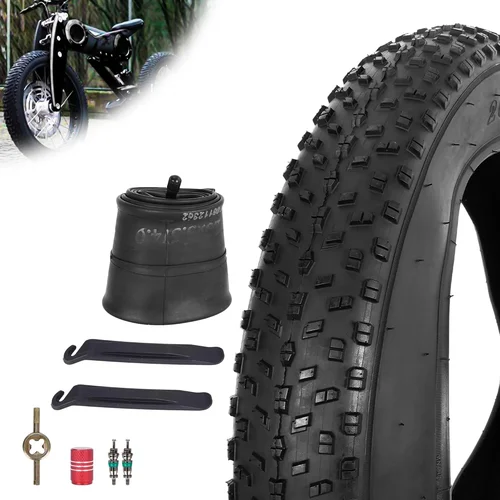
What to do instead: Learn basic maintenance or find a local e-bike shop. Keep a toolkit handy and follow the manufacturer’s service schedule. Consider bikes with sealed bearings and belt drives for lower maintenance.
❌ Mistake: Choosing the Wrong Size or Style
Why it’s bad: A bike that doesn’t fit properly causes discomfort, reduces control, and increases injury risk. Step-through vs. diamond frame, wheel size, and geometry all matter.
What to do instead: Use sizing charts, measure your inseam, and consider your mobility needs. If unsure, consult a sizing expert or opt for adjustable components.
❌ Mistake: Forgetting About Storage and Transport
Why it’s bad: Fat tire e-bikes are heavy and bulky. Storing one in a small apartment or lifting it onto a car rack can be challenging without planning.
What to do instead: Measure your storage space and vehicle capacity. Consider folding models or wall mounts. Invest in a quality bike ramp if transporting frequently.
❌ Mistake: Skipping Insurance or Theft Protection
Why it’s bad: E-bikes are prime targets for thieves. Without insurance or tracking, you could lose hundreds or thousands of dollars.
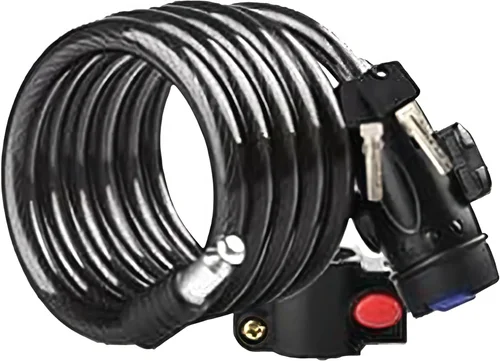
What to do instead: Use a high-quality U-lock, register your bike, and consider adding GPS tracking (like Apple AirTag or dedicated e-bike trackers). Check if your homeowner’s or renter’s insurance covers e-bikes.
Budget Guidelines: How Much Should You Spend?
Entry-Level ($800 – $1,500): These bikes offer basic functionality for casual riders. Expect hub motors (500W–750W), removable batteries (400–600Wh), and aluminum frames. Components may be entry-grade (mechanical disc brakes, basic displays), and warranties are often limited. Ideal for paved paths, light trails, or short commutes. Brands like Swagtron, Ecotric, and Lectric XP fall here.
Mid-Range ($1,500 – $3,000): This is the sweet spot for most buyers. You’ll find hydraulic disc brakes, better suspension, higher-capacity batteries (600–800Wh), and more reliable motors. Displays are more advanced, and build quality improves significantly. Great for mixed terrain, longer rides, and daily use. Top picks include RadRover 6 Plus, Aventon Aventure.2, and Himiway Cruiser.
Premium ($3,000 – $5,000): Designed for enthusiasts and serious adventurers. Features include high-torque motors (750W–1,000W), full-suspension options, premium batteries (800Wh+), and top-tier components (Shimano drivetrains, RockShox forks). Expect robust frames, advanced displays with app integration, and extended warranties. Perfect for off-roading, cargo hauling, or long-distance touring. Look at QuietKat Ranger, Rambo Rebel, or Benno Boost E+.
Luxury ($5,000+): These are the Ferraris of fat tire e-bikes. Built with cutting-edge tech, carbon fiber elements, custom tuning, and ultra-long range (100+ miles). Often include smart features like GPS navigation, theft recovery, and AI-assisted riding modes. Reserved for professionals, extreme adventurers, or those who want the absolute best. Examples: Delfast Prime, Juiced HyperScorpion X, or custom builds from builders like Luna Cycle.
Expert Tips for Getting the Best Deal
- Shop during seasonal sales: Major discounts happen around Black Friday, end-of-season clearances (August–September), and new model launches (spring). Sign up for brand newsletters to get early access.
- Buy directly from manufacturers: Brands like Rad Power Bikes, Aventon, and Himiway often offer better prices, free shipping, and exclusive bundles when you buy from their websites.
- Check refurbished or open-box deals: Many retailers sell returned or demo bikes at 15–30% off. These are typically inspected and come with warranties.
- Compare total cost of ownership: Factor in shipping, assembly fees, and potential upgrades. Some “cheap” bikes have hidden costs that push them into mid-range territory.
- Read verified user reviews: Look beyond star ratings. Sites like Electric Bike Review or YouTube channels provide real-world insights on reliability, comfort, and customer service.
- Negotiate or bundle: Some dealers offer discounts if you buy accessories or trade in an old bike. Don’t hesitate to ask!
- Verify return and warranty policies: Ensure you can return the bike within 30 days if it doesn’t meet expectations. Avoid sellers with restocking fees or short trial periods.
- Join loyalty programs: Brands like Rad Power Bikes offer referral bonuses, member discounts, and early access to new models.

Frequently Asked Questions
Q: Are fat tire electric bikes good for commuting?
A: Yes, especially if your route includes potholes, gravel, or occasional off-road detours. Their stability and comfort make them excellent urban riders, though they’re heavier and slower than road e-bikes. Look for models with fenders, racks, and lights for practicality.
Q: Can I ride a fat tire e-bike in the snow?
A: Absolutely! Fat tires excel in snow due to their wide surface area and low pressure, which prevent sinking. Pair with studded tires for icy conditions and ensure your battery is insulated (cold reduces range).
Q: How long do fat tire e-bike batteries last?
A: Most lithium-ion batteries last 800–1,000 charge cycles, equating to 3–5 years of regular use. Capacity gradually declines over time—expect 70–80% of original range after 3 years.
Q: Do I need a special license to ride a fat tire e-bike?
A: In most U.S. states and EU countries, no—if the bike meets Class 1, 2, or 3 criteria (motor ≤750W, speed ≤20–28 mph). However, some trails or cities have specific rules, so always check local laws.
Q: Can I convert a regular bike to a fat tire e-bike?
A: Technically yes, but it’s complex and often not cost-effective. Fat tire frames require specific hubs, forks, and clearance. Buying a dedicated fat tire e-bike is usually better for performance and safety.
Q: Are fat tire e-bikes harder to pedal without power?
A: Yes, due to increased rolling resistance and weight. However, most have efficient gearing and low assist modes that make pedaling manageable. Choose a bike with a wide gear range if you plan to ride unassisted often.
Q: What’s the difference between hub and mid-drive motors on fat tire bikes?
A: Hub motors are simpler, cheaper, and better for flat terrain. Mid-drives offer better balance, hill-climbing, and efficiency but are rare on fat tire bikes due to frame and tire clearance challenges.
Q: How do I maintain fat tires?
A: Check pressure weekly (5–15 psi), inspect for cuts or embedded debris, and clean treads after muddy rides. Rotate tires occasionally to even out wear, and store indoors to prevent dry rot.
Q: Can I take a fat tire e-bike on a plane?
A: Generally no—lithium batteries over 160Wh are prohibited in checked luggage and restricted in carry-ons. Some airlines allow smaller batteries, but it’s risky. Ship the bike separately if traveling.
Q: Are fat tire e-bikes worth the extra cost?
A: If you ride on rough, loose, or variable terrain, absolutely. The added traction, comfort, and versatility justify the price. For smooth city riding, a standard e-bike may be more efficient.
Our Final Recommendations
Best for Budget-Conscious Buyers: Lectric XP 3.0 Fat Tire – At under $1,000, it delivers 500W motor, 4″ tires, and solid build quality. Great for beginners and light off-roading.
Best Overall Value: Rad Power Bikes RadRover 6 Plus – Priced around $1,999, it offers 750W motor, 672Wh battery, hydraulic brakes, and excellent customer support. A proven favorite for commuters and adventurers.
Best Premium Option: QuietKat Ranger – Built for serious off-roading with 1,000W motor, full suspension, and military-grade durability. Ideal for hunters, explorers, and trail enthusiasts.
Best for Beginners: Aventon Aventure.2 – User-friendly interface, step-through option, and reliable performance. Perfect for new riders wanting confidence and comfort.
Best for Advanced Users: Delfast Prime 3.0 – With a 3,000W motor, 100+ mile range, and top speed of 50 mph, it’s built for speed demons and long-distance riders who demand peak performance.
Conclusion: Making the Right Choice
Choosing the right fat tire electric bike isn’t just about picking the shiniest model or the lowest price tag—it’s about aligning your purchase with your lifestyle, terrain, and long-term goals. We’ve covered everything from motor specs and battery life to budget tiers and common pitfalls, equipping you with the knowledge to navigate this exciting market with confidence.
Remember, the best bike for you is the one that fits your body, matches your riding style, and stays within your budget—without compromising on safety or reliability. Whether you’re cruising city streets, exploring mountain trails, or hauling gear across sand dunes, a well-chosen fat tire e-bike can transform how you move through the world.
Take your time, do your research, test ride when possible, and don’t hesitate to ask questions. The perfect fat tire e-bike is out there—and with this guide, you’re now ready to find it. Happy riding!