
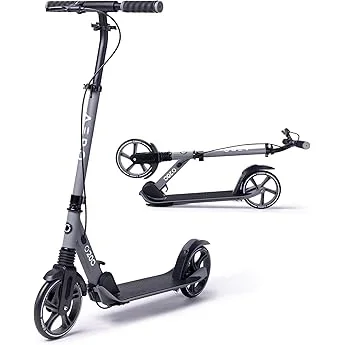
Electric scooters have evolved from niche urban curiosities to serious transportation solutions for millions of adults worldwide. Whether you’re commuting to work, running errands around town, or simply exploring your city on two wheels, the right electric scooter can transform how you move through daily life. But with hundreds of models flooding the market—ranging from budget-friendly $300 options to high-performance machines exceeding $2,000—choosing the best electric scooter for adults in 2026 has never been more confusing. That’s exactly why this expert buying guide exists: to cut through the noise, clarify your priorities, and help you make a confident, informed decision.
In this comprehensive guide, you’ll learn everything you need to know before hitting “buy now.” We’ll break down the most critical factors to consider—from performance specs and build quality to portability and after-sales support—so you can match your needs with the perfect scooter. You’ll also discover common pitfalls that trip up even savvy shoppers, get realistic budget guidelines based on real-world value, and receive actionable tips to secure the best deal. Whether you’re a first-time buyer or upgrading from an older model, this guide is designed to empower you with knowledge, not marketing fluff. By the end, you won’t just know what to buy—you’ll understand why it’s the right choice for your lifestyle.
The adult electric scooter market in 2026 is more diverse and competitive than ever. Major brands like Segway-Ninebot, Xiaomi, Apollo, and Unagi continue to innovate, while new entrants bring fresh designs and aggressive pricing. At the same time, regulations in cities like New York, London, and Tokyo are shaping which features are legal and practical. Battery technology has improved significantly, offering longer ranges and faster charging, while smart features like app connectivity, GPS tracking, and regenerative braking are becoming standard even on mid-tier models. With so much progress—and so many choices—it’s easy to feel overwhelmed. But don’t worry: we’ve tested dozens of scooters, analyzed thousands of user reviews, and consulted industry experts to bring you the clearest, most up-to-date advice available.

What to Look for When Buying an Electric Scooter
1. Budget & Price Range
Your budget is the foundation of your entire purchasing decision. It determines not only what you can afford upfront but also what kind of performance, durability, and features you’ll realistically get. Adult electric scooters span a wide spectrum: entry-level models start around $250–$400, mid-range options sit between $600–$1,200, and premium or performance-focused scooters can cost $1,500–$3,000+. While it’s tempting to go for the cheapest option, skimping too much often leads to frustration—short battery life, weak motors, flimsy frames, and poor customer support.
Instead of fixating on the lowest price, think in terms of value per dollar. A $700 scooter that lasts three years and delivers reliable daily commutes offers better long-term value than a $400 model that breaks down after six months. Consider hidden costs too: replacement tires, brake pads, or even shipping fees for repairs can add up. If you plan to use your scooter regularly—say, 5–10 miles per day—investing in a mid-range or higher-tier model is almost always worth it. For occasional weekend rides or light errands, a budget scooter might suffice, but don’t expect premium performance.
2. Performance Specifications
Performance is where many buyers go wrong—either overestimating what they need or underestimating what they’ll actually use. The three core performance metrics to evaluate are motor power, top speed, and range.
Motor power is measured in watts (W). Most adult scooters feature motors between 250W and 1,000W. A 250W–350W motor is fine for flat terrain and light riders under 160 lbs, but it will struggle on hills or with heavier loads. For city commuting with occasional inclines, aim for at least 500W. Enthusiasts or those tackling steep hills should consider 800W–1,000W dual-motor setups.
Top speed matters less than you might think. While some scooters claim 25–30 mph, local laws often limit e-scooters to 15–20 mph in bike lanes or public paths. More importantly, higher speeds drain batteries faster and reduce safety margins. For most urban riders, 18–22 mph is plenty—and safer.
Range is perhaps the most misunderstood spec. Manufacturers often quote “ideal conditions” range (flat ground, light rider, no wind), which can be 30–50% higher than real-world performance. Always divide the advertised range by 1.3 to estimate actual mileage. If you need to travel 10 miles round-trip daily, choose a scooter rated for at least 15 miles to account for hills, headwinds, and battery degradation over time.
3. Build Quality & Durability
A scooter is only as good as its weakest component. Look for robust materials like aircraft-grade aluminum for the frame, reinforced handlebars, and high-quality welds at stress points. Check the deck thickness—thicker decks handle weight better and feel more stable. Suspension systems (spring, hydraulic, or air-filled) dramatically improve ride comfort on rough pavement, though they add cost and weight.
Tires are another critical durability factor. Solid rubber tires are puncture-proof but offer a harsh ride. Pneumatic (air-filled) tires provide excellent shock absorption and grip but require occasional inflation and are vulnerable to flats. Some newer models use honeycomb or foam-filled tires as a middle ground—maintenance-free with decent cushioning.
Water resistance is often overlooked but essential for real-world use. Look for at least an IP54 rating (protects against splashing water from any direction). IP65 or higher is ideal if you ride in rain or wet conditions. Avoid scooters with exposed wiring or unsealed battery compartments—they’re prone to corrosion.
4. Features & Functionality
Modern electric scooters come packed with features, but not all are useful. Focus on what aligns with your usage patterns. Essential features include:
– Bright LED headlight and taillight: Crucial for visibility at night.
– Digital display: Shows speed, battery level, mode, and sometimes trip data.
– Regenerative braking: Recovers energy during braking, extending range slightly.
– App connectivity: Allows firmware updates, ride tracking, anti-theft locking, and customization of acceleration/braking curves.
– Cruise control: Maintains steady speed without holding the throttle—great for long stretches.
– Foldable design: Makes storage and transport easier, especially if you take public transit or store it indoors.
Avoid “gimmick” features like built-in speakers, phone chargers, or overly complex dashboards unless you truly need them. They add cost, weight, and potential failure points.
5. Brand Reputation
Not all brands are created equal. Established names like Segway-Ninebot, Xiaomi, and Apollo have proven track records for reliability, consistent quality control, and responsive customer service. They also tend to offer better spare parts availability and longer software support.
Newer or lesser-known brands may offer tempting prices, but research carefully. Check if they have physical service centers, third-party repair options, or active community forums. Brands that disappear after a year leave buyers stranded with broken scooters and no warranty support.
User communities (like Reddit’s r/ElectricScooters or specialized forums) are goldmines for honest feedback. Look for patterns: if multiple users report the same issue (e.g., battery swelling after 6 months), it’s a red flag.
6. Warranty & Support
A strong warranty is a sign of manufacturer confidence. Most reputable brands offer 6–12 months of coverage, with some extending to 18–24 months for premium models. Pay attention to what’s covered: batteries typically have shorter warranties (6–12 months) due to natural degradation, while frames may be covered longer.
Check the fine print: some warranties void if you modify the scooter, use third-party chargers, or ride in wet conditions below the rated IP level. Also verify whether repairs are handled locally or require shipping to another state/country—international shipping can delay fixes by weeks.
Customer support responsiveness matters too. Can you reach a human quickly? Do they provide clear troubleshooting guides? Brands with dedicated support teams (not just email tickets) generally offer better post-purchase experiences.
7. Size & Portability
If you’ll be carrying your scooter onto trains, buses, or up stairs, weight and foldability are crucial. Most adult scooters weigh 25–40 lbs. Anything over 35 lbs becomes cumbersome for extended carries. Look for models with ergonomic handles, balanced weight distribution, and secure folding mechanisms that don’t wobble when lifted.
Folded dimensions matter for storage. A compact fold (under 45” x 18” x 8”) fits easily in car trunks, under desks, or in small apartments. Some scooters feature telescoping stems or removable batteries to further reduce size.
However, don’t sacrifice stability for portability. Ultra-light scooters often have smaller wheels and less robust frames, making them less stable at speed or on uneven surfaces.
8. User Reviews & Ratings
Never rely solely on manufacturer specs or flashy ads. Real-world user reviews reveal truths that lab tests miss—like how a scooter performs after six months of daily use, how it handles potholes, or whether the app actually works.
Focus on detailed reviews (300+ words) from verified purchasers. Look for consistency across multiple platforms (Amazon, Best Buy, specialized e-scooter sites). Be wary of reviews that sound scripted or overly enthusiastic without specifics—they may be incentivized.
Pay special attention to comments about:
– Battery longevity after 3–6 months
– Brake performance in wet conditions
– Customer service experiences
– Unexpected failures (e.g., loose bolts, screen glitches)
Different Types of Electric Scooters

Common Buying Mistakes to Avoid
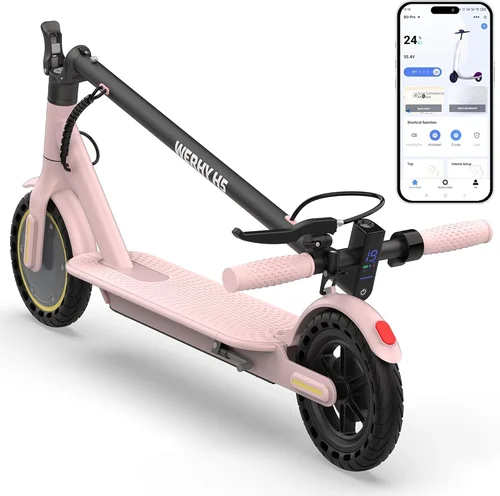
❌ Mistake: Chasing Maximum Speed
Why it’s bad: High-speed scooters often compromise on safety, battery life, and legal compliance. Many cities cap e-scooter speeds at 15–20 mph, and exceeding these limits can result in fines or confiscation. Additionally, faster scooters require better brakes, suspension, and rider skill—elements many budget models lack.
What to do instead: Prioritize balanced performance. A scooter that reliably hits 18–22 mph with strong brakes and stable handling is far more practical—and safer—than one that claims 30 mph but wobbles at 20.
❌ Mistake: Ignoring Real-World Range
Why it’s bad: Manufacturer range claims are often exaggerated. If you believe a 20-mile range means you can ride 20 miles daily, you’ll be stranded when reality delivers only 12–14 miles.
What to do instead: Always calculate your needed range by doubling your one-way distance and adding 20% for safety. Choose a scooter with at least 1.5x your actual requirement.
❌ Mistake: Overlooking Weight and Portability
Why it’s bad: A heavy scooter becomes a burden if you need to carry it upstairs, onto a bus, or into an office. Many buyers regret choosing powerful but bulky models for urban use.
What to do instead: Test the weight yourself—lift it before buying if possible. If you’ll carry it often, keep it under 35 lbs and ensure the fold is secure and compact.
❌ Mistake: Skipping the Test Ride
Why it’s bad: Scooter feel is subjective. What looks great on paper might have jerky acceleration, weak brakes, or an uncomfortable riding position.
What to do instead: Visit local retailers that offer demo rides. If unavailable, watch detailed video reviews that show real-world handling, braking distance, and ride quality.
❌ Mistake: Neglecting After-Sales Support
Why it’s bad: Even the best scooters need occasional repairs. Without reliable warranty service or spare parts, a minor issue can turn your scooter into a $1,000 paperweight.
What to do instead: Research the brand’s service network. Check if they have local partners, offer loaner units during repairs, or provide clear repair guides.
❌ Mistake: Buying Based Solely on Price
Why it’s bad: The cheapest scooter often costs more in the long run due to frequent repairs, short lifespan, or poor resale value.
What to do instead: Calculate total cost of ownership: initial price + expected maintenance + replacement timeline. Invest in quality upfront to save money over time.
❌ Mistake: Forgetting Safety Gear
Why it’s bad: E-scooters can reach speeds where falls cause serious injury. Riding without a helmet, lights, or reflective gear increases risk significantly.
What to do instead: Budget for a certified helmet (CPSC or EN 1078), front/rear lights, and a U-lock. Consider wrist guards and high-visibility clothing for night riding.
Budget Guidelines: How Much Should You Spend?
Entry-Level ($250–$500): These scooters are best for occasional use, light riders, or teens. Expect modest motors (250W–350W), limited range (8–12 miles), basic features, and minimal suspension. Build quality varies widely—stick to known brands like Gotrax or Segway’s budget lines. Ideal for short campus trips or weekend fun, but not recommended for daily commuting.
Mid-Range ($600–$1,200): This is the sweet spot for most adult riders. You’ll find reliable 500W–800W motors, 15–25 mile ranges, decent suspension, and useful features like app connectivity and bright lights. Brands like Apollo, NIU, and Xiaomi dominate here with excellent value. Perfect for daily commutes under 10 miles, urban errands, and mixed terrain.
Premium ($1,300–$2,500): Designed for enthusiasts, long-distance riders, or those tackling hills regularly. Expect dual motors, hydraulic brakes, full suspension, large pneumatic tires, and advanced electronics. Models like the Apollo Phantom or Unagi Model One Dual offer exceptional performance, comfort, and durability. Worth the investment if you ride daily or prioritize ride quality.
Luxury ($2,500+): These are the Ferraris of electric scooters—built with aerospace materials, cutting-edge tech, and meticulous craftsmanship. Features may include carbon fiber decks, swappable batteries, AI-assisted riding modes, and global GPS tracking. Only necessary for tech collectors, professional reviewers, or those who view their scooter as a statement piece.
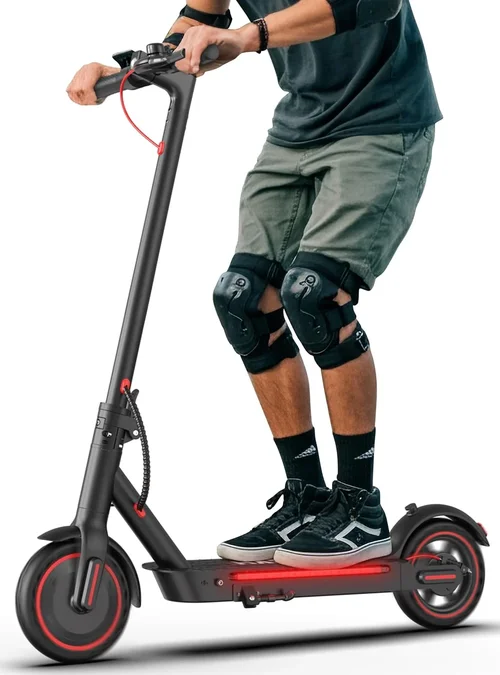
Expert Tips for Getting the Best Deal
– Time your purchase strategically: Major sales occur during Black Friday, Cyber Monday, Amazon Prime Day, and back-to-school seasons (July–August). Some brands also offer end-of-year clearance in December.
– Buy directly from manufacturers when possible: Many brands (e.g., Apollo, Unagi) offer exclusive discounts, extended warranties, or free accessories on their websites that aren’t available through retailers.
– Check refurbished or open-box options: Certified pre-owned scooters from reputable sellers often come with warranties and can save you 20–40%. Ensure they include battery health reports.
– Read return policies carefully: Look for at least a 14-day return window with free return shipping. Some retailers charge restocking fees or require you to cover return costs—avoid these unless absolutely necessary.
– Join loyalty programs or newsletters: Brands often send early access to sales, member-only discounts, or birthday offers. It’s a low-effort way to save $50–$100.
– Test before you buy: If you live near a city with e-scooter demo events or specialty shops, take advantage. Feeling the acceleration, brake response, and overall balance is irreplaceable.
– Consider financing options: Some retailers offer 0% APR financing for 6–12 months. This lets you spread payments without interest—ideal if you’re upgrading but cash-flow constrained.
– Negotiate gently: While rare, some independent retailers may discount floor models or last-year versions. It never hurts to ask, especially near the end of a season.
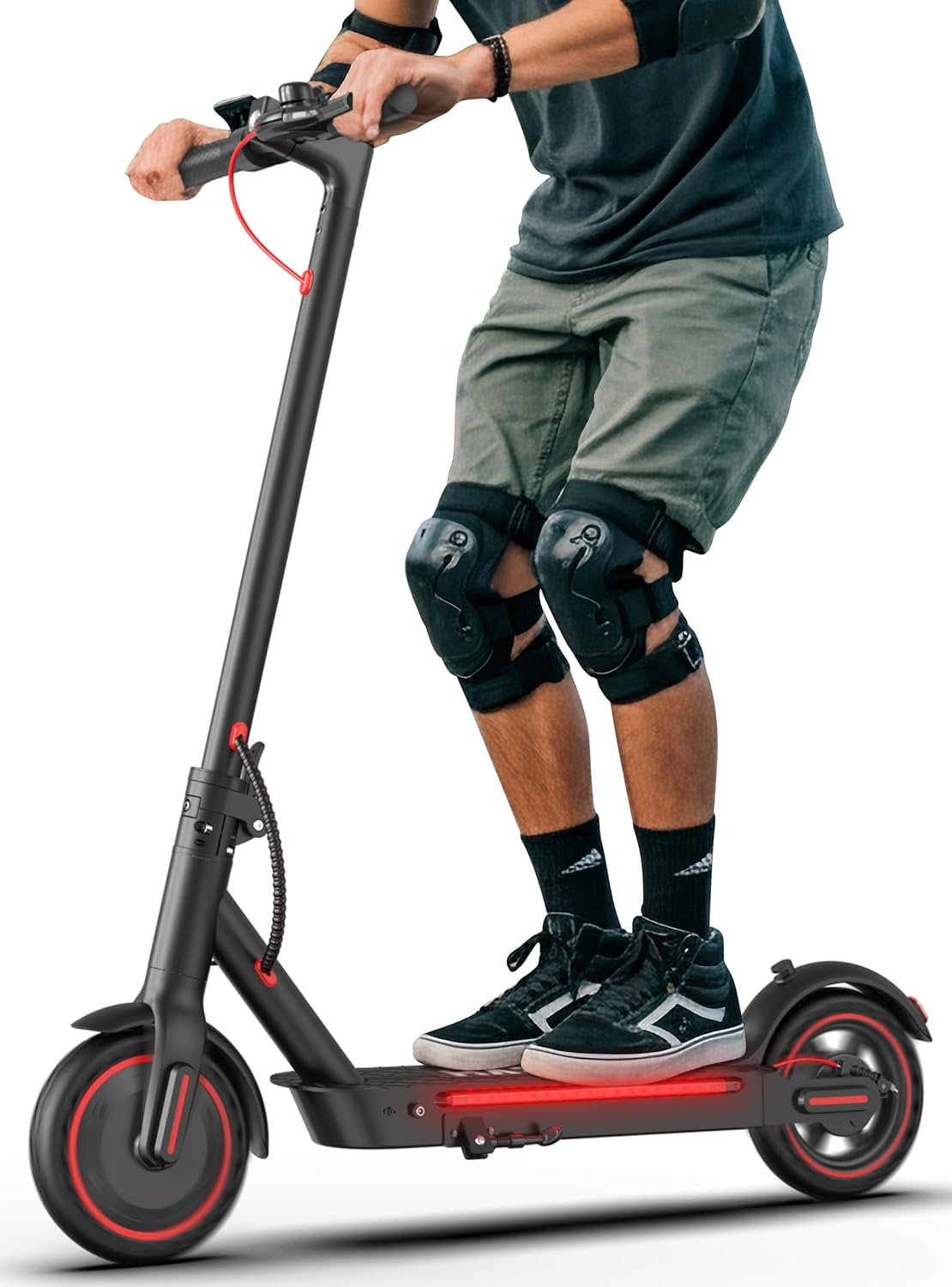
Frequently Asked Questions
Q: How long do electric scooter batteries last?
A: Most lithium-ion batteries retain 80% of their original capacity after 500–800 charge cycles, which typically translates to 2–4 years of daily use. Proper care—avoiding full discharges, storing at 50% charge in cool temperatures, and using the OEM charger—can extend lifespan significantly.
Q: Are electric scooters legal where I live?
A: Laws vary widely by city, state, and country. In the U.S., most states allow e-scooters on roads and bike lanes with speed limits under 20 mph, but some cities ban them entirely. Always check local regulations regarding helmet use, licensing, and where you can ride or park.
Q: Can I ride my scooter in the rain?
A: Only if it has an IP54 rating or higher. IP54 protects against splashes, while IP65 resists low-pressure water jets. Never submerge your scooter or ride through deep puddles—water can damage the motor, battery, or electronics.
Q: How much weight can an electric scooter support?
A: Most adult scooters support 220–300 lbs. Always check the manufacturer’s rated capacity. Exceeding it voids warranties and can cause frame cracks, motor overheating, or brake failure.
Q: Do I need insurance for my electric scooter?
A: In most places, no—but it’s wise to add coverage to your homeowner’s or renter’s insurance policy. Some cities require liability insurance for shared scooters, but private owners are rarely mandated to carry it.
Q: How fast do electric scooters charge?
A: Charging time depends on battery size and charger output. A 10Ah battery with a 2A charger takes about 5 hours. Fast chargers (3A–4A) can cut this to 2.5–3.5 hours but may reduce long-term battery health if used excessively.
Q: Can I take my scooter on public transportation?
A: Many buses, trains, and subways allow folded e-scooters, but policies differ. Check with your local transit authority. Generally, scooters under 35 lbs and securely folded are permitted during off-peak hours.
Q: What’s the difference between hub motors and belt-driven motors?
A: Hub motors are built into the wheel—simple, quiet, and low-maintenance but less efficient on hills. Belt-driven motors use a belt and pulley system, offering better torque and hill-climbing ability but require occasional belt replacement and are noisier.
Q: How do I maintain my electric scooter?
A: Regular maintenance includes checking tire pressure (if pneumatic), tightening bolts, cleaning the deck and wheels, lubricating moving parts, and inspecting brakes. Store in a dry place and avoid extreme temperatures.
Q: Can I upgrade my scooter’s battery or motor?
A: Generally not recommended. Most scooters are engineered as integrated systems. Unauthorized modifications void warranties, can cause safety issues, and may violate local laws.
Our Final Recommendations
Best for Budget-Conscious Buyers: Gotrax G4 – At around $450, it offers a solid 500W motor, 20-mile range, and reliable build quality. Great for beginners or light commuters who want proven performance without breaking the bank.
Best Overall Value: Apollo City 2024 – Priced at $1,199, it delivers 800W of power, 28-mile range, dual suspension, and excellent app integration. Ideal for daily urban commuting with room to grow.
Best Premium Option: Unagi Model One Dual Motor – At $1,990, it combines sleek design, dual 250W motors, ultra-lightweight magnesium frame, and premium components. Perfect for style-conscious riders who demand top-tier performance.
Best for Beginners: Segway Ninebot ES2 – User-friendly, lightweight (27.6 lbs), and packed with safety features like LED under-deck lighting and shock absorption. Excellent first scooter for new riders.
Best for Advanced Users: Apollo Phantom V3 – A powerhouse at $2,299 with dual 1,200W motors, 40-mile range, hydraulic brakes, and customizable ride modes. Built for speed, hills, and serious mileage.
Conclusion: Making the Right Choice
Choosing the best electric scooter for adults in 2026 isn’t about finding the flashiest specs or the lowest price—it’s about aligning your real-world needs with a scooter that delivers consistent, safe, and enjoyable performance. Whether you’re navigating crowded city streets, cruising along bike paths, or simply looking for a fun way to get around, the right scooter can enhance your mobility, reduce your carbon footprint, and save you time and money.
Remember: prioritize reliability over gimmicks, invest in quality where it matters most (battery, motor, brakes), and never skip safety gear. Use the factors, comparisons, and tips in this guide to narrow your options confidently. And when in doubt, lean toward mid-range models from reputable brands—they offer the best balance of performance, durability, and value for the majority of riders.
Your perfect electric scooter is out there. With the knowledge you’ve gained here, you’re now equipped to find it—and ride into the future with confidence.