
Electric fat tire bikes have revolutionized the way people explore the outdoors, commute in challenging conditions, and simply enjoy recreational riding. Whether you’re navigating snowy trails, sandy beaches, muddy backroads, or urban streets with potholes and debris, these rugged machines offer unmatched stability, traction, and power. As we move into 2026, the market for electric fat tire bikes has matured significantly—offering more advanced technology, better battery life, improved build quality, and a wider range of options than ever before. But with so many models flooding the market—from budget-friendly entry-level options to high-performance premium builds—it’s easy to feel overwhelmed when trying to choose the right one.
This comprehensive buyer’s guide is designed to cut through the noise and help you make an informed decision. Whether you’re a first-time buyer curious about e-bikes or a seasoned rider looking to upgrade, you’ll learn exactly what to look for, how to avoid common pitfalls, and which features truly matter based on your needs and budget. We’ll break down everything from motor power and battery capacity to frame materials, suspension systems, and real-world performance. By the end of this guide, you’ll have a clear roadmap to finding the best electric fat tire bike for your lifestyle—whether you’re commuting daily, exploring off-grid trails, or just cruising around town.
The electric fat tire bike market in 2026 is more competitive and innovative than ever. Major brands like Rad Power Bikes, Aventon, Juiced Bikes, and Lectric have expanded their lineups with smarter designs, longer-range batteries, and integrated tech features like app connectivity and GPS tracking. Meanwhile, newer entrants and niche manufacturers are pushing boundaries with lightweight frames, dual-battery setups, and even foldable fat tire models. With prices ranging from under $1,000 to over $5,000, there’s a bike for nearly every budget and use case. But not all fat tire e-bikes are created equal—some prioritize speed, others focus on comfort, and a few are built purely for off-road adventure. This guide will help you navigate that landscape with confidence.
What to Look for When Buying Electric Fat Tire Bikes
1. Motor Power and Type
The motor is the heart of any electric fat tire bike, and its power and placement directly impact performance, efficiency, and ride feel. Most fat tire e-bikes use either hub motors (mounted in the front or rear wheel) or mid-drive motors (located near the pedals). Hub motors are more common in budget and mid-range models because they’re simpler and cheaper to produce. Rear hub motors typically offer better traction and a more natural riding experience, especially on loose terrain like sand or snow. Front hub motors can feel twitchy and reduce steering control, so they’re less ideal for fat tire bikes designed for off-road use.
Mid-drive motors, found on higher-end models, are generally superior because they leverage the bike’s gears, providing better torque, efficiency, and weight distribution. They’re especially beneficial when climbing steep hills or riding through deep snow. In terms of power, most fat tire e-bikes range from 500W to 1,000W. A 500W motor is sufficient for flat terrain and light off-roading, but if you plan to tackle hills, carry heavy loads, or ride in deep snow or sand, look for at least 750W—preferably 1,000W or more. Keep in mind that higher wattage motors drain batteries faster, so balance power with range needs. Also, check local regulations: many regions limit e-bike motors to 750W for legal classification as a pedal-assist vehicle.
2. Battery Capacity and Range
Battery performance is arguably the most critical factor for long-distance riders and those who rely on their e-bike for daily commuting. Battery capacity is measured in watt-hours (Wh), which is calculated by multiplying voltage (V) by amp-hours (Ah). For example, a 48V 14Ah battery delivers 672Wh of energy. Higher Wh ratings mean longer range, but real-world range depends on terrain, rider weight, assist level, wind, and tire pressure.
Most fat tire e-bikes offer between 30 and 80 miles of range on a single charge. Entry-level models may only reach 30–40 miles, while premium bikes with high-capacity batteries (700Wh+) can exceed 70 miles. If you plan to ride long distances or use your bike for errands and commuting, aim for at least a 500Wh battery. Also consider whether the battery is removable—this allows for easy charging indoors and replacement down the line. Lithium-ion (Li-ion) batteries are standard and offer good energy density and lifespan, but avoid cheaper lithium manganese or lead-acid options, which degrade faster and are heavier.
3. Tire Size and Tread Pattern
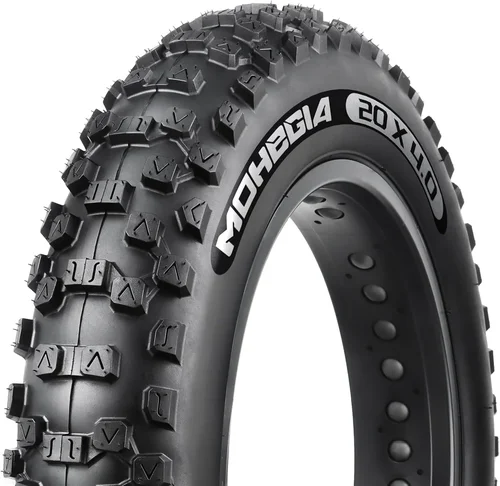
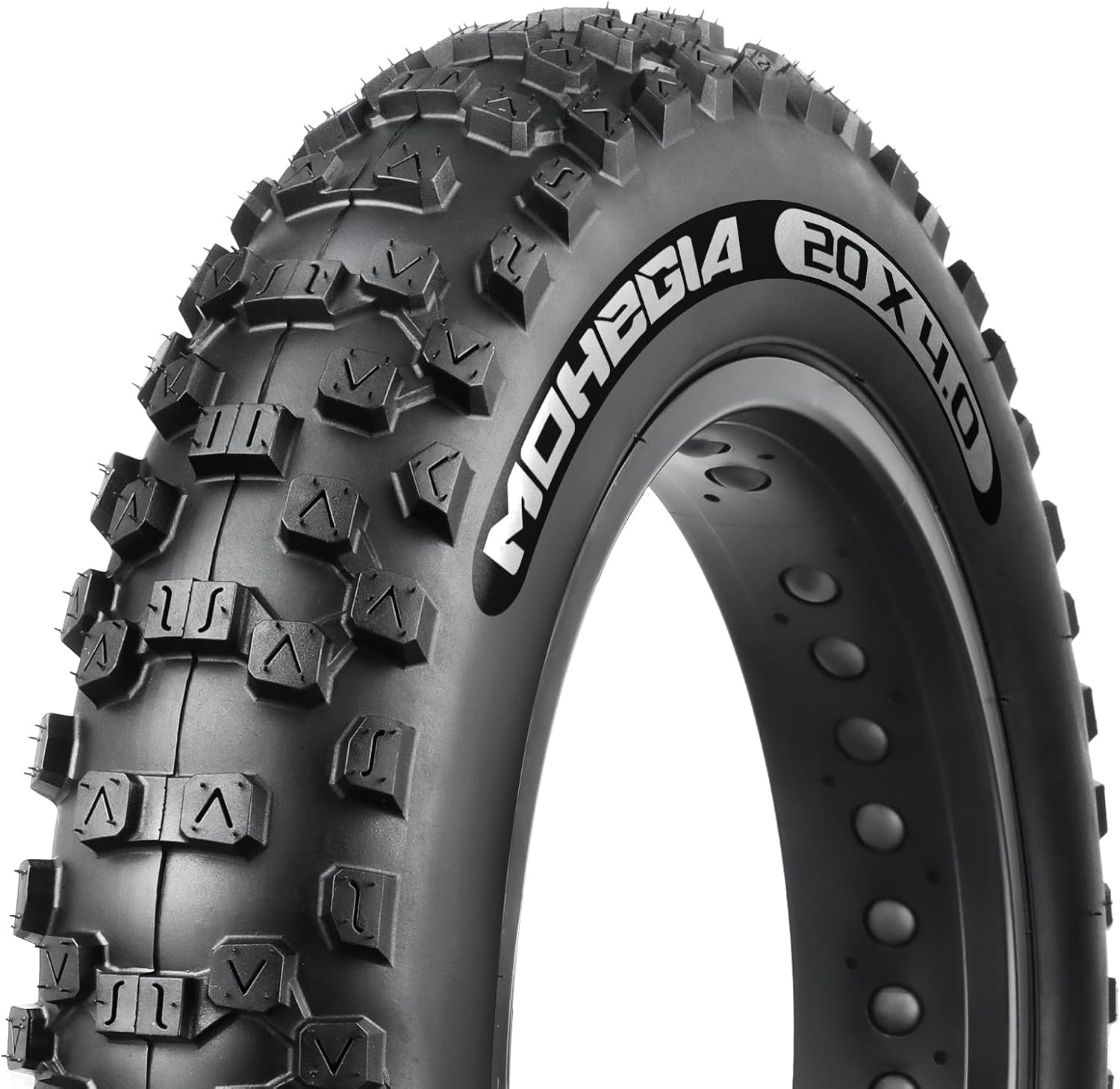
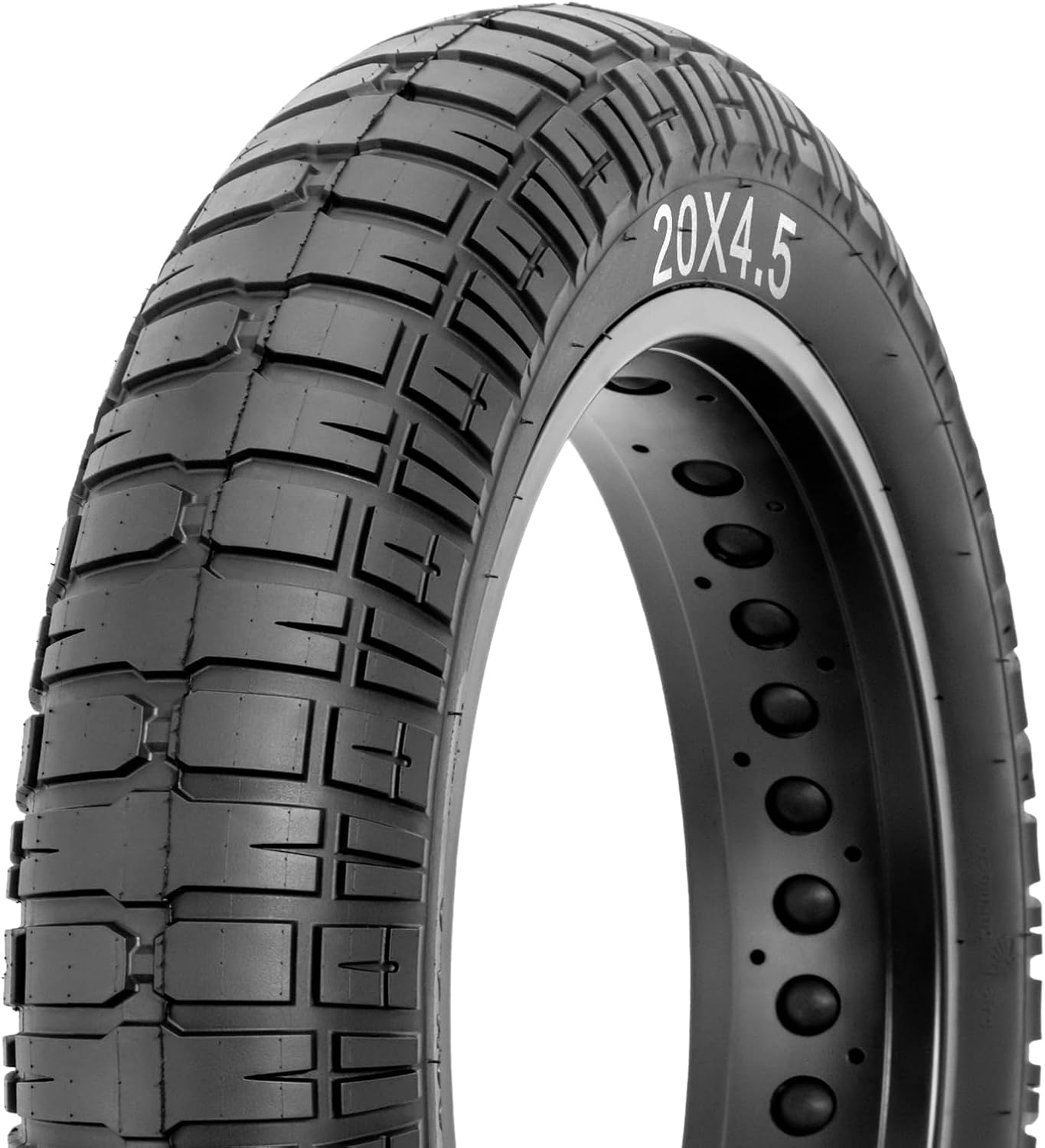
Fat tires are the defining feature of these bikes, typically ranging from 3.8 to 5 inches in width. Wider tires (4.5”–5”) provide maximum flotation on soft surfaces like snow, sand, and mud, making them ideal for off-road adventures. However, they also increase rolling resistance and weight, which can reduce efficiency and speed on paved roads. Narrower fat tires (3.8”–4.2”) offer a better balance of traction and efficiency, making them suitable for mixed terrain and urban riding.
Tread pattern is equally important. Knobby, aggressive treads are great for loose or slippery surfaces but create more noise and drag on pavement. Semi-slick or hybrid treads offer quieter, smoother rides on roads while still providing enough grip for light trails. Consider your primary riding environment: if you’re mostly on pavement with occasional off-road trips, a 4-inch hybrid tire is a smart compromise. For serious off-roading, go with 4.8”–5” knobby tires. Also, check tire pressure recommendations—lower PSI (5–15) improves traction on soft ground, while higher PSI (20–30) reduces rolling resistance on hard surfaces.
4. Frame Material and Build Quality
The frame is the foundation of your bike’s durability, weight, and ride quality. Most electric fat tire bikes use either aluminum alloy or steel frames. Aluminum is lightweight, corrosion-resistant, and stiff, making it ideal for performance-oriented models. It’s the most common choice for mid-range and premium bikes. Steel frames are heavier but offer superior shock absorption and durability, which can be beneficial for rough terrain and heavy loads. Some high-end models use chromoly steel, which is stronger and lighter than standard steel.
Pay attention to weld quality, tube thickness, and overall construction. A well-built frame should feel solid when you lift the bike and show no flex or creaking during rides. Look for reinforced joints, especially around the motor mount and rear dropouts. Also, check the weight capacity—most fat tire e-bikes support 250–300 lbs, but some heavy-duty models can handle up to 400 lbs. If you’re on the heavier side or plan to carry gear, verify the bike’s rated capacity before buying.
5. Suspension System
Suspension plays a crucial role in comfort and control, especially on uneven or rough terrain. Fat tire e-bikes typically come with one of three suspension setups: rigid (no suspension), front suspension only, or full suspension. Rigid frames are lighter and require less maintenance but transmit more vibration and impact to the rider—fine for smooth roads but harsh on trails.
Front suspension forks absorb bumps from the front wheel and are common on mid-range models. Look for forks with at least 80–120mm of travel and adjustable preload or damping. Full suspension bikes have both front and rear shocks, offering the smoothest ride and best traction on technical trails. However, they’re heavier, more expensive, and require more maintenance. For most riders, a quality front suspension fork is sufficient. Full suspension is best reserved for serious off-road enthusiasts or those riding in extremely rough conditions.
6. Braking System
With the added weight and speed of an electric fat tire bike, reliable braking is non-negotiable. Mechanical disc brakes are common on budget models but require more hand force and are less effective in wet or muddy conditions. Hydraulic disc brakes are the gold standard—they offer superior stopping power, better modulation, and self-adjusting pads that maintain consistent performance over time.
Look for brakes from reputable brands like Tektro, Shimano, or Magura. Ensure the rotors are at least 180mm in diameter (203mm is better for heavy bikes) to provide adequate heat dissipation and stopping force. Avoid rim brakes entirely—they’re outdated on e-bikes and perform poorly in wet or dirty conditions. Test the brakes if possible: they should engage smoothly without squealing or grabbing abruptly.
7. Display and Control Interface
The display is your command center, showing speed, battery level, assist mode, and sometimes navigation or ride stats. Basic models use simple LED indicators, while advanced bikes feature full-color LCD or TFT screens with backlighting, Bluetooth connectivity, and smartphone integration. A good display should be easy to read in sunlight and offer intuitive controls.
Look for features like pedal-assist levels (usually 3–5), throttle mode (if allowed in your area), and real-time data like trip distance and average speed. Some bikes allow you to customize assist curves or set speed limits via an app. If you plan to ride at night, ensure the display has a backlight. Also, check if the display is removable or weatherproof—this protects it from rain and theft.
8. Weight and Portability
Electric fat tire bikes are inherently heavy due to the motor, battery, and wide tires. Most weigh between 60 and 85 lbs, with some full-suspension models exceeding 90 lbs. This weight affects maneuverability, storage, and transport. If you need to carry the bike upstairs, load it into a car, or store it in a small apartment, weight becomes a major concern.
Some brands offer foldable fat tire e-bikes, which can be a game-changer for urban commuters or travelers. These models use reinforced hinges and compact designs to reduce size when folded. However, folding mechanisms can add complexity and reduce frame rigidity. If portability is a priority, look for models under 70 lbs with foldable frames or removable batteries. Also, consider whether the bike comes with a carrying handle or integrated transport wheels.
9. Brand Reputation and Customer Support
Not all e-bike brands are created equal. Established companies like Rad Power Bikes, Aventon, and Juiced Bikes have proven track records, extensive dealer networks, and responsive customer service. They also offer better warranty coverage and easier access to replacement parts. Lesser-known brands may offer tempting prices, but they often lack support infrastructure, making repairs and troubleshooting difficult.
Research brand reputation by reading long-term user reviews, checking forums like Reddit’s r/ebikes, and looking for third-party certifications (e.g., UL 2849 for electrical safety). A reputable brand should provide clear documentation, firmware updates, and accessible support channels. Avoid brands with vague return policies or no physical address.
10. Warranty and Return Policy
A solid warranty protects your investment and reflects the manufacturer’s confidence in their product. Most reputable e-bike brands offer at least a 1-year comprehensive warranty, covering the motor, battery, and frame. Premium brands may extend this to 2–3 years, with separate battery warranties (often 1–2 years, sometimes prorated).
Pay attention to what’s covered: some warranties exclude wear items like tires, brakes, and chains. Also, check if the warranty is transferable—this adds resale value. Return policies are equally important. Look for at least a 14-day return window, preferably 30 days, with free return shipping. Some brands offer “test ride” programs where you can try the bike for a week before committing.
Different Types of Electric Fat Tire Bikes
Common Buying Mistakes to Avoid
❌ Mistake: Prioritizing Price Over Quality
Why it’s bad: Choosing the cheapest bike available often leads to poor performance, frequent breakdowns, and safety risks. Budget models may use low-quality motors, weak batteries, or flimsy frames that fail under stress. You could end up spending more on repairs than the bike’s original cost.
What to do instead: Set a realistic budget based on your needs and prioritize value over the lowest price. Look for mid-range models ($1,500–$2,500) that offer the best balance of quality, features, and durability. Read reviews and check warranty terms before buying.
❌ Mistake: Ignoring Local E-Bike Laws
Why it’s bad: E-bike regulations vary by region. In many areas, bikes over 750W or capable of speeds over 20 mph are classified as motorcycles and require registration, insurance, and a license. Riding an illegal bike can result in fines or confiscation.
What to do instead: Research your local laws before purchasing. Stick to Class 1 or Class 3 e-bikes (pedal-assist only, max 20 or 28 mph) unless you’re prepared to comply with motor vehicle regulations. Some bikes allow speed limit adjustments via software.
❌ Mistake: Overestimating Battery Range
Why it’s bad: Manufacturers often advertise ideal-range scenarios (flat terrain, low assist, light rider). In reality, range drops significantly with hills, wind, cargo, or high assist levels. Running out of battery mid-ride is inconvenient and potentially dangerous.
What to do instead: Use manufacturer range as a rough guide, but plan for 30–50% less in real-world conditions. Carry a portable charger if possible, or choose a bike with a removable battery for mid-ride swaps.
❌ Mistake: Not Testing the Bike
Why it’s bad: E-bikes handle differently than traditional bikes. Factors like weight distribution, throttle response, and braking feel are hard to judge from specs alone. A bike that looks great on paper might feel awkward or unsafe in practice.
What to do instead: Test ride whenever possible—many dealers offer demo days or in-store trials. If buying online, choose retailers with generous return policies. Pay attention to comfort, control, and noise levels during the ride.
❌ Mistake: Neglecting Maintenance Needs
Why it’s bad: E-bikes require regular maintenance—especially fat tire models used in harsh conditions. Neglecting tire pressure, chain lubrication, or brake adjustments can lead to premature wear, reduced performance, and safety hazards.
What to do instead: Learn basic maintenance or find a local e-bike shop. Keep tires properly inflated, clean the drivetrain regularly, and inspect brakes and bolts monthly. Invest in a bike cover if storing outdoors.
❌ Mistake: Buying Without Considering Storage
Why it’s bad: Fat tire e-bikes are large and heavy. Storing one in a small apartment, balcony, or car trunk can be challenging. Improper storage can also damage the battery or frame over time.
What to do instead: Measure your storage space before buying. Consider foldable models or wall mounts. If keeping outdoors, use a weatherproof cover and remove the battery in extreme temperatures.
❌ Mistake: Falling for “Too Good to Be True” Deals
Why it’s bad: Scam websites and counterfeit brands offer ultra-cheap e-bikes with fake specs and no support. These bikes are often unsafe, poorly built, and impossible to repair.
What to do instead: Buy from authorized dealers or reputable online retailers. Verify the brand’s website, customer service, and return policy. Avoid deals that seem unrealistic—quality e-bikes have real costs.
Budget Guidelines: How Much Should You Spend?
Entry-Level ($800 – $1,500): These bikes are ideal for casual riders, short commutes, or occasional off-road use. Expect basic components: 500W hub motors, 400–500Wh batteries, mechanical disc brakes, and rigid or front suspension frames. Brands like Gotrax, Ancheer, and Ecotric offer models in this range. While affordable, they may lack durability, range, and advanced features. Best for light use and beginners on a tight budget.
Mid-Range ($1,500 – $3,000): This is the sweet spot for most buyers. Bikes in this tier offer 750W motors, 600–750Wh batteries, hydraulic disc brakes, quality suspension, and better build materials. Models from Rad Power Bikes, Aventon, and Lectric excel here. You’ll get reliable performance, 40–60 miles of range, and solid warranties. Ideal for daily commuting, weekend adventures, and mixed terrain.
Premium ($3,000 – $5,000): Designed for enthusiasts and serious riders, these bikes feature mid-drive motors, 750–1,000W power, 700–1,000Wh batteries, full suspension, and advanced electronics. Brands like Juiced Bikes, QuietKat, and Benno dominate this space. Expect top-tier components, app integration, GPS, and rugged durability. Perfect for long-distance touring, heavy cargo, or extreme off-roading.
Luxury ($5,000+): These are the Ferraris of e-bikes—hand-built, ultra-lightweight, or packed with cutting-edge tech. Examples include custom builds from Riese & Müller, high-end Bosch-powered models, or dual-battery systems. They offer unmatched performance, comfort, and prestige but come with a steep price tag. Only recommended for professionals, collectors, or those who demand the absolute best.
Expert Tips for Getting the Best Deal
– Buy During Off-Season Sales: The best deals on e-bikes happen in late fall and winter (October–February) when demand drops. Many retailers clear inventory for new models. Black Friday and Cyber Monday often feature significant discounts.
– Shop from Authorized Dealers: Avoid third-party sellers on Amazon or eBay unless they’re verified. Authorized dealers offer better support, warranty service, and return options. Check the brand’s website for a list of approved retailers.
– Look for Bundle Deals: Some brands offer free accessories with purchase—helmets, locks, lights, or racks. These can save $100–$300 and add practical value.
– Consider Refurbished or Open-Box Models: Certified pre-owned bikes from reputable brands are often 20–30% cheaper and come with warranties. They’re inspected, tested, and restored to like-new condition.
– Check for Local Incentives: Some cities and states offer rebates or tax credits for e-bike purchases to promote green transportation. Research programs in your area—you could save hundreds.
– Negotiate or Ask for Upgrades: At local bike shops, don’t hesitate to ask for a discount or free service package. Many shops will throw in a tune-up or accessory to close the sale.
– Read the Fine Print on Returns: Ensure the return policy covers at least 14 days and includes free return shipping. Some brands charge restocking fees or exclude used bikes.
– Test Ride Before Buying: If possible, visit a dealer or attend a demo event. A 10-minute ride can reveal issues with fit, comfort, or handling that specs won’t show.
Frequently Asked Questions
Q: Are electric fat tire bikes street legal?
A: In most regions, yes—if they meet local e-bike classification standards. In the U.S., Class 1 and Class 3 e-bikes (pedal-assist only, max 20 or 28 mph) are legal on roads and bike paths. Class 2 bikes with throttles are allowed in some states but restricted in others. Always check local laws regarding motor power, speed, and where you can ride.
Q: How fast can electric fat tire bikes go?
A: Most are limited to 20 mph (Class 1/2) or 28 mph (Class 3) via pedal assist. Some high-performance models can reach 30+ mph in unlocked modes, but this may violate regulations. Throttle-only speeds are typically capped at 20 mph.
Q: Can I ride a fat tire e-bike in the snow?
A: Absolutely—fat tires excel in snow due to their wide surface area and low pressure, which prevent sinking. For best results, use studded tires, reduce speed, and avoid icy patches. Full suspension and powerful motors help maintain control.
Q: How long do e-bike batteries last?
A: A quality lithium-ion battery typically lasts 500–1,000 charge cycles, equating to 3–5 years with regular use. Proper care—avoiding extreme temperatures, not draining to 0%, and storing at 50% charge—can extend lifespan.
Q: Do I need a special license to ride an e-bike?
A: In most places, no—e-bikes are treated like regular bicycles if they meet power and speed limits. However, some countries or states require registration for high-powered models. Always verify local requirements.
Q: Can I pedal an e-bike without power?
A: Yes, all e-bikes can be pedaled manually. Fat tire bikes are heavier, so pedaling without assist requires more effort, especially on soft terrain. But it’s perfectly doable for short distances.
Q: Are fat tire e-bikes good for commuting?
A: They can be, especially in areas with poor road conditions, snow, or gravel paths. However, their weight and rolling resistance make them less efficient than standard e-bikes on smooth pavement. Choose a model with good range and practical features like lights and racks.
Q: How do I maintain my electric fat tire bike?
A: Regular maintenance includes checking tire pressure, cleaning the chain, inspecting brakes, and tightening bolts. Keep the battery charged between 20–80% for longevity. Service the motor and electronics annually at a certified shop.
Q: Can I upgrade components on my e-bike?
A: Some components like tires, seats, and lights can be upgraded easily. However, motor and battery upgrades are complex and often void warranties. Consult a professional before making major modifications.
Q: What’s the difference between hub and mid-drive motors?
A: Hub motors are simpler and cheaper but less efficient on hills. Mid-drive motors use the bike’s gears, offering better torque, balance, and range—ideal for challenging terrain. Mid-drives are typically found on higher-end models.
Our Final Recommendations
Best for Budget-Conscious Buyers: Lectric XP Fat Tire – At under $1,300, this folding fat tire e-bike offers 750W power, 45+ mile range, and solid build quality. It’s perfect for urban riders who need portability and versatility without breaking the bank.
Best Overall Value: Rad Power Bikes RadRover 6 Plus – Priced around $1,999, this commuter-focused fat tire e-bike delivers 750W rear hub motor, 60+ mile range, hydraulic brakes, and a comfortable ride. It’s reliable, well-supported, and ideal for daily use.
Best Premium Option: Juiced Bikes CrossCurrent X – With a 1,000W motor, 100-mile range (dual battery), and full suspension, this $3,999 bike is built for serious adventurers. It handles any terrain and offers unmatched performance and comfort.
Best for Beginners: Aventon Aventure – This $1,799 model features a user-friendly interface, 750W motor, 60-mile range, and excellent customer support. It’s easy to ride, well-balanced, and great for first-time e-bike owners.
Best for Advanced Users: QuietKat Ranger 2.0 – Designed for off-grid exploration, this $4,499 beast boasts a 1,000W mid-drive motor, 4.8” tires, full suspension, and military-grade durability. It’s perfect for hunters, campers, and extreme terrain riders.
Conclusion: Making the Right Choice
Choosing the best electric fat tire bike in 2026 doesn’t have to be overwhelming. By focusing on your primary use case—whether it’s commuting, off-roading, cargo hauling, or casual recreation—you can narrow down the options and prioritize the features that matter most. Remember to balance power, range, build quality, and budget, and always consider long-term reliability and support.
Don’t rush the decision. Take advantage of test rides, read real user reviews, and compare warranties and return policies. A great e-bike is an investment in your mobility, health, and enjoyment of the outdoors. With the right model, you’ll be ready to tackle snow-covered trails, sandy beaches, city streets, and everything in between—with confidence, comfort, and a smile.
Now that you’re equipped with expert knowledge, it’s time to find your perfect ride. Happy cycling!