
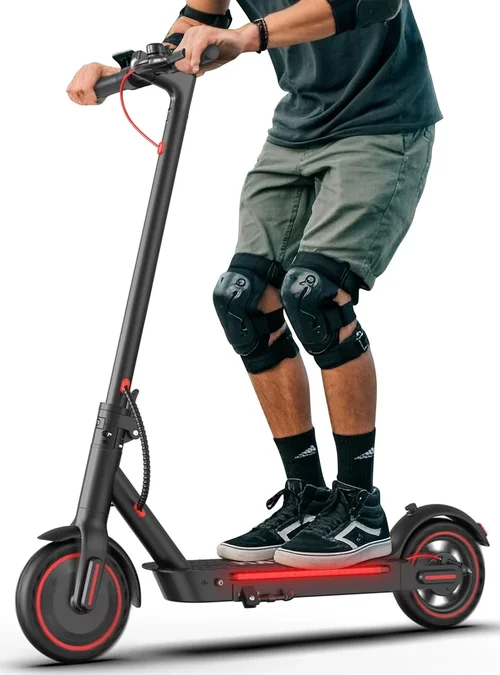
Electric scooters have evolved from niche urban gadgets into serious, everyday transportation solutions for adults. Whether you’re commuting to work, running errands around town, or simply enjoying a weekend ride through the park, the right electric scooter can transform your mobility experience. But with dozens of brands, hundreds of models, and rapidly advancing technology, choosing the best electric scooter as an adult in 2026 can feel overwhelming. That’s exactly why this comprehensive buying guide exists—to cut through the noise, clarify your options, and help you make a smart, informed decision.
In this guide, you’ll learn everything you need to know before hitting “buy now.” We’ll walk you through the most critical factors to consider—from performance specs and build quality to budget ranges and real-world usability. You’ll discover how different types of scooters serve different lifestyles, avoid common pitfalls that trip up first-time buyers, and get expert-backed tips for scoring the best deal. Whether you’re on a tight budget or ready to invest in a premium ride, this guide is designed to match you with the perfect electric scooter for your needs. The market in 2026 is more competitive than ever, with innovations in battery life, safety features, portability, and smart connectivity. Our goal is to ensure you don’t just buy any scooter—you buy the right one.
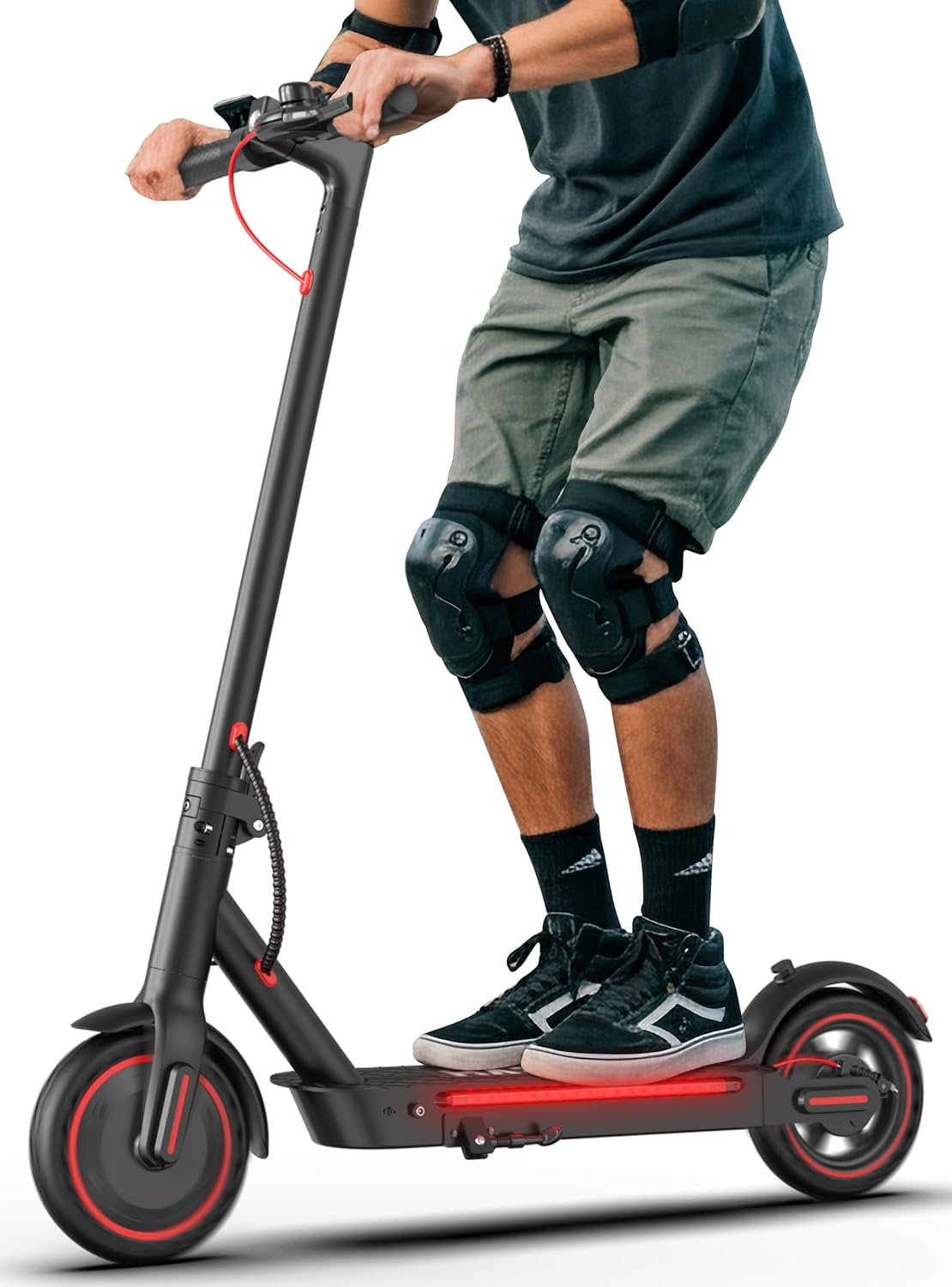
What to Look for When Buying an Electric Scooter
1. Budget & Price Range
Your budget is the foundation of your entire decision. Electric scooters for adults range from under $300 for basic entry-level models to over $3,000 for high-performance, feature-rich machines. Setting a realistic budget helps narrow your options and prevents overspending on features you don’t need—or underspending on a scooter that won’t meet your expectations.
When determining your budget, consider not just the upfront cost but also long-term expenses like maintenance, replacement parts (tires, brakes, batteries), and potential upgrades. A $400 scooter might seem like a steal, but if it breaks down after six months and lacks warranty support, it could end up costing more than a $700 model with better reliability. On the flip side, spending $2,000 on a scooter with racing-grade suspension and dual motors might be overkill if you only need it for short city commutes.
As a rule of thumb, allocate at least $500–$800 for a dependable daily commuter. This range typically offers solid build quality, decent range (15–25 miles), and essential safety features. If you’re using the scooter for leisure or occasional trips, you might get away with less. But for regular use—especially in hilly areas or longer distances—investing in a mid-to-high-tier model pays off in durability and performance.
2. Performance Specifications
Performance is where many buyers go wrong by focusing solely on top speed. While speed matters, it’s only one piece of the puzzle. Key performance metrics include motor power (measured in watts), range (how far it can go on a single charge), climbing ability (hill grade it can handle), and acceleration.
Motor power typically ranges from 250W (basic city riding) to 2,000W+ (off-road or high-speed models). For flat urban commutes, a 350W–500W motor is usually sufficient. However, if you live in a hilly area or weigh over 180 lbs, opt for at least 800W. Range depends heavily on battery capacity (measured in watt-hours or Wh), rider weight, terrain, and riding style. A 36V 10.4Ah battery (~374Wh) might give you 15–20 miles under ideal conditions, but real-world usage often cuts that by 20–30%.
Don’t overlook climbing ability—many scooters claim “15% grade,” but that’s often under light loads on smooth pavement. If your route includes steep hills, look for scooters rated for 20% or more. Also, check acceleration: a scooter that takes 8 seconds to reach 15 mph may feel sluggish in traffic, while one that hits 15 mph in 4 seconds offers better responsiveness.
3. Build Quality & Durability
A scooter is only as good as its construction. Cheap plastics, thin aluminum frames, and poorly sealed electronics are red flags. Look for aircraft-grade aluminum or reinforced steel frames, IP ratings for water and dust resistance (IP54 or higher is ideal), and quality components like hydraulic disc brakes, pneumatic tires, and reinforced decks.
Durability also extends to design details: welded joints instead of bolted ones, reinforced stem locks, and shock-absorbing features (like spring or hydraulic suspension) matter more than you’d think. A well-built scooter should withstand daily use, minor bumps, and occasional rain without falling apart. Check user reviews for reports of frame cracks, loose handlebars, or motor failures—these are telltale signs of poor build quality.
Weight capacity is another durability factor. Most scooters support 220–300 lbs, but if you’re near or above that limit, verify the manufacturer’s tested load rating. Overloading a scooter strains the motor, drains the battery faster, and increases wear on tires and brakes.
4. Features & Functionality
Modern electric scooters come packed with features, but not all are equally useful. Prioritize based on your needs. Essential features include:
- LED headlight and taillight – Critical for visibility and safety at night.
- Display screen – Shows speed, battery level, mode, and sometimes GPS or trip data.
- Multiple riding modes – Eco, Normal, and Sport modes let you balance speed and battery life.
- Regenerative braking – Recovers energy during braking, extending range slightly.
- App connectivity – Allows firmware updates, ride tracking, anti-theft locks, and customization.
Advanced features like turn signals, cruise control, Bluetooth speakers, or built-in phone mounts are nice-to-haves but rarely essential. Be wary of “gimmick” features that inflate the price without adding real value. For example, RGB underglow lighting looks cool but doesn’t improve functionality.
Safety features are non-negotiable. Look for dual braking systems (disc + electronic), bright brake-activated taillights, and reflective strips. Some premium models even include collision sensors or blind-spot alerts—innovations becoming more common in 2026.
5. Brand Reputation
Not all brands are created equal. Established names like Segway-Ninebot, Xiaomi, Apollo, and Unagi have proven track records for quality, customer service, and innovation. Lesser-known brands may offer tempting prices, but they often lack reliable support networks, spare parts availability, or consistent quality control.
Research brand history: How long have they been in business? Do they offer global service centers? Are their products certified by recognized bodies (like UL, CE, or FCC)? User forums, Reddit communities, and YouTube reviews can reveal patterns—like a brand that consistently ships defective units or ignores warranty claims.
Also consider ecosystem compatibility. Brands with companion apps, accessory lines (helmets, locks, bags), and software updates tend to offer better long-term value. A scooter from a reputable brand is more likely to receive firmware improvements, security patches, and extended support.
6. Warranty & Support
A strong warranty is a sign of confidence in product quality. Most reputable brands offer 6–12 months of coverage, with some premium models extending to 18–24 months. Pay attention to what’s covered: motors, batteries, controllers, and frame defects should all be included. Exclusions like tires, brake pads, or cosmetic damage are normal.
Support matters just as much as the warranty itself. Can you easily contact customer service via phone, email, or chat? Is there a local repair center or authorized technician nearby? Some brands ship replacement parts directly; others require you to send the entire scooter back—a costly and time-consuming process.
Read the fine print. Some warranties are voided if you modify the scooter, use non-approved chargers, or ride in rain (even if it’s IP-rated). Others require registration within 30 days of purchase. Keep your receipt and documentation safe.
7. Size & Portability
If you plan to carry your scooter on public transit, store it under a desk, or take it on trips, portability is crucial. Key factors include folded dimensions, weight, and folding mechanism reliability.
Lightweight scooters (under 30 lbs) are easier to carry but may sacrifice stability or power. Heavier models (40+ lbs) offer better performance but become burdensome over time. Folding mechanisms should be quick, secure, and durable—avoid scooters that feel wobbly when folded or require two hands to lock.
Check the handlebar width and deck size too. Narrow decks may feel unstable for taller riders, while wide handlebars can be awkward in crowded spaces. Some scooters feature telescoping stems or adjustable handlebars for a customized fit.
8. User Reviews & Ratings
Never rely solely on manufacturer specs. Real-world user reviews reveal truths that spec sheets hide—like battery degradation after a few months, unexpected noise from the motor, or poor app performance.
Look for detailed reviews from verified purchasers, especially those with similar use cases (e.g., “I’m 6’2” and 200 lbs, commuting 10 miles daily”). Video reviews are particularly valuable—they show actual riding conditions, folding mechanics, and sound levels.
Be skeptical of overly positive or generic reviews (“Best scooter ever!!!”). Instead, focus on balanced feedback that discusses both pros and cons. Sites like Trustpilot, Amazon (filter by recent reviews), and specialized forums (like ElectricScooterInsider or Reddit’s r/ElectricScooters) are great resources.
Different Types of Electric Scooters

Common Buying Mistakes to Avoid
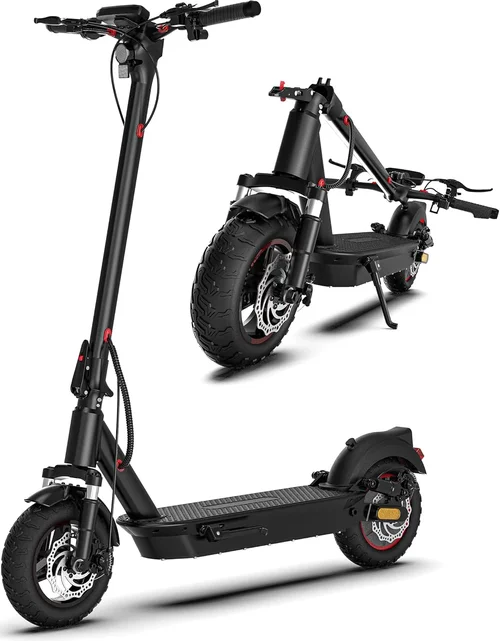
❌ Mistake: Choosing Based Solely on Top Speed
Why it’s bad: A scooter advertised as “30 mph!” might only reach that speed under perfect conditions with a lightweight rider on flat ground. In reality, most commuters ride at 12–18 mph. Focusing only on speed ignores range, comfort, safety, and reliability—factors that matter far more for daily use.
What to do instead: Prioritize a balanced spec sheet. Look for a scooter with adequate speed (15–20 mph is plenty for cities), solid range (15+ miles), and good braking. Test ride if possible, or watch video reviews showing real-world speed tests.
❌ Mistake: Ignoring Weight and Portability
Why it’s bad: A 45-lb scooter might seem manageable in the store, but carrying it up three flights of stairs daily becomes exhausting. Many buyers regret not considering how often they’ll need to lift or store their scooter.
What to do instead: Weigh your actual usage. If you’ll be taking it on buses, trains, or storing it in a small apartment, aim for under 35 lbs. Check folded dimensions—some scooters are long even when folded.
❌ Mistake: Overlooking Battery Realism
Why it’s bad: Manufacturers often quote “ideal condition” range. In reality, cold weather, hills, high speed, and rider weight reduce range by 20–40%. Buying a scooter with a 25-mile range might leave you stranded after 15 miles.
What to do instead: Divide the advertised range by 1.3 to estimate real-world performance. Always buy a scooter with at least 20% more range than your daily need. Consider models with removable batteries for easy charging at work.
❌ Mistake: Skipping Safety Features
Why it’s bad: Riding without lights, weak brakes, or poor visibility dramatically increases accident risk—especially at night or in traffic. Many budget scooters cut corners on safety to save cost.
What to do instead: Insist on front and rear lights, reflectors, and dual braking systems. Wear a helmet regardless of local laws. Consider adding aftermarket safety gear like wheel lights or a horn.
❌ Mistake: Buying Without Researching Support
Why it’s bad: A scooter that breaks after 3 months is useless if the brand doesn’t honor warranties or provide parts. Some companies disappear overnight, leaving customers with expensive paperweights.
What to do instead: Choose brands with verified customer service channels, clear warranty terms, and positive support reviews. Check if local repair shops service the brand.
❌ Mistake: Falling for “Too Good to Be True” Deals
Why it’s bad: Scooters under $250 often use low-quality motors, weak batteries, and flimsy frames. They may not even meet basic safety standards, posing fire or crash risks.
What to do instead: Set a minimum budget of $400 for any serious purchase. If a deal seems unbelievable, it probably is. Stick to reputable retailers and avoid unknown Amazon sellers with no history.
❌ Mistake: Not Testing Before Buying
Why it’s bad: Specs don’t tell you how a scooter feels. Handlebar height, deck texture, suspension smoothness, and brake responsiveness vary widely. What looks great on paper might be uncomfortable in practice.
What to do instead: Visit local stores that carry electric scooters. Many cities now have rental or demo programs. If buying online, choose retailers with generous return policies (30 days or more).
Budget Guidelines: How Much Should You Spend?
Your budget directly impacts what you can expect in terms of performance, durability, and features. Here’s a realistic breakdown for 2026:
Entry-Level ($250–$450): These scooters are best for occasional use, short distances (under 10 miles), and flat terrain. Expect basic 250W–350W motors, solid-state batteries with limited cycles, minimal suspension, and plastic components. Brands like Gotrax and Razor dominate this space. While usable, they often lack longevity and advanced safety features. Ideal for teens, students, or backup rides—but not daily commuters.
Mid-Range ($500–$900): This is the sweet spot for most adult buyers. Scooters in this range offer 500W–800W motors, 15–25 mile ranges, pneumatic tires, decent suspension, and reliable braking. Models from Xiaomi, Segway, and Apollo fit here. You’ll get good build quality, app connectivity, and solid warranties. Perfect for urban commuting, errands, and moderate hills.
Premium ($1,000–$2,000): Designed for enthusiasts and serious commuters, these scooters boast 1,000W+ motors, 25–40 mile ranges, hydraulic brakes, full suspension, and smart features like GPS tracking and customizable ride modes. Brands like Dualtron, Kaabo, and Unagi excel here. They’re built to last years, handle rough conditions, and deliver a smooth, powerful ride.
Luxury ($2,000+): At this tier, you’re paying for cutting-edge tech, premium materials (carbon fiber, forged aluminum), and brand prestige. Expect top-tier performance (30+ mph), ultra-long range (50+ miles), advanced safety systems, and concierge-level support. These are for collectors, tech lovers, or those who view their scooter as a long-term investment.
Expert Tips for Getting the Best Deal
- Buy during off-peak seasons: Scooter sales peak in spring and summer. Shop in late fall or winter (November–February) for discounts, clearance events, or holiday promotions.
- Check multiple retailers: Compare prices on Amazon, Best Buy, Walmart, and brand websites. Sometimes direct-from-manufacturer offers include free accessories or extended warranties.
- Look for bundle deals: Some sellers offer helmets, locks, or phone mounts at discounted rates when purchased together.
- Read return policies carefully: Ensure you can return the scooter within 30 days if it doesn’t meet expectations. Avoid retailers that charge restocking fees.
- Consider refurbished or open-box units: Certified refurbished scooters from reputable sellers often come with warranties and sell for 20–30% less than new.
- Join loyalty programs: Brands like Segway and Apollo offer member discounts, early access to sales, and exclusive content.
- Monitor price-tracking tools: Use browser extensions like Honey or CamelCamelCamel to alert you when prices drop.
- Test before you commit: If possible, rent a similar model for a day to see how it handles your route and routine.

Frequently Asked Questions
Q: How fast do electric scooters go?
A: Most adult electric scooters range from 15 mph (entry-level) to 30+ mph (performance models). Speed depends on motor power, rider weight, terrain, and battery charge. Always obey local speed limits—many cities restrict e-scooters to 15–20 mph in bike lanes.
Q: How far can an electric scooter go on one charge?
A: Range varies widely: 8–12 miles for budget models, 15–25 miles for mid-range, and 30–60+ miles for premium scooters. Real-world range is typically 20–30% less than advertised due to hills, wind, and riding style.
Q: Are electric scooters safe?
A: They can be safe when used responsibly. Always wear a helmet, follow traffic laws, avoid wet or uneven surfaces, and maintain your scooter regularly. Choose models with strong brakes, lights, and stability features.
Q: Can I ride an electric scooter in the rain?
A: Only if it has an IP54 rating or higher. IP54 means protected against splashing water, but not submersion. Avoid deep puddles and heavy downpours. Dry the scooter thoroughly after wet rides.
Q: How long do electric scooter batteries last?
A: Most lithium-ion batteries last 300–500 charge cycles before capacity drops to 80%. With daily use, that’s roughly 1–2 years. Proper charging (avoid full discharges, don’t overcharge) extends lifespan.
Q: Do I need a license or insurance?
A: Laws vary by location. In most U.S. states, no license is required for scooters under 20 mph. Some cities require registration or helmets. Check local regulations—and consider liability insurance if riding frequently.
Q: Can I take my scooter on public transportation?
A: Many buses and trains allow folded scooters, but policies differ. Metro systems often restrict e-scooters during peak hours. Call ahead or check transit authority rules.
Q: What’s the best way to store my scooter?
A: Store indoors in a dry, temperature-controlled space. Avoid extreme heat or cold, which damage batteries. Charge to 50–60% if storing long-term.
Q: How do I maintain my electric scooter?
A: Regularly check tire pressure, brake function, and bolt tightness. Clean the deck and wheels monthly. Lubricate moving parts as needed. Keep the battery charged between 20–80% for optimal health.
Q: Can I upgrade my scooter later?
A: Some components like tires, brakes, or lights can be upgraded. However, motors and batteries are usually sealed units. Check if the brand offers official upgrade kits.
Our Final Recommendations
Best for Budget-Conscious Buyers: Xiaomi Mi Electric Scooter 4 Lite – At around $550, it delivers exceptional value with a 300W motor, 18-mile range, IP54 rating, and sleek design. Ideal for students and casual commuters.
Best Overall Value: Segway Ninebot MAX G30P – Priced near $800, this scooter offers 350W motor, 40-mile range, self-healing tires, and robust build quality. It’s the gold standard for reliable daily commuting.
Best Premium Option: Apollo Explore – For $1,300, you get a 1,000W dual-motor setup, 34-mile range, hydraulic brakes, and full suspension. Perfect for long commutes and varied terrain.
Best for Beginners: Gotrax GXL V2 – Simple controls, lightweight (26 lbs), and affordable ($400). Great for first-time riders learning the basics.
Best for Advanced Users: Dualtron Thunder 3 – A $2,800 beast with 5,400W peak power, 75-mile range, and race-inspired suspension. Built for speed demons and off-road adventurers.
Conclusion: Making the Right Choice
Choosing the best electric scooter as an adult in 2026 isn’t about finding the flashiest model or the highest top speed—it’s about matching the scooter to your lifestyle, budget, and needs. By focusing on key factors like performance, build quality, safety, and support, you’ll avoid costly mistakes and find a ride that enhances your daily life.
Remember: the perfect scooter is the one you’ll actually use. Don’t let marketing hype or peer pressure sway you. Take your time, read real reviews, test when possible, and prioritize reliability over trends. Whether you’re commuting across the city or cruising through the park, the right electric scooter can be a game-changer—safe, efficient, and fun.
Now that you’re armed with expert knowledge, it’s time to make your move. Compare your top contenders, check current deals, and ride with confidence. Your ideal electric scooter is out there—go find it.