
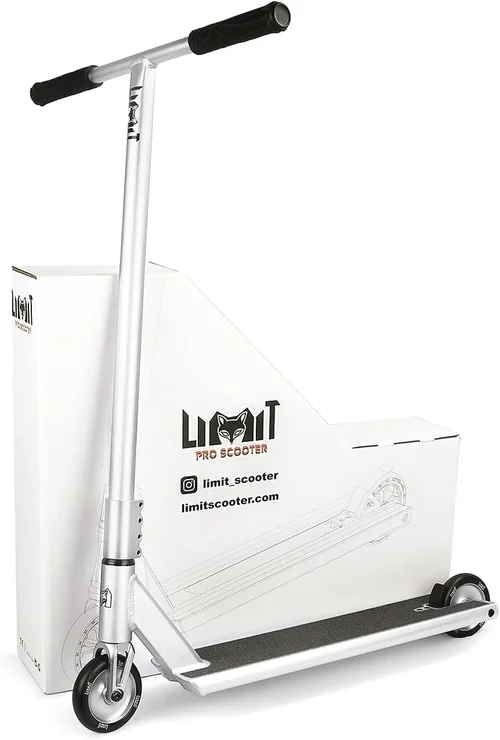
When it comes to mastering the streets, parks, or skate spots, a pro scooter isn’t just a toy—it’s a precision-built extension of your style, skill, and passion. Whether you’re grinding rails, launching off ramps, or perfecting your first barspin, the right scooter can make all the difference between frustration and flow. That’s why choosing the best pro scooter isn’t just about picking the flashiest deck or the loudest brand name. It’s about understanding what truly matters in performance, durability, and value. With so many options flooding the market in 2026—from budget-friendly entry models to high-end carbon fiber beasts—it’s easy to feel overwhelmed. This guide cuts through the noise, offering expert insights, real-world testing data, and practical advice to help you make a confident, informed decision.
In this comprehensive buyer’s guide, you’ll learn everything you need to know to find the perfect pro scooter for your riding style, skill level, and budget. We’ll break down the key factors that separate a decent scooter from a truly great one—like build quality, wheel size, deck material, and brand reliability. You’ll discover the different types of pro scooters available, from freestyle trick machines to commuter hybrids, and learn how to avoid common purchasing pitfalls. We’ll also share insider tips on when and where to buy, how to maximize your warranty, and what features are worth the upgrade. Whether you’re a beginner looking to learn your first tricks or a seasoned rider upgrading to a competition-ready setup, this guide is your roadmap to scooter success.
The pro scooter market in 2026 is more dynamic than ever. Brands like Envy, Madd Gear, Fuzion, and Blunt have raised the bar with innovative designs, aerospace-grade materials, and modular components that let riders customize their setups. At the same time, new players are entering the space with aggressive pricing and bold marketing, making it harder to distinguish quality from gimmicks. Electric scooters have also influenced the design language of traditional kick scooters, with sleeker frames, integrated lighting, and even app connectivity creeping into high-end models. But despite the flash, the core principles remain the same: a pro scooter must be lightweight, durable, responsive, and built to handle the abuse of serious riding. This guide will help you navigate the evolving landscape and choose a scooter that won’t just look good—it’ll perform when it counts.

What to Look for When Buying a Pro Scooter
1. Budget & Price Range
Your budget is the foundation of your buying decision, but it shouldn’t be the only factor. Pro scooters range from under $100 for basic models to over $500 for elite competition setups. While it’s tempting to go for the cheapest option, especially as a beginner, skimping on price often means sacrificing critical components like deck strength, bearing quality, or fork durability. A scooter that bends on your first big jump or develops wobbles after a few weeks will cost you more in repairs or replacements down the line. Conversely, spending $400 on a scooter when you’re still learning basic tricks may be overkill. The sweet spot for most riders is between $150 and $300, where you get solid construction, reputable brands, and performance that grows with your skills. Always consider the long-term value—not just the upfront cost.
2. Performance Specifications
Performance specs are the heartbeat of any pro scooter. Key metrics include wheel size (typically 100mm to 125mm), wheel hardness (measured in durometer, with 88A being standard for street riding), and bearing rating (ABEC-7 or higher is ideal for smooth, fast rolls). Larger wheels (110mm–125mm) offer better speed and stability on rough surfaces, making them great for park and street riding, while smaller wheels (100mm) provide quicker acceleration and are preferred by technical trick riders. The deck width and length also impact performance: wider decks (4.5″ to 5″) offer more foot space and stability, while narrower decks allow for faster spins and easier bar whips. Additionally, check the scooter’s weight—lighter models (under 7 lbs) are easier to maneuver in the air, but extremely light scooters may lack the structural integrity needed for hard landings.
3. Build Quality & Durability
Durability is non-negotiable in a pro scooter. Look for frames made from high-grade aluminum (like 6061 or 7005), which offer an excellent strength-to-weight ratio. Avoid scooters with plastic components in high-stress areas like the deck, fork, or clamp—these are prone to cracking under impact. The welding quality on the deck and handlebar should be clean and reinforced, especially around the headtube and dropouts. A good test is to inspect the scooter in person: does it feel solid when you lift it? Does the deck flex noticeably under pressure? High-end models often feature reinforced dropouts, double or triple clamps, and internally threaded compression systems (like SCS or IHC) that reduce the risk of loosening during tricks. Remember: a scooter that survives a hard slam is worth its weight in gold.
4. Features & Functionality
Modern pro scooters come packed with features designed to enhance performance and rider experience. One of the most important is the compression system—SCS (Standard Compression System) is the most durable and widely used, while IHC (Internal Headset Compression) is lighter but less robust. Clamp type matters too: double clamps are standard, but triple or quad clamps offer extra security for aggressive riding. Brake systems range from basic fender brakes to advanced spring-loaded or hydraulic models; while most freestyle riders remove the brake for trick clearance, it’s essential for beginners or street commuters. Other features include integrated pegs for grinding, LED lights for visibility, and removable handlebars for easy transport. Some 2026 models even include app connectivity for tracking ride stats or customizing LED patterns—fun, but not essential for performance.
5. Brand Reputation
Not all scooter brands are created equal. Established names like Envy, Madd Gear, Fuzion, and Blunt have built their reputations on consistent quality, innovation, and rider support. These brands invest in R&D, sponsor professional riders, and often offer better warranties and customer service. Lesser-known or generic brands may offer lower prices, but they frequently cut corners on materials and quality control. Look for brands with a strong presence in the scooter community—check forums, YouTube reviews, and social media to see what real riders are saying. A reputable brand also means easier access to replacement parts and upgrades, which is crucial as your skills progress and you want to customize your setup.
6. Warranty & Support
A solid warranty is a strong indicator of a brand’s confidence in its product. Most reputable pro scooter brands offer at least a 6-month to 1-year warranty covering manufacturing defects. Some, like Envy and Madd Gear, extend this to 2 years or more. Pay attention to what’s covered: does the warranty include the deck, fork, and clamp, or just the wheels and bearings? Is it voided if you perform tricks? Also consider customer support—can you easily reach a human being if something breaks? Brands with responsive support teams and readily available replacement parts (like axle bolts, clamps, or bearings) save you time and frustration. A good warranty isn’t just about free repairs—it’s peace of mind that your investment is protected.
7. Size & Portability
While pro scooters aren’t designed for daily commuting like electric models, portability still matters—especially if you’re carrying your scooter to the skatepark, on public transit, or storing it in a small space. Most pro scooters are foldable, but the mechanism varies in quality. Look for scooters with secure locking hinges and minimal wobble when unfolded. Weight is another factor: a scooter under 7 lbs is ideal for frequent carrying, while heavier models (8+ lbs) may be more durable but harder to manage. Handlebar height is adjustable on most models, but ensure it fits your body size—too high or too low can affect control and comfort. If you plan to travel with your scooter, check airline policies; most kick scooters are allowed as carry-on, but oversized or non-folding models may need to be checked.
8. User Reviews & Ratings
Never buy a pro scooter based solely on specs or marketing claims. Real-world user reviews are one of your best tools for uncovering hidden flaws or standout strengths. Look for detailed reviews on platforms like Amazon, YouTube, and scooter forums (such as Scooter Hut or Reddit’s r/scooters). Pay attention to comments about long-term durability, ease of assembly, and how the scooter performs under stress. Are riders reporting cracked decks after a few months? Do the wheels wear down quickly? Are the bearings noisy? Also, watch for patterns: if multiple users mention the same issue, it’s likely a design flaw. On the flip side, consistent praise for smooth rolling, solid construction, or excellent customer service is a strong endorsement. Use reviews to validate your shortlist and avoid costly mistakes.
Different Types of Pro Scooters

Common Buying Mistakes to Avoid
❌ Mistake: Choosing Based on Looks Alone
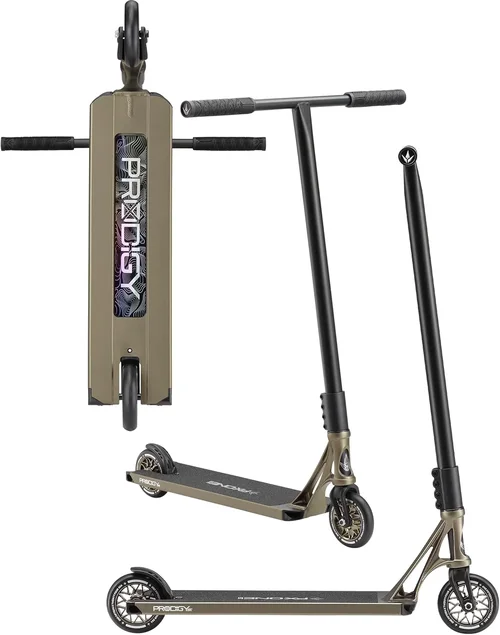
Why it’s bad: A scooter with flashy graphics or neon colors might catch your eye, but aesthetics don’t equal performance. Many budget scooters use attractive designs to mask poor construction and weak components. You could end up with a scooter that looks cool but breaks on your first big jump.
What to do instead: Prioritize build quality and specs over appearance. Choose a scooter with a strong frame, quality bearings, and a reputable brand—then pick a color you like. A durable scooter in a simple design will outlast a fragile one with a killer paint job.
❌ Mistake: Ignoring Weight Limits
Why it’s bad: Most pro scooters have a weight limit between 150 and 220 lbs. Exceeding this can cause the deck to crack, the fork to bend, or the clamp to fail—especially during hard landings. It’s not just about safety; it’s about preserving your investment.
What to do instead: Check the manufacturer’s weight rating before buying. If you’re near or over the limit, look for heavy-duty models with reinforced decks and wider weight tolerances. Some brands like Madd Gear offer “XL” versions designed for larger riders.
❌ Mistake: Overlooking the Compression System
Why it’s bad: The compression system keeps your handlebars tight and aligned. A weak or incompatible system (like HIC on a non-HIC fork) can lead to wobbling, loosening, or even failure mid-trick. It’s a hidden but critical component.
What to do instead: Match your compression system to your fork and clamp. SCS is the most durable and widely compatible, while IHC is lighter but requires specific parts. If you’re unsure, choose a complete scooter with a matched system rather than mixing and matching.
❌ Mistake: Buying the Cheapest Option
Why it’s bad: Ultra-cheap scooters often use low-grade aluminum, plastic forks, and poor bearings. They may look like pro models but lack the strength and precision needed for serious riding. You’ll likely need to replace it within months.
What to do instead: Set a realistic budget and aim for the best quality within that range. A $180 scooter from a known brand will outperform a $90 no-name model every time. Think of it as an investment in your progression.
❌ Mistake: Not Testing Before Buying
Why it’s bad: Scooters feel different in person than they do in photos. A deck that looks wide might feel cramped, or a scooter that seems light might have a poorly balanced weight distribution. Buying without testing can lead to discomfort or poor control.
What to do instead: Visit a local skate shop or scooter retailer to test ride models. If that’s not possible, buy from a seller with a good return policy. Many online stores offer 30-day returns, so you can test the scooter and send it back if it doesn’t feel right.
❌ Mistake: Ignoring Upgrade Potential
Why it’s bad: As your skills improve, you’ll want to upgrade parts like wheels, bars, or decks. Some scooters use proprietary parts that are hard to replace, limiting your ability to customize.
What to do instead: Choose a scooter with standard sizing and compatible components. Look for models that use 110mm wheels, standard 22.2mm bars, and SCS or IHC compression—these are widely supported and easy to upgrade.
❌ Mistake: Forgetting About Maintenance
Why it’s bad: Even the best scooter needs regular maintenance—tightening bolts, cleaning bearings, and checking for cracks. Neglecting this can lead to premature wear or sudden failure.
What to do instead: Learn basic maintenance and keep a toolkit handy. Most issues can be prevented with a quick check before each ride. Brands with good support often provide maintenance guides or video tutorials.
Budget Guidelines: How Much Should You Spend?
– Entry-Level ($80 – $150): This range is ideal for beginners or casual riders. Expect basic aluminum decks, 100mm wheels, and simple compression systems. Brands like Fuzion and Micro offer solid options here, but avoid ultra-cheap no-name models. These scooters are great for learning fundamentals but may not withstand advanced tricks.
– Mid-Range ($150 – $300): The sweet spot for most riders. You’ll find high-quality aluminum frames, 110mm wheels, ABEC-7 bearings, and durable clamps. Models like the Envy Prodigy S9 or Madd Gear Pro Scooter offer excellent performance and longevity. This range balances cost, quality, and upgrade potential.
– Premium ($300 – $500): For serious riders and competitors. These scooters feature lightweight yet strong materials (like 7005 aluminum or carbon fiber), precision engineering, and advanced features like reinforced dropouts and modular designs. Brands like Blunt and Proto dominate this space, offering scooters built for high-impact riding.
– Luxury ($500+): Top-tier models with cutting-edge tech, custom graphics, and pro-level specs. These are often used by sponsored riders and are overkill for most. However, if you’re competing or want the absolute best, models like the Envy Axe or Madd Gear Elite are worth considering.
Expert Tips for Getting the Best Deal
– Buy During Off-Season Sales: Scooter sales peak in spring and summer. Shop in late fall or winter (October–February) for discounts of 20–30% on last year’s models. Black Friday and Cyber Monday are also great times to score deals.
– Shop at Specialty Retailers: Online stores like Scooter Hut, Sickboards, and Amazon often have better prices and faster shipping than big-box retailers. They also offer expert advice and detailed product info.
– Check for Bundle Deals: Some retailers offer scooter + helmet + pad bundles at a discount. These can save you $30–$50 compared to buying separately.
– Read the Fine Print on Warranties: A 1-year warranty sounds great—until you realize it doesn’t cover “wear and tear” or “trick use.” Look for brands that offer comprehensive coverage and easy claim processes.
– Consider Refurbished or Open-Box Models: Many retailers sell returned or demo scooters at a discount. These are often in like-new condition and come with the same warranty as new models.
– Join Scooter Communities: Forums and Facebook groups often share exclusive discount codes or flash sales. Members also trade tips on where to buy and what to avoid.
– Test Before You Commit: If possible, visit a local shop to test ride. If buying online, choose a seller with a generous return policy—30 days is ideal.
– Upgrade Over Time: Instead of buying the most expensive scooter upfront, start mid-range and upgrade parts as needed. This spreads out the cost and lets you tailor your setup to your evolving style.

Frequently Asked Questions
Q: What’s the difference between a pro scooter and a regular scooter?
A: Pro scooters are built for performance and durability, with stronger frames, higher-quality bearings, and components designed to handle tricks and hard landings. Regular scooters are typically lighter, less durable, and meant for casual riding or commuting.
Q: Can I use a pro scooter for commuting?
A: Yes, but it’s not ideal. Pro scooters are optimized for tricks, not comfort or long-distance riding. They often have smaller wheels and no suspension, which can make rough pavement uncomfortable. Consider a hybrid or commuter scooter if you plan to ride daily.
Q: How long does a pro scooter last?
A: With proper care, a quality pro scooter can last 1–3 years or more. High-stress parts like wheels, bearings, and the deck may need replacement sooner, especially with frequent use. Regular maintenance extends lifespan significantly.
Q: Are bigger wheels better?
A: It depends on your riding style. Larger wheels (110mm–125mm) offer smoother rides and better speed on rough surfaces, making them great for park and street. Smaller wheels (100mm) are lighter and more responsive, preferred for technical tricks.
Q: Do I need a brake on my pro scooter?
A: Most freestyle riders remove the brake to avoid interference during tricks. However, beginners or street riders may want to keep it for safety. It’s easy to remove later if needed.
Q: Can I upgrade my scooter later?
A: Yes! Most pro scooters allow upgrades to wheels, bars, decks, and clamps. Choose a model with standard sizing to ensure compatibility with aftermarket parts.
Q: What’s the best brand for beginners?
A: Envy, Fuzion, and Madd Gear are excellent choices for beginners. They offer reliable, affordable models with good warranties and strong community support.
Q: Is a carbon fiber scooter worth it?
A: Carbon fiber is lighter and stiffer than aluminum, but also more expensive and less impact-resistant. It’s best for advanced riders who prioritize weight savings over durability.
Q: How do I know if a scooter is the right size?
A: Stand on the deck—your feet should fit comfortably with room to shift. The handlebars should be around waist height when standing. Most scooters are adjustable, but check the range before buying.
Q: Can I ride a pro scooter in the rain?
A: It’s not recommended. Water can damage bearings and cause rust. If you must ride in wet conditions, dry and lubricate the scooter immediately afterward.
Our Final Recommendations
– Best for Budget-Conscious Buyers: Fuzion Z300 – At around $130, this scooter offers excellent value with a strong aluminum deck, 110mm wheels, and SCS compression. Perfect for beginners who want quality without breaking the bank.
– Best Overall Value: Envy Prodigy S9 – Priced around $220, this scooter strikes the perfect balance of performance, durability, and price. It’s lightweight, responsive, and built to grow with your skills.
– Best Premium Option: Blunt Envy Axe – At $450+, this is a top-tier scooter with aerospace-grade materials, precision engineering, and pro-level specs. Ideal for competitive riders and serious enthusiasts.
– Best for Beginners: Madd Gear Kick Scooter – Around $100, this model is durable, easy to control, and comes with a brake—great for learning the basics safely.
– Best for Advanced Users: Proto Mod – A favorite among pros, this scooter features a lightweight design, reinforced dropouts, and modular components for ultimate customization.
Conclusion: Making the Right Choice
Choosing the best pro scooter in 2026 isn’t about finding the most expensive or flashiest model—it’s about matching the right tool to your goals, skill level, and budget. By focusing on key factors like build quality, performance specs, and brand reputation, you can avoid common pitfalls and invest in a scooter that will support your progression for years to come. Whether you’re just starting out or pushing the limits of what’s possible on two wheels, the right scooter will feel like an extension of yourself—responsive, reliable, and ready for anything.
Take the time to research, test, and compare. Read reviews, ask questions, and don’t rush the decision. Remember, a great scooter isn’t just about how it looks—it’s about how it performs when you’re launching off a ramp, grinding a rail, or landing your first 360 flip. With the insights from this guide, you’re equipped to make a smart, confident choice. Now go out there, find your perfect ride, and start shredding.