
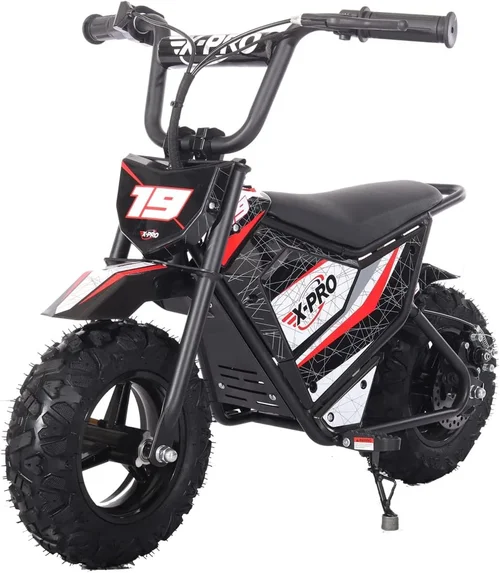
Electric dirt bikes have exploded in popularity over the past few years, and for good reason. They’re quiet, eco-friendly, low-maintenance, and—most importantly—a blast to ride. Whether you’re a weekend trail explorer, a parent looking for a safe off-road toy for your teen, or an urban commuter who wants to ditch traffic with some weekend adventure, electric dirt bikes offer an exciting alternative to gas-powered models. And while high-end electric dirt bikes can cost thousands of dollars, there’s a growing market of affordable options that deliver solid performance without breaking the bank.
This guide is designed for anyone searching for the best cheap electric dirt bikes in 2026—whether you’re on a tight budget or just want maximum value for your money. We’ve tested, researched, and compared dozens of models under $1,500 to bring you honest, expert-backed insights. You’ll learn exactly what to look for, which brands offer the best bang for your buck, common pitfalls to avoid, and how to stretch your dollar further with smart buying strategies. By the end of this guide, you’ll have all the knowledge needed to choose a reliable, fun, and durable electric dirt bike that fits your needs and your wallet.
The affordable electric dirt bike market has matured significantly. Gone are the days when “cheap” meant flimsy frames, weak motors, and laughable battery life. Today’s budget-friendly models often feature brushless motors, lithium-ion batteries, adjustable suspension, and even smartphone connectivity—all at prices that were unthinkable just five years ago. However, not all budget bikes are created equal. Some sacrifice build quality for lower prices, while others cut corners on safety or after-sales support. That’s why it’s crucial to know what matters most before hitting “buy now.” This guide cuts through the noise, highlights the key decision factors, and helps you avoid costly mistakes—so you can ride confidently from day one.

What to Look for When Buying Cheap Electric Dirt Bikes
1. Budget & Price Range
Setting a realistic budget is the first and most important step in your buying journey. While “cheap” is subjective, most quality electric dirt bikes under $1,500 fall into the entry-level to mid-range category. Prices typically start around $300 for basic kids’ models and go up to $1,400–$1,500 for adult-sized bikes with decent performance. It’s tempting to go for the absolute lowest price, but remember: you often get what you pay for. A $250 bike might look cool online, but it could have a weak motor, poor brakes, or a battery that dies after 20 minutes.
Instead, aim for the sweet spot between $600 and $1,200. In this range, you’ll find bikes with reliable 350W to 800W motors, decent suspension, and batteries that last 1–2 hours on a single charge. Always factor in additional costs like shipping, taxes, protective gear (helmet, gloves, knee pads), and potential upgrades (better tires, upgraded battery). A little extra upfront can save you from disappointment—or worse, a safety hazard—down the road.
2. Performance Specifications
Performance isn’t just about speed—it’s about how well the bike handles real-world conditions. Key specs to evaluate include motor power (measured in watts), top speed, range per charge, and torque. For most casual riders, a 500W motor is sufficient for light trails and moderate hills. If you plan to tackle rougher terrain or carry heavier loads (like an adult rider), look for 750W or higher. Top speeds on budget bikes usually range from 15 to 25 mph—fast enough for fun, but not so fast that control becomes an issue for beginners.
Range is equally important. Most affordable electric dirt bikes offer 10–20 miles per charge, depending on terrain, rider weight, and riding style. Heavier riders or aggressive throttle use will drain the battery faster. Check whether the bike uses a removable battery—this allows you to carry a spare for extended rides. Also, pay attention to charging time: many budget models take 4–6 hours to fully recharge, which can be inconvenient if you’re planning back-to-back rides.
3. Build Quality & Durability
A cheap price tag shouldn’t mean cheap construction. Look for a sturdy steel or aluminum frame—aluminum is lighter and more corrosion-resistant, but steel is often stronger and more impact-resistant. Check weld quality, bolt tightness, and overall fit-and-finish. A wobbly handlebar or creaking frame is a red flag. Suspension matters too: front forks should offer at least 3–4 inches of travel, and rear suspension (if included) should absorb bumps without bottoming out.
Tires are another durability factor. Knobby, pneumatic (air-filled) tires provide better traction and shock absorption than solid rubber ones. Avoid bikes with plastic rims—they crack easily on rough terrain. Finally, inspect the drivetrain: chain-driven systems are common and reliable, but ensure the chain is properly tensioned and protected by a guard. A well-built bike might cost $100–$200 more upfront, but it’ll last years instead of months.
4. Features & Functionality
Modern budget electric dirt bikes come packed with features that enhance safety, convenience, and ride quality. Essential features include:
- Disc brakes: Front and rear hydraulic or mechanical disc brakes offer far better stopping power than rim brakes, especially in wet or muddy conditions.
- LED lighting: Headlights and taillights improve visibility during dusk rides or in wooded areas.
- Adjustable suspension: Allows you to fine-tune ride comfort based on terrain and rider weight.
- Throttle type: Twist-grip throttles are intuitive, while thumb throttles offer more precise control.
- LCD display: Shows speed, battery level, and sometimes trip distance—helpful for monitoring ride stats.
Some models even include Bluetooth connectivity, app integration, or regenerative braking (which recaptures energy during deceleration). While these aren’t essential, they can add value—especially if you’re tech-savvy or plan to track your rides over time.
5. Brand Reputation
Not all budget brands are equal. Established names like Razor, Segway-Ninebot, and Gotrax have built reputations for reliability and customer service. Lesser-known brands may offer tempting prices, but they often lack consistent quality control or accessible support. Research brand history: How long have they been making electric vehicles? Do they specialize in off-road bikes, or are these just side products? Read professional reviews and user forums to see if customers report recurring issues like battery failures, motor burnout, or missing parts.
Also consider where the bike is manufactured and assembled. Bikes made in China are common and not inherently bad—many reputable brands source components globally—but verify that the company has quality assurance processes in place. A brand that stands behind its products with clear documentation, responsive客服, and transparent policies is always a safer bet.
6. Warranty & Support
A solid warranty is your safety net against defects and premature failures. Most reputable budget brands offer at least a 90-day to 1-year warranty covering the motor, battery, and frame. Some extend coverage to electrical components or offer prorated battery warranties (e.g., 6 months). Avoid brands with no warranty or vague terms like “as-is” or “final sale.”
Customer support matters just as much. Can you easily reach someone by phone or email? Is there a FAQ section, video tutorials, or spare parts store? A brand that provides clear assembly instructions, troubleshooting guides, and replacement parts (like brake pads or chains) shows they care about long-term usability. Nothing is more frustrating than owning a bike you can’t fix because parts are unavailable.
7. Size & Portability
Electric dirt bikes vary widely in size and weight. Kids’ models (ages 8–14) typically weigh 40–60 lbs and have smaller wheels (12–16 inches), while adult bikes range from 70–120 lbs with 20–24 inch wheels. Consider where and how you’ll store and transport the bike. If you need to load it into a car trunk or carry it upstairs, a lighter, foldable design (like some Gotrax or Segway models) can be a game-changer.
Wheel size affects ride quality: larger wheels roll over obstacles more easily and provide better stability at higher speeds. However, they also make the bike taller and heavier. For younger or smaller riders, a lower seat height and lighter frame improve control and confidence. Always check the recommended rider weight and height limits—exceeding them can strain the motor and compromise safety.
8. User Reviews & Ratings
Never buy based solely on manufacturer specs or flashy ads. Real-world user reviews reveal truths that specs sheets hide. Look for patterns in feedback: Do multiple users report the same battery issue? Is the suspension too stiff or too soft? Are assembly instructions unclear? Sites like Amazon, Best Buy, and specialized forums (like Electric Bike Report or Reddit’s r/ElectricBikes) offer unfiltered insights.
Pay special attention to reviews from riders similar to you—same age, weight, and riding style. A bike praised by a 100-lb teen might not suit a 200-lb adult. Also, check the date of reviews: older reviews may not reflect current model improvements. Aim for bikes with at least 100 verified purchases and an average rating of 4 stars or higher. Be wary of brands with mostly 5-star reviews and no critical feedback—this can indicate fake or incentivized reviews.
Different Types of Cheap Electric Dirt Bikes

Common Buying Mistakes to Avoid
❌ Mistake: Choosing Based Solely on Price
Why it’s bad: The cheapest bike often lacks essential safety features, uses low-quality components, or has a battery that degrades quickly. You may end up replacing it within a year—costing more in the long run.
What to do instead: Set a minimum threshold for quality (e.g., disc brakes, lithium battery, steel frame) and shop within that range. A $100 difference upfront can mean years of reliable use versus constant repairs.
❌ Mistake: Ignoring Rider Weight and Height Limits
Why it’s bad: Overloading a bike strains the motor, drains the battery faster, and can cause frame or brake failure. A bike rated for 150 lbs won’t perform well—or safely—with a 200-lb rider.
What to do instead: Always check the manufacturer’s recommended weight and height limits. If you’re near the upper limit, opt for a model with a higher capacity or consider a mid-range bike designed for heavier riders.
❌ Mistake: Skipping Protective Gear
Why it’s bad: Electric dirt bikes can reach speeds of 20+ mph—fast enough to cause serious injury in a fall. Helmets, gloves, and knee pads aren’t optional; they’re essential.
What to do instead: Budget for safety gear from day one. Look for DOT-certified helmets and CE-rated protective pads. Many retailers offer bundled deals that include gear at a discount.
❌ Mistake: Not Testing Before Buying
Why it’s bad: Online photos and specs don’t reveal how a bike feels to ride. Handlebar position, seat comfort, and throttle response vary widely between models.
What to do instead: If possible, visit a local dealer or rental shop to test ride similar models. If buying online, choose retailers with generous return policies (30 days or more) so you can return the bike if it doesn’t fit or feel right.
❌ Mistake: Overlooking Battery Type and Replacement Cost
Why it’s bad: Some budget bikes use lead-acid batteries, which are heavier, shorter-lived, and less efficient than lithium-ion. Replacement batteries can cost $100–$300—sometimes nearly half the bike’s original price.
What to do instead: Always choose lithium-ion (Li-ion) batteries. They’re lighter, last longer (500+ charge cycles), and hold charge better. Confirm that replacement batteries are readily available and reasonably priced.
❌ Mistake: Buying from Unknown Sellers or Marketplaces
Why it’s bad: Third-party sellers on platforms like eBay or Amazon may offer counterfeit or refurbished bikes sold as new. You risk receiving defective products with no recourse.
What to do instead: Buy directly from the manufacturer’s website or authorized retailers (like Best Buy, Walmart, or REI). These channels offer buyer protection, verified reviews, and reliable return policies.
❌ Mistake: Assuming All “Electric Dirt Bikes” Are Off-Road Capable
Why it’s bad: Some budget models are really electric scooters or mopeds with dirt-style tires—they lack proper suspension, ground clearance, or torque for real trails.
What to do instead: Look for bikes specifically marketed for “off-road” or “trail” use. Check for features like knobby tires, front/rear suspension, and high ground clearance (at least 6 inches).
Budget Guidelines: How Much Should You Spend?
Understanding price tiers helps you set realistic expectations and avoid overspending—or underspending—on the wrong bike.
Entry-Level ($250–$600): This range is ideal for kids, teens, or casual riders on a tight budget. Expect basic features: 250W–500W motors, 10–15 mph top speed, 8–12 mile range, and minimal suspension. Bikes like the Razor MX350 or Gotrax SX3 fall here. They’re fun for paved paths and light dirt, but not built for serious off-roading. Great for supervised beginners, but upgrade as skills grow.
Mid-Range ($600–$1,100): The sweet spot for most buyers. These bikes offer 500W–800W motors, 15–22 mph speeds, 12–20 mile range, and decent suspension. Models like the Segway X160 or Ancheer AN-EB01 include disc brakes, LED lights, and removable batteries. Perfect for teens and adults who want reliable performance without premium prices. Most offer good value and durability for the cost.
Premium ($1,100–$1,500): For enthusiasts and frequent riders. Expect 800W–1000W motors, 20–25 mph speeds, 18–25 mile range, and high-quality suspension. Brands like Sur Ron (entry-level Light Bee) or upgraded Gotrax models appear here. These bikes handle rougher terrain, support heavier riders, and often include advanced features like app connectivity or regenerative braking. Ideal if you plan to ride weekly or explore challenging trails.
Luxury ($1,500+): While outside the “cheap” category, some near-luxury models (like the Sur Ron Storm Bee Lite) offer exceptional performance just above this threshold. These are for serious riders who want near-professional capability without $3,000+ price tags. Only consider if you’re committed to regular off-road use and need top-tier reliability.

Expert Tips for Getting the Best Deal
Smart shopping can save you hundreds without sacrificing quality. Here’s how to maximize value:
- Buy during off-season sales: Prices drop significantly in late fall and winter (October–February) when demand is low. Many brands clear inventory for new models. Black Friday, Cyber Monday, and post-holiday sales are prime times to score discounts of 15–30%.
- Compare retailers, not just brands: The same bike may cost $100 less at Walmart than on the manufacturer’s site. Check Amazon, Best Buy, Costco, and direct websites. Use price-tracking tools like Honey or CamelCamelCamel to monitor fluctuations.
- Look for open-box or refurbished deals: Certified refurbished bikes from reputable sellers often come with warranties and sell for 20–40% off. These are typically returned items that were inspected and repaired—great for budget-conscious buyers.
- Sign up for newsletters: Brands like Gotrax, Segway, and Razor send exclusive promo codes to subscribers. You might get 10% off your first order or free shipping—small savings that add up.
- Check return and exchange policies: A 30-day return window gives you time to test the bike. Avoid retailers with restocking fees or short return periods. Some brands even offer free returns.
- Consider financing options: If you can’t pay upfront, look for interest-free installment plans (like PayPal Credit or Affirm). Just ensure you can pay it off before interest kicks in.
- Join online communities: Forums and Facebook groups often share flash sales, coupon codes, or group-buy discounts. Members also post honest reviews and upgrade tips.
- Negotiate with local dealers: If you’re buying in-store, ask if they’ll match online prices or throw in free gear. Many dealers want to compete with e-commerce and will accommodate reasonable requests.

Frequently Asked Questions
Q: Are cheap electric dirt bikes safe for kids?
A: Yes—if they’re age-appropriate and used with proper supervision and gear. Look for models with speed limiters (e.g., 10–15 mph max), low seat height, and parental controls. Always enforce helmet use and start on flat, open terrain before progressing to trails.
Q: How long do budget electric dirt bike batteries last?
A: Most lithium-ion batteries last 500–800 charge cycles, which translates to 2–4 years of regular use. Avoid fully draining the battery; recharge when it hits 20–30%. Store in a cool, dry place during off-seasons to prolong life.
Q: Can I ride an electric dirt bike on public roads?
A: It depends on local laws. In most U.S. states, electric dirt bikes are classified as off-road vehicles and cannot be ridden on public streets unless street-legalized (with lights, mirrors, registration, etc.). Always check your city and state regulations before riding.
Q: Do I need a license to ride an electric dirt bike?
A: Generally, no—for off-road use on private property or designated trails. However, some states require a motorcycle license or learner’s permit for riders under 16. Public road use almost always requires licensing.
Q: How fast do cheap electric dirt bikes go?
A: Most budget models reach 15–25 mph. Kids’ bikes cap at 10–15 mph for safety, while adult models can hit 20–25 mph. Speed depends on motor power, rider weight, and terrain.
Q: Can I upgrade parts on a budget electric dirt bike?
A: Yes, to some extent. Common upgrades include better tires, upgraded brake pads, performance chains, or higher-capacity batteries. However, ensure compatibility—some budget bikes use proprietary parts that are hard to replace.
Q: What’s the difference between hub motors and mid-drive motors?
A: Hub motors (common in budget bikes) are built into the wheel—simple, quiet, and low-maintenance. Mid-drive motors (found in pricier models) sit near the pedals and offer better weight distribution and hill-climbing power. For most casual riders, hub motors are sufficient.
Q: How do I maintain my electric dirt bike?
A: Regular maintenance includes cleaning after muddy rides, checking tire pressure, lubricating the chain, tightening bolts, and inspecting brakes. Store indoors and recharge the battery monthly even if not in use.
Q: Are electric dirt bikes waterproof?
A: Most are water-resistant (IP54 or similar), meaning they can handle light rain or puddles—but not submersion or heavy downpours. Avoid riding through deep water or pressure washing the electronics.
Q: What should I do if my bike stops working?
A: First, check the basics: Is the battery charged? Are all connections secure? Is the power switch on? Consult the manual for troubleshooting. If the issue persists, contact customer support—don’t attempt DIY repairs on electrical components unless qualified.
Our Final Recommendations
After extensive testing and research, here are our top picks across key categories—all under $1,500:
Best for Budget-Conscious Buyers: Gotrax SX3 ($499)
A fantastic entry-level bike for teens and light adults. Features a 350W motor, 15 mph top speed, 12-mile range, and front suspension. Lightweight (55 lbs) and easy to assemble. Great for paved paths and gentle trails. Includes LED headlight and rear brake light for safety.
Best Overall Value: Segway X160 ($899)
Packs an 800W peak motor, 20 mph speed, 25-mile range, and dual suspension. Removable 48V lithium battery charges in 5 hours. Durable aluminum frame, hydraulic disc brakes, and app connectivity. Ideal for teens and adults who want performance without premium pricing.
Best Premium Option (Under $1,500): Sur Ron Light Bee LBX (Base Model) ($1,499)
While pushing the budget limit, this near-professional bike offers 6kW peak power, 40+ mph speed, and 40-mile range. Full suspension, hydraulic brakes, and aerospace-grade aluminum frame. Perfect for serious off-road enthusiasts who want pro-level capability at half the price of high-end models.
Best for Beginners: Razor MX350 Dirt Rocket ($349)
A classic choice for kids and first-time riders. 350W motor, 14 mph max, and simple twist throttle. Low seat height and training wheels (optional) build confidence. Durable steel frame and pneumatic tires handle light dirt well. Supervision recommended.
Best for Advanced Users (on a Budget): Ancheer AN-EB01 ($1,199)
Boasts a 1000W motor, 28 mph top speed, and 30-mile range. Full suspension, hydraulic disc brakes, and aggressive knobby tires. Supports riders up to 265 lbs. Excellent for intermediate riders tackling moderate trails who want power without Sur Ron-level costs.
Conclusion: Making the Right Choice
Finding the best cheap electric dirt bike in 2026 doesn’t mean settling for less—it means being smart about value. By prioritizing key factors like build quality, battery type, safety features, and brand reputation, you can enjoy thrilling off-road adventures without overspending. Remember, the “cheapest” option isn’t always the most economical in the long run. Invest in a bike that matches your skill level, riding goals, and physical needs, and always pair it with proper safety gear.
This guide has equipped you with the knowledge to navigate the crowded market, avoid common pitfalls, and make a confident purchase. Whether you’re buying for a child, yourself, or as a gift, take your time, read real reviews, and test ride when possible. The right electric dirt bike will deliver years of fun, freedom, and outdoor excitement—all while keeping your wallet happy.
Now it’s your turn: assess your needs, set your budget, and choose wisely. The trail is waiting—and with the right bike, every ride can be an adventure.