
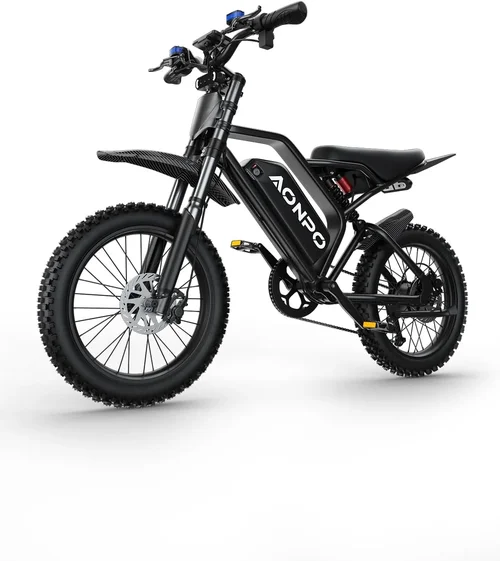
Electric dirt bikes have surged in popularity over the past few years, and for good reason. They offer a thrilling off-road experience without the noise, emissions, or maintenance headaches of traditional gas-powered motorcycles. Whether you’re an adrenaline junkie looking to tear up trails, an eco-conscious rider wanting a sustainable alternative, or someone who just wants a fun way to explore nature, electric dirt bikes are reshaping how adults experience outdoor adventure.
This guide is designed to cut through the noise and help you make an informed decision. With dozens of models flooding the market—from budget-friendly entry-level options to high-performance machines rivaling their gasoline counterparts—it’s easy to feel overwhelmed. Our goal is to equip you with the knowledge, insights, and practical tips you need to choose the best electric dirt bike for your needs, budget, and riding style. We’ll cover everything from performance specs and build quality to hidden costs and common pitfalls, so you can ride away confident in your purchase.
The electric dirt bike market has matured rapidly. What once consisted of underpowered, toy-like scooters has evolved into a competitive landscape featuring serious machines capable of handling rugged terrain, long distances, and even competitive racing. Brands like Sur Ron, Cake, Zero Motorcycles, and emerging players like Talaria and Segway have pushed the boundaries of battery technology, motor efficiency, and frame design. As we move into 2026, advancements in lithium-ion batteries, regenerative braking, and smart connectivity features are making these bikes more capable—and more accessible—than ever before.
—
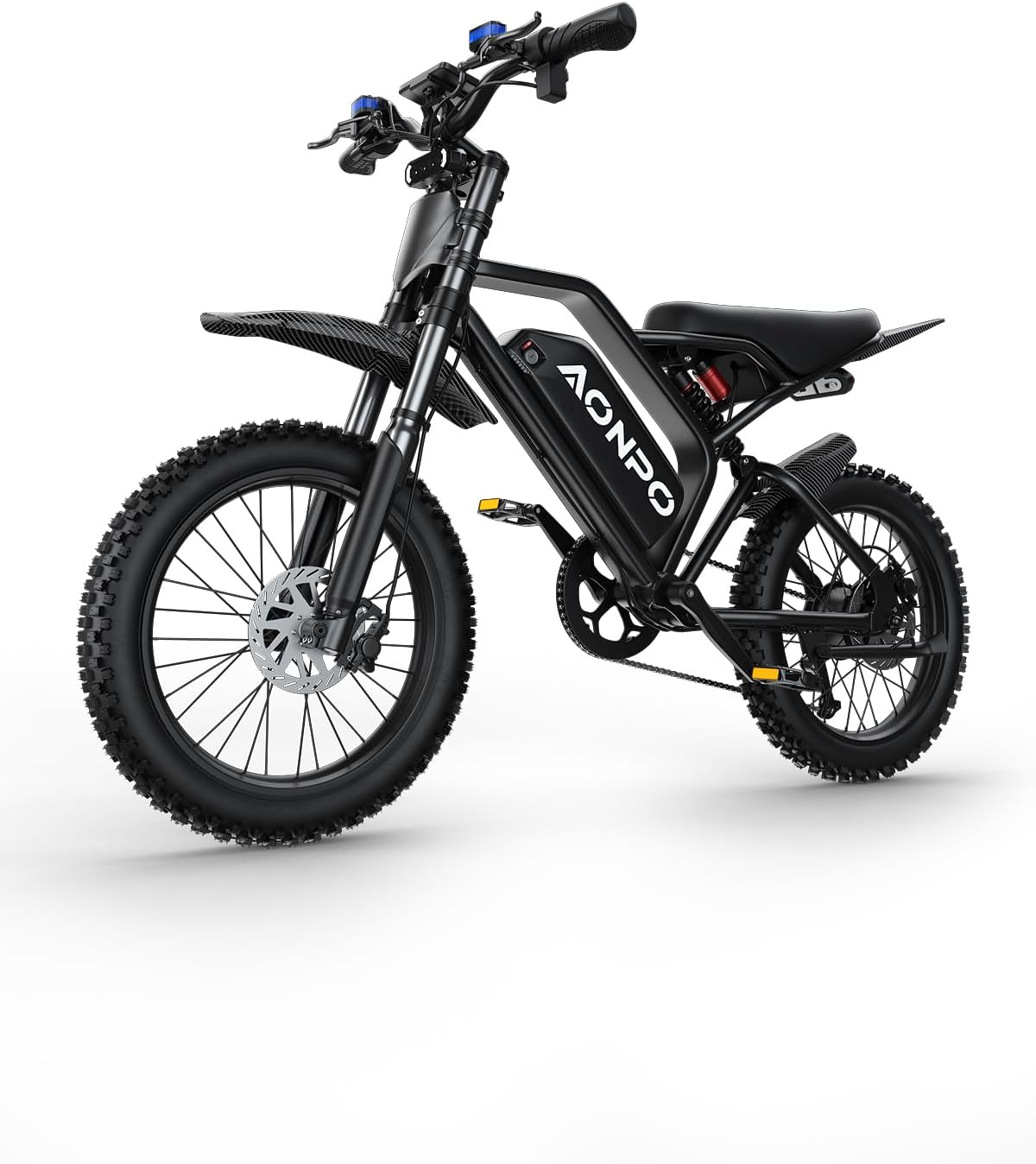
What to Look for When Buying Electric Dirt Bikes
1. Budget & Price Range
Your budget is the foundation of your buying decision. Electric dirt bikes span a wide price spectrum, from under $1,000 for basic models to over $15,000 for premium, race-ready machines. It’s important to set a realistic budget that accounts not only for the bike itself but also for essential accessories like helmets, protective gear, spare batteries, and maintenance tools.
While it might be tempting to go for the cheapest option, remember that electric dirt bikes are complex machines. A low price often means compromises in motor power, battery life, build quality, and safety features. On the flip side, spending top dollar doesn’t always guarantee the best value—some high-end models come with features you may never use. Aim to balance cost with long-term reliability and performance.
Consider your intended use: Are you riding casually on local trails, or are you planning to tackle steep hills and long distances? Casual riders may find excellent value in mid-range models ($2,000–$5,000), while serious off-roaders or those planning frequent use should invest in higher-end bikes with robust components and longer warranties.
2. Performance Specifications
Performance is where electric dirt bikes truly shine—and where they differ most from gas bikes. Key specs to evaluate include motor power (measured in watts or horsepower), torque, top speed, range, and hill-climbing ability.
Motor power typically ranges from 3,000W (3.4 hp) on entry-level models to over 15,000W (20+ hp) on high-performance bikes. Higher wattage generally means faster acceleration and better performance on steep inclines. Torque, often listed in Newton-meters (Nm), is especially important for off-road riding—it determines how quickly the bike can respond to throttle input and how well it handles rough terrain.
Top speed is another critical metric. Most adult electric dirt bikes reach speeds between 30–50 mph, with some performance models exceeding 60 mph. However, speed isn’t everything—range is equally important. Battery range varies widely, from 15–20 miles on smaller models to 60+ miles on premium bikes with dual-battery setups. Always check real-world range estimates, as manufacturers often quote ideal conditions that don’t reflect actual trail use.
Hill-climbing ability is measured in degrees or percentage grade. A bike that can handle 20–30% grades is suitable for most off-road trails, while 40%+ is ideal for aggressive mountain riding. Look for bikes with strong mid-range torque and responsive throttle control for the best climbing performance.
3. Build Quality & Durability
An electric dirt bike is only as good as its construction. Unlike street scooters or commuter e-bikes, dirt bikes are subjected to extreme conditions—mud, rocks, jumps, and constant vibration. That’s why build quality is non-negotiable.
Start with the frame. Look for high-strength aluminum or chromoly steel frames that are lightweight yet rigid. Weld quality matters—poor welds can lead to cracks and failures under stress. Suspension systems are equally important. Quality front forks (like inverted or USD forks) and rear shock absorbers with adjustable preload and rebound damping will absorb impacts and keep you in control on rough terrain.
Check the wheels and tires. Knobby, off-road tires with good tread depth provide traction on loose dirt, mud, and gravel. Tubeless tires are preferred for their puncture resistance and ability to run lower pressures for better grip. Brakes should be hydraulic disc brakes (front and rear) with large rotors—mechanical or cable-actuated brakes simply don’t offer enough stopping power for high-speed off-road use.
Finally, inspect the electrical components. Water resistance is crucial—look for IP ratings (like IP65 or IP67) that indicate protection against dust and water. Sealed connectors, waterproof battery compartments, and robust wiring harnesses are signs of a well-built machine.
4. Battery Technology & Charging
The battery is the heart of any electric dirt bike. It determines not only how far you can ride but also how long the bike will last. Most modern electric dirt bikes use lithium-ion (Li-ion) batteries, which offer high energy density, long cycle life, and low self-discharge.
Key battery specs include capacity (measured in amp-hours, Ah), voltage (V), and total energy (watt-hours, Wh). A higher Wh rating means longer range. For example, a 72V 20Ah battery delivers 1,440Wh of energy—enough for 40–60 miles depending on terrain and riding style.
Look for batteries with built-in Battery Management Systems (BMS). A BMS protects against overcharging, over-discharging, overheating, and short circuits—critical for safety and longevity. Removable batteries are a major plus, allowing you to swap in a fresh pack mid-ride or charge the battery indoors.
Charging time is another consideration. Most bikes take 4–8 hours to charge from empty using a standard charger. Fast chargers can cut this to 2–3 hours but may reduce battery lifespan if used excessively. Some premium models offer regenerative braking, which recaptures energy during deceleration and slightly extends range—though the effect is modest on dirt bikes due to frequent stops and starts.
5. Features & Functionality
Modern electric dirt bikes come packed with features that enhance performance, safety, and convenience. While not all are essential, some can significantly improve your riding experience.
Regenerative braking, as mentioned, helps extend range and reduces brake wear. Multiple riding modes (Eco, Tour, Sport, Race) allow you to tailor power delivery and throttle response to your needs. Eco mode maximizes range, while Race mode unleashes full power for aggressive riding.
Digital displays are common on mid- to high-end models. Look for displays that show speed, battery level, range estimate, trip distance, and error codes. Some advanced models include Bluetooth connectivity, GPS tracking, and smartphone app integration for ride logging, diagnostics, and firmware updates.
LED lighting is standard on most bikes, but brightness and beam pattern vary. High-lumen headlights improve visibility on night rides, while brake lights and turn signals (on street-legal models) enhance safety. Kickstands, fenders, and luggage racks are practical additions, especially for longer adventures.
One often-overlooked feature is serviceability. Can you easily access the motor, battery, and suspension components for maintenance? Are replacement parts readily available? Bikes with modular designs and accessible service points save time and money in the long run.
6. Brand Reputation & Reliability
Not all electric dirt bike brands are created equal. Some have established reputations for quality, innovation, and customer support, while others are fly-by-night operations with poor build quality and minimal after-sales service.
Research brands with a proven track record. Companies like Sur Ron (known for the Light Bee series), Zero Motorcycles (with their FX and FXS models), and Cake (Swedish-designed, minimalist bikes) have earned respect in the industry. Emerging brands like Talaria (with the MX4) and Segway (with the X260) are also gaining traction for their performance and value.
Read user reviews on forums like Reddit’s r/electricmotorcycles, YouTube reviews, and specialized sites like Electric Bike Report. Pay attention to recurring issues—frequent motor failures, battery degradation, or poor customer service are red flags. A brand with a strong community and active support forums is a good sign.
Also consider where the bike is manufactured. Bikes made in countries with strict quality control standards (like Taiwan, Germany, or the USA) often have better consistency than those from regions with lax regulations.
7. Warranty & Support
A solid warranty is a sign that a manufacturer stands behind its product. Most reputable brands offer at least a 1-year warranty on the entire bike, with longer coverage on the battery (typically 2–3 years) and motor (up to 5 years on premium models).
Read the fine print. Some warranties exclude “wear and tear” items like tires, brakes, and suspension, or void coverage if the bike is used for racing or extreme off-roading. Others require regular maintenance at authorized service centers—something to consider if you plan to do your own repairs.
Customer support matters too. Can you easily reach a human being if you have a problem? Are replacement parts available, and how quickly can they be shipped? Brands with local dealers or service centers offer a significant advantage over those that only sell online.
If you’re buying from an online-only retailer, check their return policy. A 30-day return window with free return shipping gives you peace of mind to test the bike and ensure it meets your expectations.
8. Size, Weight & Portability
Electric dirt bikes vary significantly in size and weight, which affects handling, storage, and transport. Most adult models weigh between 100–150 pounds, with some performance bikes tipping the scales at 180+ pounds.
Heavier bikes offer more stability at high speeds and better durability, but they’re harder to maneuver in tight trails and more difficult to lift if you crash. Lighter bikes are more agile and easier to transport, but may feel less planted on rough terrain.
Consider your physical strength and riding environment. If you’re tackling technical single-track trails, a lighter bike (under 120 lbs) may be preferable. For open desert or motocross tracks, a heavier, more stable bike could be better.
Portability is important if you plan to transport the bike in a car or truck. Look for bikes with folding handlebars, removable batteries, and compact dimensions. Some models are designed to fit in SUVs or truck beds with minimal disassembly.
Seat height is another factor. Most electric dirt bikes have seat heights between 32–36 inches. Taller riders may prefer higher seats for better legroom, while shorter riders should ensure they can comfortably touch the ground when stopped.
—
Different Types of Electric Dirt Bikes

—
Common Buying Mistakes to Avoid
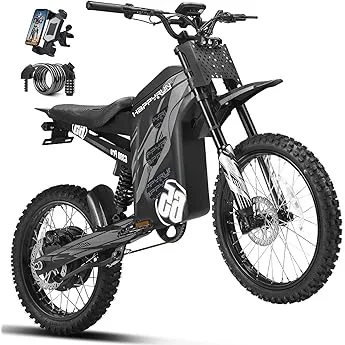
❌ Mistake: Ignoring Real-World Range Claims
Why it’s bad: Manufacturers often quote range based on ideal conditions—flat terrain, moderate speed, and light load. In reality, off-road riding consumes far more energy due to hills, rough terrain, and frequent acceleration. A bike advertised with a 60-mile range might only deliver 30–40 miles in real-world use.
What to do instead: Look for independent reviews that test range under realistic conditions. Divide the advertised range by 1.5 to get a more accurate estimate. Consider buying a spare battery if long rides are important to you.
❌ Mistake: Overlooking Suspension Quality
Why it’s bad: Cheap suspension systems can’t absorb impacts from jumps, rocks, or roots, leading to a harsh ride, loss of control, and increased fatigue. Poor suspension also accelerates wear on other components.
What to do instead: Prioritize bikes with quality suspension—look for adjustable forks and rear shocks from reputable brands like KYB, Showa, or WP. Test ride if possible to feel how the bike handles bumps.
❌ Mistake: Skimping on Safety Gear
Why it’s bad: Electric dirt bikes can reach high speeds and weigh over 100 pounds. Without proper protection, a fall can result in serious injury. Many buyers underestimate the importance of helmets, armor, and gloves.
What to do instead: Invest in a DOT/ECE-certified full-face helmet, chest protector, knee and elbow pads, and sturdy gloves. Consider a hydration pack for longer rides. Safety gear is not optional—it’s essential.
❌ Mistake: Buying Based on Price Alone
Why it’s bad: The cheapest bike often comes with the lowest-quality components, shortest lifespan, and poorest support. You may end up spending more in repairs and replacements than if you’d bought a better model upfront.
What to do instead: Focus on value, not just price. A mid-range bike with solid build quality, good reviews, and a strong warranty often offers better long-term value than a bargain model.
❌ Mistake: Not Checking Local Laws
Why it’s bad: Electric dirt bikes are not universally legal on public roads or trails. Some states require registration, licensing, or restrict use to private property. Riding illegally can result in fines or confiscation.
What to do instead: Research your local regulations before buying. If you want street-legal capability, choose a model with lights, mirrors, turn signals, and a VIN number. Some brands offer street-legal conversion kits.
❌ Mistake: Ignoring Maintenance Requirements
Why it’s bad: Even electric bikes need regular maintenance—chain lubrication, brake adjustments, tire pressure checks, and battery care. Neglecting these can lead to poor performance and costly repairs.
What to do instead: Learn basic maintenance or find a local service center. Choose a bike with accessible components and available spare parts. Keep a maintenance log to track service intervals.
❌ Mistake: Not Test Riding Before Buying
Why it’s bad: A bike that looks great on paper may feel uncomfortable or unbalanced in real life. Fit, ergonomics, and handling are subjective and hard to judge from specs alone.
What to do instead: Whenever possible, test ride the bike. Attend demo days, visit local dealers, or buy from retailers with generous return policies. Pay attention to seat comfort, throttle response, and how the bike feels on different terrains.
—
Budget Guidelines: How Much Should You Spend?
Choosing the right electric dirt bike starts with understanding what you get at different price points. Here’s a breakdown of what to expect across budget tiers:
Entry-Level ($800 – $2,000): These bikes are ideal for beginners or casual riders. Expect modest power (3,000–5,000W), limited range (15–25 miles), and basic components. Build quality may be inconsistent, and warranties are often short. Great for learning the basics, but not suited for serious off-roading.
Mid-Range ($2,500 – $6,000): This is the sweet spot for most adult riders. Bikes in this range offer strong performance (6,000–10,000W), 30–50 mile range, and reliable build quality. Look for features like hydraulic brakes, quality suspension, and removable batteries. Brands like Sur Ron, Segway, and Talaria dominate this segment.
Premium ($7,000 – $12,000): For enthusiasts and advanced riders, premium bikes deliver race-level performance. Expect 10,000W+ motors, 50–70 mile range, and top-tier components. These bikes are built for aggressive riding, with features like regenerative braking, advanced displays, and modular designs. Zero Motorcycles and Cake offer excellent options here.
Luxury ($12,000+): At this level, you’re paying for cutting-edge technology, premium materials, and unmatched durability. These bikes often feature dual batteries, carbon fiber components, GPS tracking, and app integration. They’re built for professionals, long-distance explorers, and those who demand the absolute best.
—
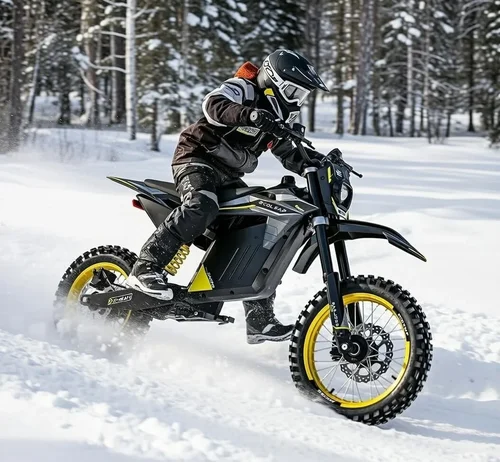
Expert Tips for Getting the Best Deal
- Buy During Off-Season: Prices often drop in late fall and winter when demand is low. Look for end-of-season sales from retailers and manufacturers.
- Shop Direct from Manufacturers: Brands like Sur Ron and Zero often offer exclusive deals, free shipping, and extended warranties when you buy directly from their websites.
- Check for Refurbished Models: Many brands sell certified pre-owned or refurbished bikes at significant discounts. These often come with warranties and have been inspected for quality.
- Join Online Communities: Forums and Facebook groups often share exclusive promo codes, group buys, and flash sales. Members also share honest reviews and tips.
- Negotiate Accessories: When buying from a dealer, ask for free or discounted gear—helmets, gloves, or spare batteries. Many are willing to bundle to close a sale.
- Read the Return Policy: Ensure you can return the bike within 30 days if it doesn’t meet your expectations. Some retailers charge restocking fees, so read the fine print.
- Consider Financing: Some brands offer 0% APR financing for qualified buyers. This lets you spread the cost over 12–24 months without extra interest.
- Watch for Trade-In Programs: If you already own a gas dirt bike, some electric brands offer trade-in credits toward a new e-bike.
—

Frequently Asked Questions
Q: How fast do electric dirt bikes go?
A: Most adult electric dirt bikes reach speeds between 30–50 mph. High-performance models can exceed 60 mph, with some race bikes hitting 70+ mph. Speed depends on motor power, battery voltage, and terrain.
Q: How long do electric dirt bike batteries last?
A: A quality lithium-ion battery should last 500–1,000 charge cycles, equating to 3–5 years of regular use. Proper care—avoiding full discharges and extreme temperatures—can extend lifespan.
Q: Are electric dirt bikes street legal?
A: It depends on the model and local laws. Some bikes are designed for off-road use only, while others come street-legal with lights, mirrors, and turn signals. Check your state’s regulations before riding on public roads.
Q: Can I ride an electric dirt bike in the rain?
A: Most electric dirt bikes are water-resistant (IP65 or higher), meaning they can handle light rain and splashes. However, submerging the bike or riding through deep water can damage electrical components. Avoid heavy rain and dry the bike thoroughly after wet rides.
Q: How much maintenance do electric dirt bikes require?
A: Less than gas bikes, but still necessary. Regular tasks include chain lubrication, brake checks, tire pressure adjustments, and battery care. Suspension and bearings may need servicing every 6–12 months depending on use.
Q: Can I upgrade the battery on my electric dirt bike?
A: Some models allow battery upgrades, especially those with removable packs. However, compatibility varies by brand and model. Always use manufacturer-approved batteries to avoid damage or voiding the warranty.
Q: Are electric dirt bikes good for beginners?
A: Yes, especially entry-level and mid-range models. Electric bikes offer smooth, controllable power delivery, making them easier to learn on than gas bikes. Start with a lower-power model and gradually build skills.
Q: How do I charge my electric dirt bike?
A: Use the included charger and plug into a standard 110V outlet. Charging takes 4–8 hours. For faster charging, consider a high-output charger (if supported). Always charge in a dry, ventilated area.
Q: What’s the difference between hub motors and mid-drive motors?
A: Hub motors are built into the wheel and are simpler and cheaper. Mid-drive motors are mounted near the pedals (or crank) and offer better weight distribution and efficiency, especially on hills. Most electric dirt bikes use hub motors for simplicity and durability.
Q: Can I take my electric dirt bike on a plane?
A: Generally no. Lithium-ion batteries over 100Wh are restricted by airlines due to fire risk. Most electric dirt bike batteries exceed this limit. Check with your airline and consider shipping the bike separately.
—
Our Final Recommendations
Best for Budget-Conscious Buyers: Sur Ron Light Bee X – At around $4,500, it offers exceptional value with 6,000W power, 40+ mile range, and a robust build. Perfect for beginners and intermediate riders.
Best Overall Value: Talaria MX4 – Priced at $5,500, this bike delivers 10,000W power, 50-mile range, and race-ready performance. It’s a favorite among off-road enthusiasts for its balance of power and reliability.
Best Premium Option: Zero FXE – At $11,500, the FXE combines street-legal capability with off-road prowess. It features a 75-mile range, advanced electronics, and Zero’s legendary build quality.
Best for Beginners: Segway X260 – With a user-friendly design, 30-mile range, and intuitive controls, the X260 is ideal for new riders. Priced at $3,500, it’s a safe and affordable entry point.
Best for Advanced Users: Cake Kalk OR – This Swedish masterpiece ($14,000) is built for serious off-roading. With 18,000W power, minimalist design, and top-tier components, it’s a dream machine for experienced riders.
—
Conclusion: Making the Right Choice
Choosing the best electric dirt bike for adults isn’t just about picking the fastest or most expensive model—it’s about finding the right fit for your lifestyle, skill level, and riding goals. Whether you’re exploring local trails, commuting through the city, or chasing adrenaline on mountain ridges, there’s an electric dirt bike out there that’s perfect for you.
Remember to prioritize safety, do your research, and test ride whenever possible. Don’t rush the decision—this is an investment in fun, freedom, and sustainability. With the right bike, you’ll enjoy years of thrilling rides, lower environmental impact, and the satisfaction of mastering the electric revolution.
So gear up, charge up, and get ready to ride. The future of off-road adventure is electric—and it’s more exciting than ever.