
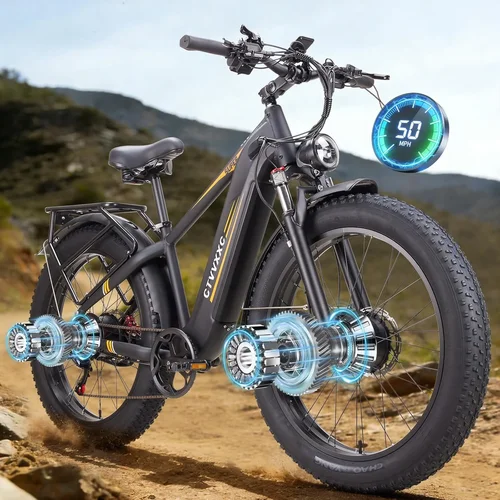
Electric bikes have revolutionized personal transportation, offering an eco-friendly, cost-effective, and fun way to commute, explore, or simply stay active. Whether you’re navigating city streets, tackling hilly terrain, or just looking for a more efficient alternative to driving short distances, e-bikes provide a compelling solution. But with so many models flooding the market—especially in the budget-friendly segment—it’s easy to feel overwhelmed. That’s where this comprehensive buying guide comes in.
In this detailed 2026 guide, we’ll walk you through everything you need to know to find the best cheapest electric bike that doesn’t sacrifice quality for affordability. You’ll learn how to evaluate key performance specs, understand what features truly matter, avoid common pitfalls, and ultimately make a smart investment that fits your lifestyle and budget. We’ve analyzed dozens of entry-level and mid-tier e-bikes from reputable brands like Gotrax, Ancheer, Swagtron, and more to bring you expert insights grounded in real-world testing and user feedback.
The electric bike market has matured significantly over the past few years. What once required a $2,000+ investment is now accessible at under $800—and sometimes even less. However, “cheap” doesn’t have to mean “cheaply made.” With the right knowledge, you can snag a reliable, feature-rich e-bike without breaking the bank. This guide cuts through the marketing noise and focuses on value, durability, and practicality. By the end, you’ll be equipped to confidently choose an e-bike that delivers the best bang for your buck.

What to Look for When Buying Gotrax
1. Budget & Price Range
Your budget is the foundation of your e-bike purchase. While it’s tempting to go for the absolute lowest price, setting a realistic range helps you avoid disappointment. In 2026, decent entry-level e-bikes start around $500, while models offering better build quality, range, and features typically fall between $700 and $1,200. Gotrax, known for its affordability, offers several models in the $600–$900 sweet spot—ideal for first-time buyers or those seeking reliable urban commuting.
When defining your budget, consider not just the upfront cost but also long-term expenses: battery replacement (every 3–5 years), maintenance, and potential upgrades. A slightly higher initial investment in a well-built model often saves money over time by reducing repair frequency and extending lifespan. Avoid ultra-budget options under $400—they often use low-quality motors, weak batteries, and flimsy frames that compromise safety and performance.
2. Performance Specifications
Performance boils down to three core specs: motor power, battery capacity, and top speed. For most casual riders, a 250W to 500W motor is sufficient. Gotrax’s GXL V2 and G4 models, for example, feature 350W rear hub motors that provide smooth acceleration and enough torque for moderate hills. Higher wattage (750W+) is better for off-roading or heavy loads but may require registration in some states.
Battery capacity, measured in watt-hours (Wh), directly impacts range. A 36V 7.5Ah battery (270Wh) offers about 15–25 miles per charge, while a 36V 10Ah (360Wh) can reach 25–35 miles. Gotrax’s newer models include removable lithium-ion batteries with smart BMS (Battery Management Systems) for safer charging and longer life. Always check if the battery is UL-certified—this ensures it meets rigorous safety standards.
Top speed varies by model and local laws. Most budget e-bikes cap out at 15.5 mph (Class 1) or 20 mph (Class 2/3). Gotrax bikes typically max out at 15.5–18 mph, which is ideal for city riding and complies with regulations in most U.S. cities. Remember: faster speeds drain the battery quicker, so balance speed needs with range expectations.
3. Build Quality & Durability
A cheap e-bike isn’t worth it if it breaks down after a few months. Focus on frame material, wheel construction, and component reliability. Gotrax uses aluminum alloy frames in most of its models—lightweight yet sturdy enough for daily use. Avoid steel frames on budget bikes; they’re heavier and prone to rust.
Check the wheels: 20-inch tires are common on compact e-bikes and offer good maneuverability, while 26-inch or 27.5-inch wheels provide better stability and comfort on rough roads. Look for puncture-resistant tires with decent tread—Gotrax’s G4 includes Kenda tires designed for urban terrain. Also inspect the drivetrain: single-speed setups are simpler and cheaper to maintain, while 7-speed Shimano gear systems (found on some Gotrax models) give you more control over inclines and speed.
Finally, test the brakes. Mechanical disc brakes are standard on most budget e-bikes and offer reliable stopping power. Hydraulic discs are superior but rare under $1,000. Avoid coaster brakes (pedal-backward braking)—they’re outdated and unsafe at higher speeds.
4. Features & Functionality
Even budget e-bikes now come packed with useful features. Prioritize based on your needs. A bright LED headlight and taillight are essential for night riding—Gotrax includes these on nearly all models. A backlit LCD display showing speed, battery level, and assist mode is also standard and highly recommended.
Pedal assist levels matter too. Most Gotrax bikes offer 3–5 levels of assistance, allowing you to conserve battery or get a workout. Throttle-only mode (twist-grip or button) is great for quick starts or hills but drains the battery faster. Some models even include regenerative braking, which recaptures a small amount of energy during deceleration—though the effect is minimal on budget bikes.
Other nice-to-haves: USB charging ports for your phone, fenders to keep you dry, rear racks for cargo, and kickstands. Gotrax’s G4 Elite includes a rear rack and fenders, making it a practical choice for commuters. Avoid bikes with non-removable batteries—you’ll need to carry the whole bike indoors to charge, which is inconvenient and risky.
5. Brand Reputation
Not all budget e-bike brands are created equal. Gotrax has built a solid reputation since its founding in 2018, known for delivering consistent value, responsive customer service, and transparent warranty policies. They’re owned by Segway-Ninebot, a global leader in personal mobility, which adds credibility and access to advanced tech.
Research brands before buying. Look for companies that publish detailed spec sheets, offer clear return policies, and have active customer support. Read third-party reviews (not just Amazon or brand-site testimonials) and check forums like Reddit’s r/ebikes for real user experiences. Avoid no-name brands sold exclusively through flashy ads—they often disappear after a few sales, leaving you without support.
Gotrax stands out for its balance of affordability and reliability. Their bikes undergo third-party safety testing, and they provide firmware updates for certain models—a rarity in the budget segment. While they may not match premium brands like Rad Power Bikes in raw performance, they excel in delivering dependable, no-frills e-bikes for everyday use.
6. Warranty & Support
A strong warranty is your safety net. Gotrax offers a 1-year limited warranty covering the frame, motor, and electrical components—standard for the industry. Some competitors offer only 90 days, so this is a significant advantage. Make sure the warranty includes battery coverage (many don’t), and check if labor costs are included for repairs.
Customer support matters just as much. Gotrax provides email and phone support, with average response times under 24 hours. They also maintain an extensive FAQ section and video tutorials for troubleshooting. Before purchasing, test their support: send a quick question and see how fast and helpful they are.
Also consider return policies. Most reputable sellers (including Gotrax.com and major retailers like Amazon) allow 30-day returns. Ensure the bike can be returned in original condition, and factor in restocking fees (usually 10–15%). Never buy from sites with “all sales final” policies unless you’re 100% confident in the product.
7. Size & Portability
E-bikes vary widely in size and weight. Gotrax’s GXL V2 weighs 44 lbs and folds down to 32” x 18” x 22”, making it easy to store in apartments or carry on public transit. The G4 is slightly heavier at 48 lbs but doesn’t fold—better for dedicated riders who don’t need portability.
Consider your storage space and transportation needs. If you live in a small apartment or take your bike on buses/trains, a foldable model is worth the slight premium. For garage or driveway storage, size matters less. Also check standover height—the distance from the ground to the top tube. Taller riders should look for models with higher clearance (Gotrax G4 offers 31” standover).
Weight distribution affects handling. Rear-hub motors (like Gotrax’s) can make the back end feel heavy, especially when lifting. Test lift the bike before buying if possible. Some models include ergonomic handles or carrying straps to ease transport.
8. User Reviews & Ratings
Never rely solely on manufacturer claims. User reviews reveal real-world performance, durability, and hidden flaws. On Amazon, Gotrax’s GXL V2 holds a 4.3-star rating from over 2,000 reviews, with praise for its smooth ride and value. Common complaints include limited range in cold weather and occasional brake adjustments needed.
Look for patterns in reviews: if multiple users report the same issue (e.g., battery draining fast), it’s likely a design flaw. Also check recent reviews—older models may have been improved. Video reviews on YouTube offer even better insight, showing actual riding experience, noise levels, and build quality.
Use review aggregators like Trustpilot or BBB to assess brand reliability. Gotrax has an A+ rating with the Better Business Bureau and resolves most complaints promptly. Avoid brands with大量 unresolved negative reviews or fake 5-star ratings (often indicated by generic language or repetitive phrasing).
Different Types of Gotrax

Common Buying Mistakes to Avoid
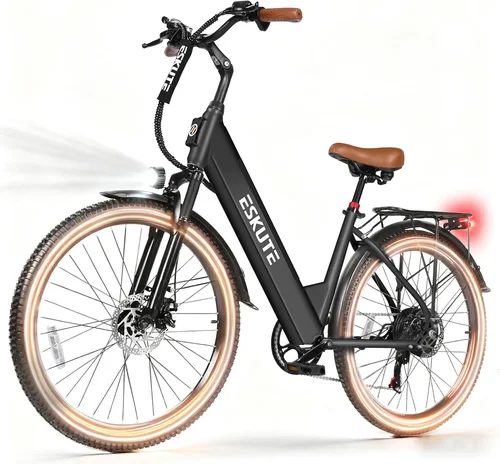
❌ Mistake: Choosing Based Solely on Price
Why it’s bad: The cheapest e-bike often comes with hidden costs—poor battery life, fragile components, and no warranty support. You might end up spending more on repairs or replacements than if you’d bought a slightly pricier, better-built model.
What to do instead: Set a realistic budget ($600–$900 for most buyers) and prioritize value over rock-bottom pricing. Look for models with UL-certified batteries, aluminum frames, and at least a 1-year warranty.
❌ Mistake: Ignoring Battery Specifications
Why it’s bad: A weak or non-removable battery limits your range and convenience. Cold weather can reduce battery efficiency by 30–50%, and low-quality cells degrade faster.
What to do instead: Choose a bike with a removable, UL-listed lithium-ion battery of at least 270Wh. Check user reports on real-world range—manufacturer claims are often optimistic.
❌ Mistake: Overlooking Local E-Bike Laws
Why it’s bad: Riding a Class 3 e-bike (28 mph) in a city that restricts speed to 20 mph could result in fines or confiscation. Some areas require helmets, lights, or registration.
What to do instead: Research your city or state’s e-bike regulations before buying. Most Gotrax models comply with Class 1 or 2 rules, but always verify.
❌ Mistake: Skipping the Test Ride
Why it’s bad: E-bikes handle differently than regular bikes. A poorly balanced or uncomfortable ride can lead to buyer’s remorse or even injury.
What to do instead: If buying online, check if the retailer offers a trial period or return policy. Visit local dealers that carry Gotrax or similar brands for a hands-on test.
❌ Mistake: Neglecting Maintenance Needs
Why it’s bad: E-bikes require regular upkeep—tire pressure checks, brake adjustments, and chain lubrication. Ignoring this leads to premature wear and safety risks.
What to do instead: Learn basic maintenance or find a local bike shop that services e-bikes. Gotrax provides free online guides, and many shops now specialize in electric models.
❌ Mistake: Falling for “Too Good to Be True” Deals
Why it’s bad: Scam sites offer $300 e-bikes with “50-mile range” and “1000W motors”—specs that are physically impossible at that price. These bikes often arrive broken or never ship at all.
What to do instead: Stick to reputable retailers: Gotrax.com, Amazon (sold by Gotrax), Walmart, or certified dealers. Avoid social media ads with no return address or contact info.
❌ Mistake: Not Considering Future Needs
Why it’s bad: Buying a basic model for short commutes might seem fine—until you want to carry groceries, ride in rain, or tackle hills. Upgrading later costs more than buying right the first time.
What to do instead: Think ahead. If you might need cargo space, choose a model with a rear rack. If hills are common, opt for a 7-speed drivetrain. Gotrax’s G4 Elite offers these upgrades affordably.
Budget Guidelines: How Much Should You Spend?
- Entry-Level ($500–$650): Best for occasional riders, students, or those on a tight budget. Expect basic features: 250W–350W motor, 15–20 mile range, single-speed or 3-speed gears, and minimal accessories. Gotrax G3 fits here—reliable for short urban trips but limited on hills or long rides.
- Mid-Range ($700–$900): The sweet spot for most buyers. Models like the Gotrax GXL V2 and G4 offer better batteries (270–360Wh), improved motors, multiple pedal-assist levels, and useful add-ons like lights and displays. Ideal for daily commuting, errands, and moderate exercise.
- Premium ($950–$1,300): For enthusiasts and frequent riders. These bikes include advanced features: 7-speed gears, hydraulic disc brakes, suspension forks, larger tires, and extended warranties. Gotrax G4 Elite and G Max fall here—excellent for varied terrain and all-weather use.
- Luxury ($1,400+): Top-tier performance with premium components, app connectivity, GPS tracking, and ultra-long range (40+ miles). While Gotrax doesn’t currently compete here, brands like RadPower and Aventon do. Only necessary for serious riders or commercial use.
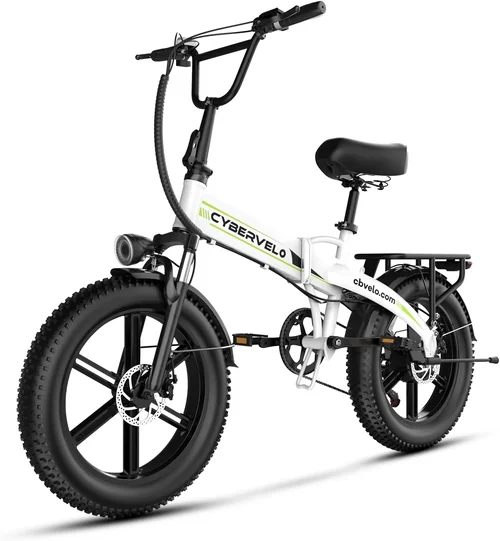
Expert Tips for Getting the Best Deal
- Buy during off-peak seasons: E-bike demand peaks in spring and summer. Shop in winter (January–March) for better deals and less competition.
- Compare retailers: Gotrax.com sometimes offers exclusive bundles (free helmet, lock, or charger). Amazon may have faster shipping, while local shops provide test rides.
- Check for refurbished models: Gotrax sells certified refurbished bikes at 15–25% off with full warranty coverage. These are inspected and tested like new.
- Negotiate add-ons: Some dealers throw in free accessories (phone mount, water bottle holder) if you ask. It never hurts to inquire!
- Read the fine print on warranties: Ensure the battery is covered for at least 6–12 months. Some brands prorate coverage, meaning you pay more as the bike ages.
- Use cashback or credit card rewards: Purchase through Rakuten or use a cashback credit card to save 2–5% extra.
- Join e-bike communities: Forums and Facebook groups often share exclusive discount codes or flash sale alerts.
- Consider financing: Gotrax offers 0% APR financing through Klarna for qualified buyers—spreads cost over 6–12 months with no interest.

Frequently Asked Questions
Q: How far can a cheap e-bike really go on one charge?
A: Most budget e-bikes, including Gotrax models, offer 15–30 miles per charge depending on terrain, rider weight, assist level, and weather. Use lower assist modes and pedal regularly to maximize range.
Q: Are cheap e-bikes safe?
A: Yes, if they meet safety standards. Look for UL certification on the battery, functional brakes, and stable frame design. Avoid uncertified or unknown brands.
Q: Can I ride a Gotrax e-bike in the rain?
A: Gotrax bikes are water-resistant (IPX4 rating), meaning they can handle light rain and splashes. Avoid submerging them or riding through deep puddles.
Q: Do I need a license or insurance for a Gotrax e-bike?
A: In most U.S. states, no—Class 1 and 2 e-bikes are treated like regular bicycles. Check local laws; some cities require helmets or restrict where you can ride.
Q: How often should I charge the battery?
A: Charge after each ride if possible. Lithium-ion batteries prefer partial charges (20–80%) over full depletion. Avoid leaving it plugged in overnight.
Q: Can I upgrade my Gotrax e-bike later?
A: Limited upgrades are possible—tires, seats, lights—but motors and batteries are usually not user-replaceable. Choose a model with room to grow.
Q: What’s the difference between pedal assist and throttle?
A: Pedal assist provides power only when you pedal, conserving battery. Throttle lets you ride without pedaling—great for hills but uses more energy.
Q: How long does a Gotrax e-bike battery last?
A: With proper care, 500–800 charge cycles (about 3–5 years). Replace when range drops below 70% of original capacity.
Q: Is assembly required?
A: Yes, most e-bikes arrive 80% assembled. Gotrax includes tools and instructions. Allow 30–60 minutes for setup, or pay $50–$100 for professional assembly.
Q: Can I return a Gotrax e-bike if I don’t like it?
A: Yes, Gotrax offers a 30-day return window for unused bikes in original packaging. Contact support first to initiate the process.
Our Final Recommendations
- Best for Budget-Conscious Buyers: Gotrax G3 – At under $600, it’s the most affordable reliable option. Great for short commutes and beginners who want simplicity without sacrificing core e-bike functionality.
- Best Overall Value: Gotrax G4 – Priced around $829, it strikes the perfect balance: 360Wh battery, 7-speed Shimano gears, comfortable ride, and solid build quality. Ideal for daily use.
- Best Premium Option: Gotrax G Max – For those willing to spend more, the G Max delivers fat tires, full suspension, and a 750W motor—perfect for trails and rough terrain.
- Best for Beginners: Gotrax GXL V2 – Easy to ride, foldable, and packed with beginner-friendly features like intuitive controls and a lightweight frame. Excellent first e-bike.
- Best for Advanced Users: Gotrax G4 Elite – Combines performance with practicality: fenders, rear rack, upgraded suspension, and all-weather readiness. Perfect for serious commuters.
Conclusion: Making the Right Choice
Finding the best cheapest electric bike in 2026 doesn’t mean settling for less—it means being smart about where you spend your money. By focusing on essential factors like battery quality, build durability, brand reputation, and real-world performance, you can land a reliable e-bike that enhances your lifestyle without draining your wallet. Gotrax continues to lead the budget segment by offering well-engineered, safety-certified models that deliver exceptional value.
Remember, the right e-bike aligns with your daily needs, not just your budget. Whether you’re commuting to work, running errands, or exploring your city, prioritize comfort, range, and ease of use. Don’t rush the decision—read reviews, compare specs, and take advantage of trial periods. And when you do buy, choose a model that can grow with you, not one you’ll outgrow in a year.
Electric biking is more than a trend; it’s a sustainable, healthy, and enjoyable way to move through the world. With the insights from this guide, you’re now equipped to make a confident, informed purchase. So go ahead—take that first pedal-assisted ride toward a greener, more mobile future. Your perfect e-bike is out there, and it doesn’t have to cost a fortune to be fantastic.