
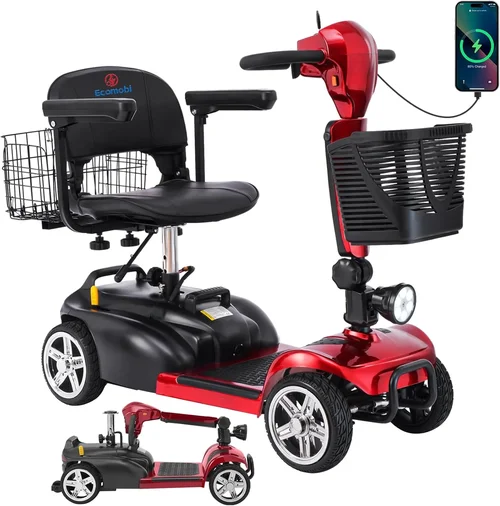
Electric scooters have evolved far beyond their early days as novelty gadgets for kids. Today, they’re serious mobility solutions—especially for adults seeking efficient, eco-friendly transportation for commuting, errands, or leisure. Among the latest innovations, 4-wheel electric scooters for adults are gaining traction as a stable, safe, and surprisingly agile alternative to traditional two-wheel models. With enhanced balance, improved weight distribution, and greater confidence for riders of all experience levels, these scooters are redefining urban mobility.
But with so many options flooding the market in 2026, choosing the right one can feel overwhelming. From budget-friendly entry-level models to high-performance premium machines, every scooter promises something different. Some prioritize speed and range, while others focus on portability, comfort, or rugged durability. That’s why this comprehensive buying guide exists—to cut through the noise and help you make an informed decision based on your real-world needs, not just flashy marketing claims.
In this guide, you’ll learn exactly what to look for when shopping for a 4-wheel electric scooter as an adult. We’ll break down the most important factors—from performance specs and build quality to warranty coverage and user reviews—so you know what matters most. You’ll also discover the different types of 4-wheel scooters available, common pitfalls to avoid, smart budgeting strategies, and expert tips to get the best deal. Whether you’re a first-time buyer or upgrading from a two-wheeler, this guide will equip you with everything you need to choose a scooter that fits your lifestyle, budget, and expectations.

What to Look for When Buying a 4-Wheel Electric Scooter
1. Budget & Price Range
Your budget is the foundation of your purchase decision—but it shouldn’t be the only factor. 4-wheel electric scooters for adults span a wide price spectrum, from under $500 to well over $3,000. Entry-level models often sacrifice performance, build quality, or features to hit a low price point, while premium scooters offer advanced engineering, longer warranties, and superior ride comfort. Before you start browsing, define your spending limit based on how frequently you’ll use the scooter and what you expect it to do. Are you using it for daily commuting, weekend joyrides, or occasional grocery trips? Your answer will help determine whether a $600 scooter suffices or if investing $1,500+ makes more sense in the long run.
Be wary of extremely cheap scooters (under $400). While tempting, they often use low-capacity batteries, weak motors, and flimsy frames that degrade quickly. Conversely, don’t assume that the most expensive model is automatically the best fit—some high-end scooters include features you may never use. A balanced approach is key: aim for the sweet spot where price aligns with reliability and functionality.
2. Performance Specifications
Performance is where many buyers get tripped up by technical jargon. Focus on three core metrics: motor power (measured in watts), top speed (mph or km/h), and range (miles per charge). For adult riders, a motor between 500W and 1,000W is ideal for city riding—enough to handle gentle hills and maintain consistent speed without draining the battery too quickly. Scooters with dual motors (one per axle) offer better traction and acceleration, especially on uneven terrain.
Top speed typically ranges from 15 mph to 25+ mph. If you’re commuting on bike lanes or quiet streets, 18–20 mph is usually sufficient and safer. Higher speeds are thrilling but require better braking systems and rider skill. Range is equally critical: look for at least 15–20 miles for daily use. Real-world range often falls 20–30% below manufacturer claims due to hills, wind, rider weight, and temperature, so always factor in a buffer.
Also consider torque—the scooter’s ability to start quickly and climb inclines. A scooter with high torque feels more responsive and less sluggish, especially when carrying groceries or riding uphill. Check if the scooter uses a hub motor (integrated into the wheel) or a belt-driven system; hub motors are quieter and require less maintenance.
3. Build Quality & Durability
A scooter is only as good as its construction. Look for a sturdy frame made from aircraft-grade aluminum or reinforced steel—materials that resist bending and corrosion. Pay attention to welds, joints, and folding mechanisms (if applicable); loose or wobbly parts indicate poor assembly. The deck should be wide and non-slip to provide secure footing, especially in wet conditions.
Suspension matters more than you might think. While 4-wheel scooters are inherently more stable than two-wheelers, good front and rear suspension absorbs bumps from potholes, curbs, and gravel, reducing fatigue and improving control. Air-filled tires offer a smoother ride than solid rubber ones but require occasional maintenance. Some premium models feature adjustable suspension for personalized comfort.
Weight capacity is another durability indicator. Most adult scooters support 220–300 lbs, but heavier riders should verify this spec carefully. Overloading a scooter strains the motor, drains the battery faster, and can lead to premature failure. Finally, check IP ratings for water and dust resistance—IPX4 or higher means it can handle light rain and splashes, which is essential for real-world use.
4. Features & Functionality
Modern 4-wheel electric scooters come packed with features that enhance safety, convenience, and usability. Start with lighting: bright LED headlights, brake lights, and side reflectors are non-negotiable for visibility, especially if you ride at dawn, dusk, or night. Some models even include turn signals—a rare but valuable addition for urban commuters.
A clear, backlit LCD display shows speed, battery level, trip distance, and mode settings. Look for intuitive controls—thumb throttles are common, but some prefer twist-grip or button-based systems. Regenerative braking, which recaptures energy during deceleration, can extend range by 5–10%. Cruise control is another handy feature for maintaining steady speed on long, flat stretches.
Connectivity is rising in popularity. Bluetooth-enabled scooters let you lock/unlock, track rides, update firmware, and monitor battery health via a smartphone app. GPS tracking adds theft protection, though it’s more common in premium models. Additional perks include USB charging ports, phone mounts, and integrated baskets or racks for carrying bags.
Don’t overlook ease of use. Can you adjust the handlebar height? Is the throttle smooth or jerky? Does it have multiple riding modes (Eco, Sport, etc.)? These small details dramatically impact daily satisfaction.
5. Brand Reputation
Not all scooter brands are created equal. Established names like Segway-Ninebot, Gotrax, Razor, and Apollo have proven track records for reliability, customer service, and innovation. They invest in R&D, rigorous testing, and global support networks. Lesser-known or generic brands may offer lower prices, but they often cut corners on components, software, or售后 support.
Research brand history: How long have they been making scooters? Do they specialize in electric mobility or are scooters just a side product? Read professional reviews and user forums to see how they handle recalls, repairs, or software updates. A reputable brand stands behind its products—even years after purchase.
Also consider regional availability. Some brands dominate in North America, others in Europe or Asia. Buying from a local distributor often means faster shipping, easier returns, and better warranty service. Avoid “no-name” brands sold exclusively through third-party marketplaces unless you’ve verified their legitimacy.
6. Warranty & Support
A strong warranty is a sign of confidence in product quality. Most reputable brands offer at least a 12-month limited warranty covering the motor, battery, and frame. Premium models may include 18–24 months or even lifetime frame warranties. Pay close attention to what’s covered: some exclude batteries (which degrade naturally) or wear items like tires and brakes.
Customer support matters just as much. Can you reach a human quickly via phone, email, or live chat? Are replacement parts readily available? Do they offer repair guides or video tutorials? A brand with poor support can turn a minor issue into a weeks-long ordeal. Check online reviews specifically mentioning post-purchase service—this reveals a lot about long-term ownership experience.
Some companies also offer extended warranty plans or membership programs that include free tune-ups, discounts on accessories, or priority shipping. These can add significant value if you plan to keep your scooter for several years.
7. Size & Portability
Even though 4-wheel scooters are generally larger and heavier than two-wheelers, portability still matters—especially if you need to carry it upstairs, store it in a car trunk, or take it on public transit. Look for foldable designs with secure locking mechanisms. The folded dimensions should fit comfortably in most sedans or SUV trunks.
Weight is a big factor. Most 4-wheel scooters weigh between 45 and 70 lbs. If you’re lifting it frequently, aim for the lighter end of that range or look for models with built-in handles or wheels for rolling when folded. Some scooters feature removable batteries, which can reduce carry weight by 10–15 lbs.
Consider your storage space at home or work. A compact footprint when folded saves room in apartments, offices, or garages. Measure your intended storage area before buying—don’t assume “foldable” means “small.”
8. User Reviews & Ratings
Never rely solely on manufacturer specs or marketing videos. Real-world user reviews reveal quirks, flaws, and hidden strengths that specs sheets miss. Platforms like Amazon, Reddit (r/ElectricScooters), YouTube, and specialized forums are goldmines of honest feedback.
Look for patterns: if multiple users complain about the same issue—like battery drain after six months or wobbly handlebars—it’s likely a design flaw, not an isolated defect. Conversely, consistent praise for comfort, reliability, or customer service is a strong endorsement. Pay attention to reviews from riders similar to you in weight, usage frequency, and terrain.
Beware of fake reviews. Authentic reviews often include photos, videos, or detailed descriptions of long-term use. Be skeptical of overly generic praise (“Best scooter ever!”) or reviews posted in clusters within a short timeframe.
Different Types of 4-Wheel Electric Scooters

Common Buying Mistakes to Avoid
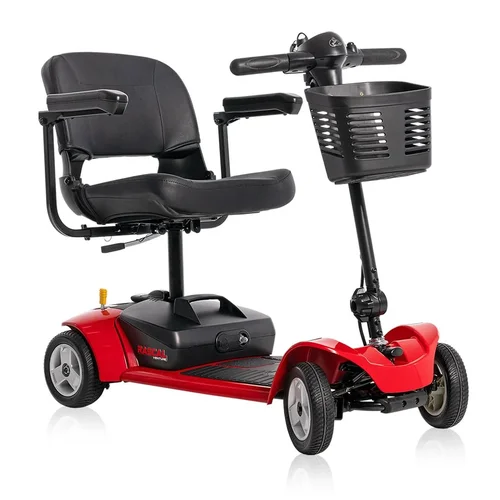
❌ Mistake: Prioritizing Speed Over Stability
Why it’s bad: High speed without corresponding stability features (like wide wheelbase, quality suspension, or responsive brakes) increases accident risk—especially for new riders. Many buyers are dazzled by “25 mph!” claims but forget that control matters more than velocity.
What to do instead: Choose a scooter with balanced performance. If you want speed, ensure it has disc brakes, good tire grip, and a low center of gravity. Test ride if possible—or watch video reviews showing real-world handling.
❌ Mistake: Ignoring Real-World Range
Why it’s bad: Manufacturers often quote range under ideal conditions (flat terrain, 150-lb rider, no wind). In reality, your commute might include hills, headwinds, or cold weather—all of which reduce range by 20–40%.
What to do instead: Always subtract 25% from advertised range to estimate real-world performance. If you need 15 miles, buy a scooter rated for at least 20 miles. Carry a portable charger for longer trips.
❌ Mistake: Overlooking Maintenance Needs
Why it’s bad: Some scooters require frequent tire checks, brake adjustments, or firmware updates. Others use proprietary parts that are hard to replace. Neglecting maintenance leads to breakdowns and safety hazards.
What to do instead: Research maintenance requirements before buying. Opt for models with standard tires, accessible service points, and clear user manuals. Join owner communities for tips and troubleshooting.
❌ Mistake: Buying Based on Looks Alone
Why it’s bad: A sleek design doesn’t guarantee reliability. Some visually appealing scooters use cheap plastics, weak motors, or outdated batteries that fail quickly.
What to do instead: Focus on specs and build quality first. Use aesthetics as a tiebreaker—not the main criterion. Read teardown reviews to see internal components.
❌ Mistake: Skipping the Test Ride
Why it’s bad: Comfort is subjective. What feels smooth to one rider may feel jarring to another. Handlebar height, deck size, and throttle sensitivity vary widely between models.
What to do instead: Visit local retailers or attend scooter demo events. If that’s not possible, watch detailed ride-along videos and check return policies. Some brands offer 14–30 day trial periods.
❌ Mistake: Forgetting About Local Laws
Why it’s bad: Electric scooter regulations vary by city, state, and country. Some areas ban 4-wheel scooters on sidewalks, limit top speed, or require helmets and registration.
What to do instead: Check your local Department of Transportation or city website for e-scooter laws. Choose a model that complies with your area’s rules—especially regarding speed governors or lighting requirements.
❌ Mistake: Assuming All 4-Wheel Scooters Are Equal
Why it’s bad: Not all 4-wheel designs offer the same benefits. Some have tiny wheels that struggle on rough pavement, while others have a narrow wheelbase that reduces stability at speed.
What to do instead: Examine wheel size (aim for 8+ inches), wheelbase width, and weight distribution. Wider, larger wheels provide better shock absorption and control.
Budget Guidelines: How Much Should You Spend?
Choosing the right price tier depends on your usage intensity, desired features, and long-term goals. Here’s a realistic breakdown for 2026:
Entry-Level ($500–$900): These scooters are ideal for occasional use—weekend rides, short errands, or light commuting. Expect modest motors (350–500W), ranges of 10–15 miles, and basic features like LED lights and simple displays. Build quality is adequate but may show wear after a year or two. Brands like Gotrax and Razor offer reliable options in this range. Best for: students, casual riders, or those testing the waters.
Mid-Range ($900–$1,600): This is the sweet spot for most adult buyers. Scooters here deliver 500–800W motors, 15–25 mile ranges, better suspension, and enhanced safety features (disc brakes, turn signals, app connectivity). They’re built to last 2–3 years with regular use. Models from Segway, Apollo, and Hiboy excel here. Best for: daily commuters, urban dwellers, and value-focused shoppers.
Premium ($1,600–$2,800): Designed for enthusiasts and serious riders, these scooters boast dual motors, 25+ mile ranges, advanced suspension, and smart features like GPS tracking and regenerative braking. Frames are reinforced, and warranties often extend to 18–24 months. Expect smoother rides, faster acceleration, and superior durability. Best for: long-distance commuters, tech lovers, and those prioritizing comfort and performance.
Luxury ($2,800+): At this tier, you’re paying for cutting-edge engineering, bespoke designs, and concierge-level support. Think carbon fiber components, customizable ride modes, integrated dashboards, and global service networks. These scooters are built for professionals, delivery services, or collectors who demand the absolute best. Best for: businesses, high-net-worth individuals, or mobility-as-a-service operators.
Expert Tips for Getting the Best Deal
- Shop during off-peak seasons: Prices drop significantly in late fall and winter (November–February) as retailers clear inventory for new models. Black Friday and Cyber Monday often feature deep discounts on last year’s top sellers.
- Compare authorized dealers: Buy directly from the brand’s website or certified retailers to ensure warranty validity. Third-party sellers on Amazon or eBay may offer lower prices but sometimes sell refurbished or gray-market units.
- Look for bundle deals: Many brands offer free accessories (helmets, locks, phone mounts) with purchase. These can save $50–$150 compared to buying separately.
- Check for trade-in programs: Some companies (like Segway) accept old scooters for credit toward a new one. Even if your current scooter is broken, it might still have resale value.
- Read the fine print on returns: Ensure the retailer offers at least a 14-day return window with free return shipping. Avoid sellers with restocking fees or short trial periods.
- Join loyalty programs: Sign up for brand newsletters to get early access to sales, exclusive coupons, and member-only perks.
- Consider refurbished models: Certified pre-owned scooters from reputable brands often come with full warranties and cost 20–30% less than new ones. They’re rigorously tested and restored to like-new condition.
- Negotiate gently: If buying in-store, politely ask if there’s any flexibility on price—especially if you’re purchasing accessories or extended warranties. Some retailers have hidden wiggle room.

Frequently Asked Questions
Q: Are 4-wheel electric scooters safer than 2-wheel models?
A: Generally, yes. The wider wheelbase and lower center of gravity provide greater stability, especially at low speeds or on uneven surfaces. They’re less prone to tipping and offer more confidence for new riders, seniors, or those with balance concerns. However, safety also depends on rider skill, terrain, and adherence to traffic rules.
Q: Can I ride a 4-wheel scooter in the rain?
A: Only if it has an IPX4 rating or higher. Light rain is usually fine, but avoid deep puddles, flooding, or heavy storms. Water can damage the motor, battery, or electronics. Always dry your scooter thoroughly after wet rides.
Q: How long does the battery last before needing replacement?
A: Most lithium-ion batteries retain 80% capacity after 500–800 charge cycles, which translates to 1.5–3 years of daily use. Proper care (avoiding full discharges, storing at 50% charge in winter) can extend lifespan. Replacement batteries cost $150–$400 depending on the model.
Q: Do I need a license or insurance to ride one?
A: In most U.S. states and EU countries, no license is required for scooters under 20 mph. However, some cities mandate helmets, lights, or registration. Insurance is rarely required but recommended for high-value models. Check local laws before riding.
Q: Can I take my scooter on a plane?
A: Most airlines prohibit lithium batteries over 100Wh in checked luggage. Many 4-wheel scooters exceed this limit. Some allow them in carry-on if under 160Wh and properly packaged—but policies vary. Always contact your airline in advance.
Q: What’s the average maintenance cost per year?
A: Budget $50–$150 annually for tires, brake pads, chain lubrication (if applicable), and occasional professional tune-ups. Premium scooters may cost more due to specialized parts.
Q: Are 4-wheel scooters good for hills?
A: It depends on the motor power and torque. Scooters with 800W+ motors and dual-wheel drive handle 10–15% grades comfortably. Check the manufacturer’s hill-climbing rating—don’t rely solely on wattage.
Q: Can I customize or upgrade my scooter?
A: Some brands support aftermarket upgrades (tires, seats, lights), while others use proprietary systems that limit modifications. Research compatibility before buying. Modifying may void your warranty.
Q: How do I secure my scooter against theft?
A: Use a high-quality U-lock or chain lock through the frame and a fixed object. GPS trackers (like Apple AirTag or dedicated scooter trackers) help recover stolen units. Park in well-lit, busy areas whenever possible.
Our Final Recommendations
Best for Budget-Conscious Buyers: Gotrax G4 4-Wheel Electric Scooter – At around $799, it offers solid 500W performance, 18-mile range, and a sturdy frame. Great for beginners and light commuters who want reliability without overspending.
Best Overall Value: Segway Ninebot MAX G30LP 4W – Priced at $1,299, this scooter delivers 750W power, 25-mile range, IPX5 water resistance, and excellent build quality. It’s the gold standard for urban commuting with minimal compromises.
Best Premium Option: Apollo Explore 4-Wheel – For $2,199, you get dual 1,000W motors, 30+ mile range, hydraulic brakes, and a premium app with ride analytics. Ideal for serious riders who demand top-tier performance.
Best for Beginners: Razor EcoSmart Metro 4W – With its low step-through design, intuitive controls, and gentle acceleration, this $649 scooter is perfect for first-timers, seniors, or casual riders prioritizing ease of use.
Best for Advanced Users: Dualtron Thunder 4-Wheel Edition – At $3,499, this beast features 5,400W total power, 60-mile range, and race-grade suspension. Built for speed demons and off-road adventurers who refuse to compromise.
Conclusion: Making the Right Choice
Choosing the best 4-wheel electric scooter for adults isn’t about finding the fastest or most expensive model—it’s about matching the scooter’s capabilities to your lifestyle, needs, and environment. Whether you’re navigating city streets, exploring park trails, or simply looking for a fun way to get around, the right scooter can transform your daily routine.
Remember to prioritize stability, real-world range, and build quality over flashy specs. Read user reviews, test ride when possible, and don’t hesitate to invest in a reputable brand with strong customer support. And always ride responsibly: wear a helmet, follow local laws, and respect pedestrians and traffic.
With the insights from this guide, you’re now equipped to make a confident, informed decision. Take your time, compare your top contenders, and choose a scooter that will serve you well for years to come. Happy riding!