
When it comes to choosing the right bike, most buyers think about speed, style, or terrain—but for riders weighing 300 pounds or more, the decision is about something far more fundamental: safety, stability, and long-term reliability. Standard bicycles are often not engineered to handle heavier loads, which can lead to premature wear, component failure, or even dangerous accidents. That’s why finding a heavy-duty bike designed with reinforced frames, high-capacity components, and thoughtful ergonomics isn’t just a preference—it’s a necessity. This guide is crafted specifically for larger riders who deserve a bike that supports their lifestyle, fitness goals, and daily mobility without compromise.
Whether you’re commuting to work, exploring local trails, or simply looking to improve your health through cycling, the right bike can make all the difference. In this comprehensive buying guide, we’ll walk you through every critical factor to consider when shopping for a bike capable of safely and comfortably supporting a 300-pound rider. From frame materials and weight capacity to tire width and suspension systems, we’ll break down what truly matters—and what’s just marketing fluff. You’ll also find expert comparisons of different bike types, real-world budget breakdowns, and actionable tips to help you avoid costly mistakes. By the end, you’ll have the knowledge and confidence to choose a bike that’s not only durable and functional but also enjoyable to ride.
The market for heavy-duty bicycles has grown significantly in recent years, driven by increasing awareness of inclusive design and the diverse needs of adult riders. Brands now offer a wider range of options than ever before, including reinforced mountain bikes, sturdy hybrids, and even electric models built for higher payloads. However, not all “heavy-duty” claims are created equal. Some bikes may look rugged but lack the structural integrity needed for consistent use under heavy loads. Others might prioritize aesthetics over functionality. Our goal is to cut through the noise and deliver honest, research-backed insights so you can invest in a bike that truly meets your needs—without overspending or settling for less.

What to Look for When Buying a Heavy-Duty Bike
1. Weight Capacity & Load Rating
The single most important specification for a 300-pound rider is the bike’s official weight capacity—also known as the maximum load rating. This number includes both the rider’s weight and any cargo (backpacks, groceries, etc.). Most standard bikes are rated for 250–275 lbs, which leaves little margin for error. Look for bikes explicitly rated for 300 lbs or more—ideally 350–400 lbs to ensure long-term durability and safety. Manufacturers like Schwinn, Mongoose, and Rad Power Bikes often publish clear load ratings, so always check the product specs before purchasing.
2. Frame Material & Construction
The frame is the backbone of any bicycle, and for heavier riders, material choice is critical. Steel frames—particularly high-tensile or chromoly steel—are ideal because they offer superior strength, shock absorption, and fatigue resistance compared to aluminum. While aluminum is lighter, it can become brittle under repeated stress from heavy loads, increasing the risk of cracks over time. Look for double- or triple-butted tubing, reinforced welds at stress points (like the bottom bracket and head tube), and oversized down tubes. Avoid cheap, thin-walled frames that may flex or fail under pressure.
3. Wheel Size & Tire Width
Larger wheels and wider tires provide better stability, traction, and load distribution—key factors for heavier riders. A 26-inch or 27.5-inch wheel with a tire width of at least 2.0 inches (preferably 2.2–2.5+ inches) is recommended. Wider tires run at lower pressures, which improves comfort on rough surfaces and reduces the risk of pinch flats. Additionally, look for tires with reinforced casings (often labeled “ puncture-resistant” or “heavy-duty”) and high TPI (threads per inch) counts for durability. Avoid narrow road tires—they’re not built for the forces exerted by a 300-pound rider.
4. Rim & Spoke Strength
Wheels must withstand significant vertical and lateral forces, especially during braking or cornering. For heavy-duty use, choose wheels with double-wall rims (not single-wall) and at least 32–36 stainless steel spokes per wheel. More spokes distribute weight more evenly and reduce the chance of spoke breakage. Look for brands like Sun Ringle or Weinmann that specialize in robust rims. Also, ensure the hubs are sealed-bearing types, which require less maintenance and handle dirt/moisture better than loose-ball bearings.
5. Suspension System (Front or Full)
While not always necessary, suspension can greatly enhance comfort—especially if you’re riding on uneven pavement, gravel, or light trails. A quality front suspension fork with at least 80–100mm of travel helps absorb shocks that would otherwise transfer directly to your joints. However, avoid cheap, low-end suspension forks labeled “comfort” or “basic”—they often bottom out under heavy loads and provide little real benefit. If opting for full suspension, ensure the rear shock is rated for your weight class. Many e-bikes now include adjustable suspension tuned for higher payloads.
6. Braking Performance
Stopping power is non-negotiable. Rim brakes (like V-brakes) may struggle with heat buildup and reduced effectiveness under heavy loads, especially on long descents. Instead, prioritize hydraulic or mechanical disc brakes—they offer consistent, powerful stopping regardless of wheel size or rider weight. Look for 160mm or larger rotors for better heat dissipation. Brands like Tektro, Shimano, and SRAM offer reliable disc brake systems suitable for heavy-duty applications. Test braking responsiveness if possible; a bike that feels “mushy” or slow to stop is a red flag.
7. Seat Post & Saddle Support
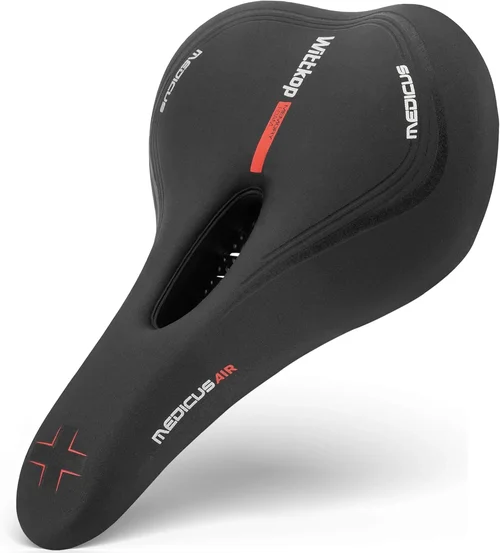
A comfortable, supportive saddle is essential for longer rides, but many stock saddles are too narrow or poorly padded for larger riders. Opt for a wide (170mm+), well-cushioned saddle with a cutout to reduce pressure on soft tissues. The seat post should be made of steel or reinforced aluminum and securely clamped with a robust quick-release or bolt mechanism. Consider upgrading to a suspension seat post (like the Selle Royal Respiro or Thudbuster) for added comfort on bumpy roads. Avoid flimsy, thin seat posts that can bend or slip under load.
8. Drivetrain & Gear Range
Heavier riders benefit from lower gears to make climbing hills easier and reduce strain on knees. Look for bikes with wide-range drivetrains—such as a 3×7, 2×9, or 1×11 setup—that include a low “granny gear” (e.g., 22T chainring paired with a 36T+ cassette). This allows you to maintain a steady cadence even on steep inclines. Avoid single-speed or fixed-gear bikes unless you live in a completely flat area. Also, ensure the chain and derailleur are rated for higher torque; some budget models use lightweight components that wear quickly under heavy use.
Different Types of Heavy-Duty Bikes

Common Buying Mistakes to Avoid
❌ Mistake: Ignoring the Weight Limit
Why it’s bad: Exceeding a bike’s rated capacity can cause catastrophic failures—like snapped frames, broken spokes, or seized bearings—leading to injury or costly repairs.
What to do instead: Always choose a bike with a weight limit at least 50–100 lbs above your current weight to account for gear and future fluctuations.
❌ Mistake: Choosing Based on Looks Alone
Why it’s bad: A sleek design doesn’t guarantee structural integrity. Many stylish bikes use lightweight materials unsuitable for heavy-duty use.
What to do instead: Prioritize function over form. Look for visible reinforcements, thick tubing, and reputable component brands.
❌ Mistake: Skimping on Tires and Wheels
Why it’s bad: Narrow or thin tires are prone to blowouts and pinch flats under heavy loads, especially on potholes or curbs.
What to do instead: Invest in wide, puncture-resistant tires (2.2”+) and double-wall rims with 36 spokes for maximum reliability.
❌ Mistake: Overlooking Brake Type
Why it’s bad: Rim brakes lose effectiveness when wet or hot, which is dangerous for heavier riders who need strong, consistent stopping power.
What to do instead: Insist on disc brakes—preferably hydraulic—for reliable performance in all conditions.
❌ Mistake: Buying Online Without Testing
Why it’s bad: Fit is crucial. A bike that feels unstable or uncomfortable in the store may be unusable for longer rides.
What to do instead: Visit a local bike shop for a test ride. If buying online, choose retailers with generous return policies (30+ days).
❌ Mistake: Neglecting Maintenance Needs
Why it’s bad: Heavy use accelerates wear on chains, brakes, and tires. Ignoring maintenance leads to premature failure.
What to do instead: Schedule regular tune-ups (every 3–6 months) and learn basic upkeep like tire pressure checks and brake adjustments.
❌ Mistake: Assuming All “E-Bikes” Are Equal
Why it’s bad: Many budget e-bikes have motors and batteries not rated for continuous high-load use, causing overheating or reduced range.
What to do instead: Choose e-bikes from brands like Rad Power Bikes or Aventon that specify high payload capacities (300+ lbs) and robust motors (750W+).
Budget Guidelines: How Much Should You Spend?
Investing in a heavy-duty bike isn’t just about comfort—it’s about safety and longevity. Here’s a realistic breakdown of what you can expect at different price points:
Entry-Level ($300–$500): At this tier, options are limited but not impossible. Look for refurbished or older-model hybrids or cruisers from trusted brands like Schwinn or Huffy. Expect basic components, minimal suspension, and weight limits around 300 lbs. These bikes work for casual, flat-terrain riding but may require frequent maintenance.
Mid-Range ($500–$900): This is the sweet spot for most 300-pound riders. You’ll find well-built hybrids, step-through utility bikes, and entry-level mountain bikes with steel frames, disc brakes, and 350–400 lb capacities. Brands like sixthreezero, Vilano, and Raleigh offer excellent value here. Many include racks, fenders, and comfortable saddles out of the box.
Premium ($900–$1,500): For serious riders or those tackling hills and trails, this range delivers superior durability and performance. Expect full-suspension mountain bikes, high-end hybrids, and electric-assist models with torque sensors, hydraulic disc brakes, and reinforced wheels. RadPower and Juiced CrossCurrent are standout e-bike options in this category.
Luxury ($1,500+): Top-tier bikes feature custom geometry, aerospace-grade materials, and advanced tech like regenerative braking or app connectivity. While overkill for casual use, these are ideal for enthusiasts, long-distance commuters, or those wanting a lifetime investment. Custom builders like Surly or Kona offer frames specifically designed for larger riders.
Expert Tips for Getting the Best Deal
- Shop during off-seasons: Late fall and winter often bring discounts as retailers clear inventory. January sales can yield 20–30% off previous-year models.
- Consider certified pre-owned: Reputable shops sell inspected, warrantied used bikes at steep discounts. Great for testing high-end models affordably.
- Check manufacturer direct: Brands like Rad Power Bikes and Aventon often offer exclusive online deals, free shipping, and extended warranties not available in stores.
- Negotiate at local shops: Many independent bike shops will price-match or throw in free tune-ups, locks, or helmets with purchase.
- Read return policies carefully: Ensure you can return or exchange within 30 days if the bike doesn’t fit or perform as expected.
- Join loyalty programs: Retailers like REI or Performance Bike offer member discounts, annual dividends, and early access to sales.
- Watch for bundle deals: Some sellers include racks, baskets, or lights—valuable add-ons that save money versus buying separately.
- Verify warranty coverage: A good warranty (2+ years on frame, 1+ on components) protects your investment. Avoid brands with vague or limited coverage.

Frequently Asked Questions
Q: Can I modify a regular bike to support 300 lbs?
A: While you can upgrade certain components (like wheels or tires), the frame itself is the limiting factor. Modifying a standard frame isn’t safe or practical—it’s better to start with a bike designed for your weight from the ground up.
Q: Are fat-tire bikes better for heavy riders?
A: Fat tires (3.0”+) offer excellent stability and cushioning, making them ideal for sand, snow, or rough terrain. However, they’re heavier and slower on pavement. For city riding, a 2.2”–2.5” tire on a reinforced hybrid is often a better balance.
Q: Do I need an e-bike if I weigh 300 lbs?
A: Not necessarily—but an e-bike can make cycling more accessible, especially if you have joint pain, live in hilly areas, or want to commute longer distances without exhaustion. The motor assist reduces strain and builds confidence.
Q: How often should I maintain my heavy-duty bike?
A: Inspect tires, brakes, and chain weekly. Get a professional tune-up every 3–6 months, or after 500–800 miles of riding. Heavy use wears components faster, so don’t skip routine care.
Q: What’s the difference between chromoly and high-tensile steel?
A: Chromoly (chromium-molybdenum) steel is lighter, stronger, and more fatigue-resistant than high-tensile steel. It’s preferred for performance-oriented heavy-duty bikes, while high-tensile is common in budget models.
Q: Can I carry cargo on a heavy-duty bike?
A: Yes—many heavy-duty bikes include rear racks or front baskets rated for 25–50 lbs. Just ensure the total load (rider + cargo) stays within the bike’s maximum capacity.
Q: Are there bikes specifically designed for plus-size riders?
A: Absolutely. Brands like Big Cat Bikes, Xtracycle, and Yuba focus on inclusive design with extended top tubes, wider saddles, and step-through frames for easier mounting.
Q: Will a heavy-duty bike be harder to pedal?
A: Not if it has proper gearing. A wide-range drivetrain with low gears makes pedaling manageable, even on hills. E-bikes eliminate this concern entirely with motor assist.
Q: How do I know if a bike fits me?
A: Stand over the top tube—there should be 1–2 inches of clearance. When seated, your feet should touch the ground flat, and your arms should rest comfortably on the handlebars without straining.
Q: Is it worth spending extra for a steel frame?
A: For 300+ lb riders, yes. Steel’s durability, vibration damping, and repairability far outweigh the slight weight penalty compared to aluminum.
Our Final Recommendations
Best for Budget-Conscious Buyers: Schwinn Discover Hybrid Bike – With a 350-lb capacity, steel frame, and front suspension, this $450 hybrid offers exceptional value for casual riders. Includes rear rack and fenders.
Best Overall Value: sixthreezero EVRYjourney Step-Through Cruiser – Rated for 300+ lbs, this stylish cruiser features a wide saddle, 7-speed drivetrain, and puncture-resistant tires. Priced around $600, it’s perfect for leisurely rides.
Best Premium Option: Rad Power Bikes RadRover 6 Plus – This electric fat-tire bike supports up to 275 lbs (rider) + 30 lbs (cargo), but its robust build and 750W motor make it ideal for heavy riders seeking assistance. Priced at $1,799.
Best for Beginners: Vilano Duro 2.0 Mountain Bike – A versatile, full-suspension MTB with a 350-lb limit, disc brakes, and Shimano components. Great for light trails and paved paths ($650).
Best for Advanced Users: Surly Long Haul Trucker – A custom-built touring bike with a 400+ lb capacity, chromoly frame, and endless mounting points for gear. Ideal for long-distance or loaded cycling ($1,800+).
Conclusion: Making the Right Choice
Choosing the right bike when you weigh 300 pounds or more isn’t just about finding something that “holds you”—it’s about investing in a safe, reliable, and enjoyable mode of transportation that supports your health and independence. Throughout this guide, we’ve emphasized the importance of weight capacity, frame strength, component quality, and proper fit. These aren’t optional upgrades; they’re foundational requirements for a positive cycling experience.
Remember, the cheapest bike isn’t always the best deal—especially if it fails prematurely or causes discomfort. Prioritize durability, comfort, and safety, and don’t hesitate to spend a little more for peace of mind. Test ride whenever possible, read real user reviews, and consult with knowledgeable staff at local bike shops. Your body—and your wallet—will thank you in the long run.
Ultimately, the best bike is the one you’ll actually ride. Whether it’s a rugged mountain bike, a smooth electric cruiser, or a versatile hybrid, choose something that fits your lifestyle, terrain, and goals. With the right information and a thoughtful approach, you can find a heavy-duty bike that not only meets your needs today but serves you reliably for years to come. So gear up, get out there, and enjoy the freedom that comes with every pedal stroke.