
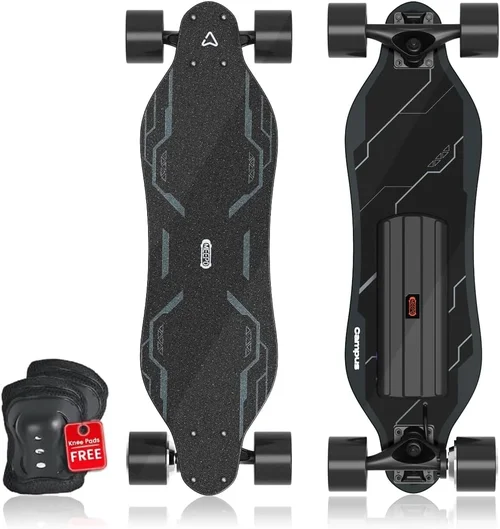
Electric skateboarding has evolved from a niche hobby into a mainstream mode of personal transportation—and mini electric skateboards are leading the charge. Compact, nimble, and surprisingly powerful, these pint-sized powerhouses are perfect for urban commuters, college students, and tech-savvy thrill-seekers alike. Whether you’re weaving through city traffic, cruising campus pathways, or just exploring your neighborhood with a smile, a mini electric skateboard offers an eco-friendly, fun, and efficient way to get around.
But with so many models flooding the market in 2026—from budget-friendly newcomers to high-performance engineering marvels—choosing the right one can feel overwhelming. That’s exactly why this guide exists. We’ve tested, compared, and analyzed dozens of mini electric skateboards to bring you a comprehensive, expert-level buying guide that cuts through the marketing hype and delivers real, actionable insights. You’ll learn what truly matters when making your purchase, how to avoid common pitfalls, and which boards deliver the best value for your needs and budget.
The mini electric skateboard market has matured significantly over the past few years. What once was dominated by bulky, unreliable prototypes is now a competitive landscape filled with refined designs, advanced battery tech, smart connectivity, and safety features once reserved for full-sized boards. Brands like Gotrax, Meepo, Backfire, WowGo, and Ownboard have pushed innovation forward, offering everything from beginner-friendly entry-level models to high-speed, long-range machines capable of handling hills and rough terrain. This guide will help you navigate that evolution and find the perfect board for your lifestyle.

What to Look for When Buying a Mini Electric Skateboard
1. Budget & Price Range
Your budget is the foundation of your buying decision—but it shouldn’t be the only factor. Mini electric skateboards range from under $200 to over $800, and while it’s tempting to go for the cheapest option, skimping too much can lead to disappointment in performance, durability, or safety. A good rule of thumb: if you’re serious about regular use, invest at least $300–$400. This range typically gets you reliable motors, decent batteries, and better build quality.
That said, don’t assume higher price always means better value. Some premium boards charge a lot for branding or minor upgrades that don’t significantly improve the ride. Focus on what you’ll actually use—commuting, tricks, speed, portability—and align your budget accordingly. For students or casual riders, a $250–$350 board may be perfect. For daily commuters or enthusiasts, $500+ models often justify the cost with superior range, speed, and reliability.
2. Performance Specifications
Performance isn’t just about top speed—it’s a combination of motor power, battery capacity, range, and torque. Most mini electric skateboards feature hub motors (integrated into the wheels) or belt-driven motors (external, connected via belts). Hub motors are quieter, require less maintenance, and offer a smoother ride, while belt-driven systems typically deliver more torque and hill-climbing ability.
Look for motor power ratings between 250W and 1000W. A 500W dual-motor setup, for example, can easily handle 15–20% inclines and reach speeds of 20–25 mph. Battery capacity is measured in watt-hours (Wh)—higher Wh means longer range. A 200–300Wh battery usually provides 10–15 miles per charge, which is sufficient for most urban commutes. Always check real-world range tests, as manufacturers often overstate numbers under ideal conditions.
Acceleration and braking responsiveness are equally important. A board that lags when you press the throttle or takes too long to stop can be dangerous in traffic. Test ride if possible, or look for reviews that mention throttle control and brake smoothness.
3. Build Quality & Durability
A mini electric skateboard might be small, but it needs to withstand daily wear and tear. The deck material is critical—most use 7-ply maple or bamboo composites. Maple is stiff and durable, ideal for speed and stability; bamboo adds flexibility and shock absorption, making rides more comfortable on rough pavement. Avoid cheap plastic or single-layer decks—they crack easily.
Trucks (the metal T-shaped parts connecting wheels to the deck) should be made of forged or cast aluminum. Cheap steel trucks can bend or rust. Wheels matter too: 80–90mm polyurethane wheels offer a good balance of grip, speed, and comfort. Larger wheels (90mm+) handle cracks and pebbles better but may reduce acceleration.
Water resistance is another durability factor. Look for IP54 or IP65 ratings—these mean the board can handle light rain and splashes. Never submerge your board, but a little weather shouldn’t ruin your ride. Also check the quality of the enclosure protecting the battery and electronics. A sealed, reinforced compartment is a sign of thoughtful design.
4. Features & Functionality
Modern mini electric skateboards come packed with features that enhance safety, convenience, and fun. Regenerative braking, for instance, recovers energy when you slow down, slightly extending your range. LED headlights and taillights improve visibility at night—essential if you ride after dark. Some boards even include turn signals or brake lights that activate automatically.
Smart connectivity via Bluetooth is increasingly common. Companion apps let you customize speed modes, monitor battery life, track ride stats, and even lock your board remotely. While not essential, these features add value and personalization. Cruise control is another useful function—it maintains a steady speed without holding the throttle, reducing hand fatigue on long rides.
Don’t overlook the remote. Most boards use a handheld wireless remote with a trigger or thumbwheel for throttle and brake. A well-designed remote should feel ergonomic, have responsive controls, and include a clear display showing speed and battery. Avoid remotes with flimsy buttons or poor range (less than 30 feet).
5. Brand Reputation
Not all brands are created equal. Established names like Gotrax, Meepo, and Backfire have built reputations through consistent quality, customer support, and innovation. They often invest more in R&D, use higher-grade components, and offer better warranties. Newer or lesser-known brands might offer tempting prices, but they may cut corners on safety or reliability.
Research brand history: How long have they been in business? Do they have a track record of honoring warranties? Are their products certified by safety organizations like UL or CE? User forums, Reddit communities, and YouTube reviews are great resources for real-world feedback. A brand that actively engages with customers and updates firmware regularly shows commitment beyond just selling products.
Also consider regional availability. Some brands ship globally with strong support, while others are limited to certain countries. If you’re outside the U.S., check shipping costs, import taxes, and local service options before buying.
6. Warranty & Support
A solid warranty is a strong indicator of a manufacturer’s confidence in their product. Most reputable brands offer at least a 6-month to 1-year warranty covering defects in materials and workmanship. Some premium models come with 18-month or even 2-year coverage. Read the fine print: Does it cover the battery? What about water damage or user error?
Customer support matters just as much. Can you reach someone quickly via email, chat, or phone? Are replacement parts (like wheels, remotes, or chargers) readily available? A brand with a responsive support team and a clear return policy saves you headaches if something goes wrong. Avoid companies with no contact info or slow response times.
Extended warranties or protection plans are worth considering if you plan to use your board heavily. They can cover accidental damage, which standard warranties usually exclude. Just weigh the cost against the likelihood of needing repairs.
7. Size & Portability
One of the biggest advantages of mini electric skateboards is their compactness. Most measure between 28 and 32 inches in length and weigh 12–18 pounds—light enough to carry on public transit or stash under a desk. But “mini” doesn’t mean one-size-fits-all. Consider your storage space, commute method, and physical comfort.
If you’ll be carrying it frequently, look for integrated handles or lightweight designs under 15 lbs. Foldable or collapsible models exist but are rare in the mini category—most prioritize rigidity over foldability. Wheelbase (distance between trucks) affects stability: shorter wheelbases (under 18 inches) are more maneuverable but less stable at high speeds.
Also think about where you’ll ride. A shorter board excels in tight urban environments with frequent turns, while a slightly longer deck offers better balance for beginners or higher speeds. Test different sizes if possible—your feet should fit comfortably with room to shift weight.
8. User Reviews & Ratings
Never buy a mini electric skateboard based solely on specs or ads. Real user reviews reveal quirks, failures, and strengths that specs sheets miss. Look for detailed reviews on Amazon, Best Buy, or specialty forums like Reddit’s r/ElectricSkateboarding. Pay attention to patterns: if multiple users report the same issue (e.g., battery draining fast, remote disconnecting), it’s likely a real problem.
Video reviews are especially valuable—they show the board in action, including acceleration, braking, and handling on different surfaces. Check the date of reviews too; older feedback may not reflect current models, which often receive updates. Be wary of overly positive reviews with no criticism—they may be fake or incentivized.
Ratings alone can be misleading. A 4.8-star average sounds great, but read the 1- and 2-star reviews to understand common complaints. Sometimes a board scores high overall but has deal-breaking flaws for specific users (e.g., too heavy for teens, poor hill performance).
Different Types of Mini Electric Skateboards

Common Buying Mistakes to Avoid
❌ Mistake: Prioritizing Price Over Safety
Why it’s bad: Cheap boards often use low-quality batteries, weak enclosures, or untested electronics that can overheat or fail. Lithium-ion batteries, in particular, pose fire risks if poorly manufactured. A $150 board might save money upfront but could cost more in repairs or accidents.
What to do instead: Invest in a board with UL-certified batteries and reputable components. Look for safety certifications and avoid no-name brands with no track record. Your safety is worth the extra $100–$200.
❌ Mistake: Ignoring Real-World Range Claims
Why it’s bad: Manufacturers often quote range based on ideal conditions: flat ground, light rider, no wind. In reality, hills, wind resistance, and heavier weight reduce range significantly. A board advertised for 15 miles might only deliver 8–10 in daily use.
What to do instead: Divide the claimed range by 1.5 to estimate real-world performance. Read independent reviews that test range under varied conditions. If your commute is 6 miles round-trip, choose a board rated for at least 12 miles.
❌ Mistake: Overlooking Weight and Portability
Why it’s bad: A heavy board becomes a burden when you need to carry it upstairs, onto a bus, or through a store. Many buyers focus on speed and forget that they’ll have to lift it daily.
What to do instead: Check the weight before buying. Aim for under 16 lbs if you’ll carry it often. Look for ergonomic designs with handles or balanced weight distribution. Test lifting it in the store if possible.
❌ Mistake: Skipping the Test Ride
Why it’s bad: Every board feels different. A stiff deck, aggressive throttle, or weak brakes can ruin the experience—even if specs look great. You might end up with a board that’s uncomfortable or hard to control.
What to do instead: Visit a local retailer or attend an electric skateboard demo event. If that’s not possible, buy from a seller with a generous return policy (30 days or more). Ride it in a safe, open area first to assess comfort and control.
❌ Mistake: Neglecting Maintenance Needs
Why it’s bad: Electric skateboards require occasional upkeep: cleaning wheels, checking bolts, updating firmware. Ignoring maintenance leads to reduced performance, shorter battery life, and potential failures.
What to do instead: Learn basic maintenance before buying. Choose a brand with accessible parts and clear guides. Set reminders to inspect your board monthly—tighten trucks, clean debris, and check tire wear.
❌ Mistake: Buying Based on Looks Alone
Why it’s bad: Flashy graphics, RGB lights, or celebrity endorsements don’t guarantee quality. Some boards prioritize aesthetics over engineering, resulting in poor ride dynamics or fragile builds.
What to do instead: Focus on functionality first. A plain-looking board with solid specs and good reviews will outperform a stylish one with weak motors or bad brakes. Use design as a tiebreaker, not a primary factor.
❌ Mistake: Assuming All “Mini” Boards Are Equal
Why it’s bad: “Mini” is a marketing term, not a standard. Some mini boards are truly compact and lightweight, while others are just shorter versions of full-sized models—still heavy and hard to carry.
What to do instead: Compare dimensions, weight, and wheelbase across models. Read detailed descriptions and user feedback about portability. Don’t assume small length means easy to carry.
Budget Guidelines: How Much Should You Spend?
Entry-Level ($150–$300): This tier is ideal for casual riders, teens, or first-time buyers. Expect single hub motors (250–500W), basic remotes, and limited range (6–10 miles). Build quality may be adequate but not exceptional—look for reinforced decks and decent wheels. Brands like Gotrax and Swagtron offer reliable options here. Great for learning, short commutes, or weekend fun.
Mid-Range ($300–$500): The sweet spot for most buyers. These boards balance performance, durability, and price. Dual motors, better batteries (200–300Wh), and improved remotes are common. Range typically hits 10–15 miles, with speeds of 18–22 mph. You’ll find stronger decks, water resistance, and sometimes app connectivity. Models from Meepo, WowGo, and Backfire shine in this range.
Premium ($500–$700): For enthusiasts and daily commuters who demand more. Expect high-torque motors, extended range (15–20+ miles), and advanced features like regenerative braking, LED lighting, and smartphone apps. Build quality is top-tier, with aerospace-grade aluminum trucks and premium bamboo-maple decks. These boards handle hills, rough pavement, and longer rides with ease.
Luxury ($700+): Top-tier engineering for professionals and serious riders. All-terrain capabilities, pneumatic tires, customizable settings, and cutting-edge safety systems define this tier. Some include GPS tracking, anti-theft alarms, or modular designs. While overkill for casual use, they’re worth it if you ride daily in challenging conditions or value innovation.
Expert Tips for Getting the Best Deal
- Shop During Sales Seasons: Black Friday, Cyber Monday, and back-to-school periods (July–September) offer the biggest discounts. Many brands run promotions with 15–30% off or free accessories. Sign up for newsletters to get early access.
- Buy Direct from Manufacturers: Brands like Meepo and Backfire often sell directly through their websites at lower prices than third-party retailers. You also get full warranty coverage and faster support.
- Check Refurbished or Open-Box Options: Certified refurbished boards from reputable sellers come with warranties and can save you 20–40%. They’re thoroughly tested and often indistinguishable from new.
- Compare Return Policies: A 30-day return window gives you time to test the board risk-free. Avoid sellers with restocking fees or short return periods.
- Look for Bundle Deals: Some packages include helmets, chargers, or carrying bags at a discount. These add value and save you from buying extras separately.
- Read the Fine Print on Warranties: Ensure the warranty covers the battery and motor—not just the deck. Some exclude “wear and tear,” which can be vague.
- Join Online Communities: Forums and Facebook groups often share exclusive discount codes or flash sales. Members also trade tips on where to buy and what to avoid.
- Consider Local Pickup: If available, picking up in-store saves shipping costs and lets you inspect the board before taking it home.

Frequently Asked Questions
Q: Are mini electric skateboards safe for beginners?
A: Yes, but with caveats. Many mini boards have lower top speeds and softer acceleration, making them easier to learn on. However, always wear a helmet, knee pads, and wrist guards. Start in a safe, open area and practice balancing and braking before hitting busy streets. Choose a board with beginner mode or adjustable speed settings.
Q: How long do mini electric skateboard batteries last?
A: Most lithium-ion batteries last 300–500 charge cycles before capacity drops to 80%. With regular use, that’s about 1–2 years. Proper care—avoiding full discharges, storing at 50% charge, and not exposing to extreme temperatures—can extend lifespan.
Q: Can I ride a mini electric skateboard in the rain?
A: Only if it has an IP54 or higher rating. Light rain is usually fine, but avoid puddles, heavy downpours, or wet grass. Water can damage electronics and reduce traction. Dry the board thoroughly after wet rides.
Q: How fast do mini electric skateboards go?
A: Speeds range from 12 mph (budget models) to over 25 mph (performance boards). Most mid-range models hit 18–22 mph, which is fast enough for commuting but manageable for most riders.
Q: Do I need a license or insurance to ride one?
A: Laws vary by location. In many U.S. cities, electric skateboards are treated like bicycles—no license required, but helmets may be mandatory. Check local regulations. Insurance is rarely required but consider personal liability coverage if riding in public.
Q: Can I take my mini electric skateboard on a plane?
A: Generally no. Most airlines prohibit lithium batteries over 100Wh in checked or carry-on luggage. Many mini boards exceed this limit. Check with your airline before traveling.
Q: How do I maintain my mini electric skateboard?
A: Clean wheels and deck regularly, tighten bolts monthly, update firmware when available, and store in a dry, temperate place. Avoid overcharging—unplug once fully charged. Replace worn wheels or damaged parts promptly.
Q: What’s the difference between hub and belt motors?
A: Hub motors are inside the wheels—quieter, maintenance-free, but less torque. Belt motors use external belts—louder, need occasional adjustment, but offer more power and hill-climbing ability. Choose based on your terrain and preference.
Q: Can adults ride mini electric skateboards?
A: Absolutely. Most mini boards support riders up to 220–275 lbs. Adults often prefer them for their agility and ease of carrying. Just ensure the board’s weight limit and deck size suit your body.
Q: How far can I really go on a single charge?
A: Real-world range is typically 60–70% of advertised claims. A 15-mile rated board may give you 9–11 miles, depending on weight, terrain, and riding style. Always plan for less than the maximum.
Our Final Recommendations
Best for Budget-Conscious Buyers: Gotrax Elite Mini – At around $280, it offers solid build quality, 12-mile range, and reliable performance. Perfect for students and casual riders who want value without sacrificing safety.
Best Overall Value: Meepo V3 Mini – Priced at $450, it delivers dual 540W motors, 18-mile range, and excellent hill-climbing ability. The app connectivity and regenerative braking make it a standout in its class.
Best Premium Option: Backfire G3 Mini Pro – For $650, you get a high-performance machine with 22 mph top speed, 20-mile range, and all-terrain readiness. Ideal for serious commuters and tech enthusiasts.
Best for Beginners: WowGo Mini 2 – With a gentle learning curve, adjustable speed modes, and a comfortable flex deck, it’s the safest choice for new riders. Priced at $350, it’s affordable and forgiving.
Best for Advanced Users: Ownboard Bamboo Mini AT – This $720 beast features pneumatic tires, dual 1200W motors, and off-road capability. Built for riders who demand power, range, and versatility.
Conclusion: Making the Right Choice
Choosing the best mini electric skateboard in 2026 isn’t about finding the flashiest model or the cheapest deal—it’s about matching the right board to your lifestyle, needs, and budget. Whether you’re commuting to work, exploring your city, or just having fun, the right board will feel like an extension of yourself: responsive, reliable, and joyful to ride.
We’ve covered everything from performance specs and build quality to safety tips and expert recommendations. Now it’s your turn to prioritize what matters most. Are you after speed, range, portability, or affordability? Do you ride daily or just on weekends? Answering these questions will guide you to the perfect match.
Remember, a great mini electric skateboard is an investment in freedom, convenience, and excitement. Take your time, do your research, and don’t hesitate to ask questions. And once you find your board, ride smart, stay safe, and enjoy every mile. The future of personal transport is here—and it fits in your backpack.