
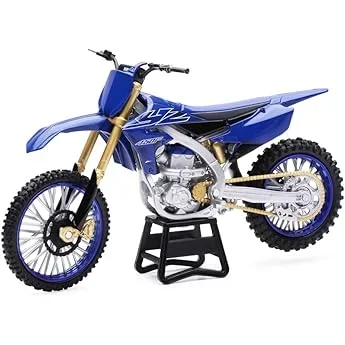
Buying a dirt bike is more than just picking the coolest-looking machine on the lot—it’s about finding a reliable, safe, and performance-driven partner for your off-road adventures. Whether you’re a weekend warrior hitting local trails, a parent shopping for your child’s first ride, or an experienced rider upgrading to a competition-ready beast, the decision carries real weight. With dozens of brands, engine types, frame designs, and price points flooding the market in 2026, it’s easy to feel overwhelmed. That’s exactly why this comprehensive buying guide exists: to cut through the noise, clarify your options, and help you make a confident, informed choice.
In this guide, you’ll learn everything you need to know before handing over your hard-earned cash. We’ll break down the most critical factors—from budget and engine size to build quality and brand reputation—so you can match your needs with the right machine. You’ll discover the key differences between trail bikes, motocross racers, enduro models, and youth bikes, and understand which type suits your riding style, terrain, and skill level. Plus, we’ll expose common pitfalls that trip up even seasoned buyers, share expert tips for scoring the best deals, and answer the questions we hear most often from riders just like you. By the end, you won’t just know what to buy—you’ll know why it’s the right choice for you.
The dirt bike market in 2026 is more dynamic than ever. Electric models are gaining serious traction, traditional four-strokes continue to dominate racing circuits, and two-strokes are experiencing a renaissance among purists and trail enthusiasts alike. Brands like Honda, Yamaha, Kawasaki, KTM, Husqvarna, and Beta are pushing innovation with lighter frames, smarter suspension systems, and improved fuel efficiency. Meanwhile, budget-friendly options from companies like SSR, Pitster Pro, and Apollo are making the sport more accessible than ever. But with so much variety comes complexity. This guide will help you navigate that landscape with clarity and confidence.

What to Look for When Buying Dirt Bikes
1. Budget & Price Range
Your budget is the foundation of your entire purchasing decision. Dirt bikes range from under $1,000 for basic youth models to over $15,000 for top-tier competition machines. Setting a realistic budget upfront prevents overspending and narrows your focus to bikes that actually fit your financial plan. But remember: the cheapest option isn’t always the best value. A $2,500 bike with poor reliability could cost you more in repairs and downtime than a $4,000 model built to last.
When setting your budget, factor in not just the purchase price but also ongoing costs like maintenance, gear (helmet, boots, gloves), fuel or charging, insurance, and potential upgrades. Many new riders forget these expenses and end up underprepared. For example, a $3,000 bike might seem affordable, but adding $800 for safety gear and $200 annually for oil changes, air filters, and chain maintenance quickly increases the total cost of ownership. Aim to allocate at least 20–30% of your total budget to accessories and upkeep.
2. Performance Specifications
Performance specs tell you how a bike will behave on the trail or track. The most important metrics include engine displacement (measured in cc), power output (horsepower and torque), suspension travel, wheelbase, and weight. For beginners, a 125cc four-stroke engine offers manageable power and smooth delivery. Intermediate riders might prefer a 250cc model for better acceleration and hill-climbing ability, while advanced riders often opt for 450cc machines capable of handling high-speed motocross or technical enduro terrain.
Don’t overlook suspension specs. Longer travel (typically 10–12 inches for front and rear) means better absorption of jumps and rough terrain. Stiffer springs and adjustable compression/rebound damping allow experienced riders to fine-tune handling, but can overwhelm novices. Weight also plays a huge role—lighter bikes (under 220 lbs) are easier to maneuver and recover if you fall, while heavier models offer stability at speed but demand more physical effort.
3. Build Quality & Durability
A dirt bike takes a beating. Rocks, roots, mud, jumps, and crashes are all part of the game—so your machine needs to be built tough. Look for high-quality materials like chromoly steel or aluminum frames, sealed cartridge forks, and reinforced swingarms. Check welds for consistency and finish; sloppy craftsmanship often signals corner-cutting. Components like footpegs, handlebars, and skid plates should feel solid, not flimsy.
Brand reputation plays a big role here. Japanese manufacturers like Honda and Yamaha are renowned for bulletproof reliability, while European brands like KTM and Husqvarna prioritize cutting-edge engineering—sometimes at the expense of long-term durability if not properly maintained. Read owner forums and watch long-term review videos to see how bikes hold up after 50+ hours of riding. A bike that looks great in a showroom might reveal weaknesses once it’s put to real-world use.
4. Features & Functionality
Modern dirt bikes come packed with features that enhance safety, comfort, and performance. Electric starters eliminate the hassle of kick-starting, especially useful in cold weather or after a crash. LED lighting improves visibility on night rides, while digital dashboards provide real-time data like RPM, speed, and gear position. Some high-end models even include traction control, launch control, and ride modes—though these are typically reserved for elite racers.
Consider practical features too: tool-less air filter access makes maintenance easier, while wide-ratio gearboxes help with both crawling over rocks and cruising on fire roads. If you plan to ride in varied conditions, look for bikes with adjustable suspension and multiple power delivery settings. For youth riders, features like speed limiters and lower seat heights are essential for safety and confidence.
5. Brand Reputation
Not all brands are created equal. Established names like Honda, Yamaha, Kawasaki, Suzuki, KTM, and Husqvarna have decades of engineering experience, global dealer networks, and strong after-sales support. They consistently produce bikes that balance performance, reliability, and resale value. In contrast, lesser-known or budget brands may offer attractive prices but often lack consistent quality control, spare parts availability, or customer service.
That said, some newer brands—especially in the electric segment like Zero Motorcycles and Cake—are disrupting the market with innovative technology and eco-friendly designs. Just be cautious: a flashy spec sheet doesn’t guarantee real-world performance. Research owner reviews, check warranty terms, and verify local service availability before committing. A brand with a strong reputation isn’t just about prestige—it’s about peace of mind.
6. Warranty & Support
A solid warranty protects your investment and reflects the manufacturer’s confidence in their product. Most reputable brands offer 6–12 months of full coverage, with some extending to 24 months on select models. Pay attention to what’s covered: engine, transmission, frame, and electrical components should all be included. Avoid brands with “limited” warranties that exclude critical parts or require unrealistic maintenance schedules.
Customer support matters just as much. Can you easily find replacement parts? Is there a local dealer or certified mechanic nearby? Do they respond promptly to inquiries? Brands like Honda and Yamaha have extensive dealer networks across the U.S., making service and parts access straightforward. Smaller or imported brands may leave you waiting weeks for a simple gasket. Always check warranty terms and support infrastructure before buying—especially if you’re purchasing online.
7. Size & Fit
A bike that doesn’t fit properly is uncomfortable, unsafe, and hard to control. Seat height, handlebar position, and overall ergonomics must match your body size and riding style. Taller riders (6’0″ and above) typically need bikes with higher seat heights (37″+), while shorter riders (under 5’6″) should look for models under 35″. Many manufacturers offer “low seat” versions or suspension preload adjustments to fine-tune fit.
For kids, size is even more critical. A bike that’s too big can be dangerous—imagine a 10-year-old struggling to touch the ground or reach the controls. Youth-specific models from brands like Honda (CRF110F), Yamaha (TT-R125), and Kawasaki (KX65) are designed with smaller frames, lower centers of gravity, and reduced power output. Always test-fit before buying: stand over the bike, sit on it, and simulate clutch and brake operation. Comfort today prevents frustration tomorrow.
8. User Reviews & Ratings
Nothing beats real-world feedback. While manufacturer specs and dealer demos give you a snapshot, user reviews reveal long-term reliability, common issues, and hidden strengths. Platforms like RevZilla, Cycle World forums, Reddit’s r/dirtbikes, and YouTube review channels are goldmines of honest insights. Look for patterns: if multiple owners report the same problem—like premature clutch wear or weak headlights—it’s likely a design flaw, not an isolated incident.
Pay special attention to reviews from riders with similar experience levels and riding styles as you. A pro racer’s glowing review of a 450cc motocross bike means little if you’re a beginner planning to ride forest trails. Also, check how brands respond to complaints—do they offer solutions, or ignore customers? A responsive company builds trust and shows they stand behind their products.
Different Types of Dirt Bikes

Common Buying Mistakes to Avoid
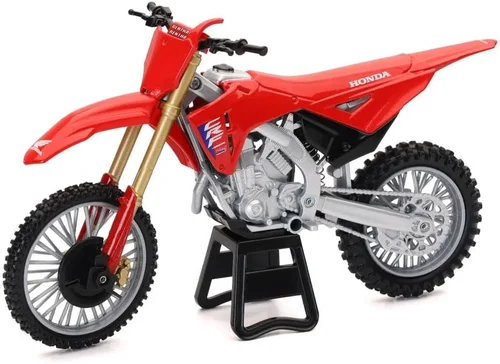
❌ Mistake: Buying Based Solely on Price
Why it’s bad: Choosing the cheapest bike available often leads to disappointment. Low-cost models may use inferior components, lack proper suspension, or have engines that overheat under load. You’ll spend more on repairs and replacements than if you’d invested in a mid-range bike from the start.
What to do instead: Focus on value, not just price. Compare features, build quality, and long-term costs across models in your budget range. Sometimes spending $500 more upfront saves you $1,000 in the long run.
❌ Mistake: Ignoring Fit and Ergonomics
Why it’s bad: A bike that’s too tall, too heavy, or poorly proportioned is hard to control and increases crash risk. Riders often underestimate how much seat height and weight affect confidence, especially for beginners or younger riders.
What to do instead: Always test ride or at least sit on the bike before buying. Ensure your feet can flat-foot the ground when seated, and that you can comfortably reach all controls without stretching.
❌ Mistake: Overestimating Skill Level
Why it’s bad: Buying a 450cc motocross bike as a first-time rider is a recipe for injury and frustration. High-power bikes demand advanced throttle control, balance, and body positioning—skills that take time to develop.
What to do instead: Start with a smaller, less powerful bike (125cc–230cc) to build fundamentals. Upgrade once you’ve mastered basics like shifting, braking, and cornering.
❌ Mistake: Skipping Pre-Purchase Inspection
Why it’s bad: Used bikes can hide serious issues like worn rings, damaged frames, or seized suspensions. Without a thorough inspection, you might inherit someone else’s problems.
What to do instead: Hire a certified mechanic to inspect any used bike. Check compression, leak-down, frame alignment, and suspension function. If buying new, still inspect for shipping damage or assembly errors.
❌ Mistake: Forgetting About Maintenance Needs
Why it’s bad: Dirt bikes require regular upkeep—air filters every few rides, oil changes every 10–15 hours, chain adjustments weekly. Neglecting maintenance leads to poor performance and premature failure.
What to do instead: Choose a bike with accessible maintenance points and clear service intervals. Factor maintenance time and cost into your decision. Some brands make it easier than others.
❌ Mistake: Overlooking Local Riding Conditions
Why it’s bad: A motocross bike excels on tracks but struggles on tight, rocky trails. Conversely, a heavy enduro bike is overkill for smooth fire roads. Mismatched bikes lead to frustration and underutilization.
What to do instead: Match your bike to your most common terrain. Trail riders should prioritize comfort and low-end torque; racers need lightweight and high RPM power.
❌ Mistake: Not Researching Dealer Support
Why it’s bad: Even the best bike needs occasional service. If your nearest dealer is 200 miles away, simple repairs become major hassles.
What to do instead: Verify dealer locations, parts availability, and service reputation before buying. Online-only sellers may offer lower prices but lack local support.
Budget Guidelines: How Much Should You Spend?
Entry-Level ($1,000 – $3,500): This range covers youth bikes and basic trail models ideal for beginners or casual riders. Expect simple four-stroke engines (70cc–150cc), basic suspension, and minimal features. Brands like Honda CRF110F, Yamaha TT-R125, and Kawasaki KLX140 offer excellent reliability and ease of use. Perfect for kids learning to ride or adults exploring off-road for the first time.
Mid-Range ($3,500 – $7,000): The sweet spot for most recreational riders. These bikes (230cc–250cc) balance power, comfort, and durability. Models like the Honda CRF250F, Yamaha WR250F, and KTM 250 XC-F include electric starters, better suspension, and improved ergonomics. Great for weekend trail riding, light enduro, and family adventures.
Premium ($7,000 – $12,000): Designed for serious enthusiasts and competitive riders. Expect high-performance engines (350cc–450cc), race-tuned suspension, lightweight frames, and advanced features like traction control. Honda CRF450R, Yamaha YZ450F, and KTM 450 SX-F dominate this tier. Ideal for motocross, hare scrambles, and technical enduro.
Luxury ($12,000+): Top-tier machines built for professionals and elite amateurs. These include factory-level motocross bikes, limited-edition enduro models, and high-end electric bikes like the Zero FXE or Cake Kalk OR. Features may include carbon fiber components, data logging, and custom tuning options. Only recommended for experienced riders with specific performance goals.
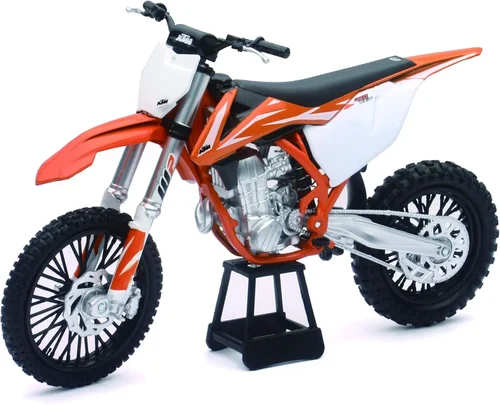
Expert Tips for Getting the Best Deal
– Buy at the Right Time: Late summer and fall are prime discount seasons as dealers clear inventory for next year’s models. You can often save 10–15% during end-of-season sales.
– Shop Multiple Dealers: Don’t settle for the first quote. Compare prices, incentives, and trade-in values across local dealerships. Some offer free first service or gear bundles.
– Consider Certified Pre-Owned: Many manufacturers now offer certified used programs with extended warranties and inspected bikes—great value with peace of mind.
– Negotiate Extras: Even if the bike price is firm, ask for free gear (helmet, gloves), service packages, or parts discounts. Dealers often have flexibility here.
– Check Manufacturer Rebates: Brands frequently run promotions—$500 off, low APR financing, or free maintenance for the first year. Visit official websites before buying.
– Test Ride When Possible: Always request a demo ride if buying new. Feel how the bike handles, check clutch engagement, and test brakes. If unavailable, watch detailed ride-along videos online.
– Read the Fine Print on Warranties: Understand what’s covered, for how long, and what voids it (e.g., racing, improper maintenance). Keep all service records.
– Join Owner Communities: Forums and Facebook groups often share exclusive deals, group buys, or insider tips on upcoming sales.

Frequently Asked Questions
Q: Can I ride a dirt bike on public roads?
A: Generally, no—most dirt bikes are not street-legal due to lack of lights, mirrors, horns, and emissions compliance. However, some enduro models (like the Honda CRF300L or KTM 500 EXC-F) are designed to be street-legal with proper registration and equipment. Always check local laws before riding on public roads.
Q: How often should I change the oil in my dirt bike?
A: Most manufacturers recommend oil changes every 10–15 hours of riding, or at least once per season. Severe conditions (dusty trails, muddy terrain) may require more frequent changes. Use high-quality synthetic oil designed for motorcycles.
Q: Are electric dirt bikes worth it?
A: Yes—for the right rider. Electric bikes offer instant torque, near-silent operation, and minimal maintenance (no oil changes, air filters, or clutches). They’re ideal for backyard practice, quiet zones, and eco-conscious riders. However, range is limited (1–2 hours typical), and charging infrastructure is still developing for remote areas.
Q: What’s the difference between a two-stroke and four-stroke engine?
A: Two-strokes are lighter, simpler, and deliver power in a snappier, more aggressive manner—great for technical riding and racing. Four-strokes offer smoother power delivery, better fuel efficiency, and more low-end torque, making them easier for beginners and better for long-distance trail riding.
Q: How do I know if a used dirt bike is a good deal?
A: Look for consistent maintenance records, low hour count (under 30 hours for a 250cc is excellent), and signs of proper storage (no rust, clean airbox). Have a mechanic perform a compression test and inspect the frame for cracks or bends. Avoid bikes with aftermarket modifications unless you understand the implications.
Q: Do I need special insurance for a dirt bike?
A: Yes—standard auto insurance doesn’t cover off-road vehicles. Look for off-road vehicle (ORV) insurance that covers theft, damage, and liability. Some policies also include trail access fees or emergency recovery.
Q: Can adults ride youth dirt bikes?
A: Technically yes, but it’s not recommended. Youth bikes have lower weight limits, smaller engines, and reduced suspension travel—making them unsafe and uncomfortable for adult riders. Choose a bike sized for your weight and height.
Q: How long do dirt bike engines last?
A: With proper maintenance, a four-stroke engine can last 100+ hours before needing a top-end rebuild. Two-strokes typically require more frequent top-end work (every 20–40 hours) due to higher operating temperatures and oil mixing. Regular valve adjustments and cooling system care extend engine life.
Q: Should I buy a bike with a carburetor or fuel injection?
A: Fuel injection (FI) is now standard on most new bikes. It offers better cold starts, smoother throttle response, and improved fuel efficiency. Carbureted bikes are simpler and cheaper to repair but require more tuning and are less reliable in varying altitudes or temperatures.
Q: What safety gear is essential?
A: At minimum: DOT-approved helmet, goggles, gloves, boots, chest protector, and long-sleeve jersey/pants. For serious riding, add knee braces, neck braces, and hydration packs. Never skimp on safety—quality gear can prevent life-changing injuries.
Our Final Recommendations
Best for Budget-Conscious Buyers: Honda CRF125F – Reliable, easy to maintain, and perfect for beginners or teens. Priced around $3,300, it offers Honda’s legendary durability without breaking the bank.
Best Overall Value: Yamaha WR250F – A versatile trail/enduro hybrid with electric start, excellent suspension, and strong resale value. Around $7,200, it’s ideal for riders who want one bike for multiple purposes.
Best Premium Option: KTM 450 SX-F – Lightweight, powerful, and race-ready. At $10,500, it’s a favorite among amateur racers and serious trail riders who demand top performance.
Best for Beginners: Kawasaki KLX230 – Low seat height (34.4″), smooth power delivery, and forgiving handling make it the perfect first bike for adults. Priced at $4,800, it’s accessible and confidence-inspiring.
Best for Advanced Users: Husqvarna FC 450 – Cutting-edge suspension, titanium valves, and a powerband tuned for competition. At $11,200, it’s built for riders who push limits and need precision engineering.
Conclusion: Making the Right Choice
Choosing the right dirt bike isn’t about picking the fastest or flashiest model—it’s about finding the machine that aligns with your skill level, riding goals, budget, and lifestyle. This guide has walked you through every critical factor, from engine specs and build quality to safety gear and dealer support. We’ve compared bike types, exposed common pitfalls, and shared insider tips to help you avoid regrets and maximize enjoyment.
Remember, the best bike for you today might not be the best five years from now—and that’s okay. Start where you are, prioritize safety and fit, and invest in a machine that grows with you. Whether you’re teaching your child to ride, exploring backcountry trails, or chasing checkered flags, the right dirt bike will open doors to adventure, community, and personal growth.
Now that you’re armed with expert knowledge, take action. Visit local dealers, test ride your top choices, and don’t rush the decision. Your perfect dirt bike is out there—go find it, and ride with confidence.