
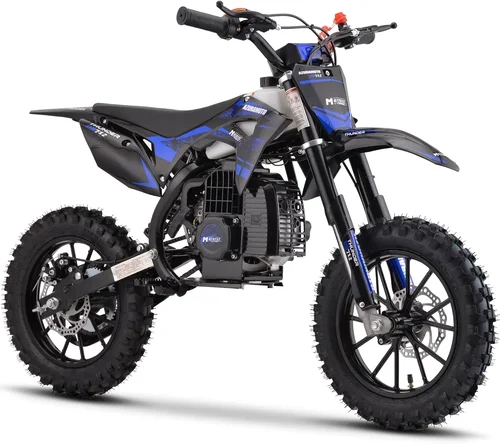
Dirt biking isn’t just a sport—it’s a lifestyle. Whether you’re carving up mountain trails, tackling motocross tracks, or simply exploring backcountry paths on weekends, the right dirt bike can make all the difference between an exhilarating adventure and a frustrating ordeal. With so many models, brands, engine types, and price points flooding the market in 2026, choosing the best dirt bike for your needs has never been more complex. That’s where this comprehensive buying guide comes in.
This expert-level resource is designed to cut through the noise and help you make a confident, informed decision—no matter your experience level, budget, or riding goals. We’ll walk you through every critical factor to consider, from engine displacement and suspension quality to brand reputation and long-term maintenance costs. You’ll also get insider tips on avoiding common pitfalls, understanding different dirt bike categories, and timing your purchase for maximum value. By the end of this guide, you’ll not only know what to look for—you’ll know exactly which dirt bike fits your unique situation.
The dirt bike market in 2026 is more diverse and competitive than ever. Major manufacturers like Honda, Yamaha, Kawasaki, KTM, Husqvarna, and Suzuki continue to innovate with advanced electronics, lightweight chassis designs, and fuel-efficient engines. Meanwhile, electric dirt bikes from companies like Zero Motorcycles, Cake, and Segway are gaining serious traction among eco-conscious riders and tech enthusiasts. At the same time, entry-level models have become surprisingly capable, offering near-pro-level performance at a fraction of the cost. With such a wide spectrum of options, it’s easy to feel overwhelmed—but with the right knowledge, you can navigate this landscape like a seasoned rider.

What to Look for When Buying a Dirt Bike
1. Budget & Price Range
Your budget is the foundation of your entire dirt bike buying decision. It dictates not only which models you can afford upfront but also what kind of long-term ownership experience you’ll have. Dirt bikes range from under $1,000 for basic youth models to over $15,000 for high-end competition machines. However, price doesn’t always correlate directly with fun or suitability—especially for beginners.
When setting your budget, consider both the initial purchase price and ongoing costs like insurance, maintenance, fuel (or charging), gear, and potential upgrades. A cheaper bike might save you money at the dealership, but if it requires frequent repairs or lacks parts availability, you could end up spending more in the long run. Conversely, splurging on a top-tier race bike as a first-time rider often leads to frustration—and possibly injury—due to its power and complexity.
A good rule of thumb: allocate no more than 60–70% of your total riding budget to the bike itself. The rest should cover essential safety gear (helmet, boots, gloves, chest protector), maintenance tools, and riding apparel. For most recreational riders, a mid-range bike ($3,000–$7,000) offers the best balance of performance, reliability, and value.
2. Performance Specifications
Performance specs are the heart of any dirt bike—they determine how the machine behaves on the trail, track, or dunes. The most important performance metrics include engine displacement (cc), power output (horsepower and torque), transmission type, and weight.
Engine size is often the first spec riders look at, and for good reason. Smaller engines (50cc–125cc) are ideal for kids and beginners, offering manageable power and lower seat heights. Mid-range bikes (250cc–450cc) suit intermediate to advanced riders who want a blend of agility and punch. Large-displacement bikes (500cc+) are built for experts and competitive racers who need maximum thrust and top-end speed.
But don’t rely solely on cc numbers. A well-tuned 250cc four-stroke can outperform a poorly designed 450cc engine in real-world conditions. Look at horsepower and torque curves in reviews—peak numbers matter less than how smoothly power is delivered across the RPM range. Electric dirt bikes, for example, deliver instant torque from zero RPM, giving them a unique advantage in technical terrain.
Weight is another crucial spec. Lighter bikes (under 220 lbs wet weight) are easier to maneuver, lift after a fall, and control at low speeds—ideal for trail riding and new riders. Heavier bikes (250+ lbs) offer stability at high speeds but can be tiring on long rides or difficult to handle off-road.
Transmission type also affects performance. Most modern dirt bikes use a 5- or 6-speed manual clutch, which gives riders full control over gear selection. Some youth and beginner models feature automatic or semi-automatic transmissions, which simplify operation but limit tuning flexibility.
3. Build Quality & Durability
A dirt bike is subjected to extreme stress—jumps, rocks, mud, sand, and repeated impacts. That’s why build quality and durability are non-negotiable. A bike that looks sleek in photos but uses flimsy plastics, weak welds, or subpar suspension components will fail you when you need it most.
Start by examining the frame. High-quality dirt bikes use chromoly steel or aluminum alloy frames that balance strength and weight. Look for clean, precise welds and reinforced mounting points. Avoid bikes with painted or powder-coated frames that hide poor construction—opt for models with visible, well-finished welds.
Suspension components are equally important. Quality forks and rear shocks absorb impacts, maintain traction, and improve handling. Entry-level bikes often come with basic coil springs and minimal adjustability, while premium models feature fully adjustable cartridge forks, linkage-driven rear suspensions, and hydraulic spring pre-load systems. If you plan to ride aggressively or on rough terrain, invest in a bike with reputable suspension brands like WP (KTM/Husqvarna), Showa (Honda/Yamaha), or Öhlins (high-end customs).
Plastics, footpegs, levers, and controls should feel solid, not brittle or wobbly. Check for reinforced swingarms, skid plates, and radiator guards—these small details signal a bike built to last. Also, consider corrosion resistance, especially if you ride in wet or salty environments.
Brand reputation plays a role here too. Japanese manufacturers (Honda, Yamaha, Kawasaki, Suzuki) are known for bulletproof reliability and consistent quality control. European brands (KTM, Husqvarna, GasGas) prioritize performance and cutting-edge design but may require more meticulous maintenance. Chinese and budget brands can offer surprising value but often sacrifice longevity and part availability.
4. Features & Functionality
Modern dirt bikes come packed with features that enhance safety, performance, and convenience. While not all are essential, some can significantly improve your riding experience—especially as you progress beyond beginner level.
Key features to consider include:
– Electric Start: Eliminates the hassle of kick-starting, especially useful in cold weather or after a fall. Most mid-range and premium bikes now include electric start as standard.
– LED Lighting: Brighter, more efficient, and longer-lasting than halogen bulbs. Essential for night riding or low-visibility conditions.
– Adjustable Suspension: Allows you to fine-tune compression, rebound, and preload based on rider weight, terrain, and riding style.
– Fuel Injection: Replaces carburetors for smoother throttle response, better fuel efficiency, and easier cold starts. Nearly universal on new bikes in 2026.
– Launch Control & Traction Control: Found on high-performance motocross and enduro bikes, these electronic aids help manage power delivery during hard launches or slippery conditions.
– Quick-Change Air Filters: Simplifies maintenance—critical for keeping your engine clean in dusty environments.
– Tool-Less Maintenance Access: Features like removable side panels or flip-up seats make oil changes and chain adjustments faster and easier.
For trail and adventure riders, additional functionality like luggage racks, larger fuel tanks, and comfortable seating become important. Electric models may offer regenerative braking, smartphone connectivity, and ride mode selectors (Eco, Sport, Trail).
Don’t get dazzled by every feature—focus on what aligns with your riding style. A motocross racer won’t need a large fuel tank, but an enduro rider will appreciate one. Similarly, a beginner doesn’t need launch control, but an expert might rely on it during competition.
5. Brand Reputation
Brand reputation matters because it reflects years—sometimes decades—of engineering refinement, customer support, and real-world testing. A well-established brand isn’t just about name recognition; it’s about consistency, parts availability, dealer network strength, and resale value.
Japanese brands dominate the reliability category. Honda’s CRF series, Yamaha’s YZ and WR lines, Kawasaki’s KX models, and Suzuki’s RM-Z bikes are renowned for their durability, ease of maintenance, and strong dealer support across North America and Europe. These manufacturers invest heavily in R&D and have extensive racing programs that feed innovation back into consumer models.
European brands like KTM and Husqvarna (both under Pierer Mobility) are performance powerhouses. Their bikes are lighter, more powerful, and packed with advanced tech—but they often demand more skilled maintenance and have higher ownership costs. KTM’s dominance in off-road racing (World Enduro, Dakar Rally) speaks to their engineering excellence.
Electric dirt bike brands are newer but rapidly gaining credibility. Zero Motorcycles offers street-legal dual-sport models with impressive range and torque. Swedish brand Cake focuses on minimalist, sustainable design for trail and utility use. Segway’s X260 and X300 series bring consumer-friendly electric options to the youth and entry-level markets.
When evaluating brand reputation, check online forums, owner reviews, and local dealer feedback. A brand might have a great bike on paper, but if there’s no service center within 100 miles or parts take weeks to arrive, you could be stuck with a broken machine. Also consider resale value—bikes from top brands typically retain 60–70% of their value after three years, while lesser-known brands may drop to 40% or less.
6. Warranty & Support
A solid warranty and responsive customer support can save you thousands in unexpected repair costs and downtime. Most new dirt bikes come with a standard 6- to 12-month limited warranty covering defects in materials and workmanship. However, the fine print matters—many warranties exclude wear items like tires, brakes, chains, and suspension seals.
Look for brands that offer extended warranties or optional coverage plans. Some dealers provide free first services or discounted maintenance packages with purchase. KTM and Husqvarna, for example, often include a “Race Kit” or complimentary setup session with new competition models.
Customer support quality varies widely. Japanese manufacturers typically have robust dealer networks with trained technicians and readily available parts. European brands may have fewer dealers but often provide direct technical support via phone or online portals. Electric bike companies sometimes rely on centralized service centers, which can mean longer wait times for repairs.
Before buying, ask:
– What’s covered under warranty?
– Are labor costs included?
– How quickly can I get replacement parts?
– Is there a local service center?
– Does the dealer offer loaner bikes during repairs?
Also, check if the manufacturer honors international warranties if you plan to travel or move. And don’t underestimate the value of online communities—brands with active user forums (like Honda’s CRF forums or KTM’s Adventure Rider groups) often provide faster troubleshooting help than official channels.
7. Size & Fit
A dirt bike that doesn’t fit your body size and skill level is a recipe for discomfort, poor control, and increased risk of injury. Unlike street motorcycles, dirt bikes require active rider input—you stand, shift weight, and balance constantly. If the bike is too tall, too heavy, or too powerful, you’ll struggle to manage it safely.
Seat height is the most obvious fit factor. Most adult dirt bikes range from 32 to 37 inches. Riders under 5’6″ should look for low-seat models (32–34″) or consider suspension lowering kits. Taller riders (6′ and above) may prefer taller seats for better legroom and control.
Weight distribution also affects fit. A bike with a high center of gravity feels tippy and hard to lift. Test how easily you can pick it up from the ground—if you can’t do it alone, you’ll be in trouble after a fall.
Handlebar position, footpeg placement, and clutch/brake lever reach should feel natural. Many bikes offer adjustable handlebars and levers, which help customize the riding position. Youth models are scaled-down versions with proportionally smaller frames, engines, and controls.
Skill level ties closely to fit. Beginners benefit from lighter, lower-powered bikes that are forgiving and easy to control. Advanced riders can handle taller, heavier, more powerful machines—but even experts should ensure the bike matches their physical capabilities.
Always sit on a bike before buying, if possible. Feel how your feet reach the ground, how the controls operate, and whether you can move freely while standing. If buying online, check manufacturer sizing guides and watch demo videos to assess fit.
8. User Reviews & Ratings
User reviews and ratings provide real-world insights that specs sheets and marketing materials can’t match. They reveal common issues, hidden strengths, and long-term reliability trends that only emerge after months or years of ownership.
When reading reviews, focus on consistent themes rather than isolated complaints. If multiple owners report the same problem—like premature clutch wear, electrical gremlins, or poor dealer service—it’s likely a systemic issue. Conversely, recurring praise for smooth power delivery, easy maintenance, or excellent suspension indicates a well-engineered bike.
Use trusted sources like:
– Motorcycle-specific forums (ThumperTalk, ADVrider, MotoUSA)
– YouTube review channels (with long-term test videos)
– Retailer sites (RevZilla, Rocky Mountain ATV/MC) with verified buyer reviews
– Owner surveys (J.D. Power, Consumer Reports)
Be wary of overly positive or negative reviews that lack detail. Look for balanced assessments that discuss both pros and cons. Also, consider the reviewer’s experience level—a beginner’s frustration with a high-performance bike may not reflect its true capability.
Ratings aggregators (like Google Reviews or Trustpilot) can give a quick snapshot, but dive deeper into individual stories. A 4.8-star average means little if the one-star reviews describe catastrophic engine failures under normal use.
Finally, compare recent reviews (within the last 12–18 months) to ensure you’re getting up-to-date information. Dirt bike models evolve quickly, and a 2023 issue may have been fixed in the 2025 refresh.
Different Types of Dirt Bikes

Common Buying Mistakes to Avoid
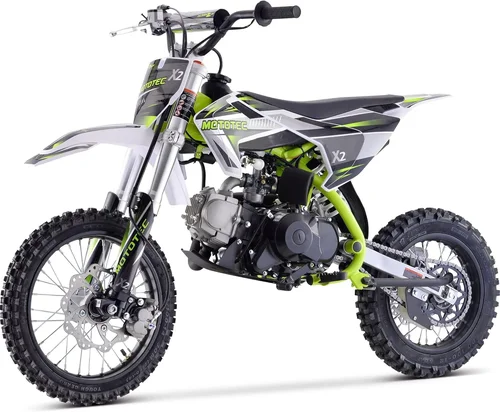
❌ Mistake: Buying Too Much Bike Too Soon
Why it’s bad: A high-powered 450cc motocross bike might look cool, but for a beginner, it’s dangerous and discouraging. The steep learning curve, aggressive power delivery, and heavy weight increase the risk of crashes, injuries, and loss of confidence.
What to do instead: Start with a 125cc or 250cc trail or enduro bike. These offer enough power to learn proper technique without overwhelming you. Many riders spend 1–2 years on a smaller bike before upgrading—and they’re better, safer riders because of it.
❌ Mistake: Ignoring Maintenance Requirements
Why it’s bad: Dirt bikes aren’t set-it-and-forget-it machines. Air filters need cleaning after every ride, chains require regular lubrication, and suspension needs periodic servicing. Neglecting maintenance leads to premature wear, poor performance, and costly repairs.
What to do instead: Choose a bike with accessible maintenance points and clear service intervals. Read the owner’s manual before buying. If you’re not mechanically inclined, pick a reliable brand with a strong dealer network for professional servicing.
❌ Mistake: Overlooking Safety Gear
Why it’s bad: A $5,000 bike is useless if you’re injured because you skipped a helmet or chest protector. Dirt biking is inherently risky, and proper gear is your first line of defense against serious harm.
What to do instead: Budget for high-quality safety gear from day one. Invest in a DOT/ECE-certified helmet, motocross boots, armored jersey, gloves, and knee/shin guards. Replace gear after any significant impact—even if it looks fine.
❌ Mistake: Buying Based Solely on Price
Why it’s bad: The cheapest bike isn’t always the best value. A $1,500 no-name import might save money upfront but could lack parts support, have poor build quality, or require constant repairs.
What to do instead: Focus on total cost of ownership, not just sticker price. Consider reliability, resale value, and long-term expenses. Sometimes spending $1,000 more upfront saves $3,000 in repairs over three years.
❌ Mistake: Not Test Riding Before Buying
Why it’s bad: Photos and specs don’t convey how a bike feels. A model that looks perfect on paper might have uncomfortable ergonomics, vague clutch engagement, or harsh suspension.
What to do instead: Always test ride if possible. Many dealers offer demo days or rental programs. If buying online, watch detailed review videos and check return policies. Some retailers allow 7–14 day trial periods.
❌ Mistake: Forgetting About Storage and Transport
Why it’s bad: Dirt bikes are large and heavy. Without proper storage or a way to transport them, you’ll struggle to get to the trails—and risk damage or theft.
What to do instead: Ensure you have a secure garage, shed, or cover for storage. Invest in a quality trailer or truck bed ramp for transport. Measure your vehicle’s capacity before buying.
❌ Mistake: Choosing the Wrong Type for Your Terrain
Why it’s bad: A motocross bike is terrible for long trail rides—it has a small gas tank, no lights, and stiff suspension. Conversely, a heavy enduro bike is overkill for a smooth motocross track.
What to do instead: Match the bike type to your primary riding environment. Trail riders should prioritize comfort and range; racers need lightweight and agility; enduro riders need durability and street legality.
Budget Guidelines: How Much Should You Spend?
– Entry-Level ($800–$2,500): Ideal for kids, teens, and absolute beginners. Includes youth models (50cc–110cc) and basic adult trail bikes. Expect simple carbureted engines, minimal features, and lower resale value. Best for casual weekend riding on easy terrain.
– Mid-Range ($3,000–$7,000): The sweet spot for most recreational riders. Offers fuel injection, electric start, quality suspension, and reliable engines (125cc–250cc). Models like the Honda CRF250F or Yamaha TT-R230 deliver excellent value and long-term durability.
– Premium ($7,500–$12,000): For serious enthusiasts, competitive riders, and those who demand top performance. Includes 250cc–450cc motocross and enduro bikes with advanced suspension, race-tuned engines, and electronic aids. Expect higher maintenance costs but superior capability.
– Luxury ($12,000+): Top-tier competition machines and high-end electric models. Features include carbon fiber components, factory-level suspension, data logging, and custom tuning options. Best for professionals, racers, and deep-pocketed collectors.
Expert Tips for Getting the Best Deal
– Buy at the Right Time: Late summer and fall are the best times to buy. Dealers clear out inventory before the new model year arrives, often offering discounts, free gear, or extended warranties.
– Shop Multiple Dealers: Prices and incentives vary widely. Get quotes from at least three local dealers. Online retailers sometimes offer lower prices but may charge shipping fees.
– Negotiate Extras: Even if the bike price is firm, ask for free first service, discounted gear, or installation of accessories like skid plates or handguards.
– Check for Rebates and Promotions: Manufacturers often run seasonal rebates ($200–$500 off) or financing deals (0% APR for 12–24 months). Sign up for brand newsletters to stay informed.
– Inspect Used Bikes Thoroughly: If buying used, check for frame damage, engine leaks, suspension wear, and maintenance records. Bring a knowledgeable friend or pay for a pre-purchase inspection.
– Understand Return Policies: Most dealers don’t allow returns on dirt bikes, but some offer short trial periods. Clarify this before signing.
– Join Owner Groups: Online communities often share exclusive discount codes, group buys, or insider info on upcoming sales.
– Consider Total Cost: Factor in insurance, gear, maintenance, and potential upgrades. A slightly more expensive bike with lower upkeep may be cheaper overall.
Frequently Asked Questions
Q: Can I ride a dirt bike on the street?
A: Most dirt bikes are not street-legal due to lack of lights, mirrors, horns, and emissions compliance. However, enduro and dual-sport models (like the Honda CRF300L or KTM 500 EXC-F) are designed for both on- and off-road use and can be registered for street riding with proper equipment.
Q: How often should I service my dirt bike?
A: Basic maintenance (air filter, chain, oil) should be done after every ride. Major services (valve clearance, suspension, top-end rebuild) vary by model and usage but typically occur every 10–50 hours of riding. Consult your owner’s manual for specific intervals.
Q: Are electric dirt bikes worth it?
A: Yes—if you value quiet operation, instant torque, and low maintenance. Electric bikes eliminate oil changes, air filter cleaning, and carburetor tuning. However, they have limited range (1–3 hours) and require access to charging, making them less ideal for remote adventures.
Q: What’s the best dirt bike for a beginner?
A: The Honda CRF125F or Yamaha TT-R125LE are excellent choices for adult beginners. For kids, the Kawasaki KLX110R or Honda CRF50F offer safe, reliable entry points with adjustable power and low seat heights.
Q: How long do dirt bike engines last?
A: With proper maintenance, a four-stroke engine can last 100–200+ hours before needing a top-end rebuild. Two-strokes require more frequent rebuilds (every 30–60 hours) but are simpler and cheaper to repair.
Q: Do I need a license to ride a dirt bike?
A: Off-road riding on private land usually doesn’t require a license. However, public trails, parks, and street-legal bikes often require a motorcycle endorsement or OHV permit. Check your local laws.
Q: Can I modify my dirt bike for better performance?
A: Yes—common upgrades include exhaust systems, air filters, suspension tuning, and ECU remapping. However, modifications may void your warranty or make the bike non-compliant with emissions laws. Proceed with caution and consult experts.
Q: What’s the difference between a two-stroke and four-stroke?
A: Two-strokes are lighter, simpler, and deliver power in a snappy, aggressive manner—ideal for motocross. Four-strokes are smoother, more fuel-efficient, and better for trail riding due to broader torque and easier control.
Q: How do I store my dirt bike for the winter?
A: Drain or stabilize fuel, change the oil, clean the air filter, remove the battery, and store in a dry, covered area. Use a bike stand to keep tires off the ground and prevent flat spots.
Q: Where is the best place to buy a dirt bike?
A: Authorized dealers offer warranties, service, and support. Online retailers provide competitive pricing and convenience. Private sellers can offer great deals but carry more risk. Always verify the seller’s reputation.
Our Final Recommendations
– Best for Budget-Conscious Buyers: Honda CRF125F – Reliable, easy to maintain, and perfect for beginners. Priced under $3,500, it’s a no-frills workhorse that won’t let you down.
– Best Overall Value: Yamaha WR250F – Combines trail-friendly ergonomics with enduro-ready performance. Fuel-injected, electric start, and legendary Yamaha durability make it a standout in the $6,000 range.
– Best Premium Option: KTM 300 XC-W TPI – The king of two-stroke enduro bikes. Lightweight, torquey, and packed with cutting-edge tech like transfer port injection. Worth every penny of its $10,500 price tag.
– Best for Beginners: Kawasaki KLX230 – Low seat height, smooth power delivery, and street-legal capability make it ideal for new riders transitioning from pavement to dirt.
– Best for Advanced Users: Husqvarna FC 450 – A race-bred motocross machine with WP suspension, lightweight chromoly frame, and factory-level tuning. Built for podium finishes, not casual rides.
Conclusion: Making the Right Choice
Choosing the best dirt bike in 2026 isn’t about finding the fastest, flashiest, or most expensive model—it’s about finding the one that fits your skill level, riding style, budget, and long-term goals. Whether you’re a weekend warrior exploring forest trails, a parent buying a first bike for your child, or a seasoned racer chasing championships, the right machine is out there.
Remember: start simple, prioritize safety, and invest in quality. A well-chosen dirt bike will deliver years of adventure, confidence, and pure riding joy. Use this guide as your roadmap—weigh the factors, avoid the pitfalls, and don’t rush the decision. When you finally twist the throttle on your new ride, you’ll know it was worth the wait.
Now go find your trail.