
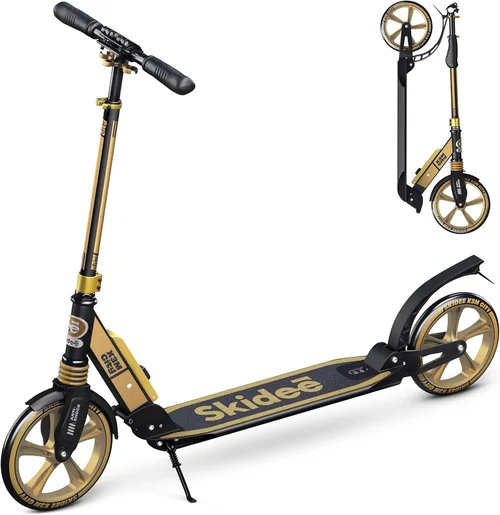
The rise of urban mobility solutions has transformed how adults navigate cities, campuses, and even suburban neighborhoods. Among the most versatile and accessible options available today are 3 wheel scooters for adults—compact, stable, and increasingly powerful machines that blend convenience with practicality. Whether you’re commuting to work, running errands, or simply enjoying a leisurely ride through the park, a well-chosen 3 wheel scooter can be a game-changer. But with so many models flooding the market—ranging from budget-friendly kick scooters to high-performance electric variants—it’s easy to feel overwhelmed. That’s exactly why this comprehensive buyer’s guide exists: to cut through the noise, clarify your options, and help you make a confident, informed decision.
In this guide, you’ll learn everything you need to know about selecting the best 3 wheel scooter for your lifestyle. We’ll break down the critical factors that influence performance, safety, and long-term satisfaction—from motor power and battery life to frame materials and warranty coverage. You’ll also discover the different categories of 3 wheel scooters available today, understand common pitfalls to avoid, and get expert-backed tips on maximizing value. Whether you’re a first-time buyer or upgrading from an older model, this guide is designed to equip you with the knowledge to choose a scooter that fits your needs, budget, and expectations.
The adult 3 wheel scooter market has evolved dramatically in recent years. What began as a niche product for seniors or those with mobility challenges has expanded into a dynamic segment serving commuters, students, fitness enthusiasts, and eco-conscious travelers alike. Electric models now dominate the space, offering impressive range, speed, and smart features—but traditional kick scooters still hold their ground for simplicity and affordability. With brands like Gotrax, Segway-Ninebot, Razor, and Xiaomi leading innovation, consumers have more choices than ever. However, not all scooters are created equal. Some prioritize portability over power, while others sacrifice comfort for speed. This guide will help you navigate those trade-offs and find the perfect balance for your unique situation.
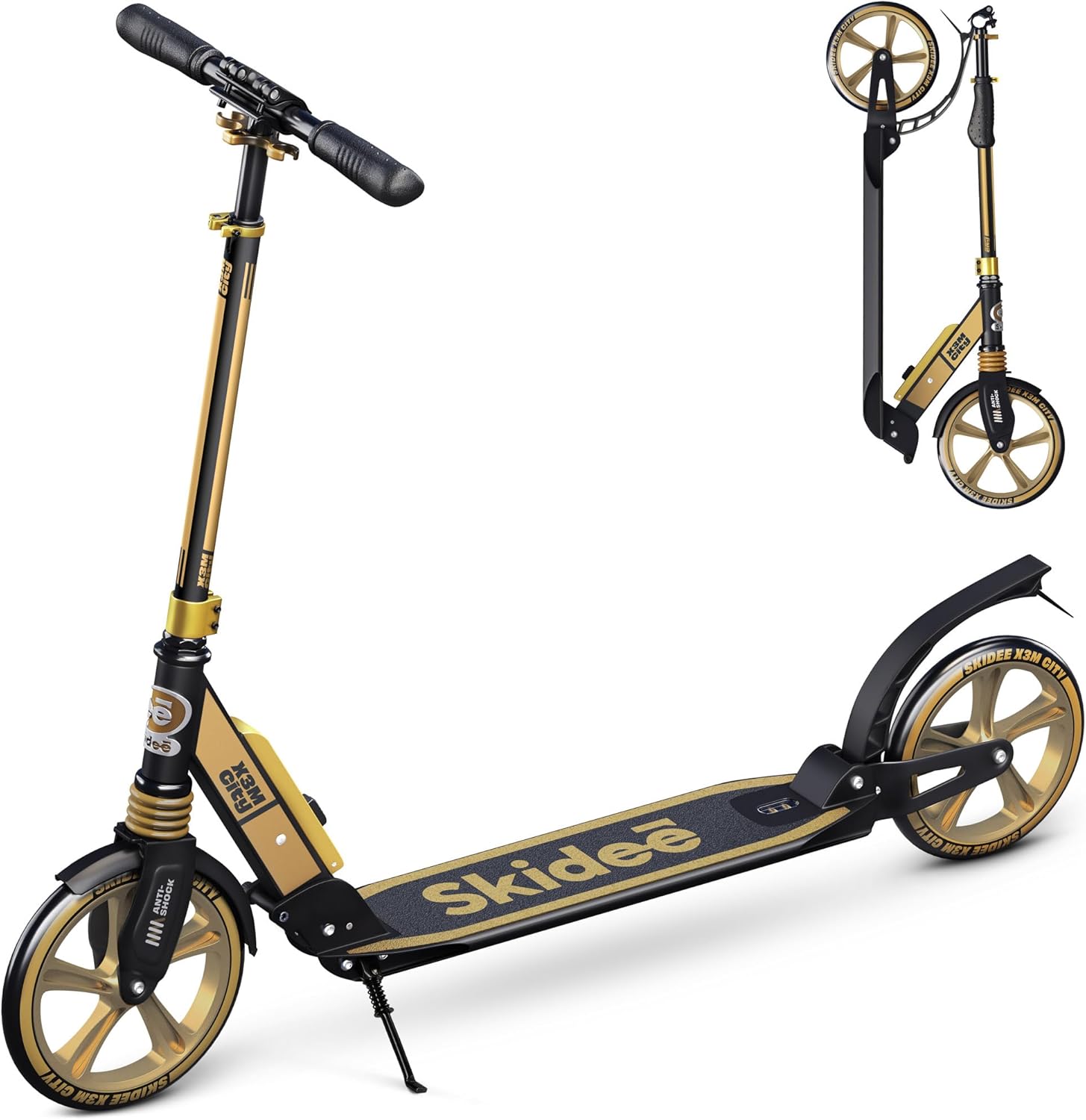
What to Look for When Buying a 3 Wheel Scooter
1. Budget & Price Range
Your budget is the foundation of your purchasing decision—and it’s one of the most important factors to consider upfront. Adult 3 wheel scooters span a wide price spectrum, from under $200 for basic kick models to over $1,500 for premium electric versions with advanced features. Setting a realistic budget helps narrow your options and prevents overspending on features you may not need. For example, if you only plan to use your scooter for short weekend rides, a $300 electric model might offer more than enough performance. But if you’re relying on it for daily commuting, investing in a higher-end scooter with better range, durability, and safety features becomes essential.
When evaluating cost, think beyond the sticker price. Consider long-term expenses like maintenance, replacement parts (tires, brakes, batteries), and potential upgrades. A cheaper scooter might seem appealing initially, but if it requires frequent repairs or has a short lifespan, it could end up costing more over time. Conversely, a mid-range or premium model with solid build quality and reliable components often delivers better value in the long run. Always ask: “What am I getting for my money?” Look for scooters that offer a good balance of price and performance—avoiding both the cheapest no-name brands and overpriced models with unnecessary bells and whistles.
2. Performance Specifications
Performance is where many buyers make critical mistakes by focusing solely on top speed or motor wattage without considering real-world usability. For electric 3 wheel scooters, key specs include motor power (measured in watts), battery capacity (in watt-hours or Ah), maximum speed, range per charge, and hill-climbing ability. A 250W motor might suffice for flat city streets, but if you live in a hilly area, you’ll want at least 350W–500W to maintain consistent speed without straining the battery. Similarly, battery capacity directly impacts how far you can travel before needing a recharge—look for at least 7–10Ah for urban commuting, and 12Ah+ for longer trips.
Range is especially tricky because manufacturers often quote ideal conditions (flat terrain, light rider, no wind). In reality, expect 15–25% less than advertised. Always check independent reviews for real-world range tests. Speed matters too—most adult scooters cap between 15–20 mph, which is sufficient for city riding and bike lanes. Going faster increases risk and may violate local regulations. Also consider acceleration: smooth, responsive throttle control is safer and more comfortable than jerky power delivery. Finally, don’t overlook braking performance. Disc brakes or regenerative braking systems offer superior stopping power compared to basic foot brakes, especially in wet conditions.
3. Build Quality & Durability
A scooter is only as good as its construction. Poorly built models may look sleek but fail within months due to weak frames, loose joints, or subpar components. Look for scooters made from high-grade aluminum alloys (like 6061-T6) or reinforced steel—these materials offer strength without excessive weight. Check weld quality, hinge mechanisms, and folding locks; rattling or wobbling indicates poor assembly. The deck should be wide and grippy enough to support your feet comfortably, even in rain or mud.
Durability also extends to wheels and suspension. Pneumatic (air-filled) tires provide better shock absorption and traction than solid rubber, making them ideal for uneven pavements or gravel paths. However, they’re prone to punctures, so consider hybrid or honeycomb tires if you want low maintenance without sacrificing too much comfort. Suspension systems—whether front fork, rear spring, or dual suspension—greatly enhance ride quality, especially on bumpy roads. While not all scooters include suspension, it’s a worthwhile upgrade for daily riders. Lastly, water resistance matters. Look for IP ratings (e.g., IPX4 or higher) to ensure your scooter can handle light rain or puddles without damaging electronics.
4. Features & Functionality
Modern 3 wheel scooters come packed with features that enhance safety, convenience, and usability. Start with lighting: front headlights, rear brake lights, and side reflectors are essential for visibility during dawn, dusk, or nighttime rides. Some models even include turn signals or ambient LED strips—great for urban environments with heavy traffic. A clear, backlit LCD display showing speed, battery level, and trip distance adds practicality, while Bluetooth connectivity allows integration with smartphone apps for firmware updates, ride tracking, or anti-theft locking.
Other useful features include cruise control (reduces hand fatigue on long rides), adjustable handlebars (for different rider heights), and regenerative braking (which recaptures energy during deceleration to extend range). Kickstands, phone mounts, and built-in baskets or cargo racks add everyday utility. For tech-savvy users, app-controlled scooters offer geofencing, ride analytics, and remote diagnostics. However, avoid feature overload—too many gadgets can complicate operation and increase failure points. Focus on what you’ll actually use. For instance, if you never ride at night, fancy lighting may be unnecessary. Prioritize core functionalities that align with your routine.
5. Brand Reputation & Reliability
Not all scooter brands are created equal. Established names like Gotrax, Segway-Ninebot, and Razor have built reputations for consistent quality, customer support, and innovation. These companies invest in R&D, rigorous testing, and global service networks—meaning you’re more likely to get a reliable product and timely assistance if issues arise. In contrast, generic or no-name brands often cut corners on materials, safety standards, and post-purchase support. While they may offer tempting low prices, the risk of defects, lack of spare parts, or unresponsive customer service can outweigh the savings.
Research brand history, read user forums, and check third-party reviews on platforms like Reddit, YouTube, or specialized mobility sites. Look for patterns: Do users consistently praise battery life? Are there recurring complaints about brake failures? Brands with transparent communication, active social media presence, and responsive support teams tend to foster greater trust. Also consider regional availability—some brands dominate in North America but have limited presence in Europe or Asia, affecting warranty claims and repair accessibility. Choosing a reputable brand isn’t just about prestige; it’s about peace of mind and long-term ownership satisfaction.
6. Warranty & Customer Support
A strong warranty is a strong indicator of a manufacturer’s confidence in their product—and your protection as a buyer. Most reputable scooter brands offer at least a 6-month to 1-year warranty covering defects in materials and workmanship. Premium models may include 18–24 months, sometimes with extended battery coverage (since batteries degrade over time). Always read the fine print: some warranties exclude wear-and-tear items like tires, brakes, or fenders, while others require registration within a certain timeframe to be valid.
Customer support quality is equally important. Can you easily reach a human agent via phone, email, or live chat? Are replacement parts readily available? Do they offer repair guides or video tutorials? Brands with dedicated service centers or authorized repair partners provide faster resolutions than those relying solely on mail-in repairs. Before buying, test the support system: send a pre-purchase question and see how quickly and thoroughly they respond. A company that treats potential customers well is more likely to stand behind its products post-purchase. Avoid brands with vague warranty terms or no clear support channels—they’re red flags for future headaches.
7. Size, Weight & Portability
Portability matters—especially if you plan to carry your scooter on public transit, store it in a small apartment, or fold it for car trunk storage. Most adult 3 wheel scooters weigh between 20–35 pounds, with electric models trending heavier due to batteries and motors. If you’ll be lifting it frequently, aim for under 28 pounds. Folding mechanisms should be intuitive and secure; look for one-touch latches or auto-lock systems that prevent accidental unfolding.
Deck size and handlebar height also affect comfort and maneuverability. A wider deck (at least 6–7 inches) provides better foot placement and stability, while adjustable handlebars (typically 30–40 inches high) accommodate riders from 5’0″ to 6’5″. Wheelbase length influences turning radius—shorter bases are more agile but less stable at high speeds. Consider your typical usage: a compact, lightweight scooter excels for short commutes, while a slightly larger, sturdier model suits longer rides or varied terrain. Always check folded dimensions if space is limited—some scooters fold down to under 40″ x 18″ x 8″, making them easy to stow under a desk or in a closet.
8. User Reviews & Real-World Feedback
Spec sheets and marketing claims only tell part of the story. Real user experiences reveal hidden strengths and weaknesses—like how a scooter performs in rain, how loud the motor is, or whether the app actually works reliably. Spend time reading verified purchase reviews on Amazon, Best Buy, or specialty retailers. Pay attention to recurring themes: if multiple users mention the same issue (e.g., “battery died after 3 months” or “handlebars wobble at 15 mph”), it’s likely a genuine flaw.
Video reviews on YouTube are especially valuable—they show actual riding conditions, folding mechanisms, and build quality in action. Look for long-term reviews (6+ months) to assess durability. Also check niche forums like ElectricScooterInsider or Reddit’s r/scooters, where enthusiasts share detailed comparisons and troubleshooting tips. Be wary of overly positive or vague reviews—they may be incentivized or fake. Genuine feedback often includes both pros and cons, giving you a balanced perspective. Ultimately, user reviews help you validate whether a scooter lives up to its promises and fits your specific needs.
Different Types of 3 Wheel Scooters for Adults

Common Buying Mistakes to Avoid
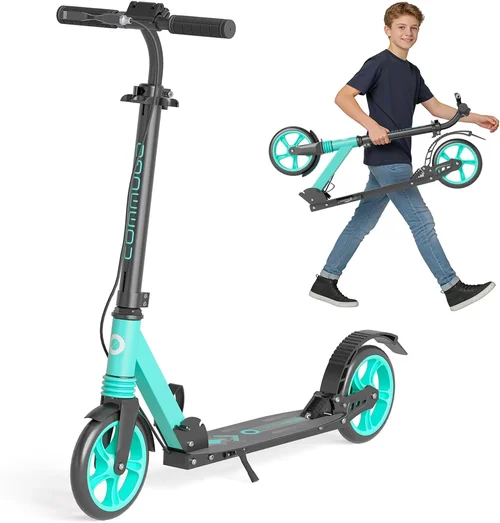
❌ Mistake: Prioritizing Price Over Quality
Why it’s bad: Choosing the cheapest scooter often leads to disappointment—poor build quality, weak motors, short battery life, and frequent breakdowns. These scooters may save you $100 upfront but cost more in repairs, replacements, and frustration over time.
What to do instead: Treat your scooter as a long-term investment. Allocate a realistic budget that balances affordability with reliability. Read reviews, compare warranties, and consider total cost of ownership—not just the initial price tag.
❌ Mistake: Ignoring Weight Capacity
Why it’s bad: Exceeding the scooter’s weight limit strains the motor, drains the battery faster, and compromises safety. Many budget models list limits as low as 220 lbs, which excludes average or heavier adults.
What to do instead: Always check the manufacturer’s stated weight capacity and choose a scooter rated for at least 20–30 lbs above your body weight. Heavy-duty models often support 300+ lbs and offer sturdier frames.
❌ Mistake: Overlooking Local Laws and Regulations
Why it’s bad: Riding an illegal scooter can result in fines, confiscation, or accidents. Speed limits, helmet requirements, and where you can ride (sidewalks vs. bike lanes) vary by city and country.
What to do instead: Research your local e-scooter laws before buying. Some areas restrict speeds above 15 mph or require lights and bells. Choose a compliant model to avoid legal trouble.
❌ Mistake: Neglecting Test Rides
Why it’s bad: Comfort is subjective—what looks good on paper may feel unstable, too stiff, or poorly balanced in real life. Without testing, you risk buying a scooter that doesn’t suit your body or riding style.
What to do instead: Visit local retailers or attend scooter demo events. If in-person testing isn’t possible, watch detailed video reviews that show handling, turning, and braking. Some online sellers offer generous return windows—use them wisely.
❌ Mistake: Skipping the Warranty Check
Why it’s bad: A scooter without solid warranty coverage leaves you vulnerable to costly repairs. Batteries degrade, motors fail, and electronics malfunction—especially in cheaper models.
What to do instead: Always verify warranty length, coverage details, and support accessibility. Register your product promptly and keep receipts. Consider extended warranties for high-end models.
❌ Mistake: Assuming All 3-Wheel Scooters Are Stable
Why it’s bad: While three wheels offer more balance than two, stability depends on wheelbase, center of gravity, and tire quality. Narrow decks or small wheels can still feel wobbly at speed.
What to do instead: Look for scooters with wide wheelbases, low centers of gravity, and large-diameter wheels (at least 8 inches). Test for wobble during acceleration and cornering.
❌ Mistake: Buying Based Solely on Brand Hype
Why it’s bad: Popular brands aren’t always the best fit for your needs. Marketing can exaggerate performance, and trending models may lack essential features for your use case.
What to do instead: Focus on specs, reviews, and your personal priorities—not just brand names. Compare multiple models side-by-side and prioritize functionality over fame.
Budget Guidelines: How Much Should You Spend?
Entry-Level ($100 – $300): This tier includes basic kick scooters and entry-level electric models. Expect simple designs, minimal features, and limited range (5–10 miles for electric versions). Build quality may be adequate for light use but won’t withstand daily commuting or rough terrain. Ideal for occasional riders, teens, or those testing the waters before upgrading.
Mid-Range ($350 – $700): The sweet spot for most adult buyers. These scooters offer reliable motors (250W–500W), decent battery life (10–20 miles), and essential features like lights, displays, and folding mechanisms. Brands like Gotrax and Xiaomi dominate here with strong value propositions. You’ll find good build quality, reasonable warranties, and solid performance for urban commuting and leisure rides.
Premium ($750 – $1,200): Designed for serious riders who demand performance, comfort, and durability. Expect higher-capacity batteries (12–18Ah), powerful motors (500W–800W), pneumatic tires, and advanced suspension. Features like app connectivity, cruise control, and enhanced safety systems are common. These scooters handle hills, longer distances, and varied weather with ease—perfect for daily commuters and enthusiasts.
Luxury ($1,200+): Top-tier models from brands like Segway-Ninebot or Unagi offer cutting-edge technology, premium materials (carbon fiber, aircraft-grade aluminum), and exceptional ride quality. With ranges exceeding 25 miles, speeds up to 20 mph, and luxury finishes, these scooters cater to tech lovers, professionals, and those willing to pay for the best. Often include extended warranties, global support, and innovative designs.
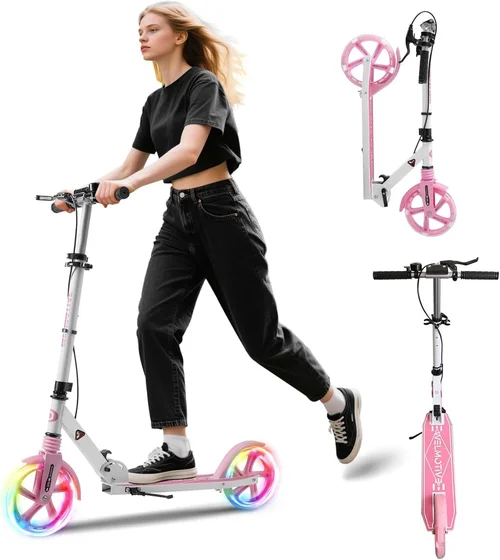
Expert Tips for Getting the Best Deal
1. Time Your Purchase Around Sales Cycles: Major retailers like Amazon, Best Buy, and Walmart offer significant discounts during Black Friday, Cyber Monday, Prime Day, and back-to-school seasons. Sign up for brand newsletters to get early access to promotions. Some manufacturers also run end-of-season clearance sales in late winter.
2. Buy Direct from Reputable Retailers: While third-party marketplaces offer convenience, buying directly from authorized dealers (or the brand’s official site) ensures authenticity, full warranty coverage, and better customer service. Avoid unknown sellers on eBay or Wish—they often sell counterfeit or refurbished units as new.
3. Compare Total Cost, Not Just Sticker Price: Factor in shipping fees, import taxes (for international buyers), and potential accessory costs (helmets, locks, phone mounts). Sometimes a slightly higher-priced model includes free shipping or bundled extras that save money overall.
4. Leverage Return Policies: Choose retailers with at least a 14–30 day return window. This gives you time to test the scooter in real conditions and return it if it doesn’t meet expectations. Read return terms carefully—some exclude opened electronics or charge restocking fees.
5. Check for Refurbished or Open-Box Deals: Certified refurbished scooters from brands like Gotrax or Segway often come with full warranties and sell for 20–40% less than new. These are rigorously tested and ideal for budget-conscious buyers who want premium features.
6. Join Scooter Communities for Insider Deals: Online forums and Facebook groups often share exclusive discount codes, flash sales, or group-buying opportunities. Members also post warnings about unreliable sellers or defective batches.
7. Consider Financing Options: Some brands offer 0% APR financing for 6–12 months, allowing you to spread payments without interest. This can make a premium scooter more accessible without straining your monthly budget.
8. Inspect Before Finalizing: If buying in-store, check for scratches, loose parts, or misaligned wheels. For online purchases, record unboxing videos to document condition in case of damage claims.

Frequently Asked Questions
Q: Are 3 wheel scooters safer than 2 wheel scooters for adults?
A: Generally, yes. The third wheel provides greater stability, especially at low speeds or when starting/stopping. This reduces the risk of tipping, making them ideal for beginners, older riders, or those with balance concerns. However, safety also depends on design, tire quality, and rider skill—always wear a helmet and follow traffic rules.
Q: How long do electric scooter batteries last?
A: Most lithium-ion batteries last 300–500 full charge cycles before capacity drops to 80%. With regular use, this translates to 1–3 years. Proper care—avoiding full discharges, storing at 50% charge in cool temperatures, and using the correct charger—can extend lifespan significantly.
Q: Can I ride a 3 wheel scooter in the rain?
A: It depends on the model’s IP rating. Scooters with IPX4 or higher can handle light rain, but avoid deep puddles or heavy downpours. Water can damage motors, controllers, and batteries. If you live in a rainy climate, choose a model with sealed electronics and drain holes.
Q: Do I need a license or insurance to ride an electric scooter?
A: In most U.S. states and many countries, no license or insurance is required for scooters under 20 mph. However, local laws vary—some cities mandate helmets, prohibit sidewalk riding, or require registration. Always check your local regulations.
Q: How fast can adult 3 wheel scooters go?
A: Most range from 12–20 mph. Entry-level models cap around 15 mph, while premium scooters reach 18–20 mph. Speeds above 20 mph are rare and often illegal in urban areas. Always prioritize control over speed.
Q: Are 3 wheel scooters good for exercise?
A: Kick scooters provide light cardio and leg strengthening, similar to brisk walking. Electric models offer less physical exertion but can still be part of an active lifestyle when combined with walking or other activities. For serious fitness, consider a manual scooter or hybrid approach.
Q: Can I take my scooter on a plane?
A: Most airlines prohibit lithium batteries over 100Wh in checked luggage. Many adult scooters exceed this limit. Some allow carry-on if the battery is removable and under 160Wh—check with your airline and remove the battery before boarding.
Q: How do I maintain my 3 wheel scooter?
A: Regular maintenance includes checking tire pressure (for pneumatic tires), tightening bolts, cleaning the deck, and inspecting brakes. Charge the battery monthly even if unused. Store indoors to protect from extreme temperatures and moisture.
Q: What’s the difference between front-wheel and rear-wheel drive?
A: Front-wheel drive offers better traction and easier handling, ideal for city riding. Rear-wheel drive provides more power and acceleration, better for hills or heavier riders. Some models use dual motors for maximum performance.
Q: Can children ride adult 3 wheel scooters?
A: Not recommended. Adult scooters are built for larger frames, higher weights, and faster speeds—posing safety risks for kids. Use age-appropriate models designed for younger riders.
Our Final Recommendations
Best for Budget-Conscious Buyers: Gotrax GXL V2 – At under $400, this electric scooter delivers reliable 15.5 mph speed, 12-mile range, and solid build quality. It’s lightweight, folds easily, and includes essential features like a display and LED lights—perfect for students and casual commuters.
Best Overall Value: Segway Ninebot ES2 – Priced around $550, the ES2 combines sleek design, 15.5 mph top speed, 15-mile range, and app connectivity. Its shock-absorbing tires and ambient lighting make it a standout for urban riders seeking performance and style.
Best Premium Option: Unagi Model One – With dual motors, 20 mph speed, 16-mile range, and a premium aluminum/carbon fiber build, the Unagi ($990) is a luxury commuter scooter. It’s ultra-light, folds in seconds, and offers exceptional ride quality—ideal for professionals who value design and performance.
Best for Beginners: Razor E300S – This affordable electric scooter ($350) features a wide deck, low center of gravity, and simple controls. With a 15 mph top speed and 10-mile range, it’s stable, easy to learn, and great for first-time riders.
Best for Advanced Users: Apollo Explore – Though technically a 2-wheel scooter, its 3-wheel variant (Apollo City) offers 25 mph speed, 30+ mile range, hydraulic brakes, and full suspension. At $1,299, it’s built for serious riders who demand power, range, and reliability.
Conclusion: Making the Right Choice
Choosing the best 3 wheel scooter for adults isn’t just about picking the fastest or flashiest model—it’s about finding the right tool for your lifestyle, budget, and needs. Throughout this guide, we’ve explored the critical factors that separate a good scooter from a great one: performance specs that match your terrain, build quality that ensures longevity, features that enhance safety and convenience, and support that gives you confidence long after purchase. We’ve also highlighted common pitfalls, budget realities, and expert strategies to help you avoid regret and maximize value.
Remember, the “best” scooter is the one that fits you—not the one with the most watts or the highest price tag. A student navigating campus sidewalks has different priorities than a commuter tackling hilly city streets or a retiree seeking weekend recreation. Take the time to assess your daily routine, physical requirements, and long-term goals. Read real reviews, test when possible, and don’t hesitate to ask questions. And always prioritize safety: wear a helmet, follow local laws, and maintain your scooter regularly.
Urban mobility is evolving rapidly, and 3 wheel scooters are at the forefront of this shift—offering freedom, efficiency, and fun in an increasingly congested world. Whether you’re reducing your carbon footprint, saving on transit costs, or simply rediscovering the joy of gliding through your neighborhood, the right scooter can transform how you move. Use this guide as your roadmap, trust your instincts, and ride with confidence. Your perfect 3 wheel scooter is out there—now go find it.