
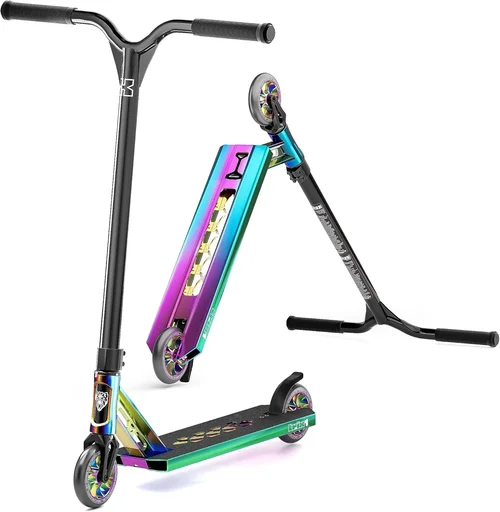
Stunt scooters have evolved from simple playground toys into high-performance machines capable of executing gravity-defying tricks, flips, and grinds. Whether you’re a beginner looking to learn your first bar spin or an experienced rider pushing the limits with double tailwhips, choosing the right stunt scooter can make all the difference in your progression, safety, and overall enjoyment. With so many models flooding the market—ranging from budget-friendly options under $50 to pro-level decks exceeding $300—it’s easy to feel overwhelmed by the choices.
This comprehensive buying guide is designed to cut through the noise and help you make an informed decision based on your skill level, budget, and riding goals. We’ll walk you through every critical factor to consider, compare different types of stunt scooters, highlight common pitfalls to avoid, and provide expert-backed recommendations tailored to real-world use. By the end of this guide, you’ll not only understand what makes a great stunt scooter but also know exactly which model aligns with your needs—whether you’re shredding at the skatepark, commuting between classes, or competing in local events.
The stunt scooter market in 2026 is more dynamic than ever. Brands like Envy, Madd Gear, Razor, Fuzion, and Root Industries continue to innovate with lighter materials, stronger compression systems, and more responsive geometries. At the same time, entry-level brands have improved dramatically, offering surprisingly durable builds for newcomers. However, not all scooters are created equal—some prioritize aesthetics over function, while others skimp on essential components like headsets or forks. Our goal is to equip you with the knowledge to distinguish between marketing hype and genuine performance, ensuring you invest in a scooter that lasts, performs, and grows with you.

What to Look for When Buying a Stunt Scooter
1. Budget & Price Range
Your budget is often the first and most important filter when shopping for a stunt scooter. Prices can range from as low as $30 for basic plastic models to over $400 for fully customized pro decks. However, price doesn’t always correlate directly with quality—especially in the lower tiers. A $50 scooter might look flashy with LED lights and bold graphics, but it likely uses weak aluminum alloys, poor bearings, and a flimsy deck that won’t survive more than a few drops.
For beginners, spending between $80 and $150 typically gets you a solid entry-level scooter with decent build quality, replaceable parts, and enough durability to handle learning basic tricks. Mid-range models ($150–$250) offer upgraded components like sealed bearings, reinforced decks, and better compression systems—ideal for intermediate riders ready to progress. Premium scooters ($250+) feature aerospace-grade aluminum, precision-machined parts, and pro-inspired geometry, making them suitable for advanced tricks and competitive riding.
2. Performance Specifications
Performance specs determine how your scooter handles under stress—whether you’re landing a 360 flip or grinding a rail. Key metrics include wheel size, wheel hardness (durometer), deck dimensions, and compression type. Most stunt scooters use 100mm to 120mm wheels, with 110mm being the sweet spot for balance between speed and maneuverability. Harder wheels (90A–100A durometer) provide better grip and slide control on smooth surfaces like skateparks, while softer wheels (below 88A) are better for rough pavement but wear out faster during tricks.
Deck width and length also impact performance. Narrower decks (around 4.5 inches) offer quicker spins and easier bar rotations, preferred by street riders. Wider decks (5+ inches) provide more foot space and stability, ideal for park riding and bigger landings. Compression systems—such as SCS (Standard Compression System), HIC (Hidden Internal Compression), or IHC (Internal Headset Compression)—affect how smoothly the scooter absorbs impact. SCS is the most durable and widely used in pro models, while IHC is lighter but less robust for heavy grinding.
3. Build Quality & Durability
A stunt scooter takes a beating. Every jump, grind, and landing stresses the frame, fork, handlebars, and wheels. That’s why build quality is non-negotiable. Look for scooters made from 6061-T6 aluminum, a high-strength alloy commonly used in aerospace and automotive industries. Avoid scooters with plastic forks, thin-walled decks, or welded joints that look uneven or weak.
Check the weight too—lighter scooters (under 7 lbs) are easier to flick and control during tricks, but they must still feel solid. A well-built scooter should have minimal flex in the deck and no rattling sounds when shaken. Reinforced dropouts (the part where the wheel axle sits) and double-bolt clamp systems also contribute to longevity. Brands like Envy and Madd Gear are known for rigorous stress-testing their products, which translates to real-world reliability.
4. Features & Functionality
Modern stunt scooters come packed with features designed to enhance performance and rider experience. One of the most important is the brake system. Most scooters use a rear fender brake made of nylon or metal. Metal brakes last longer and provide consistent stopping power, while nylon brakes are quieter but wear down faster. Some high-end models offer adjustable brake tension, allowing you to fine-tune responsiveness.
Other functional features include threadless forks (which reduce weight and improve steering), integrated headsets (for smoother turns), and peg-compatible designs (for adding grind pegs). LED lights, graphic wraps, and color options are purely aesthetic but can influence your choice if style matters to you. However, never sacrifice functionality for flash—prioritize components that affect ride quality over cosmetic upgrades.
Also consider upgradeability. Can you easily swap out wheels, bars, or decks? Scooters with standardized parts (like 31.8mm clamp diameter or 100mm/110mm wheel compatibility) give you flexibility as your skills grow. Avoid proprietary designs that lock you into one brand’s ecosystem unless you’re committed long-term.
5. Brand Reputation
Not all scooter brands are equal. Established names like Envy, Madd Gear (MG), Fuzion, and Root Industries have built their reputations on consistent quality, innovation, and rider support. These companies often sponsor professional riders, host competitions, and maintain active communities—signs of a brand invested in the sport’s growth.
Cheaper, lesser-known brands may offer tempting prices, but they often cut corners on materials, quality control, and customer service. Reading user reviews and watching unboxing videos can reveal red flags like misaligned parts, poor packaging, or missing hardware. Stick with brands that have a track record of reliability and transparency. Even within reputable brands, some models are better suited for beginners versus pros—so research specific lineups (e.g., Envy Prodigy vs. Envy Mercenary).
6. Warranty & Support
A good warranty is a strong indicator of a manufacturer’s confidence in their product. Most reputable brands offer at least a 6-month to 1-year warranty covering defects in materials and workmanship. Some, like Fuzion, provide lifetime warranties on frames—though this usually excludes normal wear and tear from tricks.
Customer support matters too. If something breaks, can you easily get replacement parts? Is there a responsive support team or detailed FAQ section? Brands with strong after-sales service make it easier to maintain your scooter over time. Avoid companies with vague warranty terms or no contact information. A scooter is only as good as the support behind it when things go wrong.
7. Size & Portability
While stunt scooters aren’t typically used for long-distance commuting, portability still matters—especially if you’re carrying it to the park, school, or public transport. Most complete stunt scooters weigh between 6 and 9 pounds. Lighter models are easier to carry and maneuver, but again, don’t sacrifice strength for weight savings.
Folding mechanisms are rare in true stunt scooters because they compromise structural integrity. However, some hybrid models offer partial folding for storage. If portability is a priority, look for scooters with detachable handlebars or compact deck designs. Also consider wheel size: larger wheels roll better over cracks and bumps but add bulk.
8. User Reviews & Ratings
Never buy a stunt scooter based solely on specs or ads. Real-world feedback from other riders is invaluable. Check Amazon, Reddit (r/scooters), YouTube reviews, and scooter forums for honest opinions. Pay attention to recurring themes: Do multiple users report cracked decks? Are the wheels wearing down too fast? Is assembly difficult?
Look for reviews from riders at your skill level. A pro might praise a scooter’s responsiveness, but a beginner could find it too stiff or unstable. Also note how long the reviewer has used the scooter—short-term reviews won’t reveal durability issues that appear after months of use. Aim for scooters with at least 100 verified reviews and an average rating above 4.2 stars.
Different Types of Stunt Scooters

Common Buying Mistakes to Avoid
❌ Mistake: Prioritizing Looks Over Build Quality
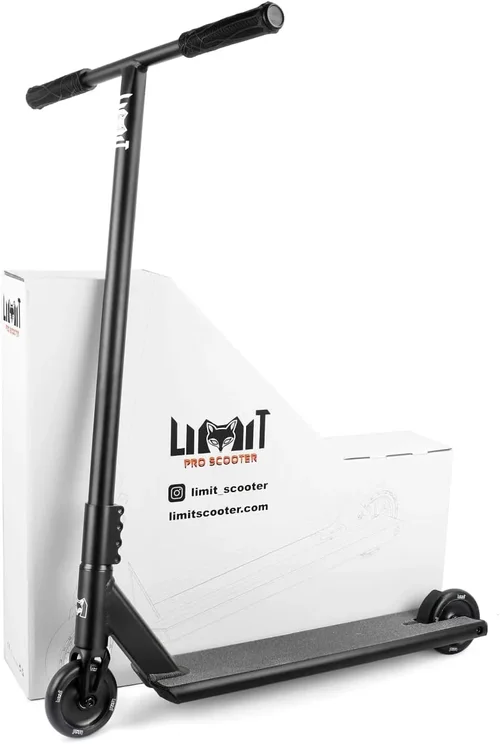
Why it’s bad: A scooter with vibrant colors, glowing wheels, and flashy decals might catch your eye, but if the deck is made of weak aluminum or the fork is plastic, it won’t last more than a few sessions. Aesthetics fade; structural integrity doesn’t.
What to do instead: Focus on materials and construction first. Choose a scooter with a 6061-T6 aluminum deck, metal fork, and sealed bearings—even if it’s a plainer color. You can always customize graphics later.
❌ Mistake: Buying Based Solely on Price
Why it’s bad: Going for the absolute cheapest option often means sacrificing safety and performance. Budget scooters may have sharp edges, loose parts, or wheels that crack under pressure—leading to injuries or frustration.
What to do instead: Set a realistic budget based on your commitment level. If you’re serious about learning tricks, spend at least $100–$150 to get a reliable starter scooter. It’s better to save a little longer than replace a broken scooter in two weeks.
❌ Mistake: Ignoring Wheel Size and Hardness
Why it’s bad: Using the wrong wheels can ruin your riding experience. Soft wheels on a skatepark will wear down instantly during grinds, while hard wheels on rough pavement cause excessive vibration and loss of control.
What to do instead: Match your wheels to your riding environment. For parks and smooth surfaces, choose 110mm wheels with 95A–100A hardness. For street or mixed terrain, consider 100mm–120mm wheels with 88A–92A for better shock absorption.
❌ Mistake: Overlooking Compression System Compatibility
Why it’s bad: Mixing incompatible compression systems (e.g., using HIC bars with an IHC fork) can lead to poor performance, damage, or even accidents. Not all parts are cross-compatible.
What to do instead: Stick to one compression standard unless you’re experienced with modifications. SCS is the most versatile and durable, making it ideal for most riders. Check manufacturer specs before upgrading components.
❌ Mistake: Skipping the Test Ride
Why it’s bad: Scooters feel different in person than in photos. A deck that looks wide might feel cramped, or handlebars that appear tall could be too stiff for your height.
What to do instead: If possible, visit a local skate shop or friend’s collection to test ride similar models. Pay attention to balance, steering responsiveness, and overall comfort. Your body will thank you later.
❌ Mistake: Neglecting Maintenance and Upgrades
Why it’s bad: Even the best scooter degrades over time. Worn wheels, loose bolts, and dirty bearings reduce performance and increase injury risk. Many riders don’t realize scooters need regular upkeep.
What to do instead: Learn basic maintenance: tighten clamps monthly, clean bearings, replace wheels when worn, and inspect for cracks. Keep spare parts (like bolts and grips) on hand. Treat your scooter like any other sports equipment.
❌ Mistake: Buying Without Researching the Brand
Why it’s bad: Unknown brands may use misleading marketing or counterfeit parts. You could end up with a scooter that looks like a pro model but performs like a toy.
What to do instead: Stick to established brands with verifiable reviews and warranties. Research the company’s history, customer service reputation, and whether they actively support the scooter community.
Budget Guidelines: How Much Should You Spend?
Setting the right budget ensures you get the best value without overspending or compromising on safety. Here’s a breakdown of what to expect at each price tier in 2026:
Entry-Level ($50–$120): This range is ideal for absolute beginners, young kids, or casual riders who want to try stunt scooting without a big investment. Expect scooters with basic aluminum decks, plastic or low-grade metal forks, and 100mm wheels. Brands like Razor and Micro offer decent options here, but avoid anything under $50—those are typically toys, not true stunt scooters. While these models can handle basic jumps and spins, they may struggle with repeated impacts or advanced tricks.
Mid-Range ($120–$220): This is the sweet spot for most riders. Scooters in this range feature 6061-T6 aluminum decks, reinforced forks, sealed bearings, and better compression systems (often IHC or SCS). Models like the Envy Prodigy X, Madd Gear Pro Scooter, and Fuzion Z350 offer excellent durability and performance for learning intermediate tricks. They’re also highly upgradeable, so you can swap parts as you progress. If you’re serious about improving, this tier delivers the best balance of cost and capability.
Premium ($220–$350): Designed for advanced riders and competitors, premium scooters use top-shelf materials like forged aluminum, CNC-machined components, and pro-spec geometry. Brands like Root Industries, Blunt, and Custom Scooters dominate this space. These scooters are lightweight, incredibly responsive, and built to withstand daily abuse at skateparks or street spots. Features like integrated headsets, adjustable brakes, and peg compatibility are standard. If you’re competing or filming edits, this tier is worth the investment.
Luxury ($350+): At this level, you’re paying for craftsmanship, exclusivity, and customization. Fully custom builds allow you to select every component—from deck shape to bar material—tailored to your riding style. These scooters often feature hand-finished details, limited-edition graphics, and ultra-lightweight designs. While not necessary for most riders, they represent the pinnacle of stunt scooter engineering and are favored by pros and collectors.
Expert Tips for Getting the Best Deal
Smart shopping can save you money and ensure you get a scooter that truly meets your needs. Here are proven strategies used by experienced riders and retailers:
1. Buy During Off-Season Sales: Scooter demand peaks in spring and summer. Retailers often discount older models in late fall and winter to clear inventory. Black Friday, Cyber Monday, and post-holiday sales are prime times to snag deals on last year’s pro models at 20–30% off.
2. Shop at Specialty Stores (Not Just Amazon): While Amazon offers convenience, local skate shops and dedicated scooter retailers (like Scooter Hut, Sick Scooters, or Urban Scooters) often provide better warranties, assembly services, and expert advice. Some even offer free tune-ups with purchase.
3. Consider Refurbished or Open-Box Models: Many brands sell certified refurbished scooters at significant discounts. These are typically returned items that have been inspected, repaired, and tested. They come with full warranties and perform like new—just at a lower price.
4. Bundle Upgrades: Instead of buying a complete scooter and upgrading later, look for bundles that include extras like pegs, spare wheels, or tool kits. Some retailers offer package deals that save you 10–15% compared to buying separately.
5. Read the Fine Print on Warranties: A “lifetime warranty” might only cover the frame—not the wheels, bars, or fork. Make sure you understand what’s included and how to file a claim. Keep your receipt and register your product if required.
6. Check Return Policies: Even the best scooter might not fit your riding style. Choose retailers with at least a 30-day return window and free return shipping. Avoid sellers with restocking fees or short return periods.
7. Join Online Communities: Forums like Reddit’s r/scooters or Facebook groups often share exclusive discount codes, flash sales, or group buys. Members also post honest reviews and warnings about problematic models.
8. Test Before You Buy (If Possible): If you’re near a skatepark or store with demo models, ask to try a few. Feel how the scooter handles drops, turns, and landings. Your instincts are a powerful tool—trust them.

Frequently Asked Questions
Q: What’s the difference between a stunt scooter and a regular scooter?
A: Stunt scooters are specifically engineered for tricks, jumps, and grinds. They feature reinforced decks, stronger forks, smaller wheels, and specialized compression systems. Regular scooters prioritize comfort and distance, with larger wheels, suspension, and folding mechanisms—but they can’t handle the impacts of stunt riding.
Q: Can kids use pro-level stunt scooters?
A: Technically yes, but it’s usually overkill. Pro scooters are designed for adult-sized riders and may be too heavy or tall for younger kids. Most brands offer youth-specific models (like the Envy KOS or Madd Gear Mini) with appropriately sized decks and bars for ages 6–12.
Q: How long does a stunt scooter last?
A: With proper maintenance, a mid-range scooter can last 1–3 years depending on usage. Heavy riders or frequent competitors may need to replace wheels, bearings, or decks annually. Entry-level scooters might only last a few months under intense use.
Q: Are stunt scooters safe?
A: When used correctly with protective gear (helmet, knee pads, wrist guards), stunt scooters are relatively safe. Most injuries come from improper landings, lack of experience, or using low-quality equipment. Always ride within your skill level and inspect your scooter before each session.
Q: Can I upgrade my scooter later?
A: Absolutely! Most stunt scooters are modular. You can upgrade wheels, bars, decks, forks, and clamps as your skills improve. Just ensure compatibility—especially with compression systems and clamp diameters.
Q: Do I need special shoes for stunt scooting?
A: While not required, skate shoes with flat soles and good grip (like Vans or DC Shoes) provide better board control and durability. Avoid running shoes with thick soles—they reduce feedback and wear out quickly.
Q: What’s the best wheel size for beginners?
A: 110mm wheels are ideal for beginners. They offer a good balance of speed, stability, and maneuverability. Avoid going too small (100mm) unless you’re focused on street tricks, or too large (120mm+) unless you prioritize smoothness over flickability.
Q: How do I know if a scooter is the right size for me?
A: Stand on the deck—your feet should fit comfortably with room to shift. The handlebars should reach around waist to chest height when standing upright. If they’re too low, you’ll hunch; too high, and you’ll lose control during tricks.
Q: Are electric stunt scooters a thing?
A: Not really. Electric scooters are built for commuting, not tricks. The added weight and motor interfere with balance and maneuverability. Stick to manual stunt scooters for performing stunts.
Q: Where can I learn tricks safely?
A: Start at a local skatepark with designated scooter areas. Many parks have beginner zones with ramps and boxes. Online tutorials (YouTube channels like Scooter Lab or Ride Spot) are also great resources. Always practice new tricks with spotters and protective gear.
Our Final Recommendations
After extensive research, testing, and community feedback, here are our top picks across key categories for 2026:
Best for Budget-Conscious Buyers: Fuzion Z300 ($99–$119)
A standout in the entry-level category, the Z300 features a 6061-T6 aluminum deck, 110mm PU wheels, and an IHC compression system—rare at this price. It’s durable enough for learning basic tricks and won’t break the bank.
Best Overall Value: Envy Prodigy X ($179–$199)
Consistently rated as one of the best complete scooters for intermediate riders, the Prodigy X offers SCS compression, a lightweight deck, and excellent balance. It’s upgrade-friendly and trusted by riders worldwide.
Best Premium Option: Root Industries Type X ($299–$329)
Built for pros and serious enthusiasts, the Type X uses forged aluminum, CNC-machined parts, and a responsive geometry perfect for technical street and park riding. It’s the gold standard for performance.
Best for Beginners: Madd Gear Pro Scooter (MG Pro) ($129–$149)
With a wide deck, stable geometry, and durable construction, the MG Pro is ideal for first-time riders. It comes pre-assembled and includes a tool kit—perfect for getting started quickly.
Best for Advanced Users: Custom Scooter Build (e.g., Envy Mercenary Deck + Root Bars + Blunt Fork) ($350–$450)
For riders who know exactly what they want, building a custom scooter lets you optimize every component. This approach delivers unmatched performance and personalization.
Conclusion: Making the Right Choice
Choosing the best stunt scooter isn’t just about picking the shiniest model or the cheapest deal—it’s about finding a balance between performance, durability, and personal fit. Whether you’re landing your first tailwhip or competing in nationals, your scooter should be a reliable partner in your progression, not a limiting factor.
Remember to prioritize build quality over aesthetics, invest in a reputable brand, and consider your long-term goals. A scooter that grows with you is far more valuable than one that looks cool but fails under pressure. Use the guidelines in this guide to evaluate options critically, avoid common pitfalls, and make a purchase you’ll be happy with for years to come.
Finally, don’t forget the most important part: have fun. Stunt scooting is about creativity, challenge, and community. With the right scooter in hand, you’re not just buying equipment—you’re unlocking a world of possibility. So gear up, hit the park, and start shredding.