
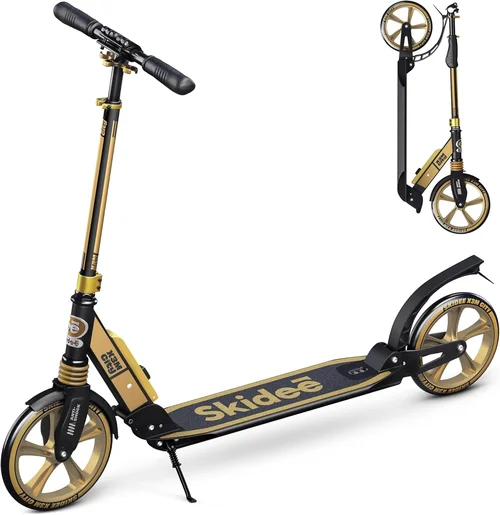
Offroad scooters aren’t just a fun weekend toy—they’re serious machines built to conquer dirt trails, gravel paths, grassy hills, and uneven terrain that would stop a standard electric scooter dead in its tracks. Whether you’re an adrenaline junkie looking to shred backcountry trails, a parent seeking a rugged ride for your teen, or an urban explorer who wants to venture beyond paved streets, choosing the right offroad scooter is critical. The market has exploded in recent years, with dozens of brands offering models at every price point and performance level. But not all offroad scooters are created equal. Some promise mountain-goat agility but crumble under real-world stress. Others boast impressive specs on paper but fall short in real-world durability or battery life.
This comprehensive buying guide is designed to cut through the noise and help you make a smart, informed decision. You’ll learn exactly what separates a capable offroad scooter from a glorified sidewalk cruiser, how to evaluate key specs like motor power, suspension, and tire type, and which brands and models deliver real value. We’ll walk you through budget considerations, common pitfalls to avoid, expert tips for getting the best deal, and even break down different categories of offroad scooters so you can match your needs to the right machine. By the end, you’ll have the confidence to choose a scooter that’s not only powerful and durable but also perfectly suited to your riding style, terrain, and long-term goals.
The offroad electric scooter market in 2026 is more competitive—and more confusing—than ever. From budget-friendly entry-level models under $500 to high-performance beasts pushing $3,000+, there’s a scooter for nearly every use case. Brands like Gotrax, Segway-Ninebot, Dualtron, Kaabo, and Apollo have expanded their offroad offerings, while niche manufacturers continue to innovate with better suspension systems, larger batteries, and more aggressive tread patterns. Yet despite the abundance of options, many buyers still end up disappointed due to mismatched expectations, overlooked features, or poor build quality. That’s why this guide focuses not just on specs, but on real-world performance, longevity, and usability. Whether you’re planning weekend trail rides, daily commutes over rough pavement, or full-day adventures off the grid, we’ve got you covered.
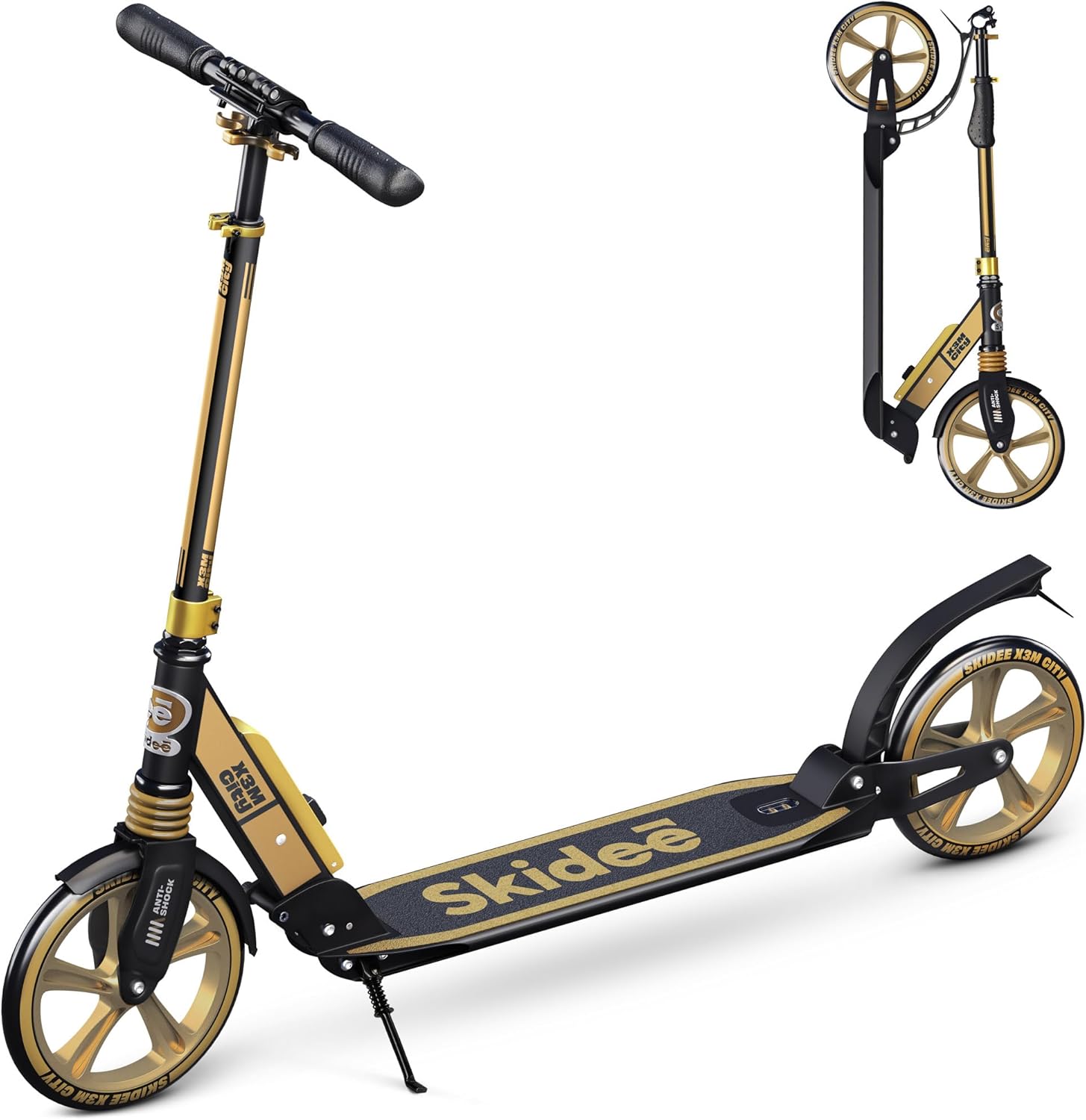
What to Look for When Buying Gotrax
1. Motor Power & Performance
Motor power is arguably the most important factor when evaluating an offroad scooter. Measured in watts (W), the motor determines how well your scooter can climb hills, accelerate from a stop, and maintain speed on uneven terrain. For true offroad capability, you’ll want a minimum of 500W, but ideally 800W or higher. Dual-motor setups (common in premium models) can deliver 1,000W–2,000W combined, providing exceptional torque and hill-climbing ability.
Look for continuous vs. peak power ratings—many manufacturers advertise peak power (a short burst during acceleration), which can be misleading. A scooter rated at “1,200W peak” might only deliver 600W continuously. For sustained offroad use, continuous power matters more. Also consider motor placement: rear-wheel drive offers better traction on loose surfaces, while front-wheel drive can improve steering responsiveness. If you plan to ride steep inclines (15%+ grades) or carry heavy loads, prioritize higher wattage and dual motors.
2. Tire Type & Size
Offroad scooters demand tires that can grip dirt, mud, sand, and rocks—not just smooth asphalt. Pneumatic (air-filled) tires are essential for shock absorption and traction. Look for wide, knobby tires (at least 10 inches in diameter, preferably 11–13 inches) with aggressive tread patterns. Solid or honeycomb tires may save maintenance, but they offer poor comfort and grip on rough terrain.
Tire width also matters: wider tires (2.5–3.0 inches) provide better stability and floatation over soft ground. Some premium models feature tubeless tires or self-sealing inner tubes to reduce puncture risk. Avoid scooters with narrow, slick, or semi-slick tires—they’re designed for city riding, not trails. If you’re riding in wet or muddy conditions, deep lugs and siping (small grooves in the tread) improve grip significantly.
3. Suspension System
A robust suspension system is non-negotiable for offroad riding. Without it, every bump, root, and rock sends jolts directly through your body, leading to fatigue, discomfort, and even injury over time. Most capable offroad scooters feature dual suspension: front fork suspension (spring or hydraulic) and rear shock absorbers (coil-over or air).
Look for adjustable suspension if you plan to ride varied terrain or carry different loads. High-end models may include inverted forks or progressive-rate springs for better damping. Avoid scooters with no suspension or only basic rubber dampers—they’re fine for sidewalks but useless on trails. Test ride if possible: a good suspension should absorb small bumps smoothly while controlling big impacts without bottoming out.
4. Battery Capacity & Range
Battery capacity, measured in watt-hours (Wh), directly impacts how far you can ride on a single charge. Offroad riding consumes more energy due to constant acceleration, climbing, and rough terrain, so expect 20–40% less range than advertised city numbers. For weekend trail adventures, aim for at least 300Wh; for full-day rides, 500Wh+ is ideal.
Lithium-ion (Li-ion) batteries are standard and offer good energy density and lifespan. Check the battery’s discharge rate (C-rating)—higher is better for sustained power delivery. Also consider charging time: fast-charging models (2–4 hours) are convenient, but avoid ultra-fast chargers that degrade battery life. Removable batteries are a huge plus for long trips or easy replacement. Always verify real-world range reviews—manufacturer claims are often optimistic.
5. Build Quality & Frame Material
Offroad scooters endure far more abuse than urban models. The frame must be rigid yet lightweight, typically made from aircraft-grade aluminum (6061 or 7075) or reinforced steel. Avoid flimsy plastics or thin-gauge metal—they’ll crack or bend under stress.
Check weld quality, bolt tightness, and overall fit-and-finish. High-end models often feature reinforced joints, double-thick deck plating, and IPX4 or higher water resistance. Look for sealed electronics compartments to protect against dust and moisture. Weight capacity is another key metric: most offroad scooters support 220–330 lbs, but verify this matches your needs. A well-built scooter should feel solid when you shake it—no rattles or flexing.
6. Braking System
Reliable stopping power is critical when riding at speed offroad. Disc brakes (mechanical or hydraulic) are far superior to drum or regenerative brakes for trail use. Hydraulic disc brakes offer the best modulation and stopping force, especially in wet conditions.
Many premium models include regenerative braking, which recaptures energy while slowing down—but don’t rely on it as your primary brake. Look for dual braking systems (front + rear) with ABS or electronic brake force distribution for maximum safety. Test braking responsiveness: you should be able to stop quickly without skidding or fishtailing. Avoid scooters with only foot brakes or weak electronic brakes—they’re dangerous on descents.
7. Portability & Weight
While offroad scooters are inherently heavier than urban models (often 40–70 lbs), portability still matters—especially if you need to load it into a car, carry it upstairs, or store it in tight spaces. Folding mechanisms should be sturdy and easy to operate with one hand.
Look for scooters with ergonomic handles, balanced weight distribution, and compact folded dimensions. Some models include carrying straps or wheels for easier transport. However, don’t sacrifice durability for lightness: a 10-lb lighter scooter isn’t worth it if it compromises frame strength or battery capacity. Consider your typical usage—if you’re trailering it to remote locations, weight becomes less critical than if you’re commuting daily.
8. Brand Reputation & Customer Support
Not all brands are equal when it comes to reliability and after-sales service. Established names like Gotrax, Segway-Ninebot, and Kaabo have proven track records, while lesser-known brands may cut corners on components or support.
Research warranty terms: a 12–24 month warranty is standard, but check what’s covered (battery, motor, frame). Read user reviews about repair times, replacement part availability, and responsiveness. Brands with local service centers or authorized dealers offer peace of mind. Avoid companies with no contact info, vague warranties, or poor review ratings. A reputable brand stands behind its product—even if something breaks, you won’t be left stranded.
Different Types of Gotrax

Common Buying Mistakes to Avoid
❌ Mistake: Prioritizing Top Speed Over Torque
Why it’s bad: High top speed looks impressive on spec sheets, but offroad riding is about control and climbing ability, not flat-out velocity. A scooter that hits 30 mph but struggles on a 10% hill is useless on trails.
What to do instead: Focus on torque and motor configuration. Dual motors or high-wattage single motors with gear reduction provide better low-end grunt for climbing and accelerating from stops on uneven ground.
❌ Mistake: Ignoring Real-World Range Claims
Why it’s bad: Manufacturers often test range on flat pavement at low speeds. Offroad conditions drastically reduce efficiency due to constant acceleration, elevation changes, and tire resistance.
What to do instead: Divide advertised range by 1.5–2x for realistic offroad estimates. Always buy a scooter with more range than you think you need—battery fade and cold weather will further reduce performance.
❌ Mistake: Choosing Based Solely on Price
Why it’s bad: The cheapest offroad scooter often uses weak motors, poor suspension, and low-quality batteries that fail quickly under stress. You’ll end up replacing it sooner, costing more long-term.
What to do instead: Set a budget range and compare value within it. A $800 scooter with hydraulic brakes and dual suspension beats a $500 model with plastic parts and no shocks.
❌ Mistake: Overlooking Maintenance Requirements
Why it’s bad: Offroad scooters need regular upkeep—tire pressure checks, brake adjustments, chain lubrication (if applicable), and cleaning after muddy rides. Neglect leads to premature wear.
What to do instead: Choose models with accessible components and clear maintenance guides. Pneumatic tires require more care than solids, but offer far better performance—factor in time and cost.
❌ Mistake: Assuming All “Offroad” Scooters Are Equal
Why it’s bad: Some brands slap “offroad” on scooters with barely-modified city models—narrow tires, weak motors, no suspension. These can’t handle real trails.
What to do instead: Verify key features: knobby tires, suspension, motor power, and frame strength. Read independent reviews from riders who’ve tested them on actual offroad terrain.
❌ Mistake: Skipping the Test Ride
Why it’s bad: Specs don’t tell the whole story. Handling, balance, and comfort vary widely between models. A scooter that looks great on paper might feel unstable or harsh in practice.
What to do instead: Visit local dealers or rental services to test ride. Pay attention to steering feel, brake response, and how it handles bumps. If testing isn’t possible, watch detailed video reviews showing real-world performance.
❌ Mistake: Ignoring Local Laws and Regulations
Why it’s bad: Many areas restrict where electric scooters can be ridden—especially offroad models with high speeds. Fines or confiscation can result from illegal use.
What to do instead: Check local ordinances before buying. Some states require helmets, lights, or registration for offroad e-scooters. Choose a model compliant with your region’s rules.
Budget Guidelines: How Much Should You Spend?
Entry-Level ($300–$600): This tier includes basic offroad-capable scooters like the Gotrax GXL V2 or Segway Ninebot E22E. Expect single 350W–500W motors, small pneumatic tires (8–10 inches), minimal or no suspension, and limited range (10–15 miles). These are best for light trail use, teens, or occasional weekend rides on well-maintained paths. Build quality is adequate but not rugged—avoid heavy riders or steep terrain.
Mid-Range ($600–$1,200): The sweet spot for most buyers. Models like the Gotrax G4, Apollo Explore, or Kaabo Mantis 8 offer 800W–1,000W motors, 10–11 inch knobby tires, front and rear suspension, and 20–30 mile range. These handle moderate hills, gravel, and dirt trails with confidence. Better batteries, hydraulic disc brakes, and improved frames make them durable for daily use. Ideal for recreational riders who want reliability without breaking the bank.
Premium ($1,200–$2,500): Built for serious offroad enthusiasts. Expect dual motors (1,500W+ combined), 11–13 inch tires, advanced suspension (adjustable or air shocks), 30–50 mile range, and high-capacity batteries (500Wh+). Brands like Dualtron, Kaabo, and Apollo dominate here. These scooters conquer steep inclines, rocky terrain, and long distances with ease. Features like app connectivity, customizable ride modes, and reinforced frames justify the cost for frequent riders.
Luxury ($2,500+): For professionals, extreme adventurers, or collectors. Think Dualtron Thunder 2, Kaabo Wolf King GT, or Apollo Phantom X. These beasts deliver 3,000W+ power, top speeds over 50 mph, race-grade suspension, and cutting-edge tech like regenerative braking, LED lighting, and smartphone integration. They’re overkill for casual use but unmatched for performance and prestige. Only consider if you’re riding daily or tackling the toughest trails.
Expert Tips for Getting the Best Deal
1. Buy During Off-Season Sales: Scooter demand peaks in spring and summer. Shop in late fall or winter (November–February) for discounts of 15–30%. Black Friday and Cyber Monday often feature deep cuts on last year’s models.
2. Compare Retailers, Not Just Brands: Prices vary widely between Amazon, brand websites, specialty retailers, and local shops. Use price-tracking tools like Honey or CamelCamelCamel to monitor fluctuations. Sometimes buying direct from the manufacturer includes free shipping or extended warranties.
3. Look for Refurbished or Open-Box Units: Certified refurbished scooters from reputable sellers offer significant savings (20–40% off) with full warranties. These are typically returned items inspected and repaired to like-new condition.
4. Negotiate Bundles: Ask dealers about package deals—helmets, locks, phone mounts, or spare batteries. Some offer free accessories with purchase, especially during promotions.
5. Check Return Policies Before Buying: Offroad scooters are expensive—ensure you can return or exchange within 14–30 days if it doesn’t meet expectations. Avoid retailers with restocking fees or short windows.
6. Join Owner Forums and Communities: Sites like Reddit’s r/ElectricScooters or ScooterTalk often share exclusive discount codes, flash sales, or group buys. Members also post honest long-term reviews you won’t find elsewhere.
7. Consider Financing Options: Many brands offer 0% APR financing for 6–12 months. This lets you spread payments without interest—ideal for high-end models. Just pay off before the promo period ends.
8. Inspect Before Finalizing Purchase: If buying in-store, check for cosmetic flaws, test all functions, and verify included accessories. For online orders, record unboxing videos to document any damage during shipping.

Frequently Asked Questions
Q: Can I ride an offroad scooter on the street?
A: It depends on local laws. Many offroad scooters exceed legal speed or power limits for public roads. Some states allow them on bike lanes or private property only. Always check regulations—and equip your scooter with lights, mirrors, and a horn if riding legally on streets.
Q: How often do I need to maintain an offroad scooter?
A: After every offroad ride, clean mud and debris from tires, brakes, and suspension. Check tire pressure weekly, inspect brakes monthly, and lubricate moving parts as needed. Deep maintenance (bearing checks, battery health) should be done every 3–6 months.
Q: Are offroad scooters safe for kids?
A: Only with proper supervision and age-appropriate models. Most manufacturers recommend ages 14+. Ensure the scooter has speed limiters, strong brakes, and a low center of gravity. Always require helmets and protective gear.
Q: What’s the difference between hub motors and chain-driven motors?
A: Hub motors (most common) are integrated into the wheel—simple, quiet, and low-maintenance. Chain-driven systems (rare on scooters) offer higher torque and serviceability but require lubrication and are noisier. For offroad, hub motors with gear reduction are preferred.
Q: Can I upgrade my scooter’s battery for more range?
A: Some models allow battery swaps or upgrades, but compatibility varies. Check with the manufacturer—unauthorized modifications may void warranties or damage electronics. Third-party batteries can be risky due to voltage mismatches.
Q: How do I store my scooter in winter?
A: Store in a dry, temperature-controlled space (above 40°F). Charge the battery to 50–60% before storage and top it up every 2–3 months. Avoid leaving it fully charged or depleted for long periods.
Q: What should I do if my scooter gets wet?
A: Most offroad scooters are water-resistant (IPX4), not waterproof. Dry it thoroughly, especially around connectors and the battery compartment. Avoid submerging or pressure washing. If water enters electronics, disconnect the battery and let it air dry completely before use.
Q: Is insurance necessary for offroad scooters?
A: Not typically required by law, but consider liability coverage if riding on public trails or near others. Some homeowners’ policies extend to e-scooters—check with your provider.
Q: How long do offroad scooter batteries last?
A: Quality Li-ion batteries last 500–1,000 charge cycles (2–4 years with regular use). Capacity fades over time—expect 20–30% loss after 2 years. Proper charging habits (avoid full discharges, don’t overcharge) extend lifespan.
Q: Can I ride in the rain?
A: Light rain is usually fine for IPX4-rated scooters, but avoid deep puddles, streams, or heavy downpours. Wet conditions reduce tire grip and increase braking distance. Dry thoroughly afterward to prevent corrosion.
Our Final Recommendations
Best for Budget-Conscious Buyers: Gotrax G4 – At around $600, it delivers surprising offroad capability with a 500W motor, 10-inch pneumatic tires, front suspension, and 25-mile range. Great for beginners and light trail use.
Best Overall Value: Apollo Explore – Priced near $1,000, it offers dual 400W motors (800W total), 10.5-inch knobby tires, dual suspension, and 30+ mile range. Reliable, well-built, and perfect for mixed terrain.
Best Premium Option: Kaabo Mantis 10 Pro – With dual 1,200W motors, 10-inch tubeless tires, hydraulic brakes, and 40-mile range, this $1,800 scooter dominates trails. Ideal for serious riders who demand power and precision.
Best for Beginners: Segway Ninebot MAX G30LP – Though marketed as urban, its 350W motor, 10-inch tires, and robust build handle light offroad use. Easy to ride, widely supported, and under $700.
Best for Advanced Users: Dualtron Ultra 2 – A $2,800 powerhouse with 5,400W peak power, 11-inch tires, triple suspension, and 60-mile range. Built for experts who ride daily and tackle extreme terrain.
Conclusion: Making the Right Choice
Choosing the best offroad scooter isn’t just about picking the fastest or most expensive model—it’s about matching the right machine to your needs, terrain, and riding style. We’ve covered everything from motor power and tire selection to budget planning and expert shopping tips. Remember: a scooter that excels on rocky mountain trails may be overkill for your local park path, and a budget model might leave you stranded on a long ride.
Prioritize durability, real-world performance, and safety over flashy specs. Read user reviews, test ride when possible, and invest in quality components that will last. Whether you’re a weekend warrior, a daily commuter venturing off-pavement, or an offroad enthusiast seeking the ultimate ride, the right scooter is out there—and now you know exactly how to find it.
Don’t rush the decision. Take your time, compare options, and choose a scooter that will grow with you. With the right machine, every trail becomes an adventure, every hill a challenge, and every ride a thrill. Happy riding!