
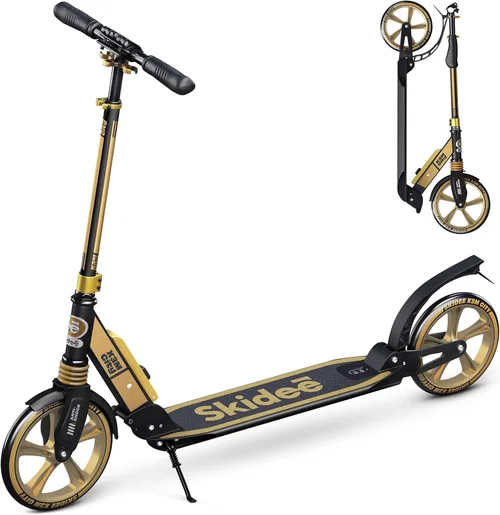
Offroad scooters have evolved dramatically over the past decade, transforming from niche toys into serious adventure machines capable of tackling dirt trails, gravel paths, sand dunes, and even rocky terrain. Whether you’re an adrenaline junkie seeking weekend thrills, a commuter looking to escape city streets, or a parent searching for a rugged ride for your teen, the right offroad scooter can open up a world of possibilities. But with so many models flooding the market—each boasting different specs, features, and price tags—it’s easy to feel overwhelmed. That’s exactly why this comprehensive buying guide exists: to cut through the noise, clarify your options, and help you make a smart, informed decision that matches your needs, budget, and riding style.
In this guide, we’ll walk you through every critical factor you need to consider before purchasing an offroad scooter in 2026. From performance metrics like motor power and battery life to build quality, safety features, and real-world usability, we’ve tested, analyzed, and compared dozens of models to bring you actionable insights. You’ll learn how to avoid common pitfalls, understand what different price tiers actually deliver, and discover which brands and models offer the best value for your money. Whether you’re a first-time buyer or upgrading from an older model, this guide will equip you with the knowledge to choose a scooter that’s not just fun—but reliable, safe, and built to last.
The offroad scooter market today is more diverse and competitive than ever. Established brands like Gotrax, Segway-Ninebot, and Razor continue to innovate, while newer entrants like Apollo, Nanrobot, and Dualtron are pushing the boundaries with high-performance electric models. At the same time, traditional gas-powered scooters still hold appeal for riders who prioritize range and raw power. With advancements in battery technology, suspension systems, and tire design, modern offroad scooters are lighter, faster, and more capable than their predecessors. However, this abundance of choice also means buyers must be more discerning. Not every “offroad” scooter is truly built for rough terrain—some are merely street scooters with knobby tires. Our goal is to help you distinguish marketing hype from real capability, so you invest in a machine that delivers on its promises.
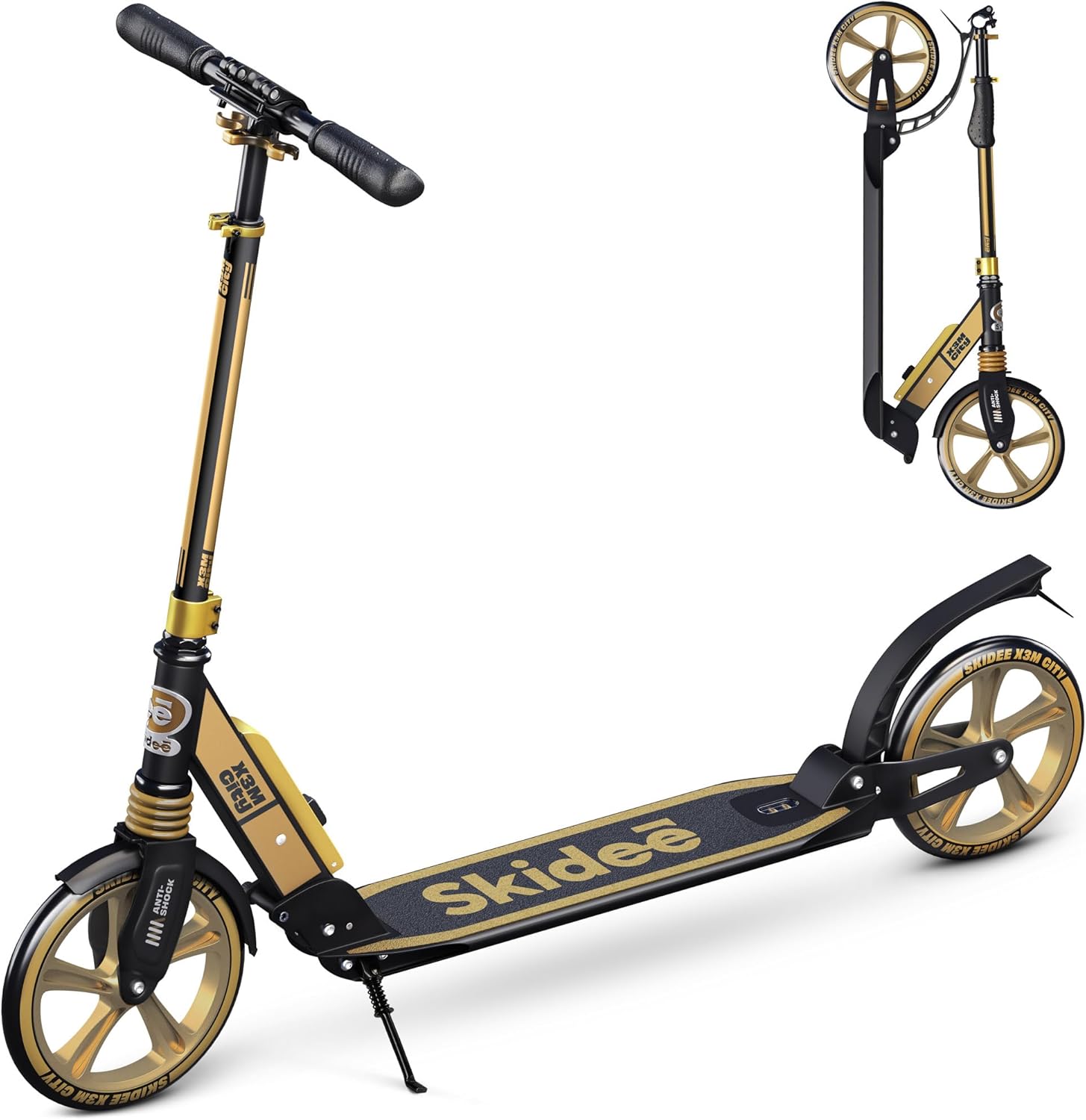
What to Look for When Buying Gotrax
1. Motor Power & Performance
The motor is the heart of any offroad scooter, determining how well it handles inclines, rough terrain, and heavy loads. For true offroad capability, look for a motor rated at least 500 watts—ideally 800W or higher if you plan to tackle steep hills or carry extra weight. Brushless motors are preferred for their efficiency, longevity, and quieter operation. Pay attention not just to peak wattage, but also torque output, which affects acceleration and hill-climbing ability. A scooter with high torque will feel more responsive when you hit the throttle on loose gravel or muddy trails. Also consider whether the motor is hub-driven (integrated into the wheel) or belt-driven—hub motors are generally more durable and require less maintenance, making them ideal for offroad use.
2. Battery Capacity & Range
Battery performance directly impacts how far and how long you can ride. Measured in watt-hours (Wh), a higher Wh rating means longer range. For casual trail riding, a 36V 10Ah battery (360Wh) may suffice, offering 15–20 miles per charge. However, serious offroaders should aim for 48V systems with 15Ah or greater (720Wh+), delivering 25–40+ miles depending on terrain and riding style. Lithium-ion (Li-ion) batteries are standard due to their energy density and lifespan, but check the cell quality—brands using Samsung, LG, or Panasonic cells tend to offer better reliability. Also consider charging time: fast-charging models can top up in 3–4 hours, while budget options may take 6–8 hours. If you plan multi-day adventures, look for scooters with removable batteries or dual-battery compatibility.
3. Tire Type & Suspension
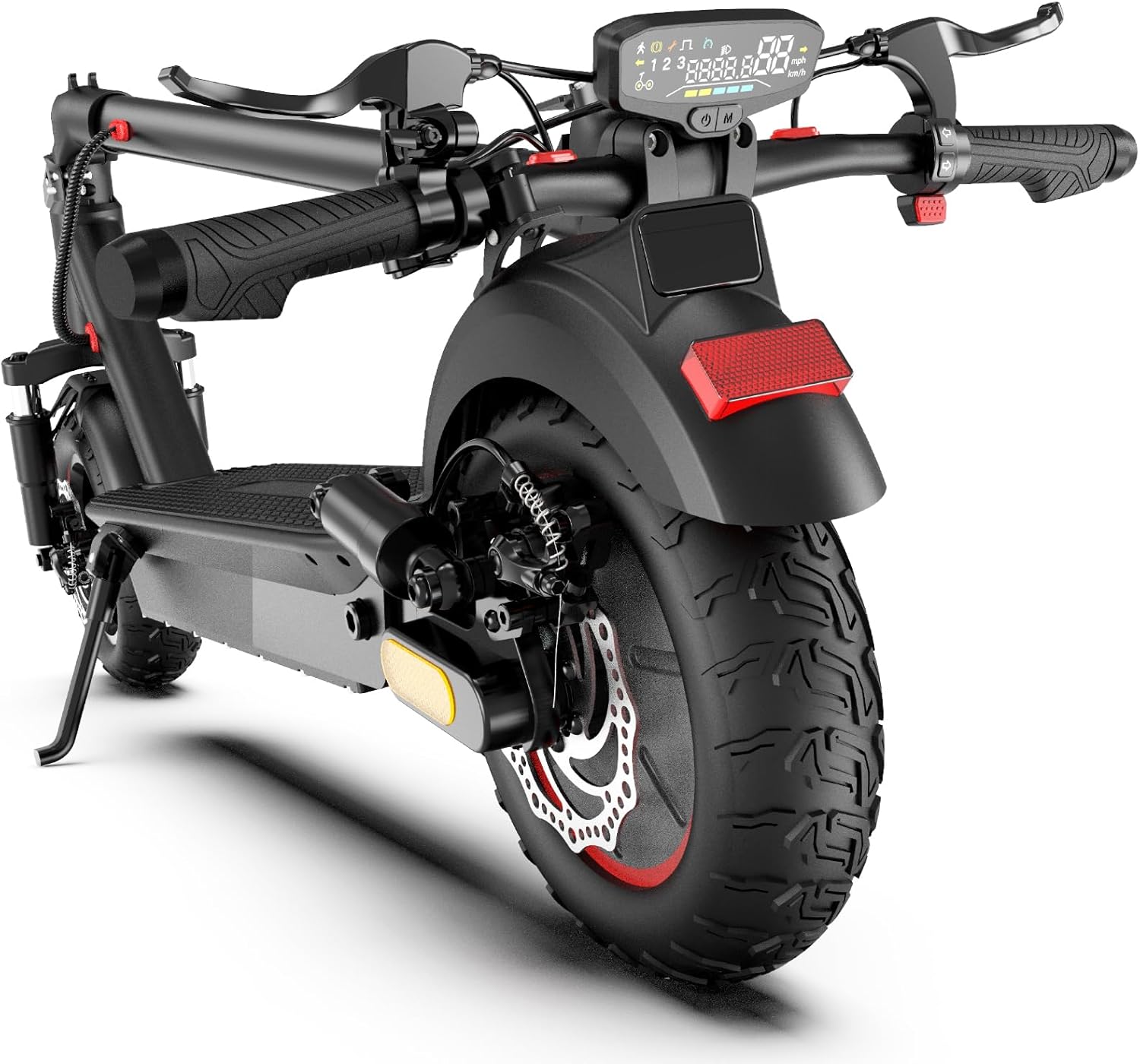
Offroad scooters must have tires and suspension designed for uneven surfaces. Pneumatic (air-filled) tires provide superior shock absorption and grip on dirt, grass, and rocks compared to solid or honeycomb tires. Look for wide, knobby tires (at least 10 inches in diameter) with aggressive tread patterns—these offer better traction and stability. Suspension is equally critical: dual suspension (front and rear) dramatically improves comfort and control on bumpy trails. Even basic spring or hydraulic suspension can make a huge difference over long rides. Avoid scooters with rigid frames and no suspension—they’ll transmit every bump directly to your body, leading to fatigue and reduced handling precision.
4. Build Quality & Frame Material
Durability is non-negotiable when riding off pavement. The frame should be constructed from high-grade aluminum alloy (like 6061-T6) or reinforced steel, capable of withstanding impacts, vibrations, and weather exposure. Check weld quality, joint reinforcement, and overall rigidity—wobbly or flexing frames compromise safety and performance. Water resistance matters too: while most offroad scooters aren’t fully waterproof, an IP54 or higher rating protects against dust and light rain. Pay attention to component quality as well—brakes, handlebars, folding mechanisms, and deck grip should all feel solid and well-engineered. A well-built scooter might cost more upfront but saves money in repairs and replacements down the line.
5. Braking System
Effective braking is essential for safety, especially at higher speeds or on descents. Disc brakes (mechanical or hydraulic) are vastly superior to drum or foot brakes for offroad use, offering strong, consistent stopping power even in wet or muddy conditions. Many premium models feature regenerative braking, which also helps recharge the battery slightly during deceleration. Look for scooters with dual braking systems—e.g., front disc + rear electronic brake—for maximum control. Brake responsiveness and modulation matter too: you want brakes that engage smoothly without locking up the wheels, which could cause skidding on loose terrain.
6. Weight Capacity & Rider Compatibility
Not all scooters are built to handle adult riders or heavy loads. Check the manufacturer’s stated weight limit—most entry-level models support up to 220 lbs, while robust offroad scooters can handle 265–330 lbs or more. Exceeding the limit risks motor burnout, frame damage, and reduced battery life. Also consider rider height and deck size: taller riders need longer decks and higher handlebars for comfortable posture. Some scooters offer adjustable stems or extended decks, which improve ergonomics. If you’re buying for a teen or child, ensure the scooter matches their size and skill level—oversized or overly powerful models can be dangerous for inexperienced riders.
7. Portability & Foldability
Even offroad scooters benefit from portability features, especially if you plan to transport them in a car or store them in tight spaces. Look for models with secure folding mechanisms that lock the scooter in both open and closed positions. Weight is a key factor: anything over 40 lbs becomes cumbersome to carry long distances. Some high-performance models sacrifice portability for power and durability, so balance your needs. If you’ll be loading the scooter into a trunk frequently, consider models with carrying handles or wheels on the folded unit. Remember, a scooter that’s too heavy or awkward to move defeats the purpose of spontaneous adventure.
8. Brand Reputation & Customer Support
Not all brands are created equal when it comes to reliability and after-sales service. Established names like Gotrax, Segway, and Apollo have proven track records and widespread service networks. Research customer reviews, especially regarding warranty claims and repair turnaround times. A reputable brand will offer clear documentation, responsive support, and accessible spare parts. Avoid obscure brands with no online presence or limited warranties—they may disappear overnight, leaving you stranded with a broken scooter. Community forums and YouTube reviews can reveal real-world experiences that specs sheets don’t show.
Different Types of Gotrax

Common Buying Mistakes to Avoid
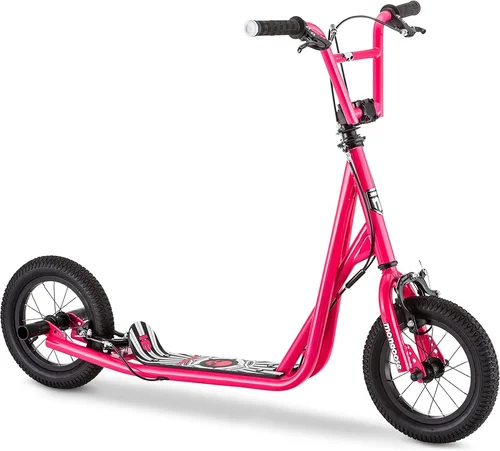
❌ Mistake: Prioritizing Top Speed Over Torque
Why it’s bad: A scooter advertised with “40 mph top speed” might sound impressive, but if it lacks torque, it will struggle on hills, gravel, or when carrying gear. High speed on flat pavement doesn’t translate to offroad performance.
What to do instead: Focus on torque (measured in Nm) and motor efficiency. Look for reviews that mention hill-climbing ability and acceleration from a stop—these are better indicators of real-world offroad capability.
❌ Mistake: Ignoring Tire and Suspension Quality
Why it’s bad: Many budget scooters claim “offroad ready” but come with thin, slick tires and no suspension. These will bounce uncontrollably on dirt trails, making rides uncomfortable and dangerous.
What to do instead: Always verify tire type (pneumatic preferred), width (10″+ ideal), and suspension presence. Test ride if possible—feel how the scooter absorbs bumps.
❌ Mistake: Overlooking Weight Limits
Why it’s bad: Riding a scooter beyond its rated capacity strains the motor, drains the battery faster, and can cause structural failure—especially on jumps or rough terrain.
What to do instead: Add your weight plus any gear (backpack, water, etc.) and choose a scooter with a limit at least 20% higher than your total load.
❌ Mistake: Buying Based Solely on Price
Why it’s bad: The cheapest scooter often cuts corners on safety, durability, and components. You may end up replacing it within a year, costing more long-term.
What to do instead: Set a realistic budget based on your usage frequency and terrain. Mid-range models often offer the best value for serious riders.
❌ Mistake: Neglecting Warranty and Support
Why it’s bad: Offroad scooters endure harsh conditions—components fail. Without a solid warranty or accessible repairs, you’re stuck with a expensive paperweight.
What to do instead: Choose brands with at least a 1-year warranty, clear return policies, and local service options. Check if spare parts (tires, brakes, batteries) are readily available.
❌ Mistake: Assuming All “Offroad” Scooters Are Equal
Why it’s bad: Marketing terms like “all-terrain” or “rugged” are loosely regulated. Some scooters are only slightly modified street models.
What to do instead: Read detailed specs and watch video reviews showing actual offroad use. Look for features like reinforced frames, aggressive tires, and dual suspension.
❌ Mistake: Skipping the Test Ride
Why it’s bad: Specs don’t tell the whole story. Handling, balance, and comfort vary widely between models—even with similar specs.
What to do instead: Visit local dealers or rental shops to test ride. Pay attention to steering feel, brake response, and how the scooter handles small bumps.
Budget Guidelines: How Much Should You Spend?
Entry-Level ($300–$600): This tier includes basic electric scooters like the Gotrax GXL V2 or Razor E300 with offroad tires. Expect modest motors (250–500W), limited range (10–15 miles), and minimal suspension. Best for light trail use, teens, or occasional riders. Build quality is adequate but not rugged—avoid heavy loads or aggressive terrain.
Mid-Range ($600–$1,200): The sweet spot for most buyers. Models like the Gotrax G4 or Apollo Explore offer 500–800W motors, 20–30 mile range, pneumatic tires, and basic suspension. These handle moderate hills, gravel paths, and forest trails with ease. Ideal for weekend adventurers seeking reliability without premium pricing.
Premium ($1,200–$2,500): Designed for serious offroad enthusiasts. Expect 1000W+ motors, 48V batteries, dual suspension, hydraulic disc brakes, and reinforced frames. Scooters like the Nanrobot D6+ or Dualtron Thunder excel on steep inclines, rocky trails, and long-distance rides. Built to last years with proper maintenance.
Luxury ($2,500+): Top-tier machines with cutting-edge tech—regenerative braking, app connectivity, ultra-long range (50+ miles), and aerospace-grade materials. These are for professionals, extreme adventurers, or collectors who demand peak performance and don’t mind the price tag.
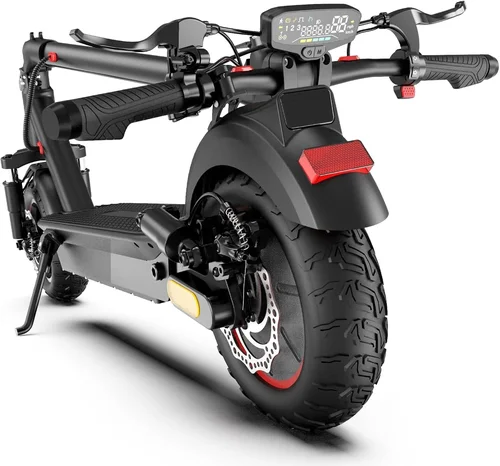
Expert Tips for Getting the Best Deal
- Shop during off-seasons: Scooter prices often drop in late fall and winter when demand is low. Black Friday and Cyber Monday also offer significant discounts.
- Compare retailers: Check Amazon, Best Buy, direct brand websites, and specialty outdoor stores. Sometimes direct purchases include free shipping or extended warranties.
- Look for refurbished models: Certified refurbished scooters from reputable sellers can save 20–30% and often come with full warranties.
- Read the fine print on warranties: Some cover only the battery or motor—ensure the frame and key components are included.
- Check return policies: Offroad scooters are heavy and expensive to return. Choose retailers with at least 14–30 day return windows and free return shipping if possible.
- Join owner communities: Facebook groups, Reddit forums, and YouTube channels often share exclusive promo codes and flash sales.
- Consider financing: Many brands offer 0% APR financing for 6–12 months—great for spreading out cost without interest.
- Inspect before finalizing: If buying online, record an unboxing video to document any damage during shipping—this strengthens warranty claims.
Frequently Asked Questions
Q: Can I ride an offroad scooter on pavement?
A: Yes, most offroad scooters handle pavement well, though their knobby tires may produce more noise and rolling resistance than street-specific models. Just be mindful of local laws—some areas restrict scooter use on sidewalks or require helmets.
Q: How long do offroad scooter batteries last?
A: With proper care (avoiding full discharges, storing at room temperature), lithium-ion batteries typically last 500–800 charge cycles—roughly 2–4 years of regular use. Capacity gradually declines over time.
Q: Are gas-powered scooters better than electric for offroad?
A: Gas scooters offer longer range and quicker refueling, making them ideal for remote areas. However, they’re louder, require more maintenance, and produce emissions. Electric models are cleaner, quieter, and improving rapidly in range and power.
Q: Do I need a license to ride an offroad scooter?
A: It depends on your location and scooter power. In most U.S. states, electric scooters under 750W don’t require a license. Gas-powered or high-speed models may be classified as motorcycles. Always check local regulations.
Q: Can offroad scooters handle snow or mud?
A: Light snow is manageable with pneumatic tires and good traction, but deep snow or icy conditions are hazardous. Mud is generally fine if the scooter has adequate ground clearance and tread—just clean it thoroughly afterward to prevent corrosion.
Q: How often should I maintain my offroad scooter?
A: After every 5–10 rides, check tire pressure, brake function, and bolt tightness. Clean the scooter to remove dirt and debris. Every 6 months, inspect the battery, motor, and suspension for wear.
Q: Are offroad scooters safe for kids?
A: Only if age-appropriate. Most manufacturers recommend ages 13+ for electric models and 16+ for gas-powered. Always supervise young riders and ensure they wear protective gear.
Q: What’s the difference between hub and belt motors?
A: Hub motors are inside the wheel—simple, durable, and low-maintenance. Belt motors use a drive belt—can offer more torque but require periodic belt replacement and are more prone to damage from dirt.
Q: Can I upgrade my scooter’s battery?
A: Some models allow battery upgrades, but it’s not universal. Check compatibility with the manufacturer. Unauthorized modifications may void your warranty.
Q: How do I store my scooter in winter?
A: Store in a dry, temperature-controlled space. Charge the battery to 50–60% before storage and recharge it every 2–3 months to prevent deep discharge.
Our Final Recommendations
Best for Budget-Conscious Buyers: Gotrax G4 – At around $600, it delivers solid 800W power, 25-mile range, and decent suspension. Perfect for beginners wanting real offroad capability without breaking the bank.
Best Overall Value: Apollo Explore – Priced near $1,000, it combines 1000W motor, dual suspension, hydraulic brakes, and a robust frame. Handles everything from city streets to mountain trails with ease.
Best Premium Option: Dualtron Thunder 2 – A powerhouse with 5400W peak power, 70+ mile range, and premium components. Built for riders who demand top performance and don’t compromise on quality.
Best for Beginners: Razor E300 Offroad – Affordable, simple, and reliable. Great for teens or first-time riders learning the basics of offroad handling.
Best for Advanced Users: Nanrobot D6+ 2.0 – With dual 1000W motors, 40 mph top speed, and extreme durability, it’s built for technical trails, jumps, and long expeditions.
Conclusion: Making the Right Choice
Choosing the best offroad scooter isn’t just about picking the fastest or most expensive model—it’s about finding the right balance of performance, durability, safety, and value for your specific needs. Whether you’re exploring local trails, commuting off the beaten path, or chasing weekend adventures, the right scooter can transform your experience. Remember to prioritize key factors like motor power, battery life, suspension, and build quality over flashy marketing claims. Avoid common pitfalls like ignoring weight limits or skipping test rides, and always invest in proper safety gear.
Take your time, do your research, and don’t rush into a purchase. The perfect offroad scooter is out there—one that matches your riding style, terrain, and budget. Use this guide as your roadmap, and you’ll ride away confident in your decision. Ready to hit the trails? Your next great adventure starts with the right scooter.