
Electric bikes have revolutionized personal transportation, and among the most versatile and exciting innovations in the e-bike world are folding fat tire models. These compact powerhouses combine the rugged capability of wide, knobby tires—perfect for sand, snow, mud, and rough terrain—with the convenience of a foldable frame that fits in car trunks, apartments, or under office desks. Whether you’re a city commuter navigating potholed streets, an outdoor adventurer exploring off-road trails, or someone with limited storage space, a folding fat tire ebike offers unmatched flexibility.
This comprehensive buying guide is designed to help you cut through the noise and make an informed decision. With dozens of brands flooding the market—from budget-friendly newcomers to established names like Rad Power Bikes, Aventon, and Himiway—it’s easy to feel overwhelmed. Our goal is simple: equip you with expert-level knowledge so you can choose the right folding fat tire ebike for your lifestyle, budget, and riding needs. We’ll cover everything from motor power and battery range to build quality, portability, and real-world performance, ensuring you don’t just buy an ebike—you buy the right one.
The folding fat tire ebike market has matured significantly over the past few years. What once consisted of clunky, heavy prototypes has evolved into sleek, high-performance machines capable of tackling everything from urban commutes to weekend trail adventures. Advances in lithium-ion battery technology, brushless motors, and lightweight aluminum frames have made these bikes more efficient, durable, and accessible than ever. However, not all folding fat tire ebikes are created equal. Some prioritize portability over power, while others sacrifice comfort for speed. This guide will walk you through the critical factors that separate the best from the rest, so you can ride with confidence—no matter where your journey takes you.

What to Look for When Buying a Folding Fat Tire Ebike
1. Budget & Price Range
Your budget is the single most important starting point when shopping for a folding fat tire ebike. Prices can range from under $800 for entry-level models to over $3,000 for premium, high-performance machines. While it’s tempting to go for the cheapest option, remember that ebikes are complex machines involving motors, batteries, frames, and electronics—cutting corners often leads to poor reliability, short lifespans, and safety concerns.
A good rule of thumb: allocate at least $1,200–$1,500 for a reliable, mid-tier folding fat tire ebike that offers decent range, solid build quality, and basic safety features. If you plan to ride daily or tackle challenging terrain, consider investing $2,000 or more. Premium models in this range typically include higher-capacity batteries (750Wh+), powerful mid-drive or geared hub motors (750W–1000W), hydraulic disc brakes, and advanced suspension systems.
2. Motor Power & Type
The motor is the heart of any ebike, and for folding fat tire models, it needs to deliver both torque and efficiency. Most folding fat tire ebikes use either a hub motor (located in the front or rear wheel) or a mid-drive motor (mounted near the pedals). Hub motors are more common in folding designs due to their simplicity and lower cost, while mid-drives offer better weight distribution and climbing ability but are rarer in compact frames.
For fat tire bikes—which are heavier and designed for off-road use—a motor rated between 500W and 1000W is ideal. A 500W motor can handle city streets and light trails, but if you plan to ride uphill, through sand, or on snow, aim for 750W or higher. Look for motors with high torque output (measured in Newton-meters, or Nm)—ideally 60Nm or more—for better acceleration and hill-climbing performance.
Also consider whether the motor is geared or gearless. Geared hub motors are lighter, more efficient, and better suited for folding bikes because they generate less heat and offer smoother power delivery. Gearless motors are quieter but heavier and less efficient at low speeds.
3. Battery Capacity & Range
Battery capacity determines how far you can ride on a single charge—a critical factor for commuters and adventurers alike. Measured in watt-hours (Wh), battery capacity directly correlates with range. For example, a 48V 14Ah battery equals 672Wh (48 × 14 = 672). Most folding fat tire ebikes offer batteries between 500Wh and 900Wh.
Real-world range depends on several variables: rider weight, terrain, assist level, tire pressure, and weather. A 672Wh battery might give you 30–50 miles on flat terrain with moderate pedal assist, but only 15–25 miles on hilly trails or in snow. Always check the manufacturer’s “realistic” range estimates—not just the optimistic lab-tested numbers.
Look for removable batteries with lockable mechanisms for security and convenience. Lithium-ion (Li-ion) is the standard and offers the best balance of energy density, lifespan, and weight. Avoid lead-acid or older NiMH batteries—they’re heavier, less efficient, and degrade faster.
4. Build Quality & Durability
A folding fat tire ebike must withstand rough terrain, frequent folding/unfolding, and exposure to the elements. The frame material is a key indicator of durability. High-quality aluminum alloys (like 6061 or 7005) are lightweight, corrosion-resistant, and strong enough for daily use. Avoid steel frames unless they’re specifically designed for heavy-duty folding—they’re durable but add significant weight.
Pay attention to the folding mechanism. Look for reinforced hinges, locking pins, and secure latches. A poorly designed hinge can loosen over time, creating safety hazards. Test the folding action if possible—it should be smooth, intuitive, and hold firmly in both folded and unfolded positions.
Other durability factors include welded joints (vs. bolted), IP rating for water resistance (IPX4 or higher is ideal), and quality of components like brakes, drivetrain, and suspension. A bike with hydraulic disc brakes, puncture-resistant tires, and a reliable gear system will last longer and perform better under stress.
5. Tire Size & Tread Pattern
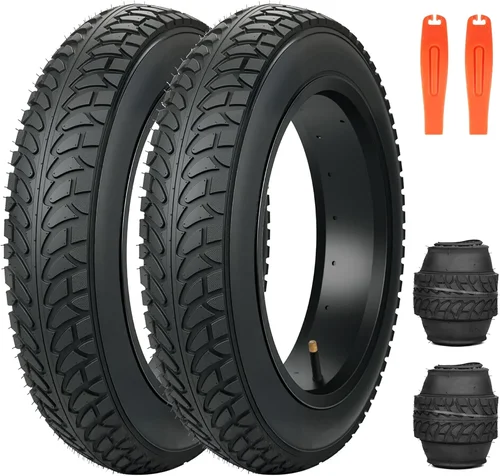
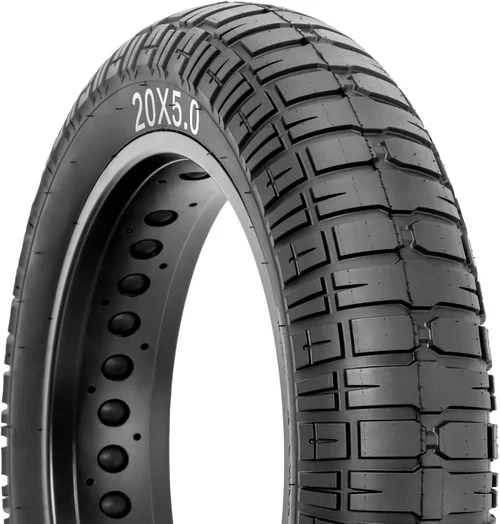
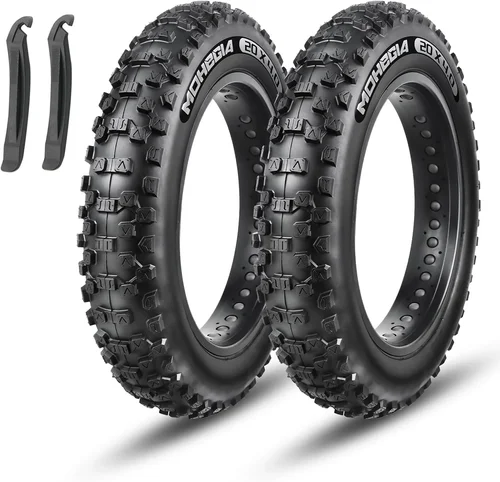
Fat tires—typically 4 to 5 inches wide—are what give these bikes their off-road prowess. Wider tires provide better traction, shock absorption, and stability on loose or uneven surfaces. However, they also increase rolling resistance and weight, which can reduce range and speed.
For mixed use (city + light trails), 4-inch tires are a sweet spot. They’re still manageable on pavement but capable off-road. If you plan to ride primarily on sand, snow, or rugged trails, go for 4.5″ to 5″ tires. Look for tires with aggressive tread patterns (knobby, multi-directional) for maximum grip. Brands like CST, Kenda, and Maxxis offer high-quality fat tires designed specifically for ebikes.
Also consider tire pressure adjustability. Lower pressure (10–15 PSI) improves comfort and traction off-road, while higher pressure (20–25 PSI) reduces rolling resistance on pavement. Some premium models include tubeless-ready tires for even better performance and puncture resistance.
6. Portability & Folding Mechanism
One of the main reasons people choose folding ebikes is convenience. But not all folding designs are equally portable. Evaluate how compact the bike becomes when folded—ideally, it should fit in a car trunk, under a desk, or in a closet without hassle.
Check the folded dimensions (usually listed as L × W × H) and compare them to your storage space. A good folding fat tire ebike should be under 36″ long when folded. Weight is another factor—most range from 55 to 75 pounds. If you need to carry it upstairs or onto public transit, aim for under 65 lbs.
The folding mechanism should be quick and tool-free. Common designs include step-through frames with rear hinge folds, mid-frame folds, or telescoping seat posts. Some models even feature a “double-fold” system for ultra-compact storage. Test the folding process: it should take under 30 seconds and not require excessive force.
7. Suspension & Ride Comfort
Fat tires naturally absorb shocks, but adding suspension enhances comfort—especially on bumpy roads or trails. Most folding fat tire ebikes include front suspension forks, but full suspension (front and rear) is rare due to space and weight constraints.
Look for adjustable suspension forks with at least 80–100mm of travel. Lockout features are a plus—they let you stiffen the fork for efficient pedaling on smooth surfaces. Rear suspension is typically found only on premium models and may involve seat post shocks or integrated frame designs.
Even without full suspension, a well-designed frame with flex and quality tires can deliver a smooth ride. Test ride if possible—pay attention to how the bike handles potholes, curbs, and uneven pavement. A comfortable ride reduces fatigue and makes longer trips more enjoyable.
8. Display & Smart Features
The display is your command center, showing speed, battery level, assist mode, and sometimes navigation or ride stats. Basic LCD screens are functional, but color TFT displays offer better visibility and more data. Look for backlit screens for night riding.
Advanced features may include Bluetooth connectivity, smartphone app integration, GPS tracking, anti-theft alarms, and regenerative braking (rare but emerging). While not essential, these can enhance the riding experience and add peace of mind.
Ensure the display is mounted securely and positioned for easy viewing without taking your eyes off the road. Water resistance is a must—look for IPX6 or higher ratings.
9. Braking System
Safety starts with reliable brakes. Folding fat tire ebikes are heavy and fast, so you need stopping power to match. Mechanical disc brakes are common on budget models, but hydraulic disc brakes are superior—they offer stronger, more consistent braking with less hand effort.
Look for 180mm or larger rotors for better heat dissipation and stopping power. Some premium models include regenerative braking, which recaptures energy during deceleration to extend range slightly.
Always test the brakes during a demo ride. They should engage smoothly without squealing or grabbing. Regular maintenance (pad replacement, rotor cleaning) is essential for long-term performance.
10. Warranty & Customer Support
A solid warranty is a strong indicator of a manufacturer’s confidence in their product. Most reputable brands offer at least a 1-year comprehensive warranty, with 2–3 years becoming standard for mid-to-high-end models. Key components like the motor and battery often have longer coverage (2–3 years).
Check what the warranty covers: frame, motor, battery, electronics, and labor. Avoid brands with vague terms or “limited” warranties that exclude common issues. Also research customer support responsiveness—can you easily reach a human? Are replacement parts readily available?
Brands like Rad Power Bikes, Aventon, and Himiway have strong U.S.-based support networks, while some Chinese brands may offer limited local service. Reading user reviews about post-purchase experiences can reveal a lot about reliability and support quality.
Different Types of Folding Fat Tire Ebikes

Common Buying Mistakes to Avoid
❌ Mistake: Prioritizing Price Over Quality
Why it’s bad: Cheap folding fat tire ebikes often use low-grade motors, weak batteries, and flimsy frames. They may break down within months, leaving you stranded or facing costly repairs. Safety risks increase with poor braking and electrical systems.
What to do instead: Set a realistic budget based on your usage. Invest in a reputable brand with proven reliability. Remember: a $1,500 bike that lasts 5 years is better value than a $900 bike that fails in 18 months.
❌ Mistake: Ignoring Real-World Range Claims
Why it’s bad: Manufacturers often quote “up to” range figures based on ideal conditions (light rider, flat terrain, lowest assist). In reality, range can be 30–50% lower, especially with fat tires and hills.
What to do instead: Look for third-party reviews or user testimonials that report actual range. Use online calculators to estimate range based on your weight, terrain, and riding style. Always plan for 20–30% less than advertised.
❌ Mistake: Overlooking Weight and Portability
Why it’s bad: A folding bike that’s too heavy or bulky defeats the purpose. If you can’t lift it easily or store it conveniently, you’re less likely to use it regularly.
What to do instead: Check the weight and folded dimensions before buying. If possible, test lift the bike or watch unboxing videos. Consider your physical ability—some riders prefer lighter models even if it means slightly less power.
❌ Mistake: Skipping the Test Ride
Why it’s bad: Specs don’t tell the whole story. How a bike feels—its balance, comfort, and handling—can only be assessed by riding it.
What to do instead: Visit local dealers or attend ebike expos. If buying online, choose retailers with generous return policies (30-day trial periods). Some brands offer virtual consultations or demo programs.
❌ Mistake: Neglecting Maintenance Requirements
Why it’s bad: Ebikes require regular upkeep: tire checks, brake adjustments, chain lubrication, and battery care. Ignoring maintenance leads to premature wear and safety issues.
What to do instead: Learn basic maintenance or find a local ebike shop. Choose models with accessible components and clear service manuals. Budget for annual tune-ups.
❌ Mistake: Buying Without Researching Local Laws
Why it’s bad: Ebike regulations vary by state and country. Some areas restrict motor power, speed, or where you can ride. A 1000W bike might be illegal in your city.
What to do instead: Check local laws before purchasing. In the U.S., Class 1 and 2 ebikes (20 mph max) are widely permitted. Class 3 (28 mph) may have restrictions. Ensure your bike complies.
❌ Mistake: Falling for “Too Good to Be True” Deals
Why it’s bad: Scam websites and counterfeit brands offer ultra-cheap ebikes with fake specs. These often arrive defective, lack support, or pose fire risks due to poor battery quality.
What to do instead: Buy from authorized retailers or the brand’s official website. Verify seller ratings and return policies. If a deal seems unbelievable, it probably is.
Budget Guidelines: How Much Should You Spend?
Entry-Level ($800 – $1,300): These bikes are ideal for casual riders, students, or those testing the waters. Expect basic hub motors (350W–500W), smaller batteries (400–600Wh), and mechanical disc brakes. Build quality may be adequate but not exceptional. Brands like Ancheer, ECOTRIC, and Swagtron offer models in this range. Best for flat city riding and light use.
Mid-Range ($1,300 – $2,200): This is the sweet spot for most buyers. You’ll find 500W–750W motors, 600–800Wh batteries, hydraulic disc brakes, and better suspension. Brands like Aventon, Rad Power Bikes, and Himiway dominate here with reliable, well-reviewed models. These bikes offer a great balance of performance, durability, and features for daily commuting and weekend adventures.
Premium ($2,200 – $3,500): Designed for enthusiasts and serious riders, these models boast 750W–1000W motors, high-capacity batteries (800–1000Wh), full or advanced front suspension, and smart features like app connectivity. Expect top-tier components from brands like Juiced Bikes, QuietKat, and Addmotor. Ideal for long-distance touring, off-road exploration, and riders who demand maximum performance.
Luxury ($3,500+): These are the Ferraris of folding fat tire ebikes. Think carbon fiber elements, dual batteries, regenerative braking, GPS tracking, and custom builds. While overkill for most, they’re perfect for collectors, tech lovers, or those who want the absolute best. Limited availability and high maintenance costs are trade-offs.
Expert Tips for Getting the Best Deal
- Shop During Sales Seasons: Major discounts occur during Black Friday, Cyber Monday, end-of-year clearance, and spring launches. Sign up for brand newsletters to get early access.
- Buy Direct from Manufacturers: Brands like Rad Power Bikes and Himiway often offer exclusive deals, free shipping, and extended warranties when you buy directly.
- Check for Refurbished or Open-Box Models: These can save you 15–30% and often come with full warranties. Only buy from certified refurbishers.
- Compare Financing Options: Many brands offer 0% APR financing for 6–24 months. This lets you spread payments without interest—great for budget management.
- Read Return Policies Carefully: Ensure you have at least 14–30 days to return the bike if it doesn’t meet expectations. Some brands charge restocking fees.
- Join Online Communities: Forums like Reddit’s r/ebikes or Facebook groups share real-user deals, discount codes, and insider tips.
- Consider Accessories in the Bundle: Some retailers offer free helmets, locks, or racks with purchase—adding value beyond the bike itself.
- Test Ride Before Committing: If buying online, choose retailers with local demo centers or partner shops where you can test the model.

Frequently Asked Questions
Q: Can I ride a folding fat tire ebike in the rain?
A: Yes, most modern folding fat tire ebikes are water-resistant (IPX4 or higher), meaning they can handle light rain and splashes. However, avoid submerging the bike or riding through deep puddles. Always dry the bike after wet rides and store it in a dry place to prevent corrosion.
Q: How long does the battery last before needing replacement?
A: A quality lithium-ion battery typically lasts 500–1,000 full charge cycles, which translates to 2–5 years of regular use. Proper care—like avoiding full discharges and storing at 50–80% charge—can extend lifespan.
Q: Are folding fat tire ebikes allowed on bike paths?
A: In most U.S. states, Class 1 and 2 ebikes (pedal-assist up to 20 mph) are permitted on bike paths unless locally restricted. Class 3 bikes (28 mph) may be limited to roads. Always check local regulations.
Q: Can I pedal a folding fat tire ebike without power?
A: Absolutely. All ebikes function as regular bicycles when the motor is off. Fat tires add some rolling resistance, but modern gearing makes pedaling manageable—even uphill.
Q: How do I maintain the folding mechanism?
A: Regularly inspect hinges and latches for wear. Apply a small amount of lubricant (like WD-40 Specialist Bike) to moving parts every few months. Avoid forcing the fold—if it’s stiff, check for debris or misalignment.
Q: What’s the difference between hub and mid-drive motors?
A: Hub motors are simpler, cheaper, and common in folding bikes. Mid-drive motors are mounted near the pedals, offering better balance and efficiency, especially on hills. However, they’re heavier and harder to fit in compact frames.
Q: Can I upgrade the battery later?
A: Some brands offer higher-capacity battery upgrades, but compatibility varies. Check with the manufacturer before purchasing. Third-party batteries may void your warranty.
Q: Are folding fat tire ebikes safe for seniors?
A: Yes, with the right model. Look for step-through frames, low center of gravity, and stable handling. Avoid overly powerful motors if you prefer gentle acceleration. Test ride to ensure comfort and confidence.
Q: How fast can a folding fat tire ebike go?
A: Most are limited to 20 mph (Class 2) or 28 mph (Class 3) in the U.S. Off-road, some can reach 30+ mph, but speed depends on motor power, terrain, and rider input.
Q: Do I need a license or insurance?
A: In most U.S. states, no license or insurance is required for Class 1–3 ebikes. However, regulations vary—check your local DMV or transportation authority.
Our Final Recommendations
Best for Budget-Conscious Buyers: ECOTRIC Fat Tire Folding Ebike – At under $1,200, this model offers a 500W motor, 48V 12.5Ah battery (600Wh), and 4″ fat tires. It’s not the lightest, but it delivers solid performance for the price and includes hydraulic disc brakes—a rarity in this range.
Best Overall Value: Aventon Aventure.2 Folding – Priced around $1,999, this bike combines a 750W motor, 720Wh removable battery, and a sleek folding design. It’s lightweight (63 lbs), has a bright color display, and excels on both pavement and trails. Excellent customer support and a 2-year warranty make it a standout.
Best Premium Option: Himiway Zebra Folding Fat Tire Ebike – With a 750W geared hub motor, 960Wh battery, and full front suspension, this bike is built for adventure. It folds compactly, includes a rear rack, and offers up to 80 miles of range. Priced at $2,499, it’s a top-tier choice for serious riders.
Best for Beginners: Rad Power Bikes RadExpand 5 – Rad’s reputation for reliability shines here. The RadExpand 5 features a 750W motor, 672Wh battery, and intuitive controls. It’s easy to fold, ride, and maintain—perfect for first-time ebike owners. Plus, Rad offers excellent U.S.-based support.
Best for Advanced Users: Juiced CrossCurrent X Folding – This high-performance machine boasts a 1000W motor, 960Wh battery, and regenerative braking. It’s fast, powerful, and packed with smart features like app integration and GPS tracking. At $3,299, it’s for riders who want cutting-edge tech and maximum capability.
Conclusion: Making the Right Choice
Choosing the best folding fat tire ebike isn’t just about specs—it’s about aligning the bike’s capabilities with your lifestyle, terrain, and goals. Whether you’re commuting through the city, exploring mountain trails, or simply seeking a convenient way to get around, the right ebike can transform your daily routine. By focusing on key factors like motor power, battery range, build quality, and portability, you’ll avoid common pitfalls and invest in a machine that delivers years of reliable service.
Remember, the cheapest option isn’t always the best value, and the most powerful bike may be overkill for your needs. Prioritize your must-have features, set a realistic budget, and don’t skip the test ride. With the insights from this guide, you’re now equipped to navigate the market with confidence.
Take your time, do your research, and choose wisely. The perfect folding fat tire ebike is out there—ready to take you farther, faster, and with more freedom than ever before. Happy riding!