
Electric bikes have revolutionized the way people commute, explore, and stay active—offering an eco-friendly, cost-effective alternative to cars and traditional bicycles. But for many, the biggest barrier to entry isn’t performance or features—it’s price. That’s why finding the best cheap e-bikes is more important than ever in 2026. With rising fuel costs, traffic congestion, and growing environmental awareness, e-bikes are no longer just a niche product for tech enthusiasts or fitness buffs. They’re becoming a mainstream transportation solution for students, commuters, retirees, and families alike.
This comprehensive buying guide is designed to help you navigate the crowded and often confusing world of affordable electric bikes. Whether you’re a first-time buyer or upgrading from a basic model, we’ll walk you through everything you need to know to make a smart, informed decision. You’ll learn how to evaluate key factors like battery life, motor power, build quality, and warranty—without getting overwhelmed by technical jargon. We’ll also highlight common pitfalls to avoid, share expert tips for scoring the best deals, and break down exactly what you can expect at different price points. By the end of this guide, you’ll have the confidence and knowledge to choose an e-bike that fits your budget, lifestyle, and riding needs.
The market for budget-friendly e-bikes has exploded in recent years, with dozens of brands flooding the space—from established names like Ancheer and Swagtron to newer players like Heybike and Lectric. While competition has driven prices down and innovation up, it’s also made it harder to separate genuine value from marketing hype. Some cheap e-bikes deliver surprisingly solid performance and reliability, while others cut so many corners that they’re barely functional after a few months. Our goal is to cut through the noise and give you a clear, honest roadmap to finding the best cheap e-bikes that offer real-world usability, safety, and long-term value.
What to Look for When Buying Gotrax
1. Budget & Price Range
When shopping for a cheap e-bike, your budget is the foundation of your entire decision. But “cheap” doesn’t have to mean “low quality.” In 2026, you can find reliable e-bikes starting around $500, with many excellent options between $600 and $1,200. The key is understanding what you’re getting—and what you’re giving up—at each price tier. At the lower end ($500–$700), expect basic components, shorter range, and limited features. As you move into the $800–$1,200 range, you’ll typically see better motors, longer-lasting batteries, improved brakes, and more durable frames.
It’s also important to factor in hidden costs. A $600 e-bike might seem like a steal, but if it requires frequent repairs or a battery replacement after a year, your total cost of ownership could quickly surpass that of a $900 model with better build quality. Always consider the long-term value, not just the sticker price. Set a realistic budget that includes room for essential accessories like a helmet, lock, lights, and possibly a rear rack or panniers. These add-ons can easily add $100–$200 to your initial investment, so plan accordingly.
2. Performance Specifications
Performance is where many budget e-bikes fall short—but it doesn’t have to. The two most critical specs to evaluate are motor power and battery capacity. Motor power is measured in watts (W), and for city commuting or light hills, a 250W to 500W motor is usually sufficient. However, if you plan to tackle steeper inclines or carry heavy loads, look for at least 500W, with 750W being ideal for more demanding terrain. Keep in mind that higher wattage doesn’t always mean better performance—efficiency, torque, and controller quality matter just as much.
Battery capacity is measured in watt-hours (Wh), which directly impacts your range. A 36V 10Ah battery, for example, delivers 360Wh of energy. On average, you can expect about 25–40 miles of range per 400Wh, depending on terrain, rider weight, assist level, and weather. For daily commuting under 15 miles round-trip, a 300–400Wh battery should suffice. But if you want flexibility for longer rides or weekend adventures, aim for 500Wh or more. Also, check the battery type—lithium-ion (Li-ion) is standard and offers the best balance of weight, lifespan, and performance. Avoid lead-acid batteries, which are outdated, heavy, and have a much shorter lifespan.
3. Build Quality & Durability
A cheap e-bike that breaks down after three months isn’t a bargain—it’s a liability. Build quality is one of the most overlooked aspects of budget e-bike shopping, yet it’s crucial for safety and longevity. Start by examining the frame material. Aluminum alloy is the gold standard for affordable e-bikes: it’s lightweight, rust-resistant, and strong enough to handle daily use. Avoid steel frames unless they’re specifically designed for heavy-duty use—they’re heavier and more prone to corrosion.
Next, inspect the welds, joints, and overall fit and finish. A well-built e-bike should feel solid when you lift it, with no creaking or flexing. Check the wheels—look for double-walled rims and stainless steel spokes, which are more durable than single-wall rims or painted spokes. Tires matter too: puncture-resistant tires with good tread will save you from frequent flats and improve grip on wet or uneven surfaces. Finally, pay attention to the drivetrain. Even on budget models, you should see reputable components like Shimano gears or a reliable single-speed setup. Avoid bikes with flimshift shifters or poorly aligned chains—these are red flags for poor assembly.
4. Features & Functionality
Just because you’re on a budget doesn’t mean you should sacrifice useful features. Modern cheap e-bikes often include a surprising array of tech and conveniences. Start with the display: a basic LCD screen that shows speed, battery level, and assist mode is standard, but some models now offer Bluetooth connectivity, GPS tracking, or smartphone integration. These extras can enhance your riding experience and help you monitor performance over time.
Pedal assist levels are another key feature. Most e-bikes offer 3 to 5 levels of assist, allowing you to customize how much motor power you get. Look for smooth, responsive transitions between levels—jerky or delayed responses can make riding feel unsafe. Throttle mode is also important. A thumb or twist throttle lets you ride without pedaling, which is great for starting from a stop or climbing hills. However, not all regions allow throttle-only riding, so check local regulations.
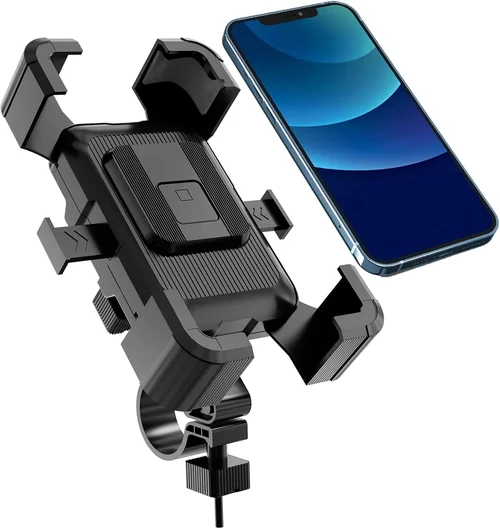
Other features to consider include integrated lights (front and rear), fenders, rear racks, and kickstands. These may seem minor, but they add significant convenience and safety, especially for commuters. Some budget e-bikes even include USB charging ports, phone mounts, or app-based ride tracking. While you don’t need every bell and whistle, prioritize features that align with your usage—like fenders if you ride in the rain or a rack if you carry groceries.
5. Brand Reputation
With so many new brands entering the e-bike market, brand reputation has become a critical filter for quality. Established brands like Ancheer, Swagtron, and Gotrax have built their names on consistent performance and customer support, even at lower price points. They often have better supply chains, more rigorous testing, and clearer warranty policies than no-name manufacturers.
That said, newer brands like Heybike, Lectric, and Aventon are gaining traction by offering high-value models at competitive prices. The key is to research each brand’s track record. Look for customer reviews on trusted platforms like Amazon, Reddit, or specialized e-bike forums. Pay attention to recurring complaints—especially about battery life, motor failure, or poor customer service. A brand with a high return rate or frequent shipping delays may save you money upfront but cost you time and frustration later.
Also, consider where the bike is assembled and supported. Brands that offer U.S.-based customer service and local repair networks (even if the bike is manufactured overseas) tend to provide better post-purchase support. This is especially important for budget e-bikes, which may require more maintenance or part replacements over time.
6. Warranty & Support
A solid warranty is one of the best indicators of a manufacturer’s confidence in their product—and your protection as a buyer. For cheap e-bikes, a standard warranty should cover at least 12 months on the frame and electrical components, with 6 months on the battery. Some brands, like Lectric and Aventon, offer 18- to 24-month warranties, which is a strong sign of quality.
Read the fine print carefully. Many warranties exclude “wear and tear” items like tires, brakes, and chains, which is normal. But be wary of brands that void the warranty if you make any modifications or use third-party chargers. Also, check what the warranty actually covers: does it include labor for repairs, or only parts? Is shipping included if you need to send the bike back?
Customer support is just as important. Can you reach a real person by phone or email? Do they respond within 24–48 hours? Are replacement parts readily available? A brand with poor support can turn a minor issue into a major headache. Look for companies that offer detailed FAQs, video tutorials, and active community forums. These resources can help you troubleshoot common problems without waiting for a technician.
7. Size & Portability
Not all e-bikes are created equal when it comes to size and portability—especially if you live in an apartment, take public transit, or need to store your bike in a small space. Weight is a major factor: most budget e-bikes weigh between 40 and 60 pounds. While that’s manageable for short distances, it can be challenging to lift onto a bus or carry upstairs. If portability is a priority, look for models under 50 pounds or those with step-through frames, which are easier to mount and dismount.
Folding e-bikes are another great option for urban dwellers. Brands like Swagtron and Gotrax offer compact folding models that can fit under a desk or in a closet. These bikes typically have smaller wheels (16″ or 20″), which reduces range and stability slightly but greatly improves maneuverability and storage. Just be aware that folding mechanisms can add complexity and potential failure points, so choose a model with a sturdy hinge and secure locking system.
Frame geometry also affects comfort and fit. A bike that’s too large or too small can lead to back pain, numb hands, or poor control. Most manufacturers provide size charts based on rider height. If possible, test ride the bike before buying—or choose a retailer with a generous return policy. A comfortable ride is essential for daily use, and even the best motor won’t make up for a poorly fitting frame.
8. User Reviews & Ratings
Never buy an e-bike based solely on specs or marketing claims. Real-world user reviews are one of your most valuable resources. They reveal how a bike performs over time, how reliable the battery is, and whether the manufacturer honors its warranty. Look for reviews that include photos, videos, and detailed descriptions of pros and cons.
Pay special attention to reviews from users with similar needs—commuters, students, or casual riders. A bike that’s perfect for weekend trail rides might not hold up under daily city use. Also, watch for patterns: if multiple reviewers mention the same issue—like a faulty display or weak brakes—it’s likely a design flaw, not an isolated defect.
Be cautious of overly positive reviews that sound scripted or lack detail. Authentic reviews often include minor criticisms, which actually makes them more trustworthy. Use tools like Amazon’s “verified purchase” filter or third-party review aggregators to find honest feedback. And don’t forget to check YouTube—many e-bike reviewers post in-depth tests, including range tests, hill climbs, and durability checks.
Different Types of Gotrax

Common Buying Mistakes to Avoid
❌ Mistake: Focusing Only on Price
Why it’s bad: Choosing the cheapest e-bike available often leads to disappointment. Ultra-budget models ($400–$500) frequently use low-quality components, weak motors, and batteries that degrade quickly. You might save $200 upfront but end up replacing the bike within a year.
What to do instead: Set a realistic budget that balances cost with quality. Aim for the $600–$900 range, where you’ll find the best value. Look for models with reputable motors, decent battery capacity, and solid warranties. Think of it as an investment in your mobility and health.
❌ Mistake: Ignoring Local Laws and Regulations
Why it’s bad: E-bike laws vary by state, city, and country. Some areas restrict motor power (e.g., max 750W), speed (20 mph on throttle), or require helmets and registration. Riding an illegal e-bike can result in fines or confiscation.
What to do instead: Research your local regulations before buying. Check with your city’s transportation department or DMV. Choose a bike that complies with Class 1, 2, or 3 standards (most budget e-bikes fall into these categories). If you need higher performance, ensure it’s legal in your area.
❌ Mistake: Overlooking Battery Replacement Costs
Why it’s bad: E-bike batteries typically last 500–1,000 charge cycles (about 2–4 years with regular use). Replacing a battery can cost $300–$600—sometimes more than half the bike’s original price.
What to do instead: Choose a model with a removable, standardized battery (like a 36V 10Ah Li-ion). Check if the brand sells replacement batteries and how much they cost. Some companies offer battery upgrade programs or trade-in discounts. Also, practice good battery care: avoid extreme temperatures, don’t drain to 0%, and store at 50–70% charge if not using for long periods.
❌ Mistake: Not Testing the Bike Before Buying
Why it’s bad: A bike that looks great online might feel uncomfortable or unstable in real life. Poor ergonomics, weak brakes, or a wobbly frame can make riding unsafe and unpleasant.
What to do instead: Whenever possible, test ride the bike at a local dealer or retailer. If buying online, choose a seller with a generous return policy (30 days or more). Pay attention to how the bike handles, how responsive the brakes are, and whether the seat and handlebars are adjustable. A good fit is essential for long-term enjoyment.
❌ Mistake: Skipping Essential Accessories
Why it’s bad: Riding without a helmet, lights, or a lock puts you at risk. Many budget e-bikes don’t include these basics, so you’ll need to buy them separately.
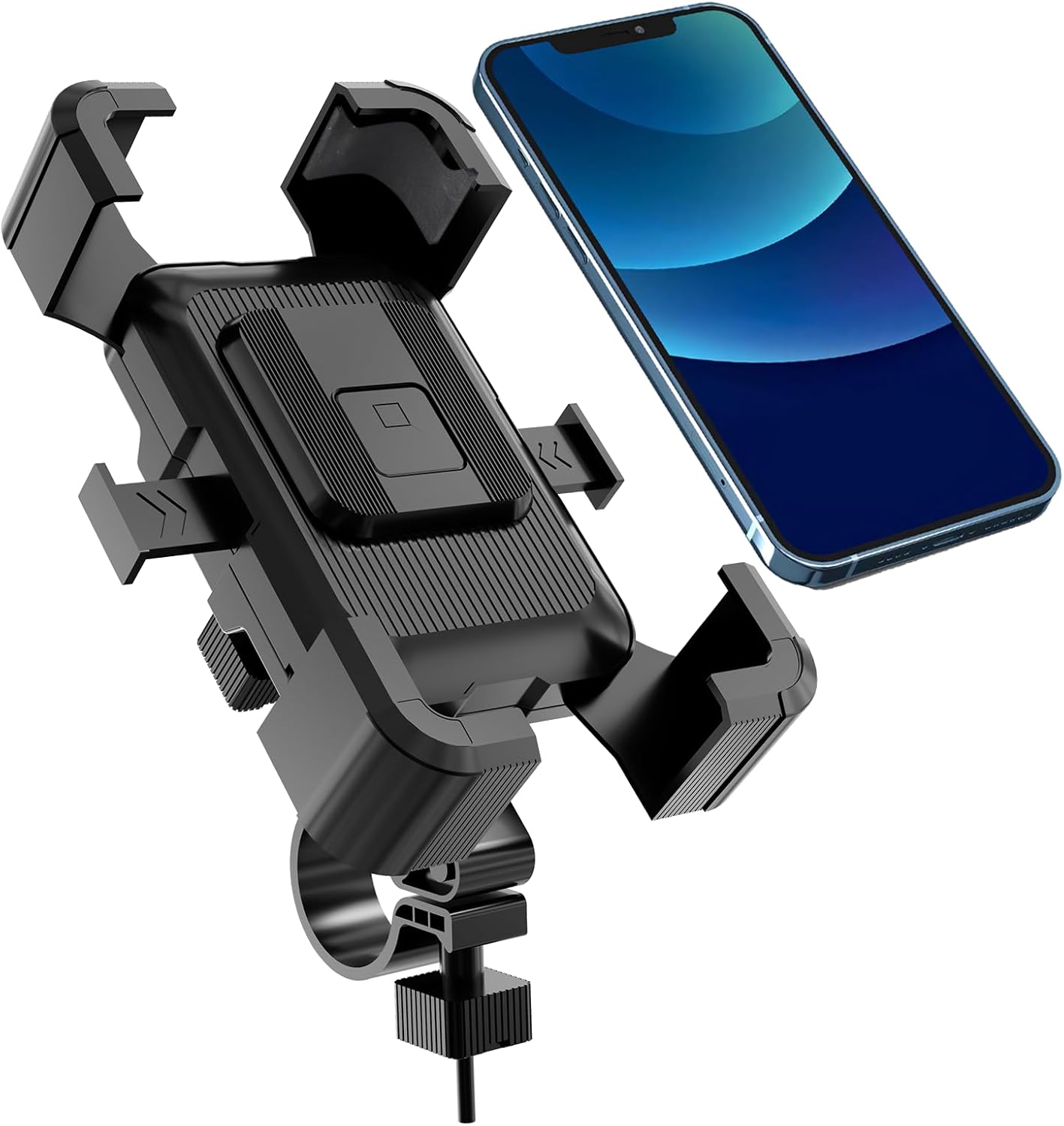
What to do instead: Budget for essential gear from day one. A good helmet ($50–$100), U-lock ($40–$80), and front/rear lights ($30–$60) are non-negotiable for safety. Consider adding fenders, a rear rack, and a phone mount if they’re not included. These small investments can greatly enhance your riding experience.
❌ Mistake: Believing All “High Wattage” Motors Are Better
Why it’s bad: A 1000W motor sounds impressive, but on a cheap e-bike, it might be underpowered, inefficient, or even illegal. High wattage doesn’t guarantee better performance—especially if the battery can’t support it.
What to do instead: Focus on real-world performance, not just specs. A 500W motor with good torque and a 48V battery can outperform a 750W motor with a weak controller. Read reviews that include hill-climbing tests and range assessments. Match the motor to your needs—don’t overbuy for flat city riding.
❌ Mistake: Ignoring After-Sales Support
Why it’s bad: If your e-bike breaks down, you’ll need parts, repairs, or troubleshooting help. Brands with poor support may leave you stranded with a non-functional bike.
What to do instead: Choose brands with strong customer service, clear warranty terms, and accessible repair networks. Look for companies that offer phone support, online chat, or local service centers. Check if they stock common replacement parts like brake pads, chains, or displays.
Budget Guidelines: How Much Should You Spend?
Entry-Level ($500–$700): This tier is ideal for casual riders, students, or those testing the e-bike waters. Expect basic features: 250W–350W motors, 36V 8–10Ah batteries (20–30 mile range), and minimal accessories. Build quality may be adequate but not exceptional. Best for flat terrain and short commutes. Models like the Gotrax GXL V2 or Swagtron EB5 fall into this range.
Mid-Range ($700–$1,000): The sweet spot for most buyers. These e-bikes offer a great balance of performance, durability, and features. Look for 500W motors, 48V 10–13Ah batteries (30–50 mile range), hydraulic or mechanical disc brakes, and included lights and fenders. Brands like Heybike, Ancheer, and Lectric excel here. This range suits daily commuters, weekend explorers, and riders with moderate hills.
Premium ($1,000–$1,500): For enthusiasts and serious riders who want reliability and advanced features. Expect higher-quality components: Shimano gears, hydraulic disc brakes, suspension forks, and smart displays. Batteries are often 500Wh+, with ranges exceeding 60 miles. These bikes are built to last 5+ years with proper maintenance. Aventon and Rad Power Bikes offer strong options in this tier.
Luxury ($1,500+): Top-tier e-bikes with cutting-edge tech, premium materials, and exceptional performance. Features may include torque sensors, regenerative braking, GPS tracking, and app integration. These are for riders who prioritize comfort, speed, and innovation. While not “cheap,” some models offer long-term value through durability and resale potential.
Expert Tips for Getting the Best Deal
1. Buy During Seasonal Sales: The best time to buy an e-bike is during major sales events like Black Friday, Cyber Monday, or end-of-season clearances (August–September). Many retailers offer discounts of 15–30%, plus free shipping or bundled accessories. Sign up for newsletters from brands like Gotrax, Lectric, or Heybike to get early access to deals.
2. Compare Online and In-Store Options: Online retailers often have lower prices due to reduced overhead, but in-store purchases let you test ride and get immediate support. Some stores price-match online deals—ask before buying. Consider hybrid options: order online but pick up in-store to avoid shipping fees.
3. Look for Refurbished or Open-Box Models: Many brands sell certified refurbished e-bikes at 20–40% off retail. These are typically inspected, tested, and come with a warranty. Open-box items (returned but unused) are another great way to save. Just ensure they’re covered by the manufacturer’s return policy.
4. Check for Government Incentives: Some cities and states offer rebates or tax credits for e-bike purchases. For example, California’s Clean Air Vehicle program provides up to $1,000 off. Research local programs—you might qualify for significant savings.
5. Read the Return Policy Carefully: A generous return window (30 days or more) gives you time to test the bike in real conditions. Avoid retailers with restocking fees or short return periods. Some brands offer “ride-and-return” policies, allowing you to keep the bike during the trial period.
6. Join E-Bike Communities: Online forums like Reddit’s r/ebikes or Facebook groups often share exclusive discount codes, flash sales, or group buys. Members also post honest reviews and warnings about problematic models.
7. Consider Financing Options: Many brands offer 0% APR financing through services like Klarna or Affirm. This lets you spread payments over 6–12 months without interest—making a $1,000 bike feel like $83/month. Just ensure you can afford the payments and understand the terms.
8. Negotiate with Local Dealers: Independent bike shops may be willing to match online prices or throw in free accessories (helmet, lock, tune-up) to earn your business. It never hurts to ask—especially if you’re buying multiple items.

Frequently Asked Questions
Q: Are cheap e-bikes safe to ride?
A: Yes, many budget e-bikes are safe when used properly. Look for models with reliable brakes (disc brakes preferred), sturdy frames, and proper lighting. Always wear a helmet, follow traffic laws, and perform regular maintenance. Avoid ultra-cheap models with no brand reputation or safety certifications.
Q: How long do e-bike batteries last?
A: Most lithium-ion batteries last 500–1,000 charge cycles, which translates to 2–4 years with regular use. Proper care—like avoiding extreme temperatures and not draining to 0%—can extend lifespan. Replacement batteries typically cost $300–$600.
Q: Can I ride an e-bike in the rain?
A: Yes, most e-bikes are water-resistant (IPX4 or higher), meaning they can handle light rain and splashes. However, avoid submerging the battery or motor, and dry the bike after wet rides. Fenders help protect you and the components.
Q: Do I need a license to ride an e-bike?
A: In most U.S. states, no license is required for Class 1, 2, or 3 e-bikes (motor under 750W, max speed 20–28 mph). However, some cities have additional rules. Check your local DMV or transportation department for specifics.
Q: How fast can a cheap e-bike go?
A: Most budget e-bikes are limited to 20 mph (Class 2) or 28 mph (Class 3) under motor power. Actual speed depends on terrain, rider weight, and assist level. Throttle-only models typically cap at 20 mph.
Q: Can I upgrade a cheap e-bike later?
A: Some components like tires, seats, and lights can be upgraded easily. However, major upgrades (motor, battery, controller) are often impractical due to compatibility and cost. It’s usually better to buy a bike that meets your needs from the start.
Q: Are folding e-bikes as durable as regular ones?
A: High-quality folding e-bikes can be just as durable, but the hinge mechanism requires regular maintenance. Choose models with reinforced joints and avoid cheap knockoffs. For daily commuting, a well-built folding bike is a great space-saving option.
Q: What’s the difference between pedal assist and throttle?
A: Pedal assist (PAS) provides motor power only when you pedal, with adjustable levels. Throttle lets you ride without pedaling, like a scooter. Class 2 e-bikes have throttles; Class 1 do not. Throttle is convenient but uses more battery.
Q: How do I maintain my e-bike?
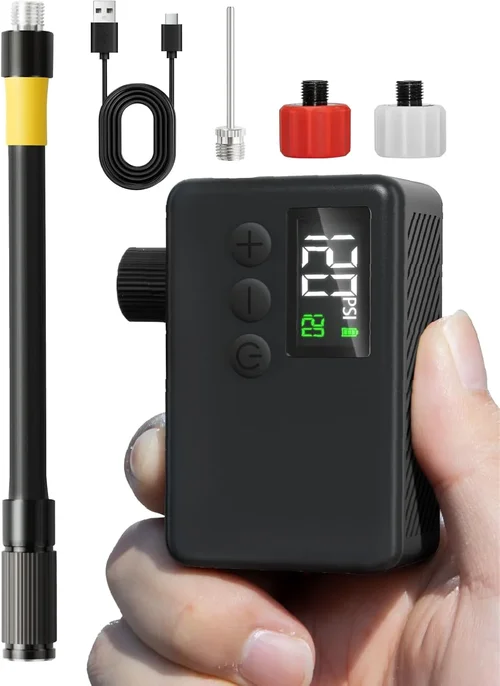
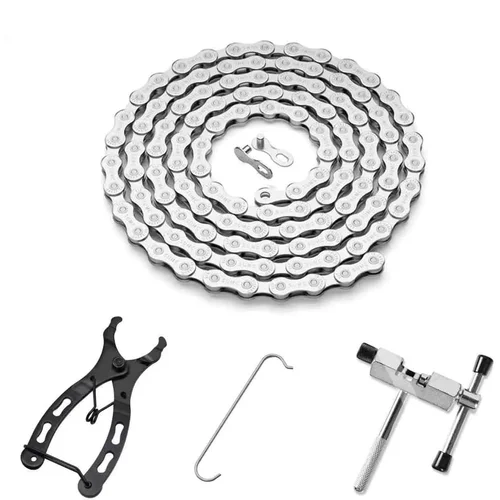
A: Regular maintenance includes checking tire pressure, cleaning the chain, inspecting brakes, and charging the battery properly. Most issues can be handled at home with basic tools. For complex repairs, visit a certified e-bike technician.
Q: Can I take my e-bike on public transit?
A: Many buses and trains allow e-bikes, especially folding models. Check with your local transit authority for rules. Some require bikes to be covered or have specific hours. Folding e-bikes are usually the easiest to transport.
Our Final Recommendations
Best for Budget-Conscious Buyers: Gotrax GXL V2 – At around $600, this commuter e-bike offers solid performance, a 36V 7.5Ah battery (up to 25 miles), and a lightweight aluminum frame. It’s ideal for students and short-distance riders who need reliability without the premium price.
Best Overall Value: Lectric XP 3.0 – Priced at $999, this fat-tire folding e-bike delivers exceptional versatility. With a 500W motor, 48V 10.4Ah battery (45+ mile range), and included fenders and rack, it’s perfect for urban and off-road use. The removable battery and strong warranty add long-term value.
Best Premium Option: Aventon Pace 500.3 – At $1,499, this step-through commuter e-bike combines style, comfort, and performance. Features include a 500W motor, 48V 14Ah battery (60+ mile range), hydraulic disc brakes, and a bright integrated display. Ideal for daily commuters who want a premium ride.
Best for Beginners: Swagtron EB5 Pro – This folding e-bike ($649) is lightweight, easy to ride, and perfect for first-time e-bike owners. With a 36V 7.5Ah battery and simple controls, it’s great for learning the basics of electric cycling.
Best for Advanced Users: Rad Power Bikes RadCity 5 Plus – At $1,599, this is a high-performance commuter with a 750W motor, 48V 14Ah battery, and advanced features like a torque sensor and app connectivity. Built for riders who demand power, range, and reliability.
Conclusion: Making the Right Choice
Choosing the best cheap e-bike in 2026 doesn’t have to be overwhelming. By focusing on key factors like budget, performance, build quality, and warranty, you can find a model that delivers real value without breaking the bank. Remember, the cheapest option isn’t always the best—invest in a bike that matches your lifestyle, terrain, and long-term needs.
Take your time, read reviews, test ride when possible, and don’t hesitate to ask questions. Whether you’re commuting to work, exploring local trails, or just enjoying the freedom of electric-assisted riding, the right e-bike can transform your daily routine. With the insights from this guide, you’re now equipped to make a confident, informed decision. Happy riding—and welcome to the future of affordable, sustainable transportation.